REVIEW · RAPA NUI NATIONAL PARK
Easter island: Snorqueling tour on coral reefs
Book on GetYourGuide →Operated by Paikea tours · Bookable on GetYourGuide
The reef off Rapa Nui is close-up magic. You start with a short setup and training, then swim over coral where you can spot endemic species and enjoy underwater videos from the day. Weather matters, so the team may shift the swim location to keep the water as clear as possible.
What I like most is the weather-based choice of where to snorkel. In practice, that means you’re not just driving to a random spot—you’re going where conditions are best that day, and guides like Baty are ready to steer you there quickly. I also love how guides point out what you’re seeing underwater, from coral colors to fish and even plant life, with names and context shared in plain language.
One consideration: snorkeling time and comfort can vary. It’s not a gentle stroll if you’re a non-swimmer, and even if you can snorkel, you may not feel like you can stay in the water the full stretch if you get tired or chilly. The tour is also aimed at adults and older kids (not for children under 9).
In This Review
- Key points before you go
- Rapa Nui Reef Snorkeling: What You’re Really Booking for
- Pickup From Hanga Roa and the Short Ride Into the Day
- Training and Safety Briefing: Why This Part Matters
- Rapa Nui National Park Time: A Land-Water Mix
- Swimming Over Coral Reefs: Visibility, Endemic Life, and Real Watch-Your-Eyes Fun
- Underwater Videos: Why This Is More Than a Gimmick
- Price and Value at $110: What You’re Getting for the Money
- Who This Snorkeling Tour Is Best For (And Who Should Skip)
- What to Bring: Simple Items That Make a Difference
- Weather Can Change the Spot, So Keep Your Expectations Flexible
- Should You Book This Snorkeling Tour?
- FAQ
- How long is the snorkeling tour?
- Where do you get picked up?
- What’s included in the price?
- Is this tour private or shared?
- What languages are the guides available in?
- Who should not book this tour?
Key points before you go
- Private, small feel: you’ll get a more personal setup, with a guide working around your group.
- Gear includes a shortie wetsuit: it helps you feel steadier in cooler water.
- Endemic species focus: the tour is built around what’s unique to Easter Island/Rapa Nui.
- Underwater video included: you get footage to share, not just memories.
- The spot can change with weather: the team will adjust to keep visibility high.
Rapa Nui Reef Snorkeling: What You’re Really Booking for
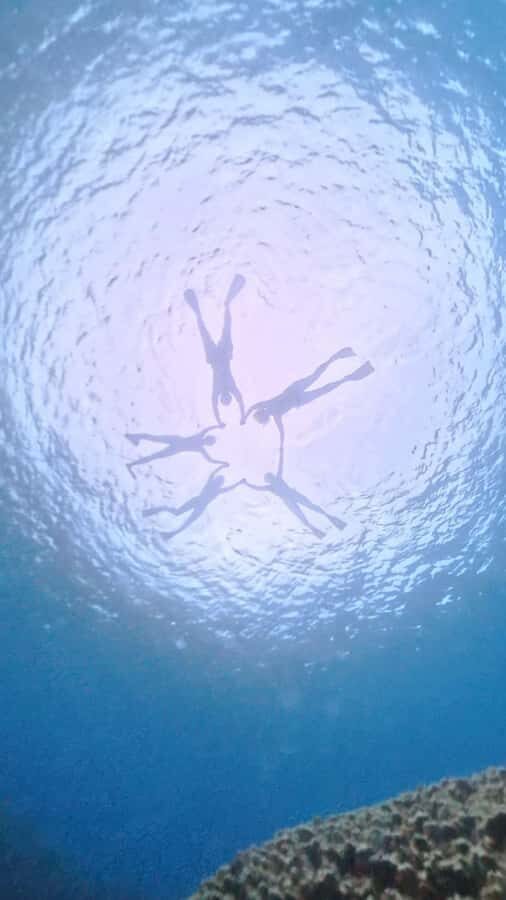
This is an Easter Island snorkeling tour built around one big goal: seeing coral reef life in good visibility off Rapa Nui. It’s a short outing—about 3 hours—but it’s structured so you don’t spend your time fiddling with gear. Instead, you get training first, then you’re in the water to watch the reef from the right angle: close to the coral, with fish cruising through the scene.
The best part is that you’re not just snorkeling for generic fish spotting. The tour is specifically framed around endemic species of the island, plus the rest of the underwater community that shows up around the reefs. One highlight from guides is how they name and explain what you’re looking at, like Damian’s knack for organizing setup quickly and pointing out what’s worth noticing.
Price is $110 per person, and for a 3-hour experience that includes pickup/drop-off, snorkeling equipment, underwater videos, and a trained guide, it’s pretty tightly packed value. You’re paying for the full “get you in the water safely and make it enjoyable” package—not just a boat and a handshake.
You can also read our reviews of more tours and experiences in Rapa Nui National Park.

Pickup From Hanga Roa and the Short Ride Into the Day
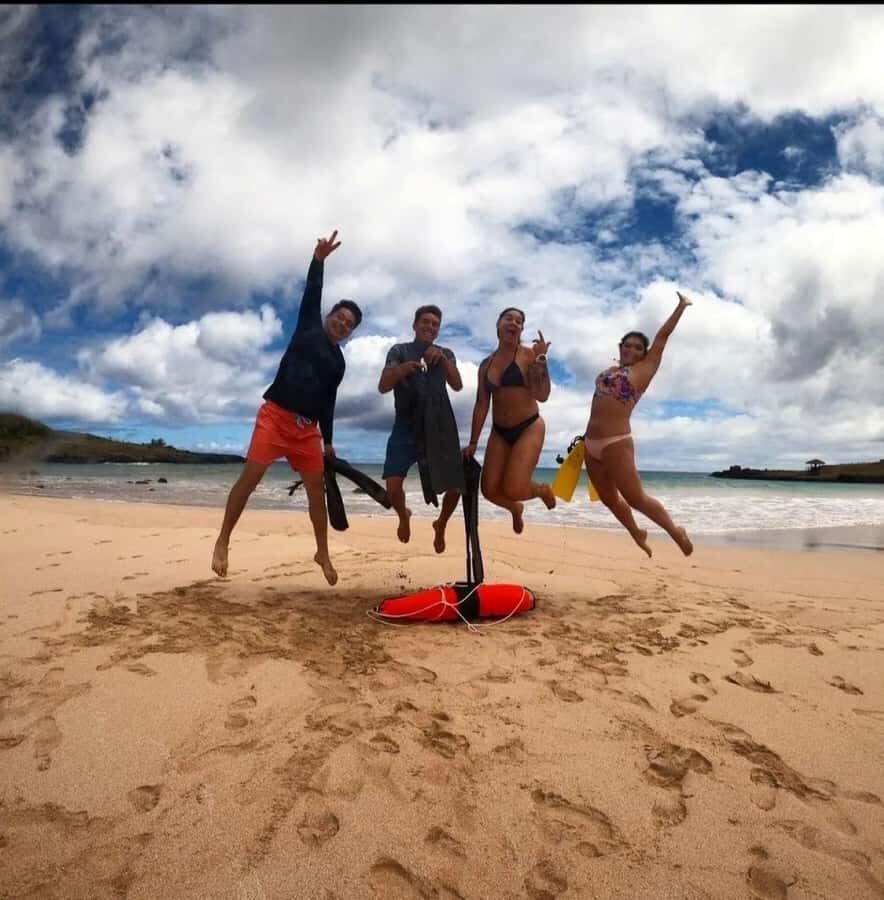
You start in Hanga Roa, with pickup and transport handled as part of the tour. From there, it’s about a 30-minute SUV/jeep ride toward Rapa Nui National Park. Even though it’s not a long drive, it matters because it gets you into the right zone for the reef access and keeps the schedule efficient.
You’ll also get a photo stop and a guided walk/talk as part of the time at the park. That’s a nice rhythm: land time first, then water time. It’s also helpful if you’re new to snorkeling, because you’re getting oriented to what’s coming while the guide can explain procedures and expectations.
One small but practical advantage of the drive: it reduces “logistics stress.” On Rapa Nui, getting around takes time. When the tour handles transfers, you can focus on the reef instead of figuring out routes.
Training and Safety Briefing: Why This Part Matters
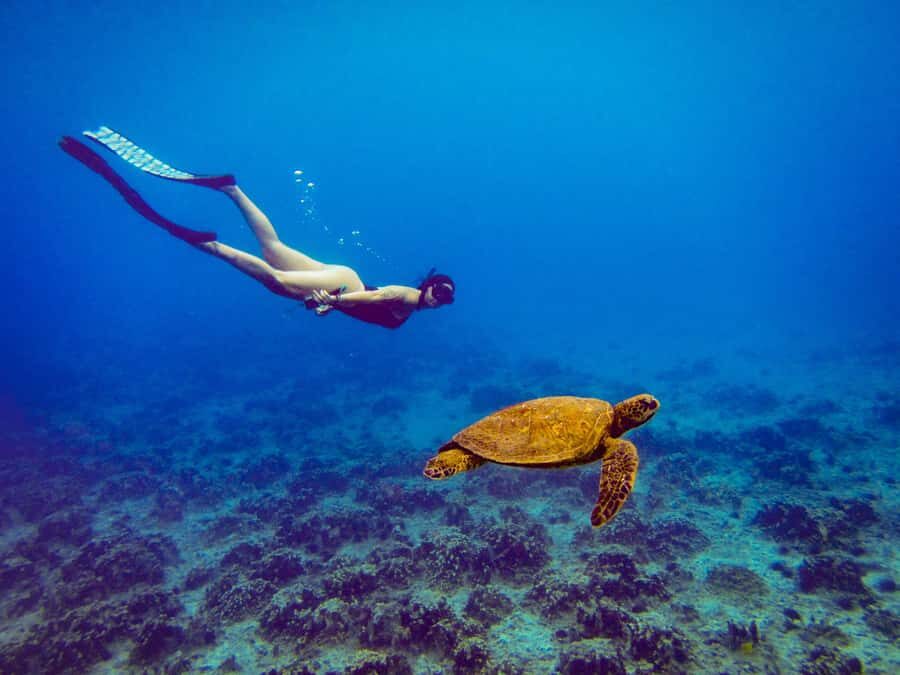
Before you’re in the water, the guide gives an introduction and equipment training. You’ll learn how to use the mask, snorkel, and fins and get coached on basic technique. That sounds standard, but it changes the whole feel of the experience. If you can move comfortably, the reef becomes the main event instead of your gear.
You’ll also get a safety briefing before swimming. The tour is not for everyone: it’s listed as not suitable for non-swimmers, and that’s a fair boundary. If you can’t swim confidently, snorkeling can become stressful fast, especially when you’re focused on breathing and staying balanced.
From what you see with guides like Damian and Francisca, the best tours don’t treat training as a checkbox. They set you up so you can actually relax and look around—because snorkeling is mostly about calm, not heroics. If you’ve ever struggled with salty water or felt out of breath, this “get the basics right first” approach is exactly what you want.
Rapa Nui National Park Time: A Land-Water Mix
Once you’re at Rapa Nui National Park, the day isn’t only “go straight to the water.” You get time for a guided tour and photo stop, then the transition toward snorkeling.
This matters for two reasons. First, it sets context so the reef doesn’t feel disconnected from the island. Second, it gives you a little buffer if you’re waiting on conditions. The activity location can change based on weather, and having that guided land time helps the day feel purposeful even when the plan adapts.
In practice, you’ll want to pay attention during the briefing. Guides often point out what to look for once you’re in the water—like how to spot fish movement without chasing it and how to watch coral without stirring it up. That kind of guidance is what turns “I saw some fish” into “I understood what I was seeing.”
Swimming Over Coral Reefs: Visibility, Endemic Life, and Real Watch-Your-Eyes Fun
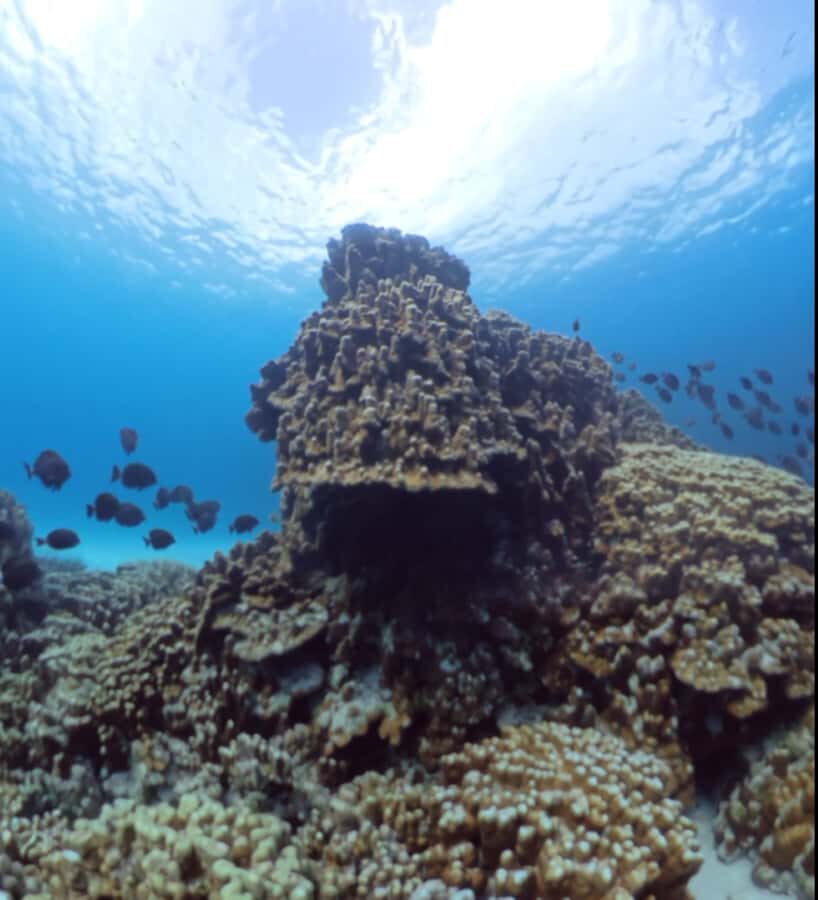
The snorkeling happens off the coast of Rapa Nui, where you’ll swim above a coral reef and look for endemic species. The tour description promises some of the best visibility, and the operational detail is that the team may shift where you swim to match the day’s conditions. That’s the right mindset: the reef looks best when the water cooperates.
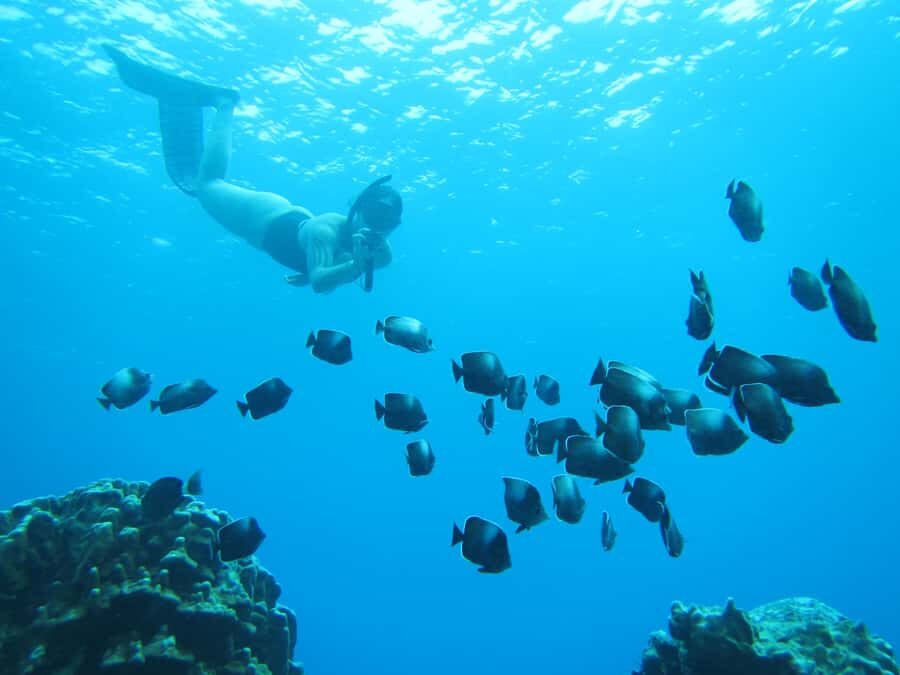
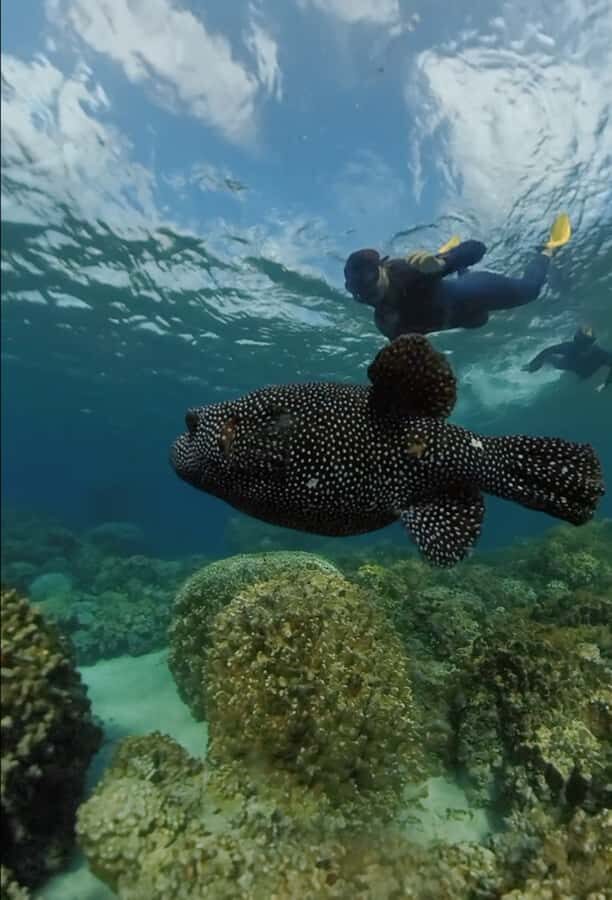
This is also where the tour earns its best feedback. People talk about coral in several colors and a range of fish, plus the overall “underwater world” feeling—fish darting, coral texture you can actually see, and plant life around the reef. Even one guide-focused experience highlighted how the guide kept pointing out specific fishes and explaining their names and significance.
If you’re wondering what to expect visually, think in layers:
- Close-up coral with color and texture you can track with your eyes.
- Midwater fish that weave around the reef instead of staying put.
- Occasional surprises—the little movements and behaviors that you notice when you’re not rushing.
Where you swim can affect what you see. One documented day went off Ovahe beach, which sounds like the kind of area that can deliver clear, exciting snorkeling. The main takeaway for you is simple: show up prepared to follow the guide’s call on location. Weather-driven adjustments are part of how the tour protects the viewing quality.
Underwater Videos: Why This Is More Than a Gimmick
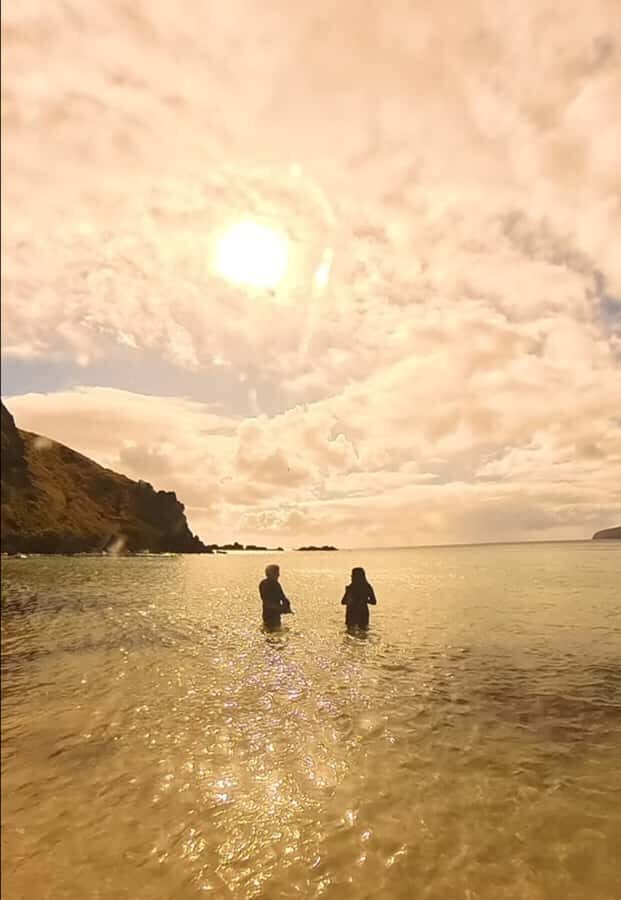
A lot of tours promise photos. This one includes underwater videos. That’s not just for bragging rights. It helps you remember details you’ll otherwise miss underwater, like how fish swim through coral structures and how fast the color changes when you turn your head.
Guides like Francisca are reported to record cool video moments, which pairs well with the underwater focus. If you’re the type who forgets to take your own shots, having the video captured for you is genuinely helpful.
One practical tip: when you get your briefing and final checks before entering the water, pay attention to how the recording will work. If anything about the setup seems off, ask right then. It’s easier to fix at the start than after you’re already out there trying to breathe and look at coral.
Price and Value at $110: What You’re Getting for the Money
At $110 per person for 3 hours, this tour isn’t aiming for the cheapest option. It’s priced like a guided, equipment-included activity with transfers and a tangible add-on (the underwater video).
Here’s the value math you can feel as a traveler:
- Pickup and drop-off from Hanga Roa saves you time and hassle.
- Equipment included means you don’t need to rent gear or guess about fit.
- Underwater videos mean you’re buying more than memories.
- A trained guide reduces beginner mistakes and increases your chances of actually enjoying the water.
The “private group” part also matters. Even when there are multiple companies offering snorkeling, the difference between a crowded situation and a more personal setup shows up fast in training and attention. If you’re a nervous snorkeler, that extra care is worth something.
Who This Snorkeling Tour Is Best For (And Who Should Skip)
This tour is best for:
- Non-beginners or confident swimmers who want a structured snorkeling outing.
- People who enjoy guided nature spotting and want explanations, not just “look left.”
- Travelers who prefer a short, focused activity rather than a half-day on the move.
It’s not suitable for:
- Children under 9
- Wheelchair users
- Non-swimmers
If you’re on the fence because you’re a weaker swimmer, be honest with yourself. Snorkeling can feel simple until you’re tired, breathing feels awkward, or conditions require more effort than expected. The tour’s safety framing is there for a reason.
If you’re traveling with older kids who can swim well, this kind of guided snorkeling can become a memorable Easter Island moment. But if you’re traveling with very young kids or anyone who can’t swim confidently, you’ll save money and stress by looking for a different kind of activity.
What to Bring: Simple Items That Make a Difference
The tour lists what you should bring, and I’m glad it’s straightforward. Pack:
- Change of clothes
- Beachwear
- Hair tie
That’s it, and it’s exactly what you’ll want after time in the water. You’ll likely be dealing with wet hair and a chill after you come out, so having a full change ready makes you feel human again.
You should also plan to follow any guide instructions about wetsuit and gear. The equipment is part of the experience, and correct fit helps you move smoothly in the water.
Weather Can Change the Spot, So Keep Your Expectations Flexible
On Rapa Nui, conditions can shift. This tour is designed to adapt: the activity place may change depending on weather, and the team aims for the best visibility possible.
This is a good thing for you if you understand the tradeoff. You’re giving up the comfort of knowing the exact beach name forever. In return, you get a plan that prioritizes water clarity and a better chance of seeing more reef life.
It’s also why the guide’s role matters so much. The best experience isn’t just about finding coral—it’s about finding coral under the right conditions and helping you snorkel safely while the day evolves.
Should You Book This Snorkeling Tour?
Book it if you want a guided, equipment-included Easter Island snorkeling experience with a real focus on reef life and endemics. The combo of short training, snorkeling over coral, and underwater videos makes it feel complete for the time you’re spending, and the $110 price feels more justified when you consider what’s included.
Skip or rethink it if you’re a non-swimmer, bringing a child under 9, or you want a totally “set in stone” plan regardless of conditions. Water comfort and skill matter here, and the tour is honest about who it’s for.
If you do book, do one thing that will pay off: show up ready to follow the guide’s instructions and be flexible about where you snorkel. On days when visibility is strong, this kind of close reef experience turns into the memory you keep thinking about later.
FAQ
How long is the snorkeling tour?
The tour lasts about 3 hours.
Where do you get picked up?
Pickup starts in Hanga Roa, and you’re also dropped back there at the end.
What’s included in the price?
It includes pickup and drop-off, snorkeling equipment, underwater videos, and a tour guide.
Is this tour private or shared?
It’s a private group.
What languages are the guides available in?
The live tour guide operates in English, Spanish, and Portuguese.
Who should not book this tour?
It’s not suitable for children under 9, wheelchair users, or non-swimmers.