REVIEW · SAN CARLOS DE BARILOCHE
Cerro Tronador
Book on GetYourGuide →Operated by ZIGZAG Travel · Bookable on GetYourGuide
Ice thunder vibes in Patagonia. Cerro Tronador sits on the Chile–Argentina border and anchors a full-day outing inside Nahuel Huapi National Park, where glaciers, waterfalls, and big mountain views come one after another. You’ll go out of Bariloche for a long scenic day, stopping at key spots like the Black Glacier viewpoints and dramatic cascades formed by melted ice.
I especially like how the stops connect geology to what you see. The glacier on Tronador feeds the Manso River, and the day explains why the Black Glacier looks the way it does. I also like the waterfall rhythm—La Garganta del Diablo is the star moment, and the quieter forest stop at Saltillo de las Nalcas adds variety without feeling like another theme-park detour.
The main drawback to plan for is time in transit. This is a 9-hour day with road time and multiple photo/view stops, so if you hate sitting on buses and vans for long stretches, you’ll want to manage expectations (or consider a more private setup).
In This Review
- Key highlights worth your attention
- A long scenic day: how the 9 hours really play out
- Cerro Tronador: the Chile–Argentina border mountain you’re here for
- Ventisquero Negro (Black Glacier): brownish-gray ice and big glacier physics
- The Devil’s Throat: why this waterfall feels like a natural stage
- Saltillo de las Nalcas: the quieter waterfall break in the forest
- Nahuel Huapi National Park: why the circuit is worth it
- Logistics and value: what the $55 covers and what it doesn’t
- Who should book Cerro Tronador (and who should think twice)
- What to pack for a glacier-and-waterfall day
- Should you book Cerro Tronador?
- FAQ
- How long is the Cerro Tronador day trip?
- Where does the pickup happen?
- Is the national park entrance fee included in the price?
- Can I pay the park fee and buy food with a card?
- What sights are included during the tour?
- Is there a guide on the trip?
- What’s included in the price besides the guide?
- Is it possible to cancel for a full refund?
Key highlights worth your attention
- The Tronador viewpoint at the base: You’re set up for glacier views that tie directly to the Manso River.
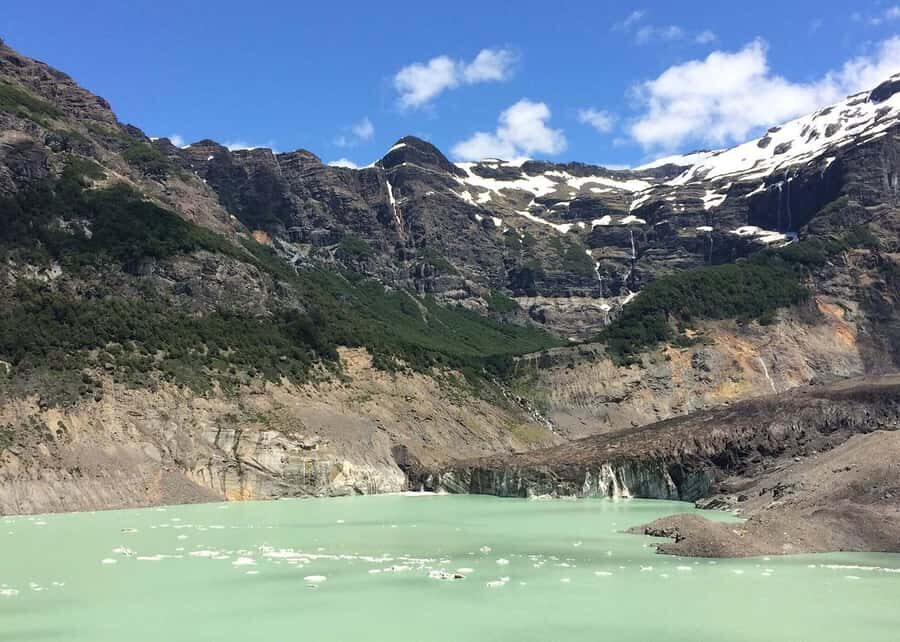
- Ventisquero Negro’s strange color: Brownish-gray ice blocks from avalanches of ice and mud make the glacier look more rugged than textbook-white.
- La Garganta del Diablo (Devil’s Throat): A waterfall created by melted glacial ice, squeezed by high rock walls for big visual impact.
- Saltillo de las Nalcas in the forest: A hidden-feeling waterfall stop that breaks up the big-mountain scenery.
- A guide who explains the place: Spanish live guiding often includes the story behind the name Tronador—thunder from falling blocks of ice.
- Roundtrip Bariloche transportation: The logistics are mostly handled, so your day is built around views and stops rather than route planning.
A long scenic day: how the 9 hours really play out
This trip is scheduled for about 9 hours, and that matters because the best views of Tronador are far enough from Bariloche that you’ll spend a good chunk of the day traveling. The upside is that the day feels like a mini road journey through Patagonia’s natural highlights, not just one quick stop.
A practical note: roads can be challenging in this region, and the group typically rides in shared transportation. On some departures, the driver is praised for handling those conditions well, but you should still plan for “Patagonia road time” as part of the experience.
Also, don’t expect every moment to be an extended hike. You’ll do short stretches to viewpoints and waterfalls, with other time spent arriving, photographing, and moving on. If you’re the type who needs constant fresh air breaks, pack patience—and pack layers.
You can also read our reviews of more tours and experiences in San Carlos De Bariloche.
Cerro Tronador: the Chile–Argentina border mountain you’re here for
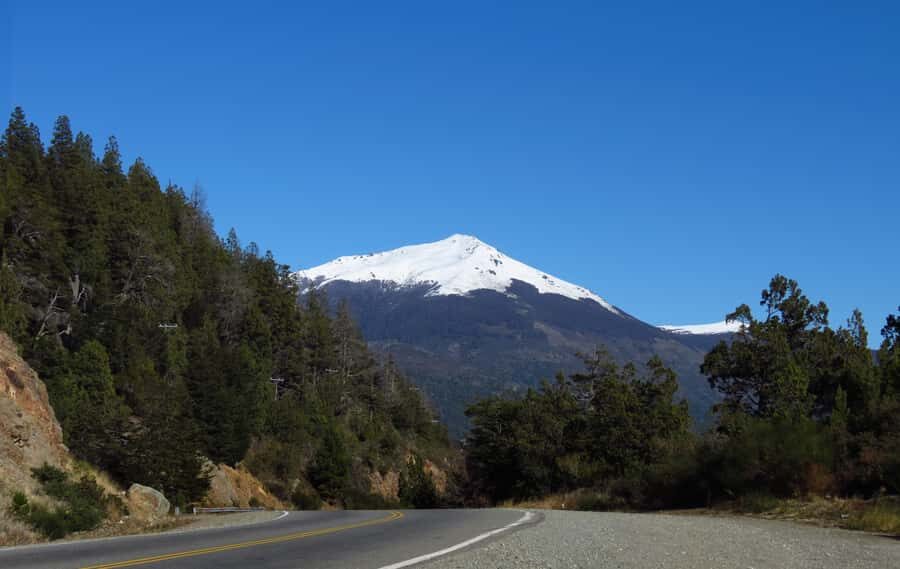
Cerro Tronador is 3,478 meters high, and it’s more than a dramatic summit silhouette. It forms a natural border between Chile and Argentina, which gives the place a built-in sense of scale: you’re looking at a mountain that belongs to two countries at once.
The name Tronador comes from the thunderous sounds produced by massive falling blocks of ice. Even if you can’t catch the exact thunder moment, the idea helps you understand why this mountain is so famous for glacier activity—ice movement here isn’t just visual, it’s loud and force-driven.
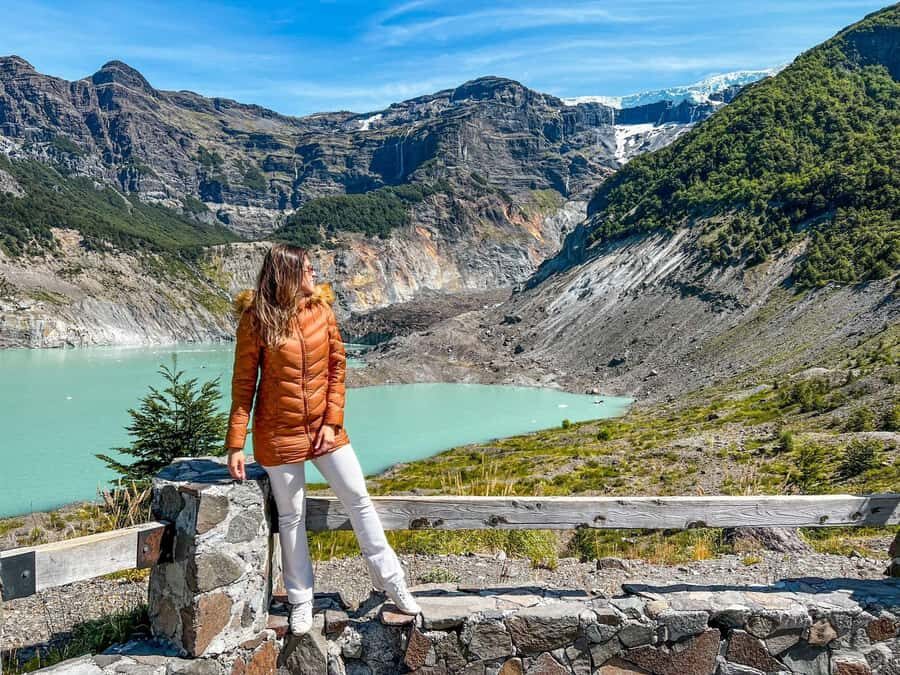
Your first big payoff is the viewpoint at the base. From there, you can see the glacier that feeds the Manso River, which is a satisfying “cause and effect” moment. You’re not only looking at scenery; you’re seeing the natural system behind the scenery.
Why this stop is valuable: it sets the stage for everything else. Once you understand Tronador as the source, the next glacier-and-waterfall sights feel connected instead of random photo stops.
Ventisquero Negro (Black Glacier): brownish-gray ice and big glacier physics
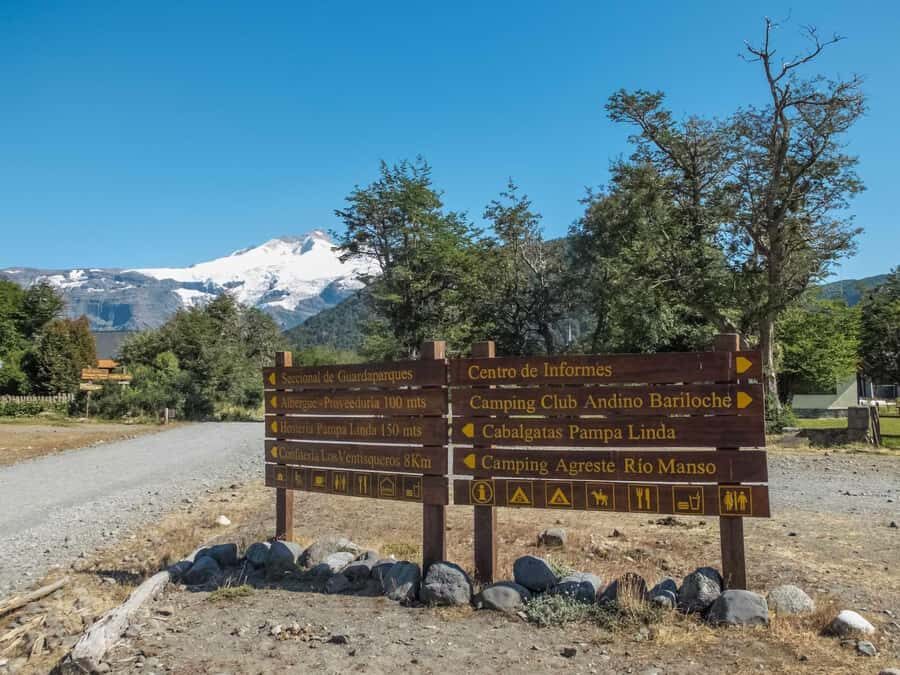
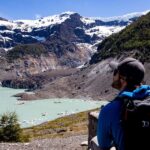
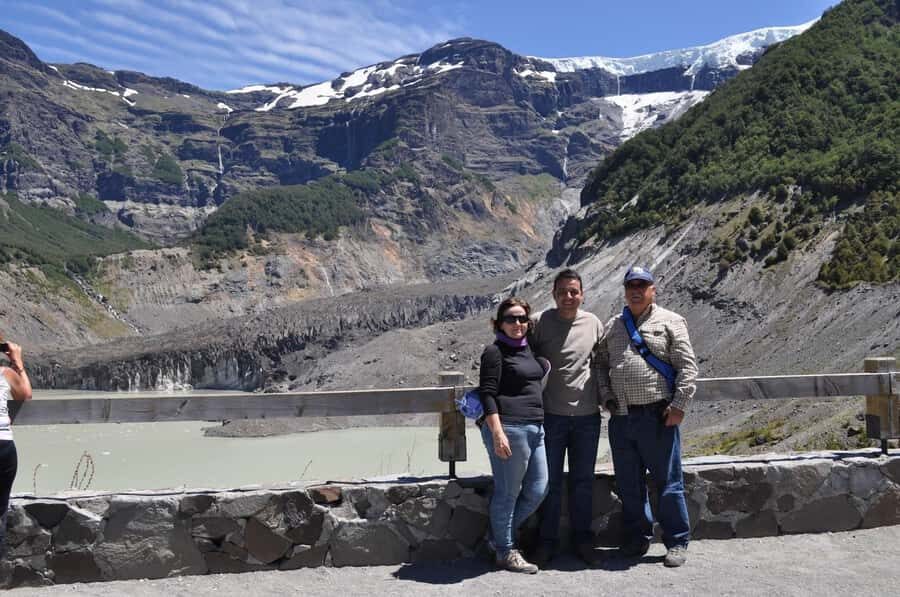
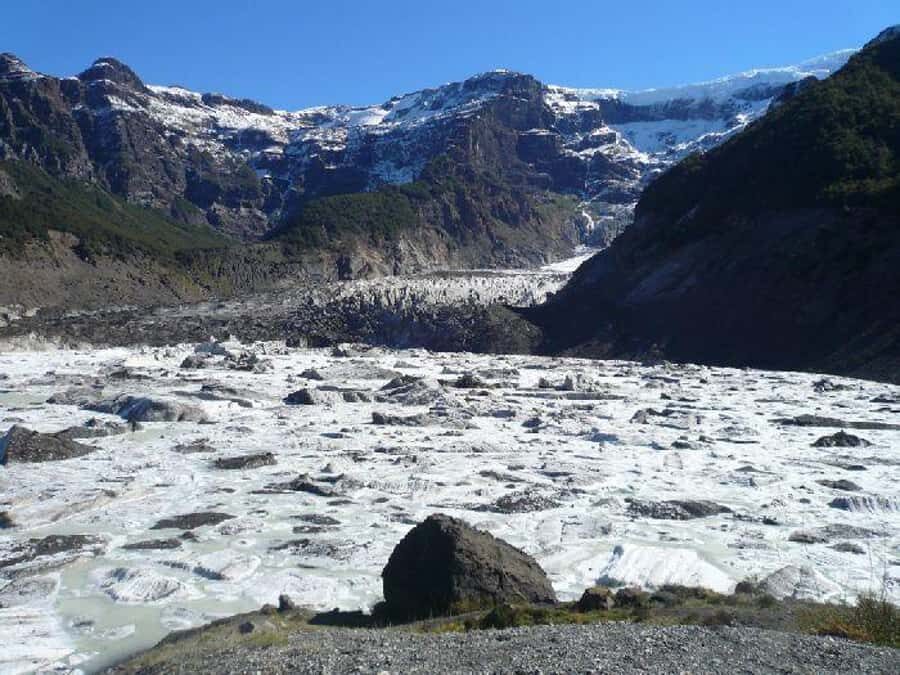
After Tronador’s base viewpoint, the day focuses on the glacier itself, especially Ventisquero Negro, often called the Black Glacier. The glacier isn’t black like coal. Instead, it consists of huge brownish-gray blocks formed by avalanches of ice and mud.
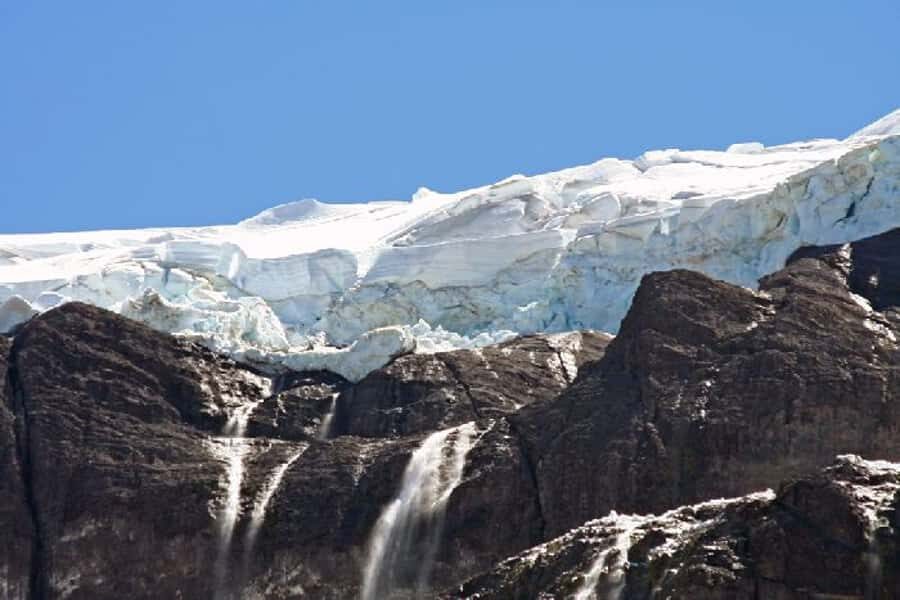
That color comes from the mix of glacier ice and debris, and it’s one reason Ventisquero Negro looks so different from the clean-white glaciers people imagine. You’ll likely notice the glacier looks rugged and broken into heavy blocks—more like an enormous ice-and-earth collapse zone than a perfectly smooth sheet.
This is where a good guide pays off. A Spanish-language guide can connect what you’re seeing to the mechanics: avalanches, melting, and the way glacial material moves and deposits over time. If you get a guide such as Florencia (or Nacho on other departures), you may find the explanations make the landscape feel more understandable instead of just dramatic.
Possible drawback here: it’s a viewing experience first. You can enjoy it even without strenuous hiking, but you shouldn’t go in expecting a long hands-on glacier walk or an up-close climbing-style experience—nothing in this day is described as that kind of adventure.
The Devil’s Throat: why this waterfall feels like a natural stage
La Garganta del Diablo (The Devil’s Throat) is built for impact. This waterfall is created by melted glacial ice and drops through a setting surrounded by high rock walls, which turns the cascade into a kind of natural amphitheater.
When water comes out of glacial melt, it tends to carry more energy and can look forceful and fast. The “throat” setting matters because the canyon walls guide the flow and amplify your sense of height and speed.
This stop is often the emotional high point of the day. Even if you’re not a waterfall person, the combination of glacial melt + tight rock walls usually lands well. It’s the kind of scene where you’ll want to slow down, step back from photos for a minute, and just watch.
What to watch for: you’ll probably have only a limited window before the group moves on. That’s normal for a full-day circuit, so plan your photos fast, then give yourself a little time to look without your phone.
Saltillo de las Nalcas: the quieter waterfall break in the forest
Not every big moment in this outing is about the biggest spectacle. The day also includes Saltillo de las Nalcas, described as a hidden waterfall in the middle of the forest.
That “hidden” element is why this stop works as a reset. After glacier-and-canyon intensity, the forest setting gives you shade, texture, and a different soundscape—less roar from a canyon, more delicate movement and damp air.
This is also a nice example of how the park’s variety shows up within one day: lakes, beaches, mountains, and waterfalls all get mentioned as part of the broader experience. Even if you don’t get to name every stop in detail, you’re still likely to feel the park shift from open mountain views to closer-to-nature forest moments.
If you like variety and shorter walks, this is the stop that can make the day feel balanced rather than repetitive.
Nahuel Huapi National Park: why the circuit is worth it
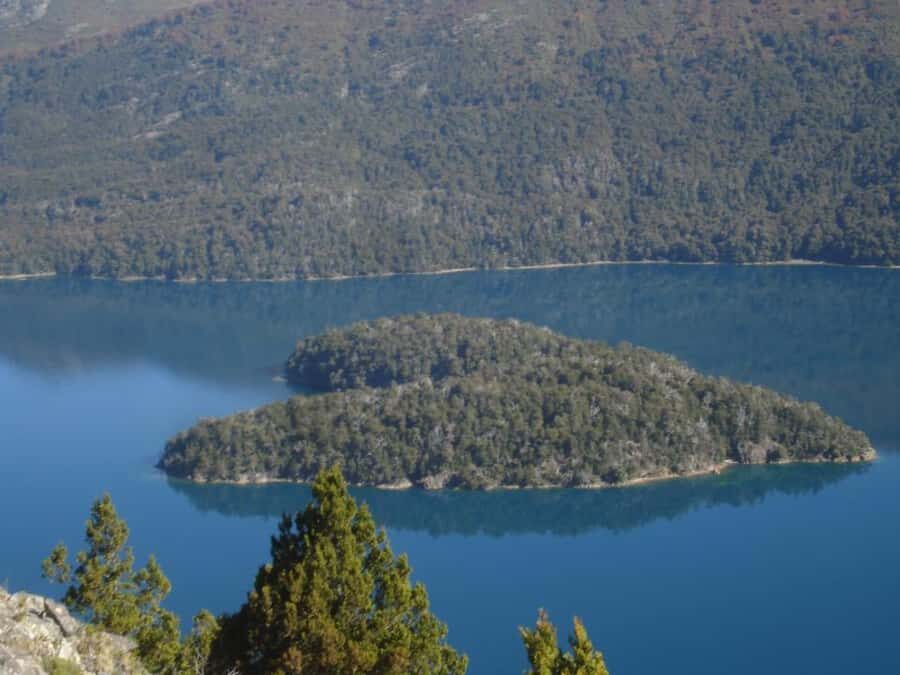
The whole outing is designed around major parts of Nahuel Huapi National Park, with a focus on big natural features: lakes, beaches, mountains, and waterfalls. The park is famous for mixing water, rock, and glacier influence, so the variety isn’t random. It’s the park doing what it does best.
I think this “loop” style works well for first-timers because it lets you sample the park’s top visual categories without needing to plan separate day trips. You get the mountain origin story (Tronador), the glacier character (Ventisquero Negro), and the results of melting (Devil’s Throat and forest falls).
Is it perfect? No. You’re still on a schedule, and some time may be spent on road segments and viewpoints where you mostly stop, look, and move along. If you’re hoping for a slow, uninterrupted nature day with constant free roaming, this format may feel a bit structured.
But if you want high return for your limited Patagonia time, this is a smart way to do it: see the big names, learn what makes them special, then get back to Bariloche without figuring logistics.
Logistics and value: what the $55 covers and what it doesn’t
The price is listed as $55 per person, and the key detail is what’s included. You get pickup and drop-off, roundtrip transportation between Bariloche and the Tronador, and a guide.
What’s not included is the entrance fee to the National Park. You’ll also need to pay for food with cash, since these payments can’t be made by card.
So, what’s the real value? In a place like this, the big cost isn’t just money—it’s time and planning stress. Here, transportation and guiding are built into the package, which can make the day feel smooth even if you’re not fluent in local logistics.
A small cost-management tip: bring cash specifically for entrance fees and meals. The day can be long, and waiting around because you need to find an ATM is the last kind of excitement you want.
Who should book Cerro Tronador (and who should think twice)
You’ll probably love this tour if you want a full-day nature hit with standout sights. It’s especially appealing if you enjoy glacier scenery, waterfalls, and explanations that help you read what you’re seeing—like the story behind Tronador’s thunder name.
It also makes sense if your Spanish comfort level is solid, since the live tour guide speaks Spanish. A stronger guide can turn a scenic stop into real understanding, and some departures are noted for guides like Florencia or Nacho who do a strong job explaining the area.
Think twice if you’re extremely sensitive to long rides or you really want lots of walking. The day includes enough road time that comfort matters, and some groups describe shared vans as tight. If you know you’ll be uncomfortable, you may prefer a more private approach or travel with an attitude of “I can handle some sitting to get the views.”
What to pack for a glacier-and-waterfall day
I’d pack like you’re going to Patagonia weather, not like you’re going to a mild sightseeing stroll. Even if the day is sunny, glacier valleys and shaded forest areas can feel cooler and damp.
Here are practical items that match what this outing delivers:
- Layers you can add/remove as you move between viewpoints and forest areas
- A warm outer layer for waterfall mist and glacier-air chill
- Waterproof or water-resistant shoes if paths feel wet near falls
- Cash for the national park entrance fee and food (no card payments for these)
- A compact snack if you hate relying on “maybe they sell something” during a long day
The goal is simple: keep your comfort high so you can enjoy the sights without thinking about your hands freezing or your shoes soaking.
Should you book Cerro Tronador?
If you want a high-impact day with mountain views, Black Glacier scenery, and the Devil’s Throat waterfall, this trip is an easy yes. The structure is built for first-timers: Tronador’s border mountain, the Ventisquero Negro glacier character, and then waterfalls that show what melting glacial ice looks like in real time.
Book it if you’re comfortable with a 9-hour schedule and shared transportation. If you’re the type who needs lots of outdoor free-walking time and hates being in transit, you might feel more satisfied with a private or smaller-group alternative.
Bottom line: for most people, the value comes from three things working together—transportation handled, Spanish live guiding, and multiple major park sights in one day. Just bring cash, bring layers, and plan to trade a bit of sitting for some truly dramatic Patagonia scenery.
FAQ
How long is the Cerro Tronador day trip?
The duration is listed as 9 hours. Starting times depend on availability.
Where does the pickup happen?
Pickup is included from hotels in Bariloche. If your address isn’t within the route, you’ll be assigned a meeting point as close to your accommodation as possible.
Is the national park entrance fee included in the price?
No. The entrance fee to the National Park is not included.
Can I pay the park fee and buy food with a card?
No. You should bring cash to pay the National Park entrance fee and to buy food, since these payments can’t be made by card.
What sights are included during the tour?
The tour includes stops around Cerro Tronador, Ventisquero Negro (Black Glacier), La Garganta del Diablo (The Devil’s Throat), and Saltillo de las Nalcas, plus additional scenery around Nahuel Huapi National Park.
Is there a guide on the trip?
Yes. A live tour guide is included, and the guide speaks Spanish.
What’s included in the price besides the guide?
The price includes pickup and drop-off plus roundtrip transportation between Bariloche and Tronador.
Is it possible to cancel for a full refund?
Yes. There is free cancellation up to 24 hours in advance for a full refund.