REVIEW · SANTIAGO CHILE
Santiago: 2-Day Hop-On Hop-Off Bus Ticket and Cable Car
Book on GetYourGuide →Operated by Turistik · Bookable on GetYourGuide
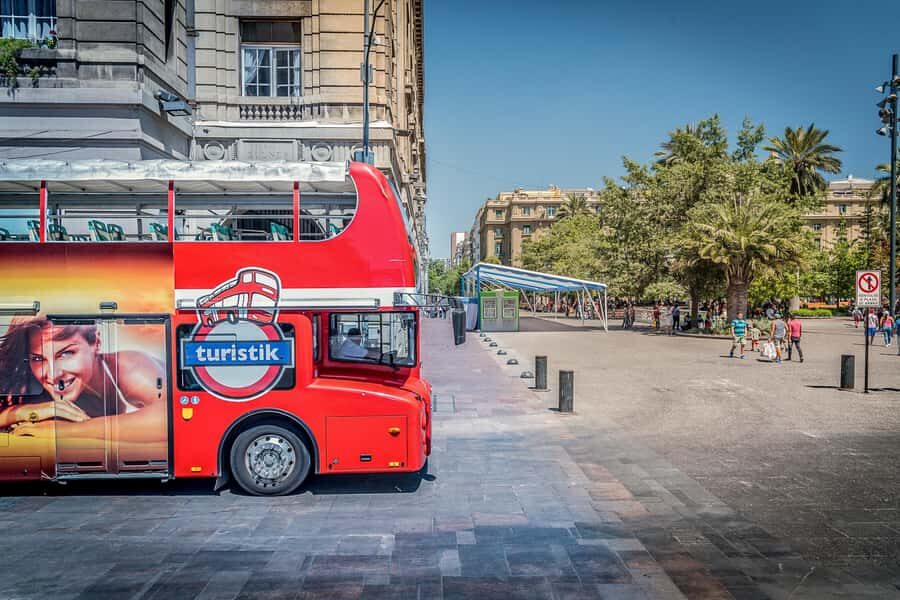
Two days in Santiago can feel like a week. This hop-on hop-off bus ties together the city’s key sights with included cable car and funicular time, plus recorded commentary so you’re not just riding—you’re orienting yourself.
I especially love how the route lets you pick your pace. You can hop off, linger at places like Plaza de Armas or Santa Lucía, then get back on without making your day feel like a sprint.
One thing to plan for: signage is hit-or-miss. You may need to rely on the listed stop locations and your bearings around the pickup points, so arriving a little early at your starting stop helps.
In This Review
- Key things to know before you ride
- Why this Santiago combo ticket makes sense for a short stay
- The exact route logic: from Parque Arauco to Costanera Center
- Cable Car and Funicular: the big-view payoff (and the one day to watch)
- Stop-by-stop: what each main stop is really good for
- Parque Arauco Mall (Stop 1)
- Parque Bicentenario (Stop 2)
- Santiago Cable Car area (Stop 3)
- Bellavista (Stop 4)
- Plaza de Armas (Stop 5)
- La Moneda Palace area (Stop 6)
- Santa Lucía Hill (Stop 7)
- Plaza de la Aviación (Stop 8)
- Costanera Center (Stop 9)
- Las Condes Interactive Museum (Stop 10)
- Timing that actually helps: circuits, frequency, and when to be smart
- Audioguides and staff: how you get more out of every ride
- What to bring (so your day doesn’t get annoying)
- Price value: what you’re really paying for
- Where this ticket fits best (and where it doesn’t)
- Quick practical plan I’d use
- Should you book this Santiago bus + cable car ticket?
- FAQ
- What are the operating hours for the bus?
- Where is the best starting point?
- How many hop-on hop-off stops are included?
- Does the ticket include the cable car and funicular?
- What time should I plan to finish the full circuit?
- Are San Cristóbal attractions available on Mondays?
- What languages are available for the audioguide?
- What should I bring for the day?
Key things to know before you ride
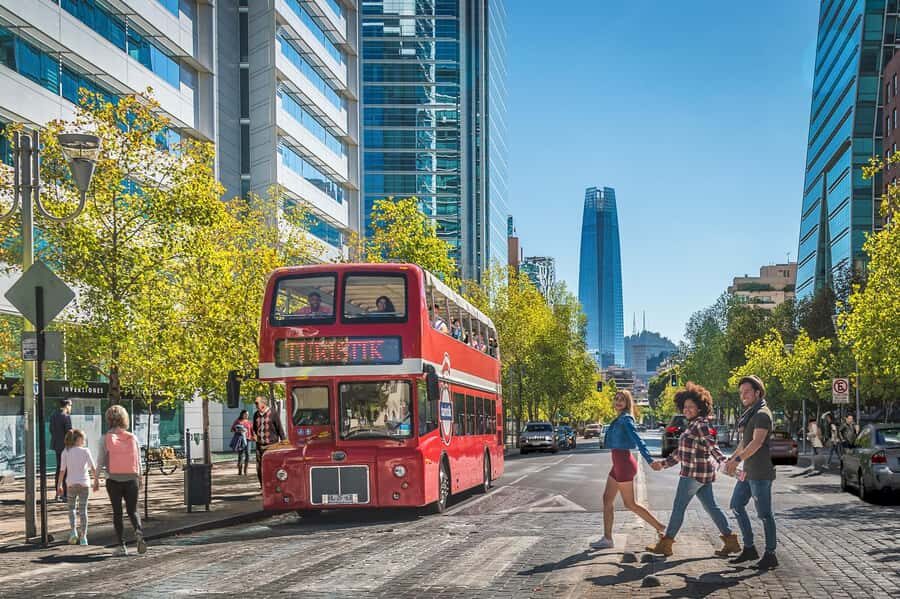
- Cable car and funicular included for 2 days, so you’re not stuck paying extra for the best viewpoints
- 10 hop-on stops covering both classic center sights and modern areas like Costanera Center
- Onboard audioguide in multiple languages, handy when you want quick context between stops
- Frequent service that works for a flexible day (and makes re-boarding easy)
- San Cristóbal attractions are not operational on Mondays, so your plan may need a swap
Why this Santiago combo ticket makes sense for a short stay
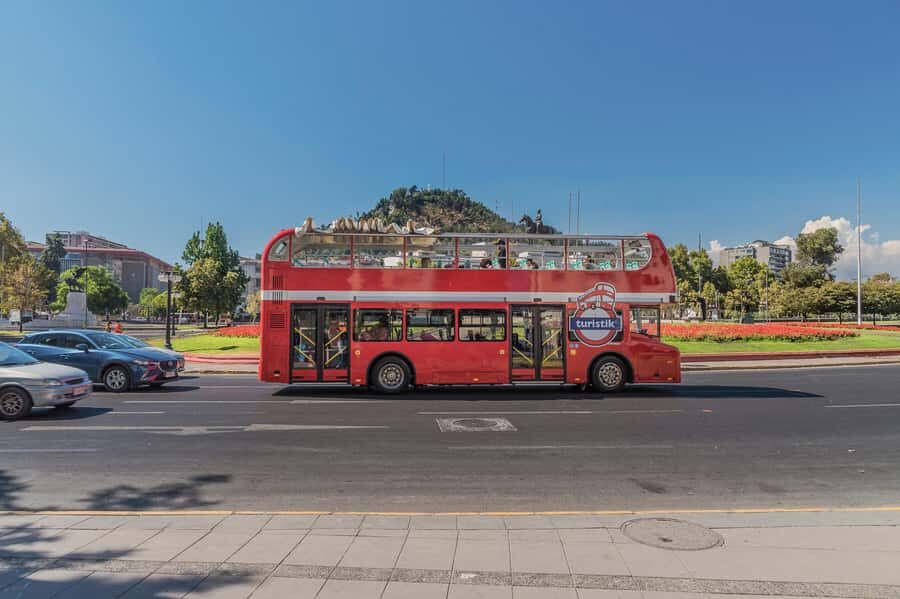
Santiago is not a “one neighborhood” city. The center is dramatic, the viewpoints are real, and the neighborhoods spread out enough that walking everywhere can burn your whole day.
This ticket is a practical fix: you get a two-day hop-on hop-off bus plus the mountain-side transit that many people end up treating as a separate splurge. When the cable car and funicular are already folded into the price, your sightseeing becomes less stressful. You can decide on the day you do the big views, and you’re not juggling timing with extra tickets.
The second reason I like it is that it’s designed for orientation. The recorded commentary gives you a quick mental map as the bus moves through different parts of town. That means when you step off, you’re not just looking—you understand what you’re looking at, even if you only have a couple of hours.
A few more Santiago Chile tours and experiences worth a look


The exact route logic: from Parque Arauco to Costanera Center
This experience starts at Parque Arauco, a major shopping and restaurant area in Las Condes. It’s a smart first stop because it’s easy to find and it sets you up for a smooth launch of the day. You’ll also end near Costanera Center, which is one of the most iconic modern landmarks in Santiago and an easy place to buy snacks or souvenirs after you finish your circuit.
Between those bookends, the route threads together some high-impact neighborhoods and viewpoints:
- Parque Bicentenario for an easy stretch and photo time
- Providencia stops (including the cable car area) for skyline views
- Old town anchors like Plaza de Armas and the area in front of La Moneda
- Hill and viewpoint stops, including Santa Lucía
- Las Condes for a more contemporary feel and a modern museum option
You can hop on and off at 10 stops as many times as you want over your two consecutive days. That matters because Santiago sightseeing often takes longer than the schedule in your head. A hop-on ticket gives you back that “oops, I stayed longer” freedom.
Cable Car and Funicular: the big-view payoff (and the one day to watch)
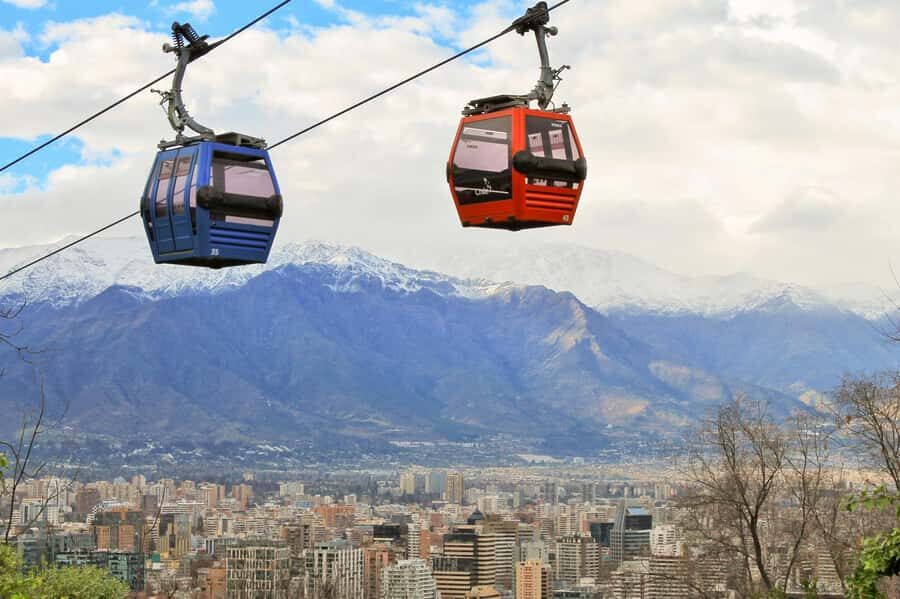
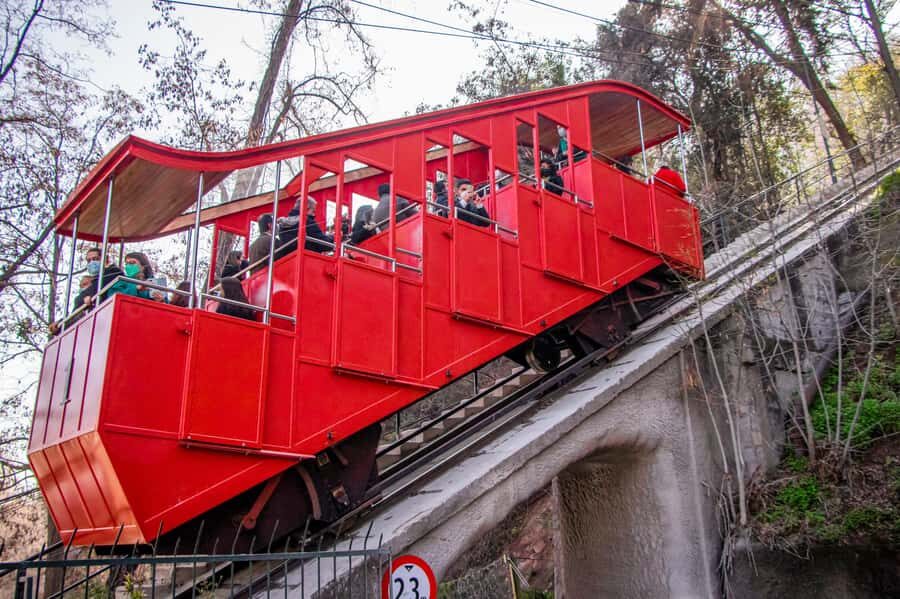
The headline value here is that your ticket includes the Santiago Cable Car ride and the historic funicular connection tied to the San Cristóbal hill area. You’re getting a 360°-style view experience without having to plan a second ticket purchase.
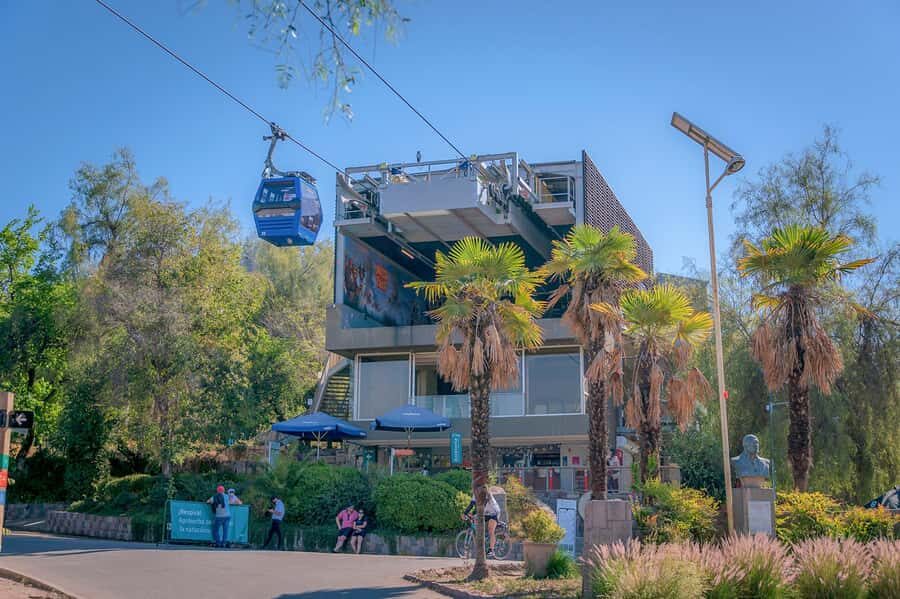
The cable car stop is listed at Los Conquistadores & Pedro de Valdivia Norte (Providencia). It’s a short walk from the bus stop to the actual cable car access area, so don’t treat that as a “teleport” moment. Build in a few minutes.
Then you’ve got the Funicular at Pío Nono 445 (Providencia), which historically connects Bellavista with the San Cristóbal hill area. If you want the classic old-town-to-viewpoints flow, doing the cable car up and the funicular down is a great way to keep momentum without rushing.
The one catch: on Mondays, the attractions at Cerro San Cristóbal, including the Teleférico, Funicular, and Panoramic Buses, are not operational. If your trip includes a Monday, I’d treat this day as a center-and-neighborhood day—lean into Plaza de Armas, La Moneda, Santa Lucía, Bellavista, and the modern stops—then do the mountain transit on a different day.
Stop-by-stop: what each main stop is really good for
Below is how I’d think about the stops so you can spend your time where it counts.
Parque Arauco Mall (Stop 1)
This is your launchpad. It’s also convenient if you want to reset during your day with coffee, water, or a quick meal. You’re in the Las Condes zone, which is an easy jumping point for getting around.
If you’re the type who likes to start organized, arrive with your day plan in mind. If you’re more relaxed, just use this as a home base and decide what to do once you’re on the route.





Parque Bicentenario (Stop 2)
This is a break from the city streets. The big draw is that it’s a green space with lagoons and walking trails, which means you can step off and take photos without committing to a long walk up a hill.
It’s also a good “reset stop” mid-day. If you’ve been on the bus too long, get off here, stretch, and let your eyes recharge.
Santiago Cable Car area (Stop 3)
This stop is set up for the view day. You’ll get directed toward the cable car experience that leads to the 360° views from San Cristóbal.
Practical tip: schedule this for when the sky looks good to you. Clearer visibility makes the viewpoint feel like a true “wow” moment rather than just another skyline.
Bellavista (Stop 4)
Bellavista is more than a transit name here. It’s part of the classic feel of Santiago’s story—an area you can use as your switch from the big view mechanics back to neighborhood wandering.
If you’re pairing the funicular with older-street vibes, this is where that combo starts to feel natural.
Plaza de Armas (Stop 5)
This is the historic core you came for. Plaza de Armas gives you the colonial-style landmark feeling, and it’s one of the best places to pause and simply take in the scale.
If you only have a short time window in the center, prioritize this. It’s central, it’s photogenic, and it helps you understand where much of Santiago’s older life happens.
La Moneda Palace area (Stop 6)
Right in front of La Moneda, Chile’s government headquarters, the atmosphere shifts from “old plaza” to “major public landmark.” Even if you’re not spending loads of time here for a formal visit, you’ll get the iconic building context.
Pair it with a slow walk around the center streets after you get off. This stop works best when you treat it as a wander start, not just a photo stop.
Santa Lucía Hill (Stop 7)
Santa Lucía is another “yes, you should get off” stop. It’s a historic urban hill with terraces and viewpoints, and it’s near Lastarria, so you can extend into a more artsy, cafe-style stroll if you want.
This is also a smart photo stop because the city views here have a different angle than the San Cristóbal side.
Plaza de la Aviación (Stop 8)
This one is a calmer interlude. It’s known for a fountain and green areas near the Mapocho River.
If you’ve been moving hard across the day, this stop is a good place to slow down. Think water, shade if available, and a breather before you hit the more modern end of the loop.
Costanera Center (Stop 9)
Costanera Center is a finish line you can enjoy. It’s a huge mall area, and it’s also tied to Sky Costanera observatory nearby—meaning you’ll be in the modern skyline zone when you’re done.
This is a strong choice for souvenirs, snacks, and a final meal before you call it a day.
Las Condes Interactive Museum (Stop 10)
If you like hands-on stops, this gives you a modern option at the far end of the route. Even if you’re not planning to go inside, being near this area can make the last part of your day feel less like just riding to the end.
Timing that actually helps: circuits, frequency, and when to be smart
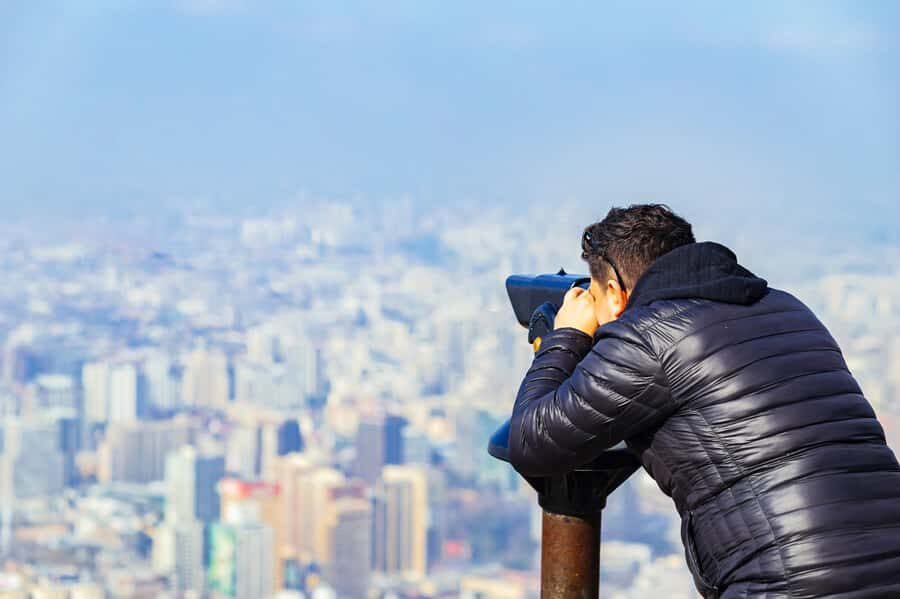
The bus runs daily from 9:30 AM to 6:00 PM. And there’s an extra nudge: make sure you catch the last full circuit before 4:00 PM so you can complete the whole route.
In real life, that matters because Santiago can turn into a “just one more photo” city. If you’re trying to hit everything, treat that 4 PM window like a guardrail. If you miss it, it’s not the end of the world—you’ll still have plenty of stops to work with—but it can change the order you should aim for.
Service frequency isn’t listed in a strict minute range, but recent experiences point to buses arriving about every 20–25 minutes, which is frequent enough that re-boarding doesn’t feel like a waiting game.
Audioguides and staff: how you get more out of every ride
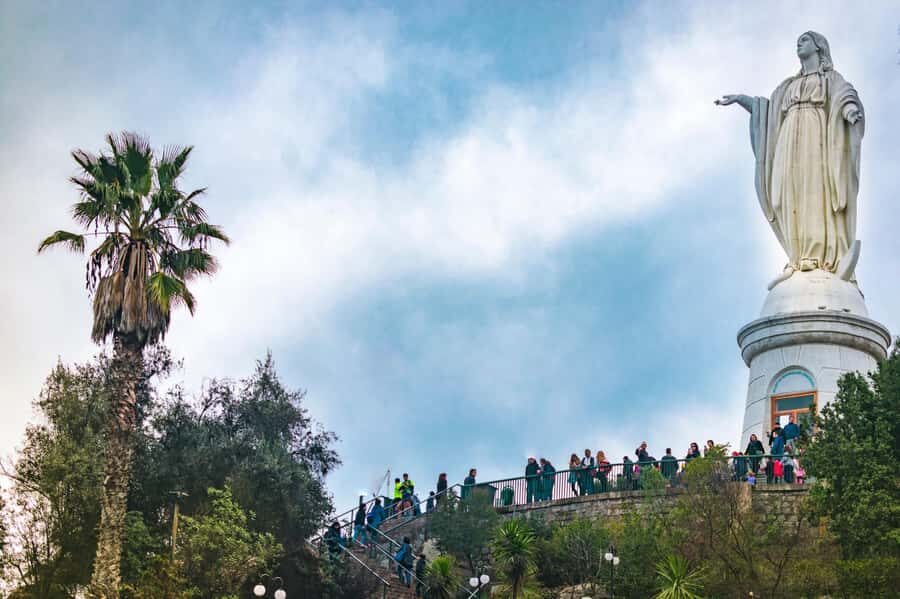
This ticket includes Spanish, Portuguese, and English audioguide coverage on the bus, with additional staff language support. In practice, what you want is simple: press play, listen as you ride, and let the narration connect the dots while you’re moving through neighborhoods.
The onboard audio is genuinely useful for a first-time orientation. You don’t have to hunt for context while you’re standing at a curb with tourists and traffic noise. You can just listen while the bus travels, then decide where you want to step off longer.
Also, I’ve seen the human side praised a lot. Names like Daniela Torres and Nicole come up as staff who were especially friendly and helpful. That’s not just “nice service.” In a hop-on setup, good staff guidance can save you time when you’re trying to figure out where the best next move is.
What to bring (so your day doesn’t get annoying)
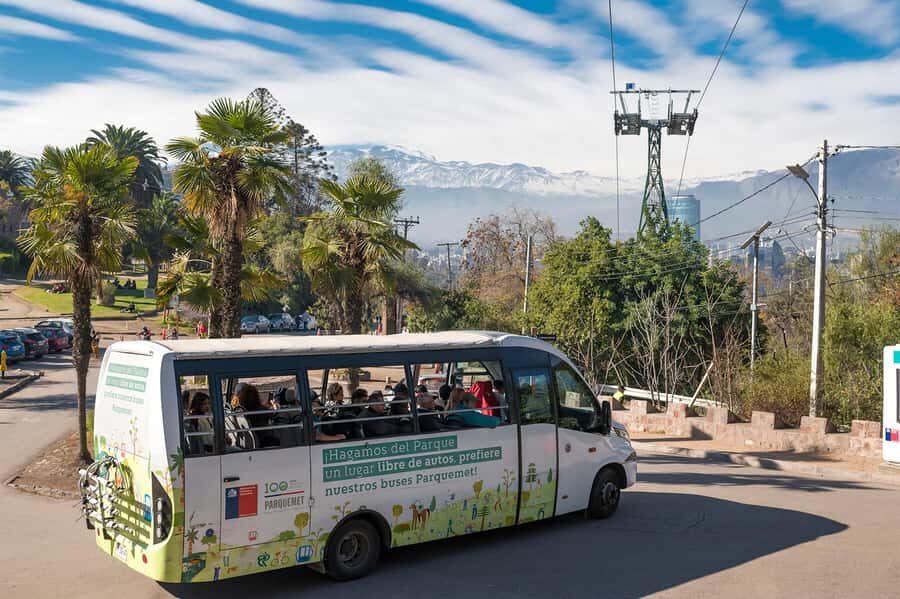
The usual city-comfort list applies, but it matters more here because you’ll be getting on and off repeatedly and doing viewpoint time:
- Comfortable shoes (you’ll walk between stops and entrances)
- Water and sunscreen
- Sunglasses and a camera
- A passport or ID card
- Weather-appropriate clothing
And one small sanity note: the provider notes they aren’t responsible for objects left inside the vehicles. Keep an eye on your bag and don’t let your phone become a “later I’ll grab it” situation.
Price value: what you’re really paying for
At $69 per person for two days, this ticket can feel like a deal if you actually use the included mountain transit.
Here’s how to think about value without overcomplicating it:
- If you were planning to buy the cable car and funicular anyway, this ticket bundles those big-ticket rides into one package.
- The hop-on bus then becomes your transport “glue,” linking the rest of the city stops without paying separately for each segment.
- Two-day validity is a hidden plus. It gives you flexibility to do the center one day and the viewpoints another day.
One thing to keep realistic: if you only hop off at a couple of stops and skip the included transit, the value drops. This ticket shines when you treat it like an all-day planning tool and not just a quick loop.
Where this ticket fits best (and where it doesn’t)
This works especially well for you if:
- You have limited time and want a big overview of Santiago
- You want to choose your stop order based on weather and energy
- You like having easy transport + narration rather than navigating alone
It’s less ideal if:
- You only want one or two stops and don’t care about the cable car/funicular
- You prefer ultra-simple pickup points with lots of obvious signage and zero navigation effort (because you may need to match the stop locations yourself)
Quick practical plan I’d use
If you want a smooth rhythm, I’d do something like this:
- Day 1: center anchors and viewpoints closer in—Plaza de Armas, La Moneda, Santa Lucía, and the riverside break around Plaza de la Aviación
- Day 2: do the cable car/funicular day plus modern finishes—Parque Bicentenario, the Providencia viewpoints, then end at Costanera Center for an easy meal and souvenirs
If it’s a Monday, swap the mountain day for center + neighborhood wandering, and keep your cable car/funicular for another day.
Should you book this Santiago bus + cable car ticket?
If you’re looking for a low-effort way to see a lot of Santiago in a short window, I’d book it. The biggest reason is value tied to the included cable car and funicular. The second reason is the structure: 10 stops with audioguide context makes the city feel less random.
Before you decide, check your trip day for the Monday San Cristóbal closure note. Also be ready to navigate pickup/stops with the given stop locations rather than expecting perfect street signage.
If your schedule allows two full days and you want more than just photos from the bus window, this ticket is a smart buy.
FAQ
What are the operating hours for the bus?
The bus operates daily from 9:30 AM to 6:00 PM.
Where is the best starting point?
You can start at Parque Arauco Shopping Center at Av Kennedy Lateral 5059 (next to the Ripley department store). It’s the listed Stop 1 area.
How many hop-on hop-off stops are included?
You can hop on and off at 10 stops along the route over your two days.
Does the ticket include the cable car and funicular?
Yes. The ticket includes a 2-day cable car ticket and a 2-day funicular ticket, plus unlimited panoramic buses inside Metropolitan park for two days.
What time should I plan to finish the full circuit?
To complete the whole route, it’s recommended you catch the last full circuit before 4:00 PM.
Are San Cristóbal attractions available on Mondays?
No. On Mondays, the attractions at Cerro San Cristóbal, including the Teleférico, Funicular, and Panoramic Buses, are not operational.
What languages are available for the audioguide?
The audioguide is available in Spanish, English, French, German, Portuguese, and Chinese.
What should I bring for the day?
Bring comfortable shoes, water, sunscreen, sunglasses, and a camera. You should also have a passport or ID card, plus clothing suited to the weather.