REVIEW · PUNTA ARENAS
Punta Arenas: Fort Bulnes Historical Tour
Book on GetYourGuide →Operated by Go Patagonia · Bookable on GetYourGuide
Fort Bulnes turns faraway Magellan history into something you can actually walk around. I like how the tour mixes a fort reconstruction with real interpretive exhibits about the Strait of Magellan, and I also love the built-in payoff of sweeping panoramic views from the viewpoint area.
One thing to consider: the experience is very schedule-driven. There’s enough going on to make you feel that time is tight—especially if you want extra walking options at the fort beyond the main stops.
In This Review
- Key points to know before you go
- The route starts with 55 km of context from Punta Arenas
- Pickup, van ride, and how the guide sets up the Strait of Magellan
- The Hito de la Mitad de Chile photo stop: silly-easy, worth it
- Estrecho Park and the visitor center: where the fort makes sense
- Fuerte Bulnes reconstruction: lighthouse, church, post office, jail, stables
- A fair drawback: you may not get extra walk time
- Strait viewpoint: the moment when the geography becomes obvious
- Timing, length, and what the day really feels like
- Price and value: what $46 buys you beyond the van ride
- What to bring (so the experience stays comfortable)
- Who should book this Fort Bulnes tour
- Should you book Punta Arenas: Fort Bulnes Historical Tour?
- FAQ
- How long is the Punta Arenas Fort Bulnes Historical Tour?
- How big is the group?
- What languages is the tour offered in?
- Where does the tour start?
- What are the main stops during the tour?
- Is the tour price all-inclusive?
- What should I bring with me?
- Is there flexibility if my plans change?
Key points to know before you go
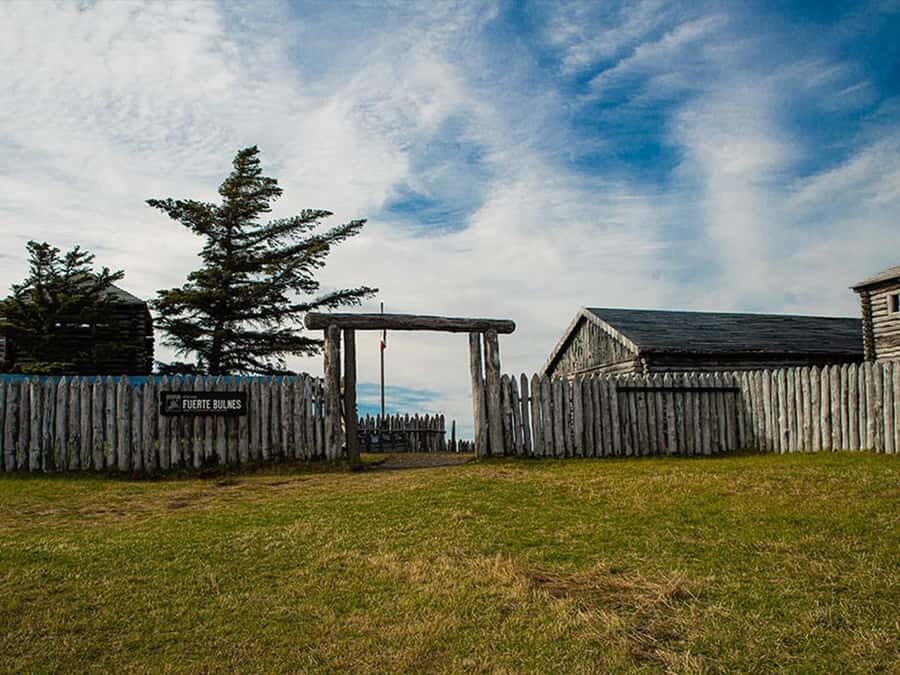
- Fort Bulnes reconstruction: see the 1843 fort setup tied to Manuel Bulnes and Bernardo O’Higgins
- Strait of Magellan interpretive center: exhibits on human and natural history
- O’Higgins site circuit: lighthouse, church, post office, jail, and stables
- Big photo energy: Strait viewpoint plus the mandatory middle-of-Chile stop
- Small group feel: limited to 10 participants with an English/Spanish driver-guide
The route starts with 55 km of context from Punta Arenas
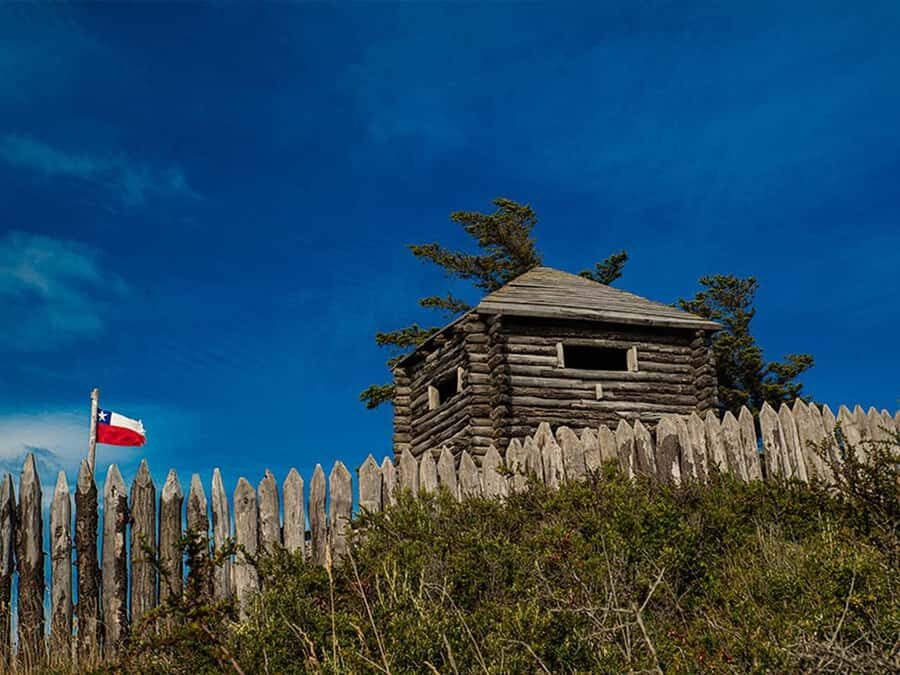
Punta Arenas to Fort Bulnes is about 55 km south, and that distance matters. It’s not an in-town museum stop where you can wander whenever you want. You’re committing to a half-day drive, then using that time well.
The tour includes pickup from your accommodation in Punta Arenas, and you’ll go by van with a driver-guide. Along the way, the guide adds regional context so the fort doesn’t feel like random buildings in a remote spot. When the guide is on form, this ride becomes part of the experience, not just transportation.
At $46 per person, you’re not just buying seats. You’re paying for someone to connect the dots: why the Strait of Magellan mattered, why Chile pushed to secure it, and how a fort like this fit into trade and strategy.
You can also read our reviews of more tours and experiences in Punta Arenas.

Pickup, van ride, and how the guide sets up the Strait of Magellan
After pickup, the drive gets you moving fast, then the first major stop is the photo point at the middle of Chile. This sequencing is useful. Before you see Fort Bulnes, you get that mental reset—Chile isn’t just a country on a map; it stretches from the northern limit of the country all the way to the South Pole.
During the ride, you’ll get commentary about what made this region so significant. You also get a small-group advantage: with a max of 10 people, you’re not stuck listening to a headset recap while the bus files past.
A practical note from real-world experience: pickup clarity can vary. Some people have had confusion about who exactly is waiting where, and it helped them to be ready early and confirm your meeting point. If you’re sailing in from a port area, double-check the exact pickup location the night before.
The Hito de la Mitad de Chile photo stop: silly-easy, worth it
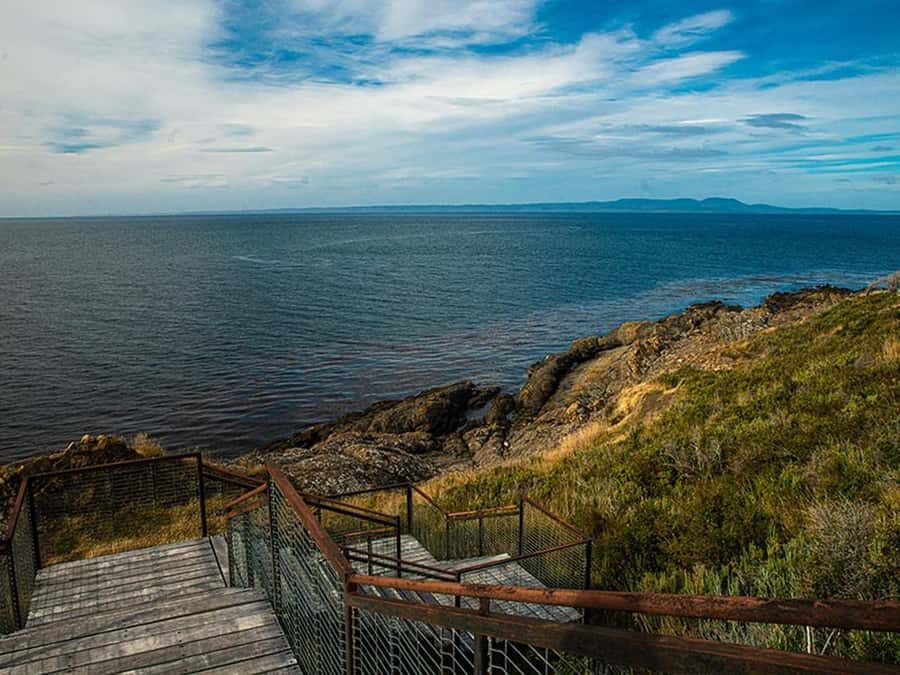
This stop is one of the most straightforward parts of the day, and it’s there for a reason. The Hito de la Mitad de Chile marks the geographical middle of Chile, from the northern limit to the South Pole. That means you get a fast, symbolic break in the route—and a clean photo moment.
I like these kind of stops because they do two things at once. They give you an easy landmark to remember later, and they help you feel the scale of Chile while the rest of the tour is explaining strategy, distance, and isolation.
If you’re hoping to sprint past this kind of thing, you may find it a little mandatory. But if you enjoy quick stops that make the rest of the story land better, you’ll appreciate it.
Estrecho Park and the visitor center: where the fort makes sense
After the mid-Chile photo stop, you’ll head to the park area and then the visitor center. This is where the tour shifts from views and buildings into explanation.
The interpretive center includes exhibits on the human and natural history of the Strait of Magellan. That matters because Fort Bulnes wasn’t built in a vacuum. The Strait is tied to weather patterns, geography, and the push to control movement and supply routes.
This part is also where different types of visitors often benefit:
- If you love history, this is your foundation.
- If you love nature and geography, this connects the physical setting to why humans chose this place.
You won’t be stuck for hours with only one topic. The flow of the tour keeps moving, so you’ll learn, then immediately see what the fort sites look like in real space.
Fuerte Bulnes reconstruction: lighthouse, church, post office, jail, stables
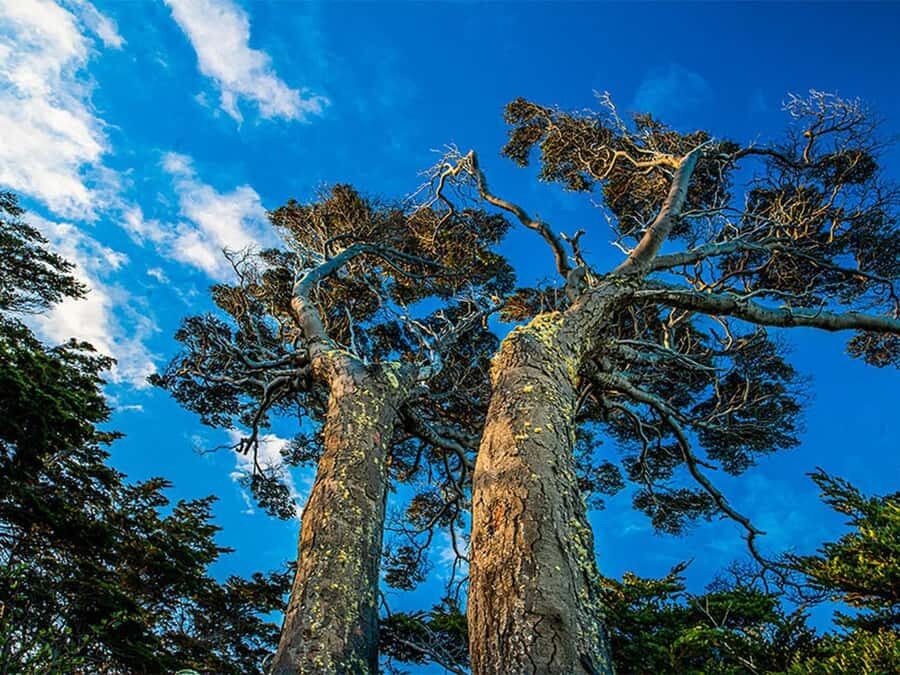
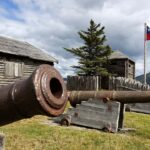
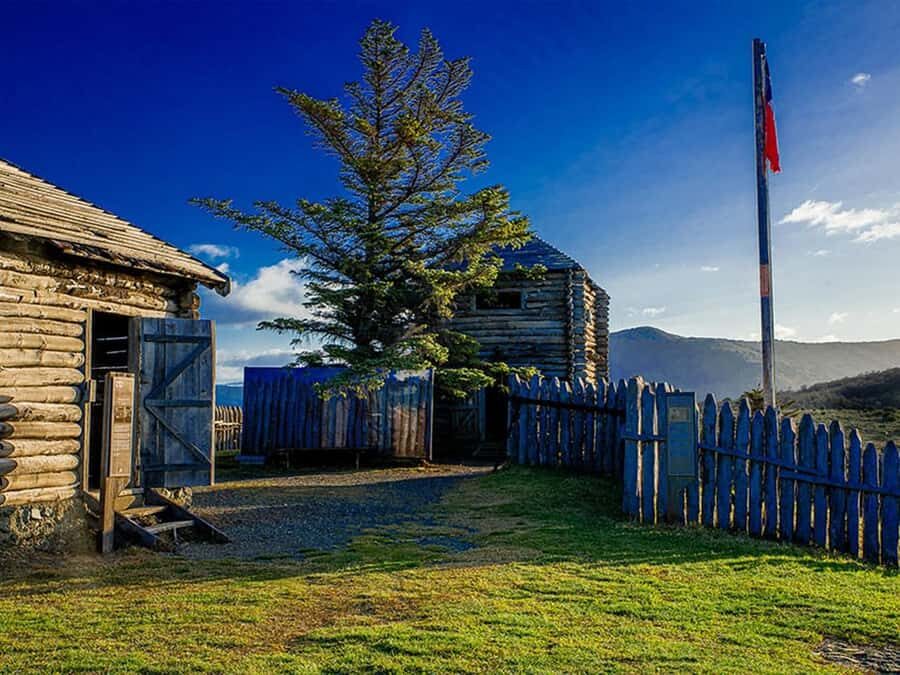
This is the heart of the day. You’ll visit the Fort Bulnes historical reconstruction, where you can look at the fort’s key buildings and imagine life inside the outpost.
You’ll go through a set of distinct locations tied to the fort community, including:
- The O’Higgins lighthouse
- The church
- The post office
- The jail
- The stables
What I like about this approach is that it’s not just one viewpoint and done. You’re shown multiple functions—navigation and signaling, religion and community life, communications, law and order, and daily logistics like animals and transport needs. Even if you’re not a military history person, the variety helps you understand how an outpost could run day-to-day.
This is also where the guide quality shows. In English or Spanish, the best guides help you connect each building to the reason it existed in a remote strategic setting. One guide you might hear mentioned is Cristofer, described as very personable and entertaining, which can make the buildings feel less like checkboxes.
Another name that comes up is Romina, praised for making the fort and region history feel clear—and for pointing out how strong the location is for watching the Magellan Strait. If your guide brings that kind of energy, this fort visit becomes the most memorable part of the tour.




A fair drawback: you may not get extra walk time
Some people feel there isn’t enough time to do every option on foot once you’re inside the fort area. If you want a longer boundary walk or extra look-around time at the buildings themselves, keep your expectations flexible. This is designed as a structured route with set stops.
Strait viewpoint: the moment when the geography becomes obvious
After the fort stops, you’ll visit a Strait viewpoint with panoramic views. This is one of the tour’s easiest wins: you’re taught the significance of the Strait, then you get to look at it with your own eyes.
There’s something satisfying about seeing how the setting would influence movement, signaling, and settlement choices. The Strait viewpoint helps you understand why a fort was a practical idea here, not a random historical project.
This part is also where small-group dynamics help again. You’ll have more time to look than you would on a big bus tour, and your guide can tailor explanations based on what you’re looking at—assuming you ask a quick question.
If you’re photographing, treat this as a primary stop, not a background one. Bring warm layers (even if the sun is out), because coastal winds can make you feel colder than you expect.
Timing, length, and what the day really feels like

The total duration is 270 minutes, so you’re looking at about four and a half hours total, start to finish. There’s van time, the middle-of-Chile stop, the park and visitor center, then the fort and the viewpoint, before you return to Punta Arenas.
With that pacing, the tour feels like a guided circuit rather than a slow, choose-your-own-adventure day. That’s not bad. It’s a good setup if you want the big points covered with context and don’t want to coordinate transport on your own.
But if you’re the type who likes wandering extra loops, taking long breaks to read every panel, or doing optional walks, you may want to pair this with additional independent time in Punta Arenas or plan to revisit the area later if possible.
Price and value: what $46 buys you beyond the van ride
At $46 per person, you’re paying for three things:
- Transportation from your accommodation and back
- A driver-guide who explains the region in English or Spanish
- Entry-free sightseeing stops across a full half-day circuit
Entrance tickets aren’t included, so you should expect small extra costs depending on what’s required at specific stops. Still, for most visitors, the real value is the guided explanation. You’re not just looking at a fort layout; you’re learning why Fort Bulnes was founded in 1843 under Manuel Bulnes and inspired by Bernardo O’Higgins.
That connection turns “historic buildings” into a story about strategy and economics in a remote corridor of travel and trade. If you’re short on time in Punta Arenas, that guided structure is usually worth paying for.
What to bring (so the experience stays comfortable)
This tour is in cold-weather territory. Bring warm clothing. Also bring your passport or ID card, and bring cash (useful for any entrance fees or small purchases tied to sites).
From a comfort standpoint, I’d treat this as a coat-and-layers day, not a light jacket day. The viewpoint and lighthouse areas can feel windy, even when the rest of the day seems mild.
Who should book this Fort Bulnes tour
I’d book it if you want:
- A guided way to understand the Strait of Magellan
- A compact itinerary with multiple fort buildings and a viewpoint
- A small-group experience (max 10)
- A half-day plan that’s realistic from Punta Arenas without rental-car hassle
It’s also a good choice if you like photo opportunities, because the middle-of-Chile stop and the Strait viewpoint are built in.
If you want total freedom to linger at the fort buildings or do every optional walking route, you might feel constrained. In that case, you may prefer a different style of tour or plan extra time separately.
Should you book Punta Arenas: Fort Bulnes Historical Tour?
Yes, if you want a structured, guided hit of Fort Bulnes plus Strait views, with a guide who can turn buildings into meaning. The best part of this tour is the way it connects the fort reconstruction, the visitor center exhibits, and the viewpoint into one clear story about why this part of Chile mattered.
I’d skip or rethink if you hate rigid schedules or you’re hoping for long free time inside the fort area. This one moves. And when you go with the flow—layers on, camera ready—it’s a solid use of a half-day in Punta Arenas.
FAQ
How long is the Punta Arenas Fort Bulnes Historical Tour?
It runs for 270 minutes total.
How big is the group?
The tour is limited to a small group of up to 10 participants.
What languages is the tour offered in?
The driver-guide provides live commentary in English and Spanish.
Where does the tour start?
Pickup is from your accommodation in Punta Arenas.
What are the main stops during the tour?
You’ll visit the Hito de la Mitad de Chile photo stop, Estrecho Park, the visitor center, Fort Bulnes sightseeing, and the Strait viewpoint, plus the O’Higgins lighthouse, church, post office, jail, and stables.
Is the tour price all-inclusive?
Transportation and the driver-guide are included, but entrance tickets are not included.
What should I bring with me?
Bring a passport or ID card, warm clothing, and cash.
Is there flexibility if my plans change?
You can cancel up to 24 hours in advance for a full refund.