REVIEW · PUNTA ARENAS
Punta Arenas: Full-Day Torres del Paine Tour
Book on GetYourGuide →Operated by Go Patagonia · Bookable on GetYourGuide
Fourteen people and a full day of Patagonia hits.
This Punta Arenas Torres del Paine tour is interesting because it targets the park’s most famous stops with a small group and ends with Torres del Paine photo angles you can actually use.
I especially like the bilingual guides (English and Spanish) and the way they keep things moving with short, doable walks. I also like that you get a guided tour inside the park without needing to plot every turn yourself. One possible drawback: meals and key entrances aren’t included, and the day is long—so you’ll want to plan for stamina, not a leisurely stroll.
In This Review
- Key Moments I’d Prioritize
- Punta Arenas to Torres del Paine: The Real Meaning of a 16-Hour Day
- The Route Before the Park: Puerto Natales Photo Stop and Ultima Esperanza
- Milodon Cave: One Stop, Two Questions—What and Why
- Grey Beach Icebergs: When the Shore Changes the View
- Pehoé Viewpoint: The Practical Place to Get the Big Picture
- Salto Grande Waterfall Walk: Short Legs, Big Payoff
- Nordenskjold Lake: Paine Mountain Range Views Without the Hassle
- Laguna Amarga: Torres Del Paine Photo Angles That Feel Different
- Who Runs This Tour Matters: Guides, Drivers, and Weather Smarts
- Price and Value: What $106 Really Buys You
- Logistics That Can Make or Break Your Day
- Best Fit: Who This Torres del Paine Day Trip Works For
- Should You Book the Punta Arenas Full-Day Torres del Paine Tour?
- FAQ
- How much does the Punta Arenas full-day Torres del Paine tour cost?
- How long is the tour?
- What size is the group?
- What’s included in the price?
- Are meals or park entrances included?
- What languages is the live guide available in?
- Are drones allowed?
- What is the cancellation policy?
- What should I bring for the tour?
Key Moments I’d Prioritize
- Milodon Cave visit: a fast look at the remains linked to the mythical Milodon
- Grey Beach icebergs: shoreline views where the ice does the storytelling
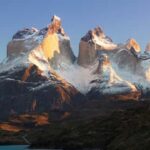
- Pehoé viewpoint: wide, panoramic paine-mountain perspective from a practical stopping point
- Salto Grande waterfall walk: a short hike-style stretch toward real power in motion
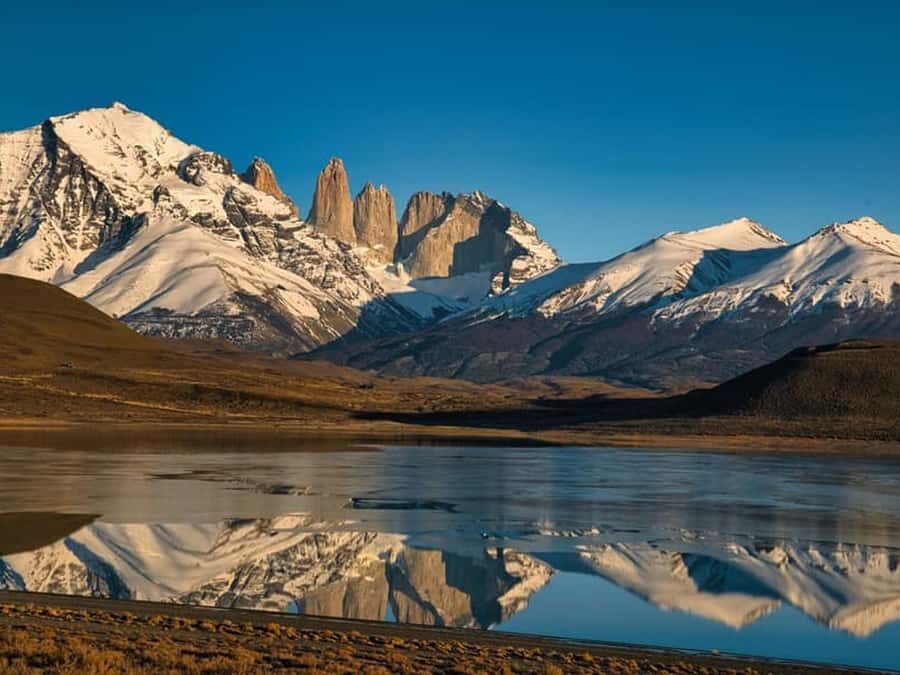
- Nordenskjold Lake + Laguna Amarga: two classic angles for Paine views and unique Torres photos
Punta Arenas to Torres del Paine: The Real Meaning of a 16-Hour Day
This is not a quick excursion. It’s a true long day: about 16 hours total, with a van ride that can feel like part of the adventure. You start in Punta Arenas, then spend around 3 hours by van toward the park area. Along the way, you get small breaks that keep you from feeling trapped in transit.
The reason this tour works for many people is simple: it’s built to maximize iconic scenery in one shot. Torres del Paine is huge, weather can shift fast, and popular viewpoints don’t come with a do-it-yourself schedule that stays easy. Here, you trade some flexibility for a structured day and a guide to help you read what you’re seeing—geology, wildlife habits, and why certain stops are worth the effort.
The park itself has serious credentials. Torres del Paine National Park was founded in 1959, later named a UNESCO World Biosphere Reserve in 1978, and it covers a large protected chunk of the Magallanes and Chilean Antarctica region. That matters because the scenery isn’t random. You’re stepping into one of Chile’s best-known ecosystems.
A few more Punta Arenas tours and experiences worth a look
The Route Before the Park: Puerto Natales Photo Stop and Ultima Esperanza
You’ll get a photo stop in Puerto Natales for about 20 minutes. It’s not designed as a full sightseeing detour. Think of it as a reset—legs, quick photos, and a moment to orient yourself before the bigger landscapes start.
After that, there’s a guided tour in the Ultima Esperanza area (about 45 minutes). This part helps you understand what’s ahead. When you arrive in Torres del Paine, it’s easier to appreciate what makes the park special if someone has already framed the region’s geography and climate. It’s also a good time to ask questions while the group is still fresh.
If you hate rushing, you might feel impatient during these transit-side stops. But for most people, this timing creates a smooth runway into the park day.
Milodon Cave: One Stop, Two Questions—What and Why
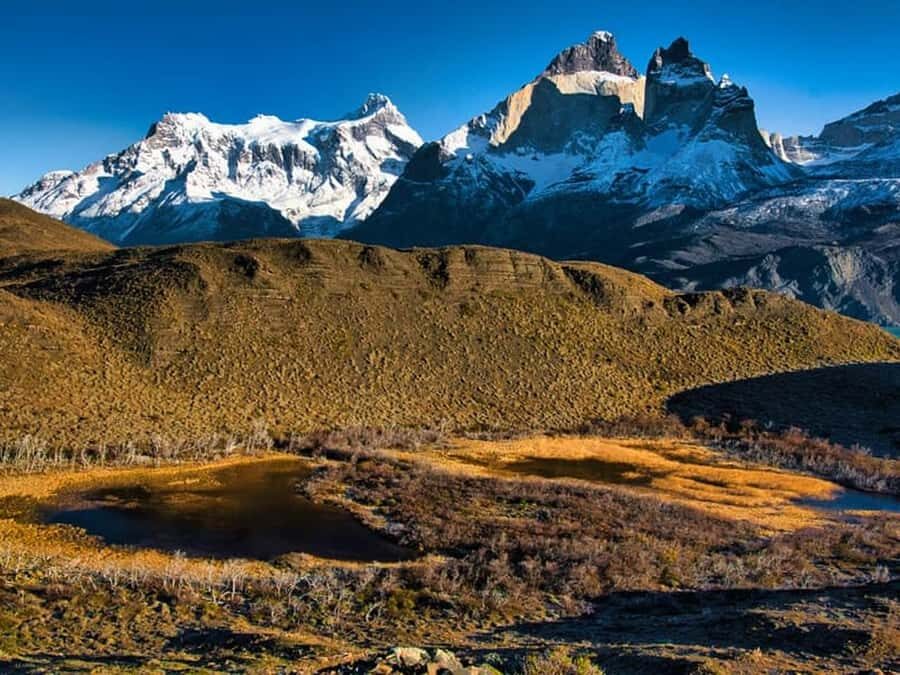
The Milodon Cave is your first big “pause and look” moment tied to the park’s wider Patagonia story. The tour includes a visit to the cave linked with the remains of the mythical Milodon.
A key practical point: Milodon Cave entrance is not included, so you’ll need to purchase that on your own in advance if you want to avoid last-minute friction. Still, the value is that you’re not just staring at cliffs and ice. You’re seeing how humans and folklore connect to the natural past of the region.
What to expect on-site is typically short and focused. You’re not committing to a long hike here. Instead, you’re getting a guided-style experience that helps you connect a name you’ve probably heard before to a physical location.
Grey Beach Icebergs: When the Shore Changes the View
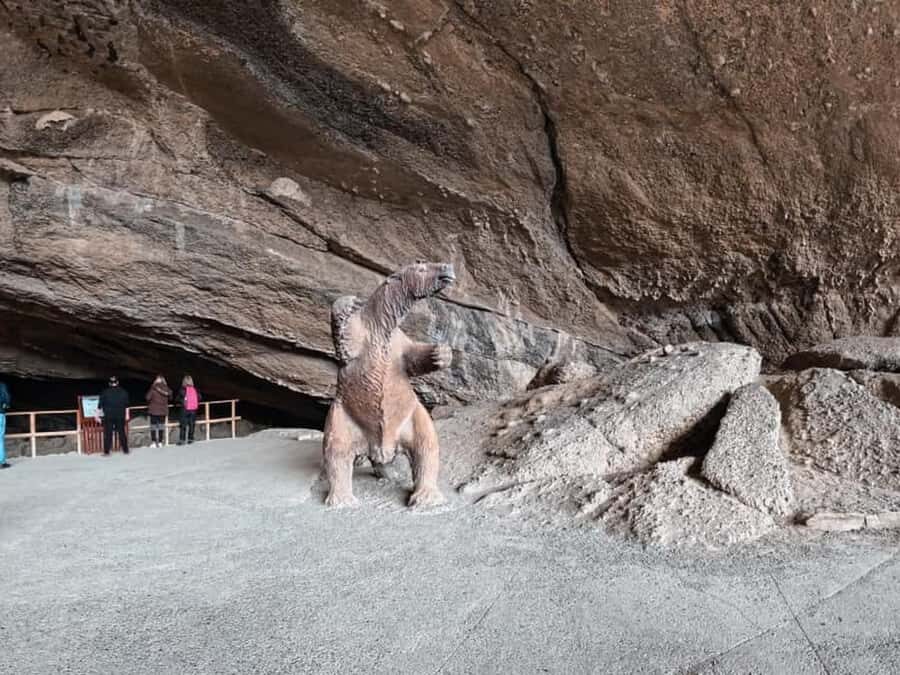
One of the tour’s headline moments is Grey Beach, where you’ll marvel at icebergs scattered along the shore. This is where Torres del Paine turns from “classic photos” into something more atmospheric.
Ice isn’t static, and that’s why this stop feels alive. Even within a short time window, you can catch different iceberg shapes and angles as the light changes. A guide is useful here because they can point out what you’re likely looking at and how to photograph it without wasting time.
Also: expect cold. This is Patagonia. Even if the sky looks decent, the shore can bite. Wear layers, keep your gloves handy, and treat this as your first real test of comfort for the day.
Pehoé Viewpoint: The Practical Place to Get the Big Picture
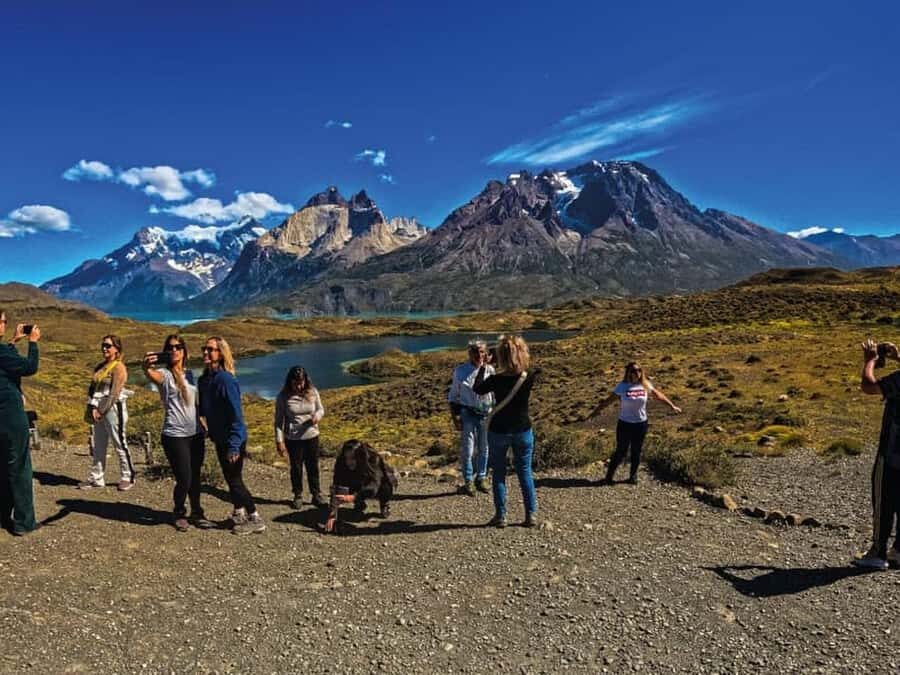
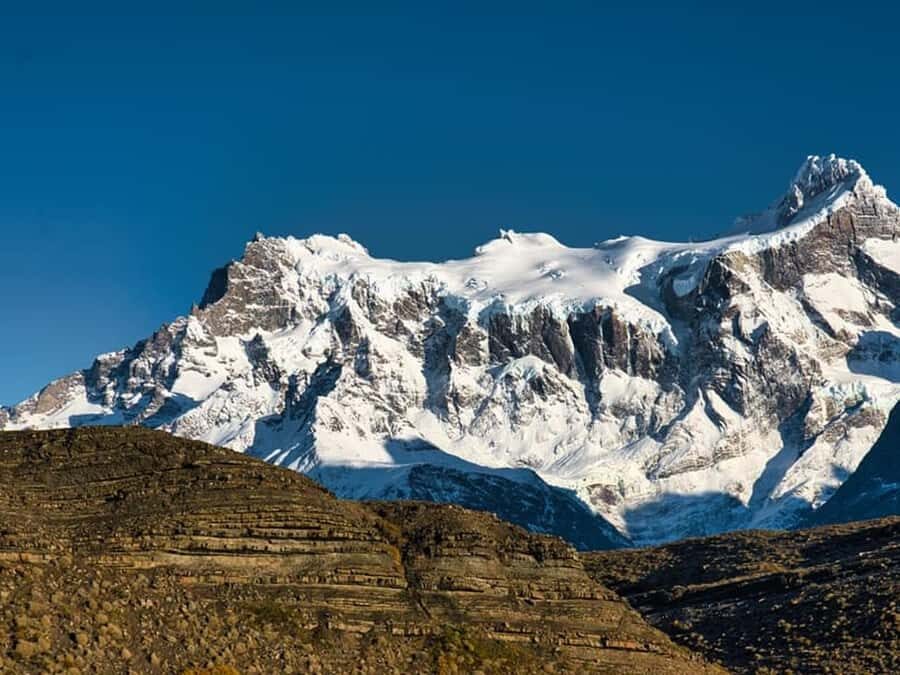
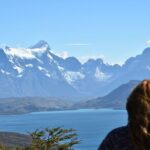
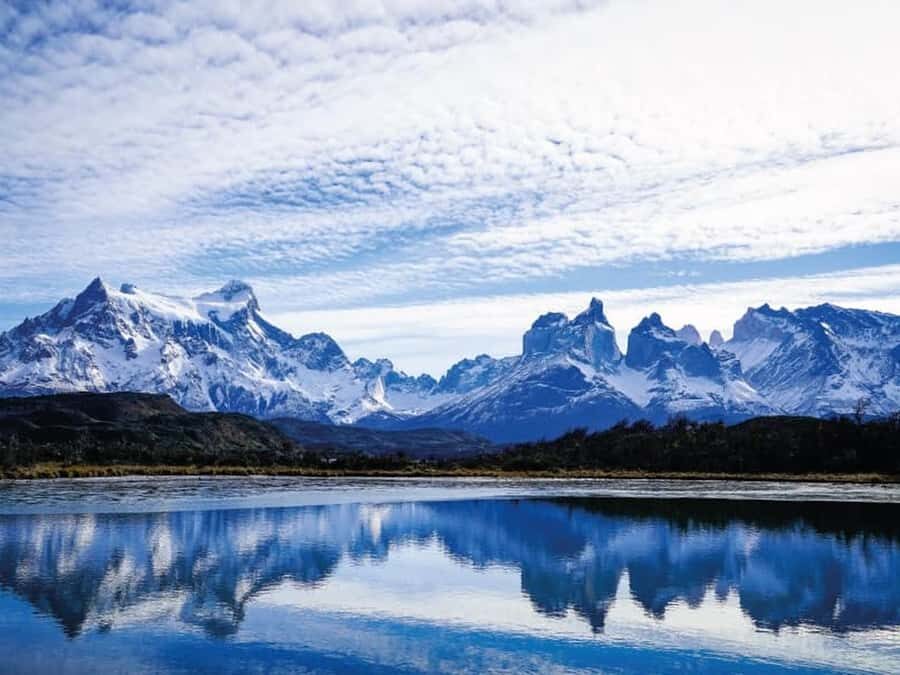
After Grey Beach, the tour moves you to Pehoé viewpoint for panoramic views. This stop is valuable because it’s the “pattern recognition” moment. From a viewpoint like this, it’s easier to see how the park’s water, ice influence, and mountain shapes connect.
This is also a good spot for photography. The group’s small size (up to 14 participants) helps here. You’re less likely to get tangled in a giant crowd line. Your timing is still subject to weather, but you’re positioned to use the moment.
If clouds roll in, don’t assume the day is ruined. Some guides adjust the plan to find workable visibility. That flexibility is one reason so many people rate this tour highly.
Salto Grande Waterfall Walk: Short Legs, Big Payoff
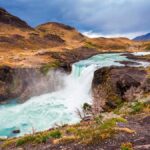
Next comes Salto Grande, where you’ll walk to the waterfall area. The walk is short—not a day-long trek—but it’s enough to change your pace from “sit and stare” into “walk and react.”
This is one of the stops that often surprises people in a good way. A waterfall adds motion, sound, and scale. Even if you’ve seen waterfalls before, Salto Grande helps you feel the force behind the scenery.
Bring sturdy shoes. You’re on uneven ground in a cold region. A comfortable tread matters more than fashionable footwear. Also, keep your camera ready, but don’t crank the camera faster than your footing. I’d rather you return safe with fewer photos than collected by an overenthusiastic slip.
Nordenskjold Lake: Paine Mountain Range Views Without the Hassle
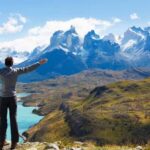
The tour includes Nordenskjold Lake for spectacular views of the Paine mountain range. This stop is a strong example of why this full-day format works. You get a meaningful view corridor without needing multi-day logistics.
Lake viewpoints tend to reward patience. You’ll likely want to pause for photos, then pause again just to watch the air shift. The guide’s role here is practical: they help you aim your photos and interpret what you’re looking at so it feels less like random scenery and more like a coherent place.
If your trip timing overlaps with mist or low clouds, you might still get something usable. Sometimes the view is more dramatic even when it’s partially hidden.
Laguna Amarga: Torres Del Paine Photo Angles That Feel Different
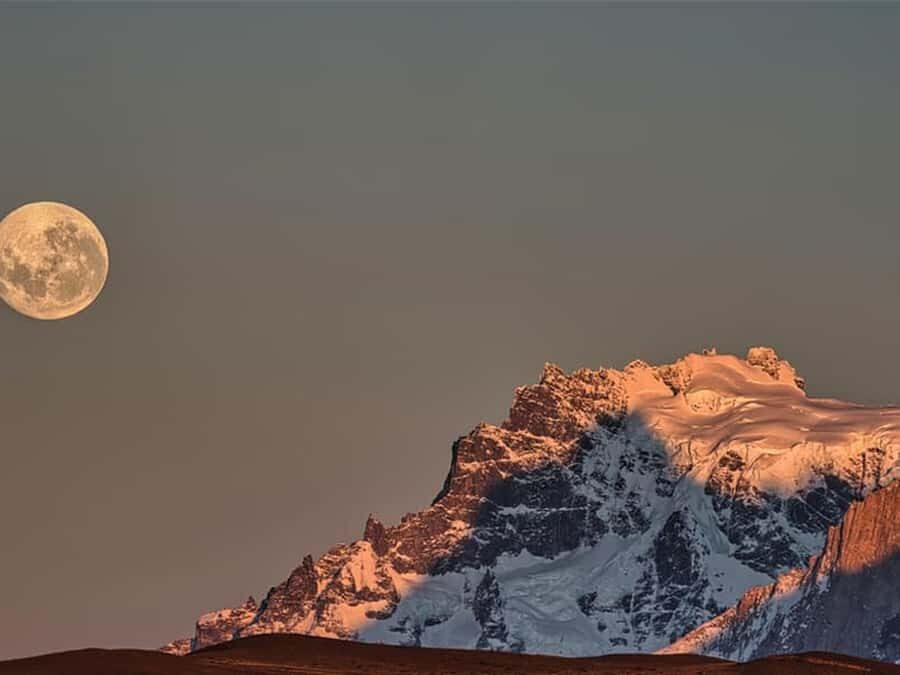
The day concludes with a unique view of the Torres at Laguna Amarga. This is the kind of ending that sticks. Torres del Paine is famous for a reason, but you usually see it in the same way—until you get an angle that makes you notice something new.
Laguna Amarga can be the moment when the day’s earlier parts click together. Grey Beach gave you ice and shore drama. Pehoé and Nordenskjold framed the bigger geometry. Laguna Amarga puts the Torres back into focus from a different visual context.
If you care about photography, this is where you want clean settings, charged devices, and patience. Cold drains batteries faster than you think.
Who Runs This Tour Matters: Guides, Drivers, and Weather Smarts
This tour is designed for comfort in a long day, and that includes the human side. People often highlight how guides handle route flow and keep the group happy through changing weather.
You might meet guides such as Pablo, Chris, Christian, Camila, Javier, or Manuel—and you’ll likely notice a common thread: they’re comfortable answering questions in English and Spanish, and they help you get to the best photo moments when conditions shift.
Drivers also make a difference in Patagonia. A skilled driver isn’t just about comfort; it’s about safety on long stretches of road in remote areas. Several people mention safe driving and smooth van handling, which is exactly what you want after hours sitting in transit.
One nice detail from the experience style: guides and drivers often watch for wildlife. Some participants even reported seeing a puma, which is a reminder that wildlife encounters don’t follow a script. The more the team pays attention, the better your odds of an unexpected moment.
Price and Value: What $106 Really Buys You
At $106 per person for a 16-hour day, the headline value is coverage. You’re paying for transportation round-trip from your Punta Arenas accommodation, plus a guide during the program. With small group size (14 max), you also get more human attention than you would with a giant bus.
What’s not included is equally important for judging value. Meals and beverages are not included, and you’ll also need to pay Torres del Paine National Park entrance and Milodon Cave entrance separately. That extra cost can change your real total, so I’d treat $106 as the base tour price, then budget for park-related fees.
Still, many people find this format a bargain compared to the cost and time of self-driving, booking separate guides, and trying to solve weather and timing issues alone. You’re essentially buying a plan that aims at the park’s iconic hits with a guide to help you use each stop well.
Logistics That Can Make or Break Your Day
This tour runs long, and that changes how you should pack and pace.
Bring:
- Comfortable shoes (you’ll do short walks on uneven ground)
- Warm clothing (layers matter more than a single heavy coat)
- Camera
- Charged smartphone
Not allowed: drones.
Also: buy your entrance tickets in advance. Since park access and Milodon Cave admission aren’t included, advance tickets protect your schedule when conditions or queues get annoying.
Then plan food like an adult. Since meals aren’t included, you’ll want cash/card ready for stops. Guides may make room for food breaks, but that doesn’t replace having a personal plan for snacks and warm drinks.
Best Fit: Who This Torres del Paine Day Trip Works For
I think this tour suits you best if you:
- Want the big Torres del Paine highlights without committing to a multi-day trek
- Prefer short guided walks over long hours on the trail
- Like photography and scenic stops, and you don’t mind a packed schedule
- Appreciate bilingual guidance (English and Spanish) for faster understanding of what you’re seeing
It may feel less ideal if you:
- Want a longer, deeper hiking experience (this day is mostly focused on viewpoints and short walks)
- Expect meals and entrances to be fully handled for a fixed total price
In Patagonia, the day’s biggest variable is weather. The best outcome happens when you dress for cold and stay flexible in your expectations.
Should You Book the Punta Arenas Full-Day Torres del Paine Tour?
If you want a high-impact day that brings you to Milodon Cave, Grey Beach icebergs, Pehoé viewpoint, Salto Grande waterfall, Nordenskjold Lake, and Laguna Amarga—this tour makes a strong case. The small group, the bilingual guiding, and the planning for key viewpoints are exactly what help a long day feel organized instead of chaotic.
I’d book it if you’re traveling from Punta Arenas and want Torres del Paine without extra driving stress. Skip it only if you’re looking for a full hiking day with lots of time on trails, or if you strongly prefer packages where every entrance and meal is wrapped into one price.
If you do book, do the boring prep: buy your park and cave tickets in advance, pack warm layers, and bring good shoes. Then let the day do what it’s built to do—turn a distant dream into real, in-front-of-you scenery.
FAQ
How much does the Punta Arenas full-day Torres del Paine tour cost?
It costs $106 per person.
How long is the tour?
The total duration is 16 hours.
What size is the group?
The tour is a small group, limited to 14 participants.
What’s included in the price?
The tour includes transportation from your accommodation, a guide during the program, and transportation back to your accommodation.
Are meals or park entrances included?
No. Meals and beverages are not included, and entrance to Torres del Paine National Park and entrance to Milodon Cave are not included.
What languages is the live guide available in?
The live tour guide is available in English and Spanish.
Are drones allowed?
No. Drones are not allowed.
What is the cancellation policy?
You can cancel up to 24 hours in advance for a full refund.
What should I bring for the tour?
Bring comfortable shoes, warm clothing, a camera, and a charged smartphone.