REVIEW · VALPARAISO
The Tour of Valparaiso in French on foot and in a small group
Book on Viator →Operated by Valp'Otop Tours · Bookable on Viator
Valparaíso clicks faster when you walk it. This French, small-group tour pairs street art with the port city’s real story, from the navy square to the funiculars and the hills. I love how the guides connect murals and graffiti to what was happening in Chile—culture, gastronomy, the Pinochet dictatorship, and even the Mapuche people. I also like the pace: short stops, then enough time to look closely. The only real catch is the terrain: expect steep streets and lots of walking.
You’ll travel in a group capped at 18, led by Chilean and French-speaking guides, and you’ll finish where sightseeing keeps going. The tour runs about 3 hours 30 minutes, starts at 3:00 pm at Plaza Sotomayor, and uses a mobile ticket.
In This Review
- Key highlights in 30 seconds
- How the tour starts in Plaza Sotomayor (and why it matters)
- Muelle Prat and the port history you’ll actually remember
- Ascensor El Peral (1902): a funicular ride that sets the tone
- Cerro Alegre: street art on the streets, not in a museum
- Cerro Concepción: port-era characters plus modern Chile’s trauma
- Paseo Yugoeslavo and Palacio Baburizza: UNESCO views and an art stop
- The bay viewpoint walk: Paseo Gervasoni and Paseo Atkinson
- Iglesia Luterana and the Neruda-area viewpoint
- The ending at Paseo Dimalow: food plans for what comes next
- Value and practical fit: who this tour is for
- Booking window and what to expect day-of
- Should you book Valp’Otop’s French foot tour of Valparaíso?
- FAQ
- How long is the Valparaíso tour?
- What time does it start?
- Where does the tour start and end?
- Is the tour in French?
- How big is the group?
- Is the funicular included?
- Are the other stops free?
- How much does it cost?
- Is there free cancellation?
- Is it accessible for everyone?
Key highlights in 30 seconds

- French-speaking guides who share context on culture, food, and Chile’s modern history
- Small group size (max 18) that makes it easier to ask questions as you go
- Street art on Cerro Alegre and Cerro Concepción tied to the city’s port-era characters
- Ascensor El Peral (1902) included, so you get a classic ride without extra planning
- Big viewpoints from Paseo Gervasoni and Paseo Atkinson for photos and orientation
- Smart ending at Paseo Dimalow with restaurant and dish recommendations
How the tour starts in Plaza Sotomayor (and why it matters)
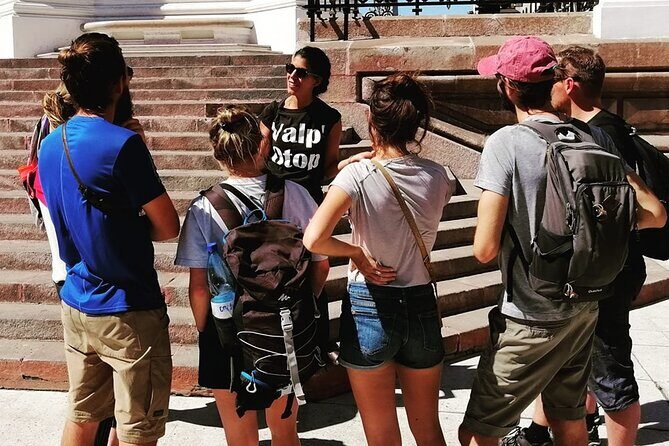
You begin at Plaza Sotomayor, the large square dedicated to the Armada de Chile, the Chilean National Navy. It’s a great way to start because Valparaíso isn’t just a pretty hillside maze. It’s a port city, built on maritime power, trade, and migration—and that theme shows up again and again.
From the start, your guide frames what you’ll be seeing: the course of the walk, the port history, and how street art fits into the larger cultural picture. Even if you’ve seen Valparaíso murals in photos, starting here helps you understand why these hills and neighborhoods grew the way they did.
You can also read our reviews of more tours and experiences in Valparaiso.


Muelle Prat and the port history you’ll actually remember
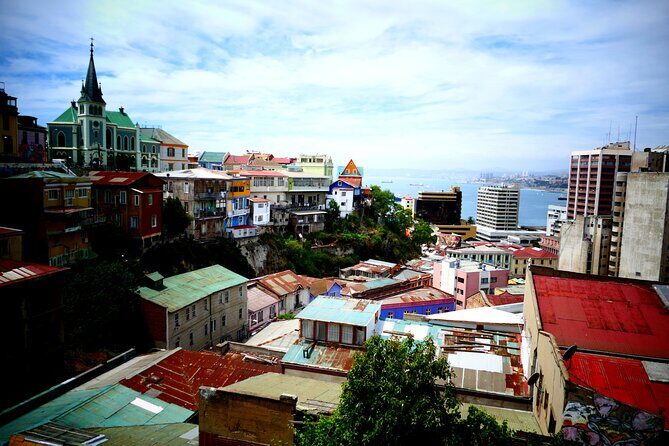
Next comes Muelle Prat, where you get a slice of the port area and a clearer sense of how this “mythical port” worked. You’re not just looking at boats from a distance—you’re hearing why the port mattered and how it shaped daily life.
This is also a quick reality check. Valparaíso’s famous art isn’t floating in a vacuum. It’s connected to jobs, arriving ships, economic shifts, and the way people claimed space on the hills.
Ascensor El Peral (1902): a funicular ride that sets the tone
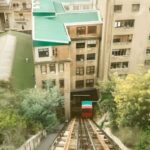
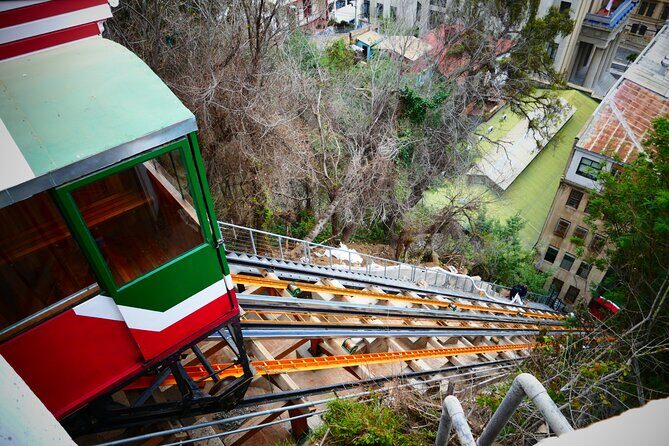
You then take Ascensor El Peral, a funicular dating from 1902. This is steam-powered history, even though it stopped being steam-powered decades ago—still, it gives you a sense of how the city has moved up and down these steep slopes for generations.
The ride is short (about 10 minutes) but it’s a huge value add. You’re not only getting a photo stop; you’re getting transportation history built right into the walk. And because the entrance is included for this stop, it feels like part of the plan rather than an optional extra.
Cerro Alegre: street art on the streets, not in a museum
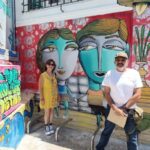
Cerro Alegre is where the street art becomes the main character. You’ll walk through colorful alleys and focus on graffiti and mural work tied to Valparaíso artists—some of whom have gained international recognition.
What I like here is the framing. You don’t just hear names and styles. You get the sense of how art works as a language in a city where people live vertically, in tight spaces, and often reinvent themselves. The guides connect what you’re seeing to the broader atmosphere of the city, so the art becomes easier to read rather than just admire.
A practical note: this is a walking-heavy section. Take your time. Look up as often as you look forward, because the best details are usually on walls above eye level.
Cerro Concepción: port-era characters plus modern Chile’s trauma
Cerro Concepción continues the street art story, but it shifts the mood. You’ll also step into the atmosphere of the late 19th century, when adventurers, traders, whalers, and gold diggers crossed paths here. That mix of people helps explain why Valparaíso developed such a strong identity—worldly, crowded, and constantly changing.
Then the tour turns toward more painful chapters, including the history of the Pinochet dictatorship and how it violently marked Chile and its inhabitants. This matters because murals and public art often carry memory, protest, and commentary, even when they look playful on first glance.
If you prefer your sightseeing light and breezy, this part may feel heavier than you expect. But if you want Valparaíso to make emotional sense—art as testimony—this stop is a strong reason to take the tour.


Paseo Yugoeslavo and Palacio Baburizza: UNESCO views and an art stop
On the way, you’ll walk through Paseo Yugoeslavo Ex Paseo Americano and start exploring the Cerros Alegre y Concepción hills, whose architecture has been classified by UNESCO. This gives you a different angle: Valparaíso isn’t only street art. It’s also a built environment worth protecting.
You’ll also hear about the Palacio Baburizza, which has become the city’s fine arts museum. Even if you don’t go inside, the context helps. You start seeing how elite architecture, immigrant influence, and everyday life all sit side by side on these slopes.
A small consideration: the UNESCO framing and museum context can make this section feel more interpretive than purely photo-and-walk. That’s not a bad thing—it’s just different. If you like learning why places matter, you’ll enjoy it.
The bay viewpoint walk: Paseo Gervasoni and Paseo Atkinson
As the tour moves along, you get panoramic perspective. Paseo Gervasoni is one of those “stop, look, and suddenly you understand the city” walks. From here, you can admire the whole bay of Valparaíso, and the guide gives lots of good plans for what to explore on your own afterward.
Those suggestions can be especially useful for the coastal day options—like the artisanal fishing port of Caleta Portales, plus the nearby town of Viña del Mar and the village of Concón. If you only have a day or two, this is the part that helps you turn a vague itinerary into something workable.
Then you continue to Paseo Atkinson, where you’ll observe two of Chile’s largest murals. This is one of those moments where the scale changes your brain’s sense of what street art can be. It’s not just decoration; it’s a public statement in wall-size form.
Iglesia Luterana and the Neruda-area viewpoint
The tour also includes the Iglesia Luterana de La Santa Cruz de Valparaiso. The small square in front of the church is described as an excellent vantage point over the other hills, and it’s also linked to the house of the famous poet Pablo Neruda.
You’ll learn about the church’s history and the German presence in the city. That German influence is one of those threads that helps explain why Valparaíso feels like a patchwork of communities rather than a single cultural story.
This stop is brief, but it’s strategic: it gives you a high-up orientation so you’re not just walking through art—you’re navigating geography.
The ending at Paseo Dimalow: food plans for what comes next
You finish at Paseo Dimalow, at the top of the Reina Victoria lift (funicular). Ending near a lift top matters because you’re not stuck at the bottom of the hill with no clean next move.
The final minutes are focused on recommendations for restaurants and dishes—some more popular, some more gourmet. That food angle is one of the tour’s smartest features because Valparaíso’s culinary choices can feel confusing at first. If you go to dinner without guidance, you might miss the classics or end up in a tourist trap. Here, you get a map for what to look for in the rest of your time in Chile.
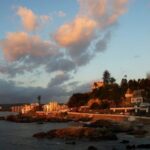
And yes, the timing is helpful. Starting at 3:00 pm means you’re often out in softer late-afternoon light, which makes the hills, paint, and ocean views easier on your eyes.
Value and practical fit: who this tour is for
At $17.49 per person for about 3 hours 30 minutes, this is priced like a budget-friendly way to get serious context. The value isn’t only the walking; it’s the combination of themes: port history, UNESCO-era architecture, street art, and Chile’s political chapters (including the Pinochet dictatorship). Many tours pick one lane. This one tries to connect the dots.
It’s also a small group experience with a max of 18, which tends to work well in a place like Valparaíso where questions pop up constantly: Why that mural? Why this neighborhood? How did the port shape the people who lived here?
If you should book this:
- You want street art with historical context, not just pictures
- You’d like a guide to point you toward food and day-trip ideas after the tour
- You’re comfortable walking uphill and spending time looking around
If you should think twice:
- You don’t like steep, uneven sidewalks and stairs
- You want a mostly relaxing, minimal-walking experience
Booking window and what to expect day-of
On average, this tour is booked about 15 days in advance, so I’d treat it as one of those popular slots you shouldn’t ignore. You’ll receive confirmation at booking time, and you’ll use a mobile ticket.
The tour is near public transportation, which helps if you’re pairing it with other plans. Service animals are allowed, and most people can participate, but if you have mobility limits, the hill walking is the main factor to consider.
Should you book Valp’Otop’s French foot tour of Valparaíso?
Yes—if you want Valparaíso to make sense, and not just look impressive. This is the kind of tour that helps you connect what you see (street art, funiculars, viewpoints) with what shaped it (port life, UNESCO architecture, and major chapters of Chile’s modern history). The guide-led explanations and the practical food recommendations at the end are the finishing touches that make this more than a “walk and photo” afternoon.
If you’d rather avoid political topics or you’re not up for steep walking, then choose a different style of tour. But if you like your sightseeing with context and you’ll enjoy a French-speaking guide guiding the pace, this one is an easy recommendation.
FAQ
How long is the Valparaíso tour?
It runs about 3 hours 30 minutes.
What time does it start?
The start time is 3:00 pm.
Where does the tour start and end?
It starts in Plaza Sotomayor, Valparaíso, Chile, and it ends at the top of the Reina Victoria lift at Paseo Dimalow (near P.º Dimalow 110, Valparaíso).
Is the tour in French?
Yes, it’s described as a French tour.
How big is the group?
The tour has a maximum of 18 travelers.
Is the funicular included?
Yes. Ascensor El Peral is included (admission ticket included).
Are the other stops free?
The stops listed as free include Plaza Sotomayor, Muelle Prat, Paseo Yugoeslavo/Ex Paseo Americano, Cerro Alegre, Cerro Concepción, Paseo Gervasoni, Paseo Atkinson, Iglesia Luterana de La Santa Cruz de Valparaiso, and Paseo Dimalow.
How much does it cost?
The price is $17.49 per person.
Is there free cancellation?
Yes. Free cancellation is available up to 24 hours before the experience starts for a full refund.
Is it accessible for everyone?
Most travelers can participate, and the tour is near public transportation. Service animals are allowed. The walk includes hills and stairs, so that’s the main practical consideration.