REVIEW · VALPARAISO
Valparaiso 4-Hour City Tour by Van and Funicular
Book on GetYourGuide →Operated by GRAY LINE CHILE · Bookable on GetYourGuide
Valparaíso rises fast, and this tour keeps up. In just four hours, you’ll ride through the UNESCO city’s tight streets and multi-colored neighborhoods, then use the funicular for big hilltop views. I especially like the panoramic outlooks plus the way your guide ties the city’s look to the story behind it. One thing to plan for: you will walk on uneven streets and climb hills, so comfy shoes are not optional.
This is also a small-group tour, capped at 10 people, which helps you get answers and not just pose for photos. I like that the guides bring real local detail; names you may hear onboard include Jeff, Leo, Catalina, Elena, or Geoff, and their focus tends to be what you’re looking at right now, not a lecture. The only drawback for some schedules: hotel pickup is early and the start time depends on whether you’re in Viña del Mar or Valparaíso.
Finally, you get a practical route that links the port, the hills, and the viewpoints without wasting time. You end with another funicular ride for a view over the port area, plus a stop at the ocean-facing amphitheater at the Merchant Marine Viewpoint. Just note: there are no meals included, so you’ll want to eat before or after.
In This Review
- Key highlights to look for
- Why Valparaíso’s hills make this tour a smart move
- Meet the day: pickup, small group size, and pacing
- Cerro Florida viewpoints: La Sebastiana and Pablo Neruda’s area
- Cerro Concepción and Cerro Alegre by funicular
- Paseo Atkinson: the immigrant history behind the murals
- Muelle Prat and Plaza Sotomayor: where the port vibe shows
- La Moneda on the tour route: Government Palace context
- The funicular finale at Paseo 21 de Mayo and Merchant Marine Viewpoint
- Price and value: what $112 buys you in real time
- What’s included (and what you’ll pay for on your own)
- Practical tips: shoes, sun, and packing light
- Who should book this tour, and who might not
- Should you book the 4-hour van and funicular tour?
- FAQ
- How long is the Valparparaíso 4-hour city tour by van and funicular?
- How much does the tour cost?
- Is hotel pickup and drop-off included?
- What language is the guide?
- Are meals included?
- Are tickets for Pablo Neruda’s House-Museum included?
Key highlights to look for
- Cerro Florida viewpoint for views of La Sebastiana and the Pablo Neruda House-Museum area (admission not included)
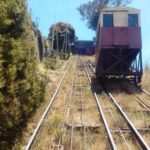
- Funicular climbs on Cerro Concepción and Cerro Alegre so you see hilltop Valparaíso without doing it all on foot
- Paseo Atkinson and immigrant history tied to the city’s Golden Age before the Panama Canal
- Muelle Prat and Plaza Sotomayor for port atmosphere and traditional landmark buildings
- La Moneda stop to see Chile’s Government Palace on the tour route
- Paseo 21 de Mayo and Merchant Marine Viewpoint for the final big coastal panorama
Why Valparaíso’s hills make this tour a smart move
Valparaíso is famous for a reason: it’s built on steep hills, with viewpoints stacked above streets. Left to your own plans, it’s easy to spend half your time figuring out routes and half your energy fighting stairs. This tour uses vans and funiculars to keep your energy for the sights.
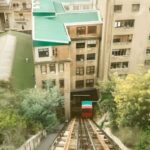
The funicular rides aren’t just a gimmick here. They’re the cleanest way to understand how the city works, because you go from street level to hilltop in minutes and then see the neighborhoods arranged like a patchwork. Once you’ve watched the coast open up, the art and color start making more sense.
I also like how the tour connects the visuals to the timeline. You’ll hear about the city’s Golden Age before the Panama Canal, when Valparaíso was a major hub in world shipping. That context helps you notice why certain streets, plazas, and buildings feel the way they do today.
You can also read our reviews of more city tours in Valparaiso

Meet the day: pickup, small group size, and pacing
This is a four-hour guided tour with hotel pickup and drop-off in Valparaíso. The group is limited to 10 participants, so the guide can answer questions and adjust the pace when the route involves more walking or tighter corners.
Pickup times are approximate. If you’re staying in Viña del Mar, pickup starts around 8:45 AM from listed hotels such as the Sheraton Miramar Hotel and Panamericana Hotel O’Higgins, plus Gala and Enjoy Viña del Mar. If you’re in Valparaíso, pickup starts around 9:15 AM from hotels including Ibis Valparaíso and Diego de Almagro Valparaíso.
If your hotel isn’t on the list, the tour has you make your own way to the nearest included pickup location. It’s a small hassle, but it’s also what helps keep the tour running as a clean, timed loop.
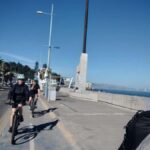
In terms of comfort, expect a mix of short climbs, downhill steps, and walking along promenades. You’ll want to pack comfortable shoes and use sunscreen, because hill viewpoints can mean strong sun even when the streets feel mild.
Cerro Florida viewpoints: La Sebastiana and Pablo Neruda’s area
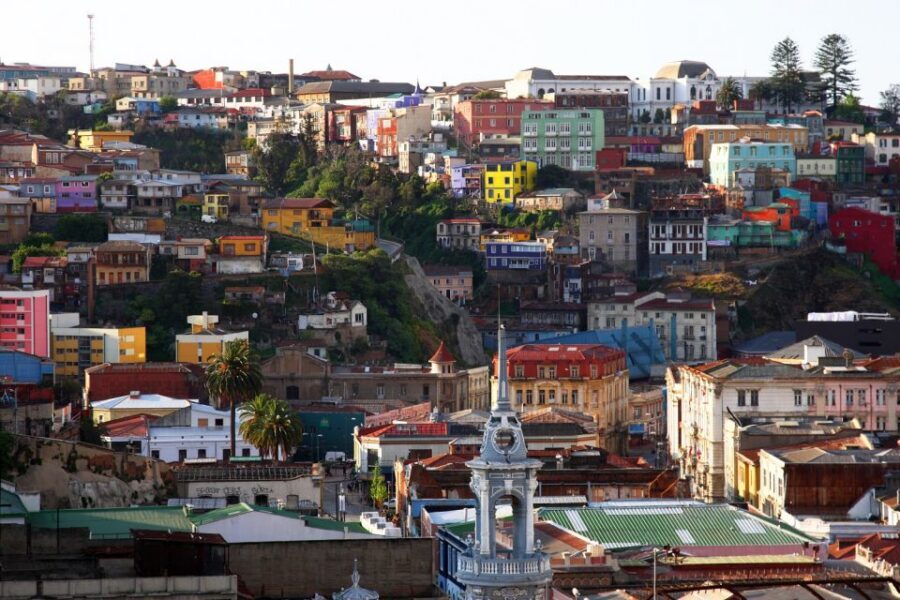
The day typically starts with hilltop views, and Cerro Florida is the first big “look around” moment. From here, you’ll get a viewpoint that frames La Sebastiana and the Pablo Neruda House-Museum area. Even if you don’t enter the museum, the exterior viewing and context help you understand why Neruda’s presence matters in Valparaíso.
A key detail: museum admission is not included. So if you want to go inside, you’ll need to plan for that separately. If you’re not sure yet, this is still useful because you’ll see the setting and get the story without committing time to an additional ticket.
This is also the kind of stop that helps you “read” the rest of the city. Once you see the hills spread out, the later funicular climbs on Cerro Concepción and Cerro Alegre feel less random and more like a deliberate route.
Cerro Concepción and Cerro Alegre by funicular
Next comes the heart of hill Valparaíso: Cerro Concepción and Cerro Alegre. The tour uses the funiculars to get you up efficiently, which matters because these hills aren’t the gentle kind.
What you’re really looking for here is the relationship between the hillside streets and the views. When you’re at the top, you can spot how neighborhoods step upward, how ocean-facing angles change what you see, and how the city’s art and color sit against the steep terrain.
On the streets below and between viewpoints, you’ll also have chances to slow down and take in the details: narrow lanes, colorful facades, and the way people live in a place built for scenery as much as for daily life. Your guide will point out what to watch for, including the background behind the street art and what clues to use when you start exploring on your own afterward.
Paseo Atkinson: the immigrant history behind the murals
A good tour doesn’t just show you places. It helps you understand why those places look the way they do.
Along the way, you’ll walk at Paseo Atkinson and hear history about immigrants who settled in Valparaíso during its Golden Age. This matters because Valparaíso wasn’t just a pretty port town; it was a shipping and cultural crossroads. The architecture, street patterns, and even the tone of the city tie back to that earlier era.
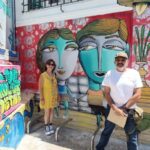
This stop also helps you connect art with context. When a guide explains what you’re seeing—how neighborhoods developed, how the port brought influence, and what changed when global shipping routes shifted—you get a better sense of what murals and buildings are responding to.
It’s a walking segment, but it’s also one of the more meaningful parts. You’ll feel less like you’re ticking boxes and more like you’re getting the “why” behind the “wow.”




Muelle Prat and Plaza Sotomayor: where the port vibe shows
After the hills, you’ll descend toward the port area. The tour brings you to Muelle Prat and then to Plaza Sotomayor, one of Valparaíso’s most important public spaces.
Here’s what to pay attention to. Plaza Sotomayor has that classic port feeling: a mix of local life, historic landmarks, and the sense that the sea is part of the city’s daily rhythm. Even if you’ve only been in town a short time, it helps you understand how people move between the waterfront and the steep neighborhoods.
You’ll also see traditional landmarks, including 17th-century French style buildings. That detail is more than decoration. It signals how international Valparaíso once was, and why the city’s architecture doesn’t look like a typical coastal town.
This is also a good place to reset your bearings. If you’re planning to explore later on your own, the port-side orientation helps you understand which directions lead back to the hills.
La Moneda on the tour route: Government Palace context
Your route includes La Moneda, the Government Palace. Seeing it on a city tour can feel a bit surprising at first, because Valparaíso is often associated with art and street scenes rather than official government sites.
But that stop adds balance. La Moneda is the seat of every Chilean President, which grounds the day in a broader national context. It reminds you that Valparaíso isn’t just an artistic postcard; it’s a city that sits within Chile’s political and historic flow.
Even if you only get a brief look from the route, it’s the kind of contrast that helps the day feel complete—art, history, port life, and the official face of the country.
The funicular finale at Paseo 21 de Mayo and Merchant Marine Viewpoint
Toward the end, you’ll ride another funicular and head to Paseo 21 de Mayo. This is where you cash in on the last views over the port—often the moment when the city finally clicks as a whole.
What I like about the finale is that it ties directly to what you already learned. Earlier you saw the hills and the Golden Age context. Now you look out toward the port and amphitheater, and you can connect the sea-facing angles back to why Valparaíso became so important in the first place.
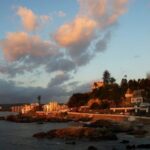
The tour also includes a stop at the Merchant Marine Viewpoint, including an ocean-facing amphitheater. It’s the right kind of end-point: a place to pause, look, and understand how the city’s drama is built into the terrain.
Price and value: what $112 buys you in real time
At $112 per person, you’re paying for a guided route, transportation, and the funicular experience that helps compress a lot of hill-and-port geography into four hours. For Valparaíso, that time compression is part of the value.
If you were doing this solo, you’d spend hours figuring out transit and climbing enough hills to make your legs regret it. Here, the guide helps you move efficiently, and the guide’s commentary helps you see more than the average photo stop.
The tour also includes pick-up and drop-off and transportation insurance, which matters when your day includes multiple transfers and time on public slopes. The bilingual guide (English and Spanish) is another value point if you’re traveling with a mix of languages or want explanations in your preferred tongue.
The main “cost” isn’t money. It’s your energy and shoe choice. If you’re expecting a fully seated, no-walk tour, you’ll find the hills a bit demanding.
What’s included (and what you’ll pay for on your own)
Included:
- Hotel pickup and drop-off in Valparaíso
- Transportation insurance
- A bilingual guide (English and Spanish)
- Van transport during the route
- Funicular rides as part of the hill-to-viewpoint route
Not included:
- Meals and beverages
- Any optional museum admission, like the House-Museum of Pablo Neruda area at Cerro Florida (admission not included)
That museum detail is easy to miss when you’re planning. The tour can set you up to appreciate the site, but if you want to step inside, you’ll need to budget extra time and ticket cost.
Practical tips: shoes, sun, and packing light
Bring comfortable walking shoes. The day includes walking around plazas and along promenades, and you’ll be dealing with uneven ground and steep streets. If your shoes grip well on pavement and slopes, you’ll enjoy the viewpoints without worrying about footing.
Bring sunscreen too. Hilltops and port areas can catch sunlight, and it’s better to protect your skin before you’re halfway through the day.
Leave bulky items behind. Pets aren’t allowed, and you also can’t bring luggage or large bags. If you’re traveling with only a small day bag, you’ll fit the day’s rhythm better.
Who should book this tour, and who might not
This is a great fit if you want the classic Valparaíso overview fast. It’s also a strong choice if you’re only in the area for a short time and you want a route that links hilltop viewpoints with port landmarks.
It’s especially useful if you care about street scenes with context. The guide-led focus on immigrant history during the Golden Age and what to notice in the street art helps you see beyond the first “wow.”
If you’re someone who hates walking or avoids stairs, you may find the hill terrain tiring even with funicular help. In that case, you might prefer a slower-paced option where you can spend more time at fewer stops.
Should you book the 4-hour van and funicular tour?
Book it if you want a tight, high-impact route that makes Valparaíso make sense. The mix of funicular hilltop viewpoints, port-side landmarks like Plaza Sotomayor, and the storytelling about the city’s Golden Age is a strong combination for first-timers.
Skip it or reconsider if you don’t want any walking at all, or if you’re hoping meals are included. Also think about your schedule if your hotel isn’t on the pickup list, since you’ll need to get to a nearby pickup point.
If you do book, show up with good shoes and keep your expectations realistic: this tour is built for seeing a lot in four hours, not for lingering for hours at one stop. Done right, it gives you the foundation you need to explore the rest of Valparaíso on your own with far less guesswork.
FAQ
How long is the Valparparaíso 4-hour city tour by van and funicular?
The tour lasts 4 hours.
How much does the tour cost?
The price is listed as $112 per person.
Is hotel pickup and drop-off included?
Yes. Pickup and drop-off from hotels in Valparaíso are included. Pickup in Viña del Mar starts around 8:45 AM, and pickup in Valparaíso starts around 9:15 AM from listed hotels. If your hotel is not on the list, you’ll need to go to the nearest included pickup hotel.
What language is the guide?
The tour includes a live bilingual guide speaking English and Spanish.
Are meals included?
No. Meals and beverages are not included.
Are tickets for Pablo Neruda’s House-Museum included?
No. The Pablo Neruda House-Museum / La Sebastiana area is mentioned for views, but admission is not included.