REVIEW · PUERTO NATALES
Trekking Base Torres – Torres del Paine trek from Puerto Natales
Book on Viator →Operated by Howlanders · Bookable on Viator
Torres del Paine is famous for a reason. This Base Torres trek turns a long day into a focused hit of views, guided pacing, and practical gear so you can spend your energy on the trail. I like that you get trekking poles (and crampons if needed) plus a bilingual team that keeps everyone moving safely. The main trade-off is that this is a demanding, uphill day, and some parts feel steep even when the route is well-managed.
You’ll start with pickup in Puerto Natales around 6:30 to 7:00 AM, ride into the park, and spend the afternoon pushing toward Mirador Las Torres Base. I also like the small-group feel: the guides adapt the pace so faster hikers don’t steam ahead and slower walkers don’t feel rushed. If you’re hoping for an easy stroll with lots of hanging around, plan for a workout and a schedule that protects time for the viewpoint.
Key points I’d plan around
- Early arrival into Torres del Paine means you’re on-trail with less day left to fight.
- Gear support: trekking poles are provided, and crampons may show up if conditions require them.
- Real guidance: a bilingual lead plus an assistant guide helps adjust pacing for different walkers.
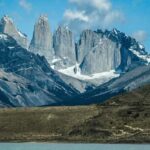
- Classic Patagonia scenery: Ascensio Valley, Lenga forest, and Almirante Nieto Hill viewpoints.
- The hard part is specific: a steep glacier moraine climb is the make-or-break section.
- You still get your payoff: lunch, photos, and a lake-beach moment on the descent.
In This Review
- From Puerto Natales to Base Torres: the value of that 6:30 AM start
- Portería Amarga: the moment the park pulls focus
- The hike reality check: 20 km and a big viewpoint altitude
- Ascensio Valley to Lenga forest: what you’ll see before the hard climb
- The glacier moraine to Base Torres: where poles and grit matter
- Lunch at the towers and the lake beach moment on the way down
- Guides and pacing: why the group size feels like part of the experience
- What you actually get for $99, and what you’ll pay separately
- Weather in Patagonia: how the day stays safe when plans change
- Who should book this Base Torres trek from Puerto Natales
- Should you book this trek to Base Torres?
- FAQ
- What time is pickup in Puerto Natales?
- How long is the trek day?
- Is the hike difficulty beginner-friendly?
- How far do you hike to Base Torres?
- Is Torres del Paine National Park entrance included?
- Is lunch included?
- Do you provide hiking gear like trekking poles?
- Do I need a headlamp and gaiters?
From Puerto Natales to Base Torres: the value of that 6:30 AM start

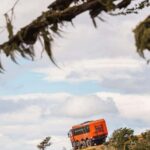
This trek works because it starts early. You’re picked up at your accommodation in Puerto Natales between about 6:30 and 7:00 AM. From there, you head out toward Torres del Paine, with roughly a two-hour shuttle ride before you enter the park through Portería Amarga.
That early departure matters more than it sounds. In Patagonia, weather can change fast, and daylight is your friend. Getting in quickly gives you a fighting chance to reach the viewpoint in good conditions, even if the wind kicks up later.
You’ll also get a quick briefing right after the group is assembled. The guide hands out trekking poles and walks you through what to expect on the climb to Base Torres. If you’re coming from flatter terrain, that briefing helps you mentally size up the day.
Portería Amarga: the moment the park pulls focus
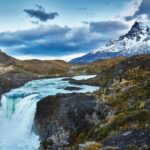
Once you enter through Portería Amarga, the day stops being just travel and becomes a proper Torres del Paine experience. From the first stretch into the park, you’re already treated to impressive views that make the early wake-up feel reasonable.
This part of the day is also a good “gear check.” You’ll start to feel how the route is paced: you’ll be walking enough that you don’t want to be adjusting boots, fixing clothing, or sorting water later. Use the park entry time to settle in—water accessible, layers ready, and poles set so you’re not fiddling mid-uphill.
A quick note: the park entrance fee is not included. So when you’re budgeting for the trip, think of that as an add-on you’ll handle at the entrance.
You can also read our reviews of more hiking tours in Puerto Natales


The hike reality check: 20 km and a big viewpoint altitude
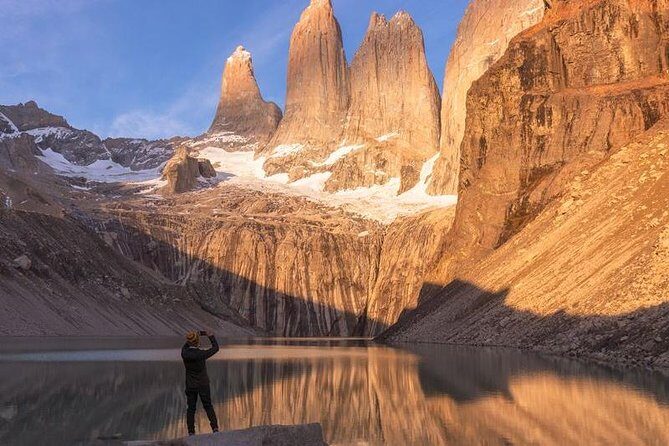
The Base Torres trek is rated medium, but don’t let the word medium fool you. You’re looking at about 20 km total (12.43 miles) with roughly 8 hours of hiking time, plus the travel and stops that fill out the full day. The elevation profile is the real story:
- Starting around 90 m (295 ft)
- Reaching up to about 870 m (2,855 ft)
So yes, it’s a long day. And yes, it’s uphill for long enough that you’ll feel it in your legs even if you’re fit. The guides know this, which is why pacing is a major part of the experience. On tougher sections, they keep you moving without turning the trek into a race.
If you’re the type who likes steady effort—short breaks, consistent rhythm—this day clicks. If you want constant scenic detours and long lounging stops, you’ll likely feel a little compressed by the schedule.
Ascensio Valley to Lenga forest: what you’ll see before the hard climb
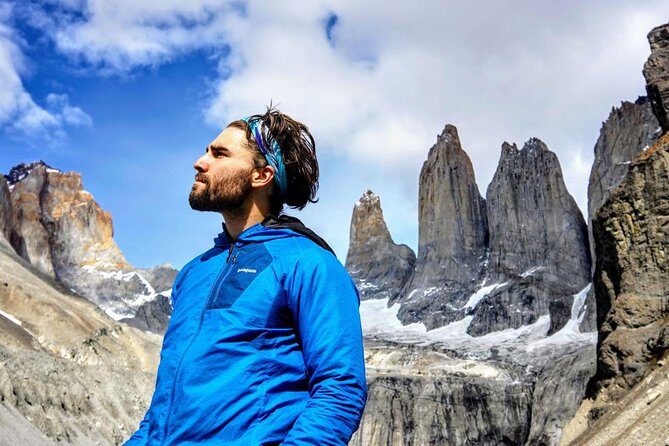
The trek portion toward Mirador Las Torres Base is built around a progression of scenery. After reaching the Hostería Las Torres sector, you’ll spend about four hours walking through:
- the Ascensio Valley
- a Lenga forest section described as cozy
- changing perspectives of Almirante Nieto Hill
This part of the day is where the trek earns its “worth it” reputation. You’re moving, but you’re also not staring at the ground the whole time. You’ll get chances to look around, read the terrain, and appreciate how the vegetation changes as you climb.
Practical tip: in that forest stretch, manage your layers. The effort is steady, and Patagonia weather loves to shift. If you stop too long while hot, you can feel cold again quickly later.
Also, the trail includes a moraine climb that comes later, so don’t burn all your energy early. Treat these middle hours as your setup for the steep section.
The glacier moraine to Base Torres: where poles and grit matter
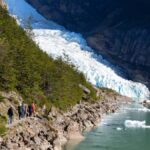
The route finishes with a climb described as a glacier moraine—rocky, with a steep slope—until you reach the Base Torres viewpoint.
This is the section where trekking poles become more than a nice extra. They help you keep balance on uneven ground and reduce strain when your legs start to tire. If you’ve never used poles for steep terrain, this is the day to learn. You don’t need to use them constantly, but they’re great for controlled steps.
If conditions are icy or there’s snow/traction trouble, the tour provides crampons if necessary. That’s a useful safety net because footing can be unpredictable at altitude.
One more reality check: the viewpoint day is weather-dependent. In rough conditions—wind, rain, or snow—the guides may adjust plans or routes and sometimes won’t risk a full push if it’s unsafe. That happened for at least one group on a difficult day. Think of the guide’s job as protecting the whole group, not just getting a photo.
Lunch at the towers and the lake beach moment on the way down
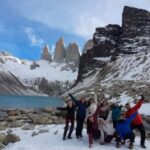
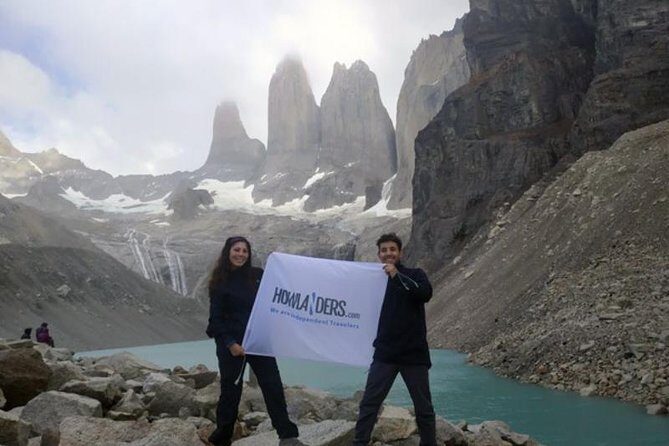
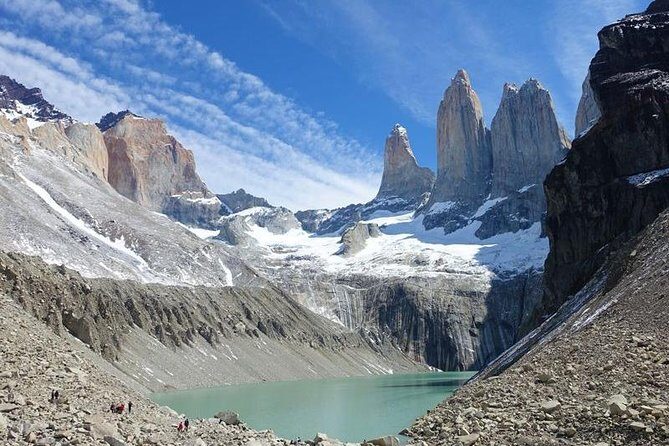
When you finally reach Base Torres, you’re met with the payoff: iconic peaks and the views that gave the park its name. The plan gives you time for lunch and photos, so you’re not sprinting straight back down the moment you arrive.
Then comes a smaller, memorable twist. After the viewpoint stop, you descend toward a small beach formed by the lake. You’ll stop long enough to take in the scenery and even touch the water. It sounds simple, but after hours of uphill effort, a quiet lake moment feels like a mental reset.
The descent back toward Puerto Natales takes about three hours after that stop. Your legs will know it’s the descent, but it’s still a long day of moving downhill on rugged terrain. Keep your footing careful and don’t rush just because you’re headed the easier direction.
The shuttle ride returns you to Puerto Natales between 8:00 and 9:00 PM, so you’ll end the day late enough that a celebratory dinner feels earned.


Guides and pacing: why the group size feels like part of the experience
This trek is best when the group is managed well, and the operation clearly puts effort into that. Expect a bilingual guide with an assistant guide. The guide-to-walker ratio changes by season:
- In winter, groups are smaller, with one guide for every 4 travelers.
- In summer, groups can be larger (up to 21), with one guide for every 6 travelers to match different walking paces.
- The trek is described as a maximum of 15 travelers for this experience.
That ratio matters because Base Torres is popular and stamina varies. On steeper sections, you don’t want one pace that fits only the fittest hikers.
I love the way multiple guide reviews highlight pacing and support. Names that came up include Phillipe and Emilia, Pablo (often praised for knowledge and keeping groups on track), Matías, Alex, Sebastián, Felipe, Leo, Claudia, Ramiro, Diego, Daniel, and Yann. In plain terms, many groups felt the guides prevented the classic problem: fast hikers pulling away and slower walkers getting stressed.
If you’re nervous about your fitness level, that’s a real positive. Several groups specifically praised patience, safety focus, and making sure no one was left behind.
One more detail that shows up in reviews: guides may offer an alternate viewing option if someone doesn’t want to attempt the final steep scramble. So you might still get the best of the day without forcing a peak push.
What you actually get for $99, and what you’ll pay separately
At $99 per person, the value is strongest because you’re not just paying for a guide. You’re paying for logistics that can eat your time in Patagonia:
Included:
- Shuttle bus transportation from the Puerto Natales area
- Bilingual guide plus assistant guide (with a structured guide-to-pax approach)
- First aid kit
- Trekking poles
- Crampons if necessary
Not included:
- Torres del Paine National Park entrance fee
- Lunch
- Headlamp and gaiters (mandatory only during winter season, roughly June to September)
Here’s the smart way to budget this: plan for entrance fee and your own lunch, then pack the gear that the colder months demand. The tour gives you critical hiking tools (poles, potential traction help), which is a big money-saver if you’re traveling light.
If you’re the kind of traveler who hates figuring out bus schedules and trail logistics when the weather might shift, this is exactly what you’re paying for.
Weather in Patagonia: how the day stays safe when plans change
Patagonia can go from clear to chaotic. Even when the trail looks straightforward on paper, wind and precipitation can change traction, visibility, and comfort quickly.
This trek is designed with that reality in mind. Guides prioritize safety and can route-adjust when conditions are dangerous. One group reported that they chose not to summit during harsh weather and instead received alternative lookouts and a plan that still felt worthwhile.
So my advice: treat the viewpoint as the goal, not the guarantee. You still get a guided, scenic hike day. But if conditions are intense, you’ll want a guide who acts like a guide—not like a stopwatch.
Also, winter travelers should be ready for extra gear needs. The tour notes headlamp and gaiters for June to September. In other seasons, those items may still be useful depending on your own habits, but the mandatory call is winter-only.
Who should book this Base Torres trek from Puerto Natales
Book this trek if:
- you’re physically comfortable with a long uphill hike
- you want a guided day that handles transport and gear
- you’re short on time and still want the signature Base Torres experience
- you appreciate steady pacing and a team that manages mixed abilities
Think twice (or ask about an alternative plan) if:
- you hate steep, rocky terrain
- you’re hoping for a mostly flat walking day
- you don’t want to be on a strict schedule that protects time at the viewpoint
If you’re an experienced hiker, you’ll likely move confidently once you find your rhythm. If you’re a beginner with moderate fitness, the poles, the structured pacing, and the fact that guides may offer options can make the difference between stressed and confident.
Should you book this trek to Base Torres?
Yes—if you match the fitness reality and you pack smart. This is a high-demand hike, but it’s also the kind of organized, guided day that turns effort into one of Patagonia’s most famous view moments.
I’d book it if you want:
- classic Torres del Paine peaks without DIY transport headaches
- small-group attention and pacing support
- trekking poles included, plus traction help when conditions require it
Skip (or pick a gentler option) if your plan is based on an easy walk and lingering forever. Base Torres is a climb day, and the best version of the experience happens when you go in ready to work, then celebrate the view once you earn it.
FAQ
What time is pickup in Puerto Natales?
Pickup is scheduled for about 6:30 AM, with arrival to pick you up between 6:30 and 7:00 AM depending on where you’re staying.
How long is the trek day?
The tour runs about 10 to 12 hours total.
Is the hike difficulty beginner-friendly?
It’s listed as medium difficulty and aimed at people with moderate physical fitness.
How far do you hike to Base Torres?
The hike is about 20 km (12.43 miles), with around 8 hours of hiking time.
Is Torres del Paine National Park entrance included?
No. The entrance fee is not included.
Is lunch included?
Lunch is not included for this experience.
Do you provide hiking gear like trekking poles?
Yes. Trekking poles are included, and crampons are provided if necessary.
Do I need a headlamp and gaiters?
Headlamp and gaiters are mandatory only during the winter season (June to September, approximately).