REVIEW · PUERTO NATALES
Puerto Natales: Base of the Towers Day Hike
Book on GetYourGuide →Operated by Paine Travel / ChileTour · Bookable on GetYourGuide
The Towers call early. This all-day trek from Puerto Natales threads you into Torres del Paine for the Base of the Towers viewpoint, with glacier-fed streams, big Patagonian beech forest walks, and classic granite drama. You’ll spend most of the day moving through changing terrain, then earn those sweeping views from on high.
Two things I like most: the guide support that keeps you moving safely (I noticed multiple guides working as front/middle/back in larger groups, including people like Camilo and Hugo), and the fact the route is built around real highlights like Lake Nordenskjöld and views of Almirante Nieto Mountain. You’re not just hiking for a photo; you’re hiking to understand how the park’s pieces connect.
One consideration: it’s an advanced 22 km day with steep, uneven sections and a demanding last push to the viewpoint. The descent can feel just as tough, and unsafe weather can change plans.
In This Review
- Key highlights worth knowing
- Leaving Puerto Natales at 6:15 to 6:45: why the timing matters
- The van ride to Torres del Paine: your warm-up, not wasted time
- Valle del Ascencio: a downhill start that helps you find your rhythm
- The lenga forest miles: where the park feels slow enough to notice
- Lake Nordenskjöld and Almirante Nieto Mountain: the scenery that makes the effort make sense
- The final ascent to the Base of the Towers: where the day turns serious
- When you get down: the part people underestimate
- Food, water, and the reality of glacier streams
- Guides, pacing, and safety: what you’re really paying for
- What to pack for Patagonia: layers win, socks deserve respect
- Price and value: is $90 worth it versus self-guiding?
- Who should book this Base Towers day hike
- Should you book this tour?
- FAQ
- How long is the whole tour?
- How long is the hike, and how far do you go?
- Does the tour include pickup and drop-off in Puerto Natales?
- What’s included in the price?
- What is not included?
- What should I bring for the hike?
- Is this hike suitable for everyone?
Key highlights worth knowing
- Early Puerto Natales pickup gets you hiking before the day gets loud
- 22 km out-and-back that includes Valle del Ascencio and El Chileno area
- Millennial lenga forest that makes the middle miles feel cooler and calmer
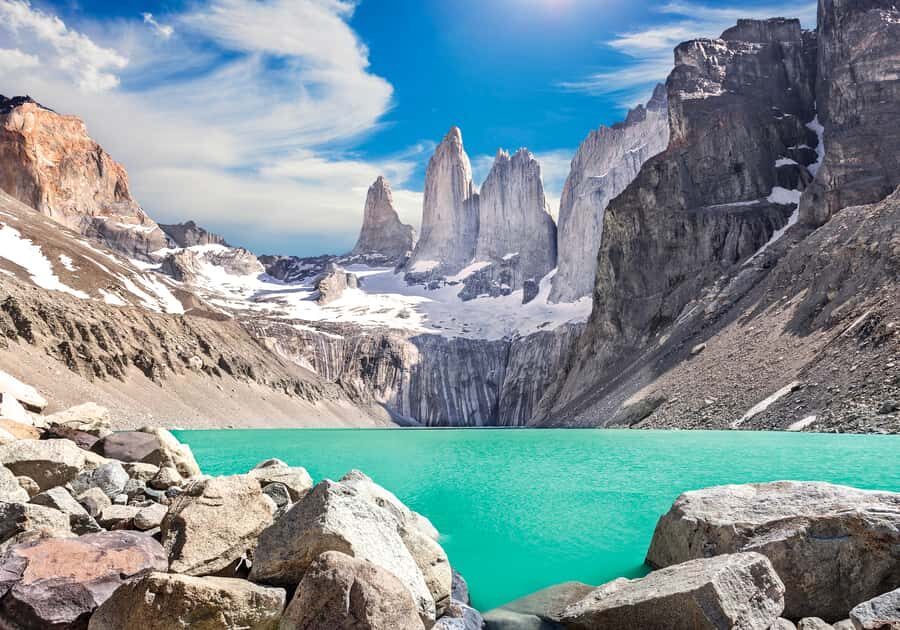
- Panoramic tower views of Torre Sur, Torre Central, Torre Norte, plus Cerro Nido de Cóndor
- Trekking poles + certified bilingual guide for stability on rocky stretches
- Long return to Hotel Las Torres, with real leg fatigue waiting for you
Leaving Puerto Natales at 6:15 to 6:45: why the timing matters
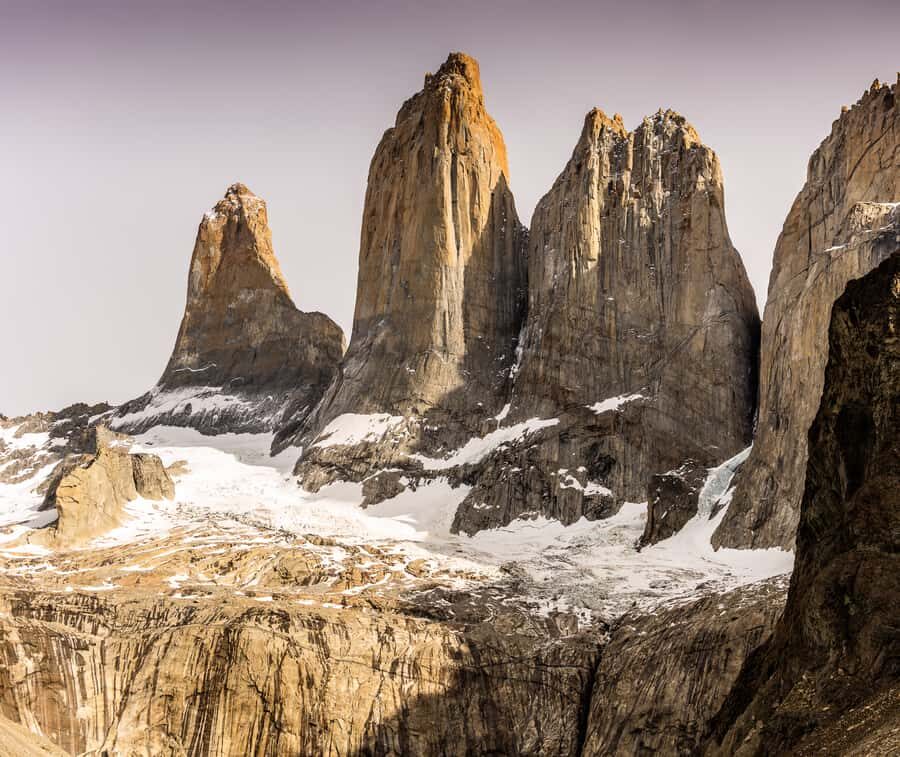
This is the kind of tour where the schedule is part of the experience. Your pickup runs between 6:15 and 6:45 in Puerto Natales, then you start with about 2 hours of van time toward Torres del Paine National Park. For you, that early start usually means cooler hiking conditions and more breathing room before the hardest sections.
The day is long on paper—about 15 hours total—but you feel it in blocks. First comes the drive and orientation. Then you hike the main route for roughly 8 hours, with pauses for breaks, photos, and steady regrouping.
You should also know the park entry and food aren’t included. So plan your day around what the tour covers and what you must bring yourself.
You can also read our reviews of more hiking tours in Puerto Natales


The van ride to Torres del Paine: your warm-up, not wasted time
During the drive, you’re basically getting set up for success. The tour includes a safety briefing, and you’ll have a guide who can explain what’s coming: steep bits, uneven ground, and the fact that the last segment can get scrambly depending on conditions.
You’re also headed to the start area just before Hotel Las Torres, the gateway point where your hiking day begins. Even if you’re itching to get moving, this is still a useful stretch of time because it helps you get the right gear ready, hydrate, and mentally shift from town mode to trail mode.
One small practical tip: if you’re bringing layers, the morning can feel different from later in the hike. Keep your windbreaker accessible.
Valle del Ascencio: a downhill start that helps you find your rhythm
Your trek begins with a downhill walk toward Valle del Ascencio, not an immediate steep climb. That matters. Going down first helps your body loosen up without burning energy too early, and it lets you settle into the pace system the guides run.
From there you continue toward El Chileno Mountain Lodge. This stretch is where the tour earns its reputation as more than just a scramble to reach the viewpoint. You’re moving through classic Patagonian terrain, and you’ll start noticing the “glacier stream” theme that the day promises—water power and stone power working together.
You’ll also get chances to regroup and use the poles if you want them. Even if you think you’re fine without poles, don’t skip them in the moment when the ground turns uneven.
The lenga forest miles: where the park feels slow enough to notice
After El Chileno, the path continues through a Millennial Lenga forest. This is one of the best “quality of hiking” parts of the day because it breaks the monotony. The forest walk gives you a mental reset while you still build toward the rock formation and the harder ascent ahead.
This section also sets up what comes next: the trail becomes less forgiving. Reviews and real-world hikers’ logic agree on one point—when you reach the rocky zones, you’ll be glad you didn’t spend the earlier miles too fast.
If the weather shifts, the forest can also be a buffer. Wind can still show up in Patagonia, but tree cover can soften the experience while you work your way into the climb.
Lake Nordenskjöld and Almirante Nieto Mountain: the scenery that makes the effort make sense
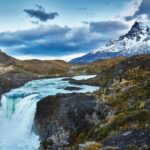
This hike is framed around big sightlines, including Lake Nordenskjöld and views tied to Almirante Nieto Mountain. You’re not hiking in a straight line to one view only. The route keeps offering new angles, so the day feels like a sequence of rewards instead of one payoff at the end.
This matters for your planning. A tough hike is easier to handle when you keep getting visual confirmation that you’re moving toward something. If you’re the type who gets impatient on long days, this itinerary structure helps.
Expect the visuals to change with light and clouds. On clear days you’ll see the towers sharply. On mixed days you’ll still get dramatic forms, just with more atmospheric texture.


The final ascent to the Base of the Towers: where the day turns serious
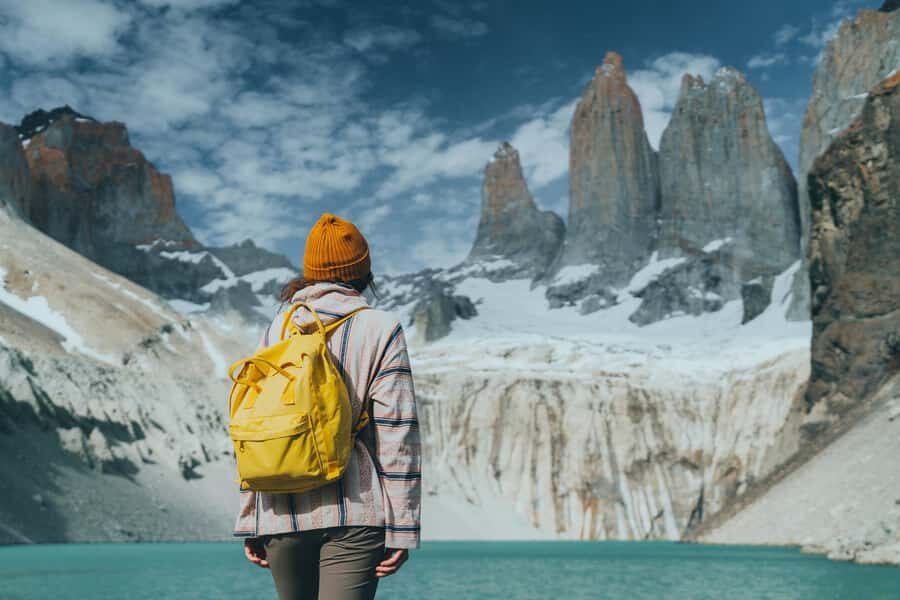
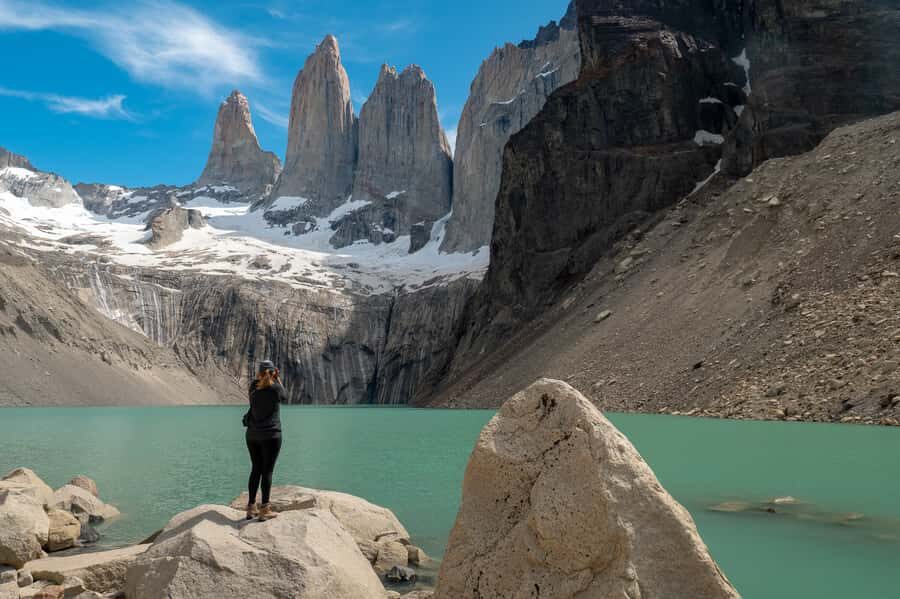
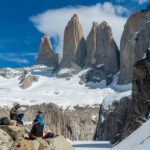
When you reach the base rock formation area, the hike becomes the hard part. You start the challenging ascent to the Base of the Torres del Paine viewpoint, with panoramic views across Torre Sur, Torre Central, Torre Norte, and Cerro Nido de Cóndor.
This is where the guide team really earns their keep. In multiple group sizes, guides use different strategies: some help you pace from the front, others slow down in the middle, and another guide stays with walkers who need extra time. People like Alexis and Camilo have been singled out for encouragement and for staying close when someone needed extra support on the steep final push.
Also, be ready for the reality of the last stretch. Many hikers describe the final kilometre as the toughest: more rocks, more scrambling, and less room for error. That means:
- wear proper hiking shoes (avoid sneakers)
- keep your footing slow and deliberate
- use trekking poles if you have them
- don’t rush just because others are moving fast
And yes, the wind can change everything. If conditions are rough, guides may adjust the plan for safety.
When you get down: the part people underestimate
After sightseeing at the viewpoint area, you return toward Hotel Las Torres and then continue back by van to Puerto Natales around 21:00 to 21:30.
Here’s the thing: the descent takes effort. Even if you feel proud for reaching the top, your legs still pay the bill on the way down. Your quads work overtime, and your balance has to be careful on uneven sections. More than one hiker notes that the hike down can take a similar amount of time and feels like its own challenge.
If you’re tempted to walk fast to “make up time,” resist that urge. Slow walking on the rocks is usually faster than slipping and losing time. Keep poles in hand, and follow the guidance of the person leading your pace group.
Food, water, and the reality of glacier streams
The tour is not a food-and-drinks package. You’re expected to bring supplies, and the practical message is clear: plan your hydration like you mean it.
You may stop at a base area with a café and toilets, and there are reference points around 6 km and 16 km where taps are available. But a key detail: you shouldn’t count on being able to buy water at that stop. Some hikers note the café may not sell water, with refilling possible from glacial stream sources instead.
So for you, the best approach is:
- carry enough water to feel safe between refills
- pack snacks that won’t freeze or crush
- treat taps as helpful extras, not your whole plan
Also consider comfort. If the day turns wet, a change of clothes and a rain-proof layer can save your evening mood on the drive back.
Guides, pacing, and safety: what you’re really paying for
At $90 per person, the value isn’t only the view. It’s the fact you’re buying structured safety for a long, advanced hike, plus the time-saving transport from Puerto Natales.
What’s included:
- pickup and drop-off in/near Puerto Natales hotels
- trekking poles
- a certified bilingual local guide (English and Spanish)
- a first aid kit and safety briefing
This is a big deal when the terrain gets rocky and the weather gets moody. Multiple guides in the group matter because it keeps you from feeling pressured to match a faster line. You also get support if someone falls behind or needs encouragement. Some hikes include alternative routing when people can’t finish the last segment.
In plain terms, you’re not just borrowing direction. You’re borrowing judgment. That’s what makes the hike feel doable rather than scary.
What to pack for Patagonia: layers win, socks deserve respect
For Patagonia, your bag should be organized around weather swings, wind, and wet ground. Here’s what the tour asks you to bring, and what I’d treat as non-negotiable:
- warm clothing and a windbreaker
- sunglasses and a hat (sun and wind both bite)
- sunscreen
- hiking shoes with real traction
- hiking pants
- food and drinks for the day
- passport or ID card
If you’re thinking, I’ll just wear whatever is comfy, remember the tour is described as advanced with inclines and uneven terrain. Proper footwear is the difference between steady progress and getting bounced around on the rocks.
And don’t forget small comfort items. A light rain layer and a dry change can turn a rough return into a manageable one.
Price and value: is $90 worth it versus self-guiding?
$90 might feel like a lot until you price the whole day: round-trip transport from Puerto Natales, a certified bilingual guide, trekking poles, and safety support for a tough 22 km hike. Plus, you’re not paying to figure out logistics at each stage of the trail system.
The biggest value is the combination:
- long day with steep, uneven footing
- last-kilometre difficulty
- weather that can force route changes
- guide pacing that adjusts to different fitness levels
Self-guiding can work for confident hikers with the right plans and gear. But if you’re here mainly for the Base of the Towers experience and want the trail expertise plus risk management, this is strong value.
Who should book this Base Towers day hike
This tour fits best if you:
- have solid hiking fitness for a long, advanced trek
- want the top-of-day view without handling logistics
- appreciate a guide who paces the group and helps with safety
It’s not suitable for:
- children under 10
- pregnant women
- people with back problems
- people over 70
It’s also not set up for unaccompanied minors. If any of those apply, you’ll need a different plan.
Should you book this tour?
Book it if your goal is the Base of the Towers and you want a guided day that handles transport, safety, pacing, and gear basics like trekking poles. I’d especially recommend it if you’re not sure you can manage steep, rocky conditions alone or you want support on the tough final push.
Skip it (or look for a different difficulty level) if you know you struggle with long, uneven downhills and rock-scrambling. Also, if you’re sensitive to weather disruptions, be flexible: the hike can vary or be changed when conditions become unsafe.
If your legs are ready and your gear is in order, this is one of those Patagonia days where you come home tired, impressed, and still thinking about the granite towers long after the drive back to Puerto Natales.
FAQ
How long is the whole tour?
The full experience runs about 15 hours, including pickup, driving, hiking, and the return to Puerto Natales.
How long is the hike, and how far do you go?
You hike about 22 km total on an advanced route, with around 8 hours of hiking time plus breaks and sightseeing.
Does the tour include pickup and drop-off in Puerto Natales?
Yes. Pickup and drop-off are included, limited to hotels in or near Puerto Natales.
What’s included in the price?
The tour price includes pickup/drop-off, trekking poles, a certified bilingual local guide (English and Spanish), a first aid kit, and a safety briefing.
What is not included?
You’ll need to budget for food and drinks, and you also need to pay for Torres del Paine National Park entry (not included).
What should I bring for the hike?
Bring your passport or ID card, warm layers, a windbreaker, sunglasses, a hat, sunscreen, hiking shoes, hiking pants, and enough food and drinks for the day.
Is this hike suitable for everyone?
No. It’s listed as not suitable for children under 10, pregnant women, people with back problems, and people over 70. Unaccompanied minors are also not allowed.