REVIEW · PUERTO NATALES
Puerto Natales: Base of the Towers Trekking Experience
Book on GetYourGuide →Operated by W Circuit Patagonia · Bookable on GetYourGuide
One day, three towers, and a leg workout. You’ll head from Puerto Natales to the Base of the Towers (at 890 meters above sea level) on an early start, then hike through river valley, forest, and a steep moraine for the kind of views Torres del Paine is famous for. I love that the day is guided start-to-finish, with real support on a route that gets demanding. I also love the built-in pause at the viewpoint for lunch and recovery before the long return. The drawback to know upfront: this is a physically tough outing, and bad weather can fully erase the towers from view.
What really makes it work is the human side. You’ll get a safety briefing, plus experienced local guides who keep an eye on pace and group energy, and who can be genuinely encouraging when your legs start bargaining. You may hike with guides such as Sebastian, Daniel, Pablo, or Francisco—people who balance motivation with practical trail know-how—and you’ll have hiking poles to help with rocky, uneven sections. Still, it’s a group day: if someone in your group moves slower, you may end up returning later than you hoped.
Plan for a long day ending around 9:30 PM back in Puerto Natales, and bring what Patagonia asks for. Trekking shoes are mandatory, food isn’t included, and the tour only helps so much if you underpack water, layers, or rain gear.
In This Review
- Key Things That Make This Trek a Real Torres del Paine Day
- Starting the Day in Puerto Natales: 6:15 AM Pickup and the Drive to Hotel las Torres
- The Asencio River Valley Hike: Where the Trail Starts Quiet and Then Gets Serious
- El Chileno and the Forest Stretch: Campsite Reset, Stream Details, and Breathing Room
- The Moraine Steepening and the 890-Meter Moment at Base of the Towers
- Return to Puerto Natales: Same Trail Back, But With a Different Kind of Fatigue
- On-Trail Practicalities: Shoes, Poles, First Aid, and the Real Meaning of Not Including Food
- Price and Value: Why $95 Can Be a Good Deal for a 14-Hour Guided Effort
- Weather, Timing, and When the Towers Hide in the Clouds
- Who Should Book This Trek (and Who Should Skip It)
- Should You Book the Puerto Natales Base of the Towers Day Hike?
- FAQ
- What time do you pick up in Puerto Natales?
- How long is the full tour?
- Is park entrance included?
- What’s included in the price?
- What should I bring for the hike?
- Is this tour suitable for kids or pregnancy?
Key Things That Make This Trek a Real Torres del Paine Day
- A fast, early pickup (6:15–6:45 AM) so you’re in the park while conditions are still your friend
- Asencio River Valley start that steadily ramps up before the forest section
- El Chileno stop about 2 hours in, where you can reset and use camp facilities
- Forest trekking plus a stream fed by the Almirante Nieto peak for a quieter stretch of the hike
- A moraine climb that steepens toward the viewpoint, where the “three towers” moment happens
- Weather can change everything—even in a perfect plan, clouds and wind can steal the show at the base
Starting the Day in Puerto Natales: 6:15 AM Pickup and the Drive to Hotel las Torres
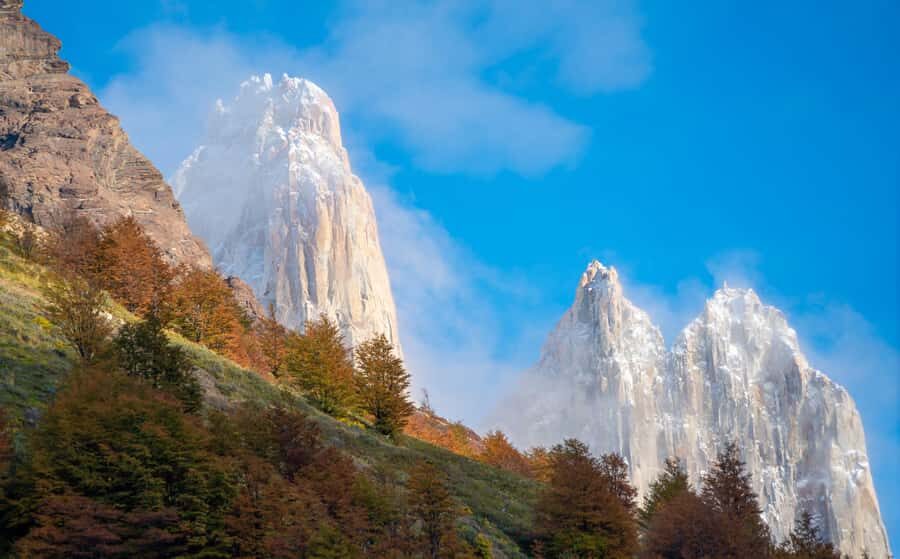
Your day begins with pickup from your accommodation in Puerto Natales city, usually between 6:15 and 6:45 AM. Then it’s about a 2-hour van ride toward Torres del Paine, with the goal of reaching Hotel las Torres area early enough to start hiking while daylight is on your side.
That early departure matters more than it sounds. This is a long day—14 hours total—and the route is not “casual stroll” territory. Going early gives you a better shot at clearer views when the towers finally come into sight.
When you arrive, you’ll get a safety briefing from your guide. This is not just a formality. It’s your chance to learn how the group will move, what to watch for on uneven sections, and how weather might affect timing.
You can also read our reviews of more hiking tours in Puerto Natales


The Asencio River Valley Hike: Where the Trail Starts Quiet and Then Gets Serious
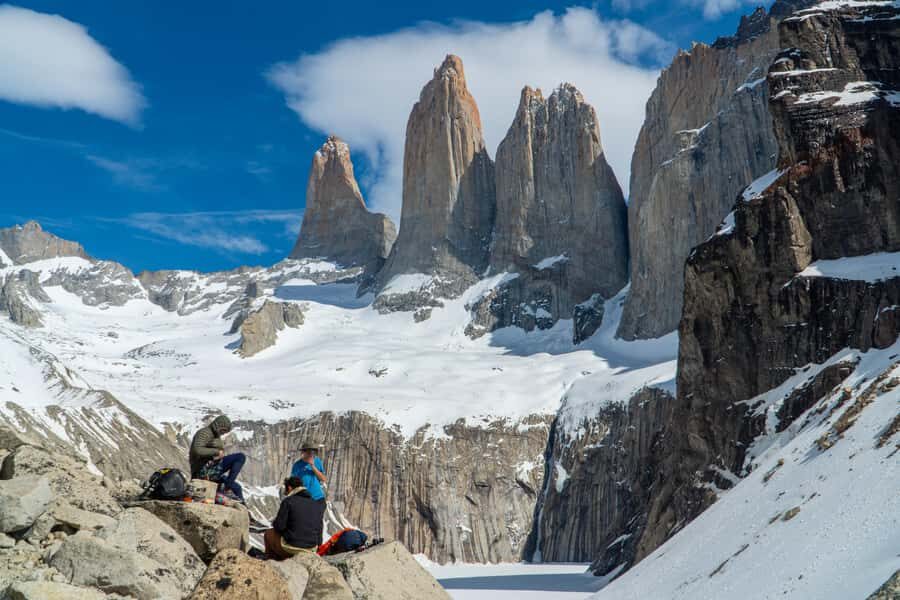
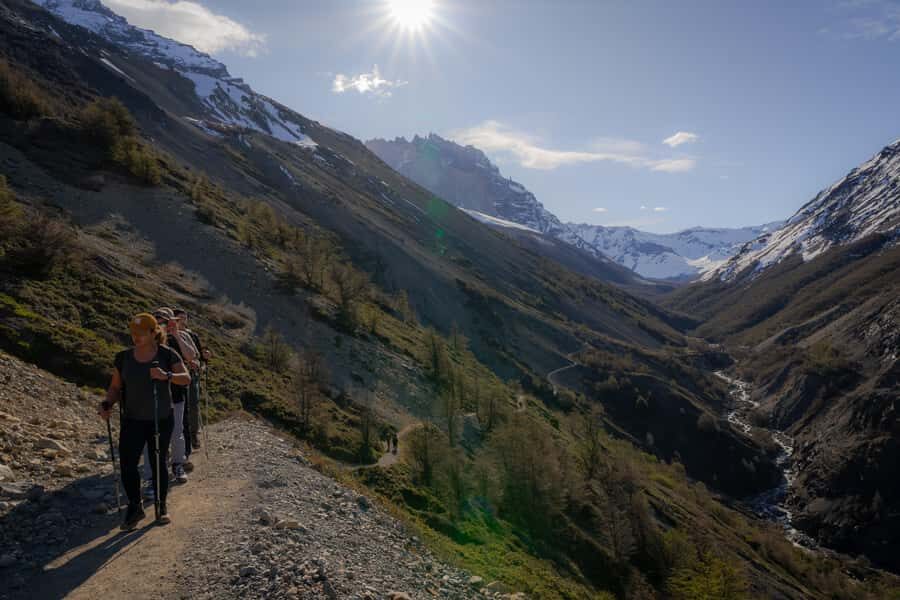
After the briefing, you’ll begin the hike up into the Asencio River Valley. The pace is steady, and you’ll be moving for around 4 hours of guided hiking during the main portion of the tour.
This section is a “work up” phase: you’re building rhythm, getting warm, and starting to feel the weight of a long day. The upside is that the scenery stays rewarding even before the towers appear—river valley terrain tends to look big and open, and it helps you understand how the rest of the trail will unfold.
One practical tip: start out controlled. Many people feel great early, then pay for it near the steeper parts later. Guides often keep the group moving and may add breaks when needed, but your best strategy is to avoid sprinting the first stretch.
El Chileno and the Forest Stretch: Campsite Reset, Stream Details, and Breathing Room
Around 2 hours into the hike, you reach El Chileno, described as a camping site. This stop is important because it breaks up the day’s fatigue.
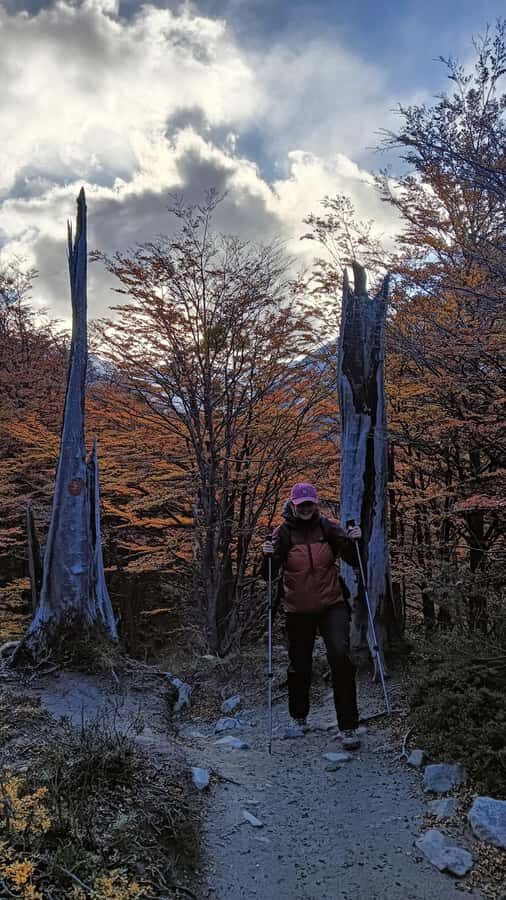
From there, the route continues into a dense forested area. You’ll have a chance to enjoy a smaller stream that flows from Almirante Nieto peak—a nice change of scenery when you’re tired of rocks and wind. Forest trail sections can feel calmer, but they still count as real hiking. Your legs don’t magically stop working just because the views get quieter.
There’s also a practical angle to this part of the day. In past hikes, people have described a lifesaving reset with drinks/food and bathrooms at the camp area around this point. Even if you don’t rely on it for everything, treat it like your checkpoint to refuel, hydrate, and adjust layers before the climb tightens again.
The Moraine Steepening and the 890-Meter Moment at Base of the Towers
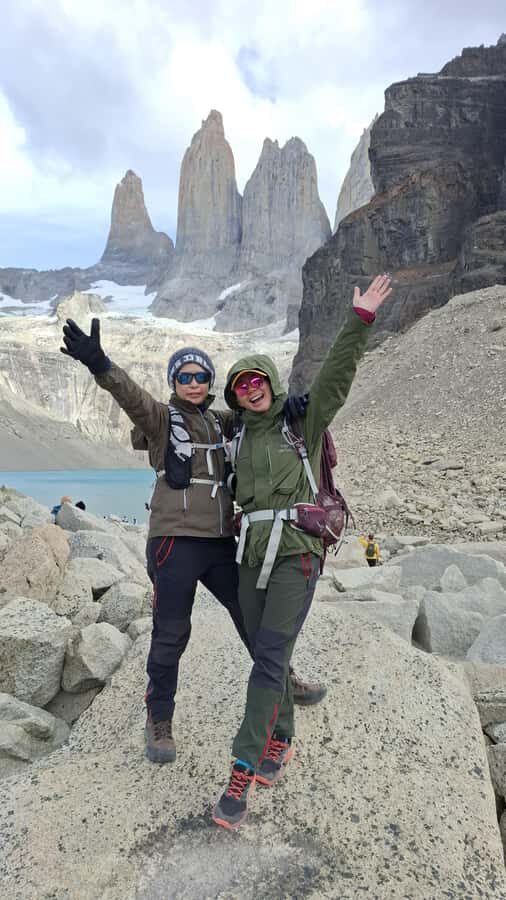
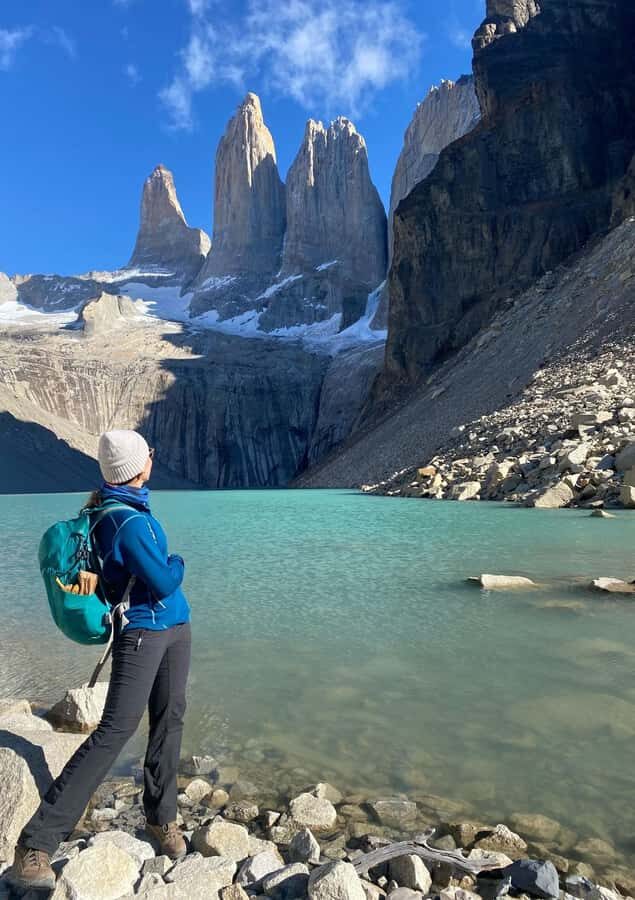
As you leave the camp and continue along the trail, the path reaches a moraine. This is where the effort ramps up—until the slope steepens and you make your way to the Base of the Towers viewpoint, sitting at 890 meters above sea level.
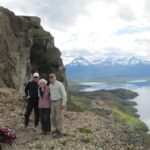
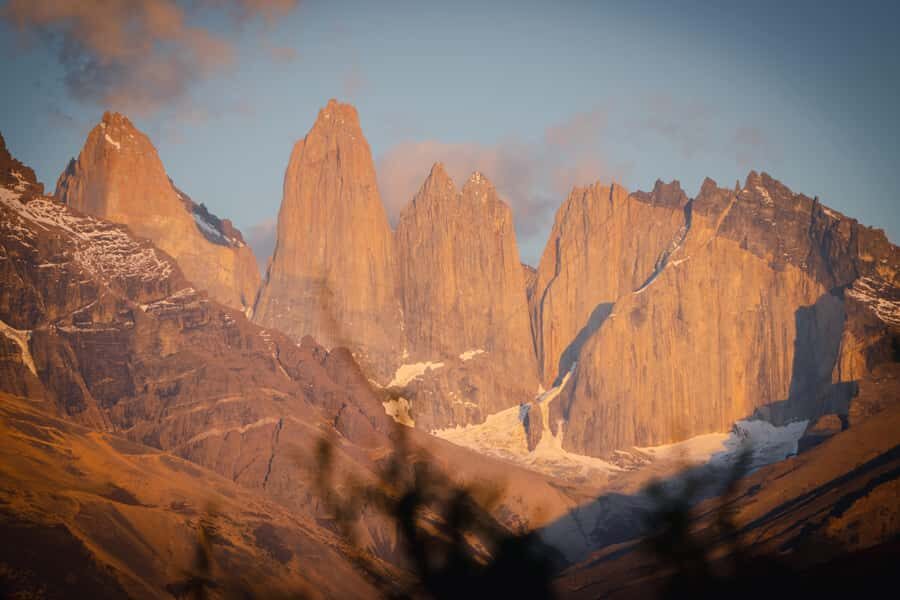
This is the heart of the trek: the towers appear as the reward for the hard work you’ve already done. Once you’re there, you get incredible mountain views of the three towers and time to rest.
The tour includes time for lunch and a breather at the viewpoint, and there’s also a break/photo stop period built into the day (the schedule includes about 45 minutes for this kind of pause). For me, this isn’t optional downtime—it’s part of why a guided day trip feels worth it. You’re not just chasing a single photo; you’re given enough time to enjoy the moment and let your body recover before turning around.
One note that matters: if weather conditions allow, you may get one of the most spectacular views in the world. If they don’t, you’ll still hike in a stunning park, but the towers can be hidden by clouds and wind. Either way, coming prepared for Patagonia weather is non-negotiable.
Return to Puerto Natales: Same Trail Back, But With a Different Kind of Fatigue
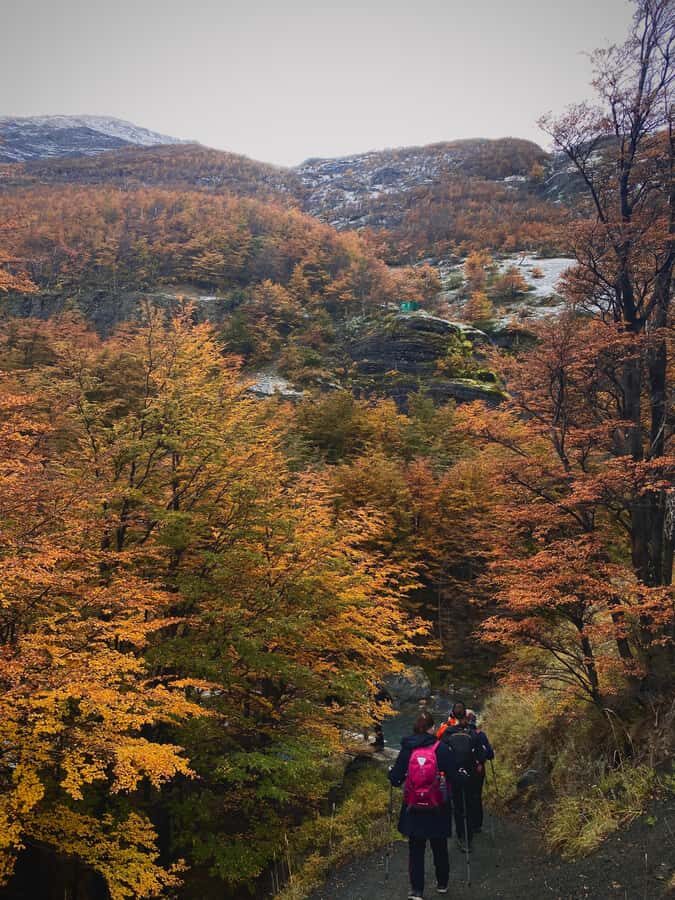
After your viewpoint time, you’ll return along the same path back toward Centro de Bienvenida, where the bus will be waiting.
Your approximate arrival back to Puerto Natales is around 9:30 PM, depending on the group. That timing can feel intense, especially if you’re the type who wants a relaxed dinner plan. The upside is that once you’re on the return bus, you’re done with logistics: no navigation worries, no figuring out how to get back to town.
Here’s the real-life consideration from the trail: groups don’t move at the exact same speed. If people are slower to manage the toughest sections, you might wait a bit before heading back—one of the most common “why did we get back late?” stories from long hikes. So if you have a strict evening plan, I’d keep it flexible.


On-Trail Practicalities: Shoes, Poles, First Aid, and the Real Meaning of Not Including Food
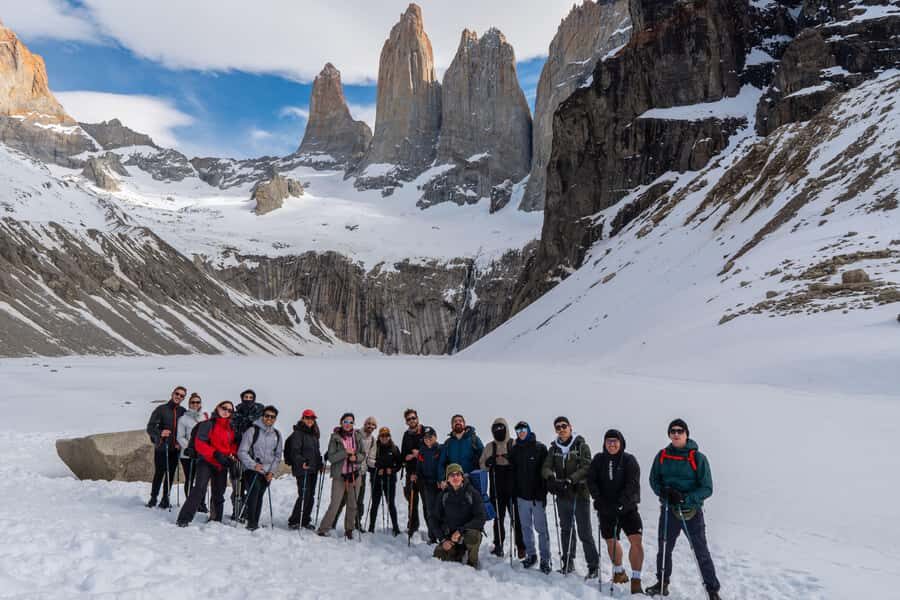
This tour gives you several pieces that are easy to overlook until you’re already hiking:
- Trekking shoes are mandatory
- Hiking poles are included
- You’ll have a first aid kit on hand
- It runs with a certified local guide (English and Spanish)
Poles are a big deal on uneven ground and steep stretches. Even seasoned hikers tend to appreciate them once the moraine and return sections start feeling longer than expected.
Now the part you can’t outsource: food isn’t included. That means you should show up with snacks you can manage during the day, plus a plan for hydration. A past highlight from hikers is that having snacks and lots of water makes the hike feel much more doable—especially since this outing can run as a long day of hard walking, not a short “two-hour wow” moment.
Also bring the essentials listed for the trip: passport or ID card, warm layered clothing, sunglasses, sunscreen, and rain gear. Patagonia weather shifts fast, and your comfort depends on whether your layers can adapt.
And if you get sick mid-day, keep medication close at hand. The tour info is explicit about this, and it’s good advice for any remote day hike.
Price and Value: Why $95 Can Be a Good Deal for a 14-Hour Guided Effort
At $95 per person, this isn’t a bargain hike. It is also not overpriced for what you get—because the price buys you more than a bus ride.
You’re paying for:
- Round-trip transfer from your Puerto Natales accommodation (city only)
- A local, certified guide with safety briefing and on-trail pacing
- Hiking poles
- A first aid kit
- A full-day structure with planned stops: camp area reset, viewpoint lunch/rest, and return timing
What’s not included is also important to budget:
- Torres del Paine National Park entrance fees
- Food
- Travel insurance and personal expenses
So is it worth it? For most people who want to do the Base of the Towers without handling logistics, maps, and weather decisions alone, the $95 feels fair. The day is long and the trail is demanding; having someone manage the hike and keep the group safe saves energy and mental work.
One more value point: if you’re solo, a guided day can be less stressful than trying to match public transport schedules and meeting points. You still pay for the comfort of a plan.
Weather, Timing, and When the Towers Hide in the Clouds
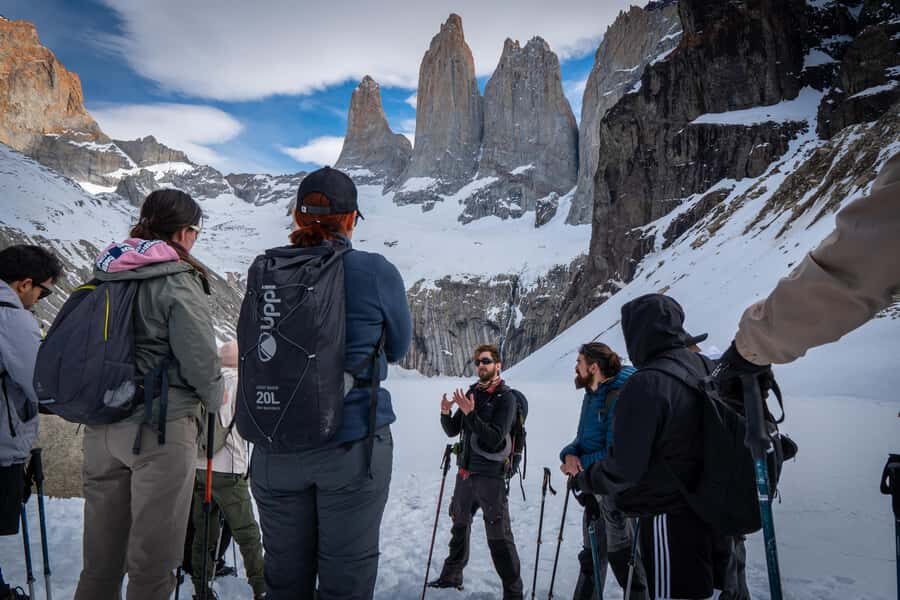
Let’s not pretend Patagonia always behaves. Several hikes run with wind, rain, or snow, and sometimes the towers aren’t visible at the base when the group arrives. That can be disappointing.
But it’s also why preparedness matters. Even when visibility is low, the hike is still a real Torres del Paine experience: river valley, forest, moraine, and the effort of getting there.
Two timing realities to keep in mind:
- If conditions slow the group, you may return later.
- In rare cases, operational issues can change what you actually do on a given day (for example, an access change reported during a strike situation).
That doesn’t happen every day, but it’s smart to remember that remote park logistics can be imperfect. The best approach is to go in with flexibility and a “great day outdoors, whatever the view” mindset—while still hoping for clear skies.
Who Should Book This Trek (and Who Should Skip It)
This is best for you if:
- You’re in good physical condition and comfortable with a long, tough hike
- You want guided support and don’t want to navigate or plan the day yourself
- You enjoy mountains enough to trade comfort for views
It may feel too hard if:
- You’re low on fitness or prefer short walks
- You need an accessibility-friendly route (the tour is not suitable for mobility impairments or wheelchair users)
- You’re traveling with children under 10
- You’re pregnant (not suitable)
If you’re an older hiker but steady on your feet, you might still manage it—people have done it with patience and guide support. But go in honestly: this is not a casual day trip, and weather can make it tougher.
Also consider what kind of traveler you are. If you hate being on a strict schedule, the early pickup and late return can feel demanding. If you’re the type who loves “start early, work hard, get rewarded,” this fits.
Should You Book the Puerto Natales Base of the Towers Day Hike?
I’d book it if you:
- Want the Base of the Towers in one full guided day
- Appreciate support on a steep, rocky outing
- Can handle a long day ending around 9:30 PM
- Pack properly for wind and rain
I’d think twice if you:
- Need guaranteed tower visibility (it’s weather-dependent)
- Have limited hiking experience or expect an easy walk
- Have a hard evening schedule, since group pace can affect return time
If your goal is the moment at the viewpoint, and you’re ready for a serious hike, this day trip is a solid value. You’re buying effort, structure, and local expertise—plus the chance to stand at the base of three towers after a long, beautiful walk through Torres del Paine.
FAQ
What time do you pick up in Puerto Natales?
Pickup is between 6:15 and 6:45 AM from accommodation in Puerto Natales city. You’ll need to provide your hotel name and address.
How long is the full tour?
The duration is listed as 14 hours total, with your return to Puerto Natales around 9:30 PM approximately depending on the group.
Is park entrance included?
No. Entrance fees to Torres del Paine National Park are not included.
What’s included in the price?
Included: return transfer from your accommodation in Puerto Natales city only, an experienced certified local guide, hiking poles, and a first aid kit.
What should I bring for the hike?
Bring passport or ID card, warm layered clothing, sunglasses, sunscreen, hiking shoes, and rain gear. Trekking shoes are mandatory.
Is this tour suitable for kids or pregnancy?
No. It’s not suitable for children under 10, pregnant women, people with mobility impairments, wheelchair users, or people with low fitness.