REVIEW · SAN PEDRO DE ATACAMA
San Pedro de Atacama: Stargazing Experience
Book on GetYourGuide →Operated by Llama Stargazing · Bookable on GetYourGuide
The desert sky can change your mood fast. In San Pedro de Atacama, this 150-minute stargazing night pairs a guided astronomy lesson with telescopes at a dark-sky site—plus stories that even send you back to Ancient Greece.
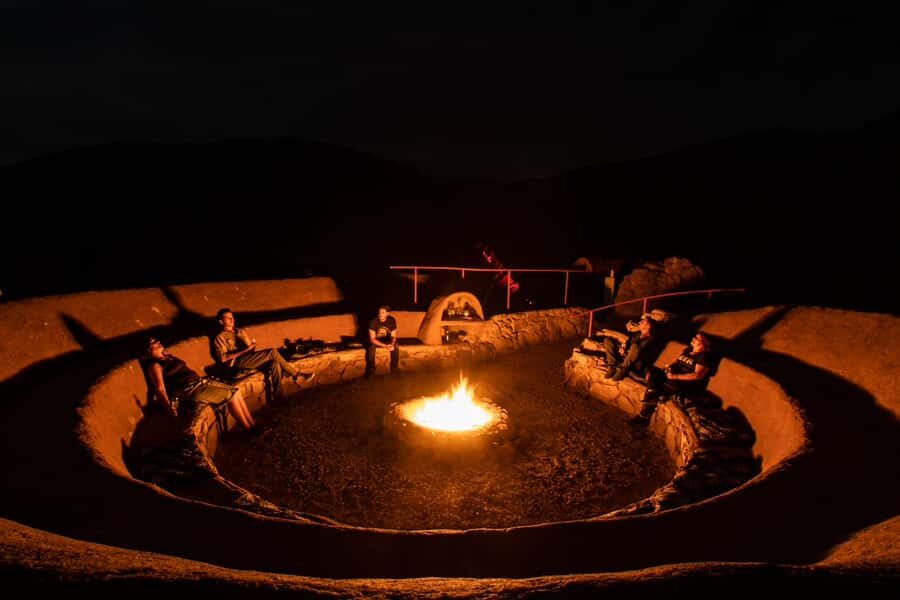
I especially like how the evening moves from easy viewing with the naked eye to hands-on telescope time. I also love the touch of comfort: blankets and hot drinks so you’re not just freezing while you try to find constellations.
One thing to plan around: it gets cold fast, and there’s no bathroom included, so go before you leave town and dress like you mean it.
In This Review
- Key things that make this stargazing night work
- San Pedro de Atacama sky: why you came in the first place
- The short van ride to darkness (and why 15 minutes matters)
- How the night unfolds: naked-eye first, telescopes second
- Ancient Greece stories plus modern astronomy facts
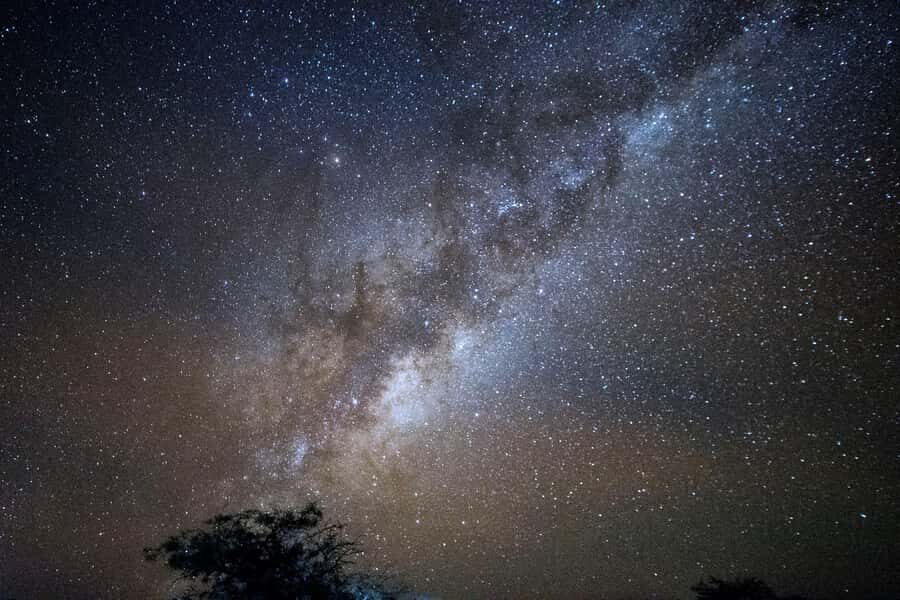
- What you might see: planets, clusters, galaxies, and the big Milky Way moment
- Drinks, snacks, blankets, and the photo moment you’ll keep
- Cold-proofing your evening: what to bring and what to wear
- Price and value: is $35 worth it?
- Group size and guide style: what to look for during the talk
- Who this stargazing tour suits best (and who might skip it)
- Moon timing and expectations: the sky still delivers
- Should you book this San Pedro de Atacama stargazing tour?
- FAQ
- How long is the San Pedro de Atacama stargazing experience?
- Is telescope use included?
- What languages is the live guide available in?
- Are drinks and snacks included?
- Is there a bathroom available during the tour?
- What should I wear or bring for the night?
Key things that make this stargazing night work
- An astronomer-led talk you can actually follow
- Telescope time for real targets (planets, stars, binaries, clusters, nebulas, galaxies—season dependent)
- Ancient Greece meets modern astronomy in the way the night sky is explained
- Cold-weather comfort with blankets and warm drinks
- Astrophotography included so you get a star-filled memory photo
- Small-group vibe, so questions don’t feel lost in the dark
San Pedro de Atacama sky: why you came in the first place
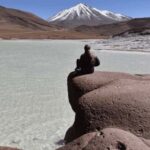
San Pedro de Atacama is famous for clear, dry air and dark skies, which is exactly what stargazing needs. When you get away from town lights, the sky stops looking like a backdrop and starts looking like a place you can move through.
This experience leans into that reality. You’re not just told where to look—you’re guided through what the stars mean and what you can realistically spot from the site. And because the targets change with the season, the night stays interesting even if you’re the type who watches the sky at home.
You can also read our reviews of more tours and experiences in San Pedro De Atacama.
The short van ride to darkness (and why 15 minutes matters)
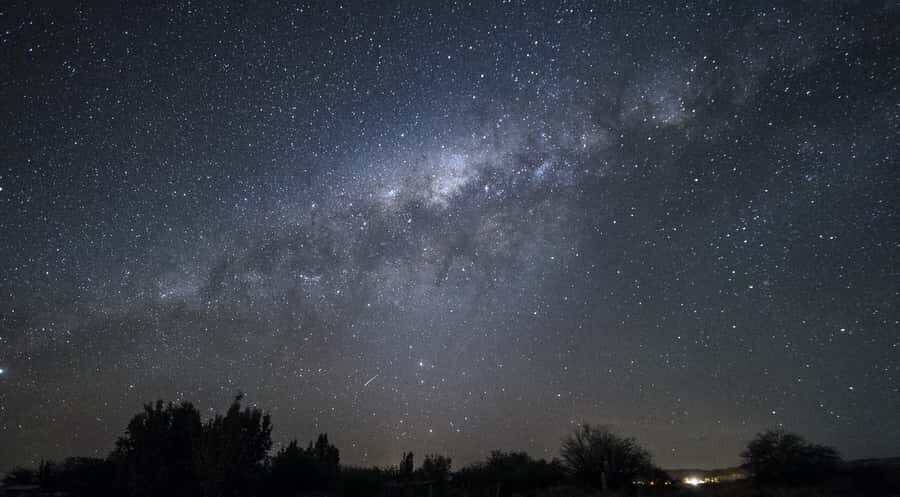
You meet in town at a designated pickup point (it can vary by option). Then you drive about 15 minutes away from the center to the observation area where the sky darkens up.
That transit window matters more than it sounds. In desert regions, the difference between roadside glow and true darkness can be huge for seeing the Milky Way and fainter objects through the telescopes. The schedule is set up so you arrive, get a quick orientation, and then start looking while your eyes adjust.
The evening also ends with the same van bringing you back and dropping you at multiple locations around San Pedro de Atacama. That’s convenient if you don’t want to figure out transportation late at night.
How the night unfolds: naked-eye first, telescopes second
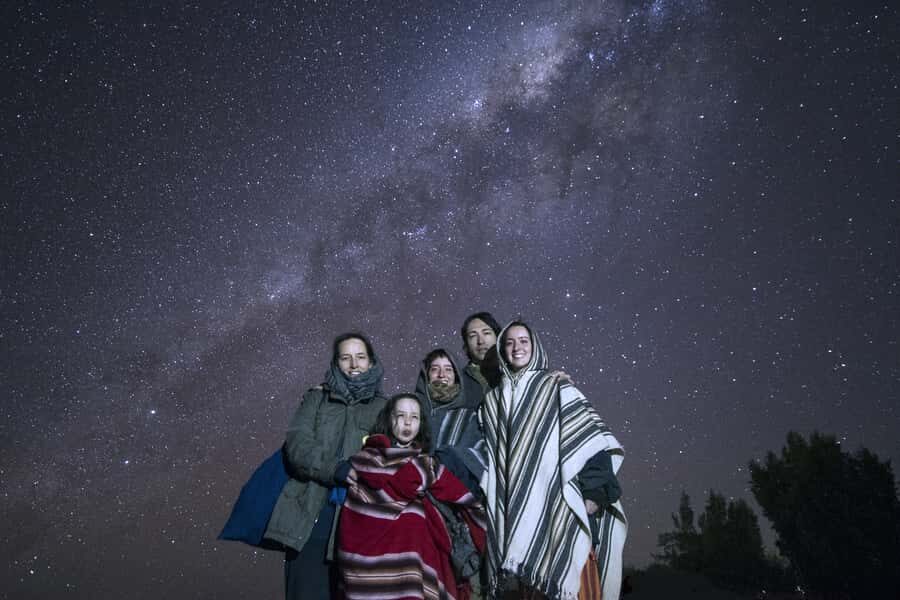
The session starts with a brief explanation at the observation site, then you begin with naked-eye stargazing. This is the part I like most for first-timers: it helps you get oriented before you’re handed magnification.
After that, you move into telescope viewing. Depending on the time of year, you can look for a mix of:
- planets
- stars and binary stars
- stellar clusters
- nebulas
- galaxies
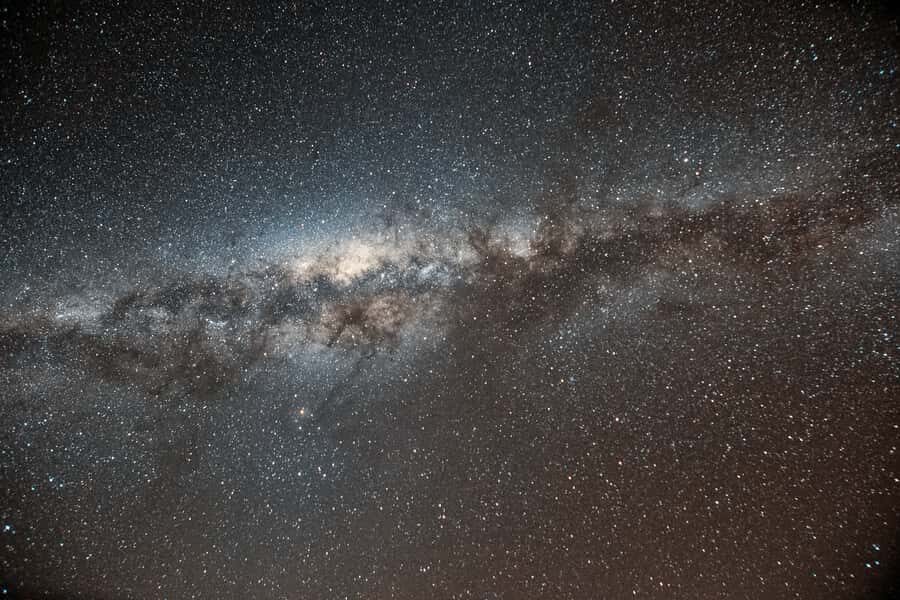
The telescope segment is where the whole night becomes tangible. Seeing bright planets and star groupings with your own eyes changes them from “dots in the sky” into actual objects you can understand. If you’re lucky with timing and conditions, you’ll likely also get the big showpieces that people travel for, like Saturn’s rings and the Milky Way banding across the sky.
Ancient Greece stories plus modern astronomy facts
This tour doesn’t just list constellations like a worksheet. It’s designed to tell the story of how people have looked at the night sky across time—specifically including a stop back in Ancient Greece.
That historical angle works because it keeps the sky from feeling like pure science trivia. You learn how cultures connected patterns in the stars to myth, navigation, and meaning. Then the guide brings it back to what we know now about the universe—how we observe, what’s inside the objects you’re seeing, and why the sky looks the way it does.
If you want your stargazing to feel like a narrative (not a lecture with a handout), this format helps a lot.
What you might see: planets, clusters, galaxies, and the big Milky Way moment
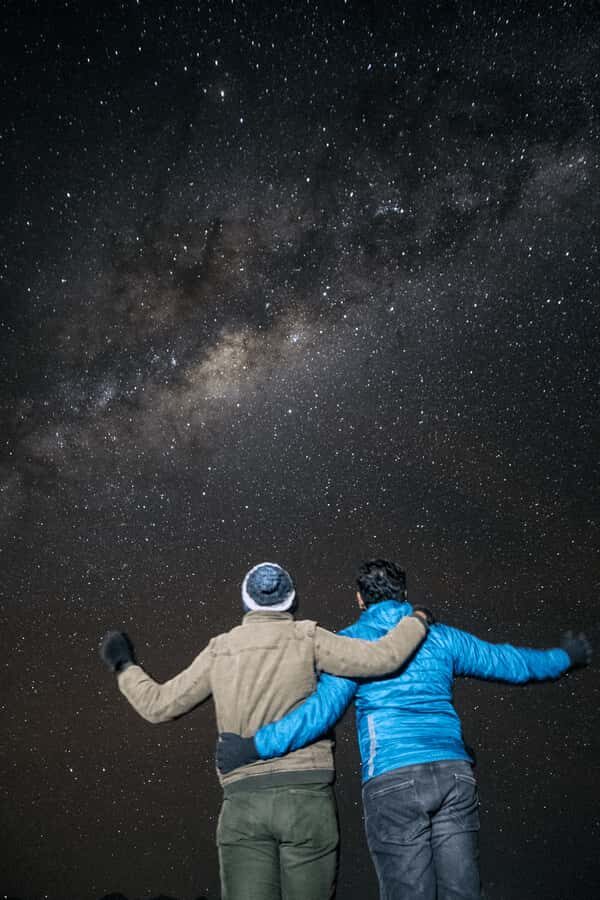
In San Pedro de Atacama, the sky is the star. Still, it helps to know the “menu” so you can recognize what you’re being shown.
A strong highlight in many evenings is the Milky Way, and people also commonly talk about seeing the Magellanic Clouds—great targets from the southern hemisphere. Telescopes can also bring out detail you can’t get by eye, like the crispness of planetary disks and separation in star systems.
Here’s the useful part for your expectations: the tour is seasonal. So instead of expecting the same exact objects every night, think in categories:
- bright planets when they’re positioned right
- clusters and nebulae that appear in the sky at that time of year
- galaxies that show up only when conditions and timing line up
Guides also tend to highlight a few “wow” moments, then spend time helping you re-find them. That makes it more than just a quick peek.
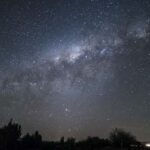
Drinks, snacks, blankets, and the photo moment you’ll keep
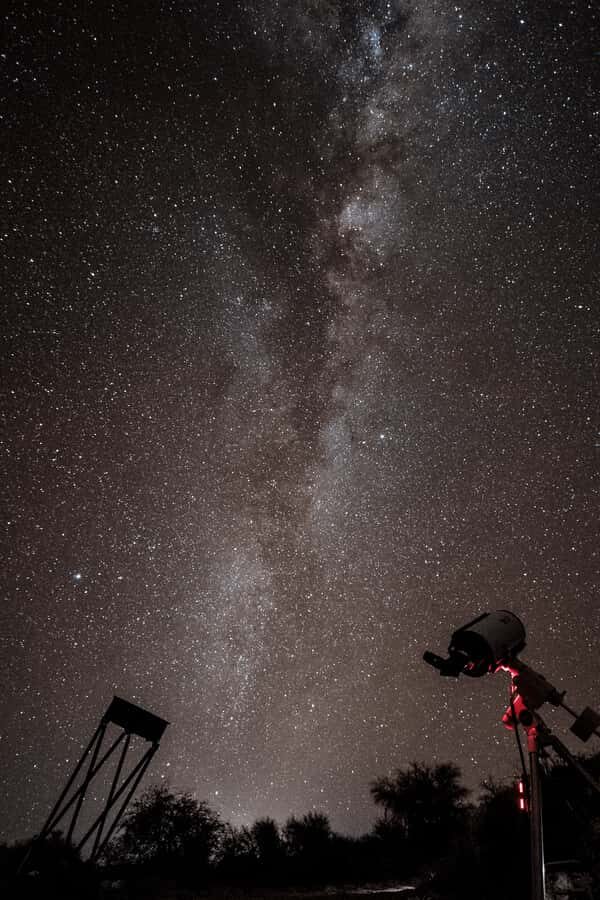
This isn’t a “stand outside and suffer” kind of stargazing. You get a welcome drink plus hot drinks later, along with a snack. The included warmth matters because desert nights cool down quickly.
Alcohol isn’t something you should bring yourself, but the experience does include red wine and pisco sour as part of the offering. So you can enjoy what’s provided without needing to pack anything extra besides warm layers.
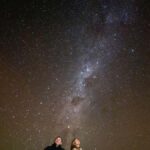
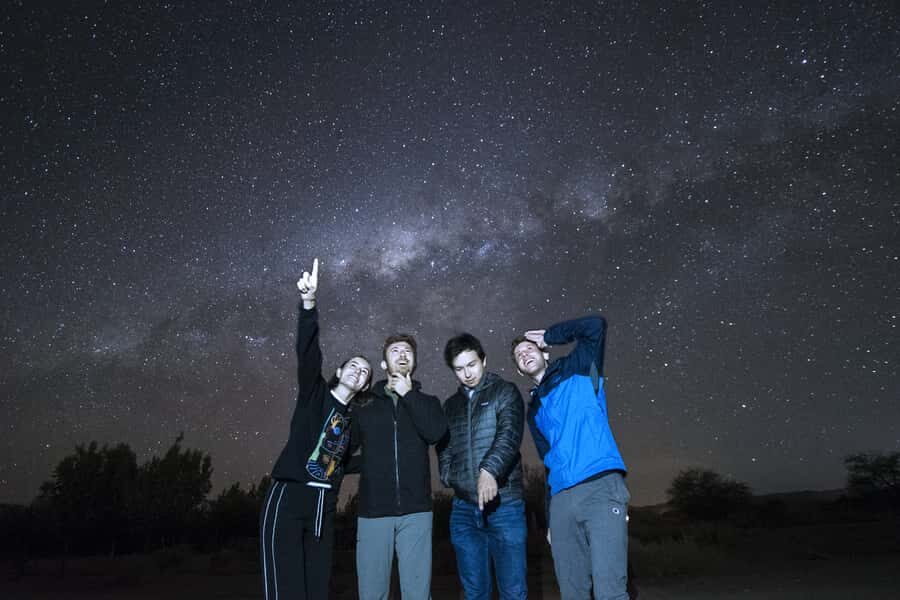
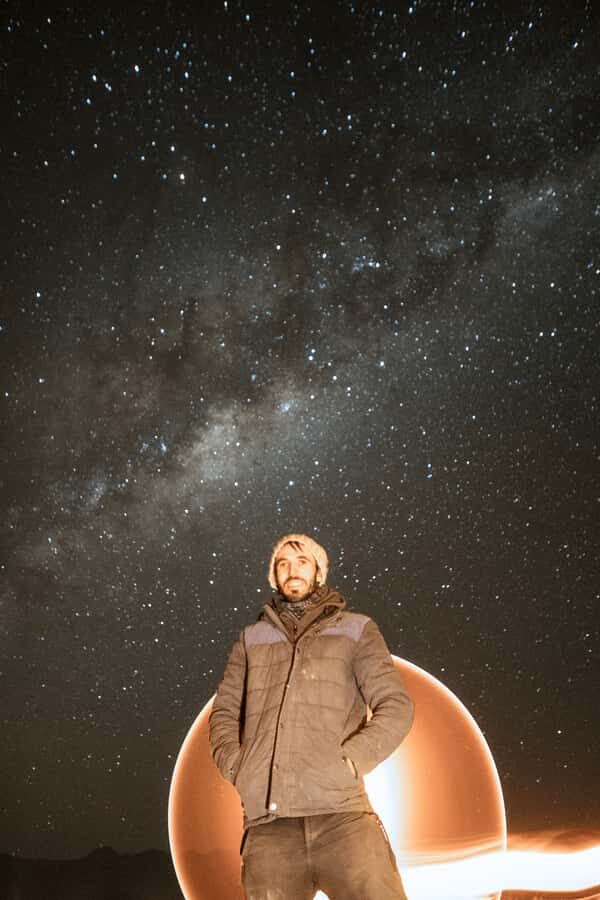
One more thing I’d call out: astrophotography. You’ll have a star-themed photo taken for you as a keepsake, and the equipment work is meant to translate the sky into something memorable. Some people even describe the photos as better than what’s shown in tour materials, and the guides tend to help with positioning so everyone gets a shot.
Quick heads-up: if receiving your images is important to you, ask how delivery works during the tour. A small number of people have reported issues getting their photo later, so it’s smart to confirm the process up front.
Cold-proofing your evening: what to bring and what to wear
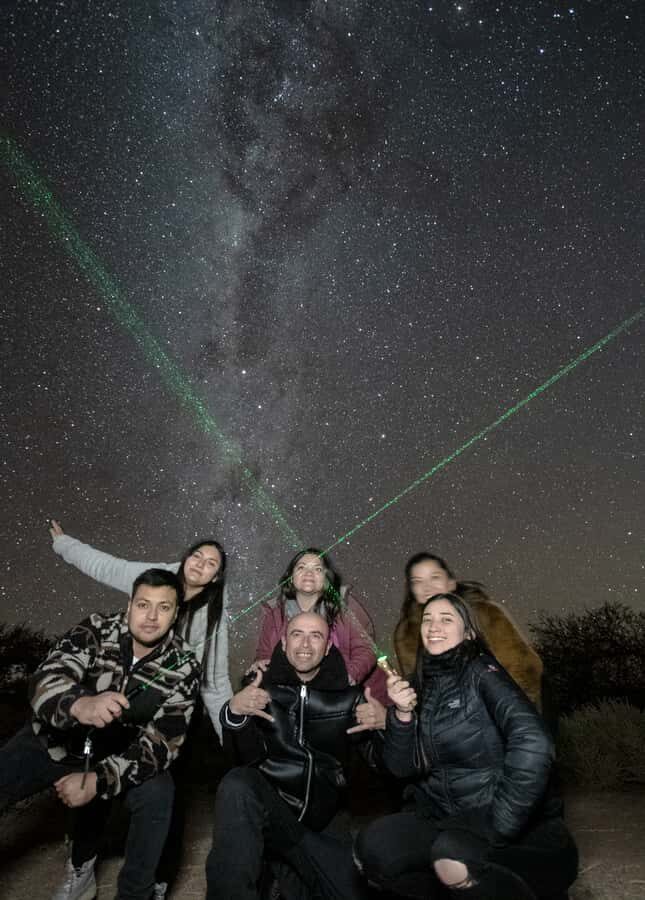
The biggest practical lesson is simple: dress warm. Even if the day feels mild, night stargazing in the Atacama can turn chilly fast.
Based on the guidance you’re given, bring:
- warm clothing
- comfortable shoes
- a jacket
You also get blankets, which helps a lot. Still, blankets aren’t magic. I’d think of them as backup warmth, not your whole plan.
If you’re taking photos, wear something that lets you move comfortably while holding a camera or phone steady. Cold fingers are real, and your ability to adjust settings drops fast once your hands freeze.
Price and value: is $35 worth it?
At about $35 per person for a 150-minute guided stargazing night, you’re paying for a few key things together:
- a professional guide
- telescope access
- comfort items (blankets, hot drinks, snack)
- included astrophotography
That bundle is the value. Stargazing tours are often expensive when they separate the costs—transport, guide time, telescope time, and then photos as an add-on. Here, the main pieces are packaged into one price.
That said, one practical caution: if you have time in town, it can be smart to compare prices directly with local operators. One guest felt booking locally would have been closer to a third less. Convenience is worth something, but if budget matters, price-checking in San Pedro de Atacama can pay off.
Group size and guide style: what to look for during the talk
This is a small group experience. That matters because you get more chances to ask questions and more individual help when someone struggles to find an object.
The guide approach is also part of the product. Different guides show different storytelling styles, and names that come up include Alberto, Alejandro, and Rafael. Several guests specifically praised the guides for explaining how to find key sky regions, and for staying patient while people take turns at the telescope.
If you’re traveling with kids, note that some guides bring extra viewing aids—one family described a step stool so a child could see the telescope comfortably. Still, the tour isn’t designed for very young children.
Who this stargazing tour suits best (and who might skip it)
This activity is not suitable for children under 4 and it’s also not suitable for people over 80. The reason is simple: it’s a night activity with cold weather, time outdoors, and walking/standing around viewing areas.
It’s a great fit if you:
- want a guided explanation rather than a solo “look up and hope” session
- care about telescope viewing, not just photos
- like astronomy stories, including historical angles
- want a comfortable night out with hot drinks and blankets
If you hate waiting outdoors in the cold, you might find the timing harder. But with the provided blankets and hot drinks, most people find it manageable as long as you wear the right layers.
Moon timing and expectations: the sky still delivers
The Moon can affect what you see. A bright Moon can wash out faint stars, which means fewer points in the sky than you’d get on a darker night.
The practical takeaway is: don’t treat the full-Moon effect as a “ruined” night. When the Moon is bright and rises, it can still become a telescope target, and you can still get strong views of major objects like visible planets when conditions allow.
So go in expecting a night shaped by the sky, not one perfect script. If you’re flexible, you’ll still come away feeling like you saw something you can’t forget.
Should you book this San Pedro de Atacama stargazing tour?
I think you should book it if you want a well-paced evening that combines orientation, telescope viewing, and comfort. The biggest strengths are the structure—naked-eye first, telescopes after—plus the included drinks, snacks, blankets, and the astrophotography keepsake.
You might hesitate only if you’re extremely sensitive to cold or you really need on-site facilities like a restroom (since bathroom access isn’t included). If that’s you, plan your timing carefully and make sure you’re comfortable before you head out.
If you’re deciding between this and a cheaper option, remember what you’re buying for $35: not just the sky, but the guide time and the telescope access. In a place where the sky is the main event, that’s the difference between a nice night and a truly memorable one.
FAQ
How long is the San Pedro de Atacama stargazing experience?
The tour lasts about 150 minutes.
Is telescope use included?
Yes. Telescope use is included, and you’ll get guided viewing during the session.
What languages is the live guide available in?
The guide runs the tour in English and Spanish.
Are drinks and snacks included?
Yes. You’ll get included drinks (including tea/coffee/hot chocolate, plus items like red wine/pisco sour as part of the offering) and a snack.
Is there a bathroom available during the tour?
No. A bathroom isn’t included, so you’ll want to plan ahead.
What should I wear or bring for the night?
Bring warm clothing, comfortable shoes, and a jacket. The tour also provides blankets, but nights can still be cold.