REVIEW · SAN PEDRO DE ATACAMA
San Pedro de Atacama: Etno-Stargazing Tour with Transfer
Book on GetYourGuide →Operated by Astronomic tour, Observatory Licanatay · Bookable on GetYourGuide
The night sky here feels close enough to touch. I love the telescope time and the Andes sky stories. Just plan for the one real downside: the desert gets cold fast, even when the day was mild.
This tour runs out of Observatory Licanatay and uses the clearness of the Atacama to make constellations and planets feel real, not textbook. Guides you might meet—like Felipe, Claudio, Salvador, Margarete, or Yvonne—keep the night organized and easy to follow, with hands-on telescope pointing and lots of time for questions.
One more thing to keep in mind: on higher-moon nights, the sky can look less crisp, and the included photo may be taken only through the telescope eyepiece. That does not mean it’s a bad night—it just changes what you’ll see.
In This Review
- Key highlights you’ll actually notice
- Why San Pedro’s skies make this tour feel worth it
- Getting picked up in San Pedro de Atacama without turning it into a mission
- First sky lesson: Western astronomy, planets, and how to read the night
- The ethno-astronomy segment: ancient Greece meets Andean interpretations
- Telescope time: focusing the sky, not just looking at it
- Photo souvenir and the moonlight reality check
- Warm drinks, fire, and snacks after the stars
- Duration and pacing: 150 minutes that stay focused
- Price and value: why $41 can feel like a bargain here
- Who this tour fits best (and who might want to skip it)
- Should you book the San Pedro de Atacama etno-stargazing tour?
- FAQ
- How long is the tour in San Pedro de Atacama?
- What are the pickup times and meeting points?
- What’s included in the price?
- Do I get to use a telescope?
- What do I need to bring for night conditions?
- What should I know about moonlit nights?
- What happens if the weather is bad?
Key highlights you’ll actually notice
- Two-part sky lesson: Western astronomy first, then an ethno-astronomy journey tied to Andean interpretation
- Telescope viewing with a guide: you don’t just get handed equipment; you get help aiming and focusing
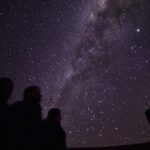
- Southern Cross and Milky Way stories: more than stars-as-names, it’s sky-as-meaning
- Big bright targets and small deep-sky surprises: planets, binaries, star clusters, nebulae, galaxies (season-dependent)
- Courtesy star photo: a souvenir sent by email, with a special approach for moonlit nights
Why San Pedro’s skies make this tour feel worth it
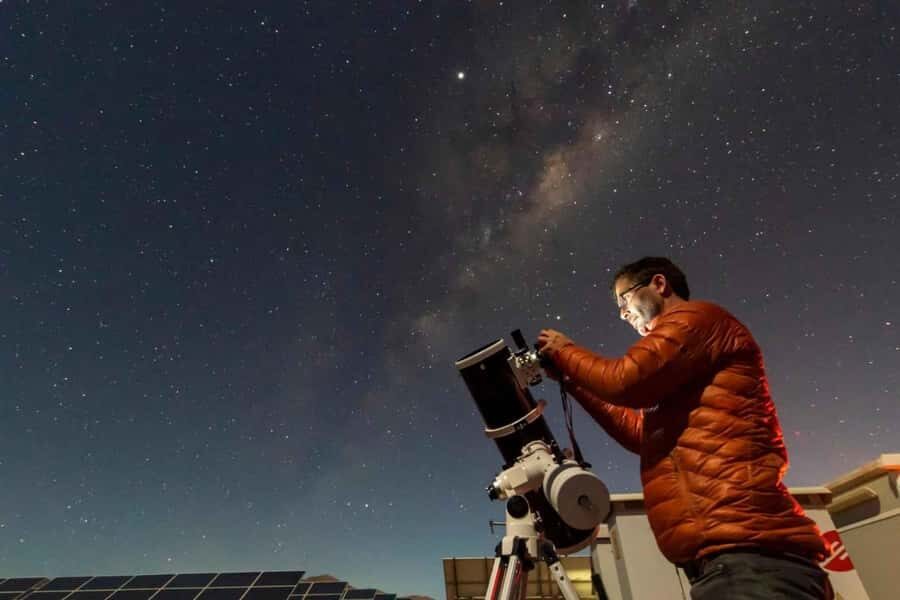
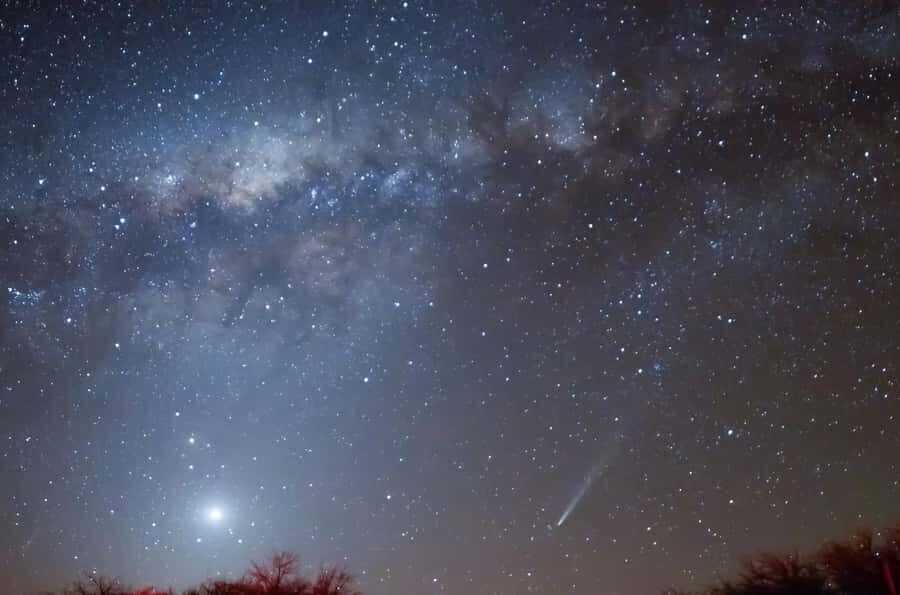
San Pedro de Atacama is famous for a reason: the night often has that crisp, low-haze look where stars don’t just sparkle—they sit in clean groups. This tour takes advantage of that by moving you off the brighter village areas and turning the evening into one long, guided “look-up” session.
What I like most is the balance. You get the science side of the sky—how objects move, what they’re made of, and why they appear where they do—then you shift into how ancient Andean observers used the sky for daily life, seasons, and meaning. That pairing makes the night feel like two windows at once: one into physics, one into culture.
A few more San Pedro De Atacama tours and experiences worth a look
Getting picked up in San Pedro de Atacama without turning it into a mission
The tour includes round-trip transfer within San Pedro de Atacama (not the outlying ayllus). You’ll have two pickup points to choose from: Restaurant Tara (Licancabur 10) or Licancabur 10 itself. The pickup time is set for a morningless, starry schedule—typically 7:00 PM in April through August, and 9:00 to 9:20 PM during Chile’s summer time.
In practice, the biggest logistical risk is simple: finding your pickup spot at night. One traveler noted trouble locating Restaurant Tara on a dark evening, so if that’s your meeting point, I’d suggest getting there early and using your phone for a quick map check before you stand around freezing.
The ride part matters too. Most astronomy tours are “pay, walk, freeze, hope.” Here, the transfer helps you arrive at a dark-sky viewing spot ready to start learning immediately.
First sky lesson: Western astronomy, planets, and how to read the night
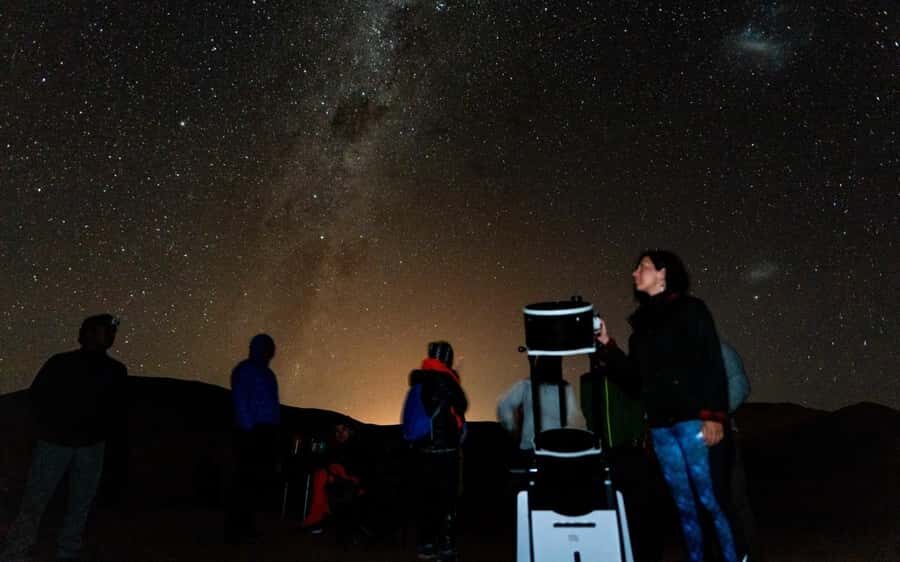
The evening starts with a Western-style look at the sky—how the universe is structured, how star brightness works, and how planets show up from Earth. This is where you’ll get the practical mental map that helps the rest of the night click.
Expect a guided tour using a telescope, with targets that can range from solar-system objects to deep-sky features and familiar constellations. The tour format also makes room for questions, and guides often bring clear explanations that tie what you see to what it means.
If you want a quick example of what that looks like: many groups end up seeing big, dramatic objects through the telescope—Saturn is a common highlight in this region’s sessions. But the exact list varies with the season and what’s up in the sky that night, which is normal for stargazing.
The ethno-astronomy segment: ancient Greece meets Andean interpretations
The tour doesn’t stop at modern astronomy. It moves into an ethnic astronomical journey—first building the idea that humans everywhere watch the sky, then focusing on how the Andes interpreted it.
A standout theme here is the way ancient observers used patterns in the “black spaces” to organize life: animals, water, rivers, timing, and even beliefs about what happens after death. You’ll also hear about the Milky Way as a feature with meaning, not just a band of light.
And yes, there’s a historical layer too. The tour highlights a connection to ancient Greece—how early thinkers studied the sky and learned to see constellations as a story map overhead. Then the narrative shifts to the Southern Hemisphere perspective you’ll experience in Chile, including the Southern Cross.
This cultural portion is not an add-on. It’s the reason many people rate this tour so highly: you leave with two mental models for the same night sky—one scientific and one symbolic.
Telescope time: focusing the sky, not just looking at it
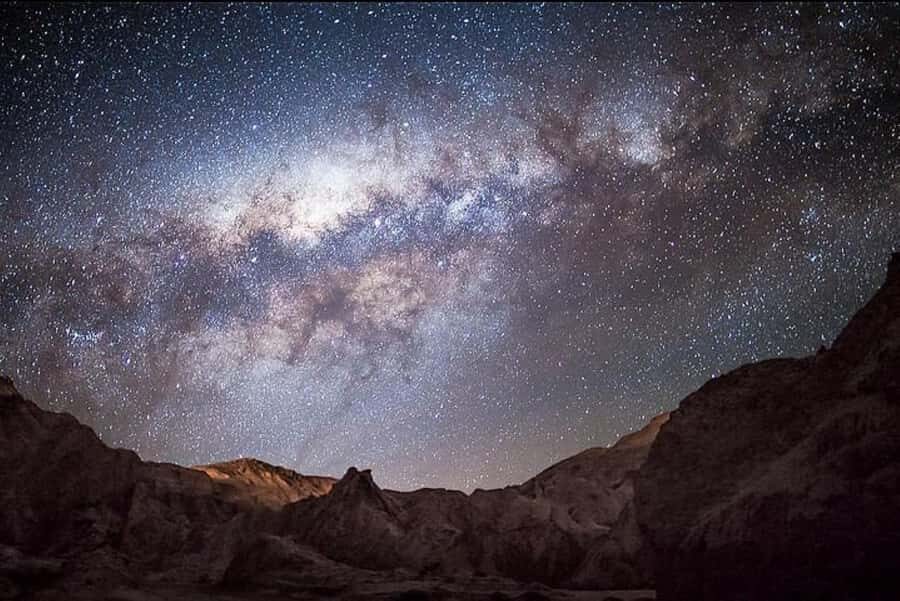
After the teaching segments, you get hands-on telescope time. This is where the difference shows. A telescope is only half the experience. The real value is having a guide explain what to aim at and how to interpret what you’re seeing once it’s in focus.
Guides in this tour group—often names like Felipe, Claudio, and Salvador—are repeatedly praised for caring about the viewing experience. That usually means they take time to keep the target sharp and make sure people get enough time at the eyepiece.
Depending on the season, telescope targets may include:
- planets and stars you can’t normally make out from a city sky
- binary stars (when conditions allow)
- star clusters
- nebulae and galaxies
One practical tip: bring patience. Telescopes take a minute to align and focus, and you’re competing with wind, cold fingers, and changing night-sky conditions. The guides help you manage that, but you still want a calm mindset so you don’t rush your own viewing.
Photo souvenir and the moonlight reality check
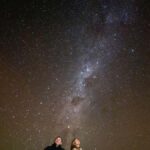
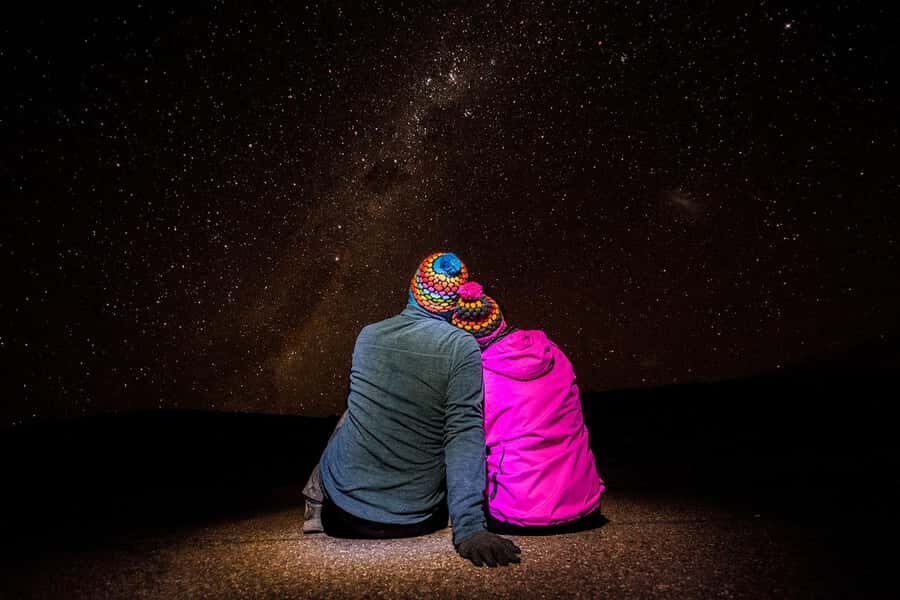
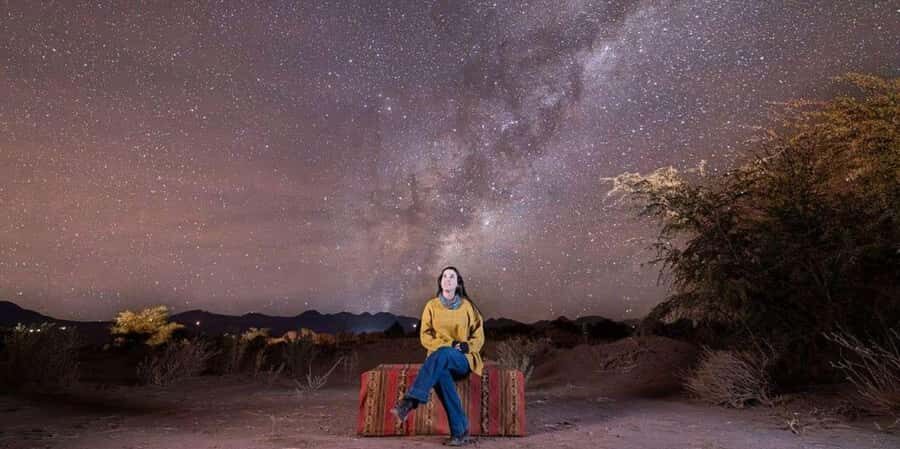
At the end, you’ll get a courtesy photo taken with the stars as the background. You should expect the photo to be sent by email, which makes it easier than hunting for a kiosk or downloading files on the spot.
There’s also an important moon note. The tour explicitly suggests checking the lunar calendar before booking, because on moonlit nights the sky will vary. In periods of high moonlight, the included photo may be taken only through the telescope eyepiece. That’s not a gimmick; it’s a practical way to keep the stars visible when the moon adds glare.
If you’re planning your trip around maximum star brightness, aim for a darker window. But even on brighter nights, you’ll still learn a lot and still get telescope views—just with slightly different visual contrast.
Warm drinks, fire, and snacks after the stars
The night doesn’t end when the telescope session does. You’ll be offered coffee, tea, or red wine, and the experience commonly continues around a fire area with snacks.
A few details show up in the feedback that you should take seriously for comfort. Many people mention ponchos and blankets for warmth, and some describe sitting on sofas during parts of the program, so the organizers clearly plan for the cold rather than pretending you’ll be fine.
That said, don’t treat provided warmth as a guarantee. The Atacama nights can bite. Wear layers and bring what keeps you comfortable—especially warm gloves and something that blocks wind. The photos might be pretty, but cold hands make focusing a telescope an exercise in suffering.
Duration and pacing: 150 minutes that stay focused
The tour runs about 150 minutes. That’s long enough to do real teaching and actual telescope observing, but short enough that you’re not stuck for half the night with nothing to do.
The pacing usually follows this pattern:
1) pickup and transfer
2) photo stop and guided introduction
3) first astronomy lesson (Western view)
4) culture-based sky interpretation (Andean focus, Southern Cross context)
5) telescope observation time
6) courtesy photo and the warm wrap-up with drinks/snacks
Because the session is time-boxed, it’s a good fit if you don’t want a huge production. It’s also a good match if you’re doing other activities in San Pedro and still want a major “bucket list” star moment.
Price and value: why $41 can feel like a bargain here
At $41 per person, this is priced like a “must do” rather than a splurge. The value comes from more than the telescope.
You’re paying for:
- a specialized astronomy guide
- a two-part lesson that teaches you how to look and interpret
- telescope equipment, plus help using it
- pickup and drop-off
- the courtesy star photo
Even if you’re not a big astronomy nerd, the telescope guidance is usually worth it. Seeing Saturn or a cluster is one thing. Seeing it with someone steering you toward the right object and helping you understand what you’re looking at is the real upgrade.
I also think the timing matters for value. The tour is designed around when the sky is actually usable, not just a random evening slot. You’re paying for the right conditions, even though weather and moon phase can change what you see.
Who this tour fits best (and who might want to skip it)
This tour is ideal if you want:
- a structured stargazing night with real telescope time
- both science and cultural interpretation of the sky
- an easy transfer from San Pedro instead of driving yourself
- a guided group where questions are welcome and pointing is handled for you
It may be less ideal if you hate cold nights or you dislike structured sessions. Also, if you’re extremely sensitive to changes in visibility due to moonlight or clouds, you should treat it like a flexible evening rather than a guaranteed perfect-star show.
If you’re traveling with kids, it’s often a good match because the guides can explain constellations and planets in a way that keeps attention on what’s overhead. Just remember: everyone needs layers, including the adults pretending they’re tough.
Should you book the San Pedro de Atacama etno-stargazing tour?
I’d book it if you want one standout night that teaches you how to look up. The mix of Western astronomy plus Andean ethno-astronomy gives you more than pretty stars. You’ll also come away with a star photo souvenir and a telescope experience that isn’t just “try this and good luck.”
If you’re booking mainly for maximum visibility, check the lunar calendar and aim for darker moon windows. And pack for cold—ponchos and blankets help, but your comfort is still on you.
FAQ
How long is the tour in San Pedro de Atacama?
The tour lasts about 150 minutes.
What are the pickup times and meeting points?
Pickup is included at two options: Restaurant Tara (Licancabur 10) or Licancabur 10. Pickup is listed as 7:00 PM for April through August, and 9:00 to 9:20 PM during Chile’s summer time.
What’s included in the price?
Pickup and drop-off in San Pedro de Atacama, a specialized astronomy guide, coffee/tea or red wine, a courtesy photo sent by email, and telescope equipment.
Do I get to use a telescope?
Yes. Telescope equipment is included, and the guide helps with observing through it.
What do I need to bring for night conditions?
Bring a passport or ID, warm clothing, comfortable shoes, and comfortable clothes. Binoculars are also suggested.
What should I know about moonlit nights?
The tour advises checking the lunar calendar. On moonlit nights, sky conditions may vary, and the included photo may be taken only through the telescope eyepiece.
What happens if the weather is bad?
The tour schedule and execution can change due to weather. If it’s canceled, you’ll be notified and offered other options, potentially moving the tour to a later time (same or next night).