REVIEW · SAN PEDRO DE ATACAMA
Uyuni Salt Flats 4-days tour from Atacama> private room available
Book on Viator →Operated by Howlanders · Bookable on Viator
Uyuni is best when you’re up early. This 4-day small-group trip takes you from San Pedro de Atacama across the border into Bolivia, then up to the Salar de Uyuni for that world-famous sunrise moment and mirror-salt photos. Along the way you’ll hit high-altitude stops like Eduardo Avaroa scenery, Polques hot springs, geysers, and Laguna Colorada.
I especially liked two things that make the trip feel workable: round-trip hotel transfers plus real planning around early starts. You also get hostel-style lodging handled for you (including a private room option), and the day-by-day meals cover three breakfasts, three lunches, and three dinners—so you’re not scrambling for food between cold drives.
One drawback to factor in: this is high altitude and long road days. If you’re not used to breathing-thin air, day 1 can feel rough, and the trip runs with a Spanish-speaking guide, so having some Spanish (or a translation app ready) helps a lot.
In This Review
- Key things that make this Uyuni tour click
- From San Pedro to Bolivia: the 7:00 AM start you need to respect
- Day 1: White and Green Lagoons, Salvador Dalí Desert, Polques Hot Springs, and Red Lagoon flamingos
- Salvador Dalí Desert and the White/Green Lagoons
- Polques Hot Springs: warmth in the cold
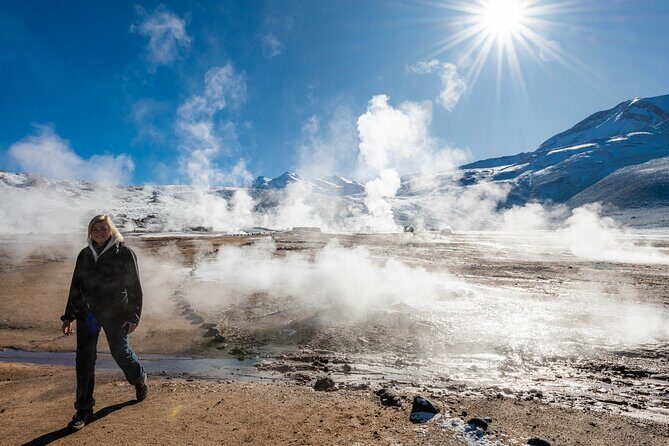
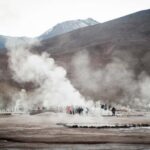
- Sol de la Mañana geysers: steam, noise, and textures
- Laguna Colorada: flamingos and a short walk
- Day 2: Lost Italy rock shapes, Laguna Negra, Anaconda Canyon views, Colcha K beers, and the salt hotel night
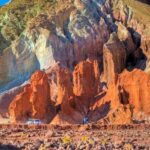
- Lost Italy and Valle de Las Rocas rock formations
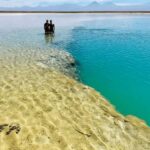
- Laguna Negra: another water-and-rock contrast
- Uyuni viewpoints: Anaconda Canyon and Sora Wetland
- Colcha K: local beer stop and Wi-Fi break
- Salt hotel dinner and private salt rooms
- Day 3: 5:00 AM Uyuni sunrise, Incahuasi giant cacti, Colchani photo time, and the Dakar Monument
- Salar de Uyuni sunrise: the real reason for the alarm
- Isla Incahuasi: cacti, breakfast, and a higher perspective
- Colchani: central salt-flat photos, dry vs. rainy season
- Dakar Monument and the Island of Flags: the classic finales
- Lunch, Train Cemetery, and back to Villa Mar
- Day 4: early breakfast, border crossing, and reaching San Pedro around 1:00 PM
- The value check: does $325 buy you what you actually need?
- Who this Uyuni tour suits best (and who should think twice)
- Should you book this Uyuni Salt Flats tour from Atacama?
- FAQ
- How long is the Uyuni salt flats tour?
- What time do you pick up in San Pedro de Atacama?
- Is accommodation included?
- Are meals included?
- What kind of vehicle is used during the tour?
- What entrance fees might I need to pay separately?
- Does the tour have a group size limit?
- Is the guide/driver Spanish-speaking?
Key things that make this Uyuni tour click
- 7:00 AM pickup from San Pedro with a straightforward border-crossing setup
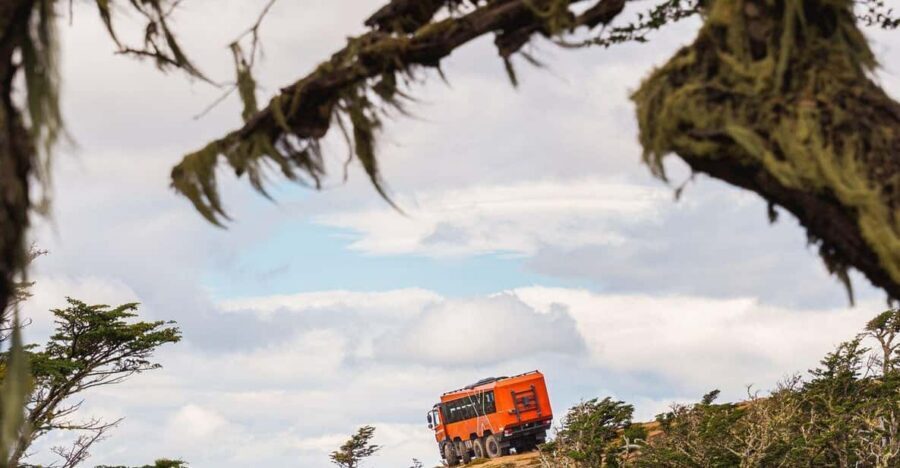
- 7-seater 4×4 touring across the Altiplano (small group, lots of window views)
- Eduardo Avaroa National Reserve highlights like White/Green Lagoons and Laguna Colorada flamingos
- Polques Hot Springs + Sol de la Mañana geysers for that classic high-plateau contrast
- Uyuni sunrise at 5:00 AM plus Incahuasi cacti and photo stops across the salt
- Accommodation booked for you in hostels, with private rooms available
From San Pedro to Bolivia: the 7:00 AM start you need to respect
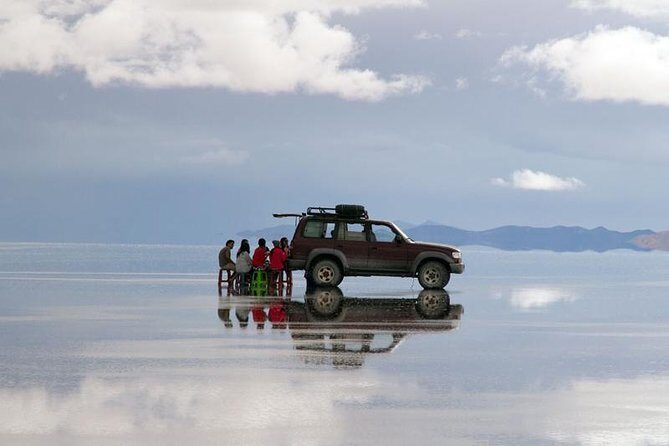
Your day starts early—7:00 AM pickup in San Pedro de Atacama. After everyone’s collected, you move to the Bolivian border and get your passport stamped before swapping into a compact 7-seater 4×4 for the adventure.
This matters more than it sounds. The roads are long, the air is thin, and the best natural moments happen on schedule. If you arrive a little frazzled (or hungover, no judgment), the first day can feel extra tough.
You can also read our reviews of more private tours in San Pedro de Atacama
Day 1: White and Green Lagoons, Salvador Dalí Desert, Polques Hot Springs, and Red Lagoon flamingos
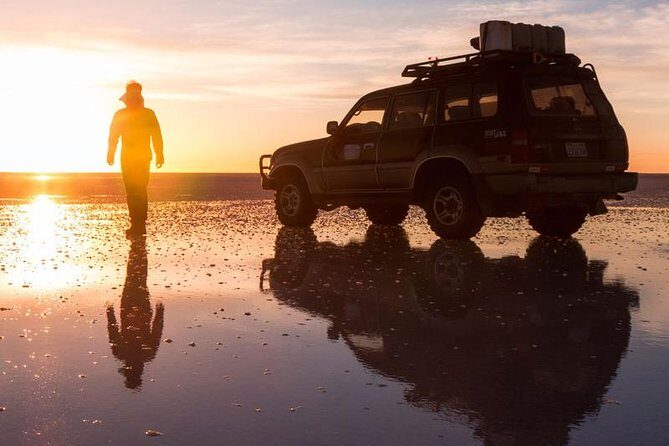
Day 1 is a full slice of the Eduardo Avaroa region, with scenery that shifts from surreal to soothing to loud-hot. You’ll start with stops near Licancabur Volcano, then work your way toward lagoons, thermal waters, geysers, and finally Laguna Colorada.
Salvador Dalí Desert and the White/Green Lagoons
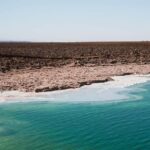
Right after the border, you’ll head into Eduardo Avaroa’s area for the White Lagoon and Green Lagoon. These sit at the foot of Licancabur, and the setting is the kind of place where your camera just keeps working because your brain can’t believe it.
Then comes the Salvador Dalí Desert—a big plateau surrounded by mountains. It’s one of those “how is this real?” places where you get quick photo wins without hiking for hours.
Consideration: you’ll be cold and at altitude. Bring layers you can actually move in, not just a single heavy coat.
Polques Hot Springs: warmth in the cold
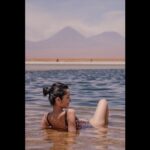
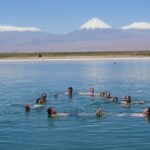
Polques Hot Springs is your body’s reset button. You’ll get time to slip into natural thermal water, then deal with the real challenge: getting out again when the air is biting.
Important budgeting note: the tour lists hot springs entrance fees as not included. The itinerary page often shows certain admissions as free, but the operator’s “not included” list is the safest guide for what you may need to pay.
Sol de la Mañana geysers: steam, noise, and textures
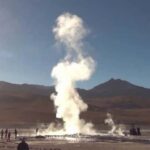
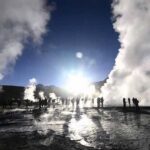
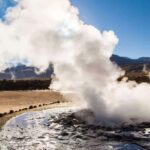
After lunch with views near the hot springs area, you’ll arrive at the Sol de la Mañana geyser field. Expect fumaroles and small geysers—this is where the region stops being just pretty and starts showing off raw energy.
This stop is listed with admission included in the day-by-day outline, so it’s usually one less thing to think about. Still, keep a little cash or card option for any on-the-spot requirements.
Laguna Colorada: flamingos and a short walk
You finish day 1 at Laguna Colorada, one of the most photographed places in the Altiplano. You’ll take a short walk along the edge to explore, and you may spot flamingos nesting in the area.
Dinner and your first night happen at Villa Mar. After a long travel day, this is exactly what you want: food, warmth, and a bed without stretching the day out even more.
Day 2: Lost Italy rock shapes, Laguna Negra, Anaconda Canyon views, Colcha K beers, and the salt hotel night
Day 2 keeps the pace moving, but the stops feel varied instead of repetitive. You’ll bounce from dramatic rock formations into colder-water lagoon scenery, then back toward Uyuni-area wetlands before a special evening at a salt-themed hotel.
Lost Italy and Valle de Las Rocas rock formations
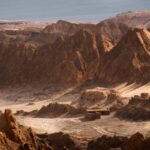
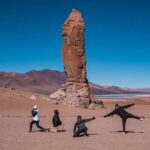
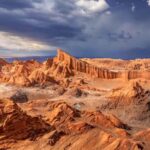
You’ll start with Lost Italy and the Valle de Las Rocas. The rock shapes can look like movie props—people often laugh when they start pointing out the “World Cup” or “Camel” shapes, because the resemblance is half the fun.
This is a great stop if you like short photo sessions where you can look, rotate, shoot, and move on.
Laguna Negra: another water-and-rock contrast
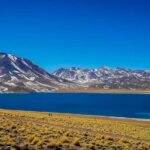
After breakfast, you’ll head to Laguna Negra. Laguna stops are a useful rhythm on this route: one minute it’s rocks, the next you’re staring at water that reflects the light differently at Altitude.
Staying warm matters here too. Even if the sun is out, the wind can make you feel like you’re standing on a refrigerator.
Uyuni viewpoints: Anaconda Canyon and Sora Wetland
You’ll make time for Anaconda Canyon, where viewpoints show a meandering river far below. Then you’ll visit Sora Wetland, described as a home for birds and camelids and full of endemic flora.
I like this part because it adds a layer of meaning. You’re not just collecting “top 10 spots”—you’re seeing how the Altiplano shifts from drier stretches into wetter pockets that support different life.
Colcha K: local beer stop and Wi-Fi break
On the way back, you’ll stop in a small village at Colcha K. There’s a shop where you can sample local beers (including craft beers from the Bolivian Altiplano), and there may be Wi‑Fi—nice if you want to send a quick photo home before your day goes fully offline.
This isn’t just a convenience stop. It helps you reset your energy before the most “showy” accommodation moment of the trip.
Salt hotel dinner and private salt rooms
At sunset, you’ll head to a salt hotel for dinner with views of the altiplano and rest in private rooms built entirely of salt. It’s one of those experiences that feels both practical and theatrical—yes, it’s unusual, but the point is you sleep in comfort while still staying close to the world you came to see.
Day 3: 5:00 AM Uyuni sunrise, Incahuasi giant cacti, Colchani photo time, and the Dakar Monument
Day 3 is the one most people book for. It’s early—really early—and the tour is designed around getting you onto the salt while the light is doing its best work.
Salar de Uyuni sunrise: the real reason for the alarm
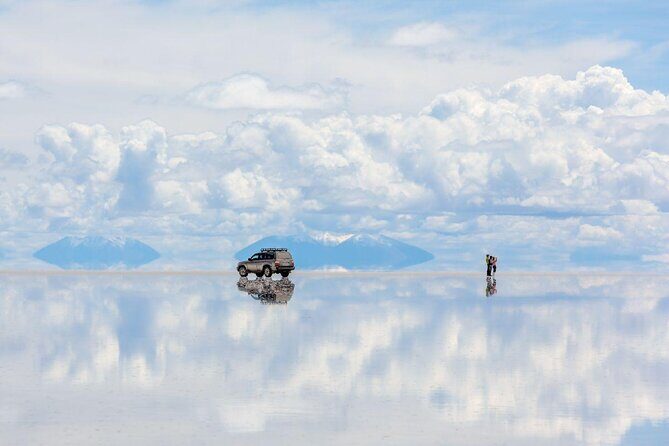
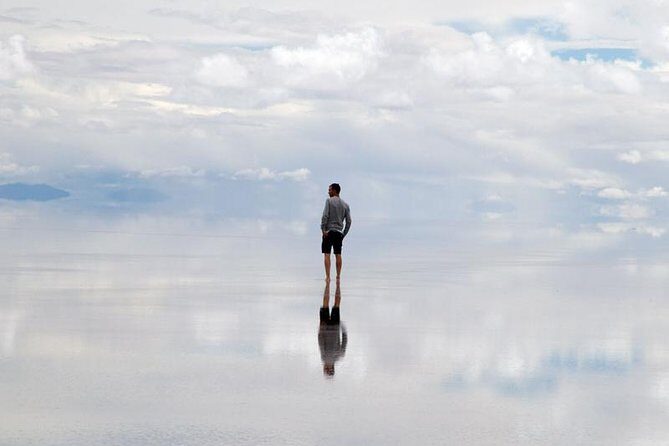
At 5:00 AM, you’ll depart for Salar de Uyuni. The day-of outline calls for waiting with the group for sunrise, then spending about three hours capturing that magical start when everything looks too smooth to be real.
Bring more than your phone charger. Cold mornings make batteries die faster, and wind makes gloves feel optional until you realize your fingers stop cooperating.
Isla Incahuasi: cacti, breakfast, and a higher perspective
Next up is Isla Incahuasi, famous for a unique ecosystem with giant cacti. You’ll eat breakfast on the island (with views), and then return to the salt for a photo session.
This is a smart design because it breaks up the salt monotony with something biological and textured. It also gives you another angle on the flats so your photos don’t all look identical.
Colchani: central salt-flat photos, dry vs. rainy season
Then it’s time for Colchani and more picture time. Here’s the big seasonal note you should care about: during the rainy season (January–March), you might get the flooded “mirror effect.” If you’re traveling in the dry season, you’ll be in the center of the flats for crisp salt photos.
Either way, you’re getting time on the salt itself with guidance on where to stop. The route even mentions the driver’s photo skills, which is useful because angles matter a lot on white ground.
Dakar Monument and the Island of Flags: the classic finales
You’ll finish the morning with the Dakar Sculpture and the Island of Flags. These are iconic “I’m really here” landmarks that help you measure the scale of the place.
Afterward, you head to Colchani to visit local artisan shops for souvenirs tied to the area.
Lunch, Train Cemetery, and back to Villa Mar
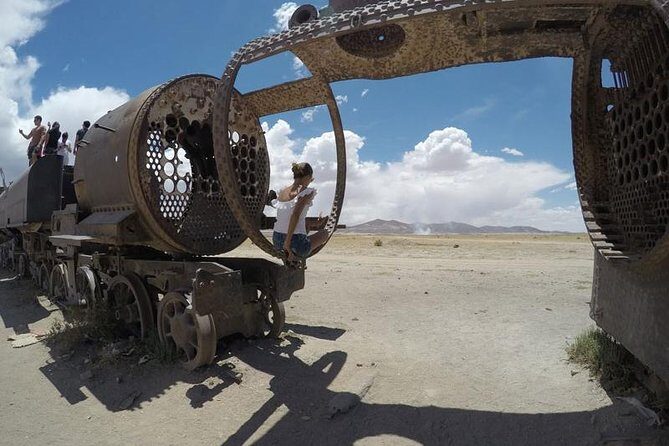
After two days of more portable-style meals, day 3 includes a stop at a sit-down option in Colchani for lunch. Then you’ll travel to the Train Cemetery—an eerie scene made from remains of what used to symbolize Bolivian development.
You’ll return to Villa Mar for the night. It’s a good way to end the day: you’ve used your energy on the salt, then you get a calmer evening after the Train Cemetery’s slower, heavy mood.
Day 4: early breakfast, border crossing, and reaching San Pedro around 1:00 PM
Day 4 starts at 5:00 AM breakfast at the accommodations, then it’s back toward the Chile–Bolivia border about four hours away. After the crossing, you’ll board a private shuttle bus and arrive in San Pedro de Atacama around 1:00 PM.
This timing is practical if you’re continuing your trip in Chile. Just plan your day after pickup arrival carefully—border days can run a little slow, and you’ll likely still be catching up on sleep.
Budget note: the tour lists the Bolivian border tax as not included when applicable. Even if it’s not always charged the same way, build a little flexibility into your payment plan.
The value check: does $325 buy you what you actually need?
At $325 per person for about four days, the value is strongest because you’re not managing the hardest parts yourself: transfers, transportation, and meals. You also get lodging booked on your behalf, with the option of a private room or shared dorm.
What you’re really buying is low-friction logistics plus guided timing. Uyuni works on schedules—sunrise, cold conditions, and travel distances don’t forgive “we’ll figure it out.” This tour is built for that reality.
Two budgeting realities to keep in mind:
- Some entrance fees are listed as not included: Incahuasi, hot springs, and National Park entrance fees.
- You may also face the Bolivian border tax when applicable.
Even with possible add-ons, this sort of packaged structure usually saves you time and stress compared with trying to stitch together multiple drivers, vehicles, and accommodation yourself.
Who this Uyuni tour suits best (and who should think twice)
This is a great fit if you want the big Uyuni highlights without planning each turn. I also think it’s a good match for first-timers who like a small group and a clear rhythm: early start, strong stops, and meals handled.
It may be tougher if you’re sensitive to altitude. One review specifically warned that they were not prepared and day 1 felt very hard. If you get headaches at altitude or you hate feeling cold, I’d take that seriously and pack accordingly.
Also: the tour uses a Spanish-speaking driver/guide. A review pointed out that Spanish is important to avoid misunderstandings. You don’t need to be fluent, but you should be ready to communicate basic needs and follow instructions.
One more personal style note: I like that the trip includes famous photo stops and time in the salt, not just rushed bus windows. But it’s still an “out and back” style adventure with a lot of hours in the vehicle.
Should you book this Uyuni Salt Flats tour from Atacama?
If you want the classic Uyuni route—Andean lagoons, geysers, flamingos, salt hotels, and a sunrise that’s hard to beat—this is the right kind of tour. The private room option, meals included, and transfers handled make it feel like a solid deal rather than a collection of separate services.
I’d book it if:
- You’re okay with early mornings and cold high-altitude days
- You can handle basic Spanish (or you have a translation app ready)
- You want your itinerary managed and your lodging sorted
I’d think twice if:
- You know altitude knocks you out for a full day
- You strongly need lots of downtime between stops
- You don’t want any possibility of paying entrance fees on arrival
If you decide to go, go prepared with warm layers, a charged battery, and a calm attitude for day 1. And if you’re hoping to meet guide personalities people mention by name in reviews (like Raul, Walder, or others), keep in mind the guide assignment isn’t guaranteed—but a friendly, capable Spanish-speaking team is part of what makes these trips work.
FAQ
How long is the Uyuni salt flats tour?
It runs for about 4 days.
What time do you pick up in San Pedro de Atacama?
Pickup is at 7:00 AM.
Is accommodation included?
Yes. Hostel accommodation is included, and a private room is available (otherwise you’ll be in a shared dorm).
Are meals included?
Yes. The price includes three breakfasts, three lunches, and three dinners.
What kind of vehicle is used during the tour?
You’ll travel in a 7-seater 4×4 vehicle.
What entrance fees might I need to pay separately?
The tour lists Incahuasi, hot springs, and National Park entrance fees as not included. The border tax may also apply and is listed as not included when applicable.
Does the tour have a group size limit?
Yes. The maximum group size is 12 travelers.
Is the guide/driver Spanish-speaking?
Yes. A Spanish-speaking driver/guide leads the way.