REVIEW · SAN PEDRO DE ATACAMA
San Pedro de Atacama: 3 D. Tour Uyuni and Back to San Pedro
Book on GetYourGuide →Operated by Koa Travel · Bookable on GetYourGuide
Three days, and Bolivia feels like another planet. This San Pedro de Atacama to Uyuni round-trip tour takes you to 4,500+ meters at the Bolivia border, then strings together hot springs, geysers, colorful lagoons, and the Salar de Uyuni. I love the small, controlled group setup, with only a handful of people per vehicle, which makes photo stops and timing feel human. I also love the hands-on guide style, from Laguna Colorada’s flamingos to the way Incahuasi Island is explained before you walk out onto the salt. The one drawback to know upfront is that this is not a comfort tour: expect early starts, long drives over rough roads, and thin air that can hit hard.
The good part is that you’re not doing all this on your own. Two nights in Uyuni (Hotel Kachi Wasi and Hotel Toñito) include hot water and heating, plus meals along the way (breakfasts, box lunches, and one dinner). The catch: dinner on the second Uyuni night is not included, so plan a simple meal when you get in.
In This Review
- Key highlights to know before you go
- First Steps From San Pedro de Atacama at 06:00, Then Straight Into Bolivia
- Rocks of Dali, Hot Springs, Geysers, and the Lagoon Day That Changes Colors
- Laguna Colorada Flamingos: When the Wind Stops and the Birds Take Over
- San Cristobal to Uyuni Salt Flats: Incahuasi Island and That Classic Sunset Shore
- Uyuni to Train Cemetery, Lake Catal, Volcano Country, and Llamas
- Hotels and Meals: Warm Rooms, Simple Limits, and Realistic Comfort
- Price and Value: Is 750 USD Worth It for a 3-Day Round Trip?
- Who This Tour Fits Best, and Who Should Skip It
- Quick Packing List That Matches the Reality of the Trip
- Should You Book This San Pedro to Uyuni 3-Day Tour?
- FAQ
- What time does the tour pick me up in San Pedro de Atacama?
- How long is the tour, and is it a round trip?
- What’s included in the price?
- Is dinner included every night?
- What language is the guide?
- Is this tour suitable for everyone?
- Can I bring alcohol or drugs?
Key highlights to know before you go
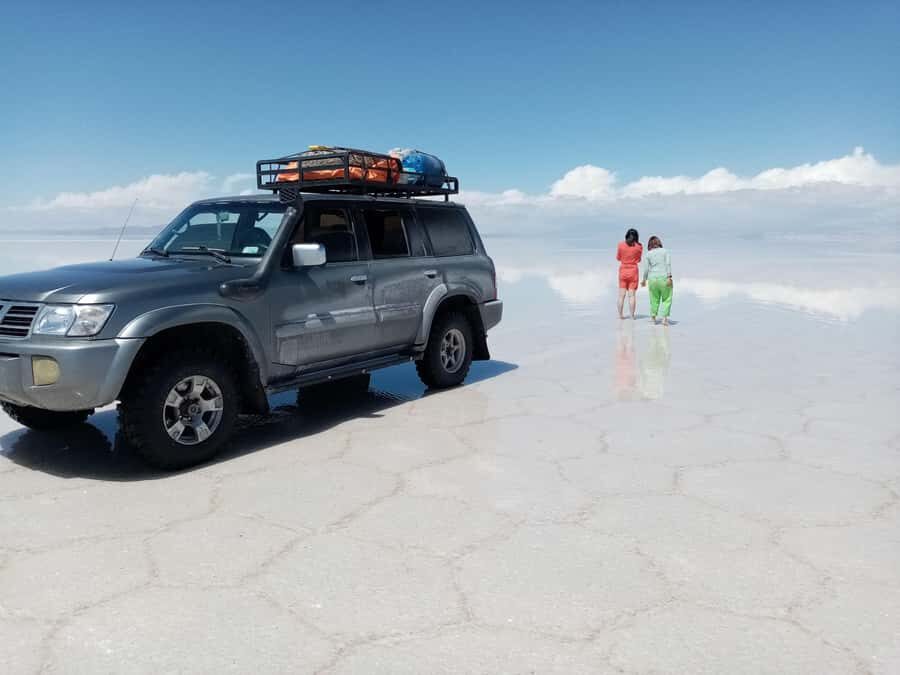
- Border-to-Altiplano timing: 06:00 pickup for the Hito Cajones crossing puts you in position to enjoy the lagoons and light while others are still asleep.
- Color lagoons that actually look unreal: Laguna Colorada’s red tint and white/blue neighbors come from local conditions, not filters.
- Laguna Colorada flamingos: hundreds of flamingos can share the area with other bird species.
- Incahuasi Island walk: giant cacti plus old coral fossils, with animal sightings like viscachas and quick little hummingbirds.
- Salt flats sunset format: you reach the shore area in time for those “wait, is this real?” Uyuni photos.
- A second day in a different mood: San Cristobal plus Uyuni salt flats, then a return to the region’s volcano-and-llama views on the final day.
First Steps From San Pedro de Atacama at 06:00, Then Straight Into Bolivia
This tour starts with an early 06:00 pickup from your hotel in San Pedro de Atacama, moving you toward the Bolivia border at Hito Cajones. From there, the day becomes a climb in more ways than one: altitude first, then the feeling of crossing into a wide-open world where the horizon never behaves.
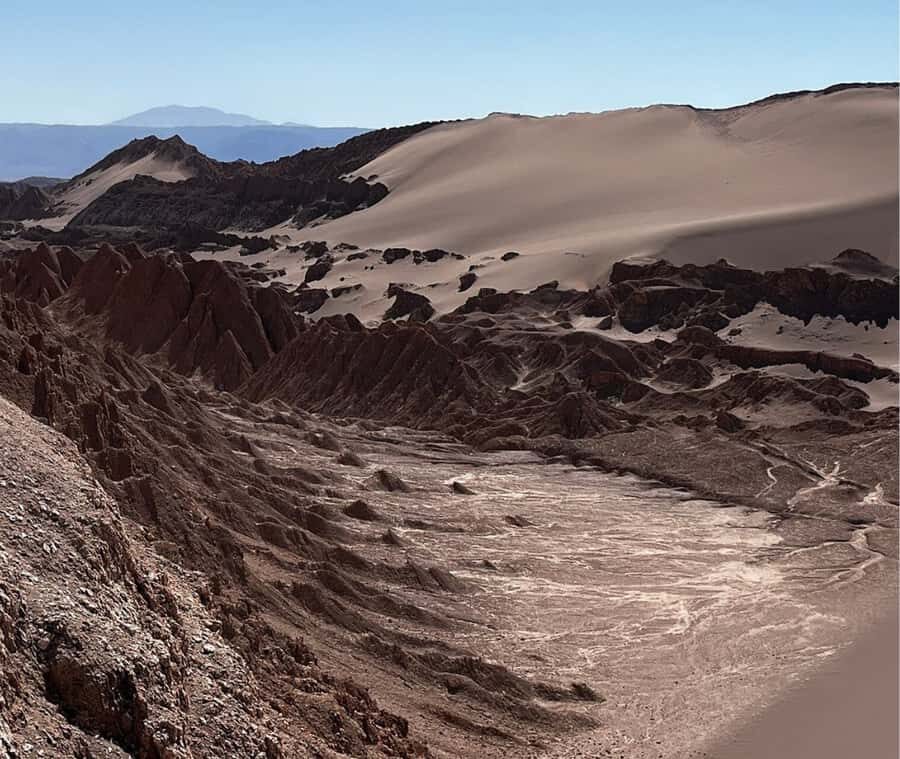
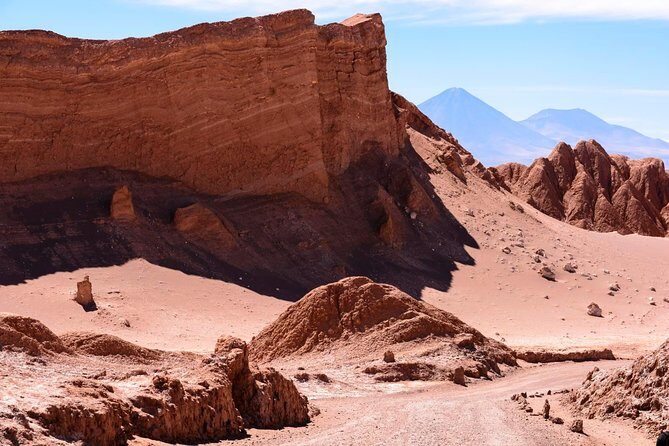
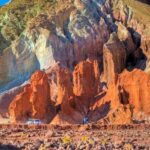
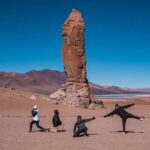
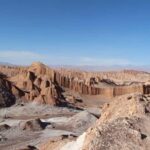
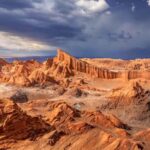
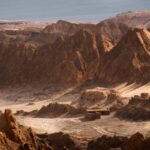
You’ll do the border process (immigration) and then start heading through Andean deserts studded with enormous volcanoes and wind-sculpted rock formations. One of the early visual hits is what’s often called the Rocks of Dali, because the wind-carved shapes can look like surreal art if you stare a moment. It sounds like a gimmick until you’re out there, when your eyes start “connecting” shapes automatically.
What I like about this start is that it isn’t just travel for travel’s sake. It sets the pace for the whole trip: you’re seeing the region while the day is fresh, not when crowds and heat start taking over.
You can also read our reviews of more tours and experiences in San Pedro De Atacama.

Rocks of Dali, Hot Springs, Geysers, and the Lagoon Day That Changes Colors
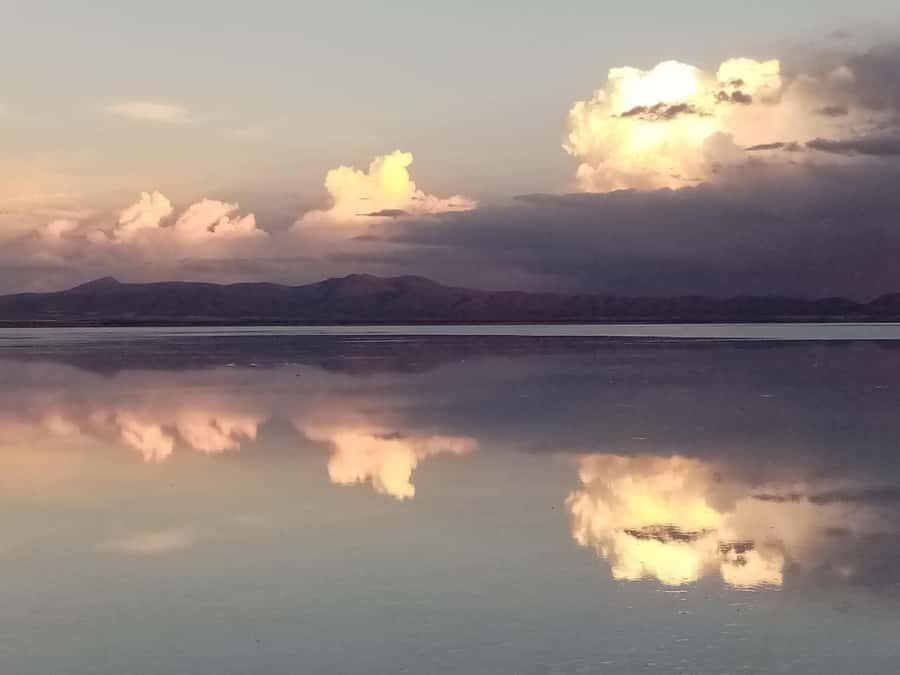
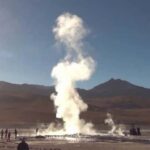
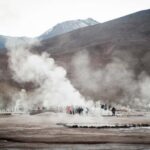
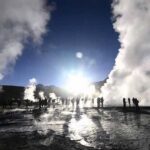
Day 1 is built around mineral water and high-altitude weirdness. After the initial border segment, you’ll be moving through valleys with sculpted rocks and then into the lagoon country: hot springs, geysers, and many lakes in different colors.
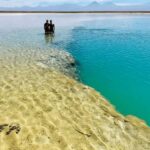
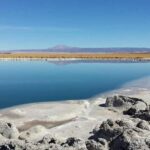
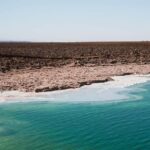
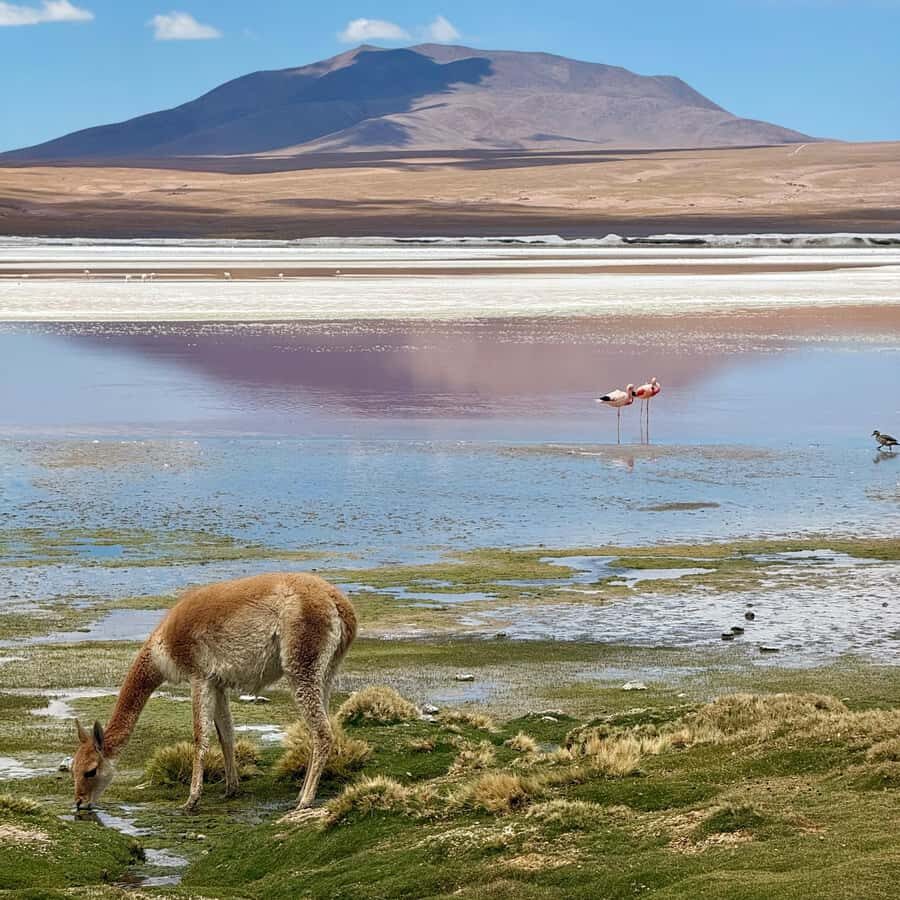
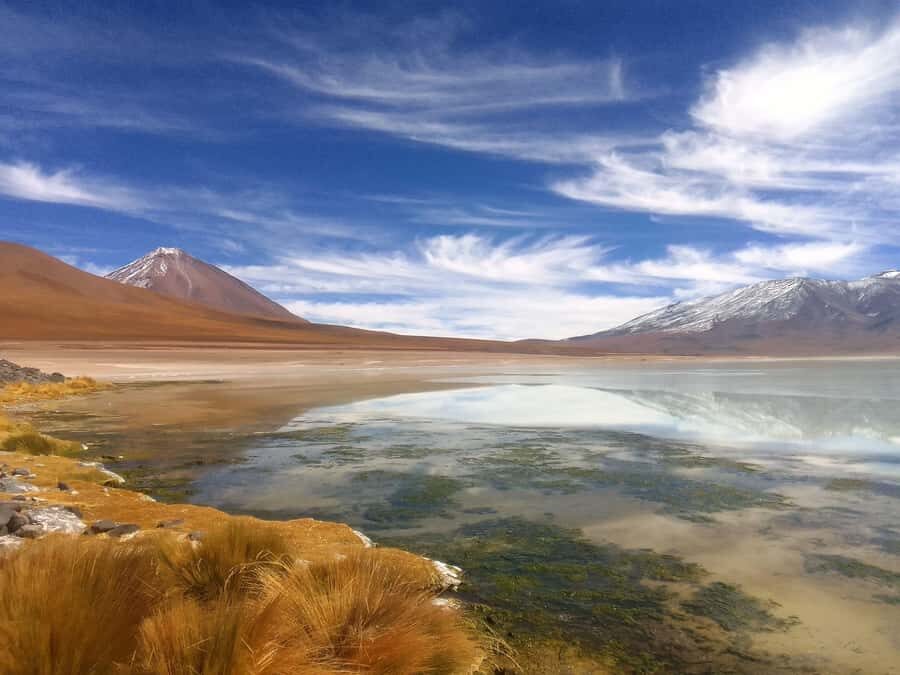
The tour includes stops tied to the deep-red to pale-white range you’ll associate with the Altiplano’s salt-and-mineral mix. Some lagoons show deep reds, blues, and even white tones, and Laguna Colorada is the main star. The red color comes from the algae Dunaliella salina (and the local conditions around it), which is why the water can look like dyed pigment even when there’s no filter in sight.
If you’re a person who likes to photograph details, this is where you’ll earn it. The color shift is dramatic depending on angle and cloud cover, and the guide’s job is to help you time it so you’re not just taking random shots of pretty water. You’re also learning why the place looks the way it does, which makes the pictures feel more earned.
Important practical note: this day can be physically rough. You’re going up into thin air, and you’re spending long hours in a vehicle before you’re truly “settled” at your first hotel in Bolivia (Hotel Kachi Wasi). Bring a warm layer even if the desert feels sunny.
Laguna Colorada Flamingos: When the Wind Stops and the Birds Take Over
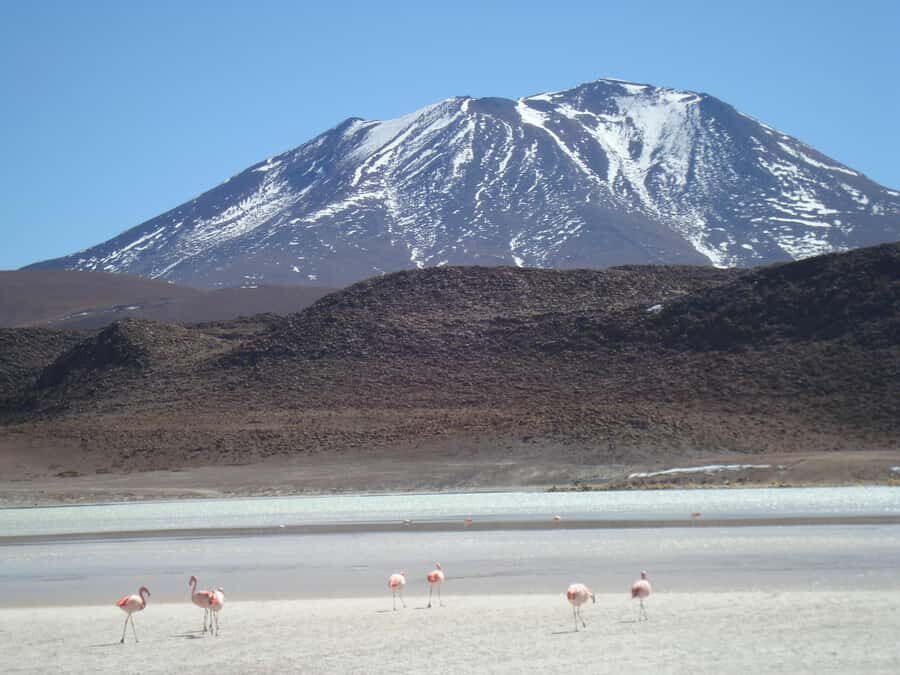
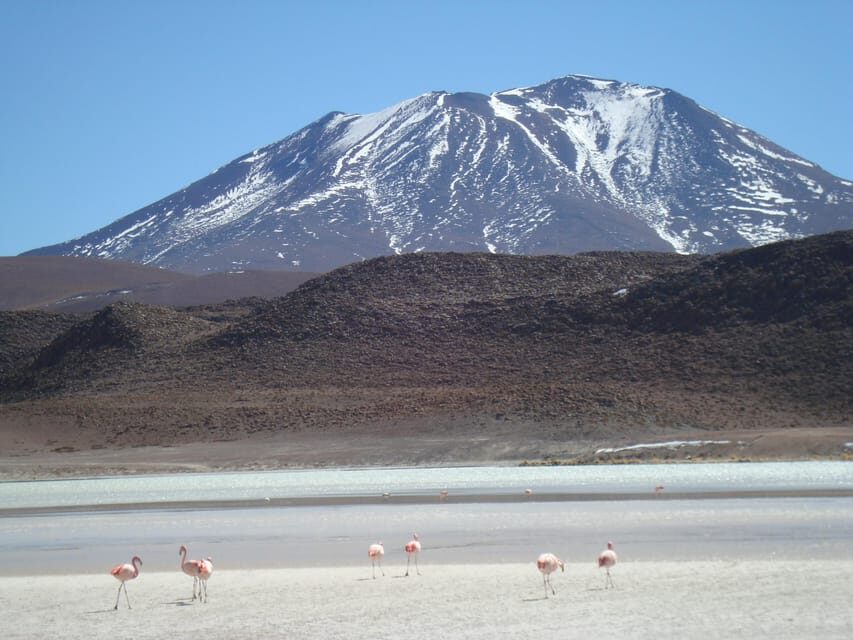
Laguna Colorada isn’t only about color. It’s about wildlife in a setting that looks like it shouldn’t support life at all. This is where you’re looking for flamingos—often described as hundreds in the area—along with other bird species.
What makes this moment special is how the whole scene behaves. In open desert, your brain expects silence. Then you spot the birds moving between shallow areas, and suddenly the lagoon turns into a living ecosystem instead of a photo backdrop. You’ll also get a sense that the Altiplano has its own rhythm: animals move differently here, and the environment sets the rules.
The tour includes the right kind of stop length so you can actually watch, not just “arrive and go.” You’ll want to bring a jacket and keep your timing flexible. Light in these elevations can flip fast, and waiting two minutes can change your photo from flat to punchy.
At the end of Day 1, you sleep at Hotel Kachi Wasi with hot water and heating—exactly the kind of practical comfort you’ll appreciate after a day that’s equal parts scenery and physical demand.
San Cristobal to Uyuni Salt Flats: Incahuasi Island and That Classic Sunset Shore
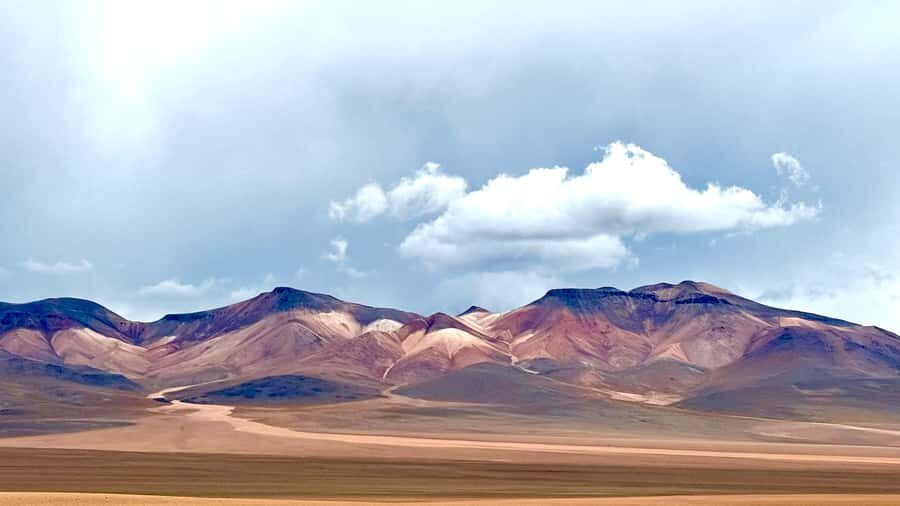
Day 2 shifts from lagoons to the Salar de Uyuni itself. You start at San Cristobal and then head toward Uyuni Salt Flats. Uyuni sits high (around 3,600 meters), and the salt flat’s scale really matters: you’re not visiting a small attraction. You’re stepping into a region so large it changes how you measure distance.
The main stop on the salt flat is Isla Incahuasi. Even though the island is inhospitable, life clings to it in the strangest ways. You’re walking among giant cacti—some reaching seven or eight meters—and you can also see remnants that connect the Altiplano to ancient seas, including coral fossils from the time when this area was under water.
The animal sightings here are part of why the island walk feels worthwhile. You might spot viscachas (long-tailed Andean rabbits), quick hummingbirds that feed off the giant cacti, and also lizards and insects. In high altitude, even small movements become noticeable, so you’ll start watching your feet and the cactus edges instead of just scanning the horizon.
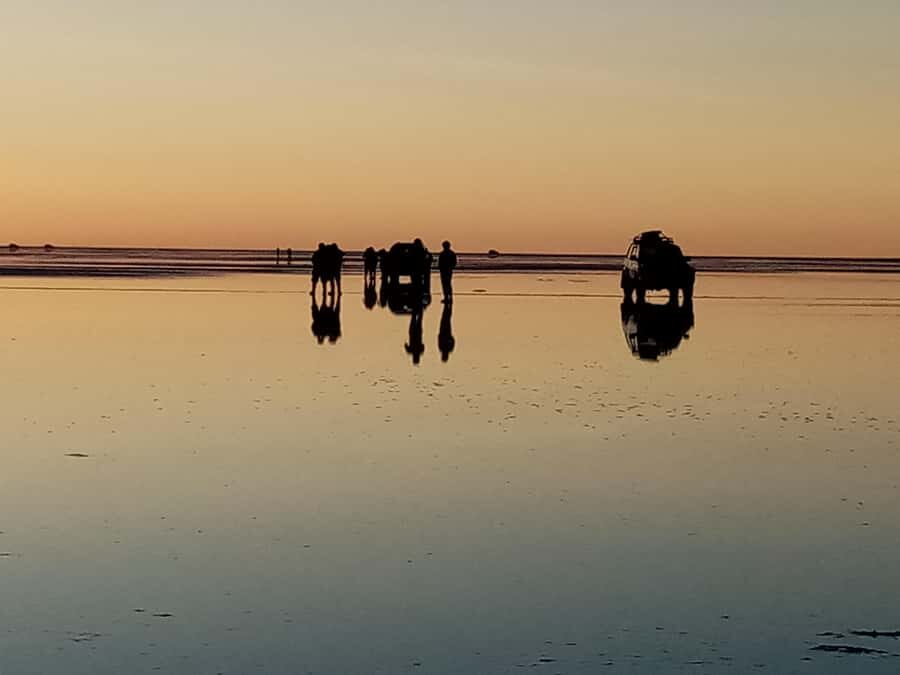
After the island, you cross the salt flats in the afternoon to reach a shore area where you can see the sunset. This is the moment that makes people talk. The colors shift across the white surface, and the reflections can turn your normal travel photos into something stranger and more cinematic.
Two things help here:
- Wear shoes you can stand in for a while.
- Keep your jacket accessible. Temperature drop on the salt can be fast.
On the second night, you sleep at Hotel Toñito, again with hot water and heating. Also, keep in mind that dinner is not included on the second Uyuni night, so don’t plan on a full included meal plan at that point.
Uyuni to Train Cemetery, Lake Catal, Volcano Country, and Llamas
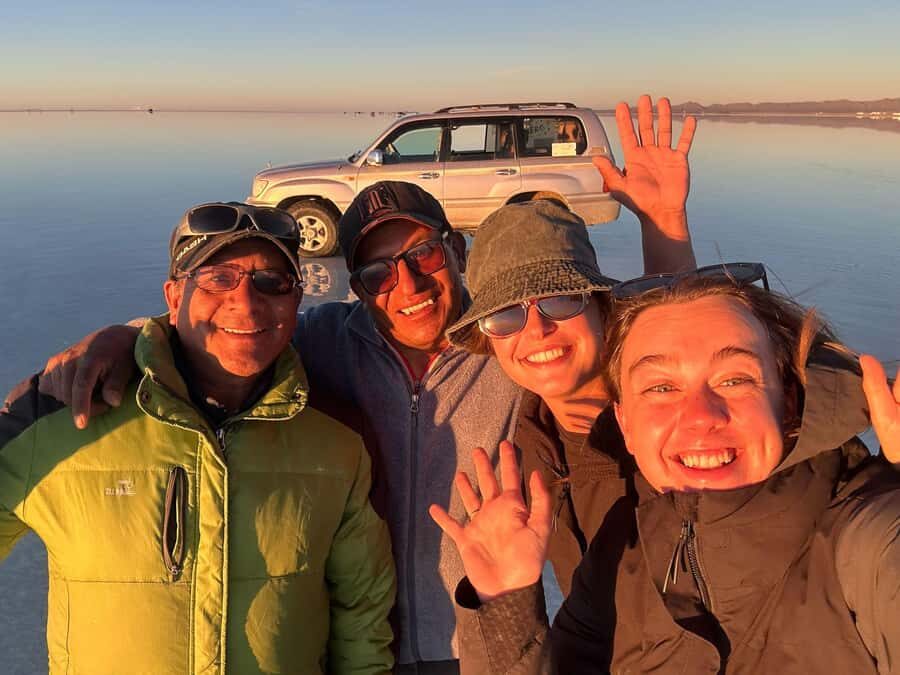
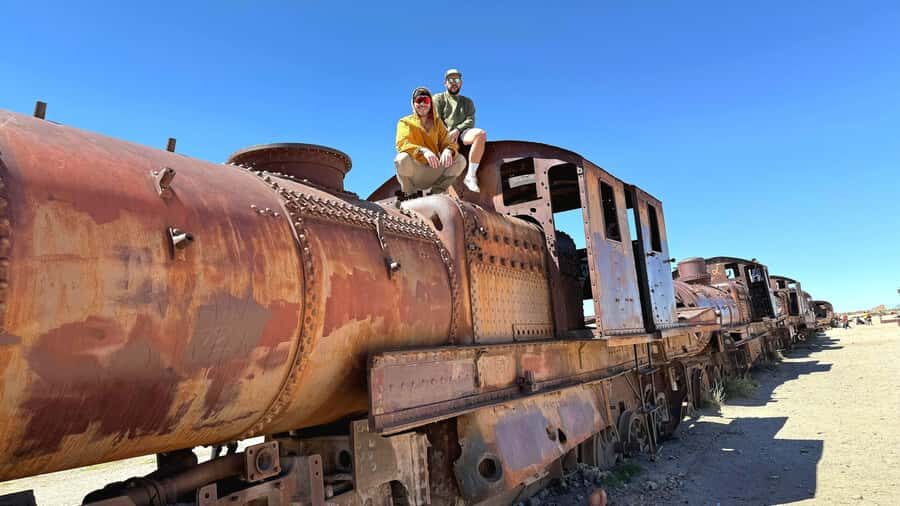
Day 3 is an early start, then a strong mix of “industrial relic” and pure Altiplano drama. You leave Uyuni with a private four-wheel drive, head to the train cemetery, and then drive for about three hours to Lake Catal.
From there, you hike in an immense volcanic area where you can encounter hundreds of llamas. This is one of those moments that doesn’t feel like a checklist stop. It’s open, slow, and very “you are in the middle of something ancient.” The volcano range in the Altiplano becomes the background, and the llamas add scale and motion.
After the hike, you continue along the Altiplano and the main range of volcanoes. The tour aims to bring you back to San Pedro de Atacama by around 15:30, dropping you at your hotel.
A quick reality check: this day has less built-in “downtime.” If you’re sensitive to long days in a vehicle, you’ll feel it. But the payoff is that your final day doesn’t just repeat the salt-flat format. You get volcano country again, plus that llama-filled volcanic setting.
Hotels and Meals: Warm Rooms, Simple Limits, and Realistic Comfort
This is where this tour is honest. You’re not paying for luxury. You’re paying for the route, the altitude experience, and the guides who understand how to manage it.
You get two nights’ accommodations in Uyuni:
- Hotel Kachi Wasi on the first Bolivia night
- Hotel Toñito on the second Bolivia night
Both include hot water and heating. That’s not a small detail. In this kind of climate, warm showers and heated rooms can be the difference between feeling wiped out and feeling recoverable.
Meals are included in a practical way: two breakfasts, three box lunches, and one dinner during the trip. Since dinner isn’t included on the second Uyuni night, I recommend planning for a simple food option when you’re done for the day.
One more comfort note that shows up in how people describe the trip: altitude can be rough even if you’re fit. The tour team keeps oxygen ready, which is the kind of safety net you’re grateful for when your body asks for help. I’d still treat Day 1 as the toughest day, because early mornings plus ascent can create the perfect storm.
Price and Value: Is 750 USD Worth It for a 3-Day Round Trip?
$750 per person is not a budget impulse buy. What you’re paying for is a tight 3-day loop that compresses an enormous region into a guided, safe-feeling format.
Here’s what makes the value make sense:
- The itinerary covers both the high-altitude lagoon zone and the Salar de Uyuni, including Isla Incahuasi.
- You get a 4×4 with a driver plus an English-speaking guide, and the setup is small: no more than four people in the car, and a group limit of 12 participants.
- Ticket fees for the National Park and Isla Incahuasi are included, so you’re not juggling extra costs once you arrive.
Could you do some parts cheaper on your own? Maybe. But here you’d be managing border logistics, rough roads, altitude pacing, and timing for photo moments. When people are paying this price, the reason is usually simple: they want the route handled and their time respected.
Also, this isn’t just “see the sights.” The guide explanation matters on places like Laguna Colorada (why it’s red) and Incahuasi Island (what fossils and cacti tell you). That turns photos into a story you can understand later.
Who This Tour Fits Best, and Who Should Skip It
This trip has a clear personality. It’s for people who like adventure and don’t mind getting up early, dressing in layers, and accepting that the day can be tiring.
It’s not suitable if you:
- need luxury and constant comfort
- get altitude sickness easily
- are traveling with children under 10
- are over 70
It’s also “not for you” if you want a relaxed, slow-paced vacation with long breaks. Day 1 in particular involves early departure, high altitude, and lots of driving. Day 2 includes a major salt-flat walk and sunset timing. Day 3 adds hiking and another long drive back to Chile.
This is a great fit for:
- nature photographers
- people who want the Altiplano and Uyuni in one focused loop
- visitors who prefer smaller groups and straightforward logistics
- anyone excited by flamingos, cacti on a salt island, and those famous Uyuni reflections
Quick Packing List That Matches the Reality of the Trip
The tour gives a clear suggestion set, and it matches what you’ll actually use:
- Comfortable shoes for salt and the Incahuasi island walk and Lake Catal hike
- Jacket (you’ll want it, even if the day starts bright)
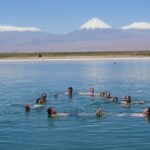
- Swimwear and towel (because the schedule includes hot spring/geyser areas)
- Change of clothes for the cold-to-warm swings
- Comfortable clothes for long hours outside
One extra practical tip: have a plan for altitude support. People often mention bringing hydration aids and pain relief like ibuprofen, plus snacks for the early day. Even if you feel fine at pickup, the altitude can land later.
Should You Book This San Pedro to Uyuni 3-Day Tour?
I’d book this if you want a high-impact Bolivia sampler: lagoons with flamingos, the giant salt flat with Incahuasi Island, and a Day 3 finish that feels like volcano-and-llama country instead of repeating the same scenery. The small-group vehicle setup, English guidance, and heated/hot-water hotels make the experience far more doable than if you were cobbling it together yourself.
I’d skip it if your idea of a great trip is comfort first, or if altitude typically knocks you out. Also, if you hate early mornings and rough-road travel, this tour will feel like a workout with a view.
If you’re in the “I can handle cold and tired for unforgettable scenery” camp, this is a strong option. Just be honest about your body and your patience for long drives. When those two things line up, the payoff is huge.
FAQ
What time does the tour pick me up in San Pedro de Atacama?
Pickup is at 06:00 from your hotel in San Pedro de Atacama, heading toward the Bolivia border at Hito Cajones.
How long is the tour, and is it a round trip?
It’s a 3-day tour: you go from San Pedro de Atacama into Bolivia and return to San Pedro de Atacama on Day 3 (around 15:30).
What’s included in the price?
The price includes 4×4 with a driver, an English-speaking guide, two nights in Uyuni (Hotel Kachi Wasi and Hotel Toñito), meals during the trip (2 breakfasts, 3 box lunches, and 1 dinner), and ticket fees for the National Park and Isla Incahuasi. It also includes transfers related to the border crossing and the return transfer on the last day.
Is dinner included every night?
No. Dinner is included for one dinner during the trip, but dinner on the second Uyuni night is not included.
What language is the guide?
The tour includes an English-speaking guide.
Is this tour suitable for everyone?
No. It is not suitable for children under 10, people with altitude sickness, or people over 70 years old.
Can I bring alcohol or drugs?
No. Alcohol and drugs are not allowed on the tour.