REVIEW · PUNTA ARENAS
Mountain Bike Adventure in Punta Arenas
Book on Viator →Operated by patagonia mtb trails · Bookable on Viator
Patagonia rides can be surprisingly personal. In Punta Arenas, this day trip strings together native forest trails and nearby hill rides with an accredited guide and a small group that keeps the pace human. I love how the route is adjusted for your level, whether you’re a first-timer or you want something more technical, and I also love the wildlife factor, from birds to other critters you might spot while you pedal through lenga and coigues.
One possible drawback: even with pedal-assist options riders describe, the terrain can get slick and demanding, and the day still adds up to a real workout. The tour is best if you’re comfortable with moderate fitness, not if you’re hoping for an easy cruise-and-casual spin.
You’ll start around 9:00 am with pickup and drop-off, ride a provided bicycle and helmet, and get snacks built into the schedule. Then you’ll spend part of the day in the Reserva Nacional Magallanes area before heading to viewpoints around Punta Arenas, where the Magellan Strait and Tierra del Fuego show up often.
In This Review
- Key highlights you’ll actually feel on the trail
- Punta Arenas MTB: why this town works so well for a one-day ride
- Small-group service and guides who tailor your route
- Reserva Nacional Magallanes: lenga and coigues, plus wildlife time
- Riding the hills of Punta Arenas: viewpoint payoffs you keep stacking
- Food, breaks, and hydration: the part that decides how good the day feels
- What to wear in Patagonian conditions (mud and wind are the boss)
- Price and value: how $192 holds up for a full day
- Who this tour is perfect for, and who should think twice
- Should you book Punta Arenas mountain biking?
- FAQ
- How long is the Punta Arenas mountain bike adventure?
- What’s the group size and age requirement?
- What’s included in the price?
- Is alcohol included?
- What should I bring if I’m planning around weather?
- Where does the riding take place during the day?
Key highlights you’ll actually feel on the trail
- Max 6 people means less waiting and more one-on-one guidance when you need it
- Two trail zones: a protected reserve forest ride plus hill trails around Punta Arenas for big views
- Guide tailoring by ability helps first-timers stay confident and lets stronger riders push harder
- Wildlife and birds are part of the ride, not just scenery in the background
- Pedal-assist e-bikes described by riders make the climbs manageable and extend your time riding
- Small-group pace with snacks keeps energy steady through long stretches
Punta Arenas MTB: why this town works so well for a one-day ride
Punta Arenas sits in a place where weather and light can change your mood fast. That’s part of the charm, and it also explains why guided MTB can be such a smart first activity here. You’re not stuck with one predictable loop. You get variety in soils, steepness, and trail length, and the guide uses that flexibility to match what your legs can handle that day.
The best part for me is the way Punta Arenas rides blend “exploration” with “exercise.” You’ll hop between trailheads near the city, usually within short drives, then ride out to viewpoints over the Magellan Strait and toward the Tierra del Fuego side. It’s the kind of day where you stop thinking about miles and start thinking about what’s around the next corner.
And since the group is capped at six, it’s easier to move together without turning into a traffic jam. Riders in the feedback repeatedly mention guides who were patient, attentive, and willing to adjust when conditions or ability required it.
You can also read our reviews of more tours and experiences in Punta Arenas.

Small-group service and guides who tailor your route
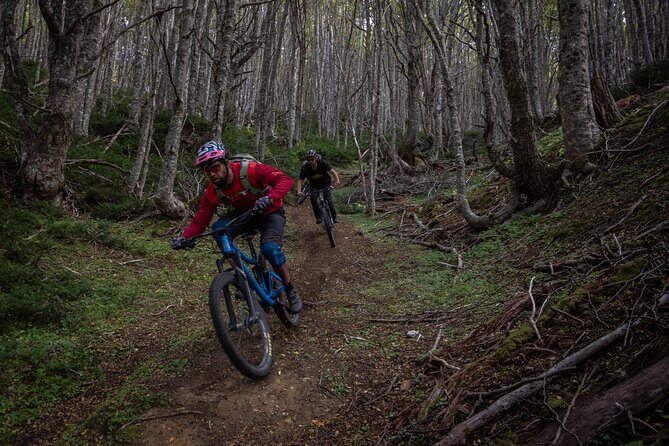
This is built as a skill-and-comfort day, not a “follow my dust cloud” race. The tour uses a local, accredited guide and plans trails based on ability, so you’re not forced into the hardest lines. Riders also describe guides fitting bikes properly before you ride, which matters more than most people think. A good setup reduces fatigue and makes every pedal stroke feel more controlled, especially on uneven ground.
You may meet different guides on different days, but names that came up include Javier (often called Javi), Juan Pablo, Juampi, Martin, and Matias. Across those accounts, the same theme shows up: they watch how you ride and then change the plan. One rider said the guide rerouted immediately for comfort when uphill felt too tough. Another said older riders felt the trails were harder than they expected, and the guide still adjusted to the group.
If you’re nervous about dirt biking, that flexibility is huge. If you’re an experienced rider, the same flexibility can also be a plus, since you can get challenged without it turning into a survival test.
Reserva Nacional Magallanes: lenga and coigues, plus wildlife time
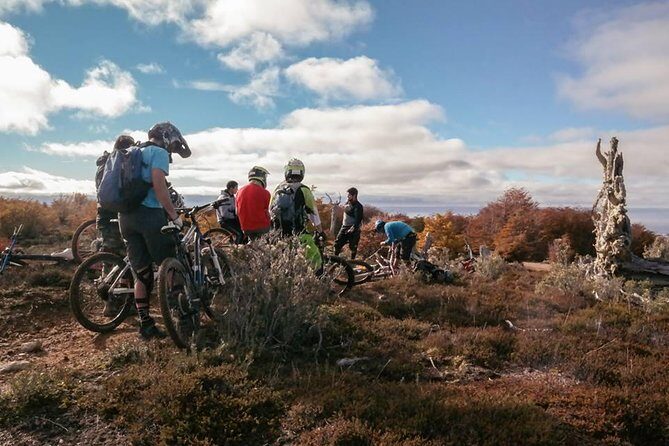
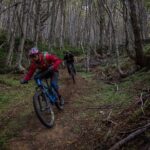
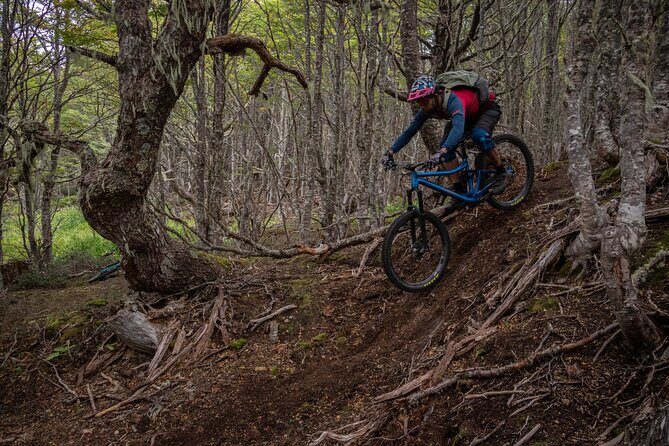
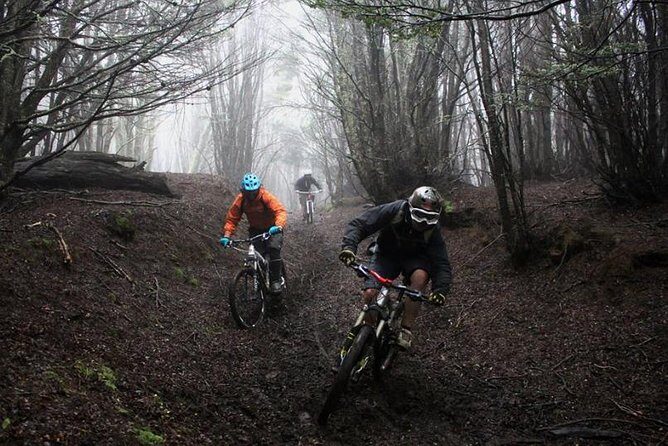
Your morning includes a ride inside the Reserva Nacional Magallanes. This is the part that feels most like “wild Patagonia” while still being a real MTB day. The trails run through native forest, where lenga and coigues dominate the scene, and that’s exactly why it works. It’s not just a scenic backdrop; the trees shape the ride with shade, wind cover, and a trail feel that’s different from open hill sections.
The payoff is wildlife access. People describe seeing native birds and spotting animals up close—one of the most memorable differences versus riding in a purely landscaped area. Even if you don’t see much, the forest quiet can reset you. Patagonia can be loud with wind and distance, but here you get moments of calm between effort and viewpoint.
In terms of logistics, this section includes park entry, and you won’t need to wrestle with tickets or extra fees. The ride time here is about three hours, which is long enough to get warmed up and feel the forest flow, but short enough that you’re not destroyed before the afternoon hills.
A practical note: forest trails can hide mud and slick patches. Even riders who were comfortable on tech sections still mentioned slipping when conditions got wet. That’s not a reason to skip it; it’s a reason to ride with margin. Slower and smoother beats fast and sideways, especially here.
Riding the hills of Punta Arenas: viewpoint payoffs you keep stacking
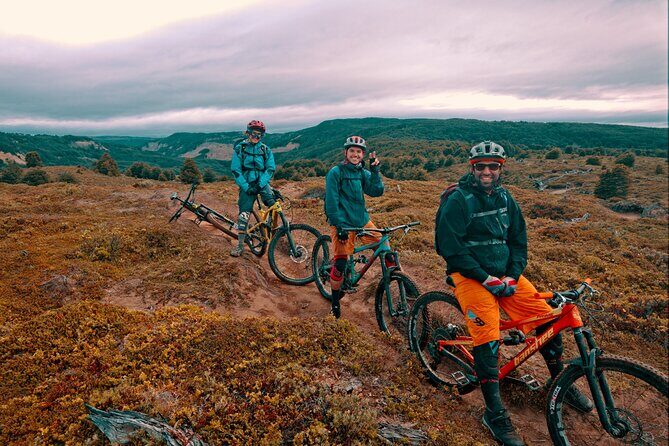
After the reserve, you shift to hill riding around Punta Arenas. This is where the day earns its “why am I traveling for this” smiles. The city sits close to trail access, and the program takes advantage of that, jumping between different spots around 10 to 20 minutes from hotels depending on traffic.
You might ride past places like Estancia Radic, an older logging-ranch style location, and Patagon Park, described as a community-based bike park that adds a fun, more playful edge to the day. Other trail areas that came up include Araña and Ladera. Names aside, the real idea is variety: different soil textures, different trail steepness, and different route lengths, all planned to match your ability.
The reward is the view stack. Punta Arenas hills give you repeated chances to look out over the Magellan Strait, with Tierra del Fuego island and even Otway Sound showing up depending on visibility. You also get “context views” back toward the city. That combination helps you understand the geography in a way photos don’t.
Riders who use e-bikes especially appreciate how the extra climb power buys more time on technical descents and trail connections. Several people mention that pedal-assist made the climbs far more doable, and that once they learned the bike, it opened the whole day up.
Food, breaks, and hydration: the part that decides how good the day feels
This tour includes snacks, and that’s not trivial. In windy Patagonia, you burn energy faster than you expect. A small snack at the right moment keeps your brain sharp for braking, steering, and reading the next line.
A number of riders also mention an excellent lunch break and a well-thought-out snack pack, with standouts like bread and cured meats in the feedback. That suggests there’s usually more going on than just a quick protein bar, but you should still treat the official guarantee as snacks rather than assuming a full multi-course meal every time.
Hydration is where you need to be a bit smart. One rider reported there wasn’t water to top up, and they had to borrow a bottle briefly from someone in the group. That doesn’t mean your day will be the same, but it is a good warning sign. If you tend to drink a lot during activities, plan to start the tour properly hydrated and be ready to ask the guide what the water situation looks like that day.
What to wear in Patagonian conditions (mud and wind are the boss)
Even when the weather cooperates, Patagonia can still be unpredictable, and MTB adds extra variables. Prepare for mud, damp ground, and wind. Several riders mention falling a few times when surfaces were muddy, which is normal for MTB but also a reason to dress for grip and comfort, not just warmth.
For clothes, think layers you can adjust. You want warmth on the start and during breaks, but you also want to avoid overheating when the climbs kick in. Gloves help a lot if it’s wet or cold, and shoes with good traction matter more than you might think.
Bike handling tips from riders are mostly about confidence: go smooth, don’t force speed, and let the guide steer you. If your comfort level is lower, the route can be adjusted. If you’re pushing for adrenaline, the same guidance is still about safety, not chaos, and riders specifically describe guides managing technique and line choice.
Price and value: how $192 holds up for a full day
At about $192.31 per person, the price isn’t just “a bike rental.” You’re paying for: a local guide, use of the bicycle and helmet, hotel pickup and drop-off, and included fees like park entry and an environmental management charge (often referred to as the Reef Tax). That means you’re not nickel-and-diming your way through the day with extra costs at the last second.
The best value signal here is what riders say about equipment and tailoring. Multiple reviews highlight high-quality bikes, including pedal-assist options described as easy to learn. Good bikes aren’t a luxury in Patagonia; they’re part of getting more riding time and fewer mechanical headaches. When a guide takes time to fit you properly and adjusts trails as you ride, you get a more complete day, not just time spent moving between lookouts.
The “watch-outs” for value are the usual weather and terrain reality. The tour requires good weather, and if conditions are poor, you’ll either get a different date or a full refund. Also, the day is for people with at least moderate fitness. If you’re expecting a relaxed stroll, you may feel it’s overpriced for what you wanted. If you want a proper Patagonia MTB day with viewpoints and wildlife, it tends to land as money well spent.
Who this tour is perfect for, and who should think twice
This is an excellent first MTB experience if you want real trails without being forced into the hardest lines. Guides adjust based on ability, and the max 6 group size means you’ll get help when you need it. If you’re a couple, solo traveler, or group of friends, the vibe tends to be social but not chaotic.
It’s also a strong pick if you’re a weekend rider looking for a day with multiple environments. You get reserve forest riding in lenga and coigues, then you transition to hill trails with viewpoint access and options like a local bike park. Riders mention technical challenges and even optional jumps for those who like that kind of play.
Where it may not be ideal is for people expecting an easy day, or for those who struggle on muddy or slippery ground. One rider explicitly warned it’s not ideal for older people, saying the riding can be a lot and mud caused slips. The tour can adapt, but physics still applies.
Also note the minimum age is 15. If you’re traveling with teens, this is one of the better structured ways to introduce them to MTB, since guidance and equipment are handled.
Should you book Punta Arenas mountain biking?
Yes, if you want a one-day experience that combines effort with payoff: wildlife time in a national reserve, plus viewpoint riding around Punta Arenas where the Strait views are repeated all day. I think it’s a smart way to get oriented fast in Patagonia, especially because the guide can explain what you’re seeing while you’re riding.
Skip it or at least reconsider if you’re looking for a relaxed, low-effort day or you’re very sensitive to slippery conditions. Also, if you’re traveling with a tight schedule, remember the tour depends on good weather. You’ll feel better about the trip if you accept that outdoor days sometimes shift.
Finally, one safety-and-reliability tip: one review flagged a case where the operator didn’t show up and didn’t respond quickly. That seems to be rare based on the overall ratings, but it’s a reminder to confirm your pickup the day before and be ready to check in on the morning of the ride.
FAQ
How long is the Punta Arenas mountain bike adventure?
It runs for about 7 hours.
What’s the group size and age requirement?
The tour is limited to a maximum of 6 people, and the minimum age is 15.
What’s included in the price?
Included are the national park fees, an environmental management charge, a local guide, use of the bicycle and helmet, hotel pickup and drop-off, and snacks.
Is alcohol included?
No. Alcoholic drinks are not included and you can purchase them separately.
What should I bring if I’m planning around weather?
The activity requires good weather. If it’s canceled due to poor weather, you’ll be offered a different date or a full refund, so plan to be flexible.
Where does the riding take place during the day?
You ride in and around Punta Arenas, including the Reserva Nacional Magallanes area for forest trails and additional trail spots around the hills near town.