REVIEW · PUNTA ARENAS
King Penguin Nature Reserve – Tierra del Fuego Island
Book on Viator →Operated by Turismo Viento del Sur · Bookable on Viator
King penguins, first thing in the morning. I love the close shore viewpoint that puts you about 15 meters from the penguins, and I also love how the day is explained by a bilingual guide who ties penguin behavior to life on Tierra del Fuego. The main drawback is the long, early grind: expect big driving hours plus ferry timing that can shift.
What makes this outing especially worth it is that the group stays small (up to 15 people) and you’re not left to figure things out. You ride in an air-conditioned vehicle, cross on included ferries, and then spend your time where it counts—at Parque Pinguino Rey, with rangers who talk about protection and how these colonies live.
One more thing to plan for: the penguin reserve ticket is not included in the base price (CLP 17,000 per person), and lunch costs extra. If you’re only in Punta Arenas for a short window, it’s also the kind of tour where you’ll want flexibility if weather messes with the day’s ferry schedule.
In This Review
- Key things to know before you go
- King Penguin Nature Reserve: the real reason this day feels worth it
- The “cold reality” check
- 5:00 AM in Punta Arenas: what a 14-hour day is really like
- Ferries and timing: why the schedule can flex
- Estancia San Gregorio: the short stop that adds context
- What to watch for
- Cerro Sombrero and Porvenir options: why these 2 hours matter
- The practical downside
- Parque Pinguino Rey: your one hour with King Penguins
- What you can realistically expect to see
- Ranger support and photo help
- Dress like wind is part of the agenda
- Price and value: what you’re paying for, and what you still need to budget
- How to judge the value honestly
- My quick budget math (so you can plan)
- Guide quality and the bilingual factor: what you should look for
- Comfort, photos, and the small stuff that changes everything
- Clothing and gear that pay off
- Expect varied road conditions near the reserve
- Take advantage of animal surprises
- Who this tour suits best (and who might want another option)
- If you hate long travel days
- Should you book this King Penguin day trip from Punta Arenas?
- FAQ
- What time does the tour start in Punta Arenas?
- How long is the tour from Punta Arenas to the King Penguin reserve?
- What’s included in the tour price?
- What costs extra during the day?
- How much time do you get at the penguin reserve?
- Does the itinerary always include Porvenir?
- Is this tour suitable for kids or pregnancy?
- What happens if weather affects the tour?
Key things to know before you go
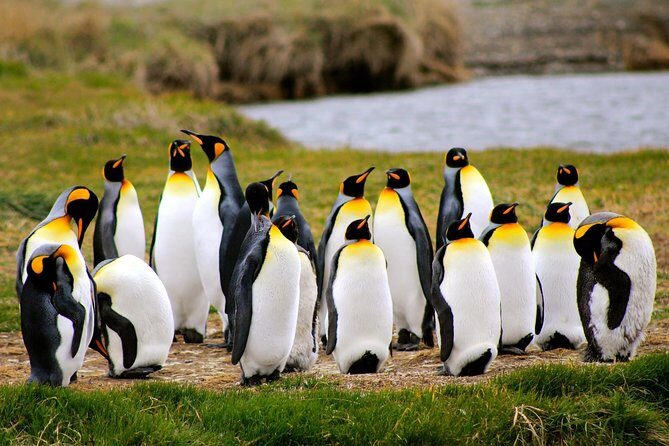
- 15-meter shore viewpoint at Parque Pinguino Rey for easy, behavior-focused viewing
- Bilingual guide plus park rangers who explain what you’re seeing and why it matters
- Roundtrip ferries included with the day’s schedule tied to crossing times
- Stops can vary between Cerro Sombrero and Porvenir depending on timing
- A very long day (about 14 hours) built around distance and timed access
- Reserve admission (CLP 17,000) is separate from the tour price
King Penguin Nature Reserve: the real reason this day feels worth it
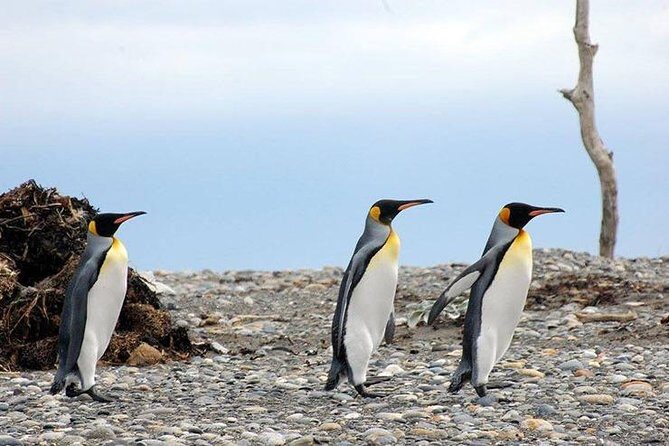
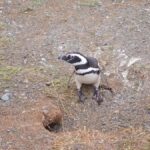
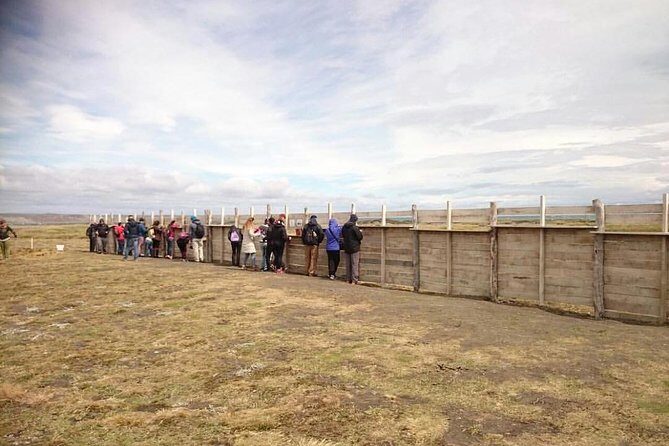
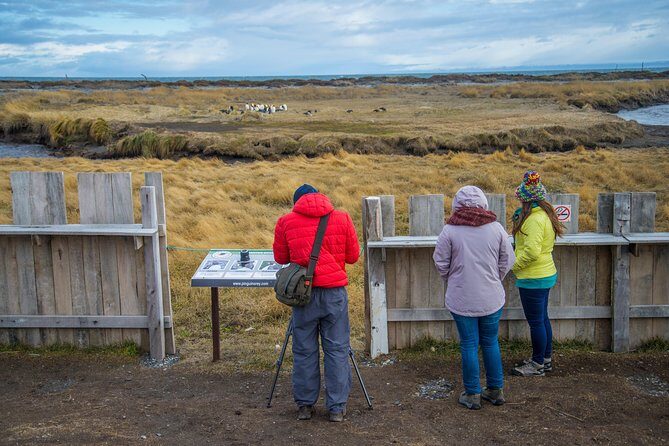
This tour’s star is the King Penguin Nature Reserve at Parque Pinguino Rey. You get an hour on site, and it’s not a distant “tiny dots in the wind” situation. The viewpoint is about 15 meters from the beach, so you can actually watch how the birds move, groom, and react to each other.
That matters, because King Penguins aren’t just pretty. Their whole story is behavior and survival: when they’re molting, when chicks appear, how the colony functions, and what “protection” looks like on the ground. At the reserve, the park guides give a short talk and then help you make sense of what you’re seeing from the viewing platform.
I also like that the experience isn’t just nature-watching with silence. In guides I saw on different outings (for example Alberto and José), the human part is strong: you learn enough about the region to stop treating everything as scenery. You’ll notice the difference between a random stop and a reason a place exists.
You can also read our reviews of more tours and experiences in Punta Arenas.
The “cold reality” check
Yes, it can be very cold and windy at the viewpoint. If you overdress like you’re going to a city museum, you’ll still be miserable. If you dress like you’re planning to stand outside for an hour (layers, wind protection, sunscreen), you’ll feel better fast.
5:00 AM in Punta Arenas: what a 14-hour day is really like
The day starts early. The meeting time is 5:00 am, and the total time is about 14 hours. That sounds like a lot until you remember where you’re going: Tierra del Fuego is huge, and Punta Arenas is the launch point.
Most of your time is spent on the road in a van, then broken up by included ferry crossings. One thing I found useful from the way people describe the trip: it’s not a “quick drive to the reserve.” It’s more like a full day built around the distance—so you’ll want to treat this as your main event, not a side quest.
You’ll also be grateful there’s a maximum group size of 15 travelers. In practice, that usually means less rushing and easier coordination at stops. You’re not fighting a crowd for a photo angle every time you get out of the vehicle.
Ferries and timing: why the schedule can flex
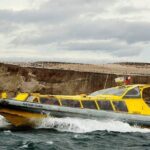
Ferry schedules are real life. The tour includes roundtrip ferry tickets, but the day’s exact flow depends on crossing times and reserve access. Some itineraries allow extra time for lunch in the area (either Cerro Sombrero or Porvenir), but that depends on confirmation tied to reserve timing.
So if you have plans the next day, keep them low-stakes. Weather can also cause delays, and in at least one case the ferry cancellation pushed things back. That doesn’t mean the tour is poorly run; it means Patagonia runs on its own timetable.
Estancia San Gregorio: the short stop that adds context
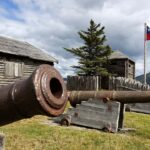
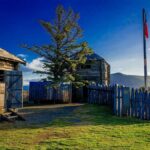
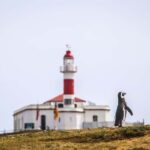
Stop 1 is Estancia San Gregorio, an old ranch area. You’ll spend about 30 minutes here, and admission is free.
This stop is quick, but it helps you understand what Tierra del Fuego was built around. The ranching tradition explains a lot about why the region looks and functions the way it does today. Even if your main goal is King Penguins, I think this part is worth the short time, because it turns the trip from purely “driving to birds” into a story about humans in the sub-Antarctic.
Your guide shares the history and importance of the ranch. That’s also where a bilingual guide shines: you’re not just hearing random facts. You’re getting a thread for the day.
What to watch for
If you like stretching your legs, this is one of your easier moments. It’s not long, but it’s not a rushed “out and back in” either.
If you want the most out of your day, use this stop to ask a question while you’re still fresh. Later you’ll be focused on the reserve, and this is where you can anchor your understanding.
Cerro Sombrero and Porvenir options: why these 2 hours matter
Stop 2 is Cerro Sombrero in many cases. The time here is about 2 hours, and admission is free.
Cerro Sombrero is tied to economic activity that shaped the regional story. It’s also close to the kinds of places where you’ll see how remote life works—small communities, long distances, and a sense of place built around industry and survival.
Depending on the itinerary (and the schedule confirmation you’ll be informed of the day before), lunch may happen in Cerro Sombrero or Porvenir. Either way, the idea is to break the day up and give you a real meal stop before the main reserve hour.
The practical downside
This is the kind of leg where some people feel the “filler” effect, because the penguins are the whole reason most of us come. If you go in with that expectation, you’ll judge the day more fairly. I treat Cerro Sombrero/Porvenir as the warm-up: it’s there to keep the drive from turning into one long bus nap.
And if you care about food quality, it helps to know options can be limited. Lunch is not included in the tour price, so you’ll rely on what the stop offers that day.
Parque Pinguino Rey: your one hour with King Penguins
This is Stop 3: Parque Pinguino Rey, also called the King Penguin Nature Reserve experience. You get about one hour to view the colony from a viewpoint roughly 15 meters from the shore.
Admission to the reserve is not included with the tour ticket. The reserve ticket is CLP 17,000 per person. On the plus side, the reserve is set up for viewing, so you’re not wandering and guessing. Park guides explain life cycles, behavior, and how protection works in this specific environment.
What you can realistically expect to see
King Penguins can look calm, but they’re busy. From past experiences described on the trip, you may see:
- behavior like grooming and molting
- chicks and signs of breeding season
- close-up moments at the viewpoint when birds move near the viewing area
Sometimes the birds feel closer than you’d expect from a shore viewpoint. That’s why binoculars help: you’ll catch details you miss with just the eye.
Ranger support and photo help
One of the best-value aspects here is that the reserve staff keep the viewing practical. In at least one description, the reserve had scopes that made it easier to see penguins in more detail without strain.
If you’re bringing a camera, consider that a zoom camera helps. The point isn’t only to take a pretty photo; it’s to actually record behavior—how they interact, how they stand, and how they move along the beach.
Dress like wind is part of the agenda
Even if you’ve packed “warm enough,” don’t underestimate the wind at the reserve. Think layers you can add and remove, wind protection, and warm socks if you tend to get cold.
Sunscreen matters too. One traveler specifically called out sunscreen and extra layers as key. That’s a Patagonia classic for a reason.
Price and value: what you’re paying for, and what you still need to budget
The tour price is $148.50 per person, and it’s offered by Turismo Viento del Sur. What you get for that base price:
- a bilingual guide
- an air-conditioned vehicle
- roundtrip ferry tickets
What’s not included:
- lunch
- King Penguin reserve admission: CLP 17,000 per person
How to judge the value honestly
If you only look at the headline price, it can feel steep—until you factor the day’s real structure. This isn’t a short hop. You’re paying for a guide who coordinates timed ferry crossings, timed access to the reserve, and the long drive that makes the colony reachable from Punta Arenas.
Also, the viewpoint setup is a big part of the value. When you can see penguin behavior clearly from a fixed platform, your viewing time is more productive. And the park staff talk is part of why people come back impressed, not just lucky.
My quick budget math (so you can plan)
Add reserve admission on top of the tour:
- CLP 17,000 per person for the reserve ticket
Then budget lunch separately. Lunch costs will vary, but one reported lunch stop was around $13–14 USD for a set meal with drink options.
If you’re the type who needs proper meals and hot drinks during a long day, bring extra cash so you’re not hunting for snacks under pressure.
Guide quality and the bilingual factor: what you should look for
One of the biggest strengths of this tour is that you get bilingual guiding. In different outings tied to this experience, guides like Alberto, José, Juan, Luis, Gabriel, Andres, and Atma are mentioned for doing clear explanations in English and Spanish, and for making the long drive feel less monotonous.
However, one balanced point: not every guide experience is described the same way. A couple of comments mention issues like English clarity or microphone problems. That tells me your best strategy is to go in expecting a bilingual experience but still bring your own coping tools:
- come prepared to focus during the reserve hour
- take photos and notes so you don’t feel like you missed something
- if you’re very language-dependent, consider choosing a time slot where you feel confident the group dynamics will work for you
If your guide is strong, you’ll get far more than penguins. You’ll hear why towns like Cerro Sombrero exist, how the region has been shaped by industry, and what the colony means in conservation terms.
Comfort, photos, and the small stuff that changes everything
This is a long day in a van with timed stops. So small comfort choices really matter.
Clothing and gear that pay off
- layers (it’s cold and windy)
- socks you can swap or keep warm
- sunscreen (yes, even in wind)
- binoculars (one traveler called out how much it improves the viewing)
- zoom camera if you like detail shots
Expect varied road conditions near the reserve
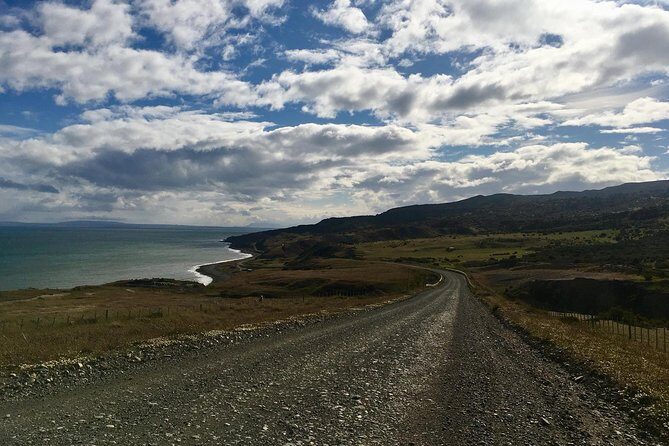
Roads are generally fine, but one description noted the last stretch—about 20 km—was dirt on the way back to the reserve area. That’s not dangerous, but it’s good to know so you don’t get surprised by dust and a more bumpy ride near the end.
Take advantage of animal surprises
The day isn’t only penguins. On the route you might see:
- guanacos and rheas
- Chilean flamingos
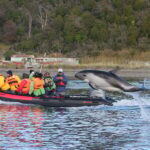
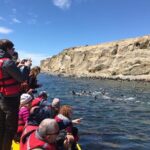
- dolphins during the ferry crossing
- sometimes other penguin species
This is why I like the drive portions. It’s not just transit. With the right guide, you get wildlife spotting and local context while you’re still far from the viewpoint.
Who this tour suits best (and who might want another option)
This tour fits you best if:
- you have at least a full day in Punta Arenas
- King Penguins are your top priority
- you don’t mind a long early start and a long ride back
- you’re okay paying extra for lunch and reserve admission
- you’re traveling in a small group setting (max 15)
It’s listed with moderate physical fitness. You’re not doing an intense hike, but you’ll be standing in wind at the viewpoint and walking short distances at stops.
It’s not recommended for children under 4 and not recommended for women over 27 weeks pregnant.
If you hate long travel days
If you’re the type who wants minimal time in a vehicle, this might feel like more of a marathon than a day trip. A couple of people judged the extra road time harshly when they felt the side stops didn’t add enough.
In that case, consider whether you want to prioritize comfort or penguins over everything else.
Should you book this King Penguin day trip from Punta Arenas?
I’d book it if you want a serious King Penguin encounter without flying to remote islands. The 15-meter shore viewpoint, plus ranger explanations and the reserve’s setup, make your hour count.
I’d think twice if you’re booking with a tight schedule or you can’t tolerate the idea that ferries and weather might shift your day. This is Patagonia. Your biggest risk isn’t penguin disappointment—it’s the calendar.
Here’s my practical call:
- If you can give this day full attention and dress for wind and cold, it’s a strong pick.
- If you’re only going for a quick glance and hate long driving days, you may feel like the trip is more travel than payoff.
If you do book, I’d prep for two things: reserve admission is extra, and the day starts at 5:00 am. Once you accept that, the penguin hour is the part you’ll remember.
FAQ
What time does the tour start in Punta Arenas?
The tour start time is 5:00 am. Your specific pickup point is confirmed at booking.
How long is the tour from Punta Arenas to the King Penguin reserve?
It runs for about 14 hours (approx.) from start to finish.
What’s included in the tour price?
The tour includes a bilingual guide, an air-conditioned vehicle, and roundtrip ferry tickets.
What costs extra during the day?
You’ll need to pay for lunch (not included) and the King Penguin reserve admission ticket of CLP 17,000 per person.
How much time do you get at the penguin reserve?
You have about one hour at Parque Pinguino Rey for viewing from the viewpoint.
Does the itinerary always include Porvenir?
Not always. Depending on timing and the schedule confirmation for Pingüino Rey, lunch and parts of the plan may be in Cerro Sombrero or Porvenir.
Is this tour suitable for kids or pregnancy?
It’s not recommended for children under 4 years old and not recommended for women over 27 weeks pregnant. It also calls for moderate physical fitness.
What happens if weather affects the tour?
The experience requires good weather. If it’s canceled due to poor weather, you’ll be offered a different date or a full refund.