REVIEW · SAN PEDRO DE ATACAMA
San Pedro de Atacama: Shared Moon Valley Tour
Book on GetYourGuide →Operated by Whipala Expedition · Bookable on GetYourGuide
Moon-dust sunsets in Atacama are a treat. This shared Valle de la Luna tour turns the desert into a geological show—sand dunes, strange rock shapes, and viewpoints that look almost otherworldly under shifting light. In roughly 4 hours, you’ll hike key spots like Duna Mayor and Las Tres Marías, then finish with sunset at Mirador de Ckari near Piedra del Coyote.
I especially like two things about this tour. First, the guided walking makes the terrain make sense. You’re not just marching through sand; your guide explains how the formations formed and what you’re actually seeing. Second, the sunset payoff is real: the final viewpoint is built for that last golden hour glow, and it’s tied to the most famous rocks in the area.
The main drawback to consider is that it’s still a desert hike. If you’re not into lots of walking on sandy ground (and you’re not comfortable in sun and cold extremes), it can feel like too much “dust and footsteps.” It also isn’t a fit for kids under 8, pregnant travelers, people with mobility impairments, or anyone over 70.
In This Review
- Key things I’d circle in your planning
- Why Valle de la Luna feels like a different planet
- Price and Logistics: $32 plus the reserve ticket
- Tocopilla 418 check-in: timing and what the group day feels like
- Duna Mayor: the first hike that sets the tone
- Valle de la Luna viewpoints: amphitheater energy and quick photo stops
- Las Tres Marías and Quebrada Honda: the rocks you’ll recognize later
- Sunset at Mirador de Ckari: your best light, your best patience
- What to bring: simple gear that makes the tour better
- Weather, reserve rules, and the reality of the Atacama
- Who this shared Moon Valley tour suits best
- Should you book this Shared Moon Valley Tour?
- FAQ
- How long is the Shared Moon Valley tour?
- Where is the meeting point for the tour?
- What time does the tour start?
- What’s included in the $32 per person price?
- Do I need to buy an entrance ticket to the reserve?
- What language is the guide?
- What should I bring?
- Is it okay to bring a drone or alcohol?
Key things I’d circle in your planning
- Duna Mayor hike: your first big stretch of sand and wide desert views
- Las Tres Marías (Tres Marias Formation): the rock shapes you’ll actually remember later
- Amphitheater observation: a classic stop where the geology looks dramatic in person
- Mirador de Ckari and Piedra del Coyote: the best-known photo anchor for sunset
- English or Spanish live guiding: explanations that turn sights into stories
- Shared tour rhythm: multiple short walks and photo stops that add up fast
Why Valle de la Luna feels like a different planet
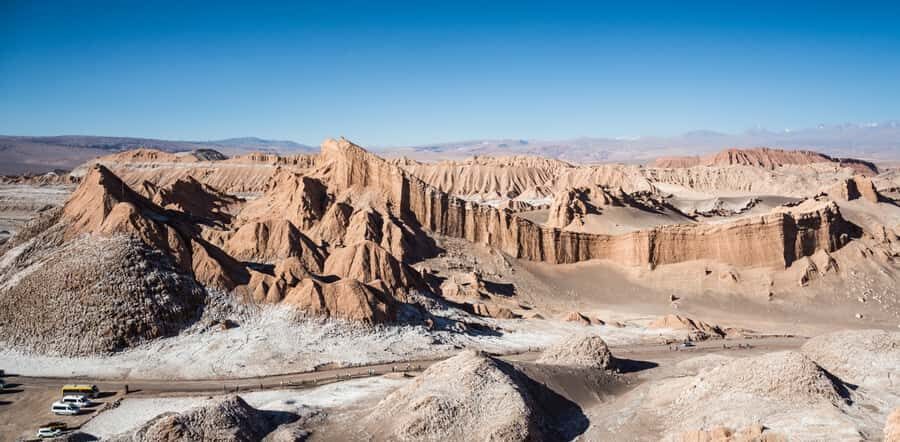
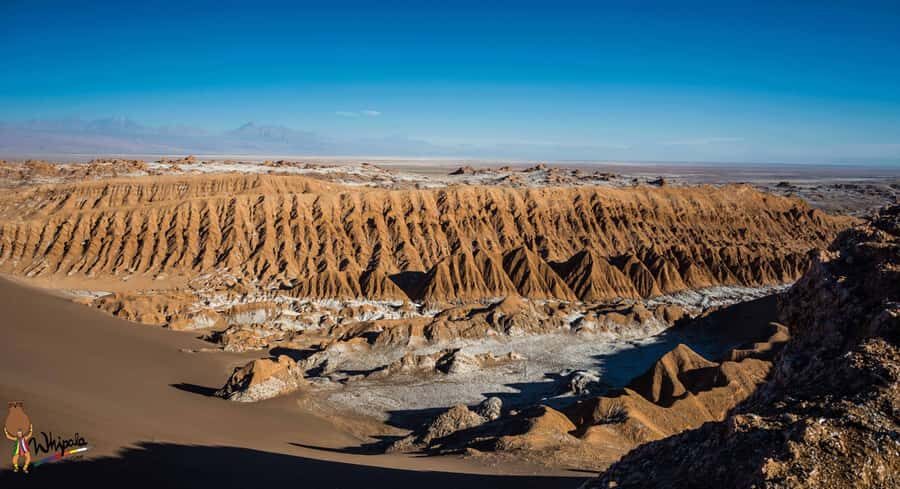
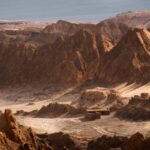
Valle de la Luna (Moon Valley) is one of those rare places where the ground looks like it belongs on another world. North Chile’s Atacama desert has a way of stripping everything down to the basics—rock, sand, wind, and light. This reserve is known worldwide for that lunar look, and it’s protected as a Nature Sanctuary. You’re walking through a part of the National Reserve Flamingos region, shaped over ages into formations that look sculpted by a giant hand.
A nice bonus here is that the tour language keeps your eyes open. The guide points out what early locals called the area and connects it to what you see today. That matters because without context, a lot of desert terrain can start to look like more desert. With context, you start spotting patterns—like where the dunes sit, how certain rock shapes stand out, and why some viewpoints feel like they were chosen on purpose.
You can also read our reviews of more tours and experiences in San Pedro De Atacama.

Price and Logistics: $32 plus the reserve ticket
The headline price is $32 per person for a shared tour that lasts about 4 hours. For the Atacama region, that’s a fair deal because you’re getting transportation, a live guide, and multiple timed stops. You’re not paying extra for every single viewpoint.
One cost you need to budget separately is the entrance ticket to the National Reserve. It’s $10,800 Chilean Pesos per person, and you buy it in advance at valledelaluna.com (before your tour). If buying tickets online sounds like a headache, the operator provides a help contact in case you run into issues.
Here’s how I think about the value: if you’re already planning a dedicated Moon Valley outing, this package reduces the hassle. You’ll still pay the reserve fee, but you’re not trying to stitch together transport, timing, and guides on your own.
Tocopilla 418 check-in: timing and what the group day feels like
You meet at the agency address in San Pedro de Atacama downtown: Tocopilla #418. Presentation time is 15:50 in summer and 14:50 in winter. That timing isn’t random—it lines you up for the long set of viewpoints and the big finish at sunset.
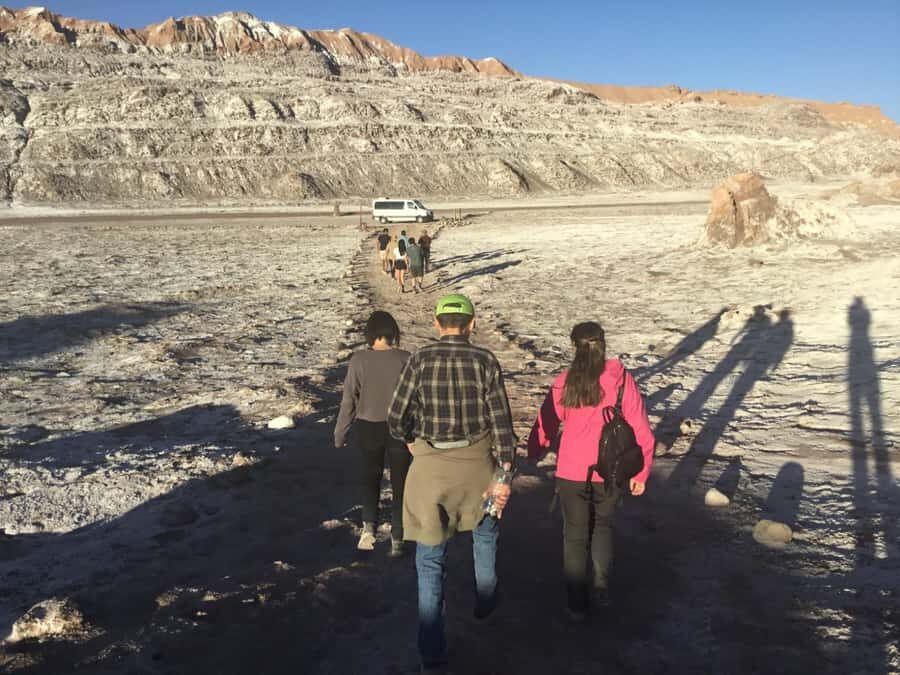
You’ll ride by coach between stops. The day starts with a short safety briefing, then you head out to the key sites in a series of short photo stops and short hikes. That structure is good for most people because it keeps your energy from dropping too fast. But it also means you’ll be moving consistently rather than spending one long session at a single spot.
Language is practical: your guide offers live English and Spanish. In the best moments, the guide’s speaking style really helps you keep track of what you’re seeing. If you get a guide with strong English delivery and a fun, social energy—like names that show up such as Sheryl, Ernie, Cris, or Nicolas—you’ll likely feel like the hike has momentum rather than just sand underfoot.
Duna Mayor: the first hike that sets the tone
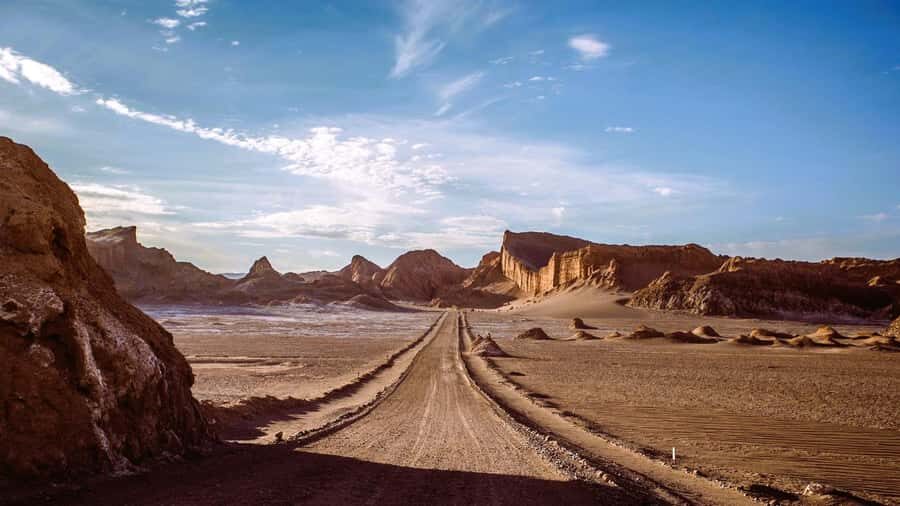
Duna Mayor (the Major Dune) is the stop that makes your legs understand the desert fast. You’ll get a photo stop and a guided explanation, then you’ll hike and climb up through the sand for wide views.
What I like about this part is that it gives you a baseline. Once you’ve climbed one dune and looked out, the rest of Valle de la Luna starts to click into place. You can see how the dunes sit in relation to rock formations and why certain lookouts are worth the extra steps.
Practical tip: bring real hiking shoes. Flat sandals don’t cut it on sandy slopes. Also plan for sun. Even when the air feels dry, the direct rays can sneak up on you during the climb.
Valle de la Luna viewpoints: amphitheater energy and quick photo stops
After the first dune, you’ll head through additional Valle de la Luna moments—guided walks, short hikes, and photo stops that build toward the final show.
A highlight in this section is amphitheater observation. The word “amphitheater” can sound like a man-made feature, but here it’s the natural rock setting and the way the terrain frames viewpoints. It’s one of those places where the shape of the ground helps you understand scale. You stand in the “right” place and the area looks intentionally arranged, even if it formed through slow geological forces.
Expect a mix of:
- quick photo opportunities where you’ll want to pause and reframe
- short guided stretches where the guide points out the rock and sand clues
- walking that stays manageable, but keeps adding up
If you’re the type who likes stopping every 10 minutes to admire things, you’ll love this. If you want a sit-down tour with long, cushy breaks, you may feel rushed between photo stops.
Las Tres Marías and Quebrada Honda: the rocks you’ll recognize later
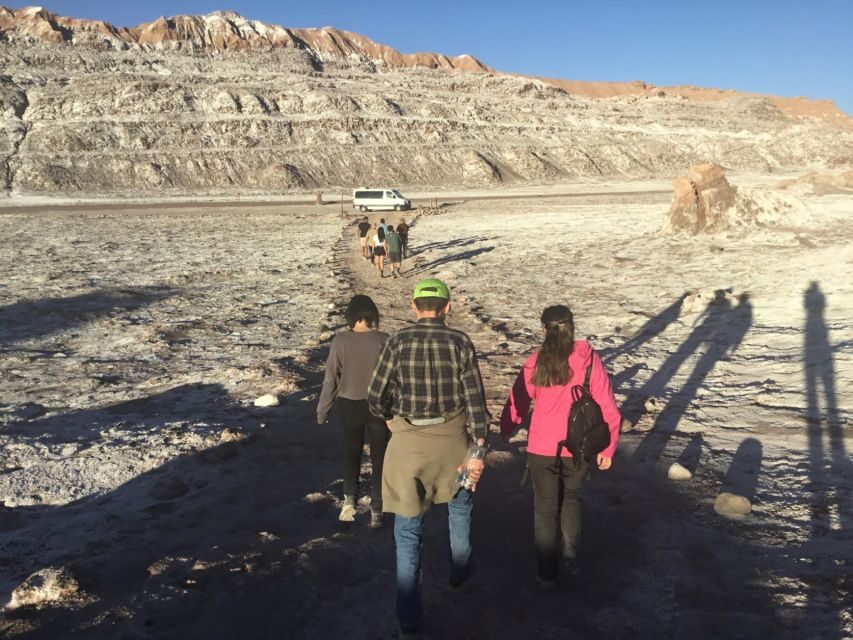
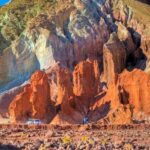
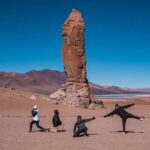
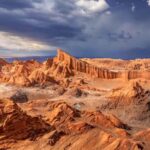
The tour’s signature geology includes Las Tres Marías—also known historically as Los Tres Vigilantes and referred to as the Tres Marias Formation in tour highlights. You’ll hike to visit these famous rock shapes, which stand out because they look like they’re posed rather than randomly placed.
This is the part of the day where the guide’s explanations can really help. When someone shows you how the rocks relate to the wider desert setting—what minerals and formation processes might be involved—you stop thinking of it as just a pretty set of rocks and start seeing it as a natural timeline.
Then there’s Quebrada Honda, where you’ll find Piedra del Coyote (also linked with the Mirador de Ckari viewpoint). This is a memorable stop because it’s specific. Instead of generic “view over the desert,” you’re hunting for a known formation. That focus makes it easier to experience the tour, especially if you’re trying to photograph well without getting overwhelmed.
Sunset at Mirador de Ckari: your best light, your best patience
The final segment is sunset at Mirador de Ckari, tied to Piedras del Coyote. This is why the tour timing matters. You’re not just tagging a sunset at the last second. You’re traveling between points and saving the big light show for the end.
Expect a longer walk and a scenic stretch leading into the viewpoint. You’ll have time to take photos and simply watch the desert shift colors as the sun drops. The wind can pick up near sunset in deserts, so layers help. Even if you’re used to dry climates, Atacama nights can feel noticeably cooler.
My photo advice is simple:
- arrive with your camera settings roughly ready
- take wide shots first, then switch to details
- don’t block the group path while you fiddle with gear
And if you’re traveling with friends, this is where you’ll likely feel the group energy click. Sunset does that. People naturally stop rushing.
What to bring: simple gear that makes the tour better
You don’t need camping equipment. But you do need the right basics for desert hiking.
Bring:
- hiking shoes
- sunscreen
- water
- weather-appropriate clothing
What I’d add mentally: wear something that dries quickly and layers you can adjust. You’ll be in bright sun for hikes and cooler air near sunset.
Not allowed:
- drones
- alcohol or drugs
- alcoholic drinks in the vehicle
That last point matters because some tours are fine with bringing your own drinks. Here, alcohol isn’t allowed in the vehicle, so plan for water and whatever non-alcoholic items you prefer.
Weather, reserve rules, and the reality of the Atacama
One thing I respect about this tour setup is that it acknowledges reality. The reserve is administered by Indigenous communities, and in case of bad weather or emergencies they may close or change hours. That’s not the agency’s fault, and it’s part of operating in a living environment rather than a theme park.
Translation for you: check weather expectations on the day of your tour and keep your plans flexible. Desert weather can shift quickly—sun can turn to wind, and sometimes visibility isn’t what it needs to be for sunset.
Also note the operator requires a minimum number of people to run the service. If they don’t hit that threshold, they may join another partner agency. That usually keeps the tour running, but it can mean the group experience feels slightly different day to day.
Who this shared Moon Valley tour suits best
This is a good match if you:
- want a structured way to see the key Valle de la Luna sights in one outing
- enjoy short hikes and photo stops rather than one long stop
- like geology explanations while you walk
- want a sunset finish without trying to coordinate everything yourself
It’s not a good match if you:
- hate walking on sandy ground
- need lots of mobility support
- are traveling with children under 8, are pregnant, or need accessibility accommodations
- are over 70 (the tour notes it isn’t suitable for that age group)
If you’re a solo traveler, it’s still a solid choice because the shared format tends to mix people into a single day rhythm. And when your guide has energy—names like Sheryl, Ernie, Cris, or Nicolas show up in the guide pool—you’ll likely feel included rather than left behind.
Should you book this Shared Moon Valley Tour?
Yes—if you want the classic Moon Valley highlights and you’re comfortable with a desert hike schedule. The biggest reasons to book are the mix of Duna Mayor, Las Tres Marías, and the final sunset at Mirador de Ckari/Piedras del Coyote, plus the fact that you’ll have a live guide explaining what you’re seeing.
I’d hesitate only if you strongly dislike walking in sun and sand or if you’re traveling with mobility limits. Also, make sure you budget the reserve entrance ticket in advance at valledelaluna.com, since it’s not included in the $32 price.
If you can handle a few hikes and you want that lunar-desert feeling at golden hour, this is one of the easiest ways to get the full experience without turning your day into a logistics puzzle.
FAQ
How long is the Shared Moon Valley tour?
It lasts about 4 hours.
Where is the meeting point for the tour?
Meet at Tocopilla #418 in downtown San Pedro de Atacama.
What time does the tour start?
Presentation time is 15:50 in summer and 14:50 in winter.
What’s included in the $32 per person price?
The tour includes the Moon Valley Tour with visits to the amphitheater, Major Dune (Duna Mayor), Tres Marias Formation (Las Tres Marías), and the viewpoint of Ckari (Piedra del Coyote), plus departure from the agency and return to the town center.
Do I need to buy an entrance ticket to the reserve?
Yes. The reserve entrance ticket costs 10,800 Chilean Pesos per person and must be purchased in advance at valledelaluna.com.
What language is the guide?
The guide provides a live tour in English and Spanish.
What should I bring?
Bring hiking shoes, sunscreen, water, and weather-appropriate clothing.
Is it okay to bring a drone or alcohol?
Drones are not allowed. Alcohol and drugs are not allowed, and alcoholic drinks are not allowed in the vehicle.