REVIEW · SAN PEDRO DE ATACAMA
Full Atacama – SORBAC (group tours)
Book on Viator →Operated by Sorbac · Bookable on Viator
Atacama compresses a whole planet into six days. This Full Atacama group tour from San Pedro de Atacama strings together the big hitters—Salar de Atacama lagoons, Geysers del Tatio, and Puritama hot springs—plus quieter viewpoints that make the whole week feel like one long story.
I love how the itinerary balances the iconic stops with hands-on time to actually do something: swim in salt lagoons, walk lagoon trails, and hike desert paths instead of just snapping photos from the roadside. I also like the food plan, because it’s not an afterthought—breakfasts and lunches are timed so you’re eating when you’ve earned it, including early, hot fuel before the cold mornings at Tatio.
One real consideration: the early starts and altitude. You’ll be up for pre-dawn departures on multiple days, and even if you’re fit, you’ll want a calm pace and good hydration to handle the rhythm.
In This Review
- Key highlights you’ll feel right away
- First impressions in San Pedro: a tour that covers the corners
- Price and meals: where your money goes (and where it doesn’t)
- Group size and pacing: how the days stay intense, not chaotic
- Day 1: Baltinache salt lagoons, Magic Bus photos, and a sunset cocktail
- Day 2: Laguna Tebenquiche, Ojos del Salar, Cejar’s floating lagoon, and Valle de la Luna
- Day 3: Capricorn line, Piedras Rojas, Tuyajto viewpoints, and the Miscanti–Miniques hike
- Day 4: Geysers del Tatio sunrise, Guatin canyon trekking, and Puritama hot springs recovery
- Day 5: Valle Arcoiris minerals, Hierbas Buenas petroglyphs, Toconao artisans, and flamingos at Chaxa
- Day 6: Lejia’s early breakfast views, Aguas Calientes salt calm, and the Jere brunch walk
- Food on the road: why the included meals are more than convenience
- Guides and comfort: what SORBAC’s team is known for
- Who this tour fits best (and who might feel it)
- Final verdict: should you book Full Atacama – SORBAC?
- FAQ
- What time does the tour start in San Pedro de Atacama?
- Are pickup and drop-off included?
- What meals are included during the 6 days?
- Are entrance tickets included in the price?
- How big is the group?
- What fitness level do I need?
Key highlights you’ll feel right away
- Small group energy (max 10 travelers) helps the day move smoothly and keeps your guide responsive.
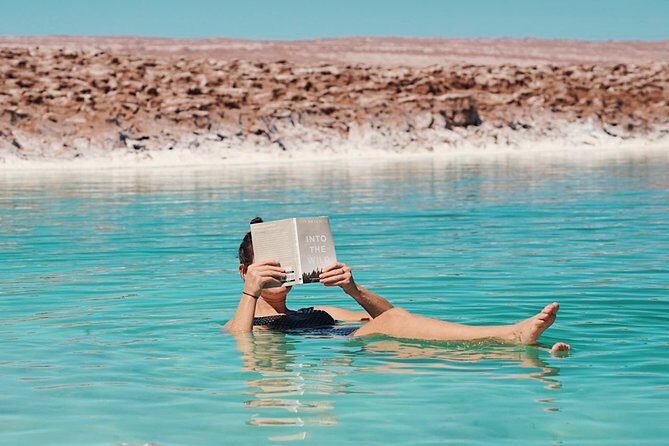
- Salt-lagoon time is built in: Baltinache, Cejar, Ojos del Salar, and Chaxa aren’t just viewpoints.
- Sunrise and sunset moments are scheduled (Tatio mornings, Lejia early breakfast, and sunset cocktails).
- Day 4 is your recovery day with Puritama’s 7 thermal pools after the geysers.
- Food is planned across the whole week with multiple breakfasts and lunches timed around excursions.
- Entrance tickets are separate (around $71,000 CLP per person), even though some stops are free.
First impressions in San Pedro: a tour that covers the corners
The big appeal of Full Atacama is that it doesn’t treat San Pedro de Atacama like a basecamp for single-day hits. You’re moving through very different environments across multiple days, from salt flats to high-altitude lagoons, from rocky desert valleys to geothermal fields.
I like that the tour feels built for people who want “all the important stuff” without having to play itinerary Tetris. Pickup is offered, and you start the main day around midday, then the schedule progressively leans into the early-morning classics.
You can also read our reviews of more tours and experiences in San Pedro de Atacama.

Price and meals: where your money goes (and where it doesn’t)
At $1,090 per person for about 6 days, this is not a cheap add-on. But you are paying for transportation, expert guiding, and a steady stream of meals, which is a big deal in Atacama where convenience can be pricey.
Meals are included on most days: breakfast 3 times, lunch 5 times, and dinner 2 times. On cold mornings like Geysers del Tatio, having breakfast arranged for you matters more than it sounds. You’re not just hungry—you’re trying to function in thin air.
What’s not included is entrance/admission for the attractions, listed as $71,000 CLP per person. Some sights in the schedule show as free, but you should still budget for the paid admissions lot so you’re not surprised.
Group size and pacing: how the days stay intense, not chaotic
This runs with a maximum of 10 travelers, which changes the whole feel. You get enough people for energy and logistics, but not so many that you’re always waiting at the back of the line.
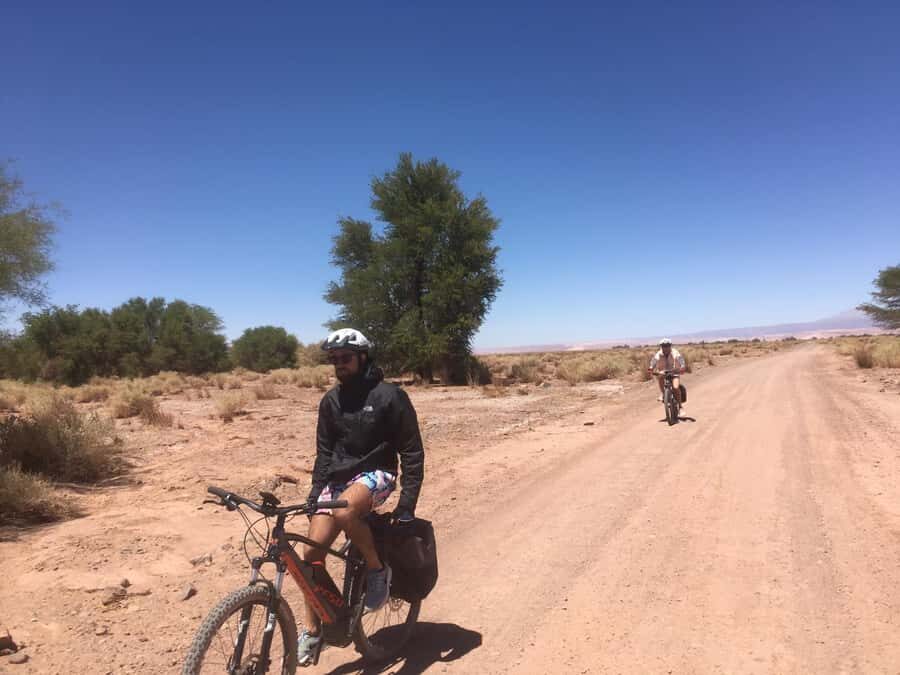
The pacing is active. “Moderate physical fitness” is your guide here, and it fits the mix of short hikes, desert walking, and canyon trekking. You’ll likely spend plenty of time outside, and at these altitudes, even a “short” walk can feel like work.
Day 1: Baltinache salt lagoons, Magic Bus photos, and a sunset cocktail
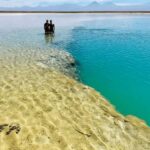
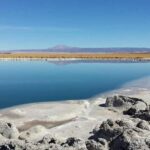
Day 1 opens with pickup starting around 12:00–12:30. First up is Lagunas Baltinache, reached after about an 80-minute drive. This is one of those stops where you’re meant to slow down: you can swim in salt lagoons, and lunch is prepared afterward (after the water time), so the meal doesn’t feel random.
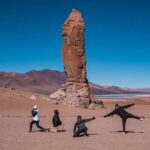
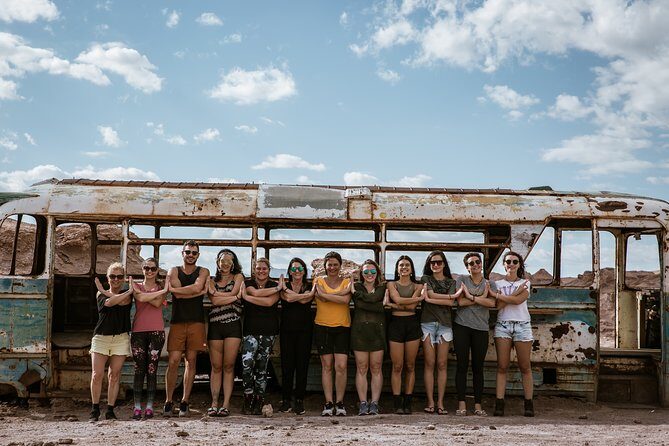
Next comes the Cordillera de la Sal and the famous Magic Bus—an abandoned bus in the desert that turns into your photo set in a landscape that looks otherworldly. You also get a short walk, which is a nice change from only standing and shooting.
Finally, you’ll head to Valle de Marte / Valle de la Muerte for the viewpoint experience. The highlight here is the sunset timing, plus a cocktail at the top. The day ends with drop-off back at your accommodation, so you can decompress without stressing about transport.
Day 2: Laguna Tebenquiche, Ojos del Salar, Cejar’s floating lagoon, and Valle de la Luna
You start Day 2 with a morning pickup around 09:00, and the first stop is Salar de Atacama with Laguna Tebenquiche. You get about 45 minutes to explore lagoon trails and take in the Andes views—more walking time than you’d expect for a “lagoon stop.”
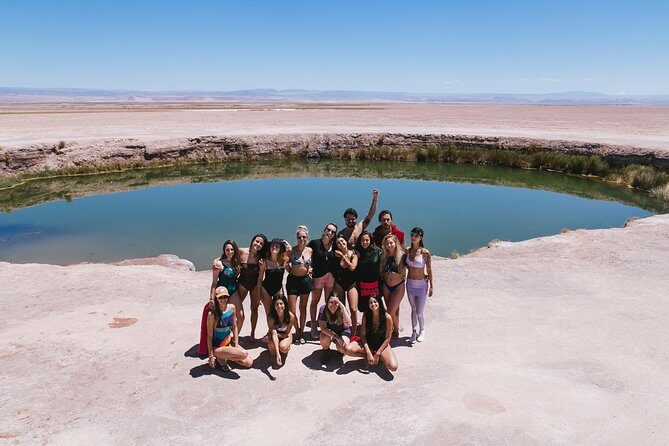
Then it’s on to Ojos del Salar, described as two freshwater lagoons inside the salar. You’ve got a shorter window here, but it’s set up for people who want to go beyond looking: for the bold, there’s a bath option.
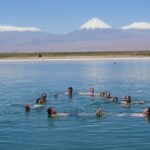
After that, you hit Laguna Cejar, one of the main attractions in the area. The idea is simple: you arrive at the tourist center, you get time for the salt bath and the complex stroll to see the other lagoons, and then your guide prepares lunch with a mountain view.
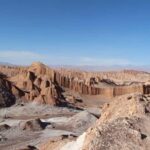
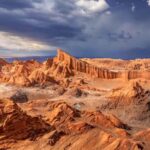
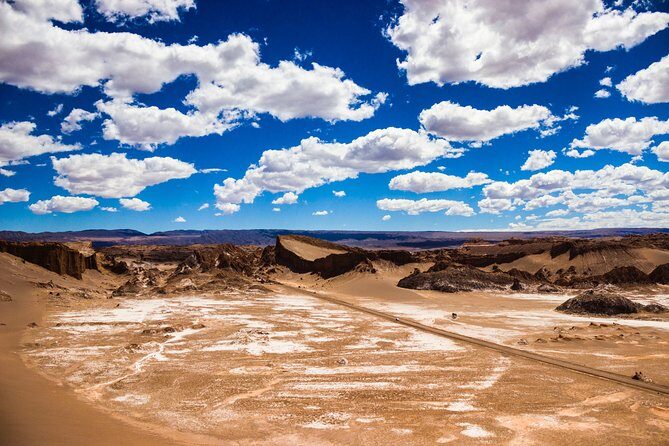
The last stop is Valle de la Luna, where you’ll tour key points, hike on desert trails, and see distinctive salt-and-rock formations. You’ll finish the day with drop-off back to your lodging.

Day 3: Capricorn line, Piedras Rojas, Tuyajto viewpoints, and the Miscanti–Miniques hike
Day 3 is a mix of iconic boundary points and big scenery from high-up viewpoints. You’ll be picked up around 09:00, and the first stop is the Hito Tropic of Capricorn. Expect some technical explanation from your guide and plenty of quick photo opportunities.
Next is Piedras Rojas and nearby views over Salar de Aguas Calientes, with sightlines that include Capur and Talar salt flats. Your time is short, but it’s built for the “see it, frame it, move on” rhythm that works well in this region.
Then you’ll go to Laguna Tuyajto, where the visit is from a viewpoint. You get time to enjoy the Altiplano views and photos, and you continue toward lunch after the viewpoint segment.
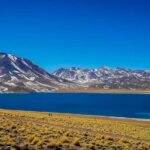
The day closes with Lagunas Altiplanicas, including a hike along the path of Miscanti and a continuation to Miniques. You’ll spend about an hour here, which is enough to feel like you did something meaningful, not just checked off a name.
Day 4: Geysers del Tatio sunrise, Guatin canyon trekking, and Puritama hot springs recovery
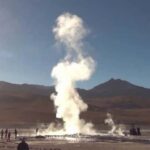
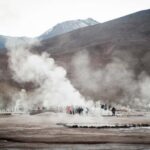
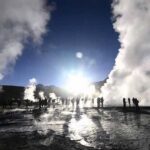
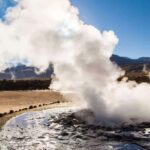
Day 4 starts with one of the toughest logistics, in the best way: pickup around 05:30. The ride is about 90 minutes to Geyser del Tatio, and the point is to catch the active geysers when the area is at its most atmospheric. Your guide leads you among active fumaroles and water outlets, and they provide instructions so you know what you’re looking at.
Then comes the underrated part: a hot breakfast to shelter you from low temperatures. If you’re trying to plan your energy right, this is a major win.
After Tatio, you trek into Canon de Guatin. It’s about a two-hour trekking segment where you’ll appreciate the canyon scenery and vegetation alongside a stream—so you get a break from pure salt-flat views.
The day finishes at Termas Banos de Puritama. You get access to 7 thermal pools at different temperatures, with some pools featuring natural waterfalls. After the bath, you’ll have lunch, and then you’re dropped off back at your accommodation. This ending is smart: it turns a physically demanding day into a “recharge” day.
Day 5: Valle Arcoiris minerals, Hierbas Buenas petroglyphs, Toconao artisans, and flamingos at Chaxa
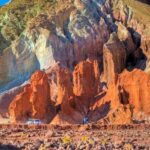
Day 5 starts early, around 07:00, with Valle Arcoiris. Here you’ll see rock formations loaded with minerals that create the color effect, and breakfast is served so you’re fueled for the next stop.
Then it’s Petroglyphs of Hierbas Buenas, where you’ll observe ancient drawings in the rock formations. The stop is short, but the payoff is bigger when your guide gives context so the symbols feel like part of living history rather than just shapes on stone.
Later you’ll head to the town of Toconao for time in the main square and around the church. There’s also free time for local artisans, which is one of the best ways to support communities without turning your visit into a shopping stop.
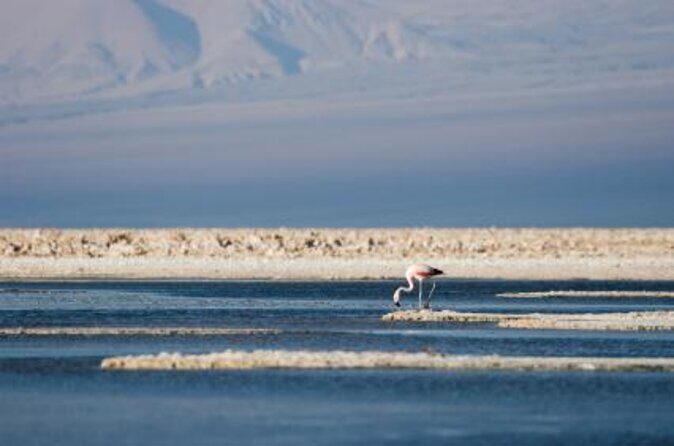
The day’s finale is back in the Salar de Atacama with Laguna Chaxa. You tour the lagoon area, learn about fauna, then walk trails to see flamingos, which are the main draw here. At sunset you get a cocktail and sunset moment, and then the guide drops you back.
Day 6: Lejia’s early breakfast views, Aguas Calientes salt calm, and the Jere brunch walk
Day 6 is the calm-but-still-spectacular finale, with pickup around 06:00. At Laguna Lejia, your guide prepares breakfast, and you explore the area while taking in views from one of the highest lagoons at sea level (as described). You’ll also look out toward peaks like Chiliques, Láscar, Aguas Calientes, and Acamarachi, which helps make this the kind of place you remember long after the trip ends.
Next is Salar de Aguas Calientes. You’ll get time to enjoy the salt-flat scenery at a slower pace, then you go up to Overo Crater.
Near the end there’s also a segment where the guide shares information about old towns and their history. The final outdoor push is Valle de Jere, with a short walk and brunch. It’s a nice ending rhythm: a last stretch of walking plus a relaxed meal, then you’re done.
Food on the road: why the included meals are more than convenience
In Atacama, food is part of your trip strategy. You’re dealing with cold mornings, sun exposure, and the basic fact that walking takes more effort at altitude than it does at sea level.
I like how this tour schedules meals around the physical reality of the day: breakfast is delivered when mornings are brutal (Tatio) and lunch is prepared when you’ve already spent time outdoors and earned downtime (Cejar is a good example). Dinner days add comfort to the week by giving you at least some structured time rather than scrambling for food after long days.
One small practical tip: if you tend to get cold easily, you’ll probably appreciate having a layer that you can wear between the “hot food” and “walk outside” portions of each day.
Guides and comfort: what SORBAC’s team is known for
SORBAC’s strong point is the guide-led experience. Across the feedback, people repeatedly highlight guides by name—like Fabian, Pedro Pablo, Checho, Titã, and Cristian—for being responsive and expert, not just someone reading a script. You can also see a theme of care in how the days are paced and how people are supported when the itinerary gets demanding.
Comfort also shows up in the way the tour is described by guests: rides are portrayed as smooth and, in some cases, air-conditioned. Even if you’re focused on the outdoors, you’ll notice comfort during long drives because Atacama days include serious transit time.
Who this tour fits best (and who might feel it)
This is a great fit if you want a single organized plan that covers major San Pedro de Atacama highlights without you having to stitch together five different tours. It also works well if you like having time for real experiences—bathing in salt lagoons, walking lagoon trails, and doing short hikes—rather than only viewing from a vehicle.
It’s less ideal if you hate early mornings or you prefer a slower pace with fewer active segments. The schedule is built for adventure days, and even “moderate” fitness will be tested by altitude and the quantity of time outside.
Final verdict: should you book Full Atacama – SORBAC?
I’d recommend booking Full Atacama – SORBAC if your priority is depth across the Atacama highlights in one tight package: salt lagoons, geysers, thermal pools, petroglyphs, flamingos, and high-altitude lagoons. The included meals and the small-group cap of 10 travelers make it feel like good value for the amount of guiding and time you get.
I’d think twice if your schedule is tight for early departures or you’re looking for a mostly relaxed vacation. This is an expedition-style week with a clear rhythm, and it rewards people who show up ready to move.
If you’re deciding, ask yourself one simple question: do you want the heavy hitters plus meaningful walking time, or do you want a slower, more flexible set of standalone tours? This one leans heavily toward the first choice.
FAQ
What time does the tour start in San Pedro de Atacama?
The meeting start time is listed as 12:30 pm, with day one pickups beginning around that midday window.
Are pickup and drop-off included?
Pickup is offered, and at the end of multiple daily excursions you’re left at your respective accommodation.
What meals are included during the 6 days?
Breakfast is included 3 times, lunch is included 5 times, and dinner is included 2 times.
Are entrance tickets included in the price?
Entrance tickets are not included. You’ll need to pay about $71,000 pesos per person for admissions to the attractions.
How big is the group?
This tour has a maximum of 10 travelers.
What fitness level do I need?
The tour notes a moderate physical fitness level. The itinerary includes walking and trekking segments, plus early departures.