REVIEW · SAN PEDRO DE ATACAMA
San Pedro de Atacama: Valle de la Luna Guided Tour
Book on GetYourGuide →Operated by Feel Atacama · Bookable on GetYourGuide
Moon Valley feels like a movie set. This 4-hour guided trip from San Pedro de Atacama takes you into the Atacama’s stark beauty, with van rides, short walks, and big-sky desert drama. You’ll also explore Los Flamencos National Reserve, then head to the classic viewpoints that people come back for again and again.
I especially like the mix of geology and timing: the Duna Mayor salt-deposit views are pure wow, and the short hike to Tres Marias gives your legs a break while your eyes get a workout. The best payoff is the sunset stop at Ckari viewpoint, wrapped up with snacks and a traditional pisco sour cocktail. One possible drawback: the end of the tour can feel crowded and a bit cold/windy at sunset, so you’ll want to dress for that and keep your expectations flexible.
In This Review
- Key things to know before you go
- From San Pedro to Moon Valley in one smooth half-day
- Los Flamencos National Reserve: where the setting gets serious
- Duna Mayor lookout: the salt deposits that steal the show
- Tres Marias and Anfiteatro: short walk, big erosion stories
- Ckari viewpoint at sunset: cold wind, pisco sour, and the last photos
- Price and what $63 buys you in real time
- What to bring (and what to avoid) so the desert doesn’t ruin your day
- Should you book the San Pedro Valle de la Luna guided tour?
- FAQ
- How long is the Valle de la Luna guided tour?
- What’s included in the $63 price?
- Do I need to bring an ID or passport?
- What languages does the guide speak?
- Is the sunset part included?
- What should I wear for the desert walking?
- Are drones allowed?
- What’s the pickup timing rule?
- Can I cancel for a refund?
Key things to know before you go
- Hotel pickup + van access: you don’t have to figure out roads or parking in the desert.
- Los Flamencos National Reserve stop: a quick taste of the area’s famous protected desert zone.
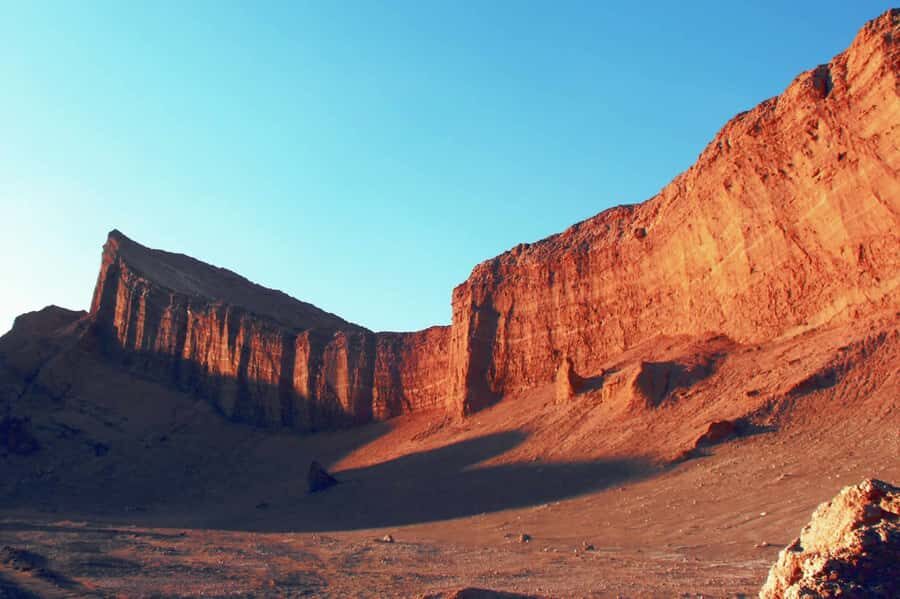
- Duna Mayor salt deposits: a focused viewpoint that’s built for photos and scale.
- Tres Marias walking segment: short trail time to see erosion-shaped rock formations.
- Anfiteatro + Ckari: multiple viewpoints so you’re not stuck with only one photo angle.
- Pisco sour moment at sunset: appetizer + cocktail to close the loop after walking.
From San Pedro to Moon Valley in one smooth half-day
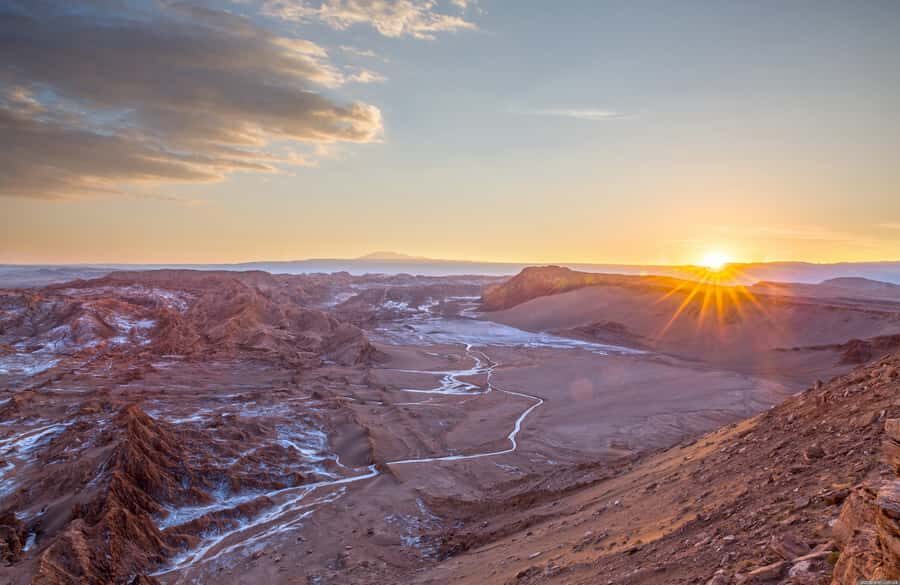
San Pedro de Atacama sits on a high plateau in the Andes, and that altitude shows up fast once you’re outside. This tour starts with pickup from your hotel lobby, then you climb into the van and head straight toward Valle de la Luna (Moon Valley). It’s a good setup if you want the highlights without turning your afternoon into navigation duty.
The pacing is also built around the desert’s limits. You get time at key spots, plus a short hiking stretch, but it’s not a long trek. That matters because the terrain is rough and the sun can be intense—plus the views really do improve as the light shifts. Many people use this as their “first desert day,” since it hits the big themes: salt, erosion, and that unreal “alien” visual effect you only get here.
For guides, the tour is offered in Spanish and English, and the on-the-ground experience tends to depend on the guide you get. On past departures, you’ve seen names like Ariel, Valentin, Marco, Alejandro, Chris, and Lukas—and the common theme is keeping the group moving while still explaining what you’re looking at. If you’re English-first, aim to sit where you can clearly hear stops and ask questions when you’re standing still.
Reality check for your comfort: it can get cold and windy near sunset. I’d plan on layers even if San Pedro feels warm earlier in the day.
You can also read our reviews of more guided tours in San Pedro De Atacama
Los Flamencos National Reserve: where the setting gets serious
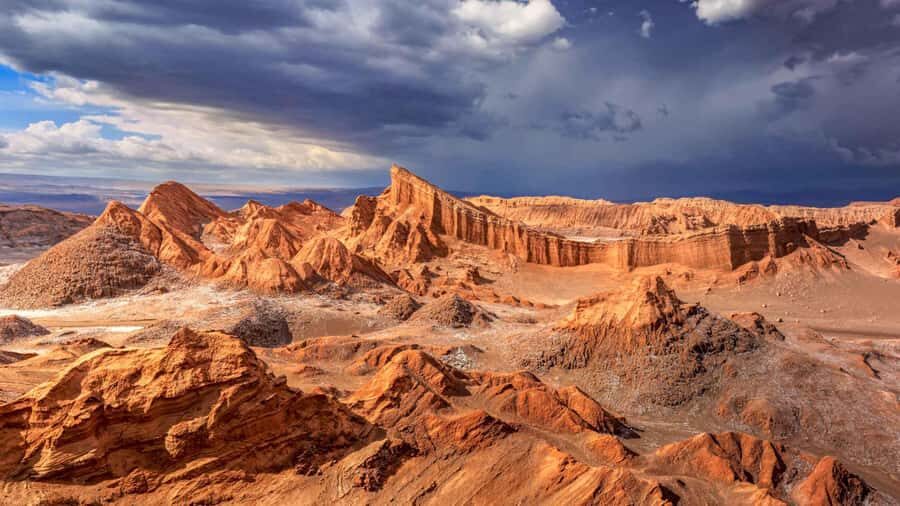
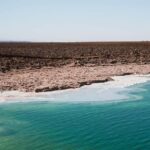
Before you hit the signature viewpoints, the route includes time at Los Flamencos National Reserve. This is where the desert starts feeling less like a backdrop and more like the main character. The reserve stop is usually short, but it’s valuable because it places you inside the bigger protected-area context of the Atacama rather than just circling a few photo points.
What you’re looking for here is scale and texture. The desert can look flat from far away, but up close you start noticing subtle color changes, salt-related surfaces, and the way the wind seems to have done the “finishing” over time. This reserve portion also helps break up the day: you’re not rushing straight from pickup into the biggest dunes. Instead, you get a sense of the environment before you step into the classic Moon Valley icons.
One practical thing: since you’ll be in and out of the van, it helps to keep a simple kit ready—sunscreen, sunglasses, and a hat—so you’re not digging through your bag at each stop. And if you have any questions about the formations you’ll see later, this is a decent time to ask. Guides often use the early portion of the outing to set the context so later viewpoints make more sense.
Duna Mayor lookout: the salt deposits that steal the show
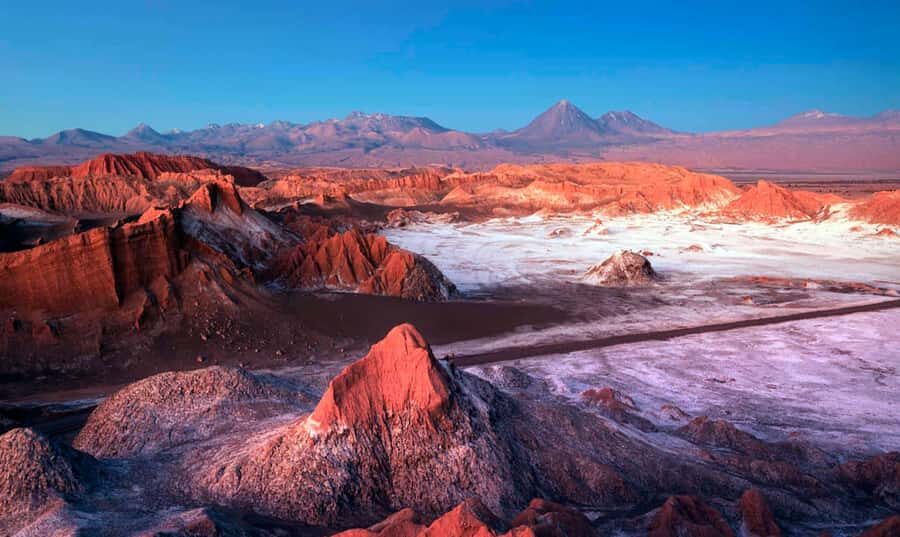
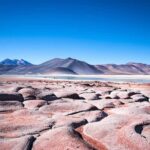
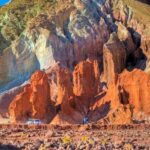
Then comes the part that people remember: the Duna Mayor viewpoint, focused on salt deposits scattered across the desert. Duna Mayor is one of those stops where photos can’t fully capture the effect. From the right angle, the salt looks like pale stone spread over darker ground, and you start seeing how the desert has been shaped by both chemistry and wind.
This viewpoint is a big deal for value because it’s visually “dense.” You don’t need lots of walking to get a strong payoff. You stand, you look, you compare what you see with what the guide explains about erosion and salt surfaces, and you let the light do its work.
Here’s how to make it work for you:
- Give yourself a minute to find the best vantage point, then take your photos.
- Try stepping a few paces left and right before you commit to the shot.
- If the wind is kicking up grit, keep your camera strap short and your lens protected.
Also, remember that Moon Valley is popular. That’s part of why the guide matters: a good guide helps you get the most from the viewpoint without you feeling like you’re just trapped in a line.
Tres Marias and Anfiteatro: short walk, big erosion stories
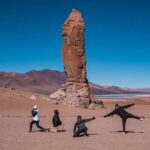
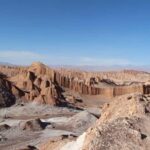
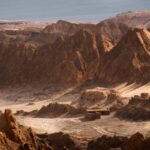
Next you follow a short hiking trail to Tres Marias, rock formations shaped by erosion from salt and wind. This is the “get your boots dirty” portion—nothing extreme, but you’ll be happier if you’re wearing comfortable shoes (ideally hiking shoes). The trail is just long enough to make the formations feel earned, not like a drive-by.
Tres Marias is a fun stop because your brain starts playing “connect the dots.” You look at those eroded shapes and realize the desert is constantly rewriting itself. It’s not dramatic in an instant way like a waterfall. It’s slow. That’s why the guide’s explanation helps: it turns what could look like random rocks into a story about how the Atacama’s conditions shape the ground.
After that, you see Anfiteatro, another viewpoint option that keeps the scenery from repeating itself. Think of this as your “second act” in a set of staged views: same desert, different angles, different textures.
One consideration: if you’re sensitive to time at sunset later, keep an eye on your energy here. The walk is short, but it’s still outside in bright sun. Hydrate if you can, keep your pace steady, and let the guide handle the group rhythm.
Ckari viewpoint at sunset: cold wind, pisco sour, and the last photos
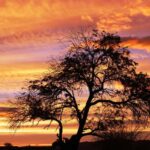
The highlight moment is the Ckari viewpoint area, timed for sunset over the desert. This is the payoff stop, where the dunes and salt tones shift fast. It can also be the least comfortable. Expect wind and chill, and dress like you’ll be standing still for a while.
This is also where the tour turns from sightseeing to celebration. You finish with an appetizer and a traditional pisco sour cocktail, plus snacks. It’s a surprisingly good ending because it gives your body a reason to relax after walking and standing in the sun. And yes, it’s also a social reset—people cool down, swap photos, and enjoy the moment without rushing to the next viewpoint.
If you’re the type who cares about getting the perfect sunset photos, arrive mentally ready to manage crowds. Moon Valley gets busy, and the timing can be tight when many groups want the same angles. My advice: plan to take a “good enough” wide shot early, then focus on one or two close-up details as the light changes. You’ll usually get more satisfaction that way than chasing every last degree of color.
For a little extra comfort: if your guide is also doing driving and you’re seated farther back, you might miss some of the explanation. When you stop, step slightly toward the front so you can hear, and don’t be shy about asking a quick question. That’s one of the easiest ways to turn a good tour into a memorable one.
Price and what $63 buys you in real time
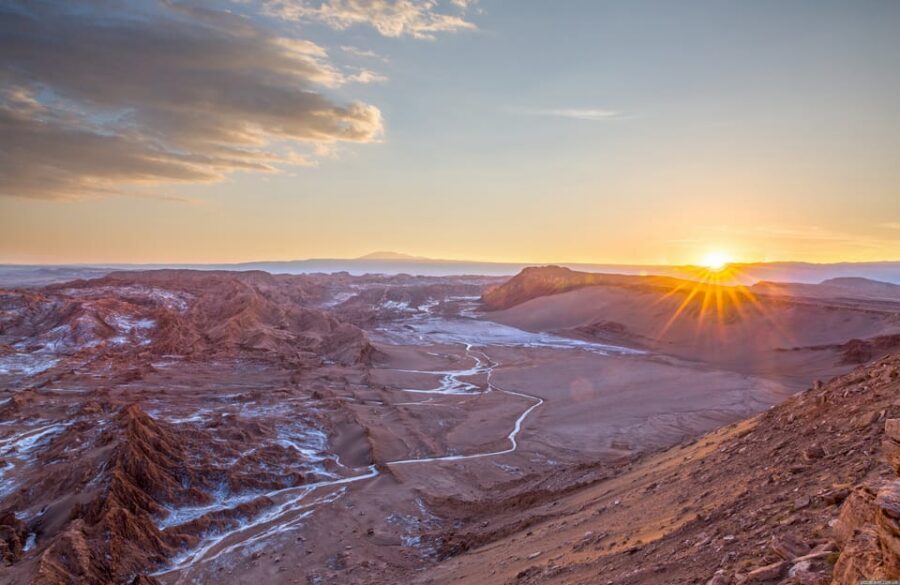
At $63 per person for about 4 hours, the value comes down to one thing: you’re paying for time saved and access. You get hotel pickup and drop-off, a tour guide, and the Valle de la Luna entry ticket, plus a cocktail and snacks. That’s a lot bundled for a half-day in a remote area where driving yourself would mean gas, parking stress, and figuring out schedules.
You also avoid the biggest headache of desert travel: carrying the whole day’s planning on your shoulders. The van keeps you moving between sites. The guide keeps the stops grouped so you’re not spending half your time in transit.
Where the tour may feel less “worth it” is if you’re expecting heavy history at every stop. Some departures come with fewer explanations and more focus on viewpoints and timing. If that matters to you, ask questions when you’re standing at the formations. The guide can usually point you toward what to look for so you feel like you’re learning even if the route is view-first.
For many people, the pisco sour finish is the extra value lever. It makes the ending feel like a complete experience rather than just another scenic stop-and-go.
What to bring (and what to avoid) so the desert doesn’t ruin your day
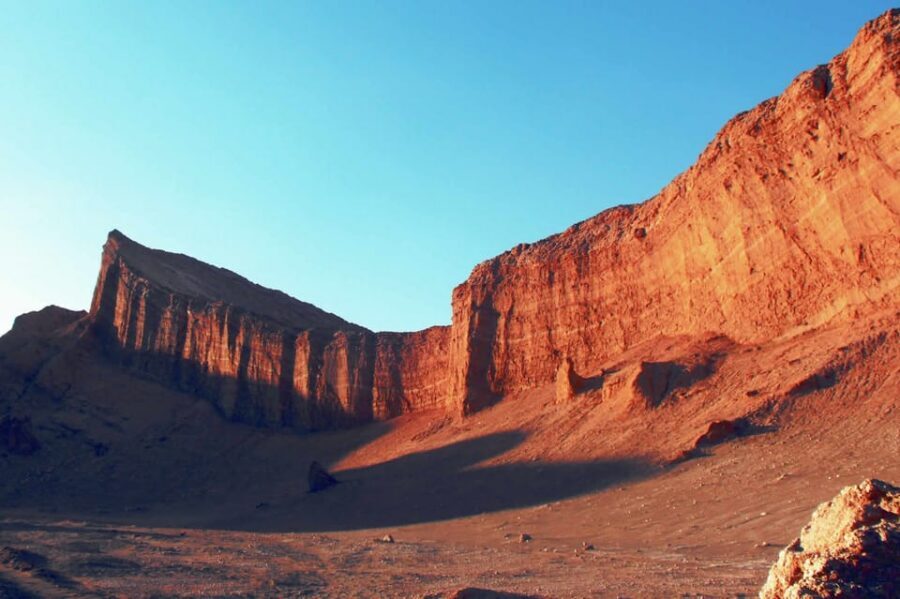
This tour is outdoors, and the desert doesn’t care if you’re fashionable. Pack for comfort and sun, and keep in mind that some clothes might get dusty.
Bring:
- Passport or ID card
- Comfortable shoes (plus hiking shoes if you have them)
- Sunglasses and a hat
- Sunscreen
- Camera
- Drinks (the tour includes snacks and a cocktail, but having your own water plan helps)
- Comfortable outdoor clothes that can get dirty
Not allowed:
- Drones
- Feeding animals
Not a fit for:
- People with recent surgeries
- Babies under 1
- People over 95
One more practical point from how sunset stops work: wear layers. Even in a bright place, the air can turn cool once the sun drops, especially when wind picks up.
Should you book the San Pedro Valle de la Luna guided tour?
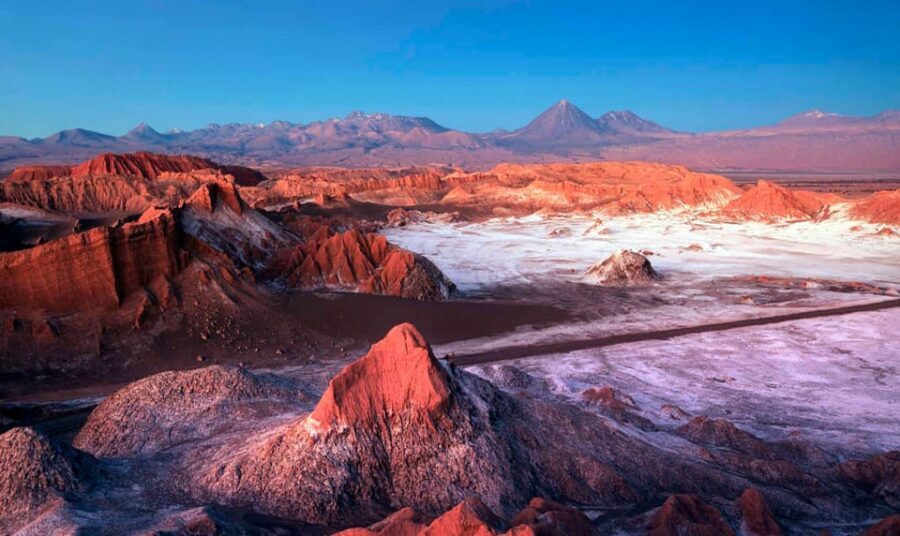
I think this is a strong choice if you want the core Moon Valley hits in one tidy 4-hour block: salt deposits at Duna Mayor, the Tres Marias erosion formations, Anfiteatro, and a well-timed sunset at Ckari with pisco sour and snacks.
Skip it—or at least go into it with eyes open—if you need lots of deep, uninterrupted commentary at every stop, or if you’re very sensitive to cold wind and crowded viewpoints. In those cases, you might still enjoy it, but you’ll want to dress for weather and prioritize your photo targets early.
If you’re doing your first trip to San Pedro and want one desert day that feels complete without heavy planning, this one is worth booking.
FAQ
How long is the Valle de la Luna guided tour?
It runs for about 4 hours, with starting times that depend on availability.
What’s included in the $63 price?
Pickup and drop-off, a tour guide, the Valle de la Luna entry ticket, snacks, and a cocktail.
Do I need to bring an ID or passport?
Yes. You should bring your passport or ID card.
What languages does the guide speak?
Guides provide live commentary in Spanish and English.
Is the sunset part included?
Yes. The tour takes you to the Ckari viewpoint area to watch the sun go down.
What should I wear for the desert walking?
Wear comfortable clothes and comfortable shoes. Sunscreen, sunglasses, and a hat are strongly useful.
Are drones allowed?
No, drones are not allowed on this activity.
What’s the pickup timing rule?
You should wait in your hotel lobby about 10 minutes before your scheduled pickup. The guide will contact you by phone and will wait no longer than 5 minutes after the scheduled time.
Can I cancel for a refund?
Yes. You can cancel up to 24 hours in advance for a full refund.