REVIEW · SAN PEDRO DE ATACAMA
Caracoles: Red Stones of Atacama and Chaxa Guided Day Trip
Book on GetYourGuide →Operated by Feel Atacama · Bookable on GetYourGuide
Salt flats and red rocks in one long day.
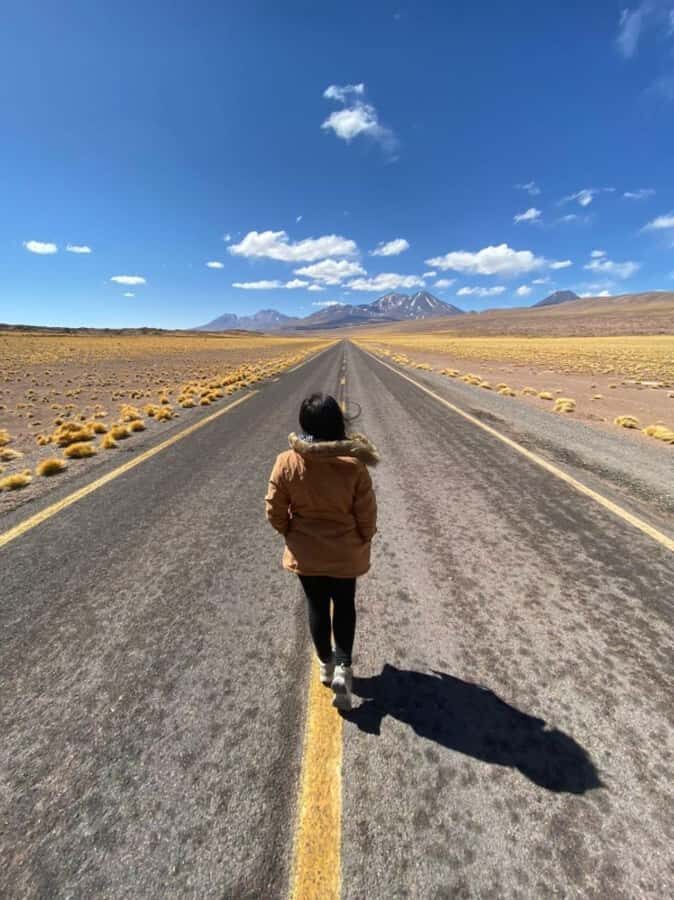
This guided Atacama altiplano trip ties together the big, dramatic stuff you came for: the Atacama Saltflat, Chaxa Lagoon flamingos, and the volcanic Caracoles Red Stones trek, all with a guide who explains what you’re looking at as the Andes roll by. You’re out in the cold air, at high elevation, with constant changes of scenery that keep the day from feeling repetitive.
My favorite part is how alive the altiplano feels once you’re moving through it. You don’t just look at views; you have a real chance to spot wildlife like vicuñas, suris, and even foxes (and sometimes a viscacha), and a good guide helps you understand where animals tend to show up and why. In English-speaking groups, I’ve seen guides such as Brandon or Valentin lead the storytelling, with a driver like Alvaro handling the long roads so the group stays focused on the sights.
One thing to consider: it’s a full day at altitude, and the Red Stones walk includes a trekking stretch of about 1 hour 30 minutes. Add the need to pay on-site entry fees (cash helps), plus the fact that this trip is not suitable for people with altitude sickness or high blood pressure, and you’ll want to judge your comfort level before you commit.
In This Review
- Key highlights that make this trip worth your time
- How the day runs: a 10-hour loop that keeps momentum
- Atacama Saltflat: why the first stop sets the tone
- Chaxa Lagoon: flamingos, calm water, and a guide’s timing
- The Red Stones trek: volcanic terrain and the best kind of walking effort
- Aguas Calientes and the altiplanic lagoons: more water, more volcano drama
- Toconao, Socaire, and the Tropic of Capricorn: geography you can stand on
- Wildlife spotting: where you’ll see vicuñas, suris, foxes (and viscacha possibilities)
- Breakfast and lunch: included meals in scenery that actually makes sense
- Price and the real cost: $85 plus entry fees you pay on-site
- What to bring: cold-weather basics and altitude-friendly gear
- Who should skip this trip (and who will feel great)
- Should you book Caracoles, Red Stones of Atacama and Chaxa?
- FAQ
- How long is the Caracoles and Chaxa guided day trip?
- What’s included in the price?
- What additional costs should I expect?
- Do I need cash on the day of the tour?
- What places are visited during the day?
- Is a guide provided, and what languages do they speak?
- How does hotel pickup work?
- What should I wear and bring?
- Is this tour wheelchair accessible or suitable for altitude sickness?
Key highlights that make this trip worth your time
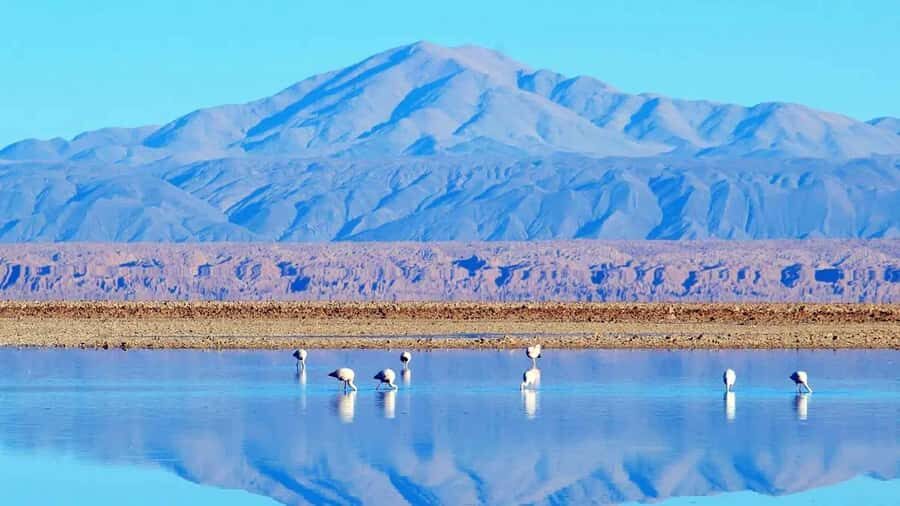
- Flamingos at Chaxa Lagoon during a carefully planned stop
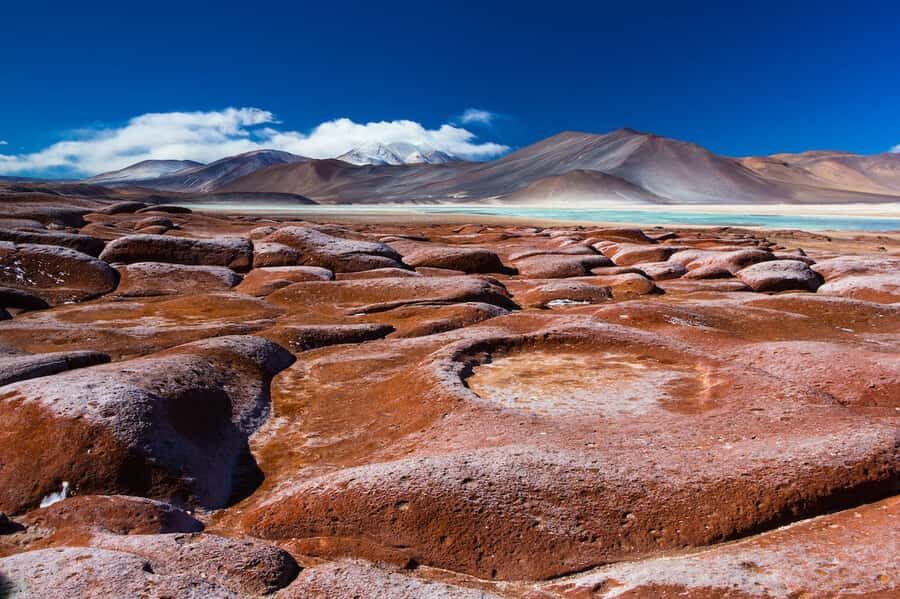
- Red Stones trekking across volcanic material for about 1 hour 30 minutes
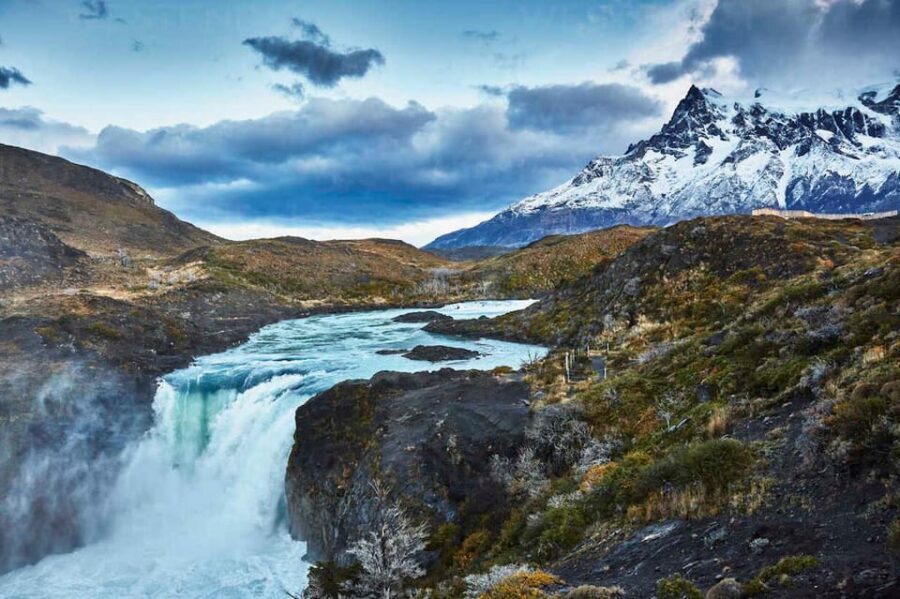
- Huge Andes views at every turn, from salt flats to lagoons
- Wildlife spotting opportunities, including vicuñas and suris
- Two village visits (Toconao and Socaire) to balance nature with place
- Warm, practical meals: breakfast and lunch are included
How the day runs: a 10-hour loop that keeps momentum
This is a 10-hour guided day trip designed as a loop through several altitude environments. You’ll start with hotel pickup from the city center, and the guide will make phone contact before pickup. The driver and guide aim to keep the schedule moving, with drop-off back in the center afterward.
The day’s rhythm matters because the altiplano changes fast. Morning light can be harsh, midday can feel still and bright, and the temperature can swing enough that your clothing needs to do the heavy lifting. The tour structure also helps you hit key sites in an order that makes sense: salt first, then lagoons, then the volcanic Red Stones trek, then more lagoons and viewpoints as the day continues.
The group is not described by a specific size, so what you should count on is a guided experience where you follow instructions about where to stand and where not to go. If you like a plan that doesn’t waste time, this style usually feels efficient.
You can also read our reviews of more guided tours in San Pedro De Atacama
Atacama Saltflat: why the first stop sets the tone
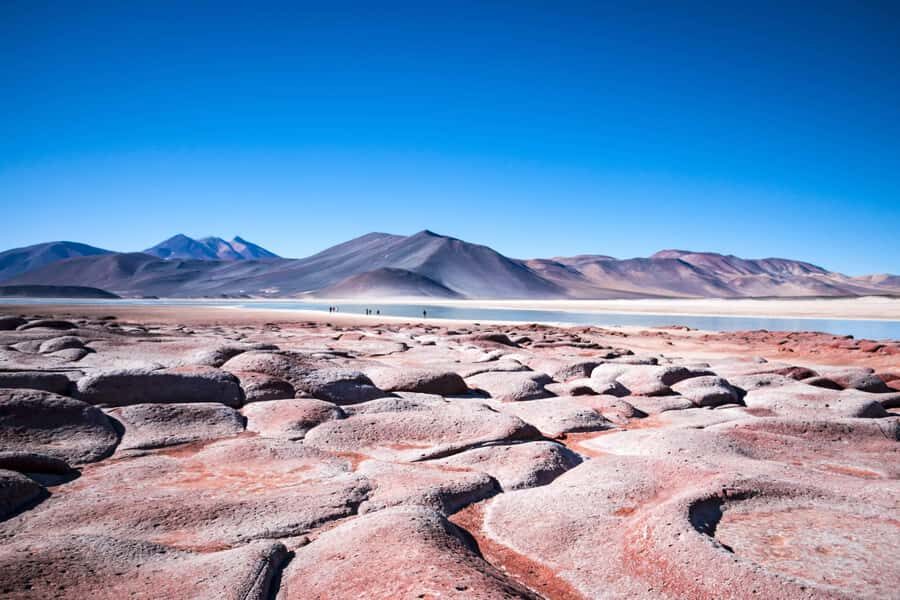
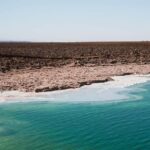
Your morning begins at the Atacama Saltflat, where the visual scale hits you right away. Salt flats can feel oddly quiet, even when you know it’s a popular route, because the surroundings are so open. That openness is part of the point: it gives your eyes a baseline for the rest of the day.
From there, your guide’s value kicks in. When you’re in a landscape that looks “simple” from a distance, it’s easy to miss why it’s special up close. A guide who explains what you’re seeing can make the salt flat stop feel like context, not just a photo stop, and it sets you up for the lagoons later when the scenery starts adding color and life.
Practical tip: dress for cold while you wait for photos. Even if the sky looks bright, it can still bite at altitude.
Chaxa Lagoon: flamingos, calm water, and a guide’s timing
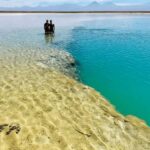
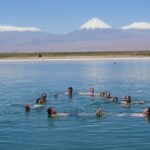
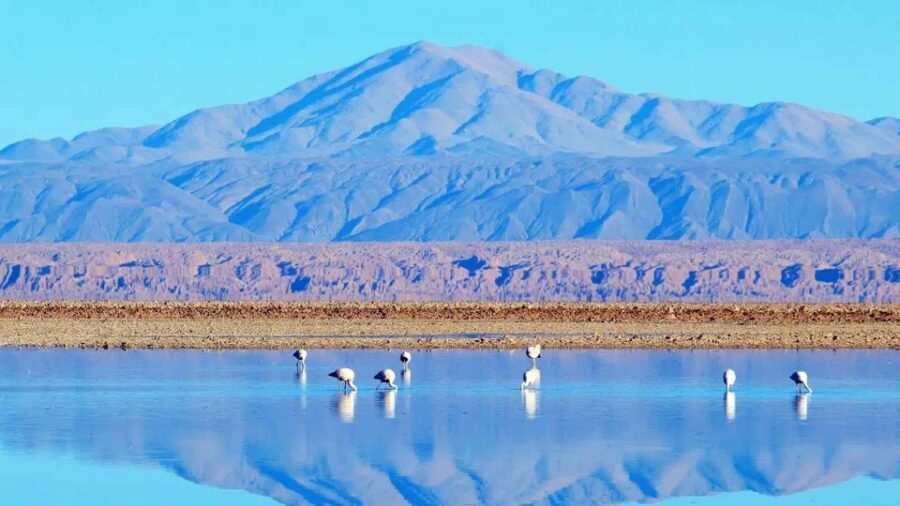
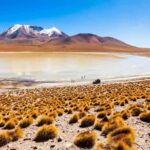
Next up is Chaxa Lagoon, one of the main reasons many people come to this region. Flamingos are the headline here, and the lagoon environment makes them look almost staged: pale water against the darker, high-desert background.
This stop is also where your guide’s timing and scanning help. Flamingos don’t guarantee a close view, but you’ll improve your chances when you follow instructions and keep your spot. The tour includes the guided approach and the pacing, so you’re not wandering around trying to figure out where to look.
Two notes to keep expectations realistic:
- You’ll need to pay Chaxa Lagoon entry tickets to the guide (the tour states entry fees total 28,700 CLP per person, covering Red Stones and altiplanic lagoon entries, plus Chaxa).
- You should expect some standing time outdoors. The tour requires outdoor clothing and comfortable shoes, so treat this as part “cold-weather lesson” and part sightseeing.
The Red Stones trek: volcanic terrain and the best kind of walking effort
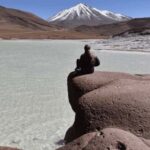
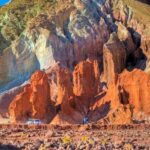
The Caracoles Red Stones are made of volcanic material, and that’s what makes this part more interesting than a plain viewpoint stroll. Your trekking segment through the Red Stones runs for about 1 hour 30 minutes.
What you’ll feel underfoot matters. The ground here isn’t a manicured path. You should go with shoes that handle uneven terrain. The tour specifically asks for comfortable shoes, and that advice is spot-on for this segment. Bring water too. At altitude, thirst can sneak up on you.
Why this trek is such a strong value add: it forces you to experience the altiplano as real terrain, not just scenery from the road. You get closer to the forms created by volcanic activity, and you’ll likely understand why the stones earned a name connected to their color long before you reach the next salt-flat stop.
Also, there’s a simple expectation-setting thing: it’s not a strenuous hike described here, but it is a real walk. If you’re unsure about your walking tolerance, you’ll want to treat the trek as the main physical commitment of the day.
Aguas Calientes and the altiplanic lagoons: more water, more volcano drama
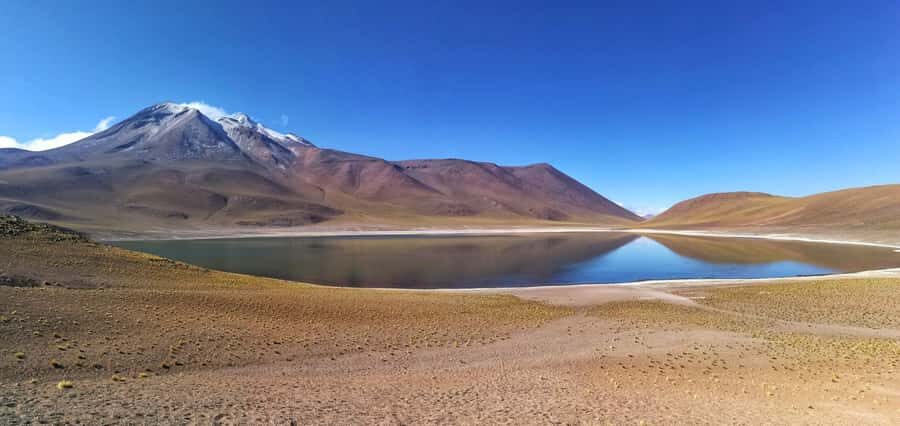
After the Red Stones trek, the route continues to the Aguas Calientes saltflat area, where the mood shifts back toward quiet openness. You’ll then move onward to the altiplanic lagoons of Meñiques and Miscanti, both set against towering volcanic backdrops.
These lagoon stops are the kind of places where the guide’s explanations can turn a “pretty scene” into something you remember. When you’re surrounded by volcano shapes and high basins, it helps to have someone point out how the geography creates the conditions for water and life at this elevation.
One practical consideration: lagoon viewing tends to mean you’ll stand, look, and wait a bit for the light or animals to appear. Plan to take your time and not rush for photos. The tour’s structure is built around these pauses, so you’ll get the benefits if you go with the flow.
A few more San Pedro De Atacama tours and experiences worth a look
Toconao, Socaire, and the Tropic of Capricorn: geography you can stand on
Not all of this day is about raw nature. You also visit the charming villages of Toconao and Socaire, which helps you understand the altiplano as a lived-in place, not a set location on a map.
A highlight here is crossing the Tropic of Capricorn. That kind of marker can sound like trivia, but in the altiplano it’s more than a line on a globe. It’s a moment where you mentally reframe what you’re experiencing: you’re in the Andes, high above sea level, yet at a latitude that connects you to the wider world’s geography.
These village stops also give your brain a break from the big-open landscape. After hours of salt flats and volcanic rock, you’ll appreciate the human scale, even if the stops are shorter than the natural areas.
Wildlife spotting: where you’ll see vicuñas, suris, foxes (and viscacha possibilities)
A big selling point is how often wildlife shows up. The tour description and the guide-led approach create multiple opportunities to spot animals such as vicuñas, suris, and foxes. One of the best parts is that you’re not limited to “look from far away” situations. The landscape and timing can bring you closer to wildlife than you’d get on a generic scenic drive.
Still, keep it respectful. The rules say you’re not allowed to feed animals, and that matters. Feeding breaks natural behavior, and it can create problems for both animals and people. The best way to see wildlife well is usually the simplest: stay where your guide tells you, keep a calm pace, and give animals room.
If you’re a wildlife-focused traveler, this is the part of the day where you’ll feel most rewarded for being patient.
Breakfast and lunch: included meals in scenery that actually makes sense
This trip includes breakfast and lunch, which is a big deal on a 10-hour day out of town. It’s not just about saving money. Eating here at the right time can make altitude feel more manageable and keeps energy steadier for the trekking portion.
The meals also fit the vibe of the route: you’re likely eating in calm settings with wide views and open air. That’s exactly what you want after a salt flat and before lagoons, because it prevents the day from becoming a series of rushed pull-offs.
Practical note: treat your water as part of your “comfort gear.” The itinerary includes outdoor time, and you’ll be glad you carried water when the day stretches.
Price and the real cost: $85 plus entry fees you pay on-site
The headline price is $85 per person for about 10 hours with hotel pickup and drop-off, an English-speaking guide, and breakfast and lunch. That base price can be good value because it covers the hard parts: driving through remote areas, guiding in multiple stops, and providing the meals so you don’t have to plan your own.
The part to plan for is additional entry fees. The tour states that you must pay entrance fees to the guide, for a 28,700 CLP total per person covering Red Stones and altiplanic lagoon entries, plus the Chaxa Lagoon entry tickets.
So if you’re budgeting, don’t think of $85 as the only cost. Think of it as the guided day package price, with entry fees added on top. If you’re traveling with others, it’s still manageable, but it’s better to have cash ready than to scramble.
What to bring: cold-weather basics and altitude-friendly gear
The tour asks you to bring outdoor clothing, cash, water, and comfortable shoes. I’d treat that as a minimum checklist.
Here’s how I’d translate it into real-life prep:
- Wear layers so you can adjust as you move from sun to shade.
- Bring warm outerwear for the mornings and lagoon stops.
- Choose shoes that handle rocky ground for the Red Stones segment.
- Bring enough water for long stops and the trekking part, even though lunch is included.
Cash is important because you pay entry fees to the guide. If you dislike handling money in the middle of sightseeing, make sure you’ve got the right funds organized before you meet the group.
Also note what’s not allowed: drones and feeding animals.
Who should skip this trip (and who will feel great)
The tour isn’t suitable for children under 4 years, wheelchair users, people with altitude sickness, people with high blood pressure, babies under 1 year, or people over 95 years.
If you know altitude affects you, don’t “test it” on a full-day schedule. The altiplano environment can be demanding even when the hiking is only one focused trekking section. And if you have high blood pressure, it’s worth respecting that limit rather than trying to power through.
This trip is a good match if you:
- enjoy guided storytelling that ties landscapes to animals and geography,
- like a day that mixes salt flats, lagoons, villages, and a trek,
- can handle cold and walking on uneven ground for about 1.5 hours during the Red Stones section.
Should you book Caracoles, Red Stones of Atacama and Chaxa?
Book it if you want a single day that covers a lot of ground without feeling like a checklist. The combination of flamingos at Chaxa, volcanic Red Stones, lagoons like Meñiques and Miscanti, and village stops in Toconao and Socaire makes this tour feel balanced: nature, wildlife, and place all in one long outing.
Don’t book it if altitude is already an issue for you, or if you can’t commit to comfortable walking during the Red Stones trekking stretch. Also, plan your budget for the on-site entry fees, and bring cash and the right shoes from the start.
If you like clear guidance, wildlife chances, and dramatic Andes views that keep changing every few hours, this one is worth your time.
FAQ
How long is the Caracoles and Chaxa guided day trip?
It lasts 10 hours.
What’s included in the price?
Hotel pickup and drop-off in the city center, breakfast and lunch, and an English-speaking guide.
What additional costs should I expect?
You pay entry tickets to the guide, and the total stated for entrances is 28,700 CLP per person. This covers Red Stones and altiplanic lagoon entry, plus Chaxa Lagoon entry.
Do I need cash on the day of the tour?
Yes. The tour instructions specifically say to bring cash because you must pay entrance fees to the guide.
What places are visited during the day?
You’ll visit the Atacama Saltflat, Chaxa Lagoon, the Red Stones trekking area (Caracoles), Aguas Calientes saltflat, lagoons of Meñiques and Miscanti, and the villages of Toconao and Socaire, plus you cross the Tropic of Capricorn.
Is a guide provided, and what languages do they speak?
Yes. The tour includes a live guide who speaks English and Spanish.
How does hotel pickup work?
Pickup is included from city center hotels. You should wait in the hotel lobby about 10 minutes before your scheduled pickup time, and the guide will make phone contact before pickup. Guides wait no longer than 5 minutes after the scheduled pickup time.
What should I wear and bring?
Bring outdoor clothing, comfortable shoes, water, and cash.
Is this tour wheelchair accessible or suitable for altitude sickness?
No. It is not suitable for wheelchair users or people with altitude sickness, and it also isn’t suitable for people with high blood pressure.