REVIEW · SAN PEDRO DE ATACAMA
Atacama Desert: Horseback Adventure with Scenic Views
Book on GetYourGuide →Operated by White & Green International Travel · Bookable on GetYourGuide
Two hours in the Atacama feels like time travel. This ride blends calm, well-trained horses with guide-led stops that turn the desert into a story you can follow on foot and in the saddle.
I also like the hands-on coaching at the start, so you’re not guessing how to sit, steer, or keep your balance on uneven ground. It’s the kind of start that helps you relax fast.
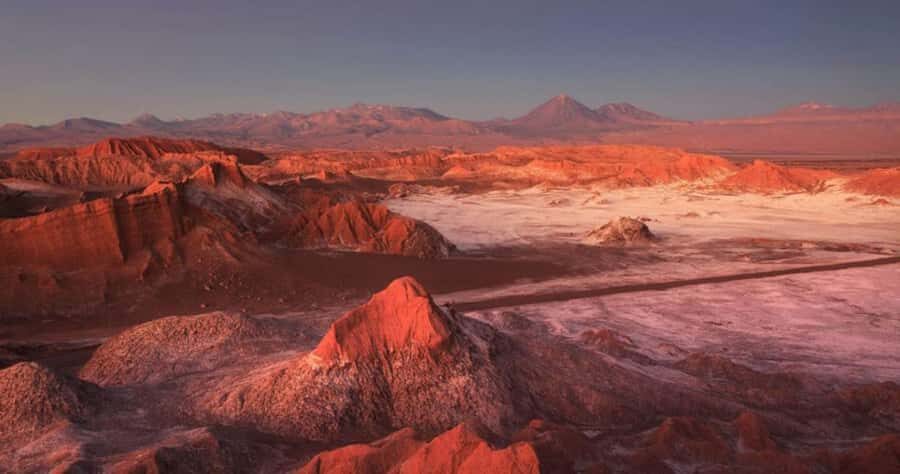
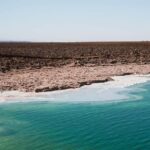
You’ll head out toward the Dinosaur Valley area after first feeling the salt-mountain scenery up close. Then you’ll move from open desert into ravines where cliffs and canyon walls change the sound of your steps and the light across everything.
One drawback to consider: it’s not just a smooth ride the whole time. You should expect some walking and off-road vehicle time, plus park entry tickets are paid on-site.
In This Review
- Key highlights to know before you go
- From San Pedro to Salt Mountains: the ride’s opening act
- Horse choice and riding tips: you’ll want to relax early
- Dinosaur Valley: seeing prehistoric footprints in the real desert
- Catarpe Ravine and the canyon transition: when the Atacama gets dramatic
- Chulacao Ravine: erosion-made canyon walls on horseback
- Guide talk in English and Spanish: geology, history, and local agriculture
- Price and what makes it good value at $68
- What to bring and how to plan your day in the Atacama
- Should you book this horseback adventure?
- FAQ
- How long is the horseback adventure?
- What does the price include?
- Are park entry tickets included?
- Where is the meeting point?
- What should I bring?
- What kind of health condition do I need?
Key highlights to know before you go
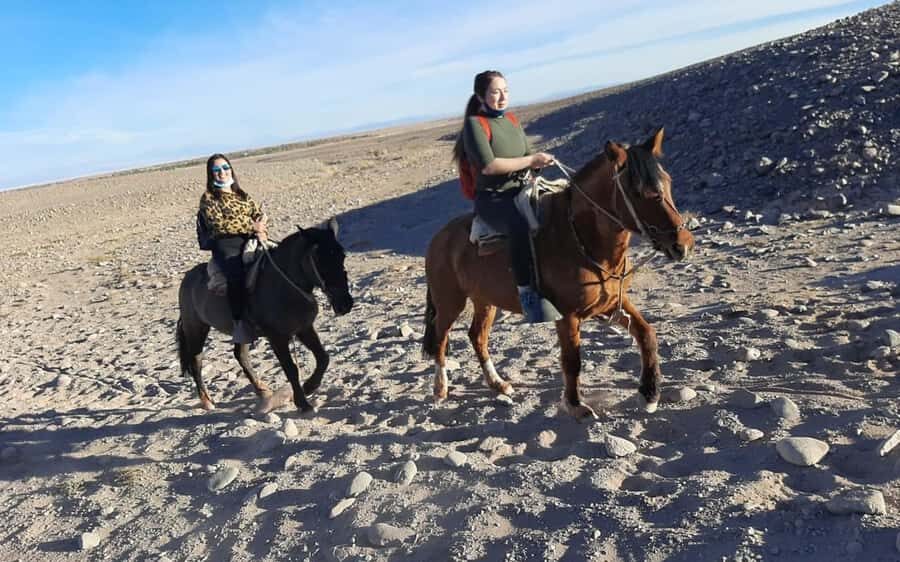
- Well-matched horses for different riders with early guidance on how to ride confidently
- Dinosaur Valley fossil footprints that connect you to prehistoric life in a direct, visual way
- Catarpe Ravine views with cliffs and canyon scenery that feels bigger than it looks from town
- Chulacao Ravine canyon riding where erosion shaped the rock into dramatic walls
- Bilingual guiding in English and Spanish with explanations about local geology and history
From San Pedro to Salt Mountains: the ride’s opening act
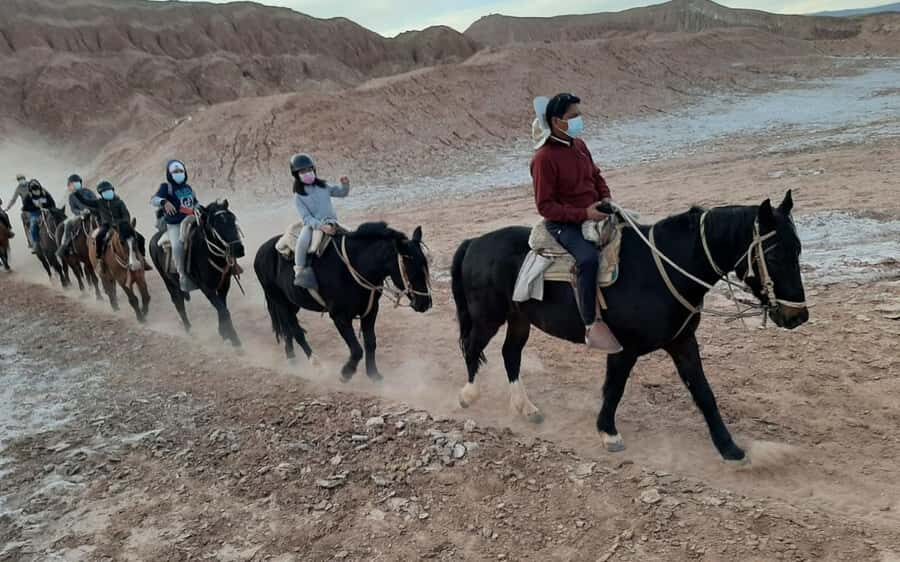
This is a short, focused horseback outing, and that’s part of why it works. You meet at White & Green Travel (look for the sign at the entrance), then you’re picked up for the start near central San Pedro. It’s scheduled around convenience and timing, so you’re not waiting around for hours in town.
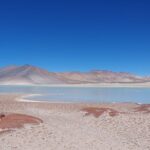
Once you’re matched with your horse, the ride begins with a trot toward the Salt Mountains. Even in just the opening stretch, the Atacama’s scale hits you. The ground shifts from rocky edges into wider stretches, and the sky feels close. You’ll also notice how quickly the scenery changes as you leave behind the small oasis vegetation. That contrast is a big part of the experience: you go from familiar desert edges to the kind of emptiness that makes you slow down.
You can also read our reviews of more tours and experiences in San Pedro De Atacama.

Horse choice and riding tips: you’ll want to relax early
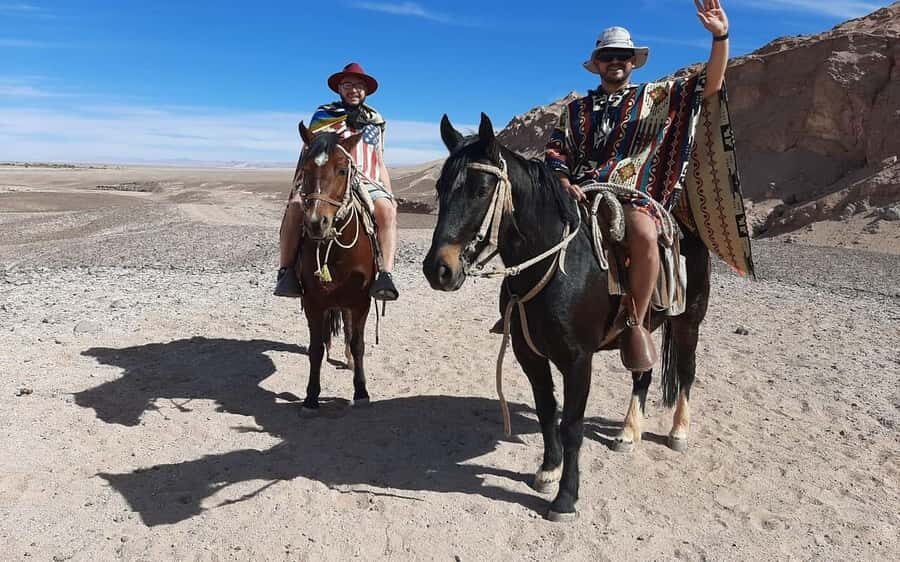
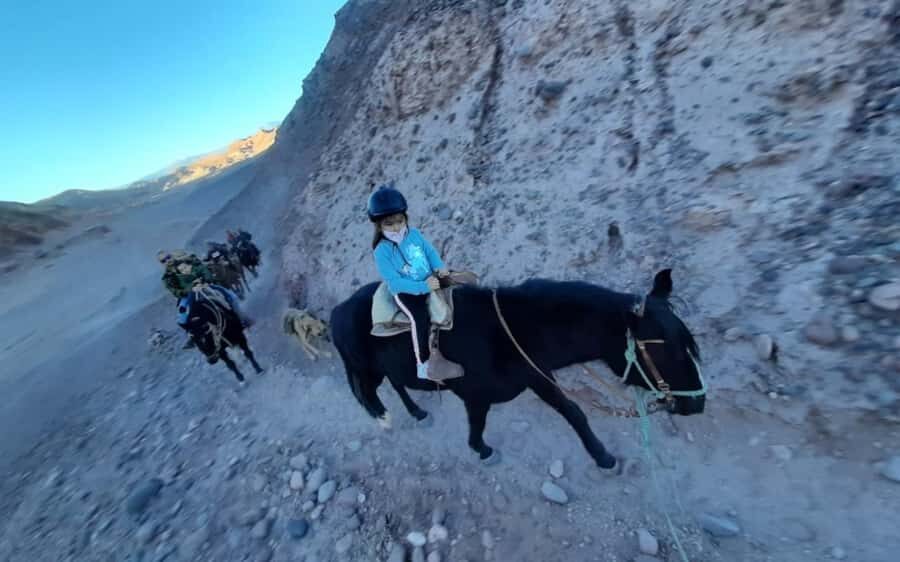
A solid day on a horse starts with the match. Your guide will choose a horse they feel fits your comfort level, then give you tips on riding basics before you set out deeper into the terrain.
In past rides, people have highlighted that the animals are well taken care of and generally calm. That matters because the setting can be intimidating if you’re tense. Calm horses don’t remove every bump in the road, but they do make the experience feel like a guided walk with momentum instead of a workout.
Practical tip: if you’re new to riding, take the first instructions seriously. Once you’re moving toward the mountains and the route starts changing, you’ll be glad you listened—your body adjusts faster when you understand what the guide expects.
Dinosaur Valley: seeing prehistoric footprints in the real desert
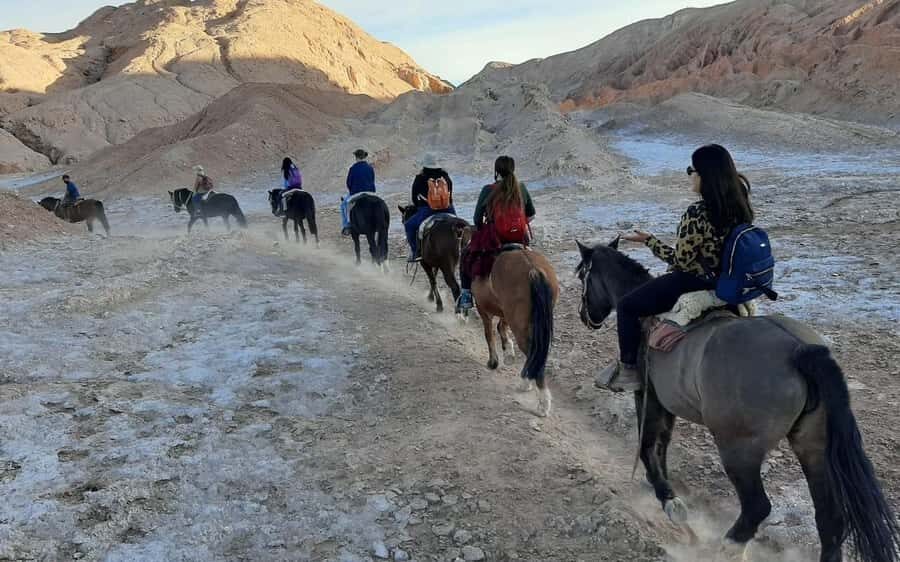
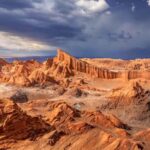
One of the best reasons to do this tour is that it doesn’t stay generic. Dinosaur Valley is a named stop with a specific payoff: you can look for fossilized footprints from prehistoric creatures. Instead of learning about fossils only through words, you’re out where the evidence sits in the land.
This is also where your guide’s explanation helps most. Local geology and history can sound abstract until you’re standing in the same kind of terrain where the features formed. The tour’s timing keeps it efficient—enough time to take it in, without turning the outing into a long slog.
What I like about this stop for first-timers: it’s visual. You don’t need background knowledge to appreciate the connection between desert rock and ancient life.
Catarpe Ravine and the canyon transition: when the Atacama gets dramatic
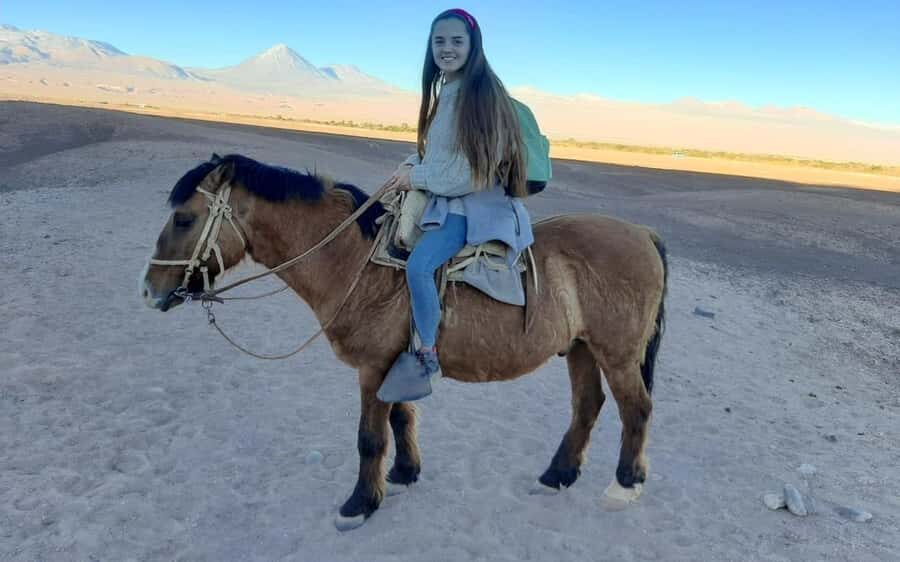
After Dinosaur Valley, the route shifts toward ravines and cliffs. The Catarpe Ravine stop is all about those canyon viewpoints where rock walls frame your view in a way you don’t get from town streets.
This is the part where you’ll feel the difference between riding across open ground and moving through tighter, rockier sections. Your senses pick up details fast: how the shadows fall, how the air feels cooler or heavier near cliffs, and how the terrain forces the horse to step with intention.
It’s also where photography tends to be easier to manage. You can pause and frame a shot while the guide keeps things organized.
Chulacao Ravine: erosion-made canyon walls on horseback
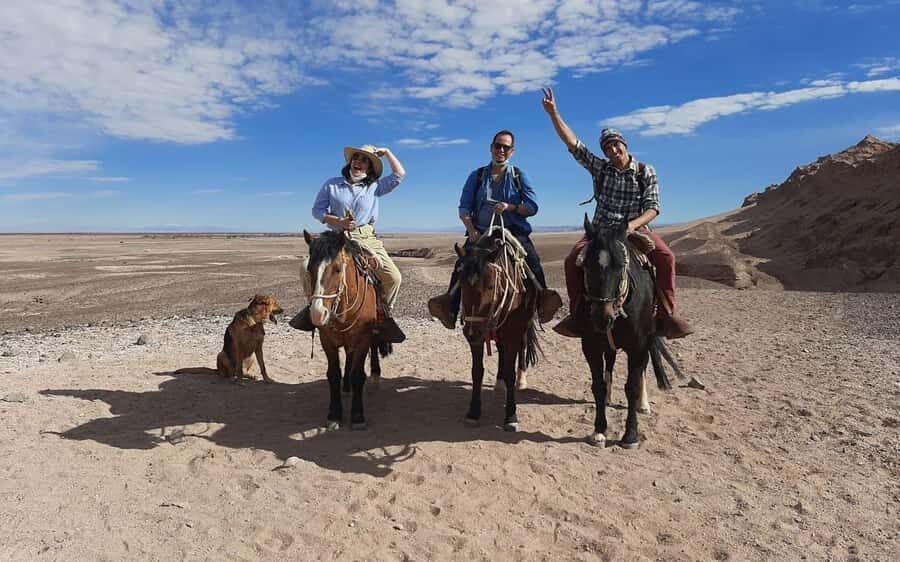
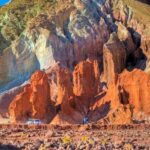
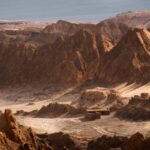
The final canyon highlight is Chulacao Ravine, described as a canyon shaped by natural erosion. In plain terms, this is where the desert looks sculpted—rock carved over time into a corridor of views.
Riding through here feels like you’re moving inside the geology. The cliffs and canyon walls make the route feel longer and more cinematic than the total duration suggests. It’s also a good reminder that the Atacama isn’t just “dry” or “empty.” It’s active, shaped, and full of structure.
One thing to keep in mind: canyon rides can feel physically different from flat stretches. If you’re sensitive to bumps, go slow with your posture and let the horse’s rhythm guide you.
Guide talk in English and Spanish: geology, history, and local agriculture
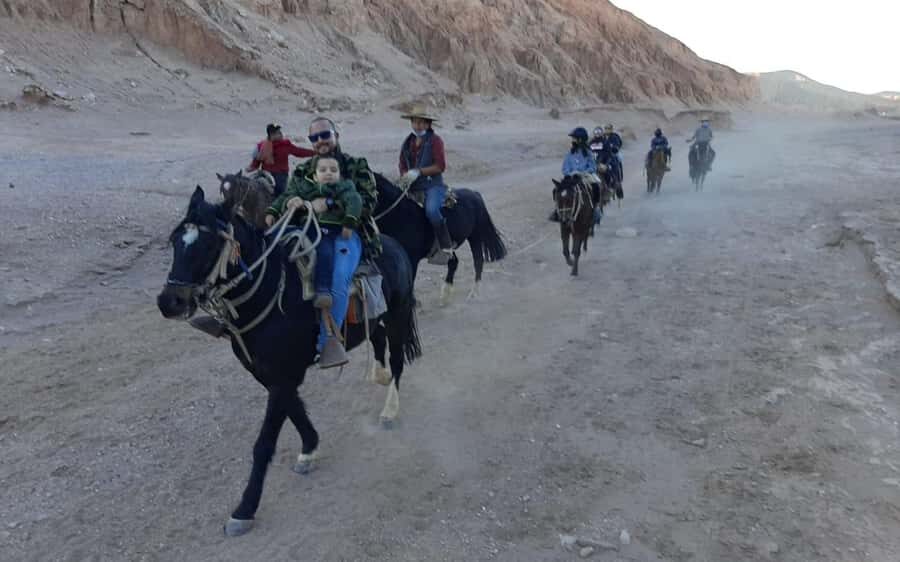
You get a bilingual guide in English and Spanish. That matters in the Atacama, because a lot of the meaning is in the details—how the land formed, why certain areas look the way they do, and what life is like for people nearby.
In one example, a guide named Léo explained how San Pedro de Atacama has changed over the last 30 years, along with local agriculture. Even if your guide covers different specifics, the goal stays the same: you should leave with a clearer picture of how the desert connects to human life.
Also, guides aren’t just there to narrate. They’re there to keep the ride smooth—choosing horses, controlling pace, and making sure everyone feels safe enough to enjoy the scenery instead of worrying about technique.
Price and what makes it good value at $68
At $68 per person for about 2 hours, the value comes from what’s included, not just the price tag. You get:
- Transportation
- A bilingual guide (English and Spanish)
- A horse
The main extra cost you should plan for is park entry tickets, which are paid on-site. That’s the one line item that can change your final total. Still, for a short tour that combines animals, local guiding, and multiple named natural stops, it’s a solid deal—especially compared with the cost of arranging horses and a guide separately.
If you’re optimizing your time in San Pedro, this also helps. It’s long enough to feel like you went somewhere, but short enough to fit into an arrival day or a lighter schedule day.
What to bring and how to plan your day in the Atacama
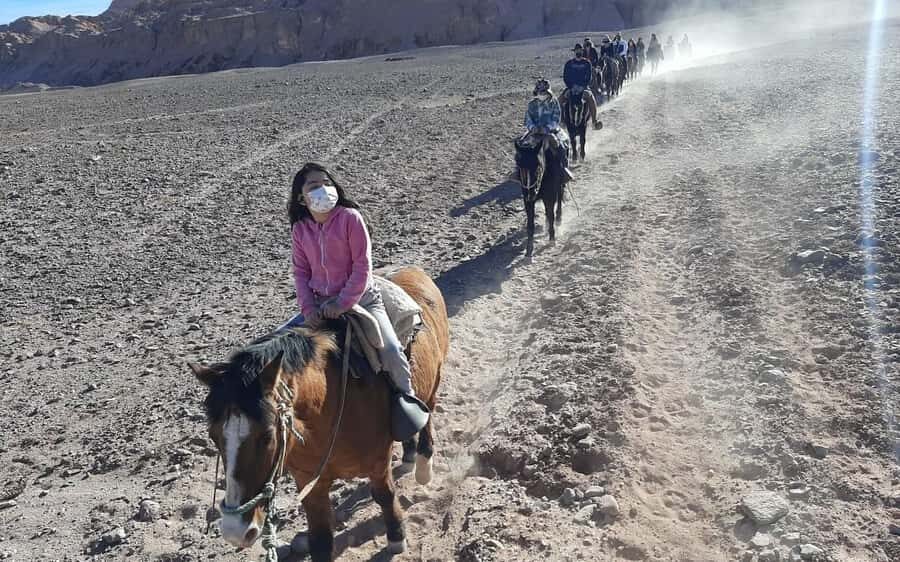
The Atacama is unforgiving. Even when the ride is only two hours, the sun and dry air can drain you fast.
Bring:
- Sunglasses
- Sun hat
- Sunscreen
- Water
Also consider wearing:
- Closed-toe shoes that grip well (you’ll be near uneven ground)
- Light layers you can adjust as conditions change from open desert to ravine areas
- A small camera setup you can manage while riding
Health note that matters for comfort: participation requires a good general state of health, since the experience involves walking and off-road vehicle riding. If you have physical limitations or allergies, communicate them in writing during booking so your guide team can plan safely.
Should you book this horseback adventure?
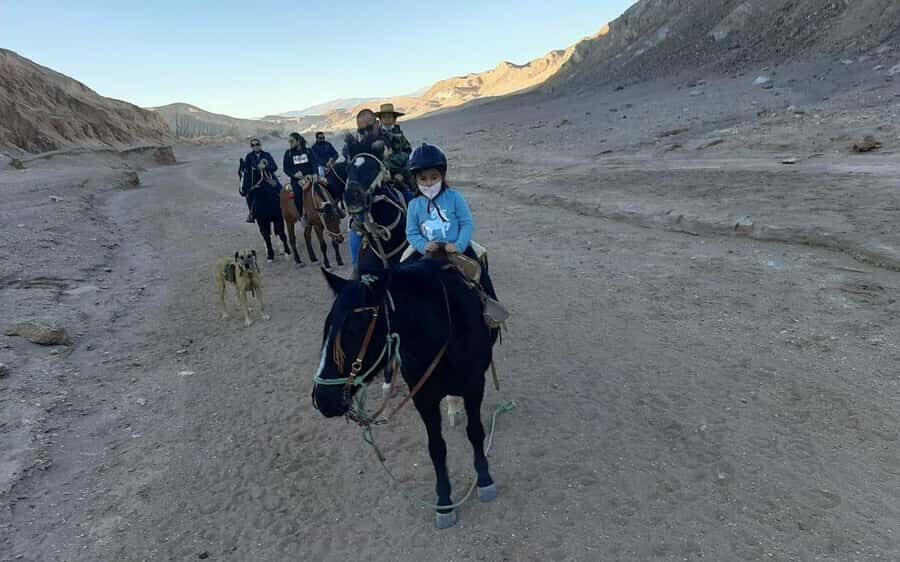
I’d book it if you want an Atacama experience that’s active but not all-day. The mix of Salt Mountains feel, Dinosaur Valley fossil footprints, and canyon riding makes it more than a single scenic pass. Plus, the included horse and bilingual guide remove a lot of hassle.
I’d hesitate if:
- You’re not comfortable with walking and off-road vehicle time before or between ride sections
- You’re hoping for a purely leisurely, flat ride the whole time
- You strongly prefer experiences where park entry costs are already bundled (here, tickets are paid on-site)
If you’ve got a good baseline fitness level and want a practical way to see geology and history in real terrain, this is a very reasonable pick for San Pedro.
FAQ
How long is the horseback adventure?
The experience lasts about 2 hours.
What does the price include?
It includes transportation, a bilingual guide (English and Spanish), and a horse.
Are park entry tickets included?
No. Entry tickets to the park must be paid on-site.
Where is the meeting point?
Meet at White & Green Travel. There is a sign with the agency name at the entrance. Pickup is also described near the corner of Domingo Atienza and Caracoles Street.
What should I bring?
Bring sunglasses, a sun hat, sunscreen, and water.
What kind of health condition do I need?
Participation requires a good general state of health because the tour involves walking and off-road vehicle riding. If you have physical limitations, allergies, or special dietary needs, communicate them in writing at booking.