REVIEW · SAN PEDRO DE ATACAMA
Rainbow Valley Tour + Petroglyphs (Yerbas Buenas)
Book on GetYourGuide →Operated by Whipala Expedition · Bookable on GetYourGuide
A box of colors in the Atacama. This 6-hour North Chile outing pairs Rainbow Valley (Matancilla)’s clay-and-mineral hills with Yerbas Buenas rock art tied to the Atacameño people. I love how the geology explains the shades you see everywhere, and I love that the petroglyph stop turns the trip from scenery into culture. One trade-off: you’ll pay the entrance tickets on site in cash (CLP 10,000 total), separate from the tour price.
I also like the pace. You get a guided walk and photo stops, but you’re not stuck staring out a window the whole time. Guides such as Alex, Daniel, Manuel, and Javier have a reputation for clear explanations, and the breakfast in the valley is a real break (not just a token snack). Still, there’s enough walking and hiking that you’ll want solid closed-toe shoes and a bit of stamina.
If you’re traveling with very young kids or you’re pregnant, this isn’t the right fit. And if you hate carrying cash, plan ahead because the valley and petroglyph entry fees are collected directly on site.
In This Review
- Key things to know before you go
- Rainbow Valley (Matancilla): where tectonics becomes a color map
- The guided walk and breakfast that keep the morning from feeling rushed
- Yerbas Buenas petroglyphs: rock art you can walk around
- The 6-hour route from San Pedro: how the timing feels in real life
- Price and value: what the $37 covers and what you add on site
- What to pack, what to watch for, and who this trip fits
- Guides, language, and the small details that affect your day
- Should you book Rainbow Valley + Yerbas Buenas petroglyphs?
- FAQ
- How long is the Rainbow Valley + Petroglyphs tour?
- Where does the tour pick up?
- What’s included in the tour price?
- How much are the entrance tickets, and when do I pay them?
- Does the tour include walking or hiking?
- What language is the guide?
- Is a drone allowed?
- What should I bring for the day?
- Who is this tour not suitable for?
Key things to know before you go
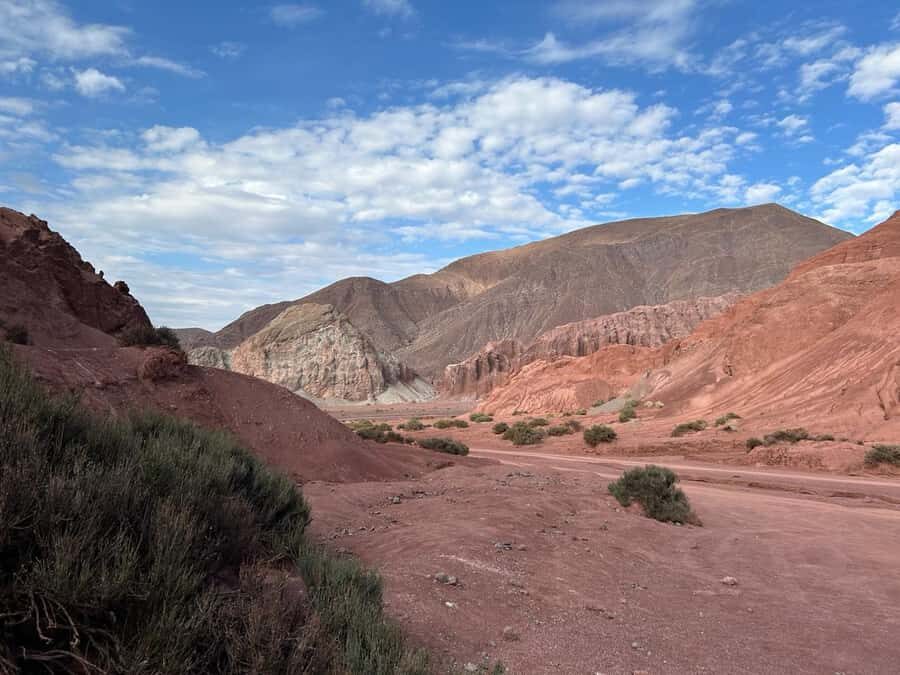
- Geology made visible at Rainbow Valley (Matancilla), where tectonics and volcanic activity shaped the colors you’ll walk through
- Atacameño rock art at Yerbas Buenas, with a guided introduction plus time to hike around the site
- A real breakfast break during the morning circuit, timed right after your valley walk
- A total of about 3 hours of walking/hiking, spread across the two main stops
- Cash-only site tickets (CLP 5,000 for Rainbow Valley and CLP 5,000 for Yerbas Buenas)
Rainbow Valley (Matancilla): where tectonics becomes a color map
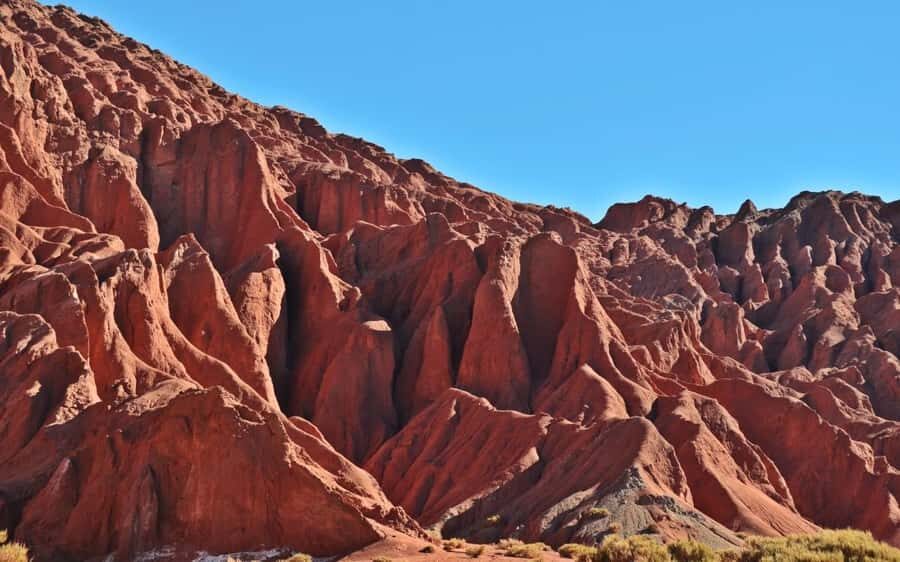
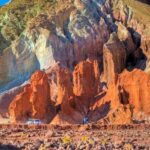
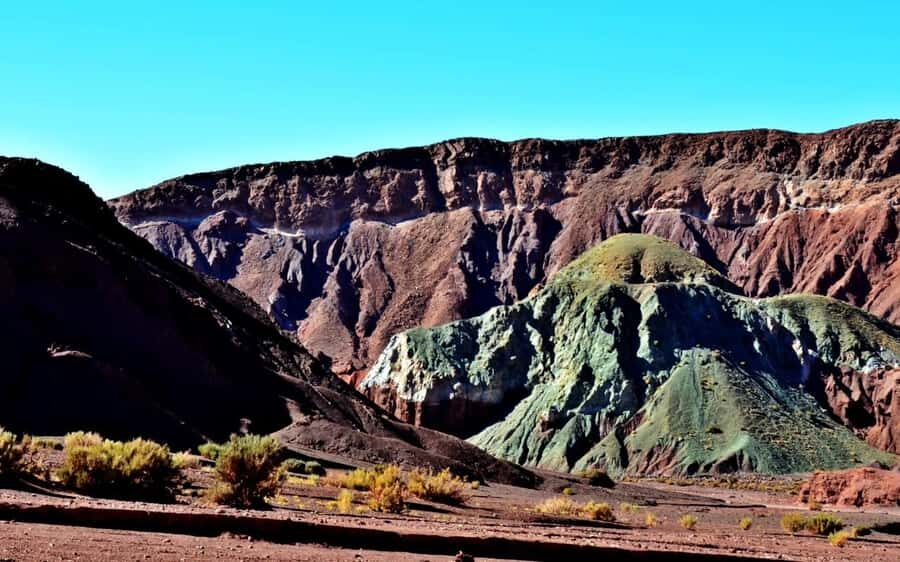
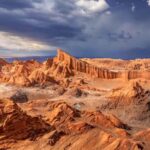
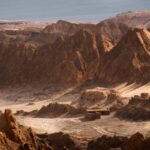
Rainbow Valley is the kind of place that makes geology feel personal. This valley formed over millions of years through tectonic movements and volcanic activity, with influences from the Domeyko mountain range, the salt mountain range, and the Andes. Standing in it, you can almost see the timeline work in reverse: the rocks have been weathered hard by the desert environment and shifting climatic conditions.
Here’s what you’ll notice on the ground. The name Rainbow Valley comes from the tones in the hills—shades created by different concentrations of clays, salts, and minerals. The guide will point out how strong weathering exposes and reshapes these materials, so the colors aren’t random paint-like effects. They’re tied to what the rock contains and how it’s changed over time.
I like this kind of tour because it changes your “photo brain” into “watch and understand” mode. Instead of only chasing pictures, you start noticing patterns: how the ground shifts in color, how some areas look dustier or more mineral-heavy, and how the valley’s textures match what the guide is explaining.
You can also read our reviews of more tours and experiences in San Pedro De Atacama.
The guided walk and breakfast that keep the morning from feeling rushed
The morning starts with pickup in San Pedro de Atacama around 07:00 to 07:30 (or a set meeting point, depending on your accommodation location). Then you’re on minibuses for transfers—first a shorter ride and then longer stretches—before the main walk.
At Rainbow Valley, the schedule gives you a guided tour plus a walk/hike for about 2 hours. That’s long enough to actually get a feel for the valley, not just pass it like a drive-by. The walk is also practical: it’s built into a morning circuit, so you get the best chance of comfortable temperatures before midday heat.
Right after that, you’ll enjoy breakfast for about 30 minutes in the valley area. This matters more than you might think. In the desert, food and water timing can decide whether you feel good on the next segment or cranky and dehydrated. A proper stop keeps the second half of the tour—petroglyphs and hiking—more enjoyable instead of a slog.
One more point: guides often explain the formation of the valley and what you’re seeing in the hills. Names like Alex and Daniel show up repeatedly for this kind of clear, on-the-ground interpretation. If you’re the type who likes a story behind what you’re standing on, this part of the day hits the sweet spot.
Yerbas Buenas petroglyphs: rock art you can walk around
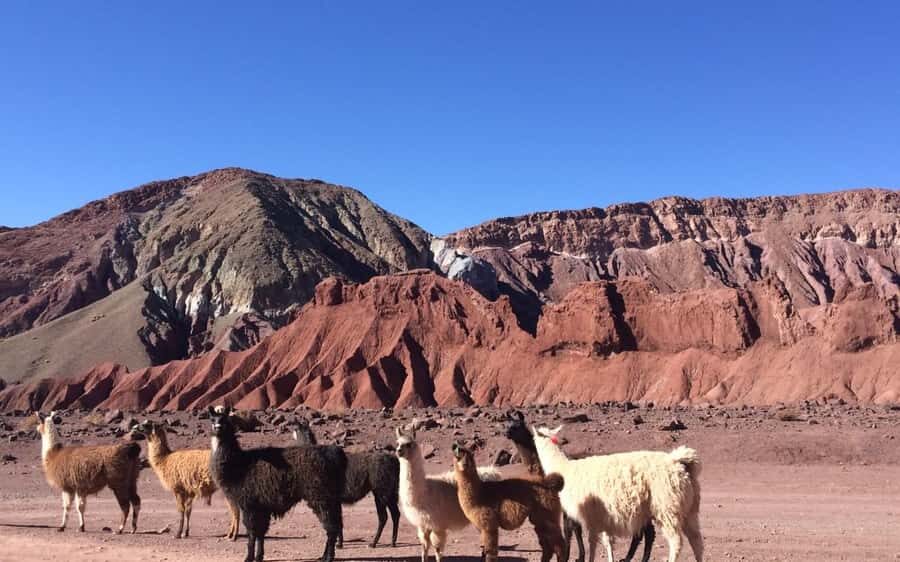
Then the tour moves to Yerbas Buenas petroglyphs, tied to the Atacameño people. This is where the tour shifts from natural science into human time. You’ll stop for photos, then get a guided tour and about 1 hour of hiking around the area.
What makes this stop valuable is that it’s not presented as random carvings. The petroglyphs are rock art—vestiges of culture left by the Atacameño—so the guide’s job is to help you connect what you see to the people who made it. Even if you don’t understand every symbol instantly, you’ll usually leave with a better sense of why this site matters in the desert context.
The setting also helps. The area has strong geological content, so you’re still in the same broader “place shaped by earth processes” mindset. That combination is rare: you’re seeing the desert as both a natural archive (geology) and a cultural archive (rock art).
If you’re someone who likes petroglyphs but gets tired of tours that treat them like a roadside stop, you’ll probably appreciate this one’s pacing. Photo moments are built in, but you also get guided context and enough movement to feel like you’re actually there.
The 6-hour route from San Pedro: how the timing feels in real life
This is a half-day tour, and it works because the schedule doesn’t try to squeeze in too many things. You’ll start from San Pedro de Atacama and spend the day in a tight loop, with several bus segments that buffer your energy.
A rough sense of the flow:
- Morning transfers by minibuses, including a chunk of time before the valley
- Rainbow Valley with a 2-hour guided walk/hike
- A 30-minute breakfast stop in the valley area
- Another transfer by bus
- Yerbas Buenas with photo stop, guided tour, and 1 hour of hiking
- Final ride back, with the tour finishing at Whipala Expedition
Two practical considerations for you:
- You’ll want to be ready for an early start. Pickup is around 07:00–07:30, so it’s not a sleep-in day.
- The bus time is part of the experience, because it lets you see the remoteness of the area and reduces pressure to rush. If you hate sitting on the move, just know that these segments are built into the plan.
The payoff is that you get both major sites—Rainbow Valley and Yerbas Buenas—without needing a full day in transit.
Price and value: what the $37 covers and what you add on site
The headline price is $37 per person, and that includes the parts that most people care about when they travel: hotel pickup, a driver/guide (one person), and breakfast. It also includes arrival to town center as part of the routing.
What’s not included are the entry tickets paid directly on site:
- Rainbow Valley entrance: CLP 5,000 per person
- Yerbas Buenas petroglyphs: CLP 5,000 per person
So plan for CLP 10,000 cash total for tickets. That detail matters because it changes how you budget day-of. If you arrive without cash, you’ll end up dealing with an avoidable hassle when you’re ready to start walking.
Is it good value? For me, the value comes from the mix:
- Natural scenery that’s explained in a way you can actually repeat afterward
- A guided cultural site that doesn’t feel like a checkbox
- Breakfast included, which makes the day feel more complete
- Guided time on both stops, plus time to hike and take photos
If you’re comfortable with a guided half-day and you like understanding what you’re looking at, this pricing structure usually makes sense.
What to pack, what to watch for, and who this trip fits
This tour is desert-country practical. Bring:
- A hat
- Water
- Comfortable clothes
- Closed-toe shoes
You’ll also want to think about traction. Even if you don’t think of desert walking as “trekking,” you still spend time on foot across uneven ground. Closed-toe shoes keep you safer and more comfortable for the full morning.
What’s not allowed: drones. If you’re traveling with one, leave it behind.
Who should go:
- You’re into geology, color, and explanations you can actually connect to the view
- You like cultural sites that come with guided context
- You want a small, focused half-day rather than a full-day marathon
Who should skip it:
- Children under 7 years
- Pregnant women
That’s not about being picky—it’s about comfort and the realities of walking time in a desert setting.
Guides, language, and the small details that affect your day
This tour runs with a live guide in Spanish and English, so you can expect interpretation rather than a self-guided walk. That’s important at Rainbow Valley, where the colors and mineral layers are the whole point. It’s also important at Yerbas Buenas, where understanding the petroglyph context makes the stop far more meaningful.
On top of that, the tour operates with minibuses, and it can be run by joining another friendly agency if the minimum group size of 6 people isn’t met. If you’re the sort of traveler who hates surprises, that’s still usually a minor one: it’s still the same idea of guided time at the two main sites.
For a little confidence boost, names like Alex, Daniel, Manuel, and Javier show up in the guide chatter, often tied to clear, detailed explanations and attentive service. It’s exactly the kind of support you want when your day includes both desert geology and ancient rock art.
Should you book Rainbow Valley + Yerbas Buenas petroglyphs?
Book this tour if you want a tight half-day that combines why the desert looks like this with how people once understood and marked it. You’ll get guided time in Rainbow Valley for geological context, then Yerbas Buenas for Atacameño rock art context, plus breakfast that keeps your energy stable.
Skip it if cash-only ticketing is a dealbreaker for you, or if you don’t like walking/hiking for the full day. Also, if you’re traveling with someone who doesn’t match the age or health guidance (children under 7, or pregnant women), choose a different option.
One smart move: bring the right footwear and keep a little extra water sense. This is the kind of day where the desert doesn’t care about your plans—so your comfort choices matter more than you’d think.
FAQ
How long is the Rainbow Valley + Petroglyphs tour?
The tour duration is 6 hours.
Where does the tour pick up?
Pickup is included from your accommodation in San Pedro de Atacama between 07:00 and 07:30, depending on where you’re staying (or you can use a meeting point).
What’s included in the tour price?
Included are hotel pickup, a driver/guide (1 person), breakfast, and arrival to the town center.
How much are the entrance tickets, and when do I pay them?
Rainbow Valley entrance is CLP 5,000 per person and Yerbas Buenas petroglyphs are CLP 5,000 per person. You pay the tickets directly on site in Chilean pesos cash.
Does the tour include walking or hiking?
Yes. You’ll have walking/hiking in Rainbow Valley (about 2 hours) and hiking at Yerbas Buenas (about 1 hour).
What language is the guide?
The tour has a live guide in Spanish and English.
Is a drone allowed?
No, drones are not allowed.
What should I bring for the day?
Bring a hat, water, comfortable clothes, and closed-toe shoes.
Who is this tour not suitable for?
It’s not suitable for children under 7 years old and for pregnant women.