REVIEW · SANTIAGO
Half-Day Small-Group Panoramic Santiago Tour
Book on Viator →Operated by MTO Tour Chile · Bookable on Viator
Santiago can feel huge, but this tour keeps it organized. You get a small group (up to 8) plus hassle-free hotel pickup and drop-off, so you spend less time figuring out logistics and more time seeing the city. I also like that you choose between Cerro San Cristóbal or Cerro Santa Lucía, which makes the “panoramic” part actually worth it. One thing to consider: the route is packed with viewpoints and downtown landmarks, and a few sites have optional paid entry, so you may want to set expectations that this is a fast, highlight-style tour, not a slow wander.
If you’re curious how Santiago’s layers fit together, this half-day helps you connect the dots. You start near the elegant Club Hípico area, then roll into civic downtown to see La Moneda and the government district vibes, before heading up to a hill for orientation views over the Andes and the city. I’m also a fan of the way the tour shifts from official Santiago to the creative side in Bellavista, where you learn about Chilean poet Pablo Neruda and then cap it off with a classic food stop at the Central Market.
The main drawback for some people is pacing: you’ll do a lot of stops in about four hours, and you’re walking between several of them. If you hate tight schedules, plan to keep your sightseeing style efficient here, and bring your best walking shoes.
In This Review
- Key highlights worth caring about
- Price and what you actually get for your $39.50
- The hotel pickup that sets the tone (and saves your morning)
- Club Hípico to old-money architecture: Santiago’s “how it got here” moment
- Downtown Santiago: La Moneda, the Cathedral area, and the civic district feeling
- The “big view” choice: Cerro San Cristóbal vs Cerro Santa Lucía
- If you pick Cerro San Cristóbal
- If you pick Cerro Santa Lucía
- Which one should you choose?
- Bellavista: the creative quarter after the civic district
- Fine Arts Museum area: art that helps you read Chile
- Central Market finale: snack-able, story-filled local life
- What walking and timing feel like in real life
- Who this tour is best for (and who should skip it)
- Should you book this Santiago panoramic tour?
- FAQ
- How long is the half-day panoramic Santiago tour?
- What is the group size?
- Do I get hotel pickup and drop-off?
- Can I choose between Cerro San Cristóbal and Cerro Santa Lucía?
- Are any admission tickets included?
- What major downtown sights are included?
- Is Bellavista part of the tour?
- Is food included?
- What happens if weather is bad or the minimum number of travelers isn’t met?
- Is there free cancellation?
Key highlights worth caring about
- Up to 8 people for a tour feel that’s personal, not crowded
- Morning hotel pickup and drop-off so you can sleep in and still do the must-sees
- San Cristóbal or Santa Lucía hill option for the views that make Santiago click
- Downtown civic sights like La Moneda and the Post Office area without the stress of arranging transport
- Bellavista + Neruda context to understand why this neighborhood feels artistic and alive
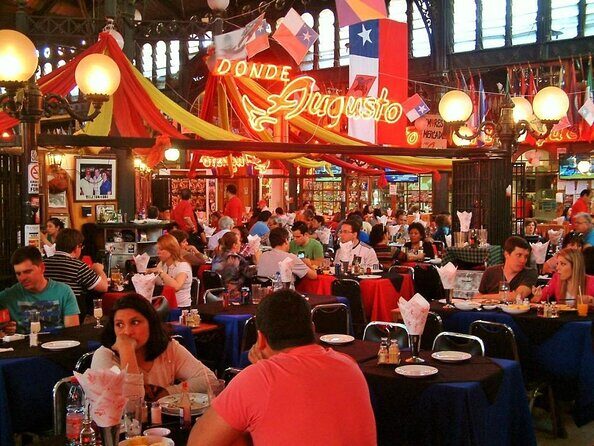
- Central Market finale at a top-name food market with local life in the mix
Price and what you actually get for your $39.50
At $39.50 per person for about four hours, this is the kind of tour that makes sense when you want value without signing up for a full-day itinerary. The big reason is what’s included: a professional guide, live commentary, and round-trip hotel pickup/drop-off. Those last two matter in Santiago because you’re covering multiple neighborhoods and elevations, and doing it on your own would mean more taxi/transport planning than you want on Day 1.
Another value point: many of the downtown landmarks are free to view from the street or in public areas. That lets your money go toward the parts that usually cost extra—like the hill viewpoint entry when you pick San Cristóbal or Santa Lucía. In practice, you’re buying convenience and city “reading skills,” not just photos.
What you’re not buying: food and drinks are not included (unless the specific option you book says otherwise, which the tour info doesn’t guarantee). So if you’re the type who wants lunch handled, you’ll want to budget for a market snack afterward or plan a meal after the tour.
You can also read our reviews of more tours and experiences in Santiago.


The hotel pickup that sets the tone (and saves your morning)
This tour is designed to start smoothly: you get picked up from your hotel lobby or your provided address, then travel in an air-conditioned van. The meeting moment is simple—your guide asks for your name when it’s time to go—which is a small detail, but it helps avoid that stressful scramble when you’re new in a city.
The format also helps you move between neighborhoods efficiently. Santiago isn’t just flat-and-straight. You’re going from civic downtown to hills that change the air, views, and walking conditions. Having the van take you between stops keeps the morning from turning into a transportation puzzle.
The other practical perk is that you’re not stuck coordinating your own ride back. After the Central Market stop, you’re dropped off at your hotel, which is a win if you’re planning the rest of your afternoon in a specific area.
Club Hípico to old-money architecture: Santiago’s “how it got here” moment
Your first sightseeing stop is the Club Hípico de Santiago, an elegant equestrian club area. What makes this opening stop more than just a pretty building is the story: the architecture was inspired by a similar club in France. It’s a good early clue about Santiago’s European-influenced ambitions and how elite spaces shaped the city’s identity.
From there, you head through one of Santiago’s oldest and wealthiest areas, which sets up the rest of the day nicely. The guide’s job here is to help you notice contrasts: formal, historic buildings in the early part of the tour; then the monumental civic district; and later, the creative neighborhoods. If you pay attention, the city stops feeling random.
Possible drawback: because this is a half-day, you won’t get a deep architectural study. You’ll get context and key points, then you move on. If you love slow museum-style exploration, treat the architecture portion as orientation, not a full dive.
Downtown Santiago: La Moneda, the Cathedral area, and the civic district feeling
The tour moves into central Santiago, where the city’s government-core is very visible. You’ll check out classic downtown highlights such as:
- Paseo Ahumada, the main retail street running between Plaza de Armas and Avenida Libertador General Bernardo O’Higgins
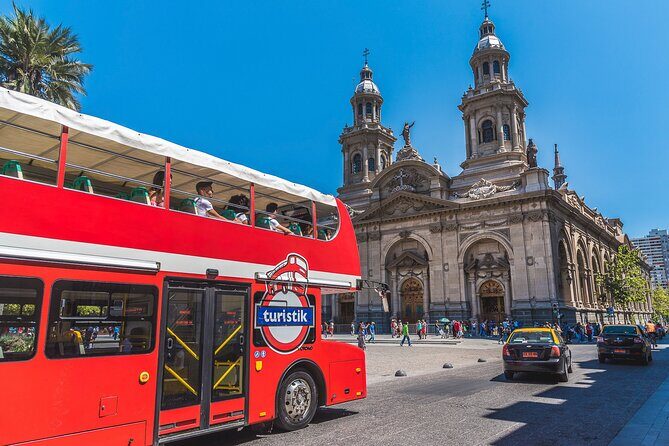
- Metropolitan Cathedral (Catedral Metropolitana), built from 1753 to 1799 in a neoclassical style, designed by the Italian Gioacchino Toesca
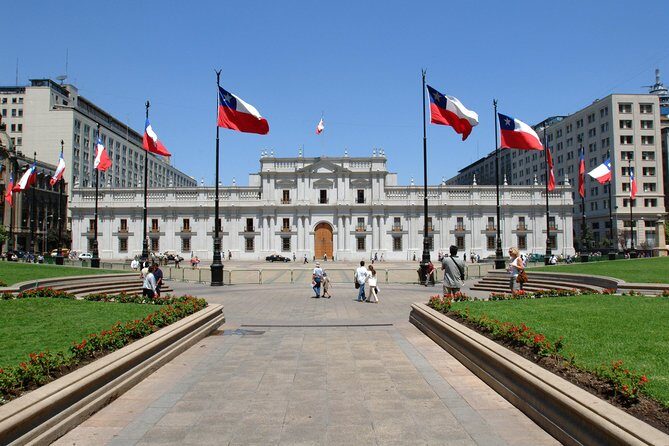
- La Moneda, the seat of Chile’s president and cabinet ministries
- Plaza de la Constitución, surrounded by major government buildings
You’ll also see the civic-area atmosphere around the Central Post Office building, which sits by Plaza de Armas. Even if you don’t enter, the exterior location and history help you understand how Santiago’s colonial core evolved into a political center.
Two practical tips help you enjoy this part more:
- Look up. The city reads fast when you’re scanning facades and domes, not just street level.
- Don’t expect long stays at every stop. You’ll have short viewing windows, which keeps the route moving toward the viewpoints.
Also note: some of these stops list entry as not included or not guaranteed for viewing beyond the exterior. Plan to enjoy them as photo-and-stops, not as fully ticketed attraction time, unless your specific hill option and site entry align with what’s available.
The “big view” choice: Cerro San Cristóbal vs Cerro Santa Lucía
This is where the tour earns its panoramic name. You choose one of two high points, and the payoff is getting city orientation you can’t fake.


If you pick Cerro San Cristóbal
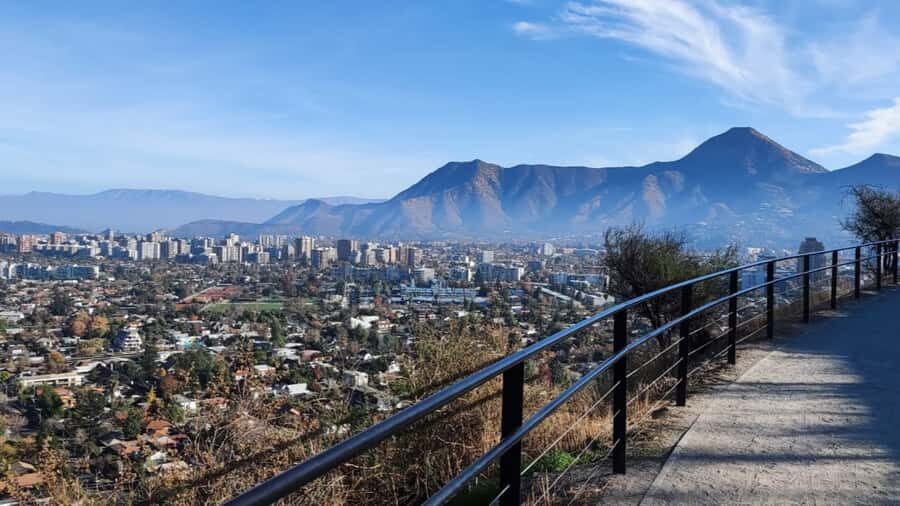
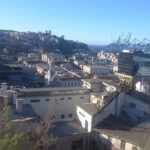
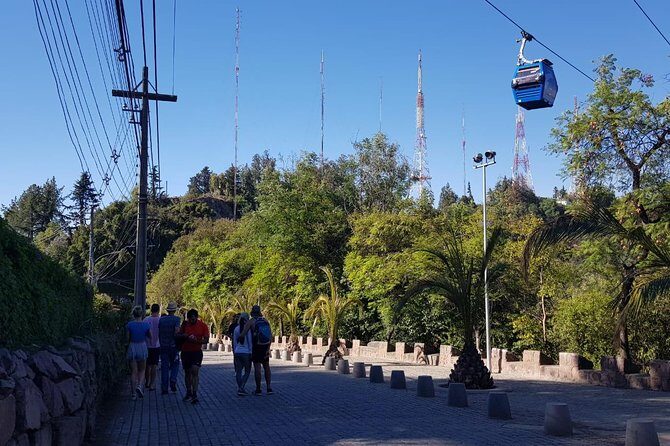
Cerro San Cristóbal is the star for wide-angle views. Even when you think you know a city, from up here you can orient Santiago’s sectors and see how it sits against the Andes and the coastal mountain range (Cordillera de la Costa). It’s the kind of view that makes later neighborhoods make sense.
This stop also connects you to Parque Metropolitano de Santiago, which ties the city’s greenery and viewpoints together. You’ll spend time here for the panorama, and the hill entry is listed as included when this option is selected.
If you’re doing this for the maximum “Santiago overview,” this is the more dramatic orientation bet.
If you pick Cerro Santa Lucía
Cerro Santa Lucía is smaller and more historic in feel. The hill is tied to geology and legend: it’s the remnant of a volcano, and it was used as a lookout during conquest-era moments. The tour includes a stop at Castillo Hidalgo on Santa Lucía, built in 1816, which adds a “why this place matters” layer to the walking.
Santa Lucía also includes entry when selected, and the time on the hill tends to feel like a mix of viewpoints and historical context. If you like your panoramic stops paired with story and structure, Santa Lucía fits well.
Which one should you choose?
- Choose San Cristóbal if you mainly want maximum skyline orientation and the Andes backdrop.
- Choose Santa Lucía if you want more city-history texture in a compact hill visit.
Bellavista: the creative quarter after the civic district
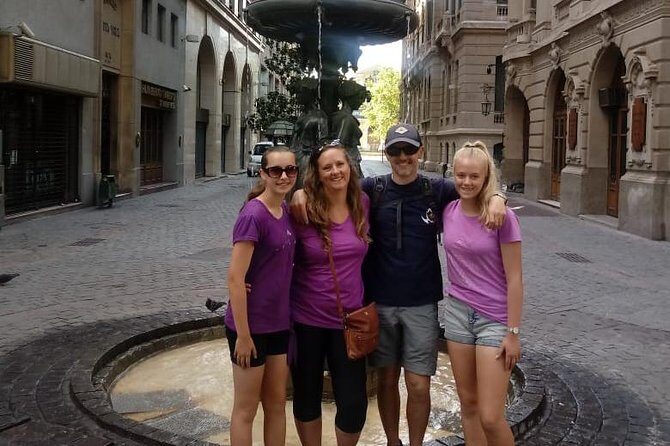
After the government core and the hill, you shift into Bellavista, one of Santiago’s most artistic-feeling neighborhoods. This is the part that helps you understand the city beyond official buildings.
You’ll learn about Pablo Neruda and how his presence ties into Bellavista’s cultural life. You won’t just be told it exists—you’ll see the neighborhood’s mix: galleries, antiques, and nightlife options that make it feel like a place where people actually meet and create, not just pass through.
You’ll also pass through Plaza-like and cultural areas around the city center approach, and the route ties into larger arts spaces.
A quick reality check: Bellavista stops are still “tour stops,” not a free-form wandering day. If you want to browse, plan to leave the tour with a list for a second visit after you’ve already seen the highlights.
Fine Arts Museum area: art that helps you read Chile
You’ll visit the Chilean National Museum of Fine Arts in Parque Forestal. The building known as the Palace of the Fine Arts dates to 1910 and is designed in a Beaux-Arts style by Emile Jéquier. Even if you don’t go inside for a full museum visit, the location in Parque Forestal makes the city feel less purely political and more cultural.
This stop is valuable because it slows the day just a notch. After government buildings and hill views, museum area time gives you a breather and a better sense of how Chilean art moved from early institutions into world-facing modern culture.
Central Market finale: snack-able, story-filled local life
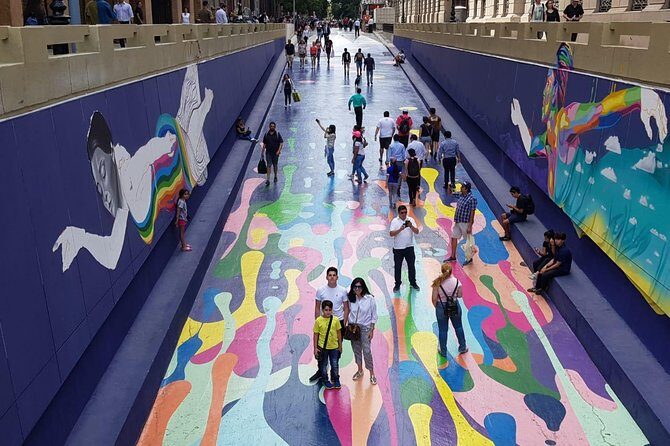
You end with Central Market (Mercado Central), which has been recognized as one of the top food markets worldwide by National Geographic. More important than the label is the feeling: you’re walking into a place where daily food culture is the point, not the performance.
This is ideal after several hours of sightseeing because it’s easy to choose your own pace. You can grab something small, watch vendors work, and get that immediate sense of local rhythm. If you’re a first-timer in Santiago, this stop often does more for your trip memories than another photo at a landmark.
What walking and timing feel like in real life
This is a half-day tour, so you’re doing short bursts: drive, view, brief walk, repeat. You’ll see plenty, but you won’t linger for long in every spot. It also means:
- bring water if you run hot
- wear comfortable shoes
- have your camera ready, because the view opportunities are spread out
If you’re traveling with someone who gets bored in “quick stop” itineraries, you’ll still be fine because the tour rotates settings—architecture, civic monuments, hill panoramas, then neighborhood character.
Who this tour is best for (and who should skip it)
This tour is a strong fit if:
- you want a first-pass Santiago overview
- you like guided context more than self-guided route planning
- you’re okay with a packed schedule as long as it’s efficient
- you enjoy city views and want help choosing which hill to visit
It may not be the best fit if:
- you prefer slow travel and long museum time
- you get frustrated with short viewing windows
- you want a deep, ticket-heavy sightseeing day
For most couples, small families, and solo travelers who land in Santiago and want a solid Day 1 or Day 2 plan, it’s an easy recommendation.
Should you book this Santiago panoramic tour?
I’d book it if your goal is getting organized fast: major downtown sights + a hill viewpoint + Bellavista energy, all without wrestling with transport. The small group size helps, and the hotel pickup/drop-off is the kind of convenience that makes a half-day feel like you got more out of it than you paid for.
I would hesitate only if you hate tight timelines or you’re hoping for a relaxed, sit-down museum day. Pick the hill option that matches your interests, wear good shoes, and plan to treat Central Market as your flexible finish. Do that, and you’ll walk away with a much clearer map of Santiago in your head.
FAQ
How long is the half-day panoramic Santiago tour?
It runs about 4 hours.
What is the group size?
It’s a small-group tour with a maximum of 8 travelers.
Do I get hotel pickup and drop-off?
Yes. There is pickup from your hotel lobby or provided address, and drop-off back at your hotel.
Can I choose between Cerro San Cristóbal and Cerro Santa Lucía?
Yes. You can pre-select which hill you want to visit.
Are any admission tickets included?
Admission is listed as included for the hill options (Cerro San Cristóbal or Cerro Santa Lucía) depending on your choice. Other sites like La Moneda and the Central Post Office are marked as not included for admission.
What major downtown sights are included?
You’ll see highlights such as Paseo Ahumada, the Metropolitan Cathedral, La Moneda, and the Central Post Office area, plus civic district stops like Plaza de la Constitución and the Palacio de La Moneda cultural area.
Is Bellavista part of the tour?
Yes. You’ll visit Bellavista and learn about Pablo Neruda as part of the neighborhood stop.
Is food included?
Food and drinks are not included unless specified otherwise when you book.
What happens if weather is bad or the minimum number of travelers isn’t met?
The tour requires good weather. If it’s canceled due to weather or not meeting the minimum traveler requirement, you’ll be offered a different date or a full refund.
Is there free cancellation?
Yes, you can cancel up to 24 hours in advance for a full refund.