REVIEW · SANTIAGO
Wine wonders at Concha y Toro premium tour
Book on Viator →Operated by Full Tour · Bookable on Viator
The devil story starts with a short walk. This Concha y Toro premium tour is built for people who want Chilean wine culture in a tidy 4–5 hour outing, with pickup, a guided tasting lesson, and time in the cellar.
Two things I really like: you start with a vineyard walk (so you see where the grapes grow, not just where they get poured), and you get three tastings from wines made on the estate, plus instruction on tasting like a pro. You’ll also take home a personalized wine glass—small souvenir, big keep.
One possible drawback: depending on the season, vineyard work can affect what you see up close. In winter, the vines may not look as grape-filled as you’d expect, even though the tasting portion still goes on.
In This Review
- Key Things to Know Before You Go
- Concha y Toro Premium Tour: The Big Picture for Santiago Days
- Vineyard Walk With Small-Group Pace (Up to 10)
- The Casillero el Diablo Legend and Chile’s Winemaking Story
- Cellar Time: Three Tastings and a Sommelier-Style Lesson
- The Personalized Wine Glass Souvenir: A Small Win You’ll Actually Keep
- Price and Value: Why This $100 Tour Makes Sense
- Season Matters: When the Vineyard Looks Different
- So, Should You Book This Tour?
- FAQ
- How long is the Concha y Toro premium tour?
- How many wines do I taste, and is tasting included?
- Is pickup included?
- Is lunch included?
- What’s the maximum group size?
- Can I cancel for a refund?
Key Things to Know Before You Go
- Small group size (max 10): easier questions, less waiting, and more time with your guide.
- Pickup included: you’re not dealing with Santiago traffic on your own.
- Three wine tastings included: you’re paying for a structured tasting session, not just a quick sip.
- Sommelier-style tasting lesson: you’ll learn how to evaluate wine, not just what tastes good.
- Vineyard walk + cellar visit: outdoor context first, then cellar education and pours.
- Personalized wine glass souvenir: a nice, practical memory you can actually use later.
Concha y Toro Premium Tour: The Big Picture for Santiago Days
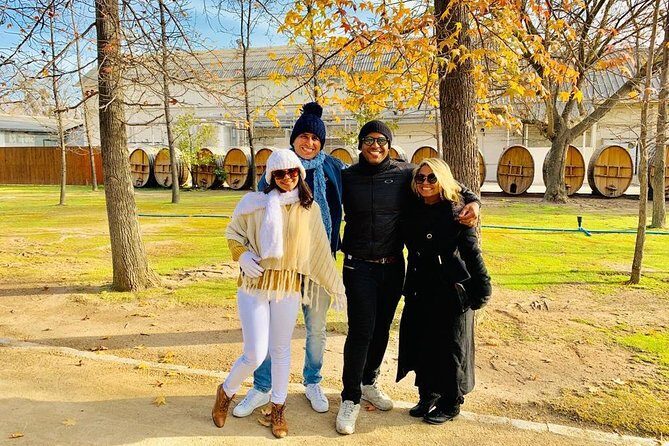
If you’re doing Santiago for the first time, this is the kind of tour that gives you a real wine foundation without turning your day into a logistics project. Concha y Toro is one of Chile’s most famous names, and this premium option is designed to connect the dots—vineyard to cellar to what’s in your glass.
I like that it’s not only about the tasting. The experience is set up so you understand what you’re tasting, where grapes come from, and how the winery fits into Chile’s broader wine culture. You’ll get a story thread too: the famous legend of Casillero el Diablo comes up during the visit, so the winery experience feels less like a museum and more like a narrative.
For value, here’s the simple math. You’re paying $100 per person for a half-day-style outing that includes pickup, air-conditioned transportation, three tastings with alcoholic beverages, and a guided lesson. Lunch isn’t included, but you’re also not buying separate entry fees just to reach a tasting room.
You can also read our reviews of more wine tours in Santiago


Vineyard Walk With Small-Group Pace (Up to 10)
This tour starts by getting you out where the grapes grow. You’ll walk through the vines and take in the views, and that matters more than it sounds. Wine education sticks better when you can match the explanation to what you’re seeing—soil, vine layout, and the general “feel” of the place.
The small group size (up to 10 travelers) is a big deal for comfort and flow. Big tours can feel like you’re herded. Here, the pacing is calmer, and you have more room to ask questions as you go—especially if you want to know how Chile’s climate influences flavor.
Pickup is also included, which saves you time and stress. You’re not scrambling for the right bus, or negotiating rideshare timing around a schedule that’s already tight. The ride is in an air-conditioned vehicle, which is a practical win in Santiago’s changing daytime temps.
The Casillero el Diablo Legend and Chile’s Winemaking Story
One of the most memorable parts of this tour is how the history gets told. You’ll hear about Chile’s winemaking tradition and the way the winery operates, from vineyard background to how production is approached. The goal isn’t to throw dates at you; it’s to give you enough context to make the tasting meaningful.
Then comes Casillero el Diablo—the winery’s special legend. Even if you’ve heard the name before, the tour format helps you see why the story sticks. It adds character to the experience, and it turns the cellar portion into something more than a checklist.
This is also where guides can make or break the tour. Some recent experiences highlighted how guides keep things clear and animated, including Portuguese-speaking guide support with people like Leonardo and Carla being mentioned for attentive instruction and smooth explanations. If you care about language and you want a guide who can actually teach, that kind of track record is a good sign.
Cellar Time: Three Tastings and a Sommelier-Style Lesson
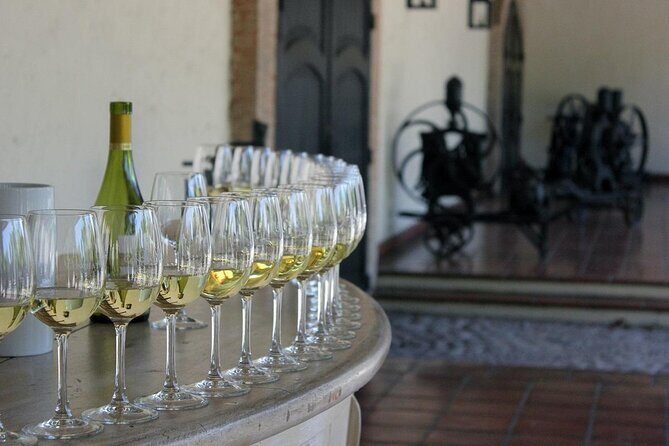
The cellar visit is the heart of the day. You’ll taste three wines made on the estate, and the tour includes a guided lesson on how to taste like a sommelier. That’s the part that turns this from a casual wine stop into a skill-building experience.
Here’s what “tasting like a sommelier” usually means in practice: you learn how to slow down, look at the wine, notice aromas, and then evaluate what you’re feeling on the palate. Instead of guessing, you start to make connections—how acidity, sweetness, and structure show up in the glass. Even if you don’t become a wine judge by the end, you’ll leave with a repeatable way to taste future bottles.
You’ll also want to pace yourself. Three tastings in a short time is not a “sip and stroll” situation. It’s enough wine to learn, but it’s also enough to influence how you feel. Plan to stay in tour mode afterward—short meals, quiet pacing, and no major driving plans.
One caution from past experiences: a few people noted they wanted more in-between support, like water between pours. If that’s important to you, I’d ask the guide directly during the tasting. It’s better to request what you need than to wait until the last pour and regret it.
The Personalized Wine Glass Souvenir: A Small Win You’ll Actually Keep
At the end, you take home a personalized wine glass. This is one of those souvenirs that hits the sweet spot: it’s directly tied to what you did, it doesn’t take up much space, and it’s usable back home.
If you’re the type who likes practical keepsakes, this is better than a generic postcard or a fridge magnet. It also works as a trigger for memory: later, when you pour a glass at home, you’ll remember the vine walk and the story you heard in the cellar.
It’s also nice for gift-givers. If you have someone back home who loves wine, a personal glass feels more thoughtful than a typical souvenir.




Price and Value: Why This $100 Tour Makes Sense
At $100 per person, you’re not shopping “cheap,” but you are buying a package. This tour includes:
- 3 wine tastings (with alcoholic beverages)
- guided tasting instruction
- pickup
- air-conditioned transport
- taxes included (GST)
So you’re paying for the experience design, not only for entry. If you try to recreate this on your own—transport, tasting fees, and a guide—it often costs more in time and money than it looks like it should.
The duration also matters. At about 4 hours, you’re getting a structured experience without losing an entire day to travel and waiting. That’s a real value consideration in Santiago, where a half-day can be more efficient than it is elsewhere.
The one thing not included is lunch, so plan around it. If you want a full meal before or after, schedule it so you’re not rushing when the tour ends. You’ll likely still feel satisfied from tastings, but wine is not a substitute for food if you want energy for the rest of your day.
Season Matters: When the Vineyard Looks Different
A practical thing to plan for: what you see in the vines can change with the season. One shared experience mentioned that in winter there may be times when you can’t see grapes as clearly—either because of seasonal conditions or vineyard work. In that case, the vineyard walk can feel more like “understanding the place” than “seeing the harvest moment.”
Still, that doesn’t make the tour pointless. You’ll keep the cellar tastings and the learning component, and the walk remains valuable for context. My advice: if you’re booking for a peak grape-view photo moment, ask what the vineyard visibility tends to be like for your travel month. If your priority is tasting + instruction, you’ll likely still be happy even when the vines are quieter.
So, Should You Book This Tour?
If you want a smooth, well-structured wine experience in Santiago—one that combines vineyard context, three estate tastings, and a guided lesson—this is a strong match.
I’d especially recommend it if:
- you want small-group pacing instead of a big crowd,
- you care about learning how to taste, not only drinking,
- you like the idea of leaving with a personalized souvenir,
- you’re looking for an easy way to experience Concha y Toro without planning transport and timing yourself.
I might hold off or ask extra questions first if:
- you travel during a season when vineyard access/visuals might be limited,
- you’re very sensitive to needing water or food between tastings (confirm what your group includes),
- you expect lunch as part of the price (it isn’t included).
FAQ
How long is the Concha y Toro premium tour?
It runs about 4 to 5 hours.
How many wines do I taste, and is tasting included?
You taste 3 wines, and wine tasting is included in the tour price.
Is pickup included?
Yes. Pickup is offered, and the tour uses an air-conditioned vehicle.
Is lunch included?
No. Lunch is not included.
What’s the maximum group size?
The tour has a maximum of 10 travelers.
Can I cancel for a refund?
Yes. You can cancel up to 24 hours in advance for a full refund. If you cancel less than 24 hours before the start time, the amount paid is not refunded.