REVIEW · SANTIAGO
Viña Del Mar-Valparaiso -Casablanca -Reñaca-Oceanic Rock-Concon
Book on Viator →Operated by MTO Tour Chile · Bookable on Viator
Valparaíso and Viña del Mar look like postcards, but this tour is more useful than a photo stop. You get roundtrip hotel pickup, a full day of sights, and live commentary as you move between neighborhoods and viewpoints. The best part is how the route connects art, history, and coastline in a single pass.
What I like most is the mix of guided moments and “go look” time: you’ll sample local flavors in Casablanca, then walk the steep streets of Valparaíso with time to take in the murals. The second highlight is the sheer variety of scenes, from the port at Plaza Sotomayor to beach time in Viña, plus the dramatic rock at Concón. One drawback to plan for: the day is long and Valparaíso is very uphill, so you’ll want solid shoes and a realistic pace.
In This Review
- Key highlights worth choosing this route for
- A One-Day Coastal Circuit That Starts in Casablanca
- Price and What You’re Really Paying For
- The Morning Pickup Rhythm in Santiago
- Casablanca Winery Valley: Olives, Wine, and the Neruda Connection
- Valparaíso’s Port and Plaza Sotomayor: Where the Story Starts
- Paseo Gervasoni and the Turri Tower: Architecture as a Clue
- Navy Building, Cerro Concepción, and the Best Views You Can’t Rush
- Plaza Sotomayor to Victory Monuments: War History With Real Scale
- Viña del Mar: Beaches, Casinos, and the Flower Clock Moment
- Paseo Yugoeslavo, the Arco Británico, and Moai Del Ahu
- Mirador Pablo Neruda and Francisco Fonck Museum: Culture in Short Bursts
- Cerro Alegre, Muelle Vergara, and Muelle Prat: Art Meets the Working Port
- Funiculars, Ascensores, Flower Clock, and the Piano Stairs
- Concón’s La Roca Oceánica: The Final Coastal Stop
- What Makes This Tour Work Best for You
- Quick Booking Decision: Should You Choose It?
- FAQ
- How long is the tour?
- What’s the starting time?
- Do I get hotel pickup and drop-off?
- What tastings are included?
- Is lunch included?
- Are admission tickets included for all stops?
- Is this tour good for people who dislike hills?
- Does the tour run in bad weather?
- How big are the groups?
- What if I need to cancel?
Key highlights worth choosing this route for
- Hotel pickup and drop-off from your Santiago accommodation saves you hassle and time
- Casablanca tastings with local wine plus olives and olive-oil cooking samples
- Valparaíso walking beats: painted streets, viewpoints, and the famous hilly layout
- Icon stops that are actually useful: Flower Clock, Piano Stairs, and major miradors
- Concón’s La Roca Oceánica gives you a final, dramatic coastline payoff
- Group size stays capped (up to 99), so expect some coordination around stops
A One-Day Coastal Circuit That Starts in Casablanca
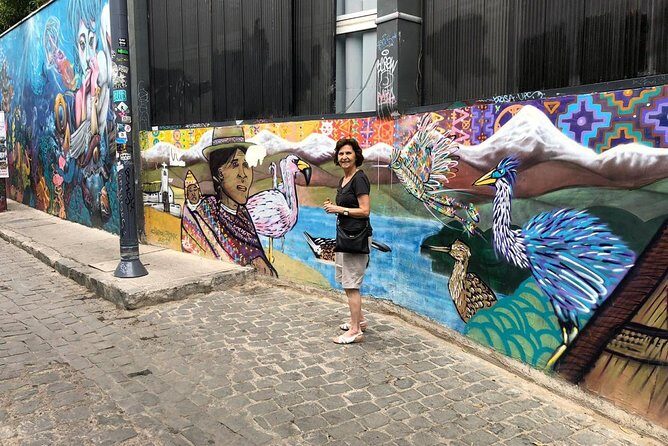
This tour strings together four big “zones” without making you plan anything. You start in Santiago, head west into the central valley for Casablanca, then continue along the coast into Valparaíso and Viña del Mar, finishing at Concón. It’s the kind of itinerary that works best when you want structure, context, and photos, but you still want short breaks to look around on your own.
The Casablanca stop is designed to ease you into the day. You get a winery-area visit in the central region’s famous producing zone, with admission listed as free. This is where the tasting feel fits in: you sample Azapa olives and olive-oil cooking, alongside a local wine tasting. You’re not just walking through a pretty place here. You’re tasting the region’s real food culture.
Then the tour pivots hard from vineyard calm to Valparaíso’s vertical energy. Valparaíso is a city of hills, viewpoints, funiculars, and stair-heavy neighborhoods. The route keeps you moving, but it also gives you enough guided stops that you don’t feel lost. The best payoff is that you see how the city’s layout shapes everything from views to street life.
You can also read our reviews of more tours and experiences in Santiago.



Price and What You’re Really Paying For
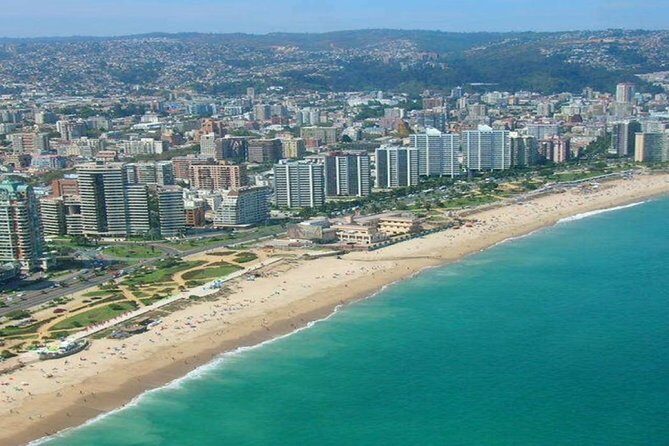
At $40.99 per person, the price is mostly about three things: transport, a professional guide, and the time saved by not cobbling together transfers yourself. You’re paying for the convenience of air-conditioned roundtrip rides, plus the “translation layer” of live commentary while you’re in the vehicle.
The day is long (about 9 to 12 hours), so value depends on how you feel about big-group logistics and scheduled stops. If you want a slow, eat-where-you-like kind of trip, this is not that style. If you want a full coastal overview with context and a shot at the key icons, it’s a solid deal for the money.
Food is the one place where you should expect to make choices. The tour includes tastings (olives/olive-oil cooking and wine), but outside of that, meals are not automatically covered. There’s a lunch stop tied to a restaurant option, and you’ll likely pay for what you order.
The Morning Pickup Rhythm in Santiago

The tour starts at 8:00 am, and pickup happens from your hotel or accommodation. The itinerary is built around Santiago’s traffic realities, so plan on an early wake-up and some waiting in the pickup window. One review detail worth taking seriously: pickup timing can vary, and for weekend travel it tends to move better, while weekday traffic can turn the day into long bus time.
You’re in an air-conditioned vehicle with a professional guide doing commentary as you drive. That matters. It’s not just transportation; it’s your first layer of orientation before you hit the steep neighborhoods.
When your group reaches Valparaíso and Viña, you’ll notice something: the itinerary uses a mix of drive-bys and short stop-and-walk moments. That keeps the day from collapsing into one long queue of walking. It also means you should be ready to get your photos fast, then shift your attention to the next viewpoint.
Casablanca Winery Valley: Olives, Wine, and the Neruda Connection
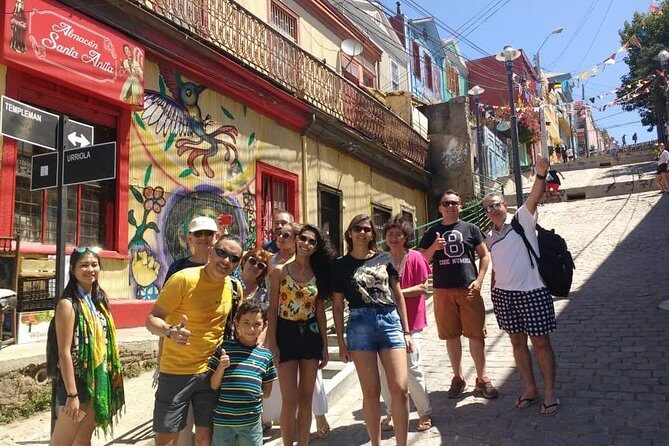
Casablanca is famous in Chile for its wineries, and this stop fits the “taste and orient” format. Admission is listed as free, so you’re not paying entry fees on top of the tour price. Time is set around 30 minutes for the Casablanca portion.
The tasting theme matters, too. The tour highlights Azapa olives and samples tied to olive-oil cooking, with a local wine tasting alongside. Even if you’re not a wine person, olives and olive oil are an easy way to connect with the region in a hands-on way.
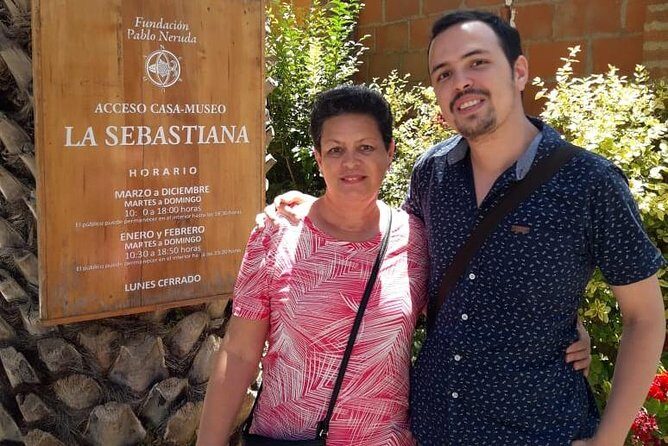
There’s also a cultural/creative layer described for the stop: a four-story home with 360-degree views and a post-modern fireplace referred to as the jar of smoke, designed by Neruda himself. Whether you’re a literature fan or just a design nerd, it’s the kind of stop that gives you a story you can carry into Valparaíso later: Chilean identity expressed through art, not just landscapes.
Valparaíso’s Port and Plaza Sotomayor: Where the Story Starts
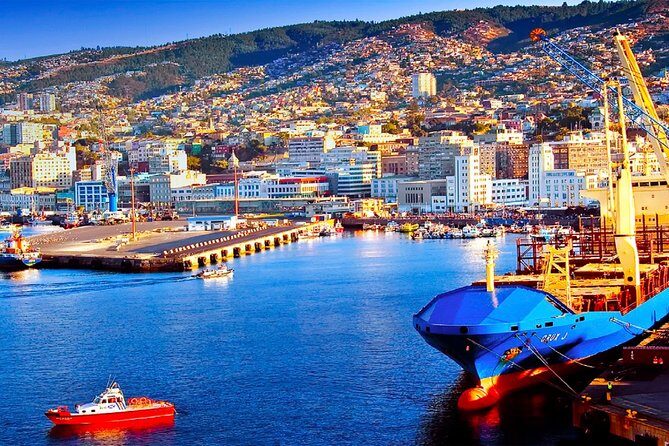
Valparaíso’s first big “context” stop is Plaza Sotomayor, right by the famous port area. Admission is free, and the time here is about 20 minutes.
This is where you get the naval and government framing. The plaza borders the port, includes the country’s naval headquarters, and features a government building with an unusual backstory: it was moved from Santiago in the 1970s to protect it from socialist bombings. That kind of detail makes you look at buildings differently. You stop seeing them as props for photos and start seeing them as witnesses.
It’s also a good place to reset your legs before the hill neighborhoods. Valparaíso later becomes stair-heavy, so you’ll want to start the walking portion feeling functional, not already tired.


Paseo Gervasoni and the Turri Tower: Architecture as a Clue
Next up is Paseo Gervasoni, a hilly street known for vintage Chilean buildings. The stop is about 30 minutes, with admission free.
Here the goal is a street-level understanding of the city: how older architecture sits on slopes, how streets link viewpoints, and how the neighborhood layout pulls you upward. The Turri Tower is highlighted for being one of the oldest clocks in Valparaíso. That’s a small detail, but it’s the kind that helps you orient while you’re walking among murals and steep lanes.
This part of the day is best if you like wandering with purpose. You’re not stuck staring out a bus window. You’re seeing the city’s built texture close-up.
Navy Building, Cerro Concepción, and the Best Views You Can’t Rush
The tour includes several viewpoint stops that are about more than scenery. They’re about understanding why Valparaíso works as a city of art.
- The Navy Building is described as a fortress-like, architecturally impressive military building. Admission is listed as not included, and the stop is about 20 minutes.
- Cerro Concepción is a hilltop with some of the best eastern views in the country, with 20 minutes and free admission.
- Palacio Baburizza is a turn-of-the-century palace now housing the Fine Arts Museum. Admission is listed as not included, with about 15 minutes.
- A nineteenth-century castle used as a cultural center is also noted as a National Monument type stop, though the specific name isn’t provided.
The drawback with these stops is timing. Viewpoints are great, but you can’t linger forever. If you’re the kind of person who wants long contemplation time, you’ll need to balance your attention between quick photos and the guided “why this matters” explanation.
That said, the upside is huge: you get to see multiple kinds of angles. You’re not just looking at the city from one mirador and calling it a day.
Plaza Sotomayor to Victory Monuments: War History With Real Scale
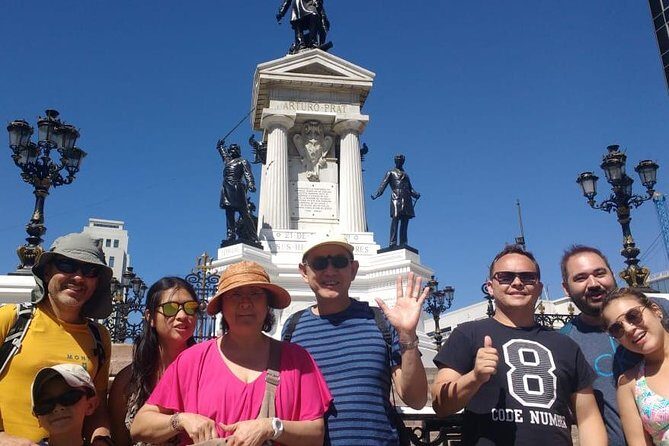
One of the most meaningful stops is Monumento a Los Heroes in the Sotomayor Square area. Admission is free and the stop is about 20 minutes.
This monument points to the War of the Pacific in the 1880s, when Chile, backed by the Navy, triumphed over Bolivia and Peru. It also connects military victory to territorial and resource shifts: Chile seized land in the north tied to saltpeter and copper and pushed Bolivia inland, away from the sea. The monument’s position makes it easy to spot from surrounding hills and square viewpoints.
This is one of those stops where the city’s “photo face” and “historical backbone” finally connect. It also helps you understand why coastal cities like this treat the port as more than scenery.
Viña del Mar: Beaches, Casinos, and the Flower Clock Moment
After Valparaíso, the schedule moves into Viña del Mar, including oceanfront and icon sites. This part of the day is more relaxed in pace, but still packed with highlights.
Key stops include:
- Playa Renaca: a beach promenade area reached from Viña by coastal roads, with 20 minutes and free admission.
- Paseo 21 de Mayo: a photo spot with views over the entire city and the bay, including Viña and Reñaca, about 20 minutes.
- Vina del Mar Casino: the first and largest casino in Chile, with 15 minutes and free admission.
- Los Canones Beach: described as the town’s luxury beach resort area, even in off-season, about 15 minutes.
- Castillo Cerro / President’s summer house area: appreciated while walking the Peru Avenue route on Castle Hill, with the castle indicated as Castillo Cerro.
- Plaza de los Poetas: a square marking literary history with gardens and playful statue moments like a handshake gesture.
Then you hit one of the most recognizable icons: the Flower Clock (Reloj de Flores), with about 15 minutes and free admission. It’s a classic “take your photo, then enjoy the contrast” kind of stop. The clock gives you a sense of place, and it’s also an easy way to mark the transition from hills into seaside calm.
Paseo Yugoeslavo, the Arco Británico, and Moai Del Ahu
Viña del Mar also includes stops that feel oddly fun, in a good way. The Paseo Yugoeslavo (Ex Paseo Americano) includes European-style buildings, views, and lots of shops and craft sales, about 20 minutes. Admission is not included for this stop.
Then comes the Arco Británico, a monument on Avenida Brasil donated by the British community in 1910 to mark the centenary of Chile’s independence. It’s made of Italian marble and topped with a British Victorian lion, with decorative imagery tied to Britons who participated in Chile’s War of Independence.
Next is Moai Del Ahu, a statue brought from Easter Island. It’s about 10 minutes, free admission, and it’s honestly one of those quick stops that makes your brain light up. You get an easy photo moment and a conversation starter about how Chile absorbed and displayed Easter Island heritage.
Mirador Pablo Neruda and Francisco Fonck Museum: Culture in Short Bursts
Two places add culture beyond murals and sea views.
Mirador Pablo Neruda is tied to Neruda’s house (on Cerro Bellavista). The tour includes museum glimpses and offers a vantage point over the city. It’s about 20 minutes, and admission is listed as not included. There are also shops outside for souvenirs like magnets, plus a nearby plaza with mosaic steps.
Then there’s the Corporación Museo de Arqueología e Historia Francisco Fonck. This museum is described as founded in 1937 and covering original peoples of Chile, including a large Rapanui culture collection, Atacameños, Diaguitas, Mapuches, and more. It also includes natural sciences displays and references to Peruvian pre-Columbian vessels. The stop is about 20 minutes, with admission listed as not included.
These museum stops are not long. So go in with a mindset of overview. You’re sampling themes, not doing a full-day deep study.
If you’re the kind of traveler who wants to read everything slowly, this tour will feel too short for museums. If you want a guided taste of culture before you move on to the next coast angle, it works well.
Cerro Alegre, Muelle Vergara, and Muelle Prat: Art Meets the Working Port
Back in Valparaíso’s hills, the tour includes Cerro Alegre, described as UNESCO World Heritage because of its architecture. This is about 20 minutes with free admission. You also get restaurants and shops nearby, plus sea views.
The Muelle Vergara stop is a photo opportunity for the coastline on both sides and is also described as a popular fishing spot with locals.
Then Muelle Prat gives you the port culture angle: the view from the harbor area, plus local merchants and a big plaza setting. The stop is about 20 minutes, free admission.
These stops are where Valparaíso feels most real to me. It’s not only street art on walls. It’s boats, people, and the daily rhythm of a port city.
Funiculars, Ascensores, Flower Clock, and the Piano Stairs
Valparaíso’s steepness is so intense that the tour leans on transit tricks to make the day manageable.
The itinerary includes:
- Ascensor Artillería: described as a Valparaíso ascensor with very strong reviews and likely among the best views from the top. Admission details aren’t specified, but you’ll experience the ride and the walk back down.
- Funicular Queen Victoria: said to be the oldest funicular in Valparaíso, built by the British in the late 1800s. It’s described as efficient and pleasant, riding in an eight-person box, with the note that you might see daylight through floorboards. It’s described as a real local experience.
Then you get the “postcard reality” spots:
- Flower Clock
- Piano Staircase: listed as about 15 minutes
- Paseo Dimalow: a walk with preserved buildings and commercial premises, about 15 minutes
The practical point: wear shoes you can trust. Reviews and route design both point to narrow steps and steep grades. If your soles are slippery or your ankles hate stairs, this part can feel like a workout.
Concón’s La Roca Oceánica: The Final Coastal Stop
The last major stop is Concón, at La Roca Oceánica. It’s a striking natural rock formation jutting into the Pacific, with panoramic views and the chance to see coastal wildlife. It’s about 25 minutes with free admission.
This ending works because it shifts you from city angles to open coastline drama. After hours of hills, streets, and steps, the ocean gives you a clean visual reset.
If you’re still taking photos at the end of the day, this is the place to focus on fewer shots and better framing. The rock and sea lines up well for wide views.
What Makes This Tour Work Best for You
This is best for travelers who:
- Want a one-day overview of Casablanca + Valparaíso + Viña + Concón without planning logistics
- Enjoy short guided explanations paired with time to wander
- Like photo stops but also want historical and cultural context
- Don’t mind an itinerary that is tightly scheduled, with some stops more “quick look” than “deep experience”
It’s less ideal if:
- You want maximum free time to eat where you want
- You dislike long bus rides or you get easily tired by hills and stair travel
- You need slow museum pacing or long viewpoint lingering
The guide experience can vary depending on language mix. The tour notes that it may be multi-lingual. In real life, that means you might hear English sometimes more clearly than other times depending on the day’s group and guide setup.
Quick Booking Decision: Should You Choose It?
If your priority is seeing the region in one structured day with hotel pickup, tastings, and a guided route across Valparaíso and Viña’s icons, I think this is worth booking. It’s built for time-savers and first-timers who want the meaning behind what they’re photographing, not just a list of places.
If you’re sensitive to long schedules, struggle with steep walking, or prefer restaurant freedom, you might feel rushed. For those cases, you’ll probably enjoy a more flexible plan or a smaller-group guide who can slow down where you want to linger.
FAQ
How long is the tour?
It’s listed as about 9 to 12 hours, depending on the route and conditions of the day.
What’s the starting time?
The start time is 8:00 am.
Do I get hotel pickup and drop-off?
Yes. Hotel pickup and drop-off are included, using an air-conditioned vehicle.
What tastings are included?
The tour includes wine and food tastings, specifically Azapa olives and olive-oil cooking along with local wine.
Is lunch included?
Food and drinks are not included unless specified. The itinerary includes a lunch stop at a designated restaurant, so you should expect to pay for your meal.
Are admission tickets included for all stops?
Not always. Some stops list admission as free, while others list admission not included (for example the Navy Building, Palacio Baburizza, and the Neruda house and Francisco Fonck museum).
Is this tour good for people who dislike hills?
Valparaíso is very hilly with steep streets and stairs. You’ll want comfortable shoes and a willingness to walk uphill in short bursts.
Does the tour run in bad weather?
It requires good weather. If canceled due to poor weather, you’ll be offered a different date or a full refund.
How big are the groups?
The tour has a maximum group size of 99 travelers.
What if I need to cancel?
Free cancellation is offered up to 24 hours in advance for a full refund.