REVIEW · PUERTO NATALES
Torres del Paine Park Full-Day Tour from Puerto Natales
Book on GetYourGuide →Operated by Ruta Chile · Bookable on GetYourGuide
A full day in Torres del Paine is a fast education. You’ll start in Puerto Natales and hit Milodón Caves for prehistory, then move through waterfall and glacier country with a bilingual team like guide John and driver Jorge. The day feels well-paced, and I especially like that the guide explains what you’re seeing—wildlife, plants, and how this park fits together. One drawback to plan for: parts of the tour can run with more Spanish than English depending on the group.
What makes this trip worth your time is the mix of viewpoints and “why it matters” talk. You get Salto Grande up close (and the dramatic Mirador Cuernos view), plus a walk around the Grey Lake glacier and its ice floes—the kind of sight that makes you forget your phone exists. A practical consideration: it’s rain or shine, you’ll be walking for most of the day, and you’ll need to handle park entrance fees and lunch separately.
In This Review
- Key Highlights You’ll Actually Feel
- A One-Day Torres del Paine Taste Test from Puerto Natales
- Milodón Caves and El Castillo Hill: Prehistory on the Road
- Wildlife and Plantlife Lessons at Laguna Amarga and Beyond
- Salto Grande Waterfall and Mirador Cuernos: Worth the Wind
- Grey Lake Glacier Walk: Ice Floes and a Lengas Forest Break
- Price, Entrance Fees, and What You Need to Budget
- Packing for Patagonia: Keep It Warm, Keep It Moving
- So, Should You Book This Full-Day Tour?
- FAQ
- How long is the Torres del Paine Park full-day tour from Puerto Natales?
- What’s included in the tour price?
- Are entrance fees included?
- Is lunch included?
- Will the tour run if it rains?
- What should I bring?
- Are pets allowed or can I bring large bags?
- Is the tour suitable for limited mobility?
Key Highlights You’ll Actually Feel
- Milodón Caves: A 1000-year-old site tied to early humans and an extinct herbivore.
- El Castillo Hill stop: A short hike plus a cafeteria option inside the park.
- Wildlife spotting with context: Red foxes, condors, guanacos, and rheas—plus plantlife notes.
- Salto Grande waterfall: A 10-meter-high flow from Lake Nordenskjöld with big mountain views.
- Grey Lake glacier walk: Ice floes and a lengas forest break, not just a photo stop.
A One-Day Torres del Paine Taste Test from Puerto Natales
This is a long day—about 10 hours—built for people who want a lot of Torres del Paine without committing to multi-day trekking. The value is in the coverage: you’re not only chasing views, you’re moving through several distinct zones of the park in one outing. That matters in Patagonia, where weather can change quickly and “I’ll do it another day” can turn into “we ran out of luck.”
I like how the pacing is structured around short hikes and clearly timed viewpoint moments. For you, it means you’ll likely spend more energy looking and less energy wondering where to go next. Hotel pickup and drop-off from Puerto Natales also keeps the logistics simple—no rental car, no figuring out road timing.
One more thing: the tour is explicitly not recommended for limited mobility. That’s important. Even if the hikes are “short,” you’re still outside, on uneven ground, and operating in cold, wind, and rain-or-shine conditions. If you’re on the fence, be honest about what your body can handle for hours before you book.
A few more Puerto Natales tours and experiences worth a look
Milodón Caves and El Castillo Hill: Prehistory on the Road
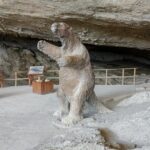
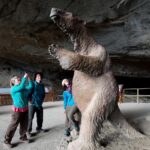
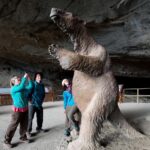
Your day starts with your pickup in Puerto Natales and a drive into the park area. When you arrive, the first big stop is the Milodón Caves, described as a 1000-year-old site created after a major natural disaster. This is not just a scenic pull-off. It’s an anthropological stop with a story: the caves are believed to have offered shelter for early humans on the continent who were dealing with both harsh weather and wild animals.
You’ll also learn about the connection between people and the Milodón—an extinct herbivorous animal. It’s the kind of information that changes how you look at a place. Instead of thinking of caves as a “cool ruin,” you start thinking about how living systems—humans, animals, weather, and landscape—fit together.
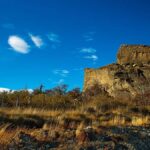
After the caves, there’s a 30-minute hike to El Castillo Hill. It’s long enough to feel like you’ve “earned” the next stop, but not so long that the day becomes a grind immediately. Here, there’s a cafeteria service available, which is handy because lunch isn’t included in the tour price. Plan to budget for food when you get the chance to buy it.
The tour also includes an introduction at this stage—covering the Torres del Paine National Park area and Laguna Amarga (the bitter lagoon). That background helps later when you’re staring at lakes, animals, and glacial ice. You’ll feel less like you’re just collecting photos and more like you’re following a coherent story.
Wildlife and Plantlife Lessons at Laguna Amarga and Beyond
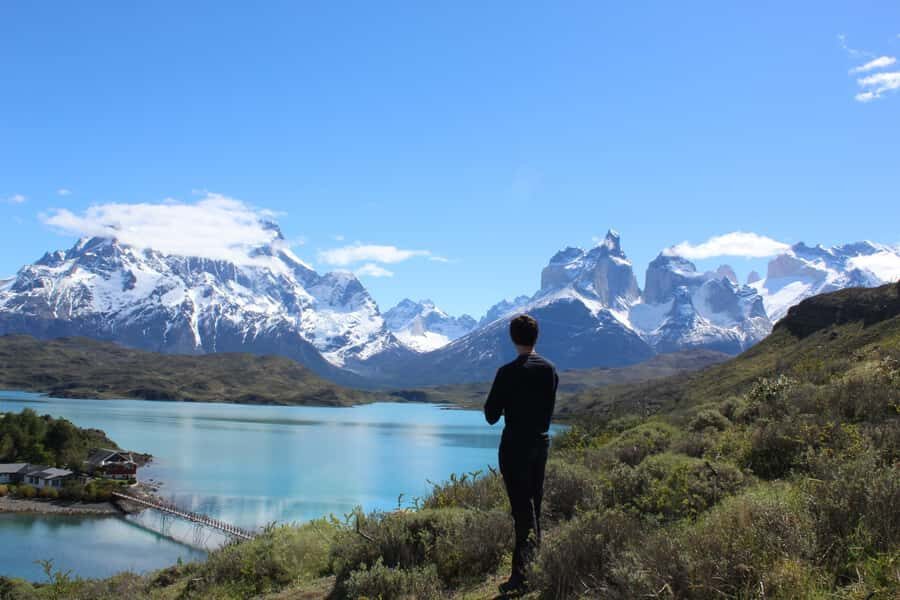
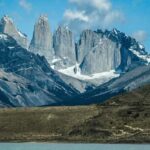
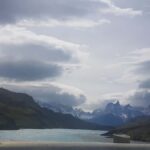
Patagonia can feel like a stage set: huge sky, sharp mountains, sparse vegetation. The trick is learning what you’re looking at. This tour builds that skill in a practical way by pairing short viewpoint moments with quick explanations from your bilingual guide.
You’ll hear about wildlife that lives in the park, including red foxes and condors. You’ll also have chances to observe the region’s characteristic animals such as guanacos (wild Andean llamas) and rheas (related to ostriches and emus). The point isn’t that you’ll guarantee every sighting. It’s that the guide will point you toward what’s most likely and explain how those animals survive here.
There’s also a plantlife component. You’re not given a botany lecture, but you will get notes on species native to Patagonia. That becomes especially useful later when you walk through a lengas forest near the Grey Lake glacier area. If you’ve already heard what you’re looking for, the walk feels more alive than just scenic.
One practical warning from the supplied feedback: language can vary by group. In at least one instance, the tour ran mostly in Spanish even though the group was primarily English speakers. If you’re traveling with strong language needs, consider asking the operator ahead of time how they balance English and Spanish on your departure day.
Salto Grande Waterfall and Mirador Cuernos: Worth the Wind
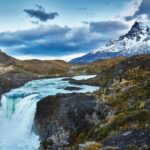
Next comes Salto Grande, reached after a short 10-minute hike. This is one of the tour’s headline moments for a reason: you’re watching a 10-meter-high water flow emerge from Lake Nordenskjöld and slam into the surrounding setting. Even when Patagonia weather is moody, the force of that water doesn’t get lost.
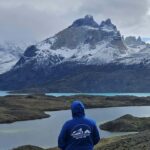
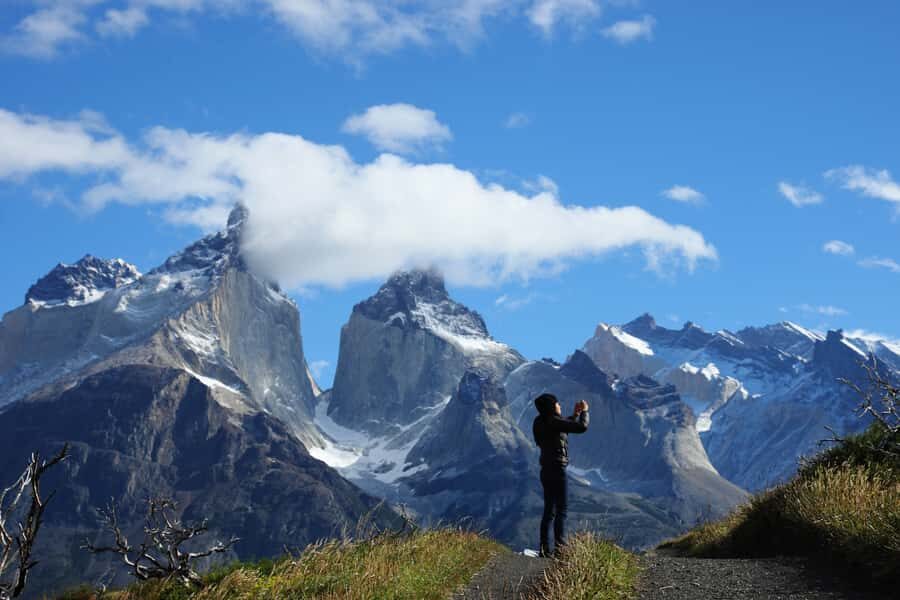
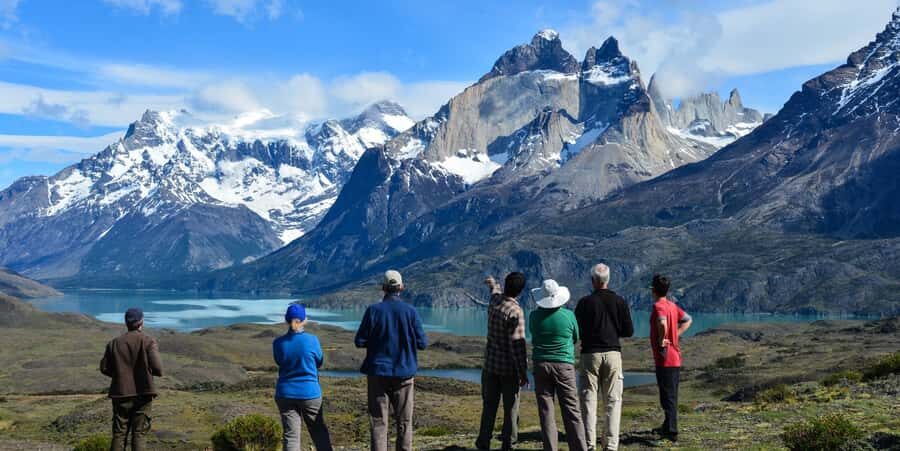
This stop also includes the kind of viewpoint connection I love in guided trips. You’re not only told what you’re seeing—you’re given a reference point to interpret the wider scenery. In the distance, you’ll admire the Mirador Cuernos mountain formation, known for its resemblance to a pair of horns. When you see it in context, it becomes an easy “anchor” feature you can remember even after you’re back in Puerto Natales.
There’s a subtle benefit here for your whole day: waterfall stops are a natural reset. Your feet move, you look around, you hear explanations, and then you transition into the afternoon glacier area. If your legs feel the fatigue starting to build, Salto Grande is a good place for a breather.
The main consideration: you’ll want warm layers you can manage quickly, because wind near water can feel colder than the air temperature suggests. If you’re not used to Patagonia, this is where you’ll feel it.
Grey Lake Glacier Walk: Ice Floes and a Lengas Forest Break
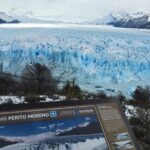
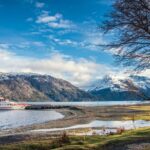
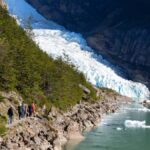
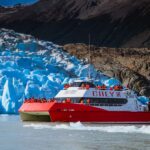
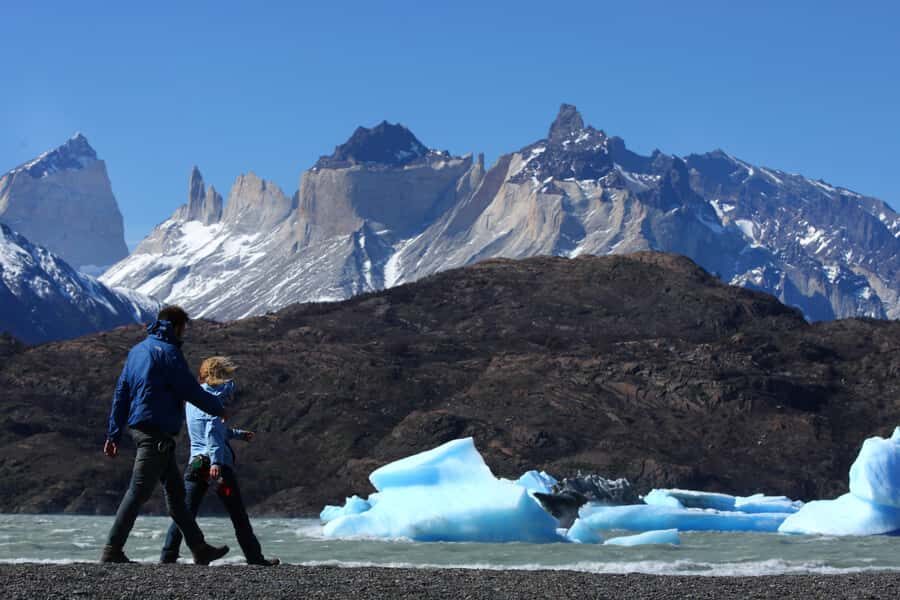
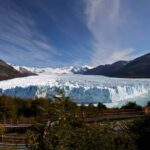
In the afternoon, you’ll continue through the Grey Lake and glacier area, with time to walk near the Grey Lake glacier and see ice floes. This is the other major “wow” block of the day. The experience isn’t framed as a quick stare; it’s a guided walking segment that helps you register scale—how big the ice pieces are and how the glacier environment behaves.
After that glacier time, you’ll take a relaxing walk through a lengas forest. That matters more than it sounds. Patagonia days can be all wind and open sky, and a forest stretch gives your senses and your body a small breather. You also get a planned 1.5-hour break, which is a lifesaver on a 10-hour schedule.
What you can expect to get from this part:
- Visual payoff from the glacier and ice floes
- A calmer walking section in the lengas trees
- Real downtime so you don’t feel rushed while still working around daylight hours
The day ends with your return to Puerto Natales and drop-off at the bus terminal or your hotel. That’s a practical convenience because you don’t have to figure out transportation after a long, cold day.
Price, Entrance Fees, and What You Need to Budget
The tour price is $83 per person for about 10 hours, and it includes hotel pickup and drop-off plus a bilingual guide in English and Spanish. For Torres del Paine from Puerto Natales, that’s a solid value if you want guided interpretation and a one-day overview.
But two costs are explicitly not included, and this is where you can avoid last-minute stress:
- Park entrance fees must be paid to the park administration in Chilean pesos (cash).
- Lunch and drinks are paid by each passenger, with a restaurant option inside the park (and cafeteria service available at El Castillo Hill).
If you’re comparing deals, treat the $83 as the “guided transport + guide time” price. Then add realistic budget for entrance fees and a warm lunch. Bring snacks too, because the tour advises you to do so. Patagonia can make you hungry faster than you expect, and you may not want to wait for lunch to eat.
Also, park fees in cash can be a deal-breaker if you arrive without the right currency. Plan ahead so the day starts with smooth energy instead of a scramble.
Packing for Patagonia: Keep It Warm, Keep It Moving
This is a rain or shine tour, and it includes walking segments in cold conditions. The guidance is straightforward: bring a passport or ID, wear comfortable shoes, and plan for warmth. A winter jacket is recommended, along with warm layers you can add and remove as the day changes.
Here are the practical items that fit the day:
- Comfortable shoes (you’ll be walking outside for hours)
- Warm clothing / winter jacket
- Solar protection (yes, even in Patagonia)
- Snacks you bring yourself
And don’t bring what’s not allowed: no pets, and no luggage or large bags. The tour is easier if you pack light and keep only what you need for the day—water, layers, snacks, and a small day bag.
If you’re sensitive to cold, this is the day to overdress slightly. Wind + water + glacier area temperatures are a specific combo, and you’ll be happier when you’re warm enough to enjoy the views instead of thinking about your fingers.
So, Should You Book This Full-Day Tour?
I’d book this tour if you want a guided, efficient taste of Torres del Paine in one day: Milodón Caves, Salto Grande, and Grey Lake glacier ice floes. It’s also a good choice if you like getting context—wildlife and plantlife notes, plus explanations that help you understand what you’re seeing rather than just passing through.
I’d think twice if:
- You need strong English-only guidance every step (language balance can vary by group).
- You have limited mobility or you know long cold walks will be an issue.
- You don’t want to manage extra costs (park entrance fees in Chilean pesos cash and lunch paid separately).
If you do book, your best move is simple: bring warm layers, pack snacks, and plan your cash for park fees. Do that, and you’ll be set for a day that mixes prehistory, animals, waterfalls, and glacier ice without needing a multi-day trek.
FAQ
How long is the Torres del Paine Park full-day tour from Puerto Natales?
It lasts about 10 hours.
What’s included in the tour price?
Hotel pickup and drop-off are included, along with a bilingual guide in English and Spanish.
Are entrance fees included?
No. Entrance fees must be paid to the park administration in Chilean pesos in cash.
Is lunch included?
No. Lunch is paid by each passenger. There is a restaurant inside the park, and cafeteria service is available at El Castillo Hill.
Will the tour run if it rains?
Yes. The tour takes place rain or shine.
What should I bring?
Bring a passport or ID card, comfortable shoes, warm clothing (including a winter jacket), solar protection, and your own snacks.
Are pets allowed or can I bring large bags?
Pets are not allowed, and luggage or large bags are not allowed.
Is the tour suitable for limited mobility?
It’s not recommended for people with limited mobility, and it’s not suitable for people with mobility impairments.
If you tell me your hiking comfort level and when you’re going (month helps with weather expectations), I can also help you decide whether this 10-hour format fits your trip style.