REVIEW · SANTIAGO
Traditional Dinner Show in Santiago
Book on Viator →Operated by MTO Tour Chile · Bookable on Viator
Chile in one evening starts with dinner. You get a 3-course meal with wine and an included aperitif, then you move into a dance show that ranges across Chile’s regions, staged with wooden Moai-inspired sculptures from Easter Island. It’s the kind of set-up that feels made for a date night, even if you do not speak Spanish.
My favorite part is the balance: food and drinks give you time to relax first, then the performances take over and keep things moving. A good consideration: the show is driven by an MC and introductions in Spanish, so you will feel more in the music and movement than in the spoken storyline.
In This Review
- Quick hits before you go
- Pickup at 8:00 pm and how the night stays easy
- A 3-course dinner with aperitif and wine that sets the tone
- The dance show: a regional Chile sampler that actually feels like culture
- Moai-inspired staging: Easter Island influence in wood and light
- Venue size and sightlines: small room can be a plus
- Language reality check: you will enjoy it, even if Spanish is a barrier
- Food and service: what tends to go right, and what to watch
- Price and value: what $107 really buys in Santiago
- Who should book this dinner show
- Smart practical tips for a smoother evening
- Should you book this Santiago dinner show?
Quick hits before you go
- Hotel pickup and drop-off means you can treat this like a true evening out, not a logistics puzzle.
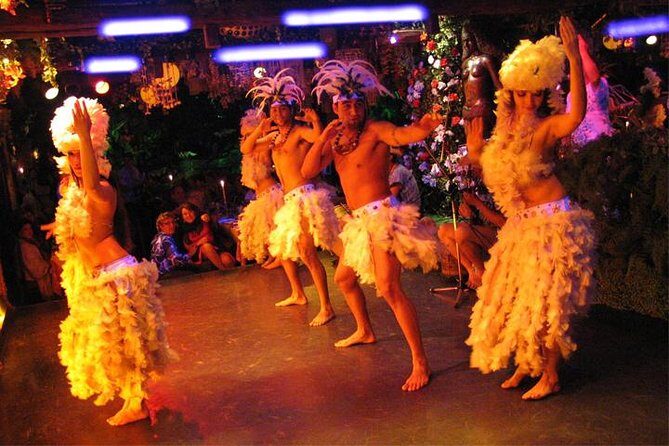
- Regional dance run-through covers the north, center, south, and Easter Island themes, so you get a wide snapshot of Chile.
- Moai-themed set decoration adds an eye-catching layer that connects Chile to Pacific influence.
- Food is set-course style: most people find it better than expected, but quality can vary by dish.
- Venue size can surprise you: smaller rooms often mean good sightlines, but they can also feel quieter if you expect a big crowd.
Pickup at 8:00 pm and how the night stays easy

This tour starts at 8:00 pm, and you are picked up from your Santiago hotel in an air-conditioned minivan. From the first ride, the goal is simple: get you to dinner and back without you worrying about streets, parking, or timing.
In the best experiences, your driver is part guide. Several guests specifically called out drivers by name, like Juan Carlos, Henry, George, and Raul, for being friendly and informative on Santiago neighborhoods or local culture during the drive. If you want a bit of context before the show starts, you’ll likely get it.
You should still mentally plan for one thing: this is a set-evening program. Your time is built around dinner service and the show schedule, so it is not a flexible “wander when you feel like it” kind of outing.
A few more Santiago tours and experiences worth a look

A 3-course dinner with aperitif and wine that sets the tone
The meal is served as a typical dinner-show package: an aperitif drink, appetizer, entrée, dessert, and wine are included. The menu is described as international fare, which matters because it lowers the chances you will sit through a dinner that does not match your tastes.
What I like about this format in Santiago is that you avoid the most common dinner-show problem: paying premium money and still getting stuck with an awkward, slow meal. Here, the pacing is designed so the food supports the performance, not competes with it.
Still, do not expect every plate to land the same way for everyone. Some guests were happy with steak and overall quality, while others felt certain choices were overcooked or simply average. My practical take: come hungry, keep expectations realistic, and treat the meal as the warm-up act for the dancing.
A note on drinks: you should assume wine is part of the included package, but the exact feel can vary depending on service style. Many guests reported that wine flow felt generous, while a few mentioned drink expectations were not like an open bar. If alcohol amount matters to you, ask before you go how drinks are served.
The dance show: a regional Chile sampler that actually feels like culture
After dinner, you get the show: live performances of typical Chilean dances, drawn from multiple parts of the country. The program is set up like a cultural sampler, moving through styles from the north, center, south, and Easter Island themes.
This matters because Chile’s folklore does not just look different by region. The rhythm, costumes, and movement language change, too. Watching it in one sitting helps you understand why Chilean identity is shaped by geography, migration, and coastal influence.
Two review patterns stand out. First, dancers are repeatedly praised as talented and energetic, with costumes described as colorful and performance quality often labeled high. Second, the show can include a bit of audience involvement, which some people enjoy as fun and others find awkward.
That gives you a clear self-check: if you like interactive moments and you are comfortable cheering along, you will probably enjoy the vibe. If you prefer a straightforward stage-only performance, be mentally prepared for the possibility of audience participation.
Moai-inspired staging: Easter Island influence in wood and light
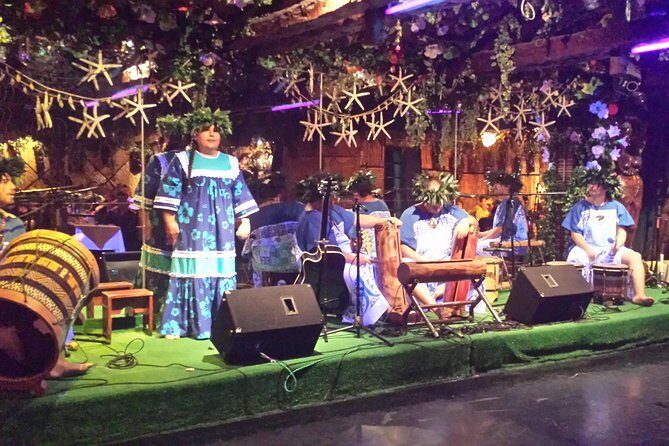
One of the most distinctive details is the set decoration: intricate wooden sculptures modeled to look like the famous stone Moai from Easter Island. This is not just decoration. It visually ties the performance to the broader Pacific story that guests have noticed, including Polynesian influence.
I like this staging choice because it gives the show an anchor. Even if spoken introductions are hard to follow, you still have a consistent visual cue that the show is trying to connect regions and cultural threads across Chile.
You can also think of it as a “theater trick” that makes a dinner room feel more like a destination. The Moai looks give you something to notice while you wait for the next performance segment.
Venue size and sightlines: small room can be a plus
The venue is often described as smaller than expected. For many people, that actually improves the experience because you get better views and the action feels closer.
One guest even mentioned surprise front-row seating with a table close to the stage edge. Another described a small venue with fewer people, which can reduce atmosphere if you expect a lively, packed crowd.
So here’s the practical takeaway: decide what you want from the night. If you want strong sightlines and closeness to dancers, a smaller venue is a win. If you want big production energy and lots of audience buzz, you might find it calmer than you pictured.





Language reality check: you will enjoy it, even if Spanish is a barrier
The show runs largely through an MC and dance introductions in Spanish. If you do not speak Spanish, you will not catch every spoken explanation, and some segments may feel like they start without context.
The good news is that the main information you need is nonverbal. You get the rhythm, costumes, and choreography, and that carries a lot of the meaning. Many guests still described the dancers as mesmerizing, even when they could not follow introductions.
Also, service can be supportive. Some guests reported English help, including an English-speaking server and English menus in at least some situations. But I would plan for a mix: the dinner experience may be easier than the spoken stage narration.
Food and service: what tends to go right, and what to watch
Most people judge this tour by two things: the dancing and the meal. On dancing, satisfaction is consistently high, with repeated praise for dancers’ talent and the live music energy.
On food, the scores are more mixed. Several guests found the dinner surprisingly good for a show format. Others said certain dishes were just okay or even disappointing, like overcooked steak or a meal that felt bland.
Service is usually highlighted as friendly and attentive, with a few people noting slow service in one instance. That tells me the experience depends on how the night is staffed and how busy the venue is.
So here’s my balanced approach for your expectations:
- Assume the night will feel welcoming.
- Expect a decent dinner that works as part of the package.
- Do not treat it like a fine-dining replacement. This is a performance-first evening.
Price and value: what $107 really buys in Santiago
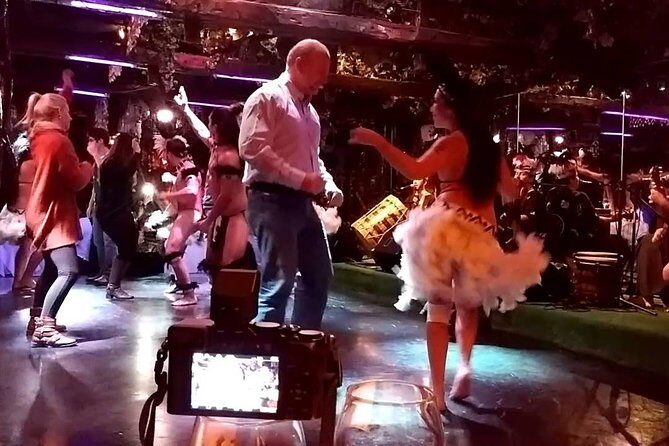
At $107 per person for about 3 hours 30 minutes, you are paying for a bundled evening: hotel pickup and drop-off, transport in an air-conditioned minivan, live entertainment, and a set 3-course dinner with wine and an aperitif.
The value angle is not just the price tag. It is what you are avoiding. You are avoiding the hard parts of planning a perfect evening: finding the right venue, buying tickets separately, and handling timing between dinner and show start. The pickup also saves you from the “I guess we will figure it out later” problem that can turn into a late-night scramble.
It is also a smart bet if you want a romantic experience. Many couples singled it out as memorable and date-friendly, with the combination of dinner service plus folklore performances creating that “one good plan, no stress” feeling.
One caution on value: if you are a picky eater or you want a guaranteed top-tier entrée, the set menu can feel limiting. In that case, focus on what you cannot easily replicate on your own in Santiago: a region-spanning folklore dance show with this specific Moai-themed staging.
Who should book this dinner show
This tour fits best if you want one planned evening that feels cultural without requiring heavy pre-planning. It is a strong match for:
- Couples looking for a romantic night out in Santiago
- People who want a first taste of Chilean folklore across multiple regions
- Anyone who prefers being transported and timed for them, not arranging separate tickets and dinner reservations
It might be less perfect if:
- You want the spoken story explained in English the whole time
- You dislike audience participation in any form
- You want a top-end food experience above all else
Good to know for families: the minimum age is 4 years, and service animals are allowed. Alcohol is for adults only, with a legal drinking age of 18.
Smart practical tips for a smoother evening
A few small choices can make a big difference with a dinner show like this.
Wear smart casual. This is not a formal black-tie event, but you will feel more comfortable in nicer everyday clothes than in beach gear.
If you do not speak Spanish, plan to watch like it is a music-and-dance show first. The spoken segments may not land fully, but the choreography and costumes are still the main attraction.
Bring your patience for meal service pacing. Dinner-show timing has a built-in rhythm, so it will not feel like you’re in a restaurant where you control every minute.
And if you are sensitive to audience interaction, keep that in mind when you choose your mindset going in. Several guests described the show as fun, with some describing participation as a bit awkward. Your comfort level is personal.
Should you book this Santiago dinner show?
Yes, I think you should book it if you want a smooth, romantic, one-stop evening in Santiago that delivers on live performance. The combination of wine-included dinner, region-spanning Chilean dances, and the Moai-inspired staging creates a memorable night without needing extra planning.
Skip it or reconsider if your top priority is a guaranteed gourmet meal or if you need spoken explanations in English throughout. In those cases, you may feel the structure more than the culture.
If you are on the fence, I would base your decision on one question: do you want folklore you can enjoy through movement and music, even when language details are limited? If yes, this is a very practical Santiago night out.