REVIEW · EASTER ISLAND
Full day tour – DREAM
Book on Viator →Operated by RAPA NUI DREAM · Bookable on Viator
Moai feel different with a guide in the van. This full-day DREAM tour strings together the island’s best-known platforms and moai sites—so you’re not just sightseeing, you’re learning what each place was for and why it mattered. The day runs as a tight 8–9 hour circuit (sometimes arranged to reduce crowd time), with English-speaking guides such as Esteban and others you might meet like Christian, Andre, or Joaquin.
I especially like two things: the small-group feel (max 15) that makes it easier to ask questions and take photos without everyone shoving for the same spot, and the storytelling pace—guides keep explaining as you walk, not just at the bus window. On past days, I’ve heard guides were patient, friendly, and in Esteban’s case, spoke flawless English while connecting ancient Rapa Nui customs to modern island life.
One drawback to consider: on certain calendar days when the National Park closes early, the tour can run shorter than the advertised 8–9 hours. The company may also tighten timing by reorganizing into smaller groups to keep the day comfortable.
In This Review
- Key things to know before you go
- Full-day moai circuit: what 8–9 hours is built to do
- Getting there: meeting point, pickups, and how the day stays moving
- Ahu Vaihu: 8 moai, a fisherman’s bay, and a village-style start
- Ahu Akahanga: an old village feel by a small bay
- Rano Raraku: the moai factory with 400 unfinished heads
- Ahu Tongariki: 15 upright moai facing the ocean
- Ahu Te Pito Kura: magnetic stone and the longest moai
- Ahu Nau Nau and the approach to Anakena
- Anakena Beach (Hanga Rau o Te Ariki): the arrival story stop
- Price and logistics: where the real cost comes from
- Lunch, photos, and heat: how to set yourself up for success
- Who this tour fits best, and who might want a different plan
- Should you book this Full Day DREAM tour
- FAQ
- How long is the Full Day DREAM tour?
- How much does the tour cost?
- Do I need the National Park ticket?
- What are the National Park ticket costs for foreigners?
- Is lunch included?
- Which stops have admission tickets included?
- What is the group size limit and fitness level needed?
Key things to know before you go
- Small-group size (max 15): easier photos, more time for questions, less waiting around.
- Park ticket is your first must-do: you need the National Park entrance ticket before starting, even if some site admissions are included.
- A full itinerary, not a beach day: Anakena is included, but the core focus stays archaeological and cultural.
- Several stops include site admission: Ahu Vaihu, Rano Raraku, Ahu Tongariki, and Ahu Te Pito Kura are marked as included; others may not be.
- Route timing can shift: sometimes they adjust the order to reduce crowding, and on early closures they compress the schedule.
Full-day moai circuit: what 8–9 hours is built to do
This is the kind of tour you book when you have limited time on Easter Island and want the big moai stops with context. The DREAM day runs about 8 to 9 hours, starting at 9:30am and ending back at the meeting point. In practice, the goal is to get you to the signature platforms in a smooth loop with walking time at each site and guide explanations along the way.
What makes it work is that you’re not treated like a checklist. The itinerary is designed around a clear progression: village-side platforms, a moai workshop, the island’s most dramatic ocean-facing line-up, then the famous stone site and the beach where the arrival story is told.
If you’re the type who likes to understand what you’re looking at—how platforms relate to communities, work sites, and beliefs—this format fits you well. If you only want maximum beach time, you’ll still get Anakena, but it’s not the main event of the day.
A few more Easter Island tours and experiences worth a look
Getting there: meeting point, pickups, and how the day stays moving
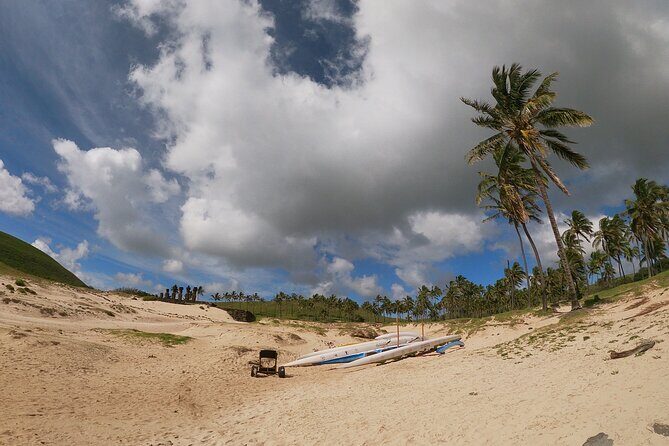
The official meeting point is Iglesia Católica Tu’u Koihu, Hanga Roa, Isla de Pascua. Start time is 9:30am, and the tour returns you to the same meeting point at the end.
A practical note: guides have picked people up from their hotels in past departures, so you might have an easier start than you expect. Still, plan to arrive near the meeting area a bit early in case the pickup plan differs on your day.
You’ll likely spend less time stuck waiting than you would on a giant group tour. DREAM keeps the group size limited, and there’s also a pattern of handling sites in a way that can reduce crowd pressure. That matters because some of these places are iconic—meaning other tour vans may be coming and going at the same time as you.
Ahu Vaihu: 8 moai, a fisherman’s bay, and a village-style start
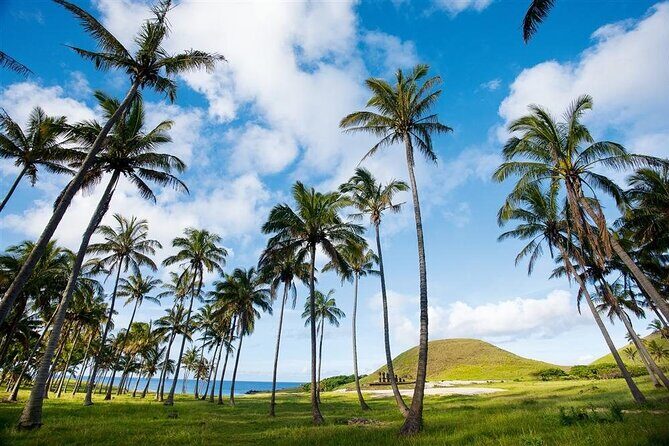
Your first stop is Ahu Vaihu, a platform with 8 moai on the side, near an ancestral bay for fishermen. This is a smart opener because it immediately frames moai not as random statues, but as part of daily community life—especially tied to the sea and food supply.
The tour description also notes a representative sample called Poko Manu Mea, linked to Rapa Nui village life and customs. Even if you only catch part of the explanation, this is the moment where the guide starts translating symbols into meaning: where people lived, how they worked, and why these monuments were built.
Time on site is about 30 minutes, with admission included. That’s enough to take the main photos and listen, but not long enough to turn this into a slow, wandering museum visit. If you like to take your time, you’ll want to keep moving with the group while timing your best shots around the guide’s storytelling points.
Ahu Akahanga: an old village feel by a small bay
Next comes Ahu Akahanga, described as the location of an old village near a small bay. This stop is shorter—about 30 minutes—and admission is not included for this specific stop.
I like this kind of contrast: after a fisherman-bay setting at Vaihu, Akahanga leans more toward the residential side of the island. It gives you a sense of how the moai platforms connect to where people lived and gathered, not just where monuments were erected.
Because admission here isn’t included, you’ll want to make sure you’ve got the required park access handled before your tour starts. (More on the ticket math below.)
Rano Raraku: the moai factory with 400 unfinished heads
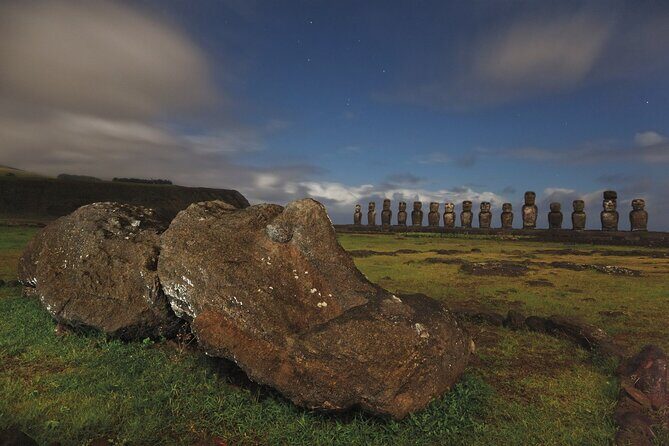
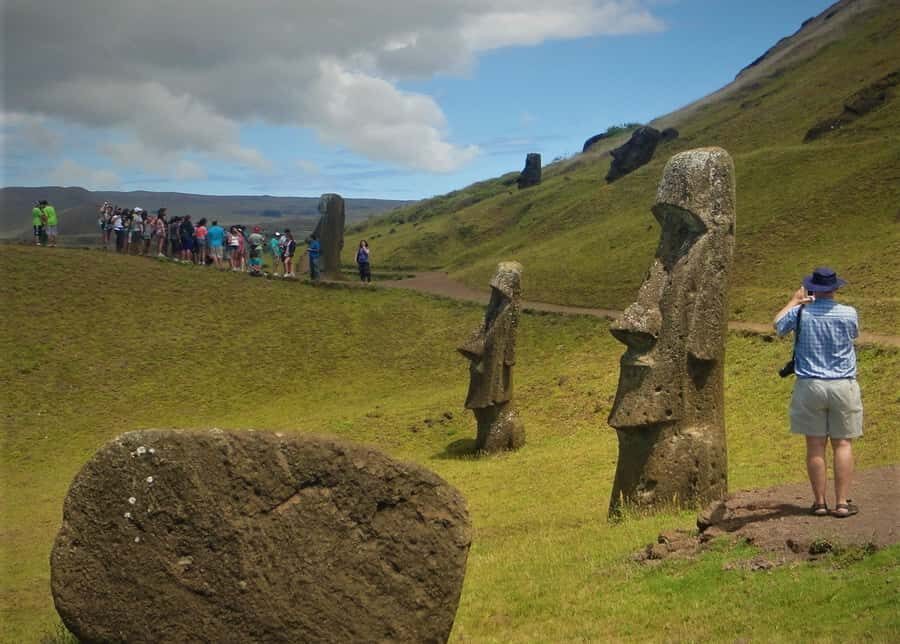
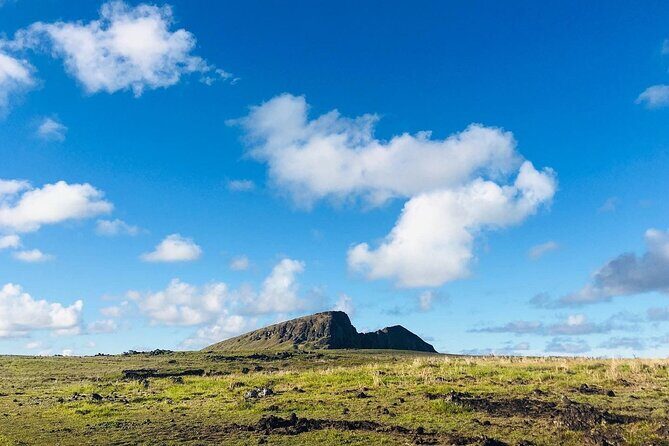
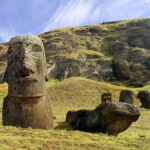
Then you hit one of the most compelling stops: Rano Raraku, the moai factory area with approximately 400 unfinished specimens. This is where the moai story becomes physical. You can see work-in-progress, not just finished monuments on polished platforms.
You spend about 2 hours here, and admission is included. That longer window matters. Rano Raraku is not a quick photo stop; it rewards slow looking—tracing how heads were shaped, where carving efforts concentrated, and how the landscape around the quarry relates to the stonework.
For photographers, this is often the best place to stand back and take in scale. For history-minded travelers, it’s also the best place to ask questions because the “how” and “why” are right in front of you.

Ahu Tongariki: 15 upright moai facing the ocean
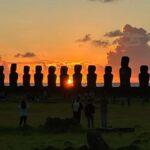
The headline stop for many people is Ahu Tongariki. This platform is described as the largest ahu in Polynesia, with 15 upright moai. The details matter: the moai are standing with their backs to the ocean, creating a strong visual rhythm.
You’ll get about 2 hours here, and admission is included. That’s long enough to take in the wide-angle view from multiple angles and still have time for the guide’s explanation.
This is also one of those stops where the pace can make or break your day. If the group rushes, you only get a fast glance. When the pacing works (and small-group size helps), you can actually process what you’re seeing: the sheer number of moai, their alignment, and how the platform reshapes the coastline into a ceremonial stage.
Ahu Te Pito Kura: magnetic stone and the longest moai
After Tongariki, you visit Ahu Te Pito Kura, where you’ll find the magnetic stone and the longest moai on the island (as described on the tour). Time here is about 1 hour, with admission included.
This stop is perfect for travelers who want variety in their moai day. Up to now, you’ve had platforms in village contexts and a worksite quarry. Te Pito Kura is a more specific point of fascination: the site ties together myth-like intrigue (the magnetic stone) and measurable spectacle (the longest moai).
An hour is enough for the key sights, but don’t expect this to be your long, slow lunch break. Think of it as a focused peak before you move toward the final stops.
Ahu Nau Nau and the approach to Anakena
Next is Ahu Nau Nau, a beautiful platform with 7 moai located about 150 meters inland from Anakena beach. This stop lasts about 30 minutes, and admission is not included.
I like this part of the day because it transitions you away from the biggest platforms and into a more intimate, walkable zone near the sea. Even if you’re tired, this is a good time to reset your energy. You’re close enough to the beach that the change of scenery starts to feel real.
Then you head to Anakena Beach for 30 minutes, and admission here is free.
Anakena Beach (Hanga Rau o Te Ariki): the arrival story stop
Anakena Beach is described with its deeper name: Hanga Rau o Te Ariki. This is where the tour ties in the story of the arrival of King Hotu Matu’a.
That narrative connection is why this stop feels more than just a shoreline break. You’re not only looking at sand and moai views; you’re hearing why this beach area sits inside the island’s origin story.
Now, about water time: the tour is primarily archaeological and cultural, so beach lounging and swimming are not guaranteed. On some days, timing and conditions may allow it. On other days—especially if the tour has been tightened—you might get more of a walk-and-photo moment than a long swim.
If you want swimsuit time, I’d plan it as a bonus, not a promise.
Price and logistics: where the real cost comes from
The tour price is $120 per person for a full-day experience. That’s the tour fee. On top of that, the National Park ticket is required before you start your first day’s excursion.
Here’s the part people often trip over: the tour notes National Park ticket pricing of CLP 20,000 for Chileans and $80 for foreigners. The good news is that some site admissions within the itinerary are marked as included—so you’re not paying every stop entry twice.
Still, you should budget as if you’re paying:
- $120 for the tour itself
- plus the National Park entrance ticket (foreigners: $80)
Also, a very practical rule: you’re required to have the park ticket before the tour begins. You can purchase it in person at Ma’u Henua offices or online via the provided link: https://www.rapanuinationalpark.com/pages/compra-de-tickets
Is it great value? For many people, yes—because this is a high-impact circuit with major sites, limited group size, and a guide who actually explains what you’re seeing. If you already know you’ll only want two or three places and you dislike structured days, then you might spend more than you need. But if you want the island highlights with context in one go, the math usually works.
Lunch, photos, and heat: how to set yourself up for success
Lunch is not included, and the tour specifically notes that lunch does not include food or drinks. That means you should plan on either buying food during your day or eating before/after.
One thing I’d do: bring snacks and water even if you think you’ll be fine. Easter Island sun can hit hard, and the itinerary is spread across multiple sites. A little preparedness prevents “hangry” decision-making and lets you focus on the moai instead of your stomach.
For photos: guides on this tour have been praised for pacing that allows time for photography. Some guides are also willing to help with photos and adjust timing so you get good angles. Even so, remember your best photos still depend on you being ready to stand, walk, and shift positions quickly when the group moves.
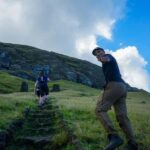
For comfort: the tour calls for moderate physical fitness. That doesn’t mean you need to be an athlete, but you should be comfortable walking on uneven ground and standing at viewpoints for short stretches.
Who this tour fits best, and who might want a different plan
This DREAM full-day experience is a strong fit if you:
- have limited time on Easter Island and want the main moai platforms handled in one day
- enjoy guided explanations that connect sites to Rapa Nui village life and traditions
- care about photography and want time to ask questions without feeling rushed
It might be less ideal if you:
- want a pure beach day with long swimming time as the main focus
- prefer unguided wandering with no schedule at all
- are extremely strict about never having schedule changes (some days can run shorter when park hours are affected)
If you’re traveling during festivals, you may hear extra culture context. For example, one guide’s explanations included the meaning of Tapati when it aligned with the dates.
Should you book this Full Day DREAM tour
Book it if you want a structured, high-value moai day with small-group pacing and guide storytelling that helps the island click. It’s especially worth it when you’re trying to cover the big names—Vaihu, Rano Raraku, Tongariki, Te Pito Kura, and Anakena—without spending your limited time figuring out logistics.
Skip it or consider an alternative if you hate tight timing or you’re relying on a long beach break. Also, if your travel dates include days when park hours might shorten, accept that your day could compress.
If you do book, set yourself up for a smooth win: buy your National Park ticket in advance, bring water and a simple snack plan for lunch, and treat Anakena as a story stop first, relaxation stop second.
FAQ
How long is the Full Day DREAM tour?
It runs about 8 to 9 hours.
How much does the tour cost?
The price is $120.00 per person.
Do I need the National Park ticket?
Yes. Before starting the first day of the excursion, you must have your National Park entrance ticket. You can buy it at Ma’u Henua offices or online at https://www.rapanuinationalpark.com/pages/compra-de-tickets.
What are the National Park ticket costs for foreigners?
The National Park entrance ticket is listed as $80.00 per person for foreigners.
Is lunch included?
No. Lunch does not include food or drinks.
Which stops have admission tickets included?
Admission tickets are included at Ahu Vaihu, Rano Raraku, Ahu Tongariki, and Ahu Te Pito Kura. The listed stops where admission tickets are not included are Ahu Akahanga and Ahu Nau Nau.
What is the group size limit and fitness level needed?
The tour has a maximum of 15 travelers. Travelers should have a moderate physical fitness level.