REVIEW · EASTER ISLAND
Rapa Nui Stargazing
Book on Viator →Operated by Green Island Tours - Easter Island · Bookable on Viator
Rapa Nui’s stars feel close enough to touch. This tour brings you out for small-group stargazing (max 12) in dark areas, and I really liked the included hot beverage and local cake while you wait your turn at the telescopes. One thing to plan around: wind, clouds, and moonlight can shut it down, with confirmation often happening fairly late.
You meet in front of the Katipare library in Hanga Roa (no hotel pickup), typically in the evening and depending on the season. After about 3 hours 30 minutes, you’re back with a hotel drop-off, and you’ll have a clear sense of what you’re seeing overhead, plus that rare night-sky feeling you don’t get in town.
In This Review
- Key things to know before you go
- Rapa Nui’s night sky and why this outing is worth the detour
- How the 3.5 hours usually unfold (and what to expect at each moment)
- Start time and meeting point
- First viewing: telescope setup at a remote spot
- Anakena Beach at night: warm drinks, cake, and photo moments
- Final stop: Ahu Nau after the stargazing
- Telescopes, planets, and the “wait, I can actually see that” factor
- The Polynesian navigation lesson is the real memory-maker
- Comfort details that decide whether you enjoy it
- Price and value: is $140 a good deal for this setup?
- Who this tour is best for (and who should rethink it)
- Should you book this Rapa Nui Stargazing tour?
- FAQ
- Where do I meet for the tour?
- Do they pick you up from your hotel?
- What time does it start?
- How long is the stargazing experience?
- What’s included in the price?
- Is admission to Anakena Beach included?
- What happens if the weather is bad?
- How big is the group?
Key things to know before you go
- Dark-sky viewing near Anakena with telescopes and binoculars
- Polynesian navigation talk that connects the sky to real sea routes
- Small group format (max 12) so questions are easy
- Warm hot drink and local cake included
- Night access near Ahu Nau, a special moai-related stop
- Weather and moon phase matter, so be ready for changes
Rapa Nui’s night sky and why this outing is worth the detour
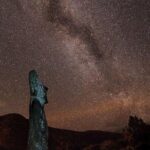
The big reason to do stargazing on Easter Island is simple: the sky can be brutally clear, and you feel it the moment you step away from town lights. This tour is built around that. You’re not just walking around with a star map. You’re going to darker areas, then using telescopes so the moon and bright planets turn from dots into something you can actually point at.
I also like the way the experience is framed. The guide doesn’t treat stars like random trivia. You get a short, practical explanation of how Polynesians used the sky for navigation, which makes constellations feel less like classroom content and more like a system people really relied on. When you can connect a pattern overhead to a real purpose, the night gets more fun fast.
The trade-off is that this is an outdoor, night-only activity. If the conditions are rough, the telescopes aren’t just about comfort. Strong wind can make viewing and stability a problem, and clouds kill the whole point. That uncertainty is real, so you’ll want to build flexibility into your trip.
You can also read our reviews of more tours and experiences in Easter Island.

How the 3.5 hours usually unfold (and what to expect at each moment)
The pacing is straightforward: you start in Hanga Roa, travel to the dark area, set up for viewing, then shift into beach time and a final moai-related night stop. Total time is about 3 hours 30 minutes, with hotel drop-off at the end.
Start time and meeting point
You meet in front of the Katipare library. The exact start timing shifts by season: it’s listed as 20:00 in summer and 19:30 in winter, and from around September to April the start can fall closer to 20:30 to 21:00. The best move is to arrive early and double-check your confirmation message close to departure.
First viewing: telescope setup at a remote spot
Before you head to Anakena, you set up telescopes at a remote site away from most light. This is where the tour earns its name. The goal is to let your eyes adjust and then start spotting things you’d miss without magnification.
This is also where I think small-group matters. With up to 12 people, the guide can steer everyone toward what’s visible right then, instead of rushing a crowd through three objects and calling it a night.
Anakena Beach at night: warm drinks, cake, and photo moments
At some point you drive to Anakena Beach. Anakena is the classic postcard setting, but here it’s for night viewing and the tour’s photo moment. Hot beverage and local cake are included, which is not a small detail when Easter Island nights can feel cold once the sun goes down.
One caution: Anakena Beach may have an admission ticket requirement, and that ticket is not included in the tour price. If you’re counting on that being included, treat it as a heads-up and be ready to pay on-site if needed.
You’ll also have an opportunity for photos. Souvenir photos are available to purchase (so they’re not automatically included in the base price). In some nights, the photo session can lean into that moai-by-the-water mood with longer-exposure-style shots and music, which turns it from a quick snapshot into a little event.


Final stop: Ahu Nau after the stargazing
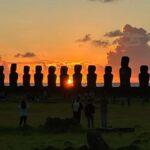
The itinerary includes a special nighttime access stop at Ahu Nau, described as the last stop. That’s a key part of the value here. Lots of stargazing tours stay in one viewing spot. This one folds the celestial viewing into Rapa Nui’s moai landscape, so the end of the tour feels more connected to the island than just a sky show.
Telescopes, planets, and the “wait, I can actually see that” factor
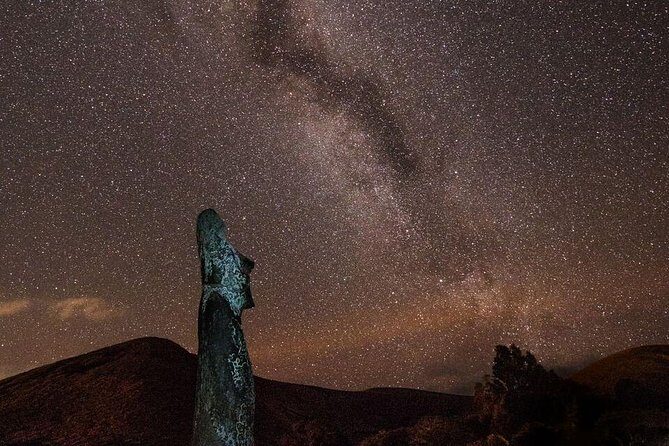
The heart of the experience is the combination of dark skies plus equipment. You’re not stuck with naked-eye guessing. You’ll look through telescopes, and binoculars are part of the setup too.
On clear nights, you can expect the guide to pull out showpieces like the Moon and major planets. One of the most satisfying parts is seeing details rather than just brightness. People talk about getting views of the Moon’s craters and Saturn’s rings or Jupiter’s presence when conditions cooperate. Even if you’re not an astronomy person, the difference between a naked-eye dot and a magnified view is huge.
There’s also the “what am I looking at” layer. The guide’s explanation helps you recognize patterns rather than just watching light spots float around. I like that the lesson is tied to what you can see in the moment, not delivered like a lecture you tolerate until the next object.
The Polynesian navigation lesson is the real memory-maker
If you want a souvenir from this tour that lasts longer than a photo, it’s the navigation story. Easter Island’s place in Polynesian history makes the sky feel personal. The guide explains how people used the stars to travel across the Pacific, and that reframes the night from entertainment into something human and practical.
This matters because it changes how you look. Instead of only asking, What constellation is that, you start asking, Why would someone track this. Once you start thinking like that, the night sky becomes a map.
I’ve also seen how the guide adjusts for the group. In some cases, they may use a screen or app on a tablet to show star positions. If you’re in a group where the screen is hard to read, don’t be shy about moving closer or asking the guide to point directly with where your eyes should land.
Comfort details that decide whether you enjoy it
This is an evening tour in open air, and Easter Island can get chilly after sunset. Bring layers. You’ll also be out at night around remote areas, so a flashlight or headlamp is a smart move.
A few comfort notes that make a difference:
- Dress in warm layers even if the day felt hot.
- Wear shoes you’re fine using on uneven ground in the dark.
- Bring a flashlight or headlamp so you’re not juggling bags and searching for steps.
- If you get cold easily, treat this as a serious “bring a jacket” situation.
Small group size helps here too. You’re less likely to be squeezed into awkward positions, and the guide can answer questions faster when people can actually see the setup.
Price and value: is $140 a good deal for this setup?
At $140 per person, this isn’t a bargain. But the value isn’t just the star talk. You’re paying for:
- Transport via a local driver/guide
- Equipment (telescopes and binoculars)
- Live guiding and commentary throughout
- Hot beverage and local cake included
- Small group limit (max 12)
- Hotel drop-off after the tour
- Special nighttime access connected to moai sites (including the Ahu Nau stop)
So yes, it’s expensive compared with a basic sightseeing walk. But it’s also not just “stand outside and look up.” You’re buying the equipment and the island-specific night access, plus the guide’s ability to connect the sky to Polynesian navigation.
The one financial risk is weather and moon phase. If the sky doesn’t cooperate, your tour may be canceled or rescheduled. The company may offer another date or a full refund depending on the situation, and they may try to take you out again free of charge if conditions change while you’re already out (subject to availability). In practice, that makes flexibility in your schedule part of the deal.
Who this tour is best for (and who should rethink it)
This works best if you:
- Want dark-sky stargazing with telescopes, not just a casual look
- Enjoy stories that connect the sky to human navigation and Rapa Nui culture
- Like intimate tours (this caps at 12 people)
- Can handle possible schedule changes due to weather and moonlight
You might hesitate if you’re:
- On a super tight schedule and can’t spare an extra night
- Coming only for one single evening and refusing any backup plan
- Sensitive to cold nights and aren’t willing to dress for it
Also, moon phase matters. Full moon nights can reduce the visibility of stars. In at least some situations, the operator may cancel and offer an alternative night option (like a full moon hike on Terevaka) instead of stargazing.
Should you book this Rapa Nui Stargazing tour?
I think it’s a strong choice if you can stay flexible and you care about seeing more than basic stars. The combination of telescopes, guided interpretation tied to navigation, and the Ahu Nau nighttime stop is a good mix of science, culture, and atmosphere.
If you’re deciding when to book, I’d aim for your first night on Easter Island. That way, if weather forces a reschedule, you still have room in your itinerary.
One more practical tip: pack warm layers, bring a flashlight/headlamp, and show up at the meeting point ready to go. When the sky clears, this tour can feel like the island is telling its secrets.
FAQ
Where do I meet for the tour?
You meet in front of the Katipare library (Centro Lector Katipare) in Hanga Roa. The tour ends back on Easter Island.
Do they pick you up from your hotel?
No. Hotel pickup isn’t included. You go to the meeting point, and then you get hotel drop-off after the tour.
What time does it start?
The start time varies by season. It’s listed as 20:00 during summer and 19:30 for winter. From September to April, it can be around 20:30 to 21:00 in front of the Katipare library.
How long is the stargazing experience?
It runs about 3 hours 30 minutes (approx.).
What’s included in the price?
Included are the driver/guide, live commentary, hotel drop-off, and a small-group tour with a maximum of 12 travelers. Hot beverage and local cake are also included.
Is admission to Anakena Beach included?
No. The Anakena Beach stop notes that an admission ticket is not included.
What happens if the weather is bad?
The tour depends on favorable weather. If it’s canceled due to poor weather, you’ll be offered an alternative date or a full refund. If weather changes while you’re out on the tour, they may try to take you out again free of charge on another night, subject to availability.
How big is the group?
The tour has a maximum of 12 travelers, keeping it intimate.