REVIEW · EASTER ISLAND
Private Tour: The Underground World of Rapa Nui Caves
Book on GetYourGuide →Operated by Hotumatur Rapa Nui · Bookable on GetYourGuide
Caves on Easter Island, but different. This private 5-hour tour puts you face-to-face with Rapa Nui’s volcanic underworld and couples it with cultural stops like Ahu Te Peu. I love that it’s led by a native guide who connects the cave formations to island beliefs, and I also like the variety: lava tubes, light-and-shadow cave moments, and moai on a sacred platform. One thing to consider: some cave entrances can be tight, so you may need to squeeze or crawl depending on your comfort level.
You’ll be picked up and dropped off, given lanterns, and even a rain cape if the weather turns. It runs in English and Spanish with a private group feel, which matters because caves reward calm pacing, not a crowded scrum.
In This Review
- Key Highlights You’ll Actually Care About
- A Half-Day Underground World on Rapa Nui
- Why the Lava Tubes Feel So Different
- Stop 1: Ana Kakenga and the Island’s Volcanic Blueprint
- Stop 2: Ana Te Pora, Light, Shadow, and Beliefs
- Ahu Te Peu Moai Platform: Ceremonies Aboveground
- Stop 3: Ana Te Pahu and the Sound of the Past
- Coastal Vistas That Break Up the Caving Day
- What’s Included, and What You Still Need to Budget
- Gear Tips That Make Caves Much Easier
- Who This Tour Suits Best
- Price and Logistics: The Quick Reality Check
- Should You Book This Cave Tour?
- FAQ
- How long is the Private Tour: The Underground World of Rapa Nui Caves?
- Is the tour private or shared?
- What language is the live guide?
- Are lanterns provided for the caves?
- What does the tour include for weather?
- Is transportation included?
- Is the National Park ticket included in the price?
- What should I bring?
Key Highlights You’ll Actually Care About
- Native guide storytelling that links geology to Rapa Nui cultural meaning
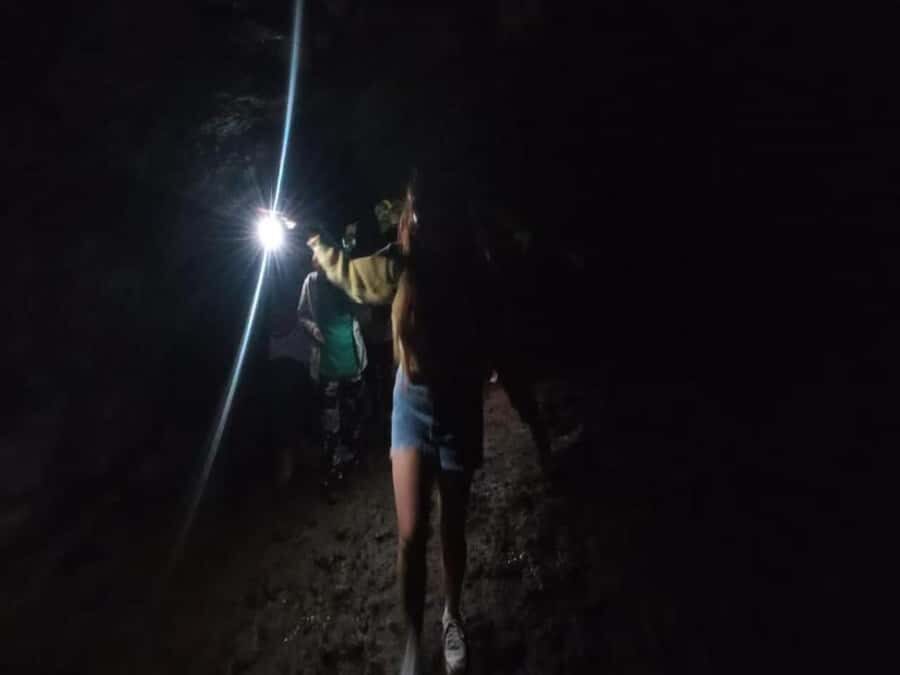
- Lanterns provided so you can see formations without guessing in the dark
- Four named cave stops (Ana Kakenga, Ana Te Pora, Ana Te Pahu, plus the sacred moai site)
- Ahu Te Peu with moai statues as a cultural anchor during the half-day
- Coastal cliffs and sea views that keep the day from feeling one-note
- Private-group pace that helps you move safely through uneven, cave-like terrain
A Half-Day Underground World on Rapa Nui
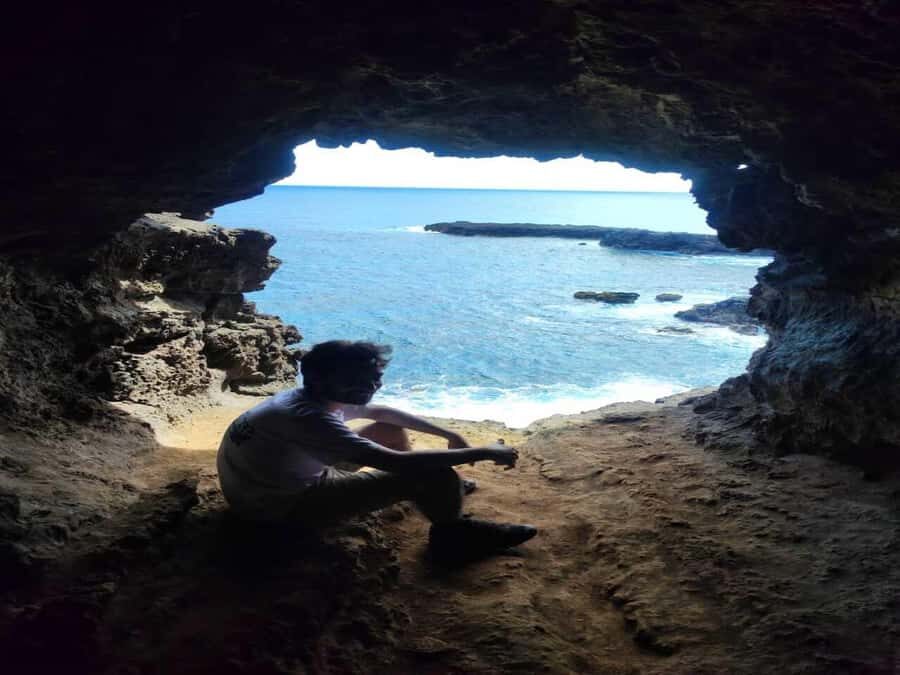
This tour is built for people who want more than the usual top-down viewpoint sightseeing. Rapa Nui’s “surface” is famous, sure. But the real attitude here is to look down, sideways, and inside. You’ll spend a big chunk of the morning or afternoon moving through caves formed by ancient volcanic activity. That combo is what makes the experience feel special: geology you can walk into, plus cultural context that explains why the places mattered.
Because it’s private, the timing and flow tend to feel human-sized. You’re not constantly waiting behind someone who didn’t pack for tight spaces. You can also ask questions while you’re still standing in the exact spot your guide is talking about, which is when it usually makes the most sense.
You can also read our reviews of more private tours in Easter Island
Why the Lava Tubes Feel So Different
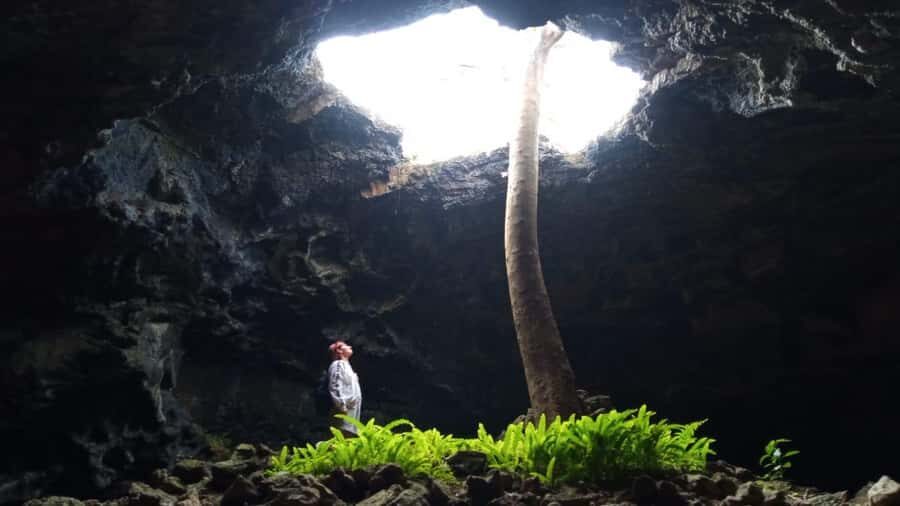
The caves are lava tubes, meaning they’re not just “random holes in the ground.” They’re the leftover routes from past volcanic life. Even if you’ve never thought much about volcanos, you’ll get the point fast once you’re inside: the walls, the shapes, and the way the space opens and narrows all read like a physical record.
And because caves control light, you’ll get a different visual world than you do outside. Where the sun usually tells your eyes what’s important, here the lantern light does the job. You’ll notice how shadows change as you move, and how that affects the mood of each stop. It’s also the reason the tour includes lanterns: you want your eyes on details, not on where your feet are going.
Stop 1: Ana Kakenga and the Island’s Volcanic Blueprint
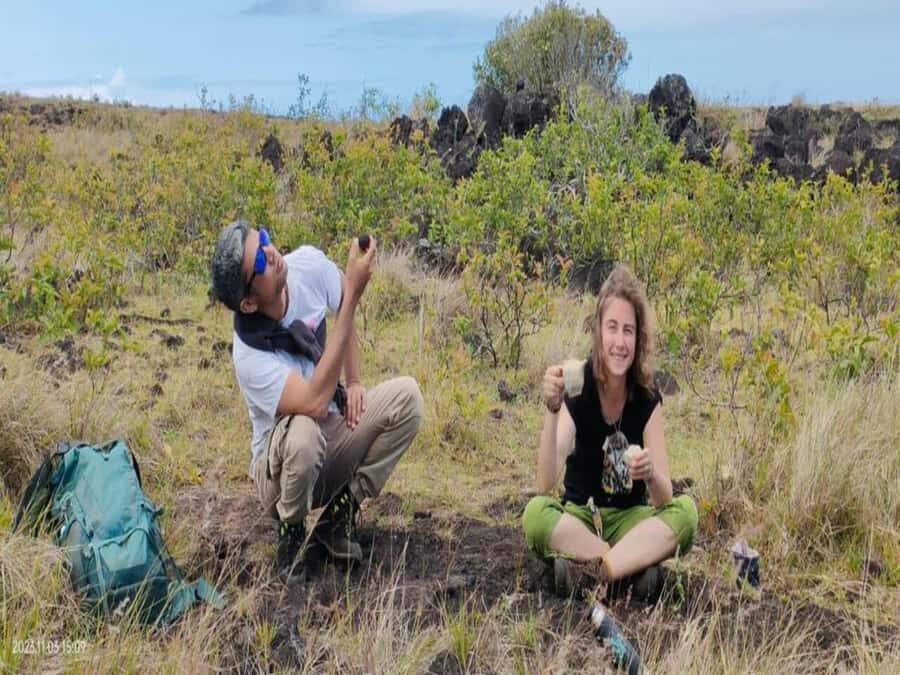
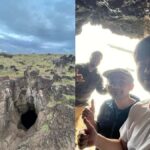
Ana Kakenga is your first cave stop, and it works well as an opener. Starting here helps you “learn the language” of the lava tube before you move deeper into other caves. Your guide explains what you’re seeing in the rock, and you’ll get a clear sense of how volcanic forces shaped internal passages and natural formations over time.
I like this first stop because it sets expectations. You come in thinking caves are dark and samey. Then Ana Kakenga shows you there’s structure to it. You might notice how certain areas feel more open, while others funnel you through narrower passages. That contrast is part of the fun, but it’s also where you should be honest with yourself about mobility and comfort.
Stop 2: Ana Te Pora, Light, Shadow, and Beliefs
Ana Te Pora is where the tour leans harder into feeling, not just scenery. The cave’s interior creates that classic light-and-shadow effect, and your lantern becomes part of the experience rather than a tool you barely think about.
More importantly, this is where your guide connects the cave to cultural significance—ancient beliefs and practices of the Rapa Nui people. That’s a key reason this tour feels more meaningful than a pure “walk in the dark.” You’re not only looking at formations. You’re getting a story for why these kinds of underground spaces mattered to the people living on the island.
Ahu Te Peu Moai Platform: Ceremonies Aboveground
Between caves, Ahu Te Peu gives you a needed shift in perspective. You move from enclosed volcanic tunnels to a sacred site where moai statues sit as part of a ceremonial platform. Your guide talks through craftsmanship and the rituals and ceremonies connected to the place.
This stop matters because it stops the day from becoming only geology and only darkness. You’ll get the sense that Rapa Nui wasn’t just about surviving on land—it was about making meaning in specific spaces. Having moai here acts like a cultural anchor that helps you connect what you just saw underground with what people honored aboveground.


Stop 3: Ana Te Pahu and the Sound of the Past
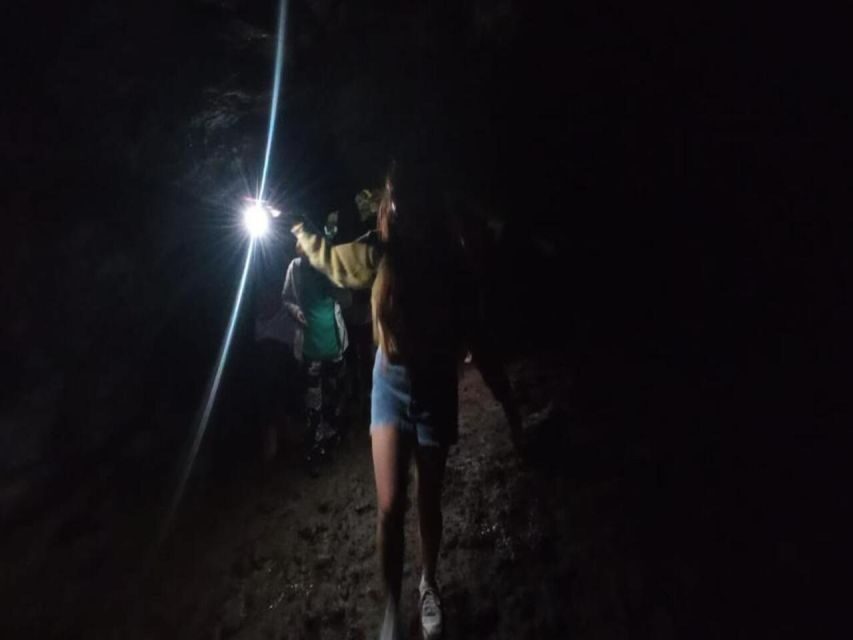
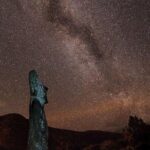
Ana Te Pahu is the final cave stop, and it brings a sensory twist. Your guide narrates stories of the island’s past, and the cave’s natural acoustics are part of the experience—sound carries and changes in a way that can make the whole place feel different than you expected.
Even if you’re not a “sound person,” you’ll probably get it quickly. In caves, your voice and the guide’s narration don’t behave like they do outside. That effect can make the storytelling feel closer to you, like the space is participating.
I also like that you end with a cave that focuses on atmosphere and experience, not just structure. It’s a strong closer for a half-day tour because it leaves you with a final image in your mind beyond “we saw caves.”
Coastal Vistas That Break Up the Caving Day
Rapa Nui isn’t just rock. The tour includes time to absorb coastal scenery as well—views from the coastline that give your eyes a rest between cave interiors. Reviews have pointed out how peaceful the walk can feel along cliff areas leading toward caves.
That’s a practical plus. Caves are physically focused. Coastal viewpoints add breathing room. You get a more complete sense of the island and why these underground spaces exist where they do—on a place shaped by volcanos and the ocean ever since.
What’s Included, and What You Still Need to Budget
This private tour is priced at $150 per person for a 5-hour experience. In real terms, the value comes from the package: you’re not only paying for access to caves. You’re paying for a native guide, transportation, and the gear that makes the underground part work.
Included:
- Native guide
- Transportation
- Lanterns
- Pick up and drop off
- Rain cape
Not included:
- National Park ticket
So if you want a clean budget, plan for the National Park ticket on top of the tour price. If you’re trying to decide whether this is “worth it,” think about what you get that you can’t easily DIY: a guided cultural interpretation, lanterns, and a route that strings together multiple named places in one half-day without you managing the in-between.
Gear Tips That Make Caves Much Easier
You’ll be fine if you pack for traction and comfort. Here’s what matters most:
- Comfortable shoes with grip are a must. Cave floors can feel uneven, and you want stable footing when you’re walking in low light.
- Wear comfortable clothes. The tour includes rain protection, but caves still mean real movement, not just standing around.
- Bring sunscreen. You’re outside at some point for coastal views.
- Accept that cave entrances can be tight. One common note is that some openings may be small enough that you have to crawl or squeeze a bit.
A little cave-caution humor is earned here. If you bring shoes you love and they aren’t grippy, you’ll probably regret it. If you bring practical shoes, you’ll enjoy the day more and worry less.
Who This Tour Suits Best
This experience fits you if you want:
- A private group setup that doesn’t feel rushed
- A guided day with native interpretation rather than just sightseeing
- Adventure that stays realistic: mostly walking, plus cave navigation
- A mix of underground caves and a moai ceremonial site
It may not be ideal if you strongly dislike enclosed spaces or you have serious mobility concerns, since some cave access points can be small. But if you can handle squeezing and you like your travel with a little grit, this is the kind of day that sticks.
Also, it helps if you like calm pacing. More than one review described the experience as peaceful and not just a checklist. That tone matches what a cave tour should feel like.
Price and Logistics: The Quick Reality Check
At $150 per person for 5 hours, you’re paying for more than transportation. You’re buying a guided route with lanterns and rain protection, plus cultural context for specific named places. The only add-on you need to account for is the National Park ticket.
If you’re traveling with a small group and want a custom-feeling experience, this format usually makes sense. If you’re hoping for a full-day “bigger hits” day with lots of different areas beyond caves and Ahu Te Peu, you might find the half-day length short. But for many people, that’s exactly the point: you get an intense change of scenery without burning the whole day.
Should You Book This Cave Tour?
I’d book it if your travel style likes two things: hands-on exploration and meaningful local storytelling. The cave stops (Ana Kakenga, Ana Te Pora, Ana Te Pahu) plus the moai platform at Ahu Te Peu give you variety you can feel in your body, not just see with your eyes. And the included lanterns and rain cape remove two common headaches.
I would hesitate only if you’re uncomfortable with tight cave openings or if you want a perfectly easy, no-squeezing experience. Also budget for the National Park ticket separately so there are no surprises at the end of the day.
If you’re ready for Rapa Nui under the ground, this private tour is one of the better ways to do it in a focused 5-hour window.
FAQ
How long is the Private Tour: The Underground World of Rapa Nui Caves?
The tour lasts 5 hours.
Is the tour private or shared?
It’s a private group experience.
What language is the live guide?
The live tour guide speaks English and Spanish.
Are lanterns provided for the caves?
Yes, lanterns are included.
What does the tour include for weather?
A rain cape is included.
Is transportation included?
Yes, transportation is included, along with pick up and drop off.
Is the National Park ticket included in the price?
No. The National Park ticket is not included.
What should I bring?
Bring comfortable shoes, sunscreen, and comfortable clothes.