REVIEW · SANTIAGO
Coast and Color: Discover Viña and Valparaíso in a Day
Book on Viator →Operated by TourGo · Bookable on Viator
Color hits fast on this coast trip. Valparaíso is a UNESCO World Heritage city, and the hills-plus-stairs layout turns every corner into a mini reveal. I also like that you get a real guide rhythm, with private-style attention in a small group, so you’re not just herded from photo spot to photo spot.
The best part is how the day balances serious walking with comfort: you travel by air-conditioned vehicle and you’ll have stops designed for both viewpoints and city flavor. The one drawback to plan for is that Valparaíso requires a “feet on the ground” mindset, with slopes, stairways, and uphill staircases that can feel like more than a casual stroll.
In This Review
- Key takeaways before you go
- A Full-Day Coast Run from Santiago: What the Timing Feels Like
- Valparaíso Hills, Murals, and Funicular Clues: Why the City Works
- Viña del Mar’s Flower Clock and Coastal Rhythm
- Muelle Vergara: From Industrial Use to Tourist Magnet
- Viña del Mar Center: Shops, Seafood, and Real Local Life
- Plaza Sotomayor and the Arturo Prat Connection
- Congreso Nacional de Chile: Why Parliament Ended Up Here
- Valparaíso Cruise Port: The Maritime Side of the Story
- Price, Group Size, and What You’re Really Paying For
- Smart Tips for a Smooth Day (Shoes, Photos, and Pacing)
- Should You Book This Tour?
- FAQ
- How long is the Coast and Color tour from Santiago?
- What’s included in the price?
- Is lunch included?
- Do I need to buy tickets at each stop?
- How many people are in the group?
- What if the weather is poor?
Key takeaways before you go
- UNESCO Valparaíso on its own terms: murals, history, and hill views built into the route
- Small group with guide focus: max 15 travelers, so questions actually get answered
- Viña del Mar icons included: the Flower Clock and Muelle Vergara are built into the timing
- Coastal castle viewpoint in Viña: a must-see seafront outlook runs through the day
- Port-side history in Valparaíso: Plaza Sotomayor and the National Congress building add context
- Cruise port stop is informational: Valparaíso Cruise Port entrance is not included
A Full-Day Coast Run from Santiago: What the Timing Feels Like
This is a long day, roughly 9 to 11 hours, which makes it ideal for people who want two cities without committing to an overnight. You start with transfers from the tourist center of Santiago, and the tour ends back at the meeting point—simple, predictable, and helpful after a day of travel.
You’ll be moving through multiple neighborhoods in one stretch. That’s the trade-off: it’s efficient, but it means you’ll want comfortable shoes and a realistic mindset about pacing—especially in Valparaíso where the city climbs.
You can also read our reviews of more tours and experiences in Santiago.



Valparaíso Hills, Murals, and Funicular Clues: Why the City Works
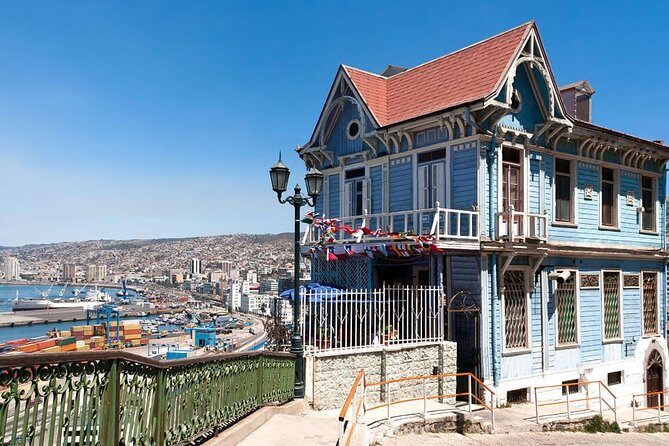
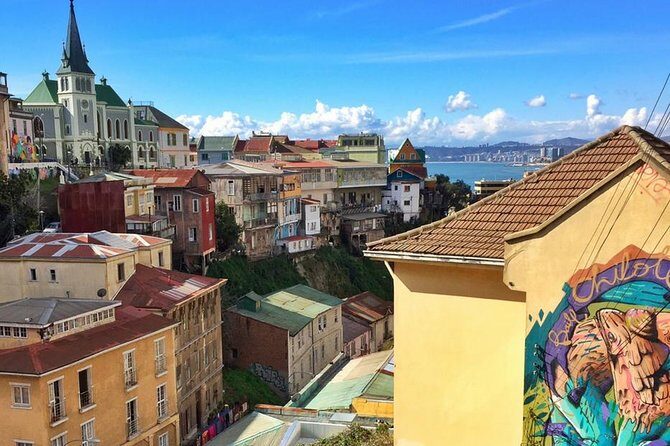
Valparaíso is the heart of the day, and it shows why it was named a UNESCO World Heritage Site in 2003. This is a port city with a bohemian streak and a layered past, but the real “how to understand it” is physical: the streets run up and down, and the hills collect the color.
I love that the tour doesn’t treat Valparaíso like a single landmark. You spend time walking alleys and stairways, and you also get a nudge toward using the funicular if you want to grasp the city’s layout faster. It’s not just sightseeing—it’s learning how the place is built.
What to expect at street level: multicolored houses on the slopes, urban art, and poetic corners that feel made for lingering. What to watch for: if you’re expecting flat ground, you’ll be surprised. Plan to take your time where the stairs appear, and save your best energy for the photo views where murals line up with the sea.
One more practical note: the Valparaíso stop includes an admission ticket, so you’re not juggling paperwork while you’re trying to enjoy the climbs.
Viña del Mar’s Flower Clock and Coastal Rhythm
Once you shift to Viña del Mar, the vibe becomes calmer and more “city landmark” focused. The famous Flower Clock (Reloj de Flores) is a perfect first stop because it’s easy to recognize and quick to appreciate. It’s also tied to a story: it was a gift from Switzerland, which gives the whole thing more meaning than a pretty photo.
From there, you’ll keep moving along the waterfront side of Viña del Mar. The day includes a seaside outlook from a coastal castle viewpoint—one of those “you can’t miss it” moments where the Pacific shows up in the framing. You don’t need a deep architectural background to get it; you just need to look.
Best way to enjoy this section: stay flexible. Let your guide’s timing set the rhythm, and use the longer breaks to reset between viewpoints—especially if Valparaíso left your legs tired.
Muelle Vergara: From Industrial Use to Tourist Magnet
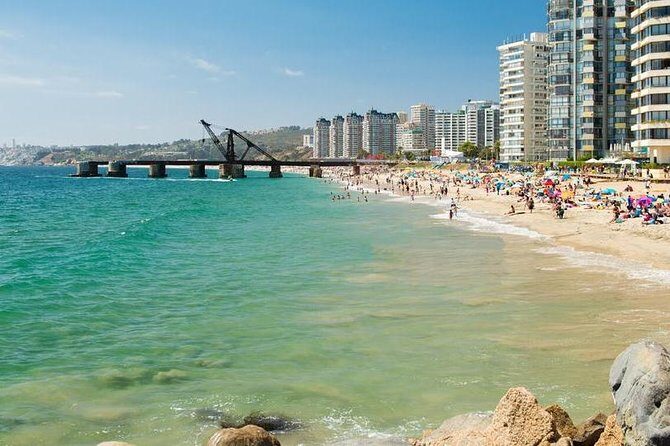
Muelle Vergara is one of those places that proves how travel changes your eye. It began as an industrial working spot, but it’s now a major tourist stop, and it works because the structure is visually strong and the setting feels tied to the working port life.
You’ll spend a shorter moment here—about 30 minutes—which is actually a smart way to include it. It gives you time to walk out for the sea views and then rejoin the group without burning the whole schedule on one location.
If you’re the type who loves “small, memorable” stops rather than long museum marathons, Muelle Vergara is a solid payoff. It’s also a good spot to grab photos from different angles without needing to plan a whole route.
Viña del Mar Center: Shops, Seafood, and Real Local Life
The tour then moves into the center area of Viña del Mar, with around two hours for the town feel. This is where you get the contrast from Valparaíso’s hill streets: more storefronts, more straightforward browsing, and more everyday interaction.
The city is known for maritime food, and the charm here is that many meals and counters sit with the ocean nearby. Lunch is not included, so this is a practical time to decide what you want to eat rather than hoping the tour times perfectly for your favorite budget.
Here’s how I’d handle lunch strategy: if you want a sit-down meal, choose it quickly once you’re in the center so you don’t end up eating too late. If you prefer flexibility, pick a casual spot where you can stay within the remaining time window.


Plaza Sotomayor and the Arturo Prat Connection
Back in Valparaíso, Plaza Sotomayor is a key historic pause on the port side. It’s considered the city’s largest civic center area, and it’s loaded with important buildings and monuments, which makes it a great “zoom out” moment after the colorful hill views.
You’ll also get a stop at the Monument to the Heroes of Iquique, where the remains of Arturo Prat are located. That detail matters because it turns the square from a pretty landmark into a place tied to national memory.
The area also includes the Edificio Armada de Chile, linked to the old Intendency. Even if you only take in the exterior feel, the guide’s explanation helps you understand why this port city has so many power-and-history markers built into it.
Congreso Nacional de Chile: Why Parliament Ended Up Here
The National Congress of Chile building in Valparaíso adds a different kind of interest: political history and the story of why the city matters beyond art and streets. The tour gives you time to understand a specific legal decision: on December 18, 1987, a law was promulgated to transfer the headquarters to Valparaíso for decentralization reasons.
You’ll also learn that the building housed both chambers starting in 1990 until closed. Even without getting into heavy legal detail, the takeaway is clear: Valparaíso isn’t just a scenic coast stop. It’s been a governing center, and you’ll see that in the way the city plan treats the port and civic zones.
This is a good section for travelers who like context. If you prefer pure photo time, you’ll still likely appreciate it because it explains the architecture around you.
Valparaíso Cruise Port: The Maritime Side of the Story
The final “port” moment is Valparaíso Cruise Port, which is the maritime terminal in the city. This stop is less about personal wandering and more about understanding how Valparaíso functions at scale.
The port is described as having the largest arrival of passengers from within Chile and the second-largest movement of containers after San Antonio. That kind of number helps you connect the dots: this city’s art and hills sit on top of real port activity.
Admission for the cruise port is not included, so factor that into your expectations. If you’re the type who wants to see every viewpoint without extra costs, this is the one place where you may need to pay on-site.
Price, Group Size, and What You’re Really Paying For
At $120 per person, this tour isn’t a budget “grab a ticket and go” deal. You’re paying for two main things: a full-day structure and guided interpretation, plus transport by air-conditioned vehicle and included transfers from the tourist center.
The small group size (maximum 15) matters more than it sounds. With fewer people, it’s easier for the guide to keep you on track through stairways and hill routes, and it’s easier for you to ask questions without feeling like a background extra in someone else’s itinerary.
The money value also comes from what’s included vs. not included. Valparaíso’s admission ticket is included, and many other stops list free entry (Flower Clock, Muelle Vergara, Viña del Mar center, Plaza Sotomayor, and Congreso Nacional). Lunch and tips are not included, and the cruise port entrance is not included—so plan your food budget and be ready for that one potential additional fee.
One detail from guide experience is worth noting: the day is set up with clear communication and timeframes, and the guides named in feedback (like Manny and Manuel) were described as adjusting as appropriate. That’s the difference between a checklist tour and a day that feels like someone actually understands your time.
Smart Tips for a Smooth Day (Shoes, Photos, and Pacing)
Wear shoes you can handle on stairs. Valparaíso’s hill streets aren’t optional, and even if the funicular helps, you’ll still walk. Add sun protection too—coastal light can be intense, and you’ll be outdoors for a big portion of the day.
If you care about photos, do it in phases. I like to take quick wide shots early in each stop, then come back for a couple of more careful frames after I’ve gotten my bearings. Valparaíso rewards that approach because murals and viewpoints change as you change your position on the hillside.
For lunch, keep it flexible. Since lunch isn’t included, you’ll want a plan once you arrive in Viña del Mar center. If you’re hungry, don’t wait for the perfect place—this is a timed tour, and the day moves.
And one more thing: bring a little patience for transitions. Moving between neighborhoods takes time, and the day’s value is in connecting the coast with history rather than staying in one spot all day.
Should You Book This Tour?
Book it if you want an efficient, guided day trip from Santiago that pairs UNESCO Valparaíso with classic Viña del Mar stops, without needing to plan transit or stitch together separate tickets. It’s especially good for first-timers who want the big highlights plus enough explanation to understand what you’re seeing.
Skip it—or at least reconsider—if you hate walking uphill or you want long, unstructured time in one neighborhood. Valparaíso requires willingness for stair-and-hill routes, and the schedule is packed enough that you’ll have to accept a “high points” style of visiting.
If you can handle that pace, this tour’s main strength is simple: you get both cities’ identities in one go—street art and heritage in Valparaíso, and iconic sea-facing landmarks in Viña del Mar—while staying in comfortable vehicle transport between the climbs.
FAQ
How long is the Coast and Color tour from Santiago?
It runs about 9 to 11 hours.
What’s included in the price?
The tour includes an air-conditioned vehicle, a guide, and transfers from the tourist center of Santiago. Valparaíso admission is included, while many other stops are listed as free.
Is lunch included?
No, lunch is not included, so you’ll need to budget for a meal during the day.
Do I need to buy tickets at each stop?
Not always. Valparaíso admission is included, and several other stops are listed as free. The Valparaíso Cruise Port admission is not included.
How many people are in the group?
The tour has a maximum of 15 travelers.
What if the weather is poor?
The tour requires good weather. If it’s canceled due to poor weather, you’ll be offered a different date or a full refund.