REVIEW · SAN PEDRO DE ATACAMA
Moon Valley Tour from San Pedro de Atacama
Book on Viator →Operated by Gray Line Chile · Bookable on Viator
One of Atacama’s best light shows starts at dusk. This Moon Valley tour from San Pedro de Atacama pairs a guided walk through salt formations with a sand-dune sunset view in the protected Valle de la Luna.
I love how the route hits the area’s key geology in a tight time window: salt caves, the Tres Marias formations, and time on top of a dune. I also like the practical pacing of a 4–5 hour outing with hotel pickup in an air-conditioned minivan or bus.
One thing to consider: the experience depends on your guide’s communication and the timing at sunset. If you’re hoping for a long, ultra-detailed lecture in English, you might find the explanations short—or the group can feel busy at the viewing points.
In This Review
- Key things I’d plan around on this Moon Valley tour
- How the 3:30pm start shapes your day in San Pedro de Atacama
- Cordillera de la Sal: the Salt Mountain Range warm-up (and why it matters)
- Valle de la Luna museum time: what you learn before you walk
- Salt caves, Tres Marias, and amphitheater: the valley’s best set pieces
- Licanantay viewpoints and the Coyote stone sunset finale
- The sand dune climb: what moderate fitness really means
- Price, entrance fees, and why $51 can still be good value
- Guide quality and English: how to get the best version of this tour
- Weather and timing: when the sunset hits and when it doesn’t
- Should you book the Moon Valley Tour from San Pedro de Atacama?
- FAQ
- Is the Valle de la Luna entrance fee included in the tour price?
- What time does the tour start?
- How long is the Moon Valley tour?
- What fitness level do I need?
- What should I wear or bring?
- Do I get hotel pickup and drop-off?
Key things I’d plan around on this Moon Valley tour
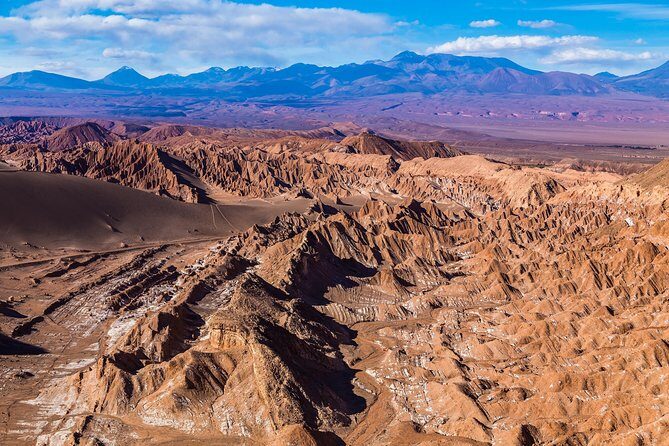
- Cordillera de la Sal viewpoints first to warm up your eyes before Valle de la Luna
- Salt caves and small cave exploration paired with exhibits on-site
- Tres Marias, amphitheater, and the big sand dune as the main photo stops
- Coyote stone sunset viewing where the sky changes everything
- A moderate dune climb that rewards you with the best vantage point
- Entrance fee is extra (bring cash for Valle de la Luna)
How the 3:30pm start shapes your day in San Pedro de Atacama
This is a half-day tour that starts at 3:30 pm. You’ll get hotel pickup and head out in an air-conditioned minivan or bus, then return after roughly 4 to 5 hours. That means you avoid losing a whole day and still get the highlight most people come for: a desert sunset.
Pick-up timing depends on the season. In summer, pickup runs 15:00 to 15:40, and in winter it’s 14:30 to 15:10. If your hotel is only slightly outside the pickup zone, you may need to coordinate carefully, because pickup is included only for hotels nearby the town. I’d confirm your exact pickup details at least a day ahead, so you’re not standing around in the late afternoon heat.
Also, check your mindset. This is not a slow wander. It’s a guided route with multiple short stops, then a sunset finale. If you like taking lots of time in one place, you may wish you had more hours in the valley.
You can also read our reviews of more tours and experiences in San Pedro de Atacama.

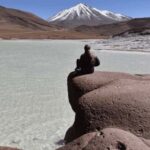
Cordillera de la Sal: the Salt Mountain Range warm-up (and why it matters)
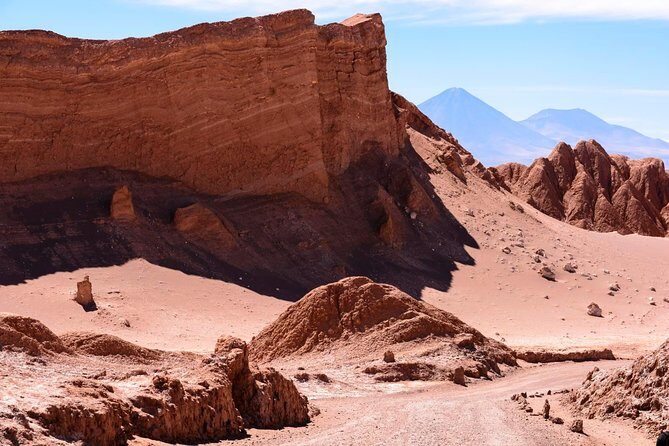
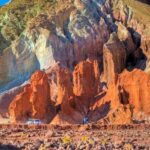
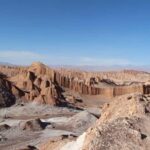
Your first stop is the Cordillera de la Sal, the Salt Mountain Range with the Mars and Moon valleys nearby. This is where you get the “wait, this looks unreal” feeling. The terrain is shaped by water and wind over long periods, leaving behind stone-and-sand-like formations that read like a lunar surface.
The tour route includes key viewpoints in this region before you enter Valle de la Luna. One stop is aimed at that much-anticipated Chilean sunset atmosphere, often described through the idea of a Death Valley view and the way salt and wind sculpt the forms. In plain terms: you’re building context. When you later see the caves and statues in Valle de la Luna, the earlier Salt Mountain Range views help you understand what you’re looking at.
A practical detail: this portion includes admission ticket notes separately, so plan on paying entrance fees for Valle de la Luna on arrival (more on that below). And bring sun protection even though you’re starting mid-afternoon—Atacama sun doesn’t care that the day is cooling down.
Valle de la Luna museum time: what you learn before you walk
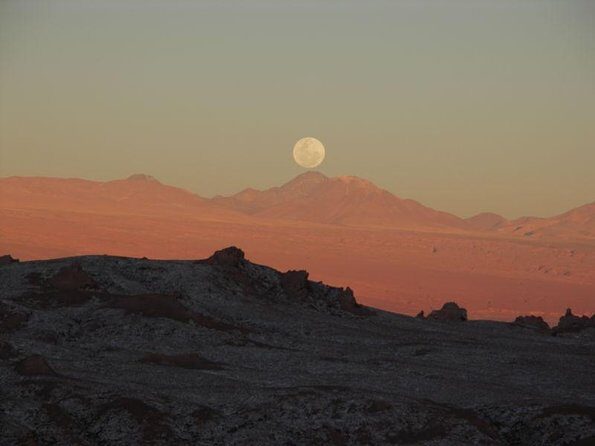
Once you arrive at Valle de la Luna, you pay the entrance fee on-site (not included in the tour price). After that, you’ll enter an on-site exhibition area focused on the place’s physical story and how the desert environment works. This is a valuable step because it turns the scenery into something you can read.
Instead of just seeing “cool rocks,” you start noticing patterns: salt formations, cave shapes, and how wind and water shaped the valley’s depressions, canyons, and other odd-looking features. Even if you prefer photos over facts, this short museum-and-exhibit segment gives you a mental map.
From there, you move with your guide to a small cave for a closer look at formation details. This is one of those moments where the desert changes from “wow” to “okay, I see how it formed.”
Salt caves, Tres Marias, and amphitheater: the valley’s best set pieces
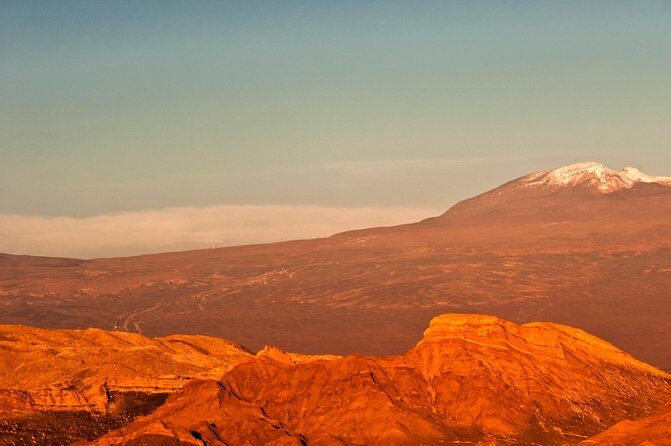
In the main Valle de la Luna portion, you visit the core sites. The tour includes:
- Salt caves (including a brief cave tour and cave exploration)
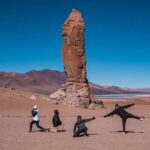
- Salt statues called Las Tres Marias
- The amphitheater
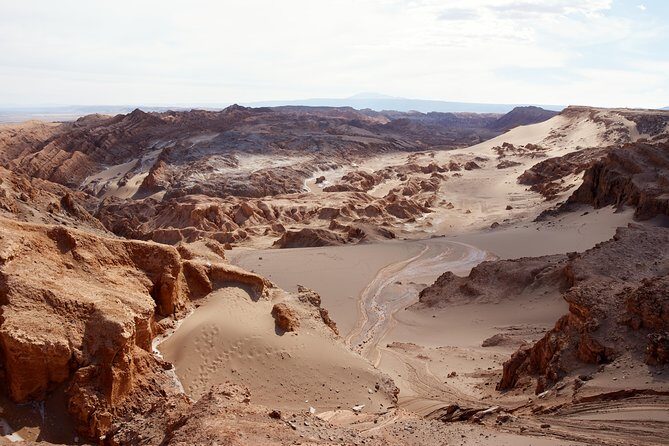
- A large sand dune area that leads into the sunset plan
What makes these stops click is their variety. You’re not just walking through one kind of feature. You get narrow cave spaces, then open formations like Las Tres Marias, then the amphitheater area where the terrain’s shape helps frame wide views. After that, you’re set up for the dunes—where the colors do their final trick.
A downside to plan for: because it’s a guided, time-boxed tour, you might get shorter “hang time” at each site than you want. One earlier “too rushed” experience is possible if your group is large or your pace is slowed by timing at pickup or language mixing. If you’re the type who wants to linger, consider that the main value here is getting organized access to multiple must-see points, not a long solo-style roaming session.
Licanantay viewpoints and the Coyote stone sunset finale
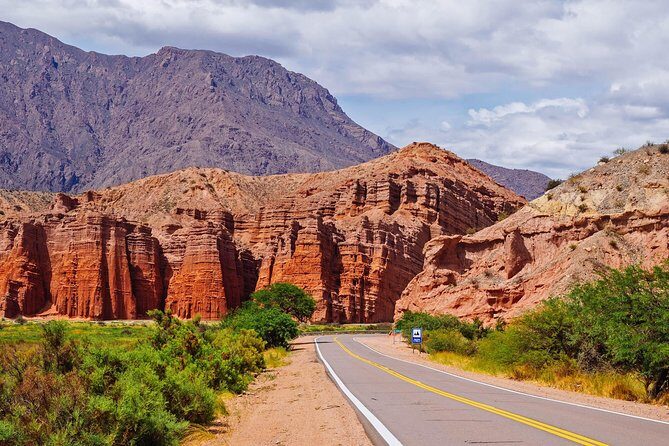
There’s a reason the schedule puts viewpoints in front of Valle de la Luna and then saves the final “main event” for last. The tour includes a viewpoint stop such as Licanantay, where you can see mountains of salt from above. That gives you depth—because from the ground, Valle de la Luna can feel like one continuous surreal area, but from a higher angle, you start seeing how the terrain folds and stretches.
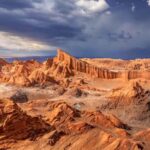
Then the tour waits for sunset at Coyote stone. This is the payoff: orange and gold light moving across the curves of the valley. It’s also the most crowded moment. The viewing point packs in lots of people, so you’ll likely spend a bit of time waiting for the best angle and the sun to drop.
What you can control: pick your photo strategy before you start climbing. Think about where you’ll stand when you reach the dune top. What you can’t control: weather and cloud cover. Since this tour requires good weather to run as planned, a hazy sky can soften the color change you expected.
The sand dune climb: what moderate fitness really means
Your comfort level here comes down to one thing: the dune climb. You’re told climbing the dune requires average physical fitness. You’re also walking on sand, so expect loose footing rather than packed trail ground.
I recommend you treat this as a real hike, not a casual stroll. One account also described a steep hill and narrow paths with wind gusts. Even if you’re fit, the combination of sand and wind can slow you down and make footing feel more awkward than it looks from a distance.
Clothing matters. The tour recommends comfortable trekking pants, socks, and trekking shoes, since you’ll be walking on sand. Bring a windbreaker or jacket too. Temperatures shift after sunset, and wind in the desert can get sharp fast. Gloves, sunglasses, and sunscreen are also recommended, plus water.
If you’re traveling with kids or anyone who hates heights or uneven footing, you’ll want to manage expectations. The viewpoint is worth it, but it’s not stroller-friendly.
Price, entrance fees, and why $51 can still be good value
The tour price is $51.00 per person, which covers hotel pickup, transport by air-conditioned minivan or bus, a professional guide, and drop-off at the city centre. The big catch: the Valle de la Luna entrance fee is not included. It’s listed as CLP 10,800 per person, and you’re asked to bring cash to pay it.
So what are you really buying? Not just transportation. You’re buying:
- A timed route that hits multiple signature points in a short window
- A guide who helps you interpret the formations and cave features
- Access to the on-site exhibit area (which makes the walking stops more meaningful)
- A sunset viewing plan that keeps you from guessing where to be and when
Is it cheaper than DIY? Yes, sometimes. But DIY often costs you time and effort: arranging entrance timing, getting to the right viewpoints, and figuring out what each feature means. If your goal is a well-managed sunset outing with minimal stress, this price can feel fair.
Guide quality and English: how to get the best version of this tour
This is the part you should take seriously before booking. The overall rating is 4.1 across 59 reviews, which suggests many good experiences—but a few trips fall short.
Some guides are praised for being engaging, giving clear explanations, and helping with photos. Other experiences mention guides with limited English or minimal explanation while moving through the sites. That doesn’t mean the tour is bad. It means your enjoyment can swing based on who you get and how fast the itinerary pace feels that day.
If English details matter a lot to you, go in with a backup plan: use the museum exhibit time, ask your guide a couple of direct questions during the stops, and focus on the visuals even if the lecture style isn’t perfect. You can still get value from the route and the sunset timing.
Also remember: this tour has a maximum of 15 travelers per departure. That’s generally a more manageable group size than some Atacama excursions you might see—but sunset points can still feel packed because Valle de la Luna draws many visitors.
Weather and timing: when the sunset hits and when it doesn’t
This is a dusk-focused tour, so weather plays a direct role. The operator notes the experience requires good weather. If it’s canceled due to poor weather, you’ll be offered a different date or a full refund.
Even with “good” weather, sunset in the desert can be unpredictable. If the sky is clear, colors often show up vividly. If clouds or haze roll in, the light can soften and still look pretty—but maybe not as dramatic as the photos you’ve seen.
Timing is also tight. You’re walking, climbing, and then settling at the viewpoint. If you arrive late or if the group moves slowly, you might feel like the sunset window is brief. That’s another reason to dress right, keep water handy, and be ready to move when your guide signals.
Should you book the Moon Valley Tour from San Pedro de Atacama?
I’d book this tour if you want a focused, guided way to see Valle de la Luna in one afternoon. The combination of salt caves, Las Tres Marias, the big dune, and the Coyote stone sunset makes it a practical “do the highlights” plan.
Skip it (or switch to an alternative timing) if you’re the type who needs long explanations, lots of quiet time at a single site, or you’re worried about the dune climb and wind. Also think twice if you hate crowds at viewpoints; sunset is peak time.
My final advice: treat this as a photography-and-views outing with just enough geology context to make the shapes click. If you come prepared with the right clothes and you’re flexible about the exact sunset color show, it’s one of the best ways to experience Atacama’s lunar surface magic without turning the day into logistics.
FAQ
Is the Valle de la Luna entrance fee included in the tour price?
No. The entrance fee is not included. It’s listed as CLP 10,800 per person, and you’re advised to bring cash to pay it.
What time does the tour start?
The start time is 3:30 pm. Pickup happens in a window depending on season: 15:00 to 15:40 in summer, or 14:30 to 15:10 in winter.
How long is the Moon Valley tour?
Expect about 4 to 5 hours total.
What fitness level do I need?
A moderate physical fitness level is recommended. You should be comfortable walking on sand and climbing the sand dune for the sunset view.
What should I wear or bring?
Wear comfortable trekking clothes, including trekking pants, socks, and trekking shoes. Bring a windbreaker or jacket, gloves, water, sunscreen, and sunglasses. Also bring cash for the Valle de la Luna entrance fee.
Do I get hotel pickup and drop-off?
Hotel pickup is included, and the drop-off is at the city centre. Pickup is noted as included only on hotels nearby the town, and you should confirm your hotel details and pickup time at least a day before the tour.