REVIEW · SAN PEDRO DE ATACAMA
Full Day Tour Piedras Rojas Altiplanic Lagoons Chaxa Lagoon
Book on Viator →Operated by Turismo Chile Tours · Bookable on Viator
Red salt, clear lagoons, and early starts. I love how this full-day route mixes big geography with real wildlife time—especially around the Altiplanic Lagoons and Chaxa Lagoon—and I like that several stops include admissions so you keep momentum instead of stalling for tickets.
One drawback to weigh: the day can run smooth, but food quality and the vehicle setup may vary depending on who operates your specific departure, so it’s smart to go in with clear expectations about breakfast and lunch at the pace of a full 11-hour itinerary.
In This Review
- Key highlights at a glance
- A full-day Altiplano circuit from San Pedro
- Tropic of Capricorn: the southern sun line you can photograph
- Piedras Rojas: Salar de Aguas Calientes Sur and its red salt energy
- Miscanti and Miñiques Altiplanic Lagoons: where water feeds the birds
- Socaire and the San Bartolomé church: Andean colonial craft in an indigenous community
- Chaxa Lagoon at Los Flamencos National Reserve: wildlife viewing with real targets
- Price and value at $140: what you get and what to watch
- Guide pace and small-group size: the difference between fine and great
- Food check: breakfast and lunch are included, but quality can vary
- Should you book this tour for your Atacama week?
- FAQ
- What time does the tour start, and how long is it?
- What stops are included during the day?
- Is admission included for all stops?
- How large is the group?
- Is this tour suitable for children or people traveling with service animals?
- What wildlife and plants can we expect around Chaxa Lagoon?
- What happens if the weather is bad?
- Can I cancel for free?
Key highlights at a glance
- 6:00 am start, ~11 hours total: you’ll be out early to fit five major stops and two included-reserve areas into one day
- Tropic of Capricorn photo stop: quick explanations at 23º 26′ 17″ south of the equator, with time to photograph
- Piedras Rojas salt flat (Salar de Aguas Calientes Sur): about 3 hours on the red salt flats zone
- Miscanti and Miñiques sister lagoons: formed by groundwater from melting snow, with frequent chances to spot foxes, flamingos, and vicuñas
- Socaire Church in Andean colonial style: San Bartolomé church tied to shepherds and leather workers, with a festival on August 24
- Chaxa Lagoon in Los Flamencos National Reserve: targeted for wildlife like Chilean flamingos, culpeo fox, vicuña, guanaco, and more
A full-day Altiplano circuit from San Pedro
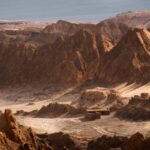
This is the kind of day trip that feels like you’re moving through chapters of the Atacama: sun line science, red salt geology, high-altitude water and birds, an indigenous community stop, then a protected reserve lagoon with flamingos and mammals. The whole thing runs about 11 hours, starting at 6:00 am, so you’ll want to treat it as a real day out, not a casual stroll.
What makes it good value is the stop mix. You get multiple “big” sights—Piedras Rojas, the Altiplanic Lagoons, and Laguna Chaxa—plus the Socaire church stop. Some locations are marked as free-entry stops, and others include admission, which helps keep the day flowing.
This also suits travelers who like structure. A small group (maximum 15 travelers) usually means you can ask questions, keep track of your bearings, and still have time to enjoy each stop without feeling rushed off a bus.
A few more San Pedro de Atacama tours and experiences worth a look

Tropic of Capricorn: the southern sun line you can photograph
You start with a quick stop at Tropico de Capricornio, the parallel that matters in the southern hemisphere. The point is described at 23º 26′ 17″ south of the equator, and your guide gives the explanation while you get photography time.
This isn’t a long stop, but it’s a smart warm-up. The Atacama can feel like one big “wow” zone, and this first moment gives context: why the sun behaves the way it does here, and why that latitude line is meaningful.
Admission for this stop is listed as free, and the time block is about 1 hour. It’s a good place to get your camera ready early, before the day gets packed with salt color and lagoon reflections.
Piedras Rojas: Salar de Aguas Calientes Sur and its red salt energy
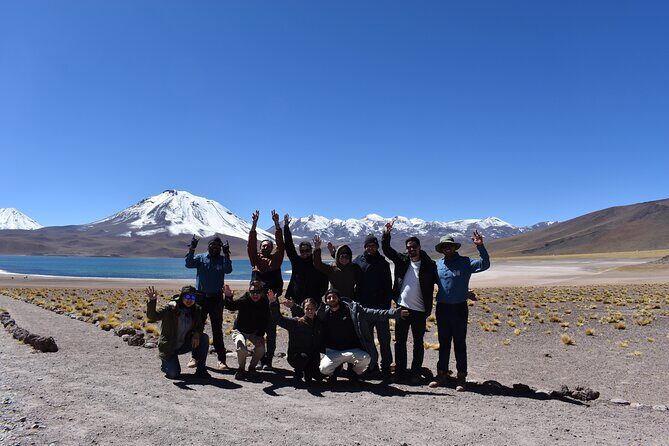
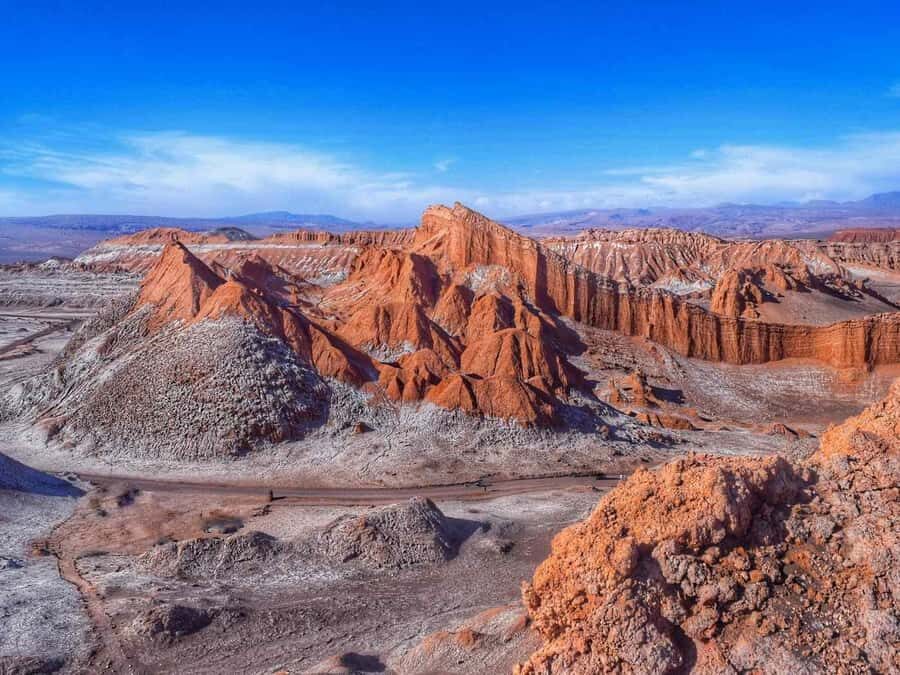
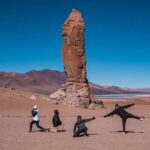
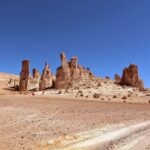
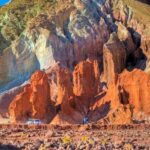
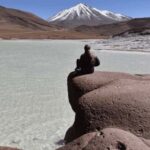
Next comes Piedras Rojas, also known as the Salar de Aguas Calientes Sur. You’re told it sits about 60 kilometers southeast of Socaire and roughly 154 kilometers from San Pedro de Atacama in the Paso Sico direction. Translation: expect a real drive, then a payoff that looks like it belongs in a photo book.
You’ll have around 3 hours at Piedras Rojas, with admission included. This is one of those places where you’ll want to slow down. The ground is salt, the colors can shift with the light, and the best shots tend to come from moving a bit away from the obvious viewpoints to find angles that catch texture and flatness at the same time.
Wildlife isn’t the main show here. The draw is the geometry and the color story of red salt. If you’re the type who enjoys geology even when you’re on vacation, this is a satisfying stop.
Miscanti and Miñiques Altiplanic Lagoons: where water feeds the birds
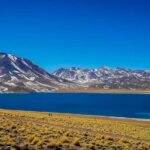
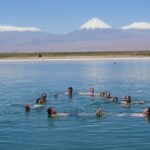
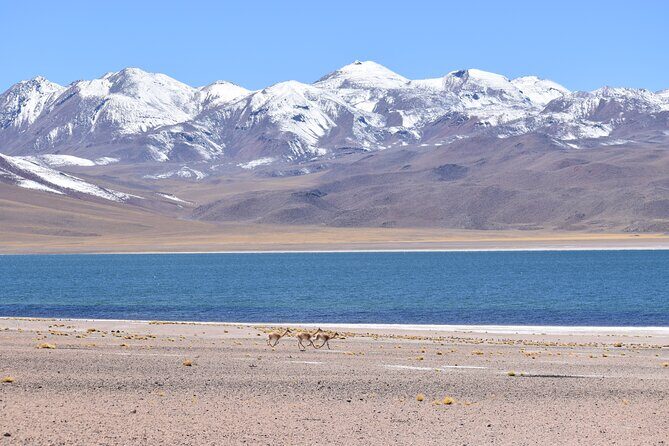
After salt flats, the day pivots to water. The Miscanti and Miñiques Lagoons are described as sister lagoons, linked by shared origin: groundwater fed by melting snow from Miscanti hill and the Miñiques volcano.
You’ll get about 2 hours here, and admission is included. This is also where you start looking for animals that feel tied to the land’s pulse, not just “park signage” wildlife.
The tour notes common fauna you may see: foxes, flamingos, and vicuñas. That matters because lagoon viewing in this region can be subtle. You might spot movement first, then confirm it with binoculars or a careful scan. If you like bird-watching, this portion is a strong match for your interests.
One practical mindset: keep your pace calm. Lagoon time isn’t about one perfect shot; it’s about waiting for the scene to change. A 2-hour window is long enough to do that without feeling trapped.
Socaire and the San Bartolomé church: Andean colonial craft in an indigenous community
Then you switch from water and salt to culture. The stop is Iglesia de Socaire, connected to the Lickanantay indigenous community. The description explains how the territory connects different ecological levels, and how subsistence traditionally combines livestock, traditional agriculture, and secondary products.
Your time here is about 3 hours, and admission is free. You’ll visit the San Bartolomé church, listed as part of historical heritage, with Andean colonial architecture. The style is described as having a main nave with side chapels, built with a system similar to traditional houses, and connected to long traditions of volcanic stone quarries and edging.
There’s also a useful detail in the background: San Bartolomé is described as the patron saint of shepherds and of those who work skins and leather—gloves, coats, belts, boots—and the festival is celebrated on August 24. Even if you’re not there in August, that kind of context helps you see the church as part of local work and rhythm, not just a photo stop.


Chaxa Lagoon at Los Flamencos National Reserve: wildlife viewing with real targets
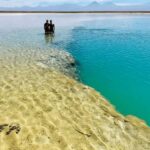
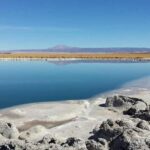
The final big highlight is Laguna Chaxa, identified as a central point of the Salar de Atacama area and located within Los Flamencos National Reserve. This stop is about 2 hours, and admission is included.
This is where the tour shifts from scenery to named wildlife. The reserve is described as protecting species including:
- tuco tuco of the puna
- culpeo fox
- puma
- large parina
- Chilean flamingo
- small parina
- vicuña
- guanaco
Flora is part of the story too, with vulnerable plants called out like tamarugos and carob trees. If you’re a “tell me what I’m looking for” traveler, this is a helpful list because it gives you categories to scan for instead of only hoping for a lucky sighting.
A note on expectations: you’re in a reserve, so you shouldn’t plan on guaranteeing every animal. But the value here is clear—your time is set aside in a specific conservation zone, not a random roadside lagoon.
Price and value at $140: what you get and what to watch
At $140 per person for about 11 hours, this tour isn’t trying to be the cheapest way to hit the highlights. The value comes from the tight sequencing of major sites and the fact that multiple stops include admissions.
Where it can get tricky is the day-of experience. The provided information includes a strong positive pattern—many people rate it 4.8 with 93% recommending it—and also one serious warning about food and vehicle quality not matching the premium expectation. The safe way to handle that is simple: treat the tour as a full-day adventure with included meals, but verify what is promised for your departure before you lock in assumptions about premium drinks or buffet variety.
In other words: if your top priority is a very specific food setup, build in flexibility. The itinerary is built for early starts and multiple stops, so even in great conditions, lunch may be straightforward rather than fancy.
Also keep an eye on timing. The 6:00 am start is early, and you’ll be traveling between high-impact stops. This is why pacing matters as much as the attractions.
Guide pace and small-group size: the difference between fine and great
With a maximum group size of 15 travelers, the best versions of this day feel manageable. You can ask questions without shouting over a crowd, and your guide can adjust pacing when you need a few extra minutes for photos or when everyone is still scanning for flamingos.
You’ll also notice that guide quality is a real factor. Names like Diego, Florencia, David, Anita, and Marco show up with praise for being helpful and communicating well. If English clarity matters to you, that’s worth leaning into. A good guide also helps you understand why a stop exists—like what you’re seeing at the Tropic of Capricorn, or what the lagoon formation means for the animals you might spot.
If you’re the type who likes to ask quick questions on the spot, a small group is a plus. It’s also a calmer way to do remote areas of the region.
Food check: breakfast and lunch are included, but quality can vary
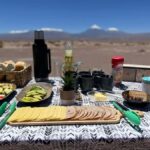
Food is a bright point when everything clicks. Positive notes describe breakfast and lunch as delicious, with one highlight that the lunch can be flavor-forward even when it’s described as basic. There’s also a mention of guides being attentive and making the day feel organized.
At the same time, the caution is real. One experience described the tour as shifting from a premium food promise to a more basic, less varied setup, with no meaningful lunch choice and a vehicle that didn’t feel up to the expectation. That doesn’t mean every departure goes that way, but it does mean you should not assume all departures will feel identical.
My practical advice: if food matters a lot to your trip, confirm the meal plan and drink expectations as clearly as possible when you book. Then come prepared to enjoy the day even if lunch is simpler than you hoped. The sights are doing the heavy lifting here.
Should you book this tour for your Atacama week?
Book it if you want a single full-day sampler that hits the highlights: Piedras Rojas, the Altiplanic Lagoons, Socaire’s San Bartolomé church, and Laguna Chaxa in Los Flamencos National Reserve. It’s especially worth it if you like having a plan with admissions handled and you don’t want to stitch together multiple half-day trips.
Skip or at least think hard if premium food and premium transport are non-negotiable for you. The itinerary can be fantastic, but the day-of execution can vary by operator, and that’s where a mismatch can happen.
One more filter: this is weather-dependent. The experience is described as requiring good weather, with a backup offered if it’s canceled due to poor conditions. If you’re traveling during a time when conditions might shift, keep your schedule flexible.
If you can be flexible on food presentation and you’re excited about salt flats, lagoon wildlife, and the human side of Socaire, this is a strong pick.
FAQ
What time does the tour start, and how long is it?
It starts at 6:00 am and runs for about 11 hours (approx.).
What stops are included during the day?
You’ll visit Tropico de Capricornio, Piedras Rojas, Miscanti and Miñiques (Altiplanic Lagoons), Iglesia de Socaire (San Bartolomé), and Laguna Chaxa.
Is admission included for all stops?
Admission is included for Piedras Rojas, Altiplanic Lagoons (Miscanti and Miñiques), and Laguna Chaxa. The Tropic of Capricornio photo stop and the Socaire church stop are listed as free.
How large is the group?
The tour has a maximum of 15 travelers.
Is this tour suitable for children or people traveling with service animals?
The notes say service animals are allowed and that most travelers can participate. It also lists an age limitation described as no more than 6 years, so you should confirm eligibility for your child.
What wildlife and plants can we expect around Chaxa Lagoon?
In Los Flamencos National Reserve, the tour describes possible sightings of Chilean flamingos, vicuñas, guanacos, culpeo fox, puma, and other species. It also mentions protected flora such as tamarugos and carob trees.
What happens if the weather is bad?
The experience requires good weather. If it’s canceled due to poor weather, you’ll be offered a different date or a full refund.
Can I cancel for free?
Yes. You can cancel up to 24 hours in advance of the experience start time for a full refund.