REVIEW · SAN PEDRO DE ATACAMA
“Astronomical Adventure in San Pedro de Atacama”
Book on Viator →Operated by Atacama Deep sky · Bookable on Viator
San Pedro de Atacama turns night into theater. I like that the program moves you from town lights to a proper dark-sky setting, then keeps things fun with an audiovisual talk plus snacks and drinks. I also like that you get both naked-eye constellation work and telescope viewing through serious 14” and 16” instruments, without needing any “gear skills.” One thing to consider: this is weather-dependent, and the tour involves nighttime walking and cold desert air, so dress for real chill.
The flow is built for a 2 hours 30 minutes window, starting at 9:30 pm from Plazoleta La Apacheta. You’ll ride out in an air-conditioned vehicle, settle into the desert observatory experience, then head to the Valle de la Muerte area for a Milky Way photo moment before returning back to the start point. The only drawback I’d flag is that some people have complained about pickup/communication issues, so you’ll want to double-check your meeting instructions and keep an eye on any updates you’re sent.
If you want a night with real astronomy focus (not just a quick photo stop), this is the kind of tour that fits. Just keep in mind the telescopes are not for guest handling, since they’re high-end and must stay protected.
In This Review
- Key Things I’d Watch for on This Astronomical Adventure
- Night Sky in San Pedro: What Makes This Tour Special at 9:30 pm
- Getting There: Plaza/Plazoleta La Apacheta to the Desert Observatory
- The Desert Welcome: Audiovisual Astronomy Talk Plus a Night Cocktail
- Valle de Marte and Valle de la Muerte: Photo-Ready Desert Stops
- Naked-Eye Constellations and Planets: The Quick Start That Works
- Telescope Viewing Without Handling: 14” and 16” Details
- Milky Way Photo Shoot in Death Valley: Personal and Group Pictures Included
- Price and Value: Why $35 Can Work (If You Use the Time Well)
- Timing, Weather, and Cold Desert Reality
- Group Size and the Small-Group Advantage
- Who This Tour Is For (and Who May Want Another Option)
- My Booking Call: Should You Sign Up for Atacama Deep Sky?
- FAQ
- FAQ
- What time does the tour start?
- Where do I meet for Atacama Deep Sky?
- How long is the experience?
- What does the tour cost?
- Is telescope use included for guests?
- What will I be able to see?
- Are snacks and drinks included?
- What happens if the weather is bad?
- Is public transportation included?
Key Things I’d Watch for on This Astronomical Adventure
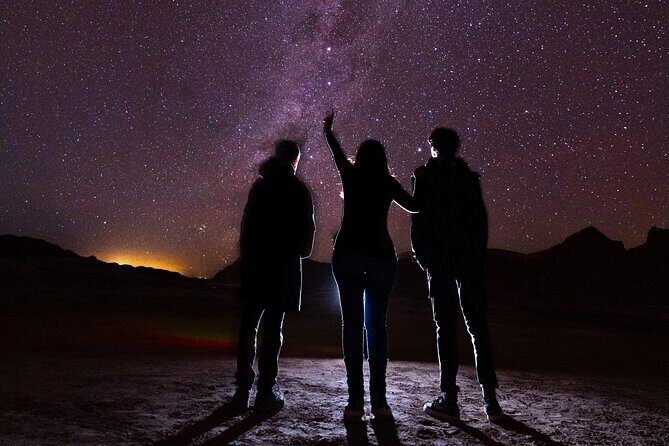
- Dark-sky location away from light pollution: The best views here depend on being far from town lighting.
- Naked-eye learning plus telescope viewing: You get constellations and planets first, then deeper targets.
- High-value telescopes, no guest operation: You’ll look through them, but you won’t handle the equipment.
- Hot/cold drinks, wine, and snacks included: It’s astronomy plus a small “night out” vibe.
- Death Valley Milky Way photo shoot: Personal and group photos are included at the photo stop.
- Small group cap (up to 30): Better odds of having your questions answered during the night.
Night Sky in San Pedro: What Makes This Tour Special at 9:30 pm
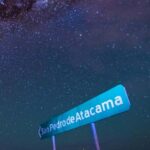
San Pedro de Atacama is famous for clear skies, but this tour is designed to use that advantage in a practical way. You don’t just stand somewhere and point a camera skyward. You get a sequence: welcome, transfer, a desert observatory experience, and then a dedicated Milky Way photo stop.
Starting at 9:30 pm matters. In this part of the world, later evening is when the sky can feel truly still, and the Milky Way photo opportunity is more likely to deliver that crisp, high-contrast look. You also avoid the “all day tours are cooking you” feeling, because you’re mainly out in the cooler night.
If you’re coming to Atacama for the stars, this is the kind of outing that respects your time. It’s not stretched into a half-day ordeal, and it still covers the major astronomy moments people actually care about.
You can also read our reviews of more tours and experiences in San Pedro de Atacama.
Getting There: Plaza/Plazoleta La Apacheta to the Desert Observatory
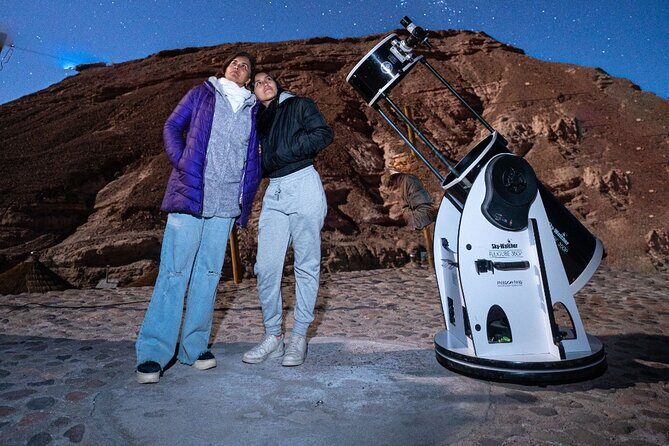
The meeting point is Plazoleta La Apacheta in San Pedro de Atacama. From there, you’ll transfer to an observatory situated out in the desert, away from city light pollution. That move is the backbone of the experience—dark skies don’t happen by accident when you stay too close to town.
You ride in an air-conditioned vehicle, which is a comfort detail worth noticing. Even if the desert night is cold, the transfer part is at least controlled and you don’t arrive already exhausted.
A practical note from real-world timing: this tour is scheduled and the night is short. Some reported issues have involved guests waiting at the meeting area when pickup didn’t show up as expected. My advice is simple—arrive a little early, stay near the meeting point, and watch for any message updates you receive after booking.
The Desert Welcome: Audiovisual Astronomy Talk Plus a Night Cocktail
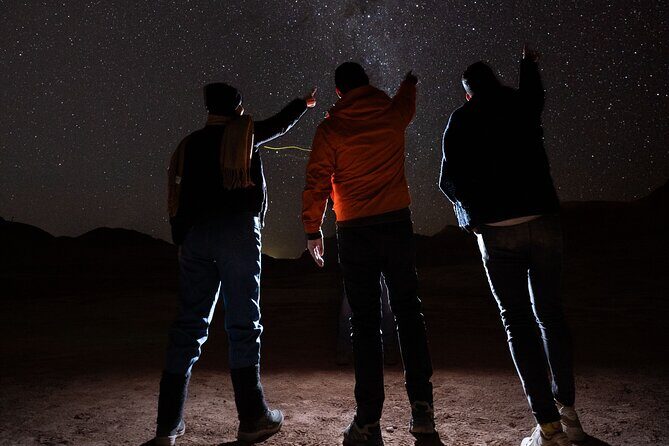
Once you’re at the observatory, you’ll get an audiovisual astronomical talk. This matters because it turns the sky from random dots into recognizable patterns and targets. Even if you’re not a science person, the format helps you look with purpose.
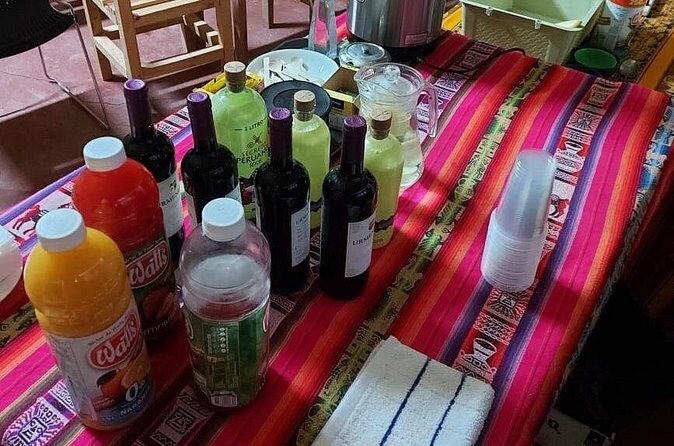
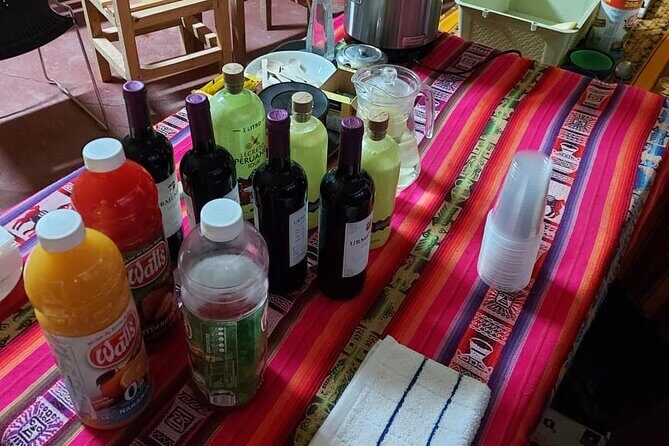
Then comes the social side: a cocktail with hot and cold drinks, plus snacks. Wine is included, and you’ll also find items like hummus, along with vegan options and vegetarian snacks. That blend is a smart touch for a desert night, because you can keep warm while you learn and wait for the best moments to look up.
What I like about this setup is that it keeps the experience human. You’re not just herded from one photo moment to the next. You’re given context, food, and a calm rhythm so the sky doesn’t feel like a rushed performance.
Valle de Marte and Valle de la Muerte: Photo-Ready Desert Stops
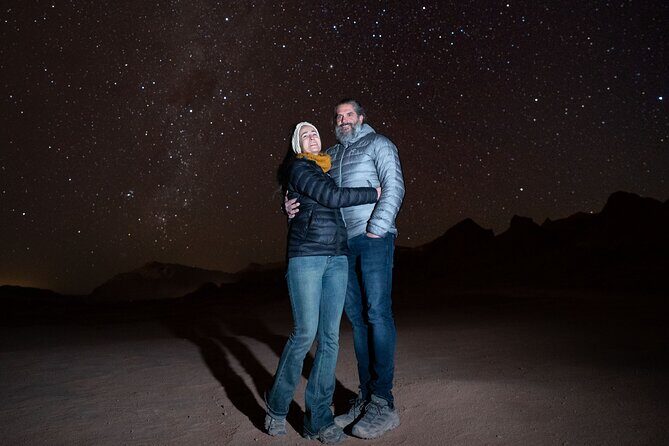
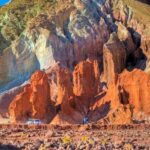
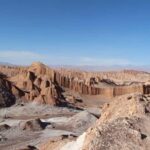
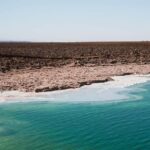
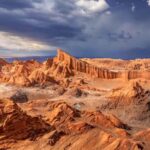
The itinerary includes Valle de Marte / Valle de la Muerte. In plain terms, you’re getting two desert settings that are photogenic and useful for star-focused moments. Even if your main goal is astronomy, these stops help you get that “I’m really out here” feeling.
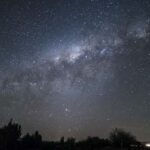
The tour later includes a short transfer specifically for a Milky Way photo shoot at the Death Valley area. That’s the moment many people remember most, because it’s the transition from observing to capturing.
One caution: desert terrain at night can feel uneven. Wear comfortable shoes (not just “nice walking shoes”), and expect cooler air. The tour guidance includes warm clothes for a reason.
Naked-Eye Constellations and Planets: The Quick Start That Works
You’ll observe constellations and planets with the naked eye. This is a great way to begin because it doesn’t require you to understand telescope settings. Your eyes do the work, and you learn how to find targets before you switch tools.
That order—naked-eye first, telescope second—also helps you appreciate what the telescopes add. Without that first step, telescope viewing can feel like magic without meaning. With it, you start recognizing the same objects across different levels of detail.
If you’re traveling with friends or family of mixed astronomy interest, this part is the equalizer. The skyline is still cool for the non-nerds, and the sky-game is still there for the science buffs.
Telescope Viewing Without Handling: 14” and 16” Details
Here’s a key rule: the use of telescopes is not permitted for guests. The telescopes are described as high-end and high-value, and the tour asks for cooperation so they can be cared for and preserved.
What you can do is look through them as part of the program. The tour includes viewing with 14” and 16” telescopes, plus exploration of nebulae and galaxies. That combination is what makes this more than a “look at stars” night. Nebulae and galaxies are the targets that actually need a serious scope and dark conditions.
This no-guest-handling policy can be a drawback if you’re the type who loves to tinker. Still, for most people it’s a good thing. You get the payoff—clear deep-sky views—without the stress of equipment handling at night in the desert.
Also, because the telescopes aren’t for guest operation, you’re more likely to get consistent, well-managed viewing rather than chaos around the eyepiece.
Milky Way Photo Shoot in Death Valley: Personal and Group Pictures Included
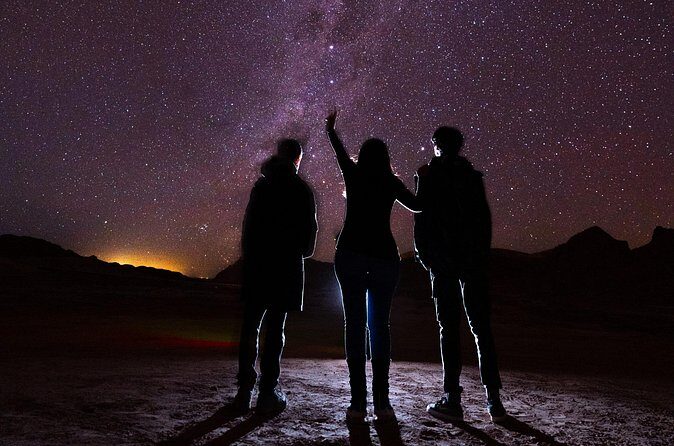
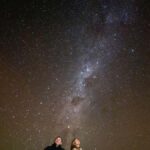
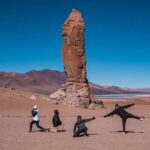
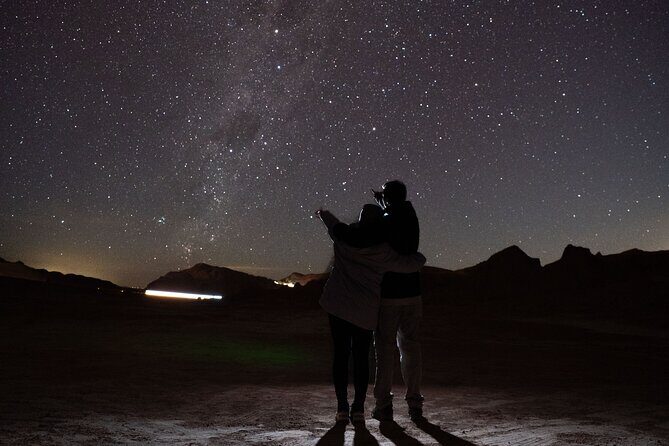
The tour includes a short transfer to the Death Valley area for a Milky Way photo shoot. You’ll get both personal and group photos included. That’s a practical benefit—someone is thinking about framing, not just letting you fumble with your camera settings while the night slips away.
This is the part where you’ll want to think like a photographer for a minute. Dress warm enough that you can hold still without shivering. If you wear layers, make it easy to adjust quickly, then keep your movements low during the shooting window.
If you’re traveling alone, the personal photos option is especially helpful. If you’re traveling with a group, the included group photo saves you from doing that awkward “one person is always missing from the frame” problem.
Price and Value: Why $35 Can Work (If You Use the Time Well)
At $35.00 per person, this tour sits in the “small cost, big payoff” category for Atacama. The value isn’t only the astronomy—though the telescopes and planned dark-sky observing are a strong part of it. The included snacks, juices/water, hummus, vegan/vegetarian options, and hot/cold drinks add up more than you might expect at night.
You’re also paying for the logistics that matter after dark: the transfer in an air-conditioned vehicle and the plan to move you away from light pollution. Dark sky is a location problem, and that’s something the tour solves for you.
The included photo shoot is another value driver. Many star tours charge extra for photos or guide time. Here, personal and group photos are part of the experience.
One more cost detail: public transportation CLP 5,000.00 per person is listed as not included. That tells you the tour expects you to rely on their transport for the main movement.
Net: this feels like good value if you show up ready to participate and you dress appropriately so you can enjoy the full night.
Timing, Weather, and Cold Desert Reality
This is a nighttime activity, and the sky does not follow schedules the way museums do. The experience requires good weather. If weather is poor and the tour can’t run, you’ll be offered another date or a full refund.
That weather dependency is normal in this region, but you should still build your plan around it. If your trip has a tight itinerary and you only have one evening available, you might want to keep that in mind before booking.
Also, bring the kind of warm layers you’d wear for real cold outdoors. The tour explicitly tells you to wear warm clothes and comfortable shoes. That’s not a suggestion for style—it’s survival for an Atacama night.
Group Size and the Small-Group Advantage
The tour caps at maximum 30 travelers. In a group this size, the guiding and photo moments are more manageable. You’re not squeezed into a crowd that makes it hard to hear the talk or see the sky when it’s your turn.
This also affects how quickly you can reset between activities—snacks, talk, naked-eye observing, telescope viewing, and the Milky Way photo stop. A smaller group tends to keep the night from turning into a long waiting line.
Who This Tour Is For (and Who May Want Another Option)
This works especially well if you want a structured astronomy night without needing equipment knowledge. If you love learning patterns—constellations, planets, and what nebulae/galaxies look like through a serious scope—this will click fast.
It’s also a good choice if you’re traveling with mixed interests. Even if someone isn’t obsessed with astronomy, the dark desert setting, the included drinks/snacks, and the Milky Way photos are enjoyable.
Who might not love it? If you want to operate your own telescope, this isn’t the format, since telescope use isn’t permitted for guests. If you’re sensitive to cold or uneven ground at night, you’ll want to prepare with warm layers and sturdy shoes.
Service animals are allowed, and most travelers can participate, which is useful if you’re planning around mobility or travel needs.
My Booking Call: Should You Sign Up for Atacama Deep Sky?
I’d book this if you want a well-paced astronomy-focused night that combines learning, viewing, and photos, all while keeping the logistics handled for you. The included snacks and drinks make a real difference when you’re standing outside, and the telescope viewing of nebulae and galaxies is the kind of payoff that’s hard to recreate on your own.
I’d hesitate only if your trip plan is inflexible for weather or if you can’t be there at the meeting point with attention to time. Based on reported issues, the only thing I’d actively manage is communication and pickup expectations.
If you’re organized—arrive early, keep an eye on any updates sent to you, dress for the cold—this looks like a strong deal for Atacama night sky time.
FAQ
FAQ
What time does the tour start?
It starts at 9:30 pm.
Where do I meet for Atacama Deep Sky?
Meet at Plazoleta La Apacheta in San Pedro de Atacama. The activity ends back at the meeting point.
How long is the experience?
The duration is about 2 hours 30 minutes.
What does the tour cost?
The price is $35.00 per person.
Is telescope use included for guests?
You can observe with the telescopes, but guests are not permitted to use the telescopes because they’re high-end equipment.
What will I be able to see?
You’ll observe constellations and planets with the naked eye, and explore nebulae and galaxies using 14” and 16” telescopes.
Are snacks and drinks included?
Yes. Snacks and drinks are included, including vegetarian options, vegan options, water/juices, and hot/cold drinks, plus wine.
What happens if the weather is bad?
The experience requires good weather. If it’s canceled due to poor weather, you’ll be offered a different date or a full refund.
Is public transportation included?
No. Public transportation (CLP 5,000.00 per person) is listed as not included.