REVIEW · SANTIAGO CHILE
Santiago: Guided Walking Tour of the Historical Old Town
Book on GetYourGuide →Operated by Empire Vasquez Tour · Bookable on GetYourGuide
A short walk that teaches Santiago fast. This guided route starts at Palacio de La Moneda and strings together politics, architecture, and neighborhood life across Santiago’s core in about three hours.
I especially like the chance to see the Cathedral of Santiago (dating to 1748) and then head up to Santa Lucía Hills for big city panoramas. You also get a small-group guide (often Eugenio) who keeps the story focused and easy to follow.
One thing to consider: it’s still a walking tour, so you’ll want comfortable shoes and a day with good weather. If you’re pregnant or have serious heart or medical conditions, it’s not recommended.
In This Review
- Key highlights worth your attention
- A 3-Hour Old Town Walk That Helps You Read Santiago
- La Moneda to Downtown Institutions: Where the City Makes Its Decisions
- Plaza de Armas and the Cathedral of Santiago (1748)
- City Hall Views and the Shift Toward Culture
- Bellas Artes Neighborhood: Art Streets Near the Museum Zone
- Santa Lucía Hills: The Panoramas With a Practical Payoff
- Lastarria, Forest Park, and the Walk Toward Bellavista Food Life
- Ending at Patio Bellavista: A Convenient Launchpad for Your Next Meal
- Price and value: What $25 Buys You in Real Terms
- Who should book this tour (and who should skip it)
- Should you book this Santiago Old Town Walk?
- FAQ
- How long is the guided walking tour in Santiago?
- Where does the tour start and where does it end?
- What does the tour cost?
- What’s included in the ticket price?
- Is lunch included?
- Is Santa Lucía Hills free on some days?
- What major sights are not included?
- How big is the group?
- What languages does the guide speak?
- Can I cancel for a full refund?
- Is the tour suitable for kids or for people with medical conditions?
Key highlights worth your attention
- A first-day-friendly route that helps you get your bearings fast
- Cathedral of Santiago (1748) with context that turns it from a building into a story
- Santa Lucía Hills views (and free entrance Tuesday to Sunday)
- Bellas Artes area for art-and-streets energy near the museum zone
- End point at Patio Bellavista so you can eat and keep exploring right away
- Small group (up to 10) with real Q&A time, not rushed chatter
A 3-Hour Old Town Walk That Helps You Read Santiago
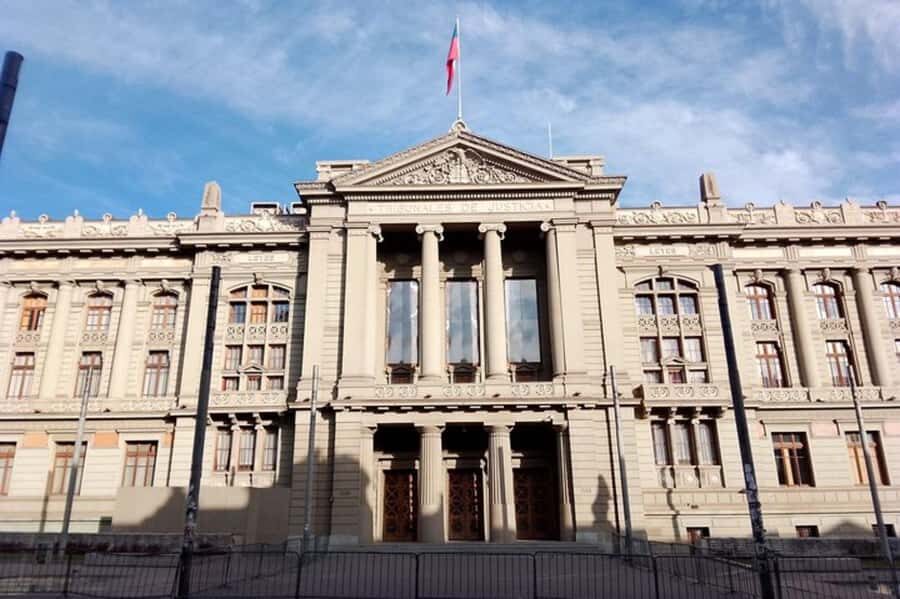
This tour works because it doesn’t just point at landmarks. It teaches you how Santiago’s downtown functions like a map: government power in the center, civic space in the plazas, art districts nearby, then nightlife and food down the hill toward Bellavista.
You start at Palacio de La Moneda, which is a smart opening. From there, you can connect what you see later in the day with the political and historic spine of the city—so you understand why the streets feel the way they do.
You’ll also appreciate the pacing. Reviews repeatedly highlight how the guide keeps the walk moving at a manageable speed, with breaks when it’s hot and time for questions as you go.
You can also read our reviews of more walking tours in Santiago Chile


La Moneda to Downtown Institutions: Where the City Makes Its Decisions
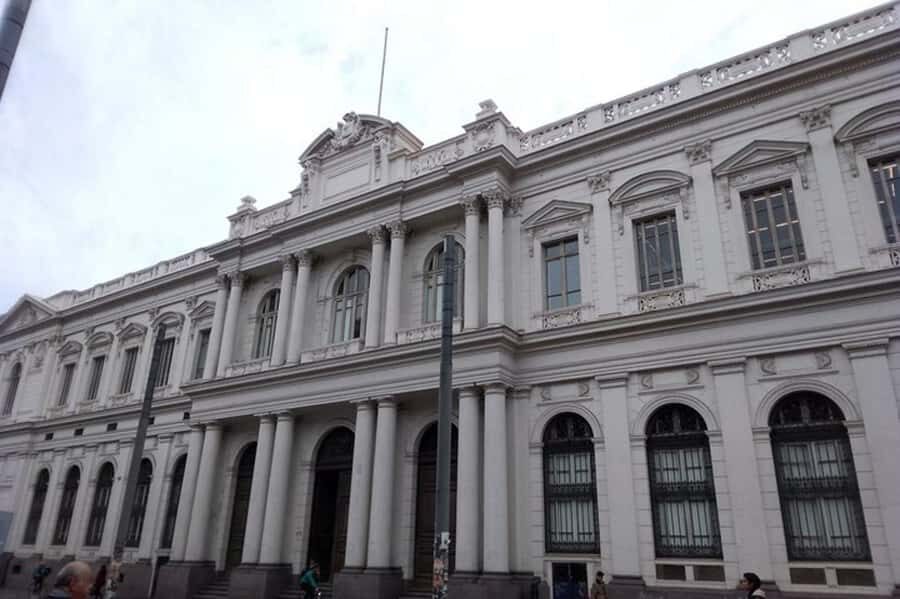
Your walk begins where modern Chile runs on a serious axis. The route takes you through the historic downtown lanes and into the zone tied to major institutions, including the Stock Exchange Building, Bandera Avenue, and the Court Justices area.
Here’s why that matters for you: these places explain the vibe of the center. Even if you don’t go inside, you’ll learn what these buildings represent and how they shaped public life around them.
As you move, you’ll also hit Ex Congress National and Plaza de Armas—the kind of public spaces that make a city feel like a country, not just a collection of sights. Plaza de Armas is where your orientation clicks into place, because it’s both historic and still useful today.
Plaza de Armas and the Cathedral of Santiago (1748)
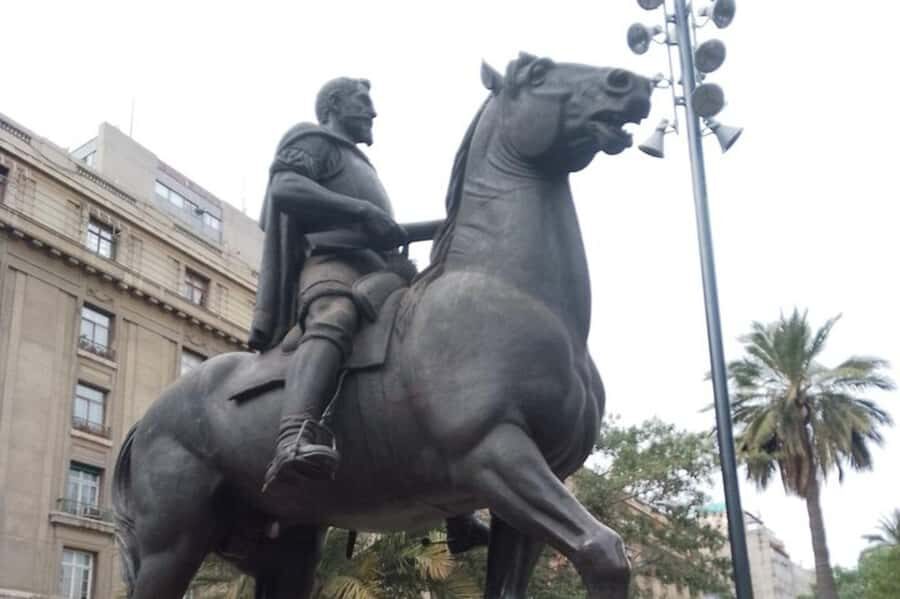
This is the stop most people remember, and for good reason. You’ll spend time at the Cathedral of Santiago, which dates back to 1748, and your guide’s job is to make that age feel real instead of abstract.
It helps that the cathedral sits in the heart of the plaza zone. You’re not seeing it in isolation—you’re seeing it where people have gathered, debated, worshiped, and protested for centuries. That context changes how you read the building.
One practical note: church-area architecture can make for great photos, but you’ll still want to keep your head up and watch your footing in busy sidewalk patches. Comfortable shoes matter more here than people expect.
City Hall Views and the Shift Toward Culture
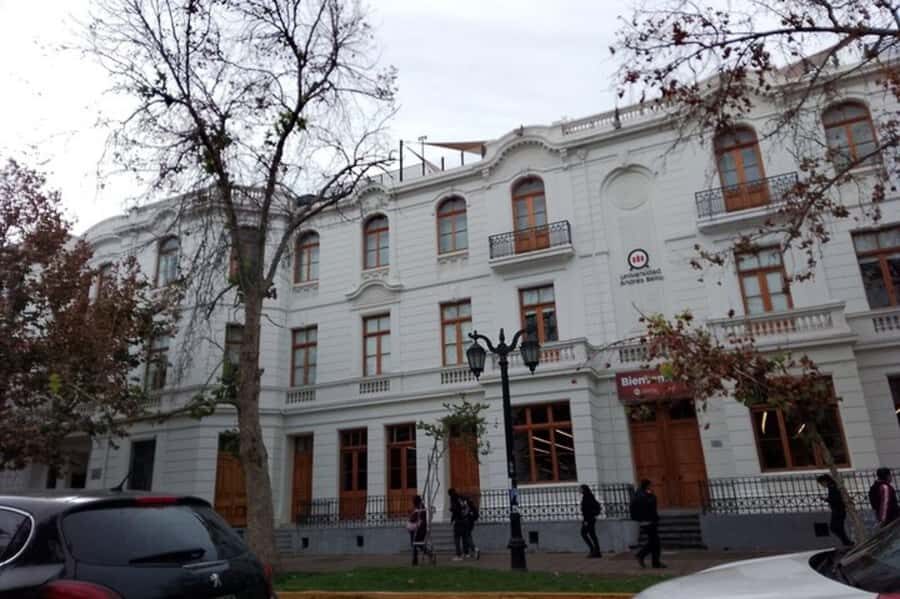
After the cathedral area, you continue to the City Hall of Santiago and then start steering toward the arts side of downtown. This part of the walk is where the city changes tone from civic/formal to creative/local.
If you like architecture and how neighborhoods develop, this transition is useful. It shows you that Santiago’s center isn’t one mood; it’s layered, with different functions living side-by-side.
You’ll be walking between areas on foot for much of the tour, and that’s the point. The route is designed so you experience the changes by moving through them, not just reading about them.
Bellas Artes Neighborhood: Art Streets Near the Museum Zone

Next up is the Bellas Artes Neighborhood, tied to culture and museums. You’ll explore the area associated with the Bellas Artes Museum, and the guide helps you understand what makes this district a cultural magnet.
This is a good place to slow down for a minute and notice street details. Look at how people move through the sidewalks here compared with the plaza-and-institution stretch you just did. The shift is often what makes first-time visitors feel like they’re actually learning the city.
You’ll also get a sense of how this area connects to broader Santiago. It’s the sort of neighborhood that gives you ideas for what to do after the tour, especially if you want museum time later.
You can also read our reviews of more guided tours in Santiago Chile



Santa Lucía Hills: The Panoramas With a Practical Payoff
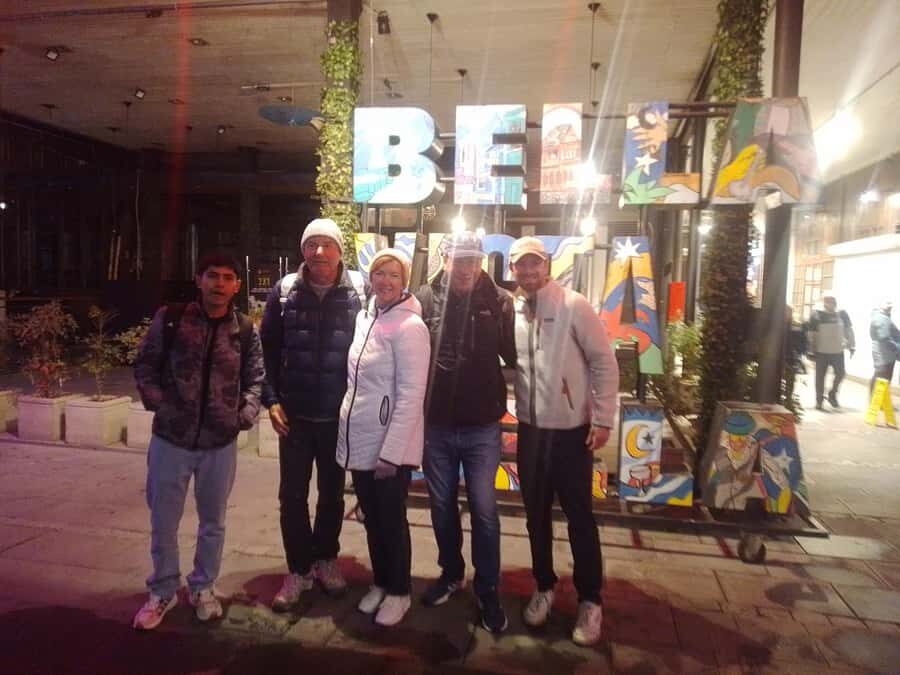
Then comes the climb to Santa Lucía Hills for panoramic views. This is the moment when the walking effort starts paying off, because the viewpoint helps you understand the city’s layout.
A practical bonus: entrance to Santa Lucía Hills is free Tuesday to Sunday. If your schedule lands on one of those days, you’ll get that extra value without needing to plan around ticket costs.
The other practical takeaway is pacing. The route is designed to let you manage the hills without feeling like you’re sprinting. Still, if you’re not used to walking hills, take it slow, use your water, and don’t be shy about asking the guide to wait for the group.
Lastarria, Forest Park, and the Walk Toward Bellavista Food Life
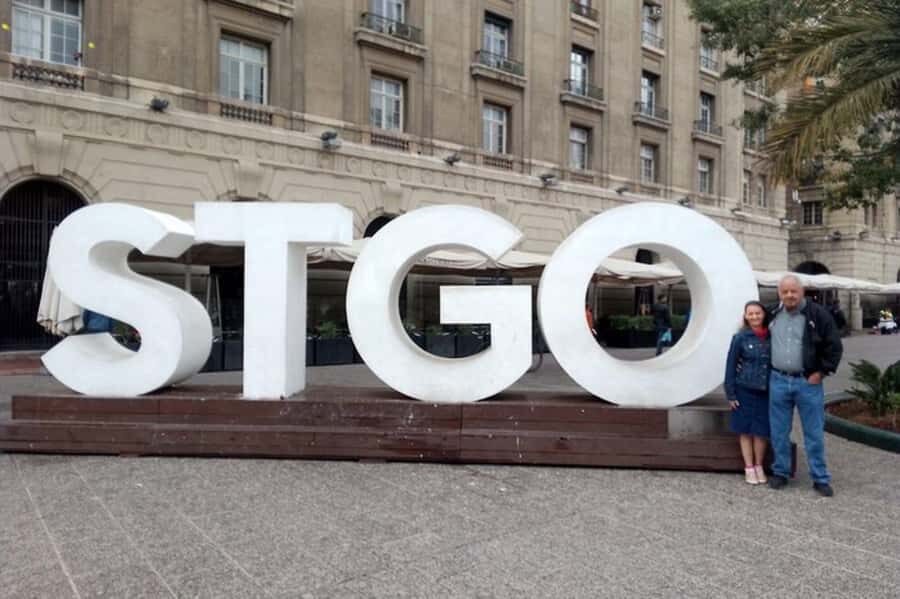
After Santa Lucía, the tour continues through Lastarria and then toward Forest Park. This segment matters because it blends city life with green space, giving you a breather before the final neighborhood push.
Lastarria is the kind of place where you can keep walking after the tour. The guide’s storytelling usually helps you see why the area feels the way it does, so you’re not just passing through—you’re arriving with some context.
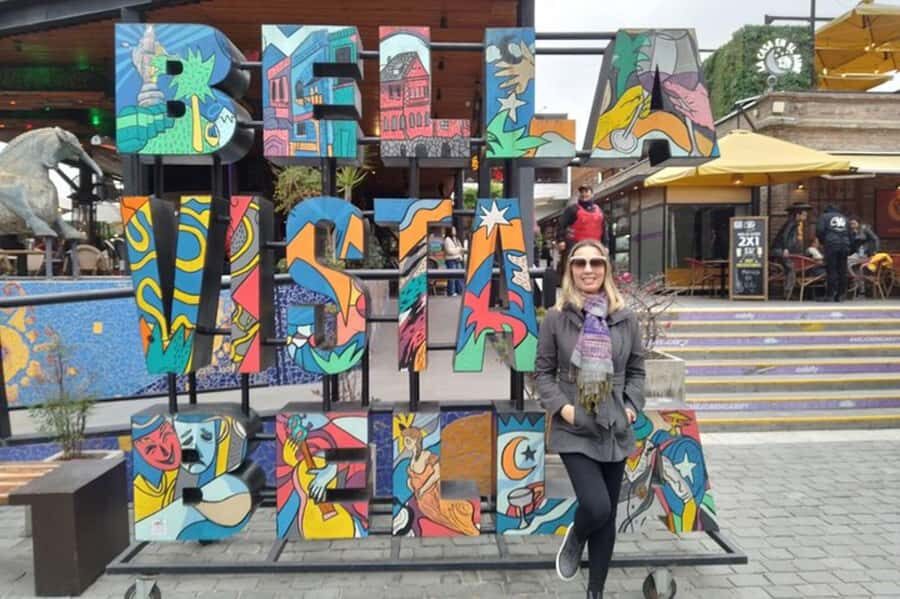
Then you finish in Bellavista, Santiago’s gastronomic hub. In other words, it’s a smart ending point if you want to keep the day going with food and local energy.
Ending at Patio Bellavista: A Convenient Launchpad for Your Next Meal
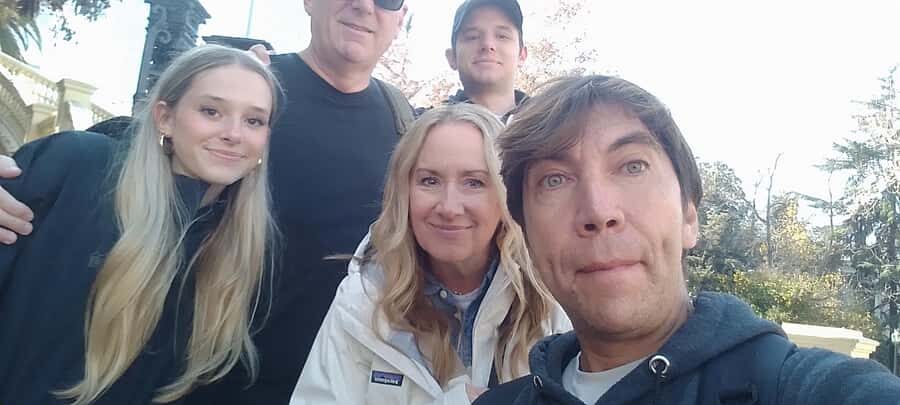
The tour concludes at Patio Bellavista, which is a useful detail for planning. You don’t have to figure out where to go next in a strange city—you can transition directly into lunch or dinner plans.
Just keep in mind that lunch isn’t included. The walk is designed so you end where there’s plenty to eat, but you’ll still want to manage your hunger and timing. If you’re sensitive to long gaps without food, consider grabbing something small earlier in the route.
Also, the tour includes bottled water, which helps. The length is only three hours, but Santiago heat can still catch you off guard, especially during midday.
Price and value: What $25 Buys You in Real Terms
At $25 per person for a 3-hour small-group walking tour, the value is in the structure. You’re paying for a guide to connect the dots between buildings, plazas, and neighborhoods—so you don’t waste a day wandering and hoping you’re noticing the right things.
This is also not a giant group style experience. The limit is 10 participants, which tends to make a difference in how much you can ask and how well the guide can manage the pace for everyone.
If you’re short on time, this tour is particularly efficient. Multiple guide-focused reviews highlight how well Eugenio and other guides keep everyone engaged, including handling mixed language needs (English/Spanish/Portuguese) without letting anyone feel lost.
Who should book this tour (and who should skip it)
This walk fits best if you want:
- A first-day orientation to Santiago’s historic core
- A guided path that hits major sights plus neighborhoods
- A short, manageable timeframe with an end point set up for food
Skip it (or choose a different format) if:
- You can’t handle a steady walking route or hills
- You need a guaranteed lunch included in the price
- You’re specifically hoping to go to Pablo Neruda’s house or San Cristóbal hills, since those entries aren’t included
Should you book this Santiago Old Town Walk?
I’d book it if this is your first taste of Santiago and you want the city to make sense fast. Starting at La Moneda, hitting Plaza de Armas, and finishing in Bellavista gives you both history and a practical next step for food.
If you’re the type who enjoys learning how streets and buildings got their roles, this tour gives you that connection in a short time. If not, and you prefer wandering on your own, you might find it more efficient to build a self-guided day—though you’d miss the guide’s ability to explain what you’re seeing as you walk.
FAQ
How long is the guided walking tour in Santiago?
It lasts about 3 hours.
Where does the tour start and where does it end?
It starts at Palacio de La Moneda and ends at Patio Bellavista.
What does the tour cost?
The price is $25 per person.
What’s included in the ticket price?
You get a walking tour, a live guide, and bottled water.
Is lunch included?
No, lunch isn’t included.
Is Santa Lucía Hills free on some days?
Yes. Entrance to Santa Lucía Hills is free from Tuesday to Sunday.
What major sights are not included?
Entry to Pablo Neruda’s house and San Cristóbal hills isn’t included.
How big is the group?
It’s a small group with a maximum of 10 participants.
What languages does the guide speak?
The live guide offers Portuguese, English, and Spanish.
Can I cancel for a full refund?
You can cancel up to 24 hours in advance for a full refund.
Is the tour suitable for kids or for people with medical conditions?
It’s not suitable for babies under 1 year and children under 2, 3, or 4 years (based on the age restrictions listed). It’s also not recommended for pregnant travelers or for people with heart problems or other serious medical conditions.