REVIEW · AHU TONGARIKI
From Hanga Roa: Easter Island Sightseeing Full Day Tour
Book on GetYourGuide →Operated by Hotumatur Rapa Nui · Bookable on GetYourGuide
Moai on five different backdrops in one day. That’s what makes this Rapa Nui full-day circuit so satisfying: you get the famous sites plus the stories that explain how people understood them. Small group comfort and bilingual guide help turn a long drive into a clear, easy run through Easter Island’s biggest questions.
I particularly like the way the day is paced around real stops, not just roadside views. You’re not wrestling a map while someone else drives, and the hotel pickup and drop-off means you can focus on the sites instead of logistics. The limited group size also helps you hear the guide and ask questions without shouting over the van.
One consideration: the national park ticket and lunch aren’t included. Plan around that day-plan gap and bring what you need, or you’ll feel the squeeze near midday.
In This Review
- Key things I’d zero in on before you go
- Moai in One Long Day: What This 8-Hour Circuit Covers
- Hotel Pickup in Hanga Roa: Why “Small Group” Helps
- Vaihu: Starting With the Moai Before You Understand the Why
- Akahanga: Village Remains and Toppled Moai Narratives
- Rano Raraku Quarry: Where the Moai Came From
- Tongariki: The Coastal Moai Lineup and Photo Timing
- Te Pito Kura: Magnetic-Stone Stories to Close the Day
- Native English and Spanish Guides: What the Best Ones Do
- Price and Value: Is $70 Worth It on Easter Island?
- Getting the Most From the Day: Packing and Timing Tips
- Who This Tour Fits Best (and Who Might Think Twice)
- Should You Book This Full-Day Moai Circuit?
- FAQ
- What’s included in the tour price?
- How long is the tour?
- How many people are in the group?
- Do I need a ticket for the national park?
- What language will the guide speak?
- Is cancellation refundable?
Key things I’d zero in on before you go
- Vaihu first, then Akahanga for a moai story that moves from sacred presence to village ruins
- Rano Raraku quarry visit where you can see how the statues were carved from the volcanic tuff
- Tongariki coastline timing for photos with the Pacific as your backdrop
- Te Pito Kura’s magnetic-stone stop—a strange, unforgettable finale to the circuit
- Small group (max 14) plus English and Spanish guidance for better understanding on the move
Moai in One Long Day: What This 8-Hour Circuit Covers
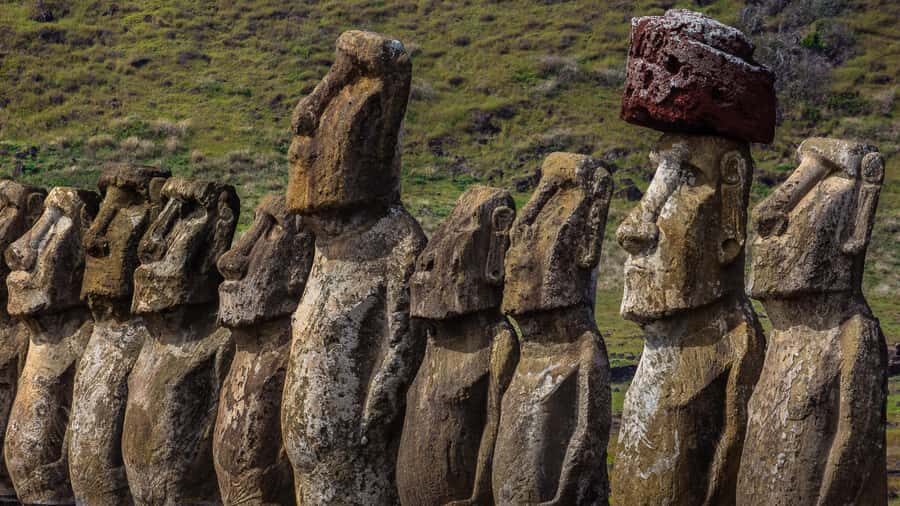
This is an 8-hour full-day outing built for people who want the big Easter Island hits without spending the entire day driving. You’ll work your way across the island’s major moai areas, from more intimate, early sites to the iconic lineup at Tongariki, then finish at Te Pito Kura.
The route is designed like a lesson with pacing built in. You stop, you walk a bit (including some short walks and steps), you listen, then you move on before your brain starts to blur under sun and wind. If you’re on a tight schedule, this format is a smart way to see a lot while still having time to actually look.
You can also read our reviews of more tours and experiences in Ahu Tongariki.
Hotel Pickup in Hanga Roa: Why “Small Group” Helps
The biggest practical win is that pickup and drop-off are included. In a place like Hanga Roa, that matters more than it sounds—roads are narrow, distances add up, and you don’t want your day chopped into “where are we meeting?” confusion.
This tour runs as a small group limited to 14. In practice, that usually feels like a tight circle in the van, which helps when the guide is explaining details in English and Spanish. It also means you’re less likely to spend the day waiting behind a crowd.
One thing to watch: pickup timing can be in a wider window. I’d treat the stated time as the start of the day, not the exact minute it arrives. Be ready outside when you think it’s coming.
Vaihu: Starting With the Moai Before You Understand the Why
Vaihu is where the moai feel closest to you. The effect isn’t just visual; it’s emotional. You’re standing among towering stone figures with context that turns them from “cool photos” into part of a sacred landscape.
Here’s why I think starting at Vaihu works: it sets expectations before you hit the heavier archaeology stops. The guide’s job is to connect what you’re seeing—moai positions, the setting, and the way the sites are interpreted—to the larger story of how Rapa Nui communities built meaning around these statues.
Your takeaway at Vaihu should be about scale and presence. Even if you know the basics already, this is the moment where the day’s theme clicks: these are not random monuments. They’re part of a lived worldview.
Akahanga: Village Remains and Toppled Moai Narratives
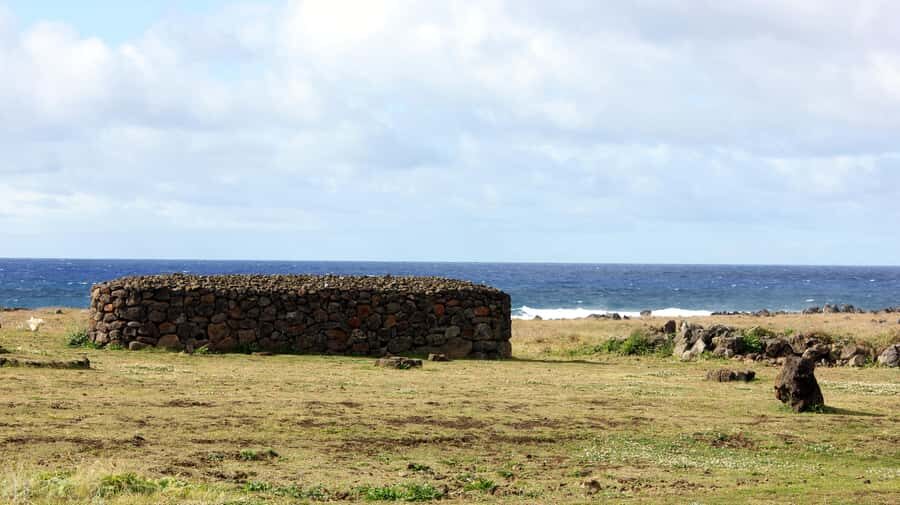
Next comes Akahanga, an archaeological area that shifts the mood. Instead of the “main character” moai standing tall, you start dealing with remnants—what’s left of traditional village life and moai that have toppled.
This is where you’ll feel the difference between seeing a site and understanding change over time. The guide will talk through how these communities organized space and how later events affected the monuments people once built and maintained.
A top benefit here is that the explanation doesn’t stay abstract. You’re given something to look for as you walk: the structure of village remnants, the layout, and the clues that help connect the site to the broader island timeline. If you like history that feels grounded in physical remains, this stop usually hits hardest.
Rano Raraku Quarry: Where the Moai Came From
Rano Raraku is the moai factory stop—the birthplace, in tour terms, where you see the rock itself tied to the statues. This is a key part of the day because it answers a question you probably have early on: How did they make these?
The standout here is the setting. You’re not just viewing finished pieces; you’re in a place where the craft and labor are part of the landscape—stone shaped by tools and effort, then left in various stages or positions. The guide’s explanations help you connect scale, quarrying methods, and the sheer amount of work implied by the statues.
One practical note: wear shoes that handle uneven ground. This is a walking stop, and the surfaces can be rough. If the island wind picks up, you’ll be glad you dressed for it.
Tongariki: The Coastal Moai Lineup and Photo Timing
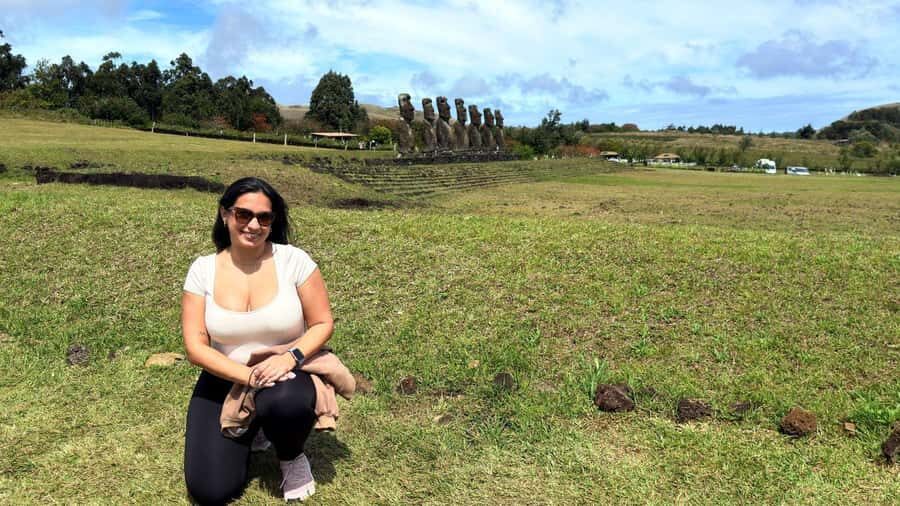
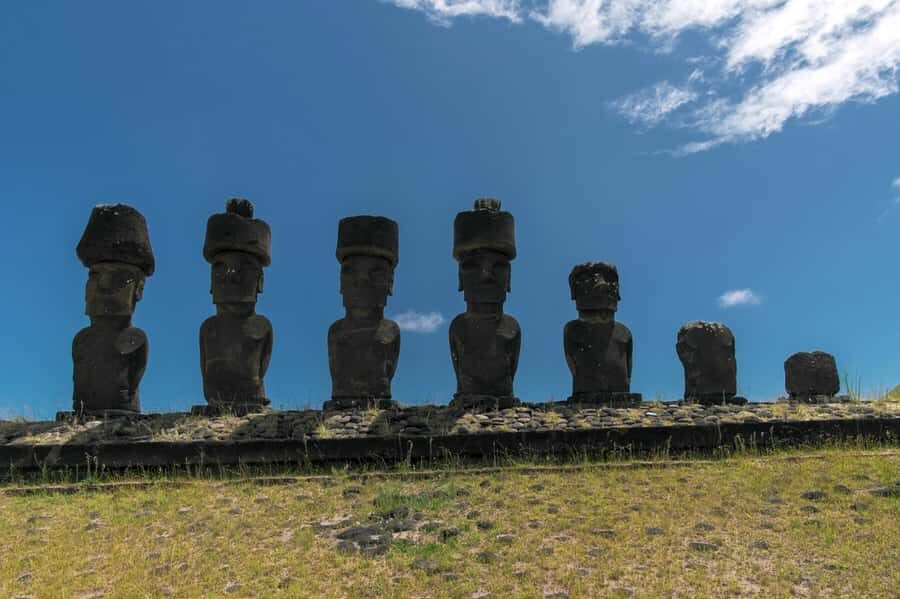
Tongariki is the big, iconic “wow” moment for most people. You’ll find moai lined up along the coastline, and the ocean view gives the statues instant drama.
This is also where your photo strategy helps. Go in expecting wind and changing light, not perfect conditions. If you want the best shots, pay attention to what the guide says about viewing angles and spacing—those details matter once you’re actually standing there.
Tongariki is usually paced so you can enjoy it without sprinting. Still, it can feel like a lot of people at once because it’s a headline stop. The small-group setup helps: you’re more likely to get a calm moment to look, and less likely to lose the guide’s explanation while trying to photograph.
If you like ending the day with a strong visual payoff, Tongariki is your cue that the afternoon is going to deliver.
Te Pito Kura: Magnetic-Stone Stories to Close the Day
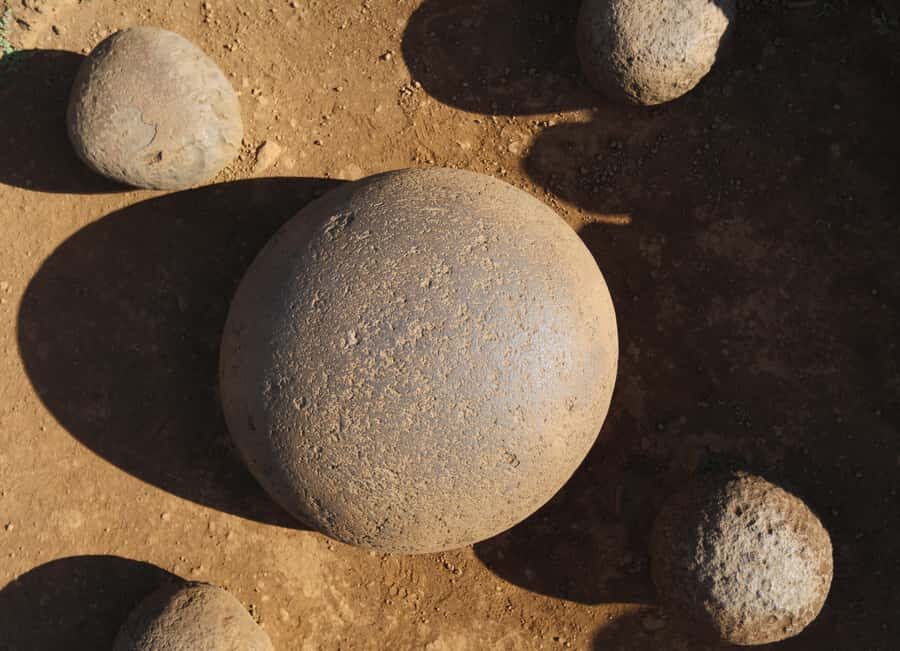
Te Pito Kura is a fitting finale because it adds a different flavor to the day: geology and mystery. The tour frames it with the idea of Te Pito Kura as the navel-of-the-world, then connects that identity to an enigmatic stone described as magnetic.
This stop works best when you treat it as a question station, not just a viewpoint. The guide typically ties together how the site’s reputation formed, what people associated with it, and why it matters within the larger moai story. Even if you’ve heard versions of this before, being guided through it in person makes it feel more immediate.
If weather is rough, this can be the part where you appreciate the tour’s structure most. You’re arriving at the end of a long day with less decision-making, which keeps you from feeling rushed.
Native English and Spanish Guides: What the Best Ones Do
One of the most praised parts of this tour is the guide quality, and the guide setup here is specifically English and Spanish. That bilingual approach matters more on Easter Island than on some places, because the questions people ask are often specific—about moai purpose, carving, meaning, and island history.
In the feedback, names like Hiva, Fernanda, Enzo, Enrique, Ata, Angel, Franc, David Pocho, Gabriel, Kainoa, Simon, and Javieria show up as guides who manage time well and explain clearly. The pattern is consistent: calm delivery, answers to questions, and enough time at each stop so you don’t feel herded.
If you want a day that feels smooth rather than frantic, choose this kind of guided pacing. A great guide turns “stone and wind” into a narrative you can follow in your head long after you leave.
Price and Value: Is $70 Worth It on Easter Island?
At $70 per person for a full day, the value comes from what’s included: hotel pickup and drop-off, transportation, and a native guide speaking English and Spanish. On a remote island, convenience isn’t a luxury—it’s a time-saver and stress-reducer.
The places where your budget needs extra attention are also clear. National park tickets are not included, and lunch isn’t included either. Some people also find there are limited places to buy food along the way, so you should treat this as a day that needs planning, not spontaneous snacking.
If you’re short on time, $70 can be a bargain compared to the cost of organizing your own route and the risk of missing interpretive context. If you’re the type who wants total freedom, self-driving might appeal. But for most people, this is a good trade: pay for the planning, then enjoy the sites without the hassle.
Getting the Most From the Day: Packing and Timing Tips
Here’s how you keep the day comfortable and photo-friendly. Bring passport or ID as required for entry. Bring sun protection and water, because the day is long and you may have limited chances for purchases. If you care about swimming at the end, pack a swimsuit and towel—some departures end at a beach area where people have the option to go in.
Bathroom stops can be infrequent. I’d plan your pace around that reality, especially because you’ll be hopping from site to site. Also, wear a hat and layer if you’re sensitive to wind; the weather on Rapa Nui can change how the experience feels fast.
One last small tip: if you’re offered a seat with no window, remember you’re paying for moai, not car views. But you can still use the time for photos when the van stops and you’re up on foot.
Who This Tour Fits Best (and Who Might Think Twice)
This tour is ideal if you’re trying to cover the major moai sites in one go. It’s also a strong match if you want meaning and context, not just a checklist of stops.
It suits first-timers who don’t want to interpret everything alone. It also works well for couples or solo travelers who enjoy group structure, especially with bilingual guidance. If you’re traveling with kids, the pacing can work because you’re not stuck at one site all day, though you’ll want to match the kids’ stamina to the walking and steps.
If you hate being on a fixed schedule, you might prefer a more flexible plan. And if you’re very budget-focused, remember the tour price doesn’t cover the park ticket and lunch.
Should You Book This Full-Day Moai Circuit?
I’d book this tour if you want a smooth, guided path through Easter Island’s most important moai sites with small-group attention and English/Spanish interpretation. The stops are well chosen for a one-day overview: Vaihu to set the tone, Akahanga for the village-and-toppled-moa(i) story, Rano Raraku for making-sense-through-craft, Tongariki for the iconic lineup, and Te Pito Kura to finish with mystery and geology.
If you do book, plan ahead for the national park ticket and bring supplies for the day since lunch isn’t included. Do that, and you’ll spend your time looking at moai instead of solving logistics.
FAQ
What’s included in the tour price?
Hotel pickup and drop-off, transportation, and a native guide who speaks English and Spanish are included. The national park ticket and lunch are not included.
How long is the tour?
The tour runs for 8 hours.
How many people are in the group?
It’s a small group limited to 14 participants.
Do I need a ticket for the national park?
Yes. The national park ticket is not included, so you’ll need to arrange it separately.
What language will the guide speak?
The live guide speaks English and Spanish.
Is cancellation refundable?
You can cancel up to 24 hours in advance for a full refund.