REVIEW · SANTIAGO CHILE
Santiago: Maipo Valley Wine Tasting Tour with 4 Vineyards
Book on GetYourGuide →Operated by Stampstour · Bookable on GetYourGuide
Maipo Valley wine can be surprisingly manageable. This day trip stacks different styles of wineries close to Santiago, plus a small-group pace that keeps the day from turning into bumper-car driving. You get views, tastings, and real Chilean farm life—not just a quick pour and a photo.
I like that the itinerary mixes well-known names with a family operation at Campo La Quirinca, where you get guided time through gardens and production, along with cheese snacks and pisco. I also like that your guide brings context, and I’ve seen guides like Tephi, Alexia, Nacho, Pablo, and Ben steer the day in an engaging, easy-to-follow way (English and Spanish supported).
One thing to consider: the schedule is packed, and the third stop (TerraMater) is more of a lunch-plus-estate visit than a full fourth tasting for everyone. If you’re a hardcore tasting-only person, plan to enjoy wine with breaks, not just nonstop sips.
In This Review
- Key things I’d plan around
- Why Maipo Valley is the smart play from Santiago
- Morning pickup and the Maipo River photo stop
- Campo La Quirinca: the farm-to-glass start (and pisco)
- Viña Santa Ema: three premium wines in a pretty setting
- TerraMater: lunch break plus olive oil with cellar pricing
- Undurraga: 130 years of Chilean wine, with a guided tour finale
- How to drink well on a 10-hour wine day
- Guides, pace, and why the small-group setup works
- Price and value: what $134 buys you in real terms
- Who should book this Maipo Valley tour
- Should you book it?
- FAQ
- How long is the Maipo Valley wine tour?
- What time does the tour depart from Santiago?
- Which wineries are included on the tour?
- Is lunch included in the price?
- What tastings are included?
- Where does pickup happen?
- Is the tour wheelchair accessible?
- What languages is the tour guide speaking?
Key things I’d plan around
- Small group (up to 15): more attention during tastings and tours, less chaos at each stop.
- Four winery stops, one day: you see Maipo Valley’s range from boutique farm to larger producers.
- Pisco at Campo La Quirinca: a fun Chilean flavor that shows up early in the day.
- Lunch at TerraMater (own cost): a real pause in the middle so you don’t burn out.
- Historic Undurraga final stop: a 130-year perspective plus a guided tour and tasting.
- Long day, early start: pickup runs 7:30 to 8:00 AM, and you’re usually back 6:00–6:30 PM.
Why Maipo Valley is the smart play from Santiago
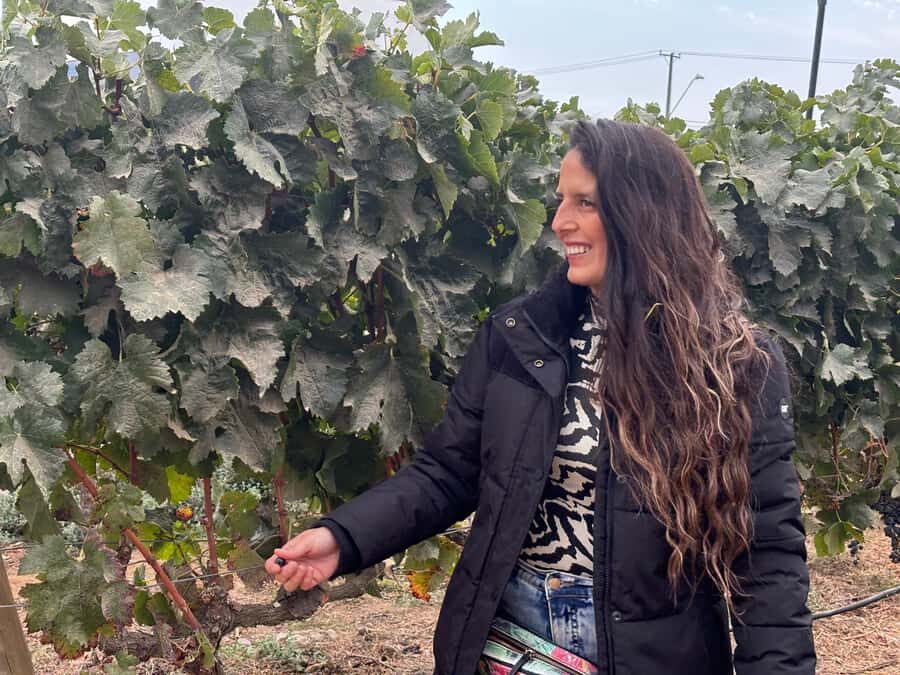
If you only have one day in Santiago and still want proper wine country, Maipo Valley is the cleanest option. It’s close enough that you can actually spend time at wineries instead of losing half your trip to traffic and road time. This tour leans hard into that idea: you get picked up from central neighborhoods, then move from stop to stop with an air-conditioned van and a guided structure.
What makes it especially appealing is the mix of personalities and production styles. You’ll start with a smaller, farm-feeling winery experience, then shift into more classic vineyard estates, ending with Undurraga’s long-running, traditional story. That variety matters because Chilean wine isn’t one single look or process—you’re seeing how different wineries interpret the same landscape.
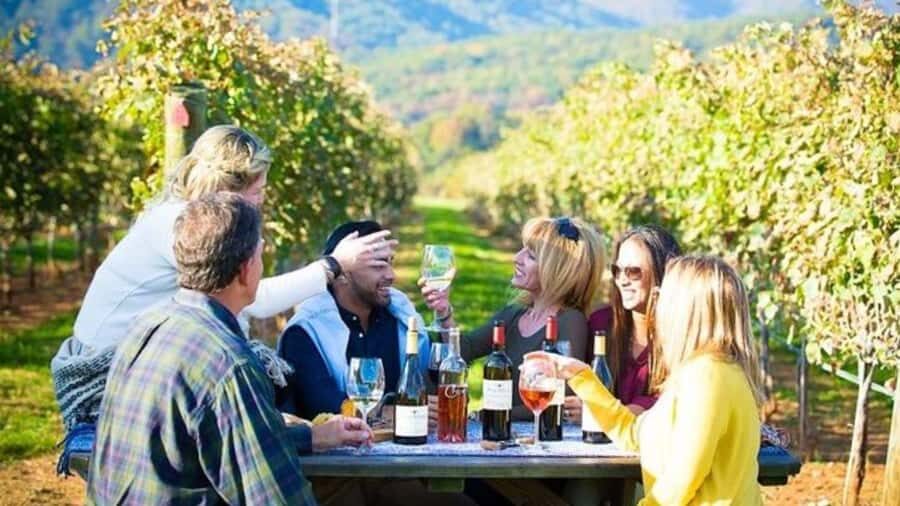
The other plus is the group size. With a maximum of 15 people, tastings and tours feel less like a conveyor belt and more like a guided visit. You’ll still be on the move, but you’re not standing around waiting for the next bus group to filter in.
You can also read our reviews of more food & drink experiences in Santiago Chile


Morning pickup and the Maipo River photo stop
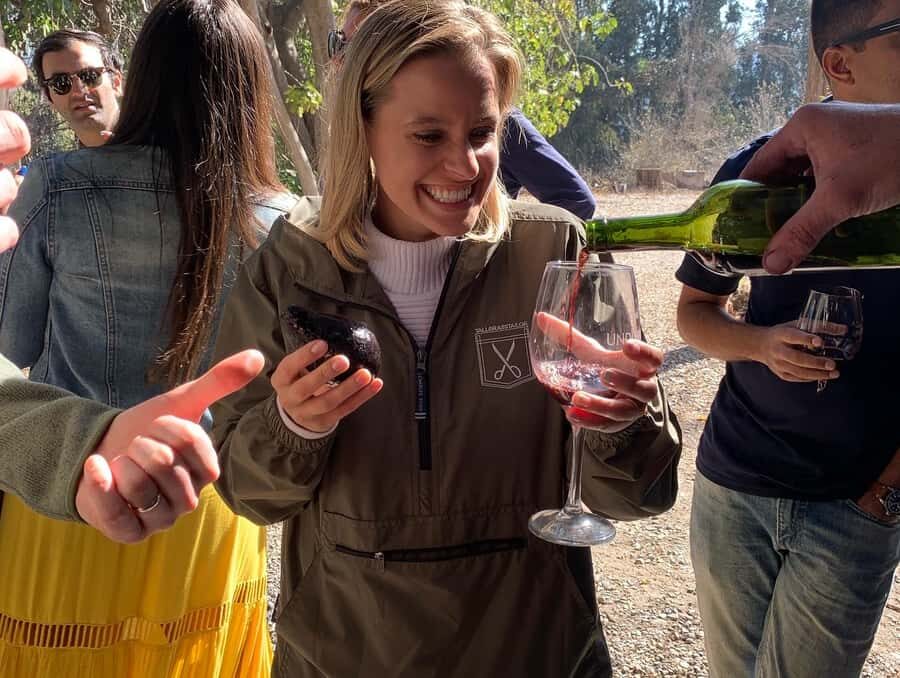
Your day starts early, with departures between 7:30 and 8:00 AM. The tour covers multiple pickup zones (including Providencia, Las Condes, Estación Central, and Santiago), and if your hotel is outside the listed areas, you’ll be directed to the nearest meeting point.
After pickup, there’s a short Maipo River photo stop (about 15 minutes). It sounds simple, but it helps you orient yourself before the wineries start. You’ll get a quick taste of the valley setting, then the day shifts fully into tasting mode.
A practical tip from real-world experience on wine tours: timing and seating matter. Some people have found the higher seatbacks can make it harder to see scenery from certain spots—so if you care about views, try for a seat where you can look out comfortably without craning. Also, remember this is a working region with roads that can feel bumpy, so comfort beats sightseeing in your first hour.
Campo La Quirinca: the farm-to-glass start (and pisco)
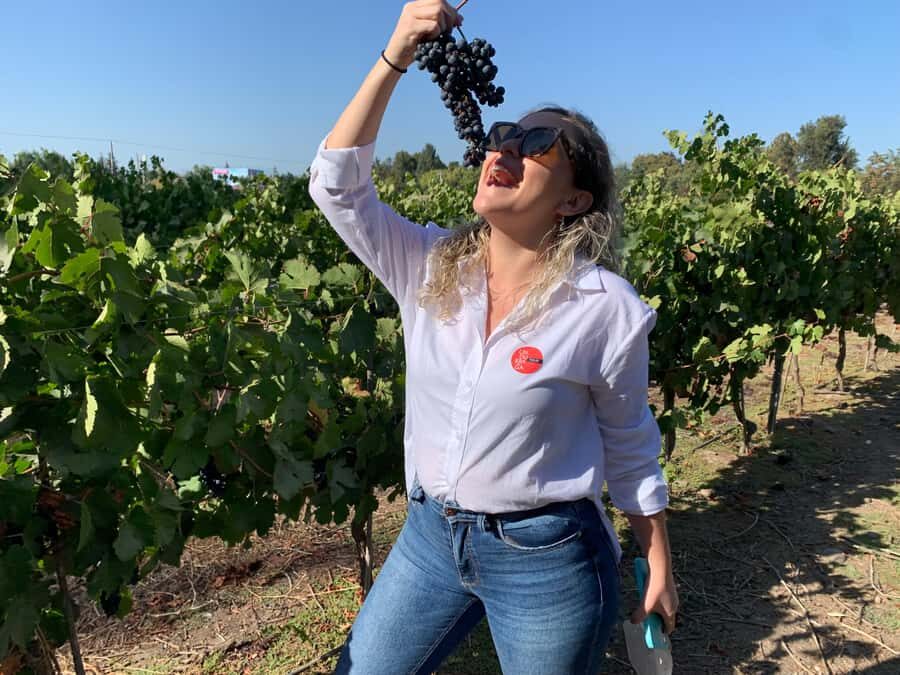
The first stop is Campo La Quirinca, a family-style winery visit that doesn’t feel like a canned brochure. You’ll get a guided tour through the facilities and gardens, learning how wine production connects to everyday agriculture. This is where the tour earns its unique flavor: you’re not just tasting wine—you’re seeing the ecosystem that supports it.
Expect time for walking, animal husbandry, and hands-on-feeling farm discoveries. You may encounter alpacas and different chicken breeds as part of the tour, and you’ll also be introduced to the agricultural production side of how Chilean country life supports wine. That context makes the later tastings make more sense because you understand the mindset behind the bottles.
Then comes the tasting area. This stop includes wine, plus cheese tasting and local snacks, and the day’s standout fun moment: Chilean pisco. It’s a great warm-up because it shows you the local spirit culture without turning the day into a party-you-can’t-recover-from.
One realistic drawback: this is still a “start moving early” kind of stop. If you’re sensitive to lots of standing during tours, wear comfortable shoes and plan to pace yourself during the tasting portion.
Viña Santa Ema: three premium wines in a pretty setting
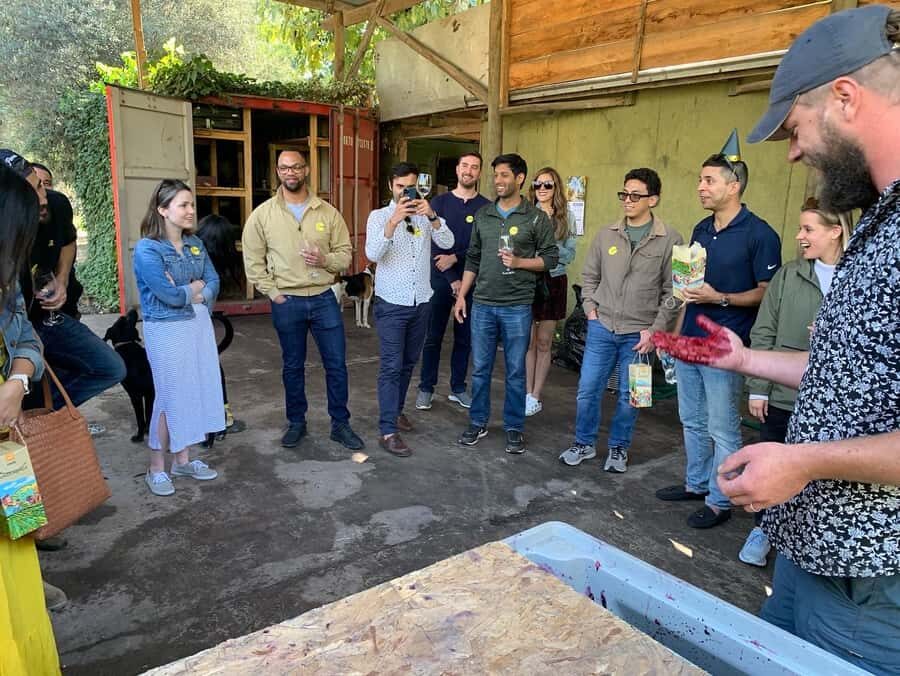
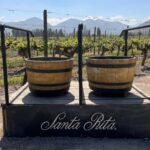
Next up is Viña Santa Ema. This stop is designed like a classic winery tasting: you get a full tasting of three premium wines, including one of the estate’s signature bottles. The environment is described as charming, which matters because it changes how you experience a tasting. Sitting somewhere pleasant makes the wines feel more coherent, and it slows the day just enough to keep your palate from turning into one big blur.
Santa Ema’s role in the itinerary is also strategic. After Campo La Quirinca’s hands-on farm feel, Santa Ema steps into a more polished, vineyard-estate experience. You get a different kind of explanation from the guides at each site, with a focus on the wines and the estate identity.
At this stage, I’d expect you to start noticing differences you might otherwise miss. Even if you don’t consider yourself a wine nerd, you’ll likely recognize how the style changes from one producer to the next. That’s the point of this tour’s structure: you’re building a simple mental map of Maipo Valley rather than collecting random sips.
If you’re the type who wants to take photos, you’ll have some time for the flow of the visit, but don’t assume it’s a long wandering photo session. The day is timed, so the best strategy is quick snapshots, then back to listening and tasting.
TerraMater: lunch break plus olive oil with cellar pricing
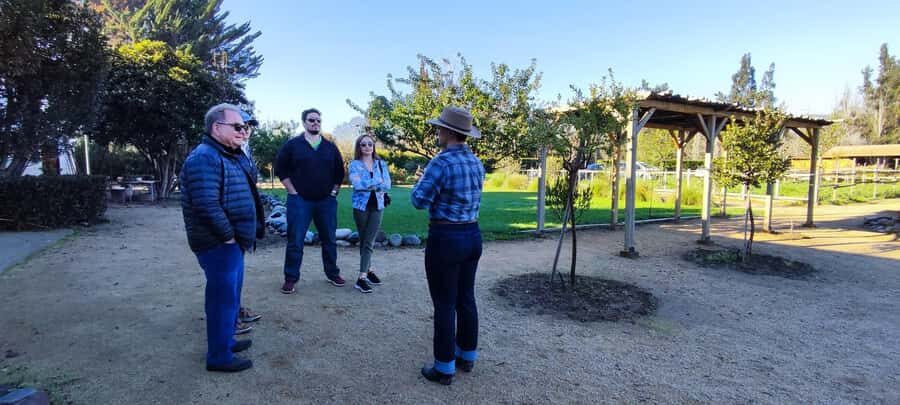
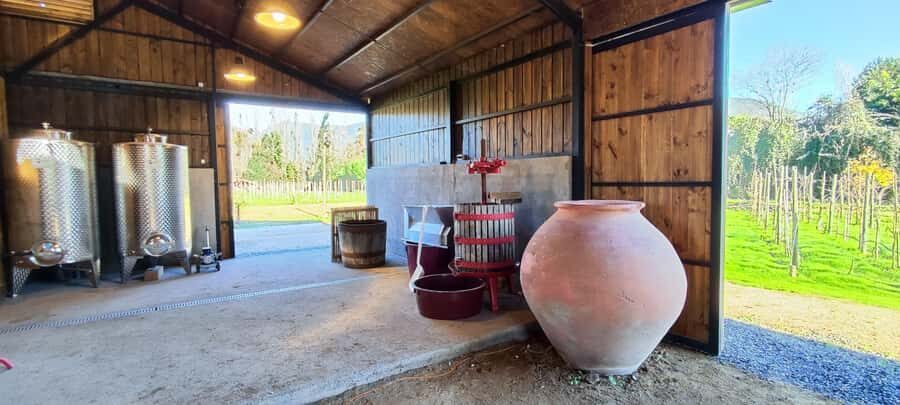
Around midday, you’ll visit Viña TerraMater. This is the tour’s main breathing moment. Your schedule includes a restaurant break at the TerraMater property, with lunch time described as available at the Zinfandel restaurant. Lunch is own cost, so budget for that meal when you plan your day.
This is also the stop for something beyond wine. TerraMater is known as the house of olive oil, described as award-winning in both Chile and the world. That matters because it gives you a tangible local product to bring home that isn’t wine—useful if you’re traveling with people who don’t drink or if you just want a practical, delicious souvenir.
There’s a shopping angle here too. In the shop, you’re able to buy olive oil at cellar prices (as described for the experience). For me, that’s where TerraMater adds value: it’s not only a lunch stop, it’s a chance to pick up an item you’ll actually use after you fly home.
What to watch for: this stop can feel more “eat and browse” than “big tasting event.” Some people have also felt the day is closer to three full tastings plus an estate lunch visit. If you’re expecting four heavy tasting sessions, adjust your mindset and use TerraMater as your palate reset.
You can also read our reviews of more wine tours in Santiago Chile




Undurraga: 130 years of Chilean wine, with a guided tour finale
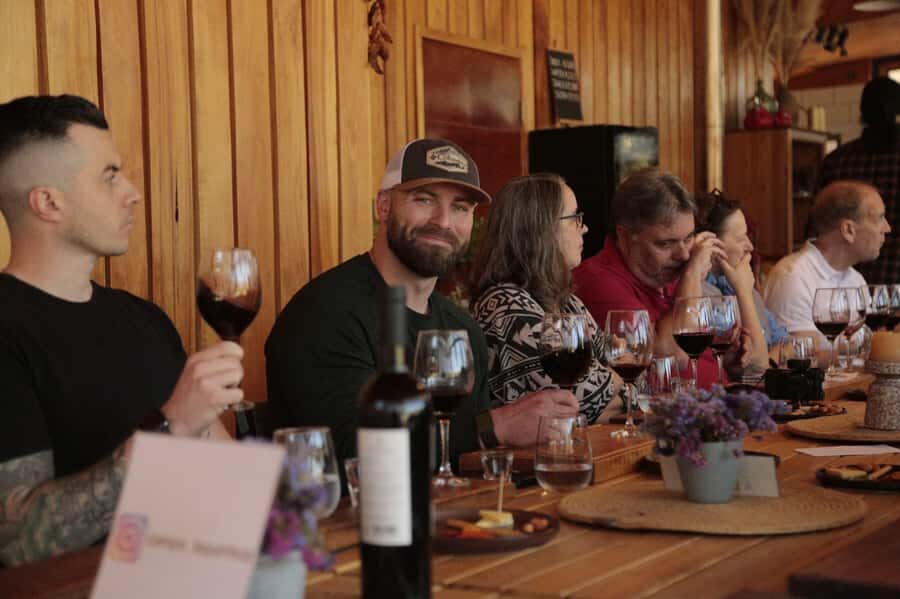
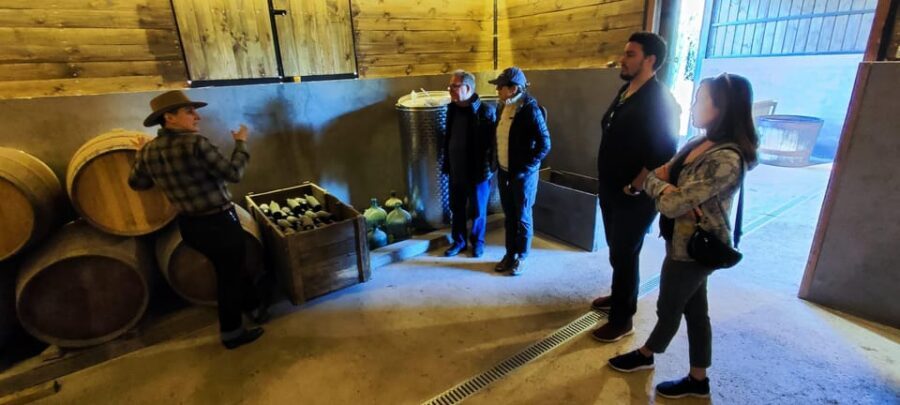
Your final winery stop is Undurraga, one of Chile’s older and more traditional names, with 130 years of experience. If you want a sense of the country’s wine story rather than only the flavors, this is where the tour delivers. You’ll get a guided tour covering gardens, vineyards, production warehouses, and even a pre-Columbian exposition. That last part broadens the visit beyond vines and barrels, connecting wine production to a wider sense of place.
Then you move into the tasting. You’ll start tastings described as four premium wines, and the experience includes a wine glass gift. That glass matters in a small but satisfying way—it’s a reminder that you had a real visit, not just a brief stop.
Undurraga is the tour’s “big estate” capstone. Some people love this contrast as a finale because it gives you the scale of modern production and distribution. Others find it more commercial than the first stop. Either way, it’s a fitting end: by the time you arrive here, your taste buds are warmed up, and you’ll better understand what changes when a winery grows from boutique roots to major production.
How to drink well on a 10-hour wine day
This is a 10-hour tour, and it’s built around multiple tastings. That means your comfort planning matters as much as your curiosity. The good news is that the day doesn’t ignore food. Campo La Quirinca includes cheese tasting and local snacks, and TerraMater is built around lunch time.
Still, I’d take a simple approach: eat before the pickup if you can, then keep sipping water between pours. If you show up with an empty stomach and assume you’ll magically power through, you’ll pay for it later.
Also think about timing for photos and movement. Some stops involve guided walking and time in tasting rooms, so pack for standing and take a light layer if the weather shifts. Roads and seated travel can make you feel stiff—especially on a long day—so stretching during the breaks is smart.
One practical note from the lived experiences people shared: the day can include long stretches where you’re standing during tastings. If you get uncomfortable easily, wear supportive shoes and take breaks when the guides give you any opening. Your goal is to enjoy the wine, not just survive the schedule.
Guides, pace, and why the small-group setup works
A standout theme in the tour experience is how the guide makes the day feel structured and human. People mentioned guide energy and knowledge, with names like Tephi, Alexia, Pablo, Nacho, Ramses, Ben, Paulina, Cristian, Esme, and Francisca showing up as lead guides across different departures. You’ll see the same pattern: the guides switch between English and Spanish and keep the pace moving without making you feel rushed.
Pace is where value hides. This tour is priced for what it replaces: you’re paying to avoid hours of self-planning and navigating around the valley. Instead of figuring out which winery is closest, how long tastings take, or where to fit lunch, you get a timed circuit that keeps the day efficient.
The small group makes a difference too. In a group of up to 15, you’re more likely to get your questions answered and to keep up with what’s happening. That matters for wine novices. You don’t need to know grape varieties already—you just need someone to explain what you’re tasting and why.
Price and value: what $134 buys you in real terms
At $134 per person for a full 10-hour day, this tour sits in the midrange for Santiago wine excursions. The value comes from bundling multiple stops and including more than just tasting flights.
You get hotel pickup and drop-off, air-conditioned transport, a professional guide, and access to four winery visits. Tastings and farm-style touring aren’t all identical, but the day includes wine tasting at Santa Ema, pisco and tasting elements at Campo La Quirinca, a restaurant break at TerraMater (lunch not included in price), and a guided tour plus tasting at Undurraga.
Some reviews also point to generous pours and a wide spread of wines across stops. While wine quantities can vary by estate and day, the takeaway is consistent: you’re not paying only for the right to sit for 20 minutes. You’re paying for a structured day in Maipo Valley that saves you the logistics headaches and turns wine country into an easy day you can actually enjoy.
Who should book this Maipo Valley tour
Book this if you want:
- A one-day wine country escape without renting a car
- A blend of small-farm storytelling and more established wineries
- A guided day with English and Spanish support
- A plan that includes snacks and lunch time so you’re not completely stuck in tasting rooms
It’s also a good choice if you like meeting people from other countries during organized outings. The group size supports conversation without turning the van into a nonstop party.
Skip it if you want a super slow, vineyard-wandering afternoon with long unstructured time at each estate. This is a route. It’s made for moving and tasting, not for lingering.
Should you book it?
Yes, if you’re looking for a well-paced Maipo Valley day that balances winery variety with real guided time. The tour’s strongest points are the early Campo La Quirinca farm experience (including pisco), the structured tasting at Santa Ema, the practical midday break at TerraMater, and the history-heavy finale at Undurraga with a guided tour and four-wine tasting.
If you’re a tasting-maximizer, just calibrate your expectations for the TerraMater stop, since it functions more like lunch plus estate/product time than a fourth full tasting for every person. Overall, though, this looks like a solid value way to experience Maipo without turning your Santiago trip into a logistics project.
FAQ
How long is the Maipo Valley wine tour?
The tour runs for 10 hours.
What time does the tour depart from Santiago?
Departures run between 7:30 AM and 8:00 AM, with return drop-off around 6:00 PM to 6:30 PM.
Which wineries are included on the tour?
The itinerary includes Campo La Quirinca, Viña Santa Ema, Viña TerraMater, and Vina Undurraga.
Is lunch included in the price?
Lunch time at TerraMater is at your own expense, even though it’s part of the scheduled break.
What tastings are included?
You’ll have wine tastings at the winery stops, and Campo La Quirinca includes a pisco tasting as part of the experience.
Where does pickup happen?
Pickup is available from Santiago Downtown and hotel districts including Providencia and Las Condes, plus Estación Central. Vitacura and Recoleta are also listed as pickup areas, and if you’re outside the covered zones you’ll be given the nearest meeting point.
Is the tour wheelchair accessible?
Yes, it’s listed as wheelchair accessible.
What languages is the tour guide speaking?
The live tour guide offers English and Spanish.