REVIEW · SANTIAGO CHILE
Full-Day Trek to Cerro El Pintor from Santiago
Book on GetYourGuide →Operated by Explorelosandes · Bookable on GetYourGuide
4000 meters means pay attention. A trek to Cerro El Pintor turns a morning drive out of Santiago into a real high-altitude goal, with Andes panoramas that make the effort feel worth it. You also get a professional bilingual guide and the kind of steady, step-by-step pacing that helps the day stay enjoyable.
I also like how practical this trip is: transportation from your hotel, park entry fees, and trekking equipment are all handled, so you’re not scrambling for rentals or details once you’re in Chile’s mountains. One consideration: this is a challenging altitude hike (rocky sections and sometimes snowfields depending on the season), so you’ll want to take it slow and be honest with yourself about first-time altitude comfort.
In This Review
- Key points before you go
- Cerro El Pintor at 4,000m: views you earn
- How the day flows: pickup, drive, and the trek start
- The climb itself: pace, altitude, and what the terrain means
- The summit moment: photos with the Andes stretched out
- Guides matter: Gerald and Francisco’s different styles, same goal
- What’s included (and why it’s smart at 4,000m)
- Price and value: what you get for $215
- Seasonal conditions and the cable car question
- Before you go: altitude reality checks (without panic)
- So… should you book Cerro El Pintor?
- FAQ
- What’s the pickup location?
- How long is the tour?
- How high is Cerro El Pintor?
- What’s the cost?
- Is this tour wheelchair accessible?
- What language is the guide?
- Is park entry included?
- What trekking gear is provided?
- Is lunch included?
- What if I need to cancel or change plans?
- Is there a minimum number of participants?
Key points before you go
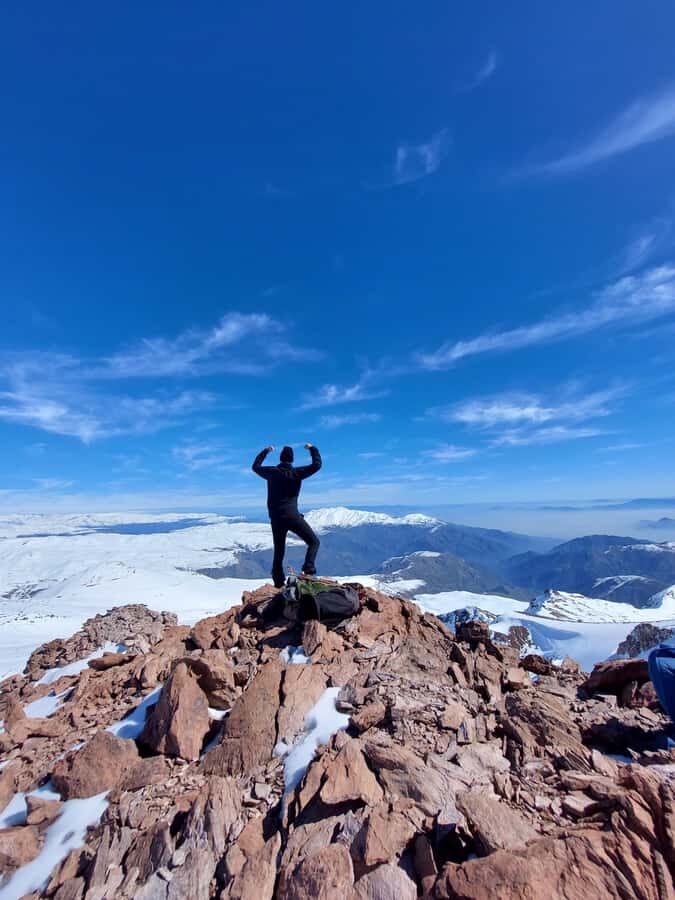
- 4,000m summit goal with big views over the Andes near Santiago
- Morning hotel pickup and return drop-off so the day stays simple
- Gear and park fees included, including poles and crampons if needed
- Bilingual guide support with regular checks on pace and altitude comfort
- Season-dependent trail conditions, from rocky paths to possible snowfields
Cerro El Pintor at 4,000m: views you earn
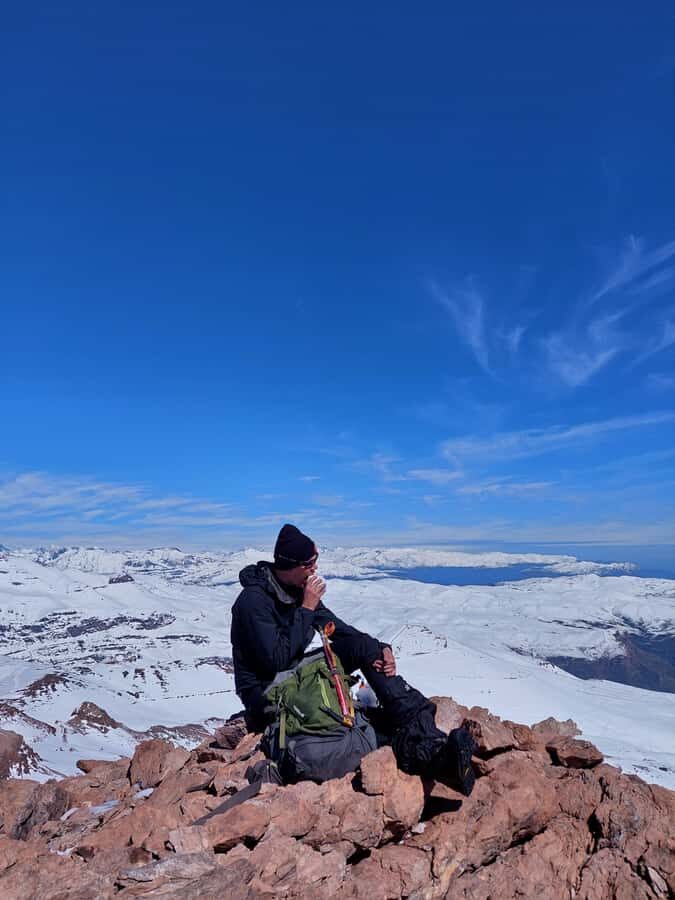
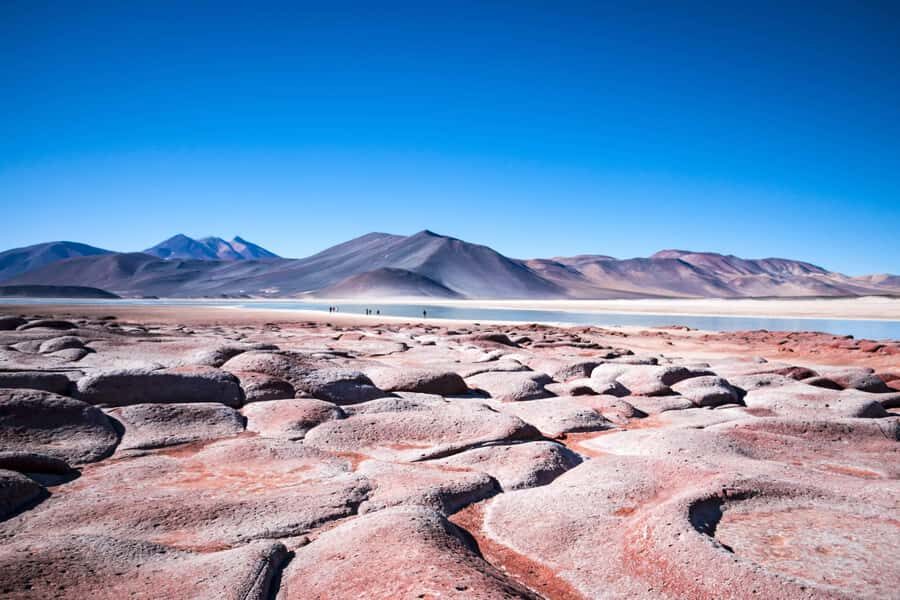
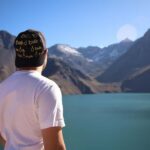
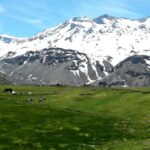
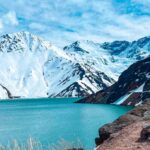
Cerro El Pintor sits high in the Andes, about 4,000 meters above sea level. That altitude is the whole point. The higher you go, the more the air thins, and the more every step feels like it comes with a small tax on your breathing. The payoff is the wide-open perspective: Andes ridges stretch out, valleys open up, and on a clear day the mountains look close enough to touch.
This isn’t a stroll. Think “challenging but achievable,” which is exactly the sweet spot if you want to feel like you accomplished something without needing technical climbing skills. Your day is built around reaching the summit, taking photos, and then getting down safely while your legs still work.
You can also read our reviews of more hiking tours in Santiago Chile
How the day flows: pickup, drive, and the trek start
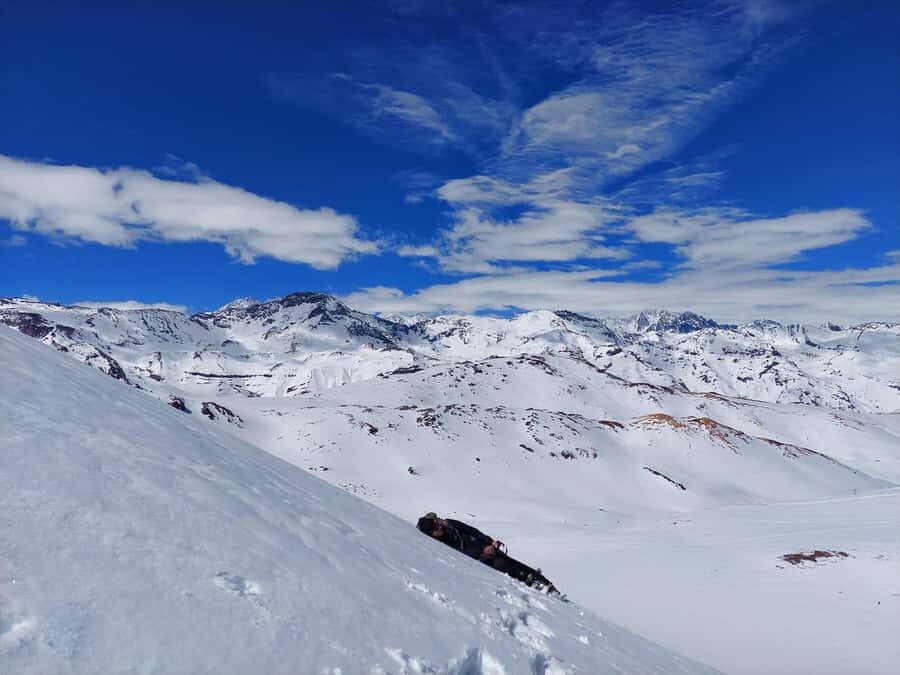
Your day starts with a morning pickup from your hotel in Santiago. From there, you’ll ride out toward the Andes. This drive matters more than you might expect. You’re not just getting to a trailhead; you’re gradually transitioning into higher terrain, which helps your body adjust before the real climbing begins.
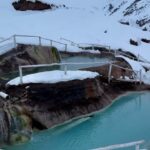
Once you arrive at the starting point, the trek begins and you start moving through varied ground—often rocky paths, and depending on the season, you may also encounter snowfields. Along the way, the guide shares what you’re looking at: local flora and fauna, plus geological features of the area. That kind of context makes the walk feel like more than just training for your lungs.
One nice touch mentioned in guides’ approach: you’ll get help with pace. Guides have a way of noticing when altitude is affecting someone and then adjusting rhythm so the day doesn’t turn into a miserable grind.
The climb itself: pace, altitude, and what the terrain means
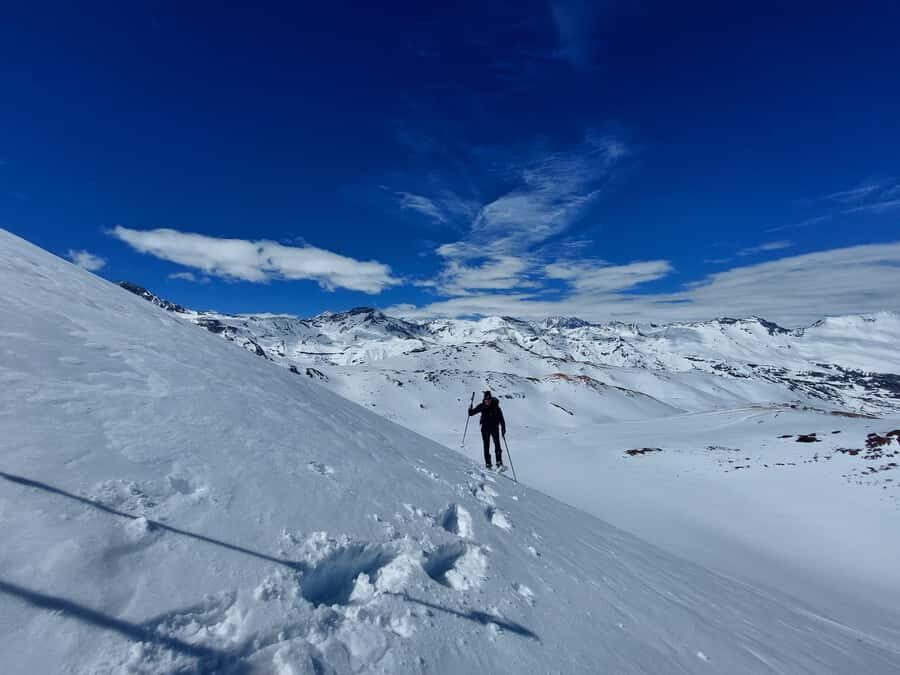
The trek is the heart of the experience. Expect a tough climb compared to what you’d do at sea level, and plan to hike slower than you think you should. Altitude doesn’t just make you tired—it can make your breathing feel uneven and your body feel “off” even when you’re strong.
You’ll likely cover different types of ground. Rocky sections ask for careful footing, especially when the trail turns uneven. If conditions include snow, you’ll want to trust the gear and the guide’s advice so you don’t waste energy slipping and catching yourself.
A helpful practical strategy: treat the climb like a long conversation with your breathing. Short bursts, steady rhythm, and frequent breaks that keep you moving. If you start to push early, you’ll pay for it later.
The summit moment: photos with the Andes stretched out
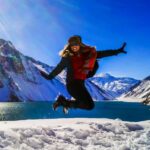
Reaching the summit is when the day clicks. The moment you stand high above the route, your brain finally gets what the climb was for: sweeping views across the Andes. You’ll have time to enjoy it, take photos, and soak in the scale of the mountains around Santiago.
One detail worth knowing: the route area includes views of nearby peaks such as Cerro El Plomo, which shows up in the scenery during the ascent and helps you orient yourself. Even if you’re not a map person, seeing recognizable big peaks makes the panoramas feel more real.
After summit time, the descent starts. That’s not just “walking downhill.” It takes concentration. Your knees and ankles will notice altitude more on the way down, and rocky or snowy patches require care. The guides’ role here is huge: they keep the pace controlled and help you avoid rushing just because the hard part is done.
Guides matter: Gerald and Francisco’s different styles, same goal
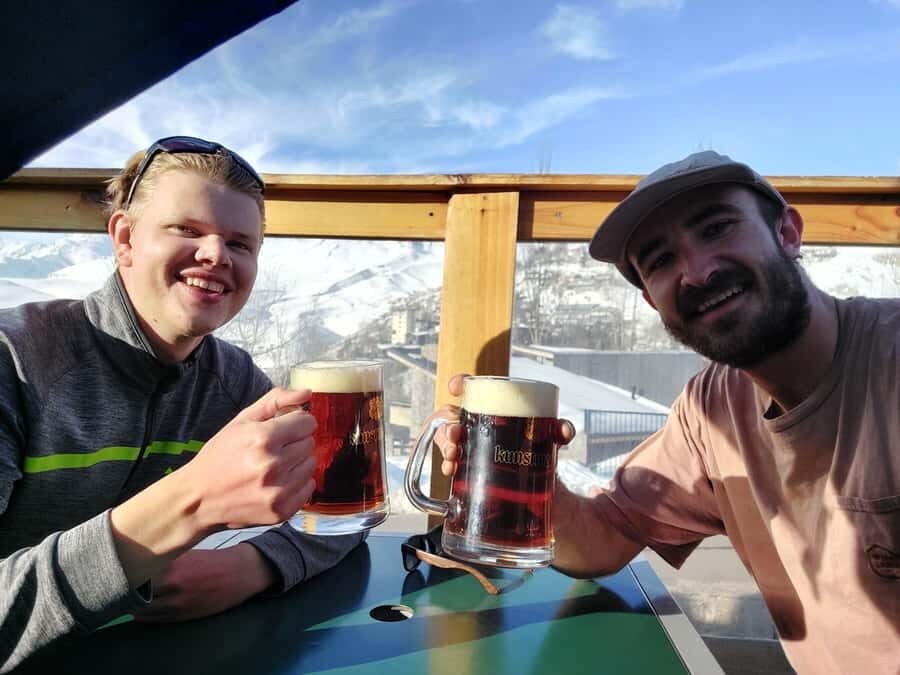
A big reason people come back with strong ratings is the guidance. The day is physically demanding, so you want the kind of guide who manages both the mountains and the human factor.
In one trip, Gerald was praised for taking people through the hike step by step and being very knowledgeable about the area. That matters on high trails—knowing what you’re seeing helps you feel calmer, and clarity reduces wasted effort.
Another standout guide, Francisco, was praised for being patient with someone who felt nervous about difficulty, and for checking in during the hike to make sure altitude wasn’t causing problems. That pace-checking is exactly what you want if you’re not sure how you’ll react to 4,000m.
And if your group has time or energy, Francisco also shared recommendations for other hikes and food places in the wider area. That’s not required for the trek to work, but it’s great value if you want to turn a single day into a couple of good memories.
A few more Santiago Chile tours and experiences worth a look

What’s included (and why it’s smart at 4,000m)
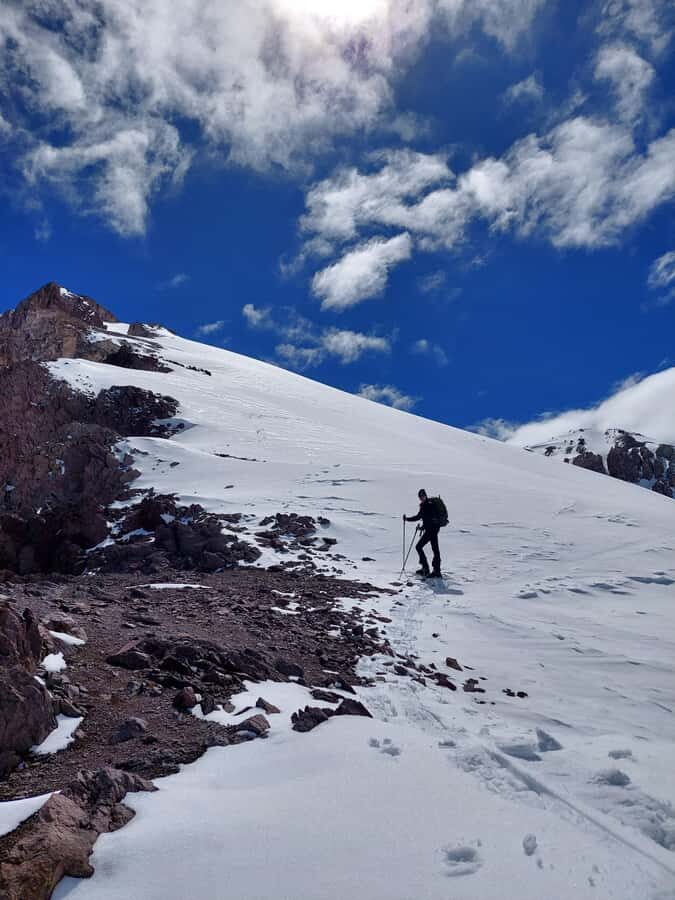
This trip is built so you don’t have to assemble a mountain kit last minute.
Included:
- Round-trip transportation from and back to your Santiago hotel
- A professional bilingual guide (English and Spanish)
- Packed lunch and snacks
- Trekking equipment like poles, and crampons if needed
- Entry fees to the national park
On a high-altitude hike, “included” means less stress. Poles help on steep, uneven ground and reduce strain when you’re tired. Crampons are especially relevant if snowfields show up in your season. And having lunch and snacks planned keeps you from burning energy searching for food while you’re already working hard just to move.
Packed meals also keep the flow of the day smoother. The worst hiking days are the ones where you stop too often to solve logistics. This experience tries to keep you in hiking mode.
Price and value: what you get for $215
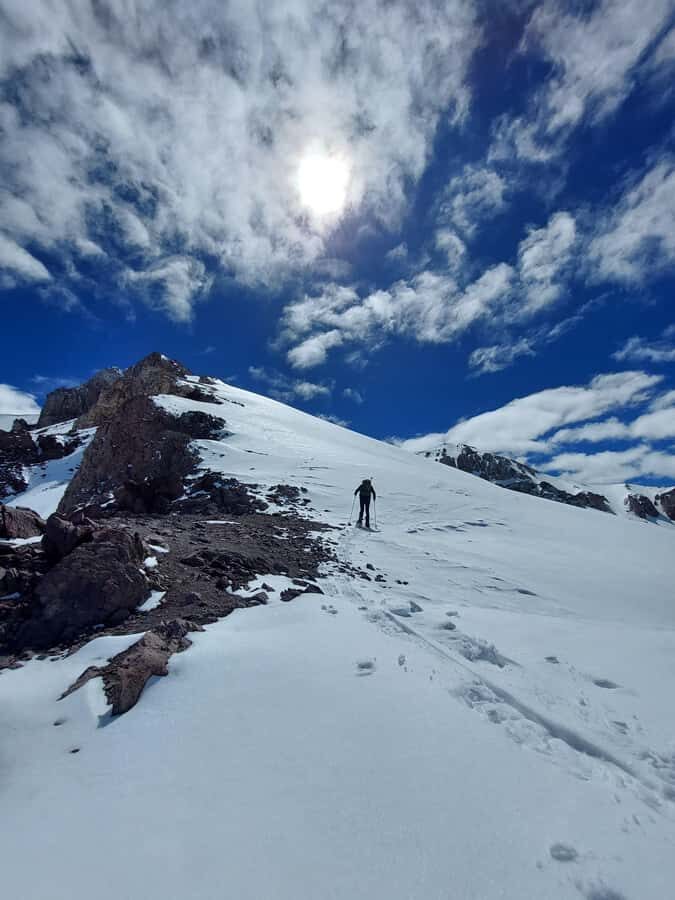
At $215 per person for a full day, it’s not a bargain-basement outing. But it does read as fair value when you consider what’s included.
You’re paying for:
- hotel-to-trail transportation and back
- a professional guide (bilingual)
- trekking equipment support (poles, crampons if needed)
- packed lunch and snacks
- national park entry fees
If you tried to DIY this—figure out transport, park access, guide support, and gear—you’d likely end up spending more, even before counting the risk of showing up underprepared for altitude or trail conditions. Here, most of the heavy lifting is already handled for you.
The best value move on your end is to show up ready to hike. If you do, the $215 feels like a day where you’re buying time, safety, and a guide’s mountain sense.
Seasonal conditions and the cable car question
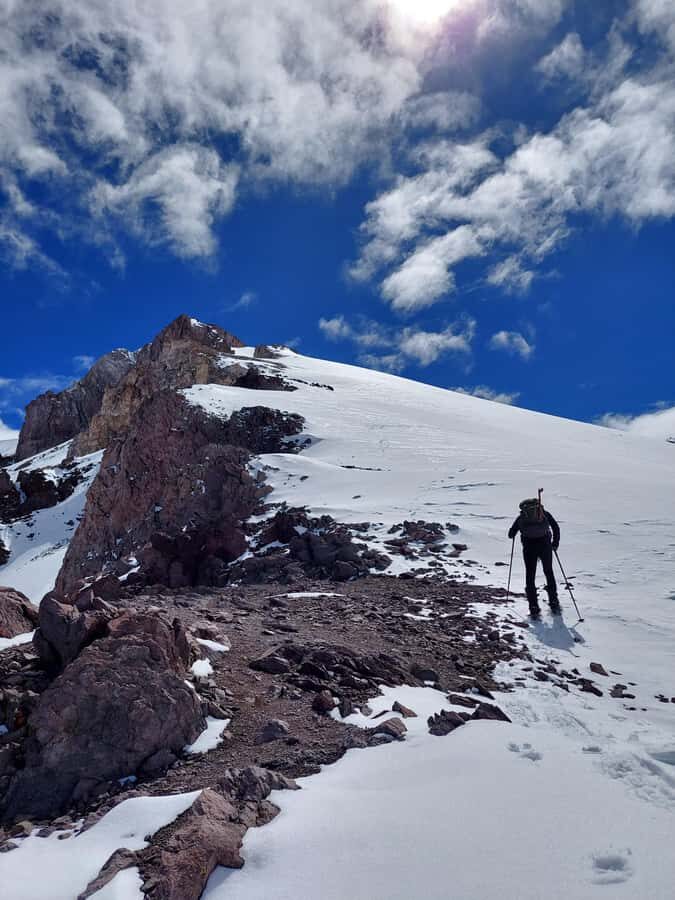
Conditions can change depending on the time of year. Your trek may involve rocky paths and potentially snowfields. That’s why the gear matters and why a guide’s pacing matters even more at altitude.
One tip from experience: there may be a cable car option that can cut out about 400 meters of climb, but it might not be operating on the day you go. If a cable car matters to you—either to reduce strain or to make the day more manageable—ask in advance and double-check local operating status.
The key point: don’t assume it will be available. Plan your mindset around hiking the full route. If the shortcut is running, great. If not, you won’t feel blindsided.
Before you go: altitude reality checks (without panic)
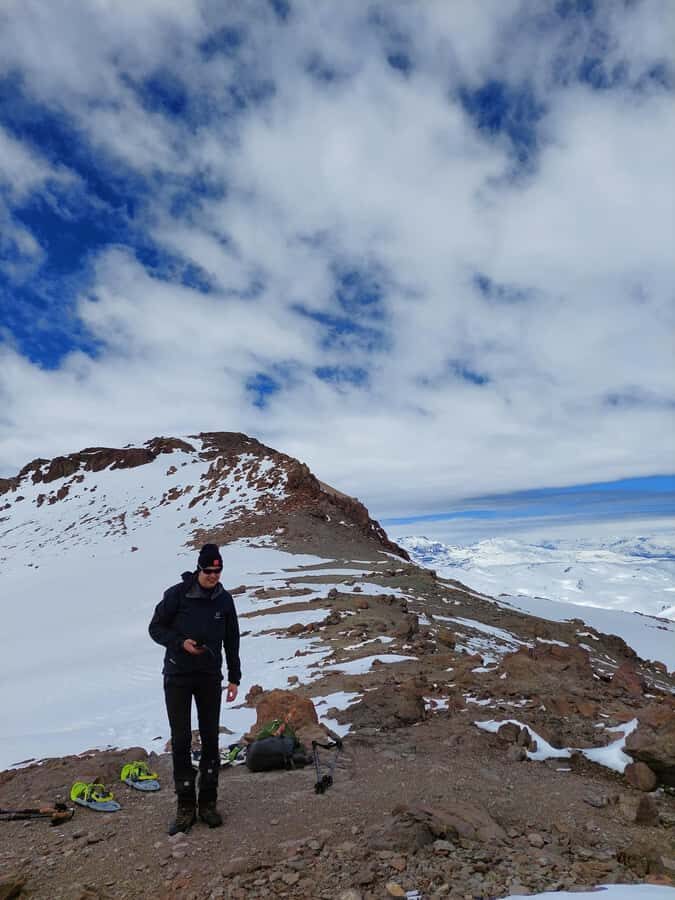
You don’t need to be an elite athlete for this. But you do need a respectful attitude toward altitude.
Here’s what I’d do if this is your first high-altitude hike:
- Go slower than your ego wants. You’re not racing anyone.
- Listen for breathing changes. If you feel worse than expected, speak up early.
- Use the poles if provided. They make a real difference on uneven ground.
- Don’t skip the snacks. Low energy at altitude feels worse than it sounds.
Also, the operator lists the experience as wheelchair accessible. Because this is a trek to a high summit at 4,000m, I’d treat that as a “confirm with the operator” moment before you plan your expectations. Ask what’s realistically possible for your group.
Finally, this is a private group format, and there’s a minimum of 2 participants required to run. If there aren’t enough people, an additional cost may apply—so check that upfront if your schedule is flexible but your budget is tight.
So… should you book Cerro El Pintor?
Book it if you want:
- a challenging high-altitude day that still feels achievable
- Andes panoramas tied to a real summit goal
- an experience where transport, park entry, guide, and gear are handled for you
Don’t book it if:
- you want an easy walk with minimal exertion
- altitude is a hard no for you, or you know you react poorly to thinning air
- you’re hoping for a fully predictable, low-variability trail (season can bring snow and change footing)
If you fall into the “I want a goal and I can hike patiently” category, Cerro El Pintor is a strong choice from Santiago. The view isn’t free. You pay with breath and effort. But when you’re up there, you’ll understand exactly what you bought.
FAQ
What’s the pickup location?
Pickup is from your hotel in Santiago.
How long is the tour?
The tour duration is listed as 1 day.
How high is Cerro El Pintor?
The trek reaches a summit at about 4,000 meters above sea level.
What’s the cost?
The price is $215 per person.
Is this tour wheelchair accessible?
The activity information lists the tour as wheelchair accessible. Since it’s a high-altitude trek, it’s smart to clarify what that means in practice with the operator.
What language is the guide?
The guide is available in English and Spanish.
Is park entry included?
Yes. Entry fees to the national park are included.
What trekking gear is provided?
Trekking equipment is included, including poles. Crampons are provided if needed.
Is lunch included?
Yes. The tour includes a packed lunch and snacks.
What if I need to cancel or change plans?
Cancellation is free up to 24 hours in advance for a full refund, and there’s also a reserve now & pay later option where you can book without paying immediately.
Is there a minimum number of participants?
Yes. A minimum of 2 participants is required, and if there are fewer than 2, an additional cost may apply.