REVIEW · PUERTO VARAS
Puerto Varas: FullDay Chiloe Island Tour Castro and dalcahue
Book on GetYourGuide →Operated by Ruta Chile · Bookable on GetYourGuide
Chiloe moves slow, but it grabs you. This full-day trip strings together panoramic viewpoints and the UNESCO Church of Castro, with a ferry crossing that feels like the real start of the adventure. You also get a taste of everyday island life through markets and small-town stops, not just big photo moments.
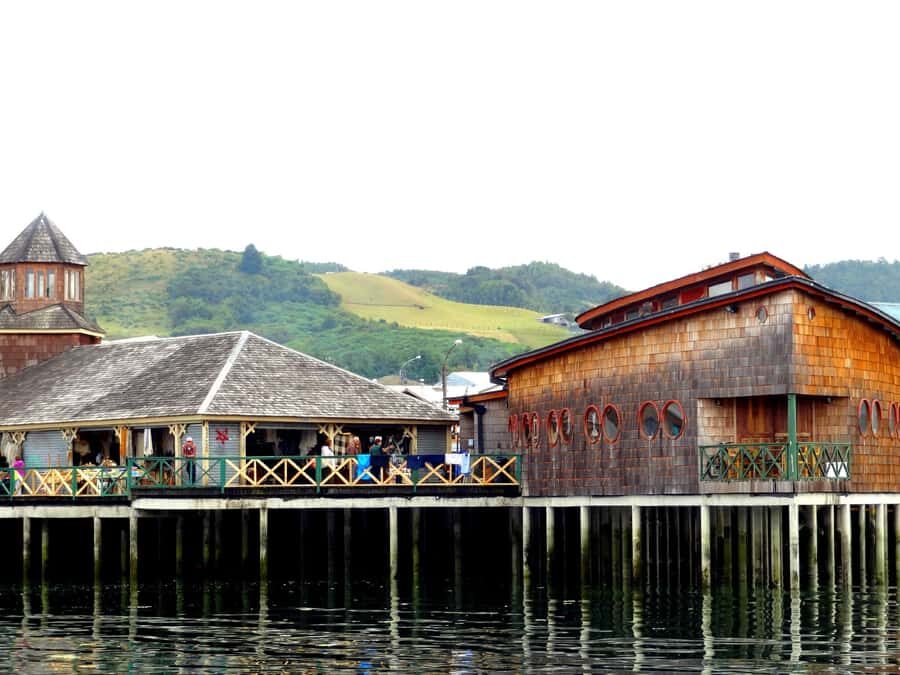
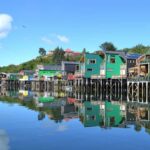
I especially like how the day is built around Chiloe’s famous look: stilt houses (palafitos) in Castro and the way crafts show up in the open-air world of Dalcahue. The route also keeps things varied, from Chacao’s older streets to Castro’s lively church-and-market core, then onward to Dalcahue’s souvenir-friendly craft fair.
One thing to consider: this is a long day with plenty of road time, and comfort can vary depending on the vehicle used that day. I’d also plan for the fact that language support can depend on the driver/guide pairing on your specific departure.
In This Review
- Key things to know before you go
- Why this Chiloe day trip feels different from a quick tour
- From Puerto Varas to Pargua: the first leg sets the pace
- The Chacao Canal ferry: more than a scenic pause
- Chacao village: 1567 roots, a colorful square, and church-hopping without the overload
- Castro: UNESCO Church, a crafts market, and palafitos at Mirador del Barrio Gamboa
- The UNESCO Church of Castro
- The handicrafts market
- Mirador del Barrio Gamboa: your palafitos moment
- Lunch and timing: what you can control during a 10-hour day
- Dalcahue: craft fair energy and the value of shopping with context
- Price and logistics: is $59 worth your day?
- Weather, packing, and comfort tips that actually help
- Guide language and what to expect on your specific departure
- Accessibility reality check
- Should you book this Chiloe tour from Puerto Varas?
- FAQ
- How long is the Chiloe full-day tour from Puerto Varas?
- What’s the starting price per person?
- Where does the tour pick you up in Puerto Varas?
- What languages are available for the live guide?
- Is food included in the tour price?
- Are church entrances included?
- Will it rain during the tour?
- What should I bring for the day?
- Is the tour suitable for people with mobility impairments?
Key things to know before you go
- Ferry across the Chacao Canal: it’s a centerpiece of the route, not just a transfer
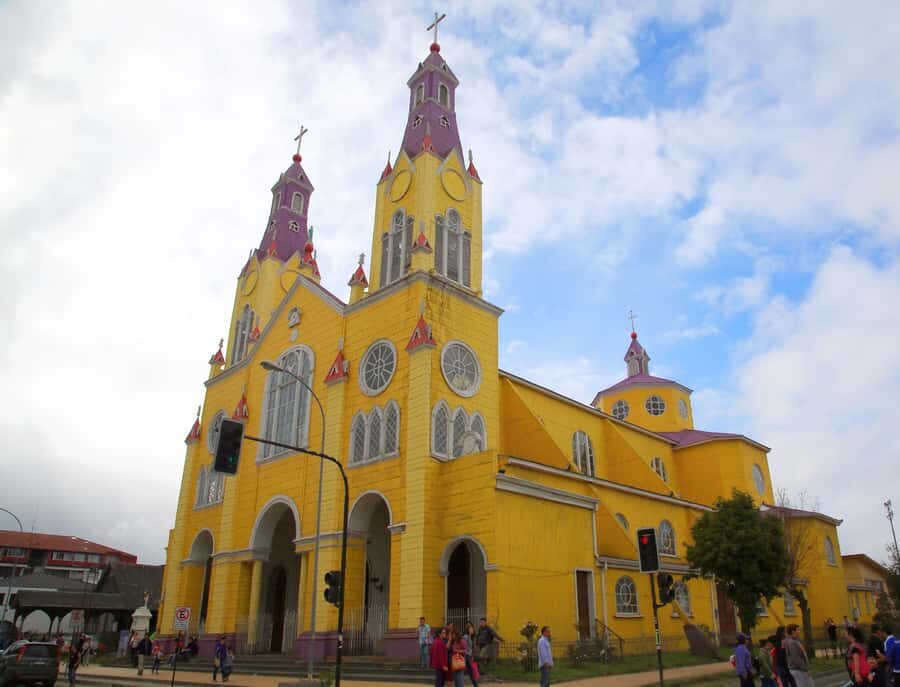
- UNESCO Church of Castro: a major highlight of the day’s religious and architectural side
- Mirador del Barrio Gamboa: your best shot at viewing the palafitos from above
- Chacao (founded 1567): old-island roots plus a colorful central square and historic churches
- Dalcahue craft fair focus: a practical way to see crafts from the outer islands
- Small group size (up to 14): easier pacing than big-bus tours, but timing still matters
Why this Chiloe day trip feels different from a quick tour
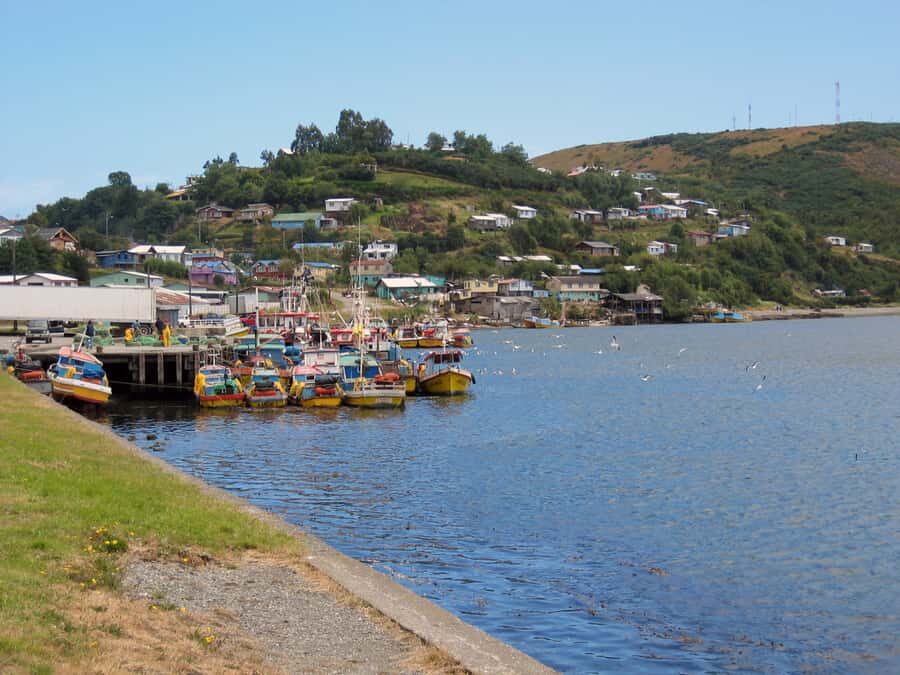
Chiloe Island doesn’t really do “rush” well, and this itinerary fits that reality. You start in Puerto Varas, roll south along the Panamericana, then break the day into two distinct moods: land travel toward the water, and then island travel once you’re officially on Isla Grande de Chiloe.
I like that the day isn’t only about churches or only about houses. It mixes heritage (UNESCO-listed Castro church) with the island’s everyday culture—crafts, local food opportunities, and the kind of neighborhood scenery that makes you understand why palafitos became normal here.
The trade-off is time. With stops spread out across the island’s north and east, the schedule can feel van-heavy. If you’re the type who hates sitting still, you’ll want to be ready to use that time wisely (more on comfort and weather later).
You can also read our reviews of more tours and experiences in Puerto Varas.

From Puerto Varas to Pargua: the first leg sets the pace
The tour leaves Puerto Varas early and heads about 80 miles south on the Panamericana Route 5 until you reach Pargua. From there, you’ll switch to ferry transport to cross the Chacao Canal.
This matters for two reasons. First, Chiloe’s towns are best enjoyed with daylight, and an early start helps you avoid arriving when everything feels half-asleep. Second, it gives you time to settle in and plan your day before the island portion becomes more active.
If you’re picky about comfort, keep expectations realistic: you’re signing up for a 10-hour loop, so you’re not just “doing one or two towns.” You’ll cover multiple places—each with its own rhythm.
The Chacao Canal ferry: more than a scenic pause
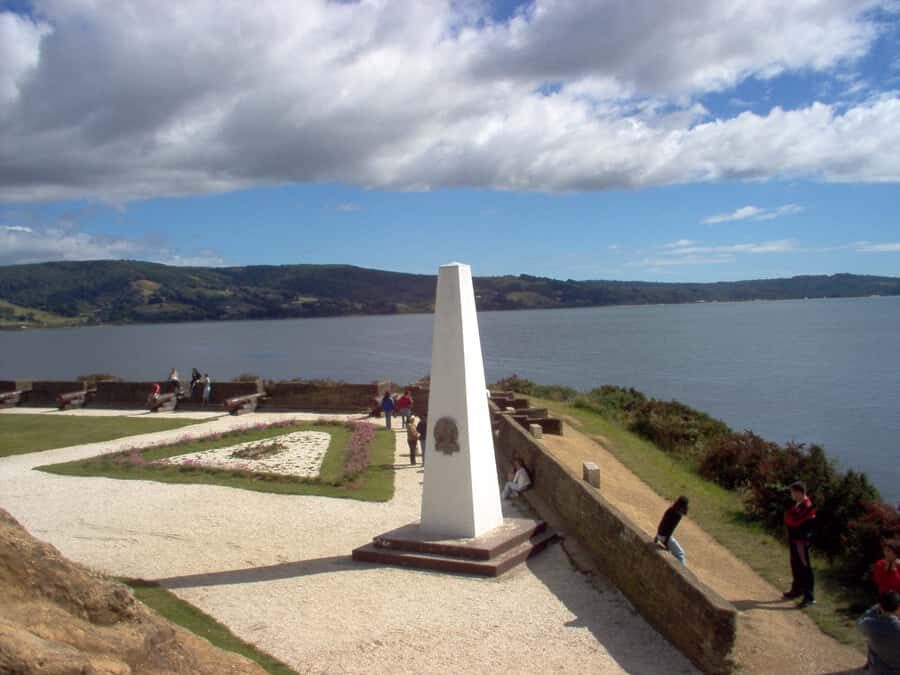
Crossing the Chacao Canal by ferry is one of the simplest joys on the route. It breaks up the driving and gives you a proper shift in scenery, with open water and big sky doing the work of a scenic viewpoint.
This segment is also where the day’s tempo clicks. Once you’ve crossed, Chiloe feels less like a destination you’re driving toward and more like a place you’re living inside for the day.
You’ll still spend plenty of time in transit after the ferry, but that sea crossing helps the whole itinerary feel intentional rather than compressed.
Chacao village: 1567 roots, a colorful square, and church-hopping without the overload
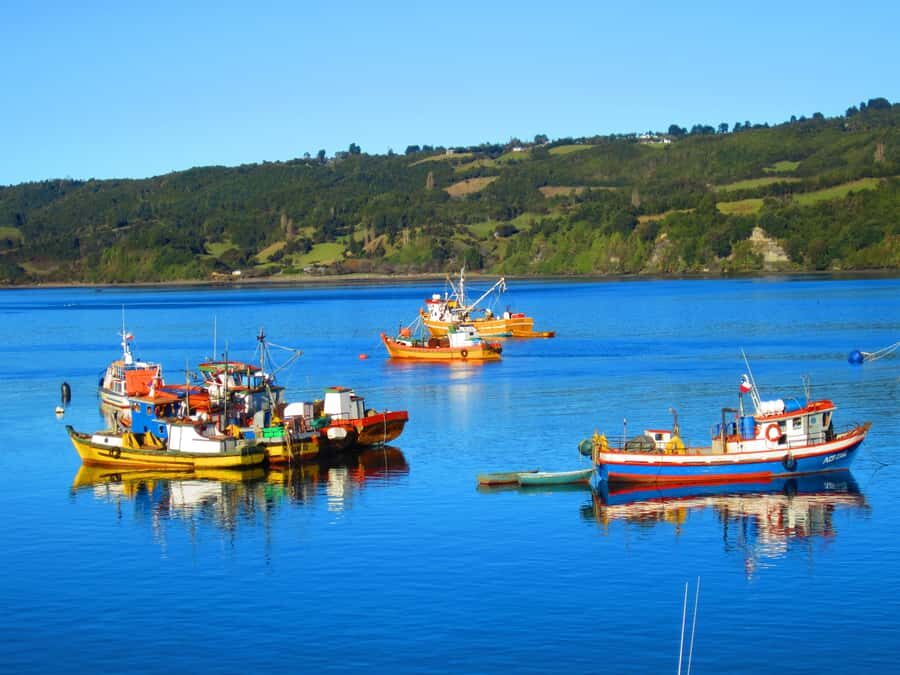
Your first island stop is Chacao, one of the oldest villages on Chiloe. It was founded in 1567, and the tour steers you toward the kind of “center of town” experience that’s easy to miss on your own: a typical square plus a striking, strong-color building.
Then comes the church time. You’ll be able to visit the church in Chacao—part of a wider picture of how dense Chiloe’s church tradition is, with more than 150 churches across the island. Also note the practical detail: entrances to churches are not included, so don’t plan on that as a freebie.
What I like about this stop is that Chacao is small enough to feel human-scale. You’re not rushing through rooms; you’re getting a sense of how locals organize everyday life around community spaces.
The drawback is simple: church schedules and closures can happen. On some departures, museums and even churches may be closed due to a national holiday. If you’re traveling during Chile’s busy periods, it’s smart to keep your expectations flexible and be ready to adjust.
Castro: UNESCO Church, a crafts market, and palafitos at Mirador del Barrio Gamboa
Castro is the capital of Chiloe, and the tour gives it a classic three-part structure: heritage church, crafts, then the neighborhood viewpoint.


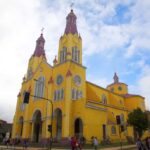
The UNESCO Church of Castro
You’ll visit the local Church of Castro, which has been a UNESCO World Heritage Site since 2000. This is the moment where the itinerary’s “heritage” promise becomes real. It’s one of those places where you don’t just look—you start noticing details and materials that reflect island conditions.
Remember again: church entrances aren’t included, so you’ll want to be ready for that on-site cost.
The handicrafts market
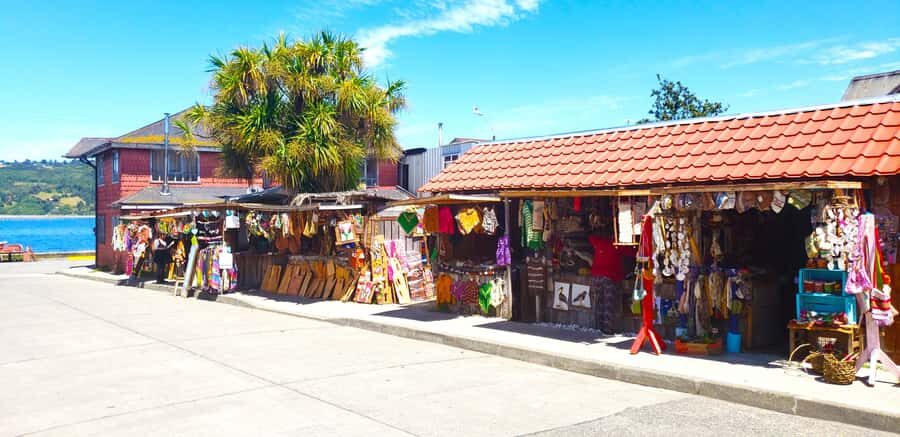
After the church, you’ll have time at a handicrafts market. This is a smart stop because it’s not limited to one “type” of souvenir. You’ll see local craft styles that connect back to the island’s geography and daily life, which makes the purchase feel more grounded than the usual tourist trinket sweep.
Mirador del Barrio Gamboa: your palafitos moment
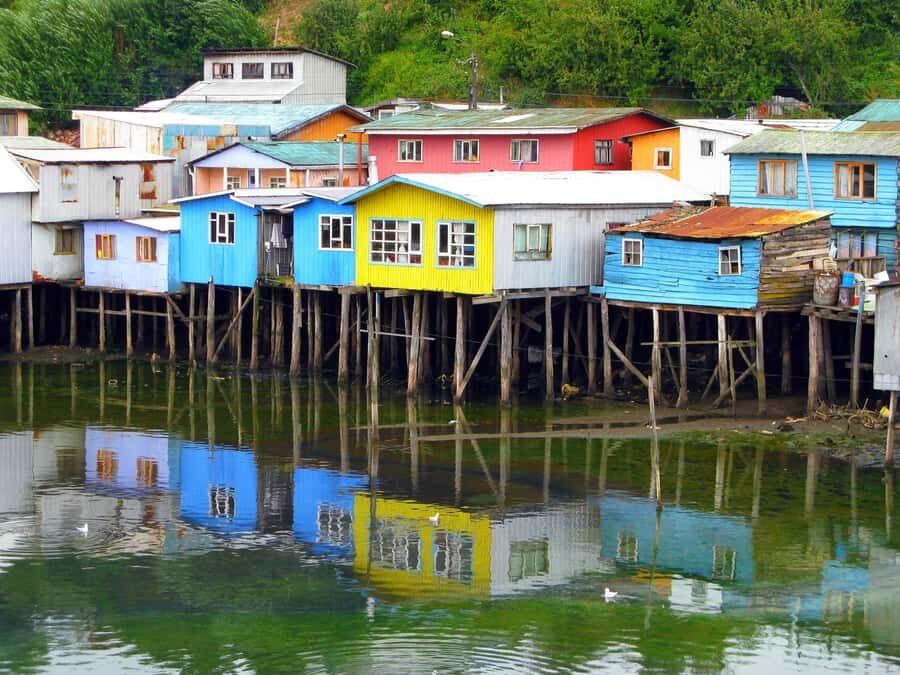
Then you’ll head to Mirador del Barrio Gamboa. This viewpoint is where you can appreciate the famous palafitos—stilt houses that rise over the water and shoreline zones.
Even if you’ve seen photos before, a viewpoint changes the feeling. You start understanding how the houses relate to paths, water access, and the overall shape of the neighborhood. It’s also a great place to take photos without needing to squeeze into the tight angles of street-level views.
Lunch and timing: what you can control during a 10-hour day
The tour includes time for lunch in a typical restaurant, but it’s at your own expense. That’s normal for this kind of trip, and it’s actually a good thing. You’ll choose what matches your hunger and budget, instead of being locked into one set meal.
Still, here’s the practical angle: your day is only 10 hours, and you’ll be switching between towns. To avoid the classic “lunch takes forever” problem, I suggest you keep your lunch expectations simple. Order something that won’t require long waiting, and keep an eye on the time once you sit down.
Also, if weather turns damp (and it can), choose footwear that works on slick surfaces. You’ll thank yourself on steps and uneven sidewalks.
Dalcahue: craft fair energy and the value of shopping with context
Your final stop is Dalcahue, known for its craft fair on Sundays. This is where the tour’s cultural purpose becomes very tangible.
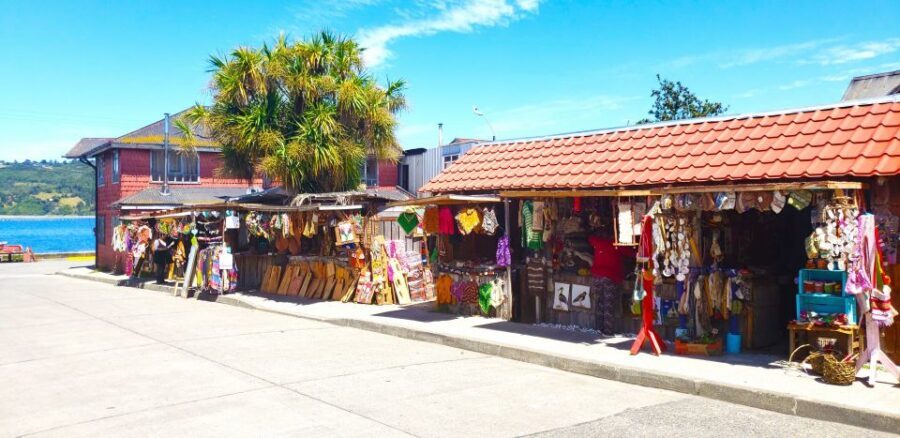
Locals bring varied handicrafts for marketing from the outer islands of the archipelago. That matters because you’re not only shopping for what’s convenient for the main tourist flow. You’re seeing a wider range of island production—items shaped by local traditions and the practicalities of living across water.
Even if you’re not shopping heavily, it’s worth walking through slowly once. Craft fairs are where you learn the “why” behind objects: materials, methods, and the small visual differences between island communities.
If you’re the type who likes to buy gifts, this is one of the best points in the day because it’s focused. Instead of scattered souvenir stops, you get a concentrated craft setting where you can compare pieces.
Price and logistics: is $59 worth your day?
At about $59 per person for a full day, this tour can be good value—if your biggest priority is getting to Chiloe’s key towns efficiently. You’re paying for transport, pickup/drop-off in downtown Puerto Varas, and a bilingual guide, plus the major transit feature of the ferry crossing.
But it only feels like a win if the schedule works for you. The itinerary is long enough that you’ll spend meaningful time in the van. One practical lesson from real-world operations: the vehicle used on the day can affect comfort a lot. There are departures where the interior space has felt tight, and the road time can stretch the day beyond the “10 hours” headline.
If you’re on a tight schedule in the region and you don’t want to arrange transport across the canal yourself, paying for this kind of structured routing is often the easiest way to see more than one town. If you’re the type who hates waiting and prefers independent pacing, you might feel the day is more transport than exploration.
Weather, packing, and comfort tips that actually help
Chiloe weather can be moody. The tour notes that rain is possible, and you should plan like it might happen. Bring shoes that handle wet ground, and add a light layer you can pull on quickly.
You’ll also want basic day-trip gear:
- Comfortable shoes for uneven town walking
- Sunglasses and a sun hat (yes, even with rain chances)
- A camera for palafitos and church architecture
- Passport or ID card
Also keep the restrictions in mind: pets aren’t allowed, smoking isn’t allowed, and you shouldn’t bring large luggage or big bags. That’s not just policy—it helps keep boarding quick and the van manageable.
One more comfort tip: consider hydration and small snacks even if lunch is planned. The tour includes lunch time, but the schedule is tight enough that a little backup can make you happier if timing runs late.
Guide language and what to expect on your specific departure
The tour is described with a bilingual guide (Spanish, English, Portuguese). That’s a big plus on a day full of church and craft context, where a little explanation can turn “seeing” into “understanding.”
Still, real departures can vary. There have been cases where the driver’s language wasn’t aligned with what a group expected, or where the car felt packed. I can’t predict your exact situation, but I can give you a smart strategy: if Portuguese or English support is a must, confirm your language pairing shortly before the trip and make sure your pickup details match what you booked.
If you don’t speak Spanish, also be prepared to rely on the guide more than the driver for interpretation. The best tours will still find a way to communicate, but it’s easier if you’re ready for the possibility that conversation might be imperfect.
Accessibility reality check
This is not suitable for people with mobility impairments. That’s not just a legal checkbox. A day shaped by walking between town squares, church areas, viewpoints, and transfer points is inherently difficult without specialized accommodations.
If you’re managing mobility needs, it’s worth looking for an alternative plan that allows step-free routes and more controlled walking time.
Should you book this Chiloe tour from Puerto Varas?
Book it if you want an efficient day on Chiloe that hits the big cultural targets: Castro’s UNESCO church, palafitos from Mirador del Barrio Gamboa, and the Dalcahue craft fair. It’s a smart choice when you value structure, short windows to multiple towns, and the ferry crossing as a highlight rather than an afterthought.
Skip it or choose a different option if you’re highly sensitive to comfort and long van time, or if your travel days coincide with times when churches and museums might be closed (national holidays can change what’s open). Also think twice if you want deep time in just one town—this tour spreads you out.
My practical bottom line: if your goal is to see a lot of Chiloe without arranging transport yourself, this is a reasonable way to do it. Just go in with realistic expectations about the ride time and bring gear for damp weather, because Chiloe doesn’t always ask permission before it changes the sky.
FAQ
How long is the Chiloe full-day tour from Puerto Varas?
The tour lasts 10 hours.
What’s the starting price per person?
The price is $59 per person.
Where does the tour pick you up in Puerto Varas?
Hotel pickup and drop-off are included from centrally located accommodations in Puerto Varas city.
What languages are available for the live guide?
The live guide supports Spanish, English, and Portuguese.
Is food included in the tour price?
No. Food and drinks are not included. Lunch time is provided, but you pay your own lunch cost at a typical restaurant.
Are church entrances included?
No. Entrances to the churches are not included.
Will it rain during the tour?
Rain is possible, so you should bring appropriate wet-weather clothing and shoes.
What should I bring for the day?
Bring your passport or ID card, comfortable shoes, sunglasses, a sun hat, and a camera.
Is the tour suitable for people with mobility impairments?
No. It is not suitable for people with mobility impairments.