REVIEW · SANTIAGO CHILE
Santiago: Concha y Toro and Undurraga Vineyards Tour
Book on GetYourGuide →Operated by Ruta Chile · Bookable on GetYourGuide
Small-group wine stops in Santiago feel like a cheat code. You get two iconic Maipo Valley wineries and learn how Chilean wine is made, not just sampled. I especially like the way the day starts with views over Pirque and ends with more wine education than you expect for a short outing.
My favorite part is the tasting time: you’re scheduled for three pours at each vineyard (often reserve wines), plus a gift glass. The second win is the variety—Undurraga feels more intimate and tour-focused, while Concha y Toro mixes vineyards, classic architecture, and the story behind the brand.
One drawback to plan for: the whole experience is time-crunched. If you like slow wandering and long shopping breaks, you may feel rushed, and in a few cases language/guide coordination wasn’t as smooth as it should be.
In This Review
- Key points before you go
- Why Maipo Valley wine fits this short Santiago schedule
- Morning pickup and the Viña Undurraga stop
- Don Melchor Square to Pirque: Concha y Toro done right
- Tastings, wine education, and what you actually learn
- Timing, lunch break, and how to avoid the awkward part
- Group size, guides, and getting around safely
- Price and value: what $76 gets you (and what it doesn’t)
- What to bring (and what to skip)
- Who should book this tour in Santiago?
- Should you book the Concha y Toro and Undurraga tour?
- FAQ
- How long is the Santiago Concha y Toro and Undurraga tour?
- What tastings are included at each vineyard?
- Is lunch included?
- How many people are in the group?
- What languages are the tour guides in?
- What is the cancellation policy?
Key points before you go
- Two Maipo Valley wineries in 4 hours: Undurraga first, then Concha y Toro in Pirque
- Planned tastings at both stops: three reserve wine tastings per vineyard (availability can affect specifics)
- Don Melchor Square start at Concha y Toro: a wine-in-hand panoramic moment plus the Casona de Pirque
- You get a gift glass at the vineyards, not just a quick pour
- Small group cap of 14 helps you actually hear what’s going on
- Lunch is a break, not a meal: you’ll have about 1.5 hours, but it’s on you
Why Maipo Valley wine fits this short Santiago schedule
If you only have a half day in Santiago, a Maipo Valley tour is one of the best time-to-value moves. The vineyards around Santiago are close enough to make sense, but different enough to feel like you’re truly leaving the city.
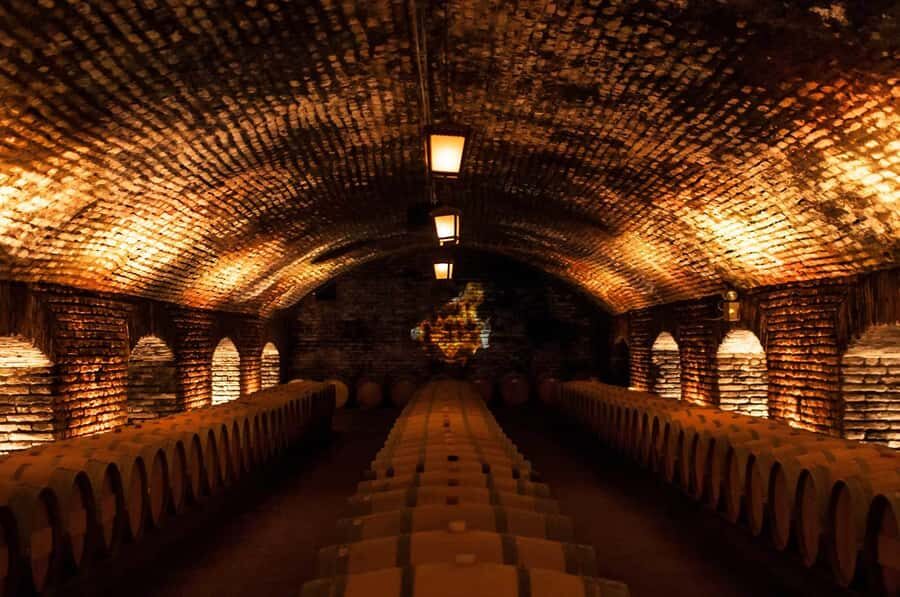
This one is built around a simple idea: you’ll see two wineries with two different personalities. Undurraga is the first tasting and tour block. Concha y Toro follows with a more brand-and-vineyard story, set around Pirque and the historic Casona de Pirque. You also get real process talk—how Chileans manage vines and make wine—so it’s not just walking through barrels.
Also, keep in mind the tour is short. The pace is great if you like efficient days. If you’re the type who wants to linger, you might wish for more time in the gardens and shops.
You can also read our reviews of more tours and experiences in Santiago Chile.



Morning pickup and the Viña Undurraga stop
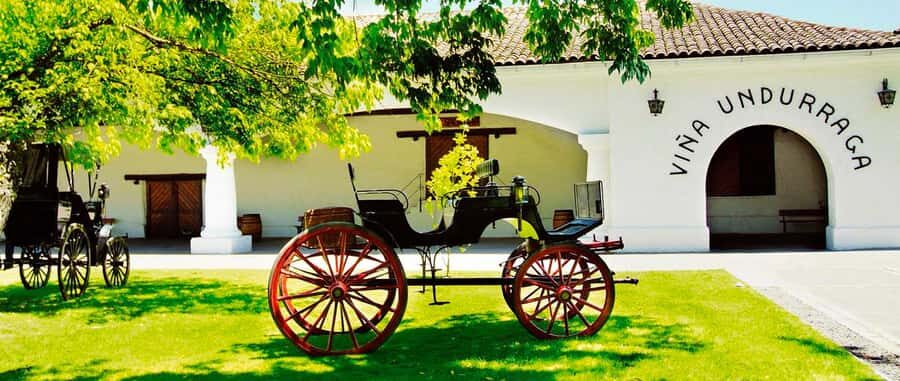
The day starts with hotel pickup at 8:00AM. That matters because Maipo Valley wineries are easier when someone else handles the driving and timing.
At Viña Undurraga, your time on-site is about 1 hour and 15 minutes. You’ll get a detailed walkthrough of winery operations and tasting time that includes three reserve wines (according to availability) and a gift glass.
What I like about Undurraga for a first stop is the way it sets the tone. You’re not yet in brand-history mode. You’re learning the basics—how a winery runs, what goes into turning grapes into wine, and how the tasting fits that story. If you’re new to wine tours, this is a comfortable entry point before you hit the famous Concha y Toro experience.
One practical tip: because your Undurraga segment is timed and structured, don’t rely on browsing only after the tasting. If you want souvenirs, glasses, or bottles, plan to do it quickly once your tour finishes.
Don Melchor Square to Pirque: Concha y Toro done right
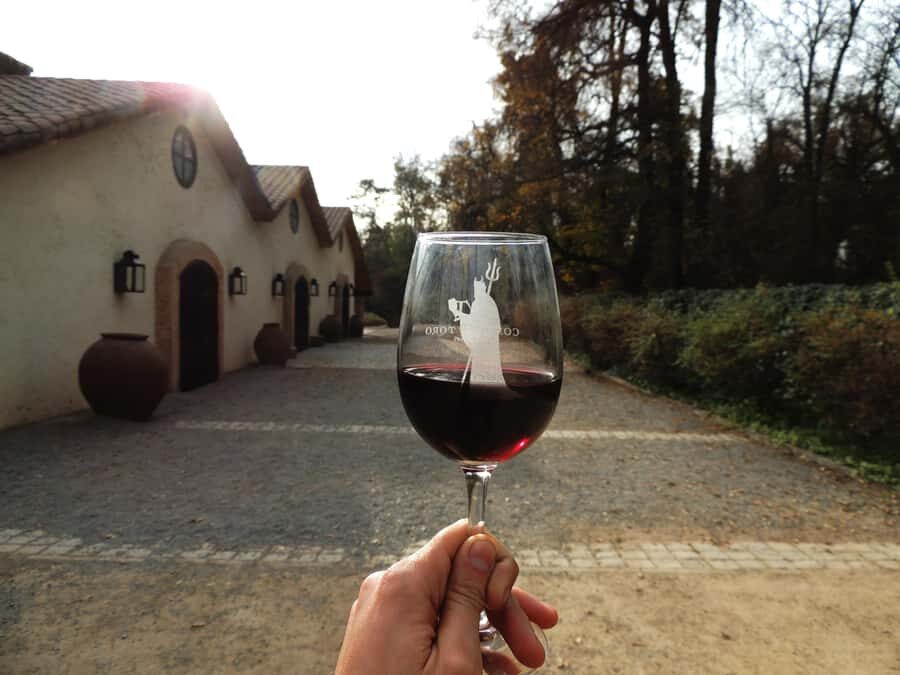
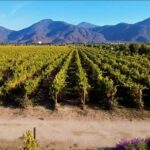
Concha y Toro’s visit begins at Don Melchor Square. Instead of meeting you deep in the vineyards, the experience starts with a sense of place: you’ll be greeted and then taken to enjoy a panoramic view of the Pirque vineyard, and you’ll have a glass of wine in hand during that scenic start.
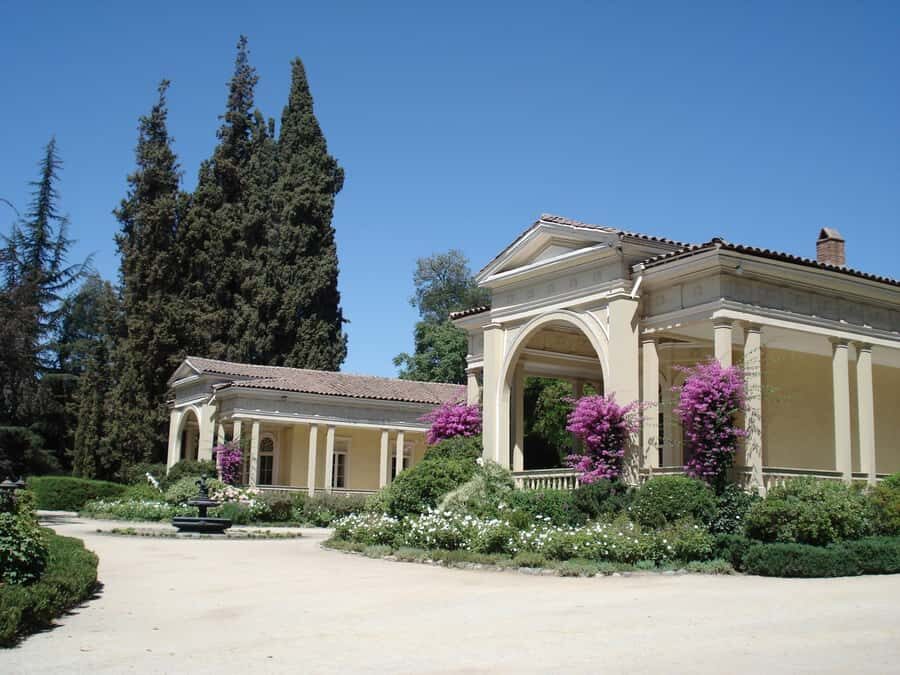
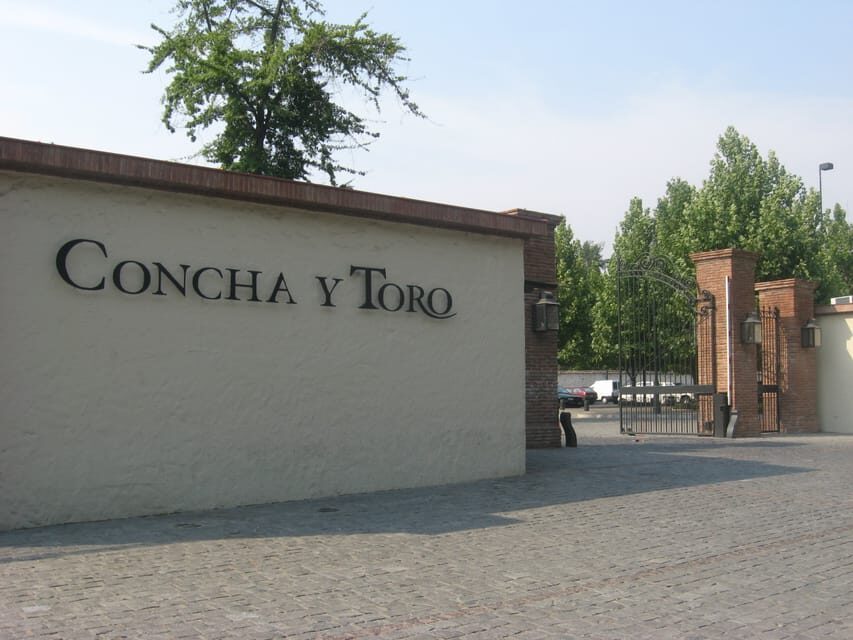
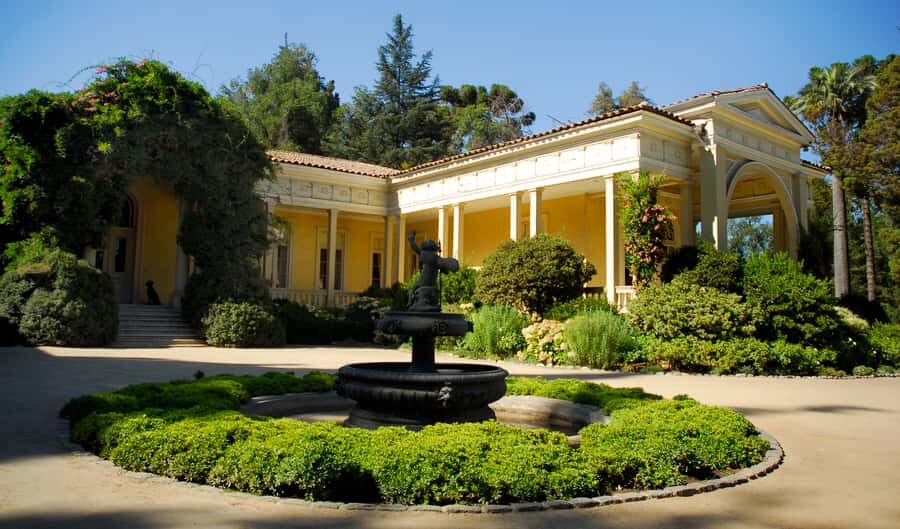
Then you shift into the classic Concha y Toro atmosphere. You’ll walk through the old park and get to appreciate the Casona de Pirque, the historic residence of the Concha y Toro family. This isn’t just pretty architecture—it’s part of why Concha y Toro became such a household name in wine history, and why the company’s roots matter to the way they present themselves today.
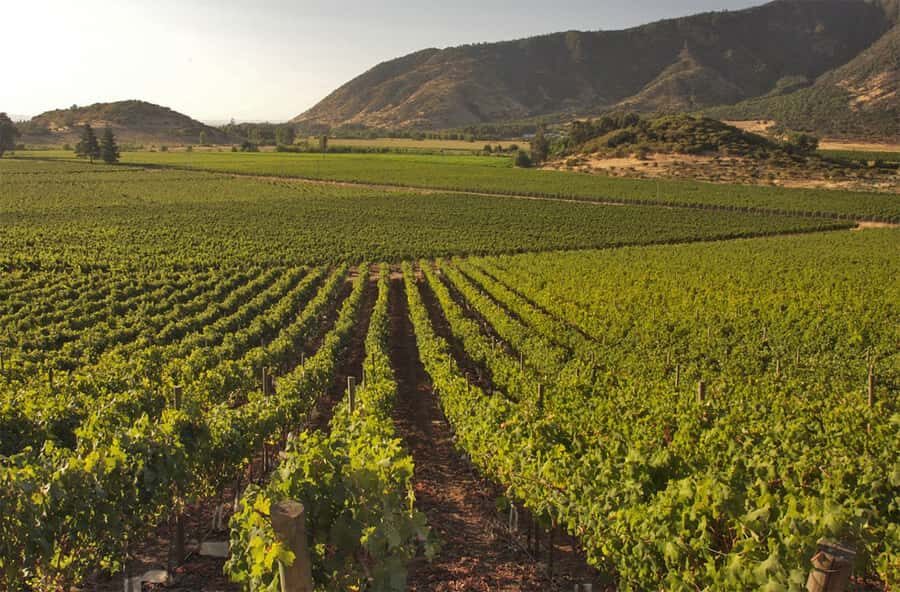
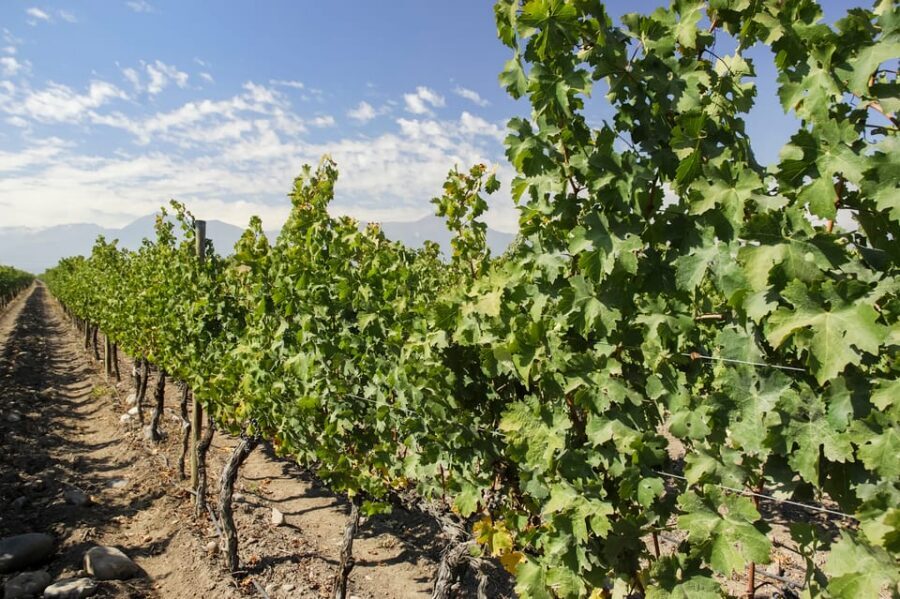
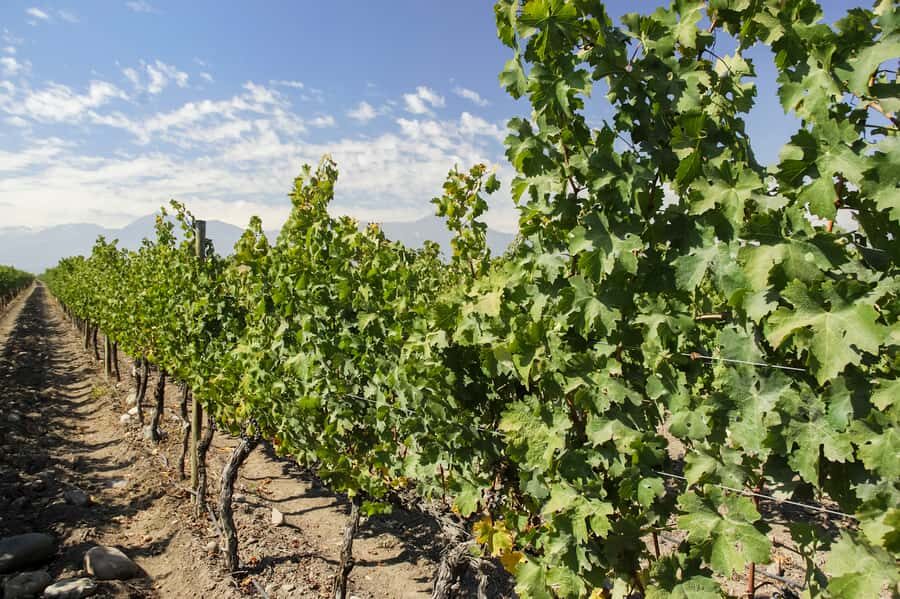
After that, the tone turns more technical. In the vineyards of Pirque, you learn about the technological management needed for high-quality viticulture. Translation: this is where the tour tries to connect what you’re tasting with what’s happening in the vines. You’ll also receive a glass of Cabernet Sauvignon before the tour wraps up.
A small consideration: this is a heavily scheduled visit. If you’re hoping for a long meander through the park or a deep dive into the gift shop, you’ll likely have to pick your priorities.
Tastings, wine education, and what you actually learn
This tour is built around learning the connection between vine work and what ends up in your glass. You’ll get tasting time plus explanations tied to Chilean wine production.
At both wineries, you’re set up for three tastings. Since the exact pours are listed as reserve wines and can depend on availability, don’t assume the menu will be identical every day. That said, the structure is consistent: you’ll taste enough to notice differences, not just sample one or two wines for the photo.
Here’s the practical upside of that for you:
- You can compare the feel of each winery’s style without having to be a wine expert.
- You leave with a better sense of why Chilean wine differs by region and viticulture choices.
- You get the kind of talking-points you can use when ordering back in Santiago or later on in Chile.
One more note based on real-world experiences: in a few cases, the translation or coordination between driver and winery team wasn’t as clean as it should be. That’s not something you can control, but you can protect yourself by staying alert. If you’re counting on an English guide explanation at the vineyard, watch for the moment the winery guide actually joins you, and ask any quick questions immediately so you don’t miss your chance.
Timing, lunch break, and how to avoid the awkward part
The whole tour lasts 4 hours. Your return to the hotel is typically between 5:30PM and 6:00PM, so you’ll feel like you’ve had a full afternoon out, not a quick drive-by.
Between the two vineyards, you’ll get a lunch break of about 1.5 hours. Lunch itself is not included, so treat this as your time to eat on your own. The upside is flexibility: you can choose what fits your budget and cravings. The downside is that you’ll want to plan how you’ll handle it without stressing.
If you want the smoothest lunch experience, do this:
- Use the tour’s natural rhythm. Eat soon after you arrive and don’t wait until the very end.
- Wear something easy to sit in. Vineyards can be warm, and lunch after walking feels better when you’re comfortable.
- If you want souvenirs, consider quick shopping first, then lunch—so hunger doesn’t steal your focus.
Also, because the schedule is tight, make sure you’re clear on when the group meets again. A few past departures had confusion about whether lunch-related time meant going back immediately or continuing with winery time. That’s the kind of thing you can prevent with one simple check-in.

Group size, guides, and getting around safely
This is a small group, capped at 14 participants. That size is ideal for wine tours because you’re not disappearing into a crowd. You should be able to hear instructions and ask basic questions, especially if you’re traveling in English or Spanish.
Hotel pickup and drop-off are included, and the tour has a driver plus live guidance at the wineries (English, Spanish). Still, based on real experiences, coordination can vary—sometimes the transport person is doing the practical logistics while the winery guide role may feel less present than you expected.
So I’d treat this like a confidence game:
- At each stop, confirm who the on-site guide is and whether explanations will happen during the tasting walk.
- If you have dietary preferences or specific wine interests, mention them early. You’ll get better results before the tasting pace takes over.
Practical comfort points matter too. This tour isn’t recommended for limited mobility, and it’s not suitable for wheelchair users. It also isn’t suited for children under 12 or for pregnant women. That isn’t about attitude—it’s about walking, time pressure, and vineyard conditions.
Price and value: what $76 gets you (and what it doesn’t)
At $76 per person, you’re paying for: transportation (hotel pickup/drop-off), winery entry, and tasting access at both vineyards. That’s the key value piece—your time is saved and your visits are “organized,” not improvised.
Where this can feel like a bargain: you’re essentially buying multiple structured experiences. Two winery tours plus tasting time at each stop plus a gift glass at each location means you’re not just paying for transportation and one quick pour.
Where value can slip: lunch isn’t included, and your free time is shorter than many people expect. If you want a long meal and a long shopping break, that extra cost will add up, and you’ll feel the schedule squeeze.
So the smart way to think about the price is this:
- If you want a guided, efficient wine day with real tastings, $76 makes sense.
- If you want a relaxed slow afternoon with food included, you should treat lunch as an extra budget line.
What to bring (and what to skip)
To keep the day pleasant, pack for warmth and walking. The tour asks you to bring:
- Passport or ID card
- Sunglasses
- Sun hat
You should also follow the rules:
- No pets
- No smoking
- No luggage or large bags
That matters because vineyards often have limited space inside buildings and holding areas. If you show up with a big bag, you may end up stressed about where it goes rather than enjoying the tastings.
Who should book this tour in Santiago?
This tour fits best if you want a focused, wine-forward day and you’re okay with a tight schedule.
You’ll probably enjoy it if:
- You’re visiting Santiago for a short time and want two major wineries without planning details.
- You like structure: guided walk, tasting, then the next stop.
- You want a taste of both vineyard education and classic brand storytelling.
You might want to skip it if:
- You need lots of wheelchair-friendly or low-walking access (the tour isn’t recommended for limited mobility).
- You’re traveling with kids under 12.
- You’re hoping lunch is included.
- You’re the type who wants to linger in shops and gardens for long stretches.
If you’re somewhere in the middle—like you can handle stairs and uneven ground but you get impatient with rushing—just go in with the right mindset: this is a half-day plan, not a full wine retreat.
Should you book the Concha y Toro and Undurraga tour?
If you’re choosing between doing nothing and doing wine the smart way, I’d lean yes. The tour gives you the essentials: hotel pickup, two wineries in the Maipo Valley, and scheduled tastings that teach you how the wine connects to the vines.
Book it if you value convenience and you want a guided day that ends back at your hotel. Pass if you want unhurried free time, or if mobility limits, age limits, or comfort needs make the schedule a bad fit.
One final tip: when you arrive at each vineyard, quickly orient yourself—who the guide is, where tastings happen, and when the group meets again. That small bit of attention makes the day smoother, and it helps you get the best part: the wine lessons, not the logistical fog.
FAQ
How long is the Santiago Concha y Toro and Undurraga tour?
The tour lasts about 4 hours, with hotel pickup at 8:00AM and return to your hotel typically between 5:30PM and 6:00PM.
What tastings are included at each vineyard?
You get tastings at both vineyards. The tour includes tasting of 3 reserve wines at each winery (depending on option and availability).
Is lunch included?
No. There is a lunch break of about 1.5 hours, but lunch itself is not included.
How many people are in the group?
It’s a small group limited to 14 participants.
What languages are the tour guides in?
The live tour guide is available in English and Spanish.
What is the cancellation policy?
Free cancellation is available up to 24 hours in advance for a full refund.