REVIEW · SANTIAGO CHILE
Santiago: Highlights Private City Tour
Book on GetYourGuide →Operated by CHILE TRAVEL ADVENTURES TOUR OPERATOR · Bookable on GetYourGuide
A great city tour should give you bearings fast. This one mixes Andes viewpoints, classic neighborhoods, and key landmarks, so Santiago feels both modern and political. I like that it’s organized enough to cover the must-sees, but still leaves room for you to steer the day with interests and photo stops.
Two things I especially like: you start with the San Cristobal Hill cable car/funicular views over the Andes, and you get a guided walk through neighborhoods known for street art and local creative energy. One possible drawback to know up front: the guide approach can lean fact-heavy, so if you want more human stories and extra historical narration, you may want to ask for that directly.
In This Review
- Quick hits before you go: what makes this Santiago day work
- Andes first: San Cristobal Hill cable car and the photo-stop that sets the mood
- Barrio Bellavista and Lastarria: street art, architecture, and the walk-between vibe
- Plaza de Armas and La Moneda: where Chile’s power lives (and what you’ll actually see)
- The market hour: empanadas, mote con huesillos, and a local-food finish
- How the pacing feels in 4 hours (and where you’ll spend your energy)
- Price and value: what $333 per private group buys you
- Languages, guide style, and how to get the kind of history you want
- Who this private Santiago tour is best for—and who should choose differently
- Should you book this Santiago Highlights Private City Tour?
- FAQ
- How long is the Santiago highlights private city tour?
- What areas in Santiago do you pick up from?
- Is this tour private?
- What’s included in the price?
- Where do you go during the tour?
- Do I need to be able to walk?
- What languages are available for the guide?
- What should I bring?
Quick hits before you go: what makes this Santiago day work
- San Cristobal Hill entry is included, plus cable-car/funicular time for big skyline photos
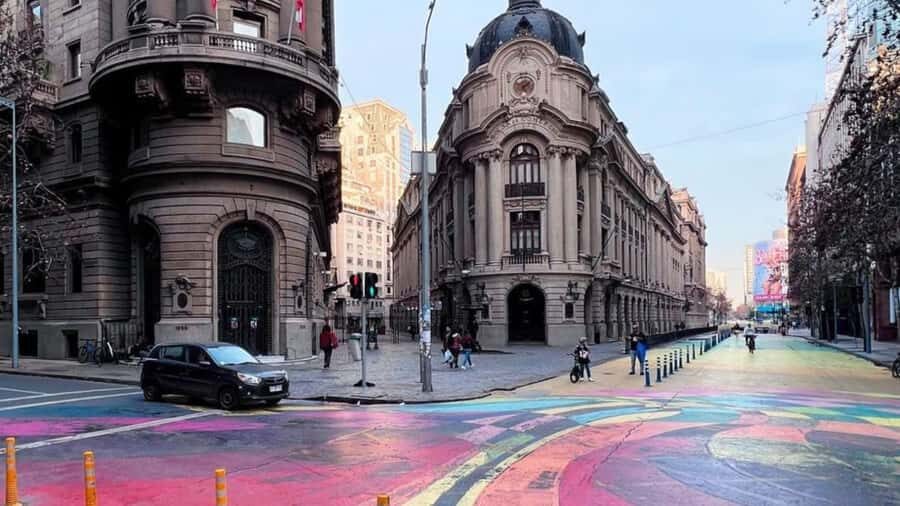
- Bellavista + Lastarria gives you street art, architecture, and a walkable cultural stretch
- La Moneda + Plaza de Armas focus on political and civic Santiago, with a Cathedral stop for classic neoclassical scale
- Market time matters: you can try Chilean staples like empanadas and mote con huesillos (food isn’t included)
- Berson-style guiding shows up in real-world experiences: clear explanations and a friendly, personal tone
Andes first: San Cristobal Hill cable car and the photo-stop that sets the mood
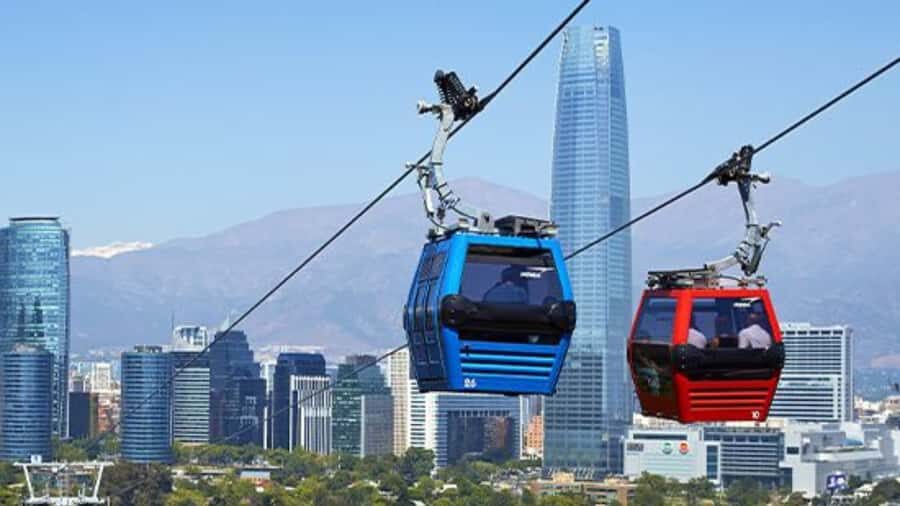
Most Santiago tours start in the city. This one starts above it, and that changes everything. You’re picked up from hotels in Santiago Centro (Downtown), Providencia, Las Condes, or Vitacura, then you head toward Cerro San Cristobal with a short drive and a dedicated viewpoint window.
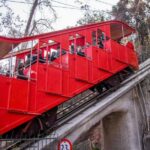
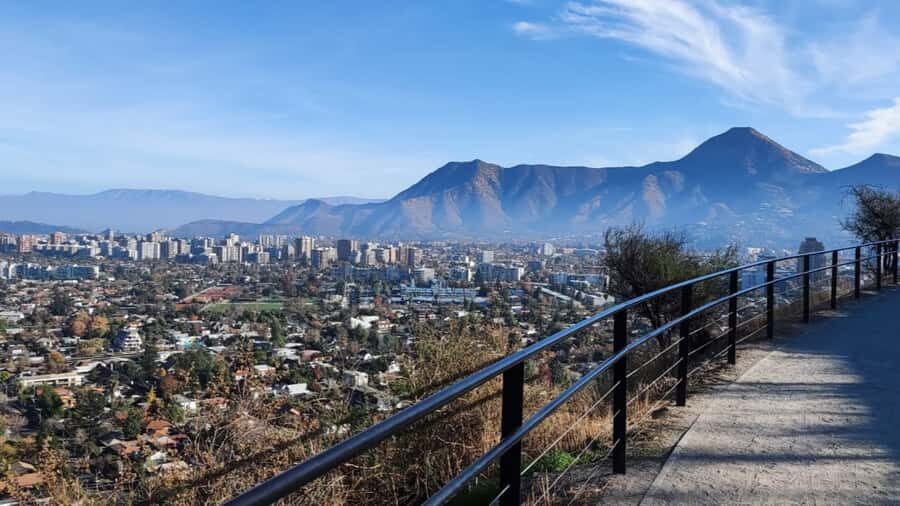
At the hill, you’ll ride the cable car up (and later the funicular/funicular down). The point isn’t just the ride—it’s the way Santiago’s shape and the Andes relationship snaps into focus. On a clear day, you’re looking at a layered cityscape with mountain peaks in the background. It’s the kind of view that makes you understand why the city grew where it did and why people talk about weather, seasons, and altitude so casually here.
Practical note: you’ll have a photo stop built in, so don’t rush your camera work. Bring sunscreen and wear comfy clothes—this part is scenic, not gentle. Even if you’re not a big “lookout person,” you’ll likely appreciate how it gives you a visual map for the neighborhoods you’ll walk later.
You can also read our reviews of more city tours in Santiago Chile


Barrio Bellavista and Lastarria: street art, architecture, and the walk-between vibe
After you head down from San Cristobal, the tour shifts from panorama to people and streets. You’ll spend time in Barrio Bellavista and Barrio Lastarria, two areas that help show Santiago’s everyday contrasts—old fabric alongside newer creative life.
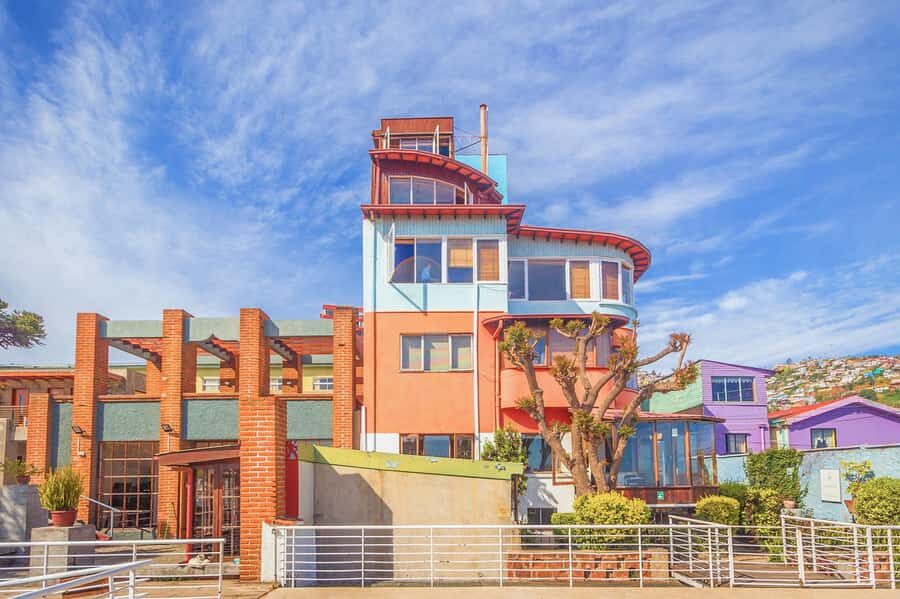
In Bellavista, you get a guided walk through streets where color and street art are part of the atmosphere. This is also where the tour may include a stop near Pablo Neruda’s La Chascona (listed as optional). If you like literature and art connections, it’s an easy add-on. If you’d rather focus on the street scene and viewpoints, you can skip it and keep moving.
Then you head to Lastarria, which tends to feel more cultural and artsy in its day-to-day rhythm. Here you’ll walk through an area known for classic and contemporary architecture, with guided commentary that ties the neighborhood look to the city’s growth. Street art is a major theme, but it’s not random. It’s part of how locals express identity in a capital that constantly updates itself.
A key value of these two neighborhoods in one tour: you’re not only collecting sights. You’re learning how different parts of Santiago “speak” to the present. If you love photography, this is where you’ll find the most visually varied blocks—murals, doorways, textures, and cafe fronts—without needing to plan separate trips.
Plaza de Armas and La Moneda: where Chile’s power lives (and what you’ll actually see)
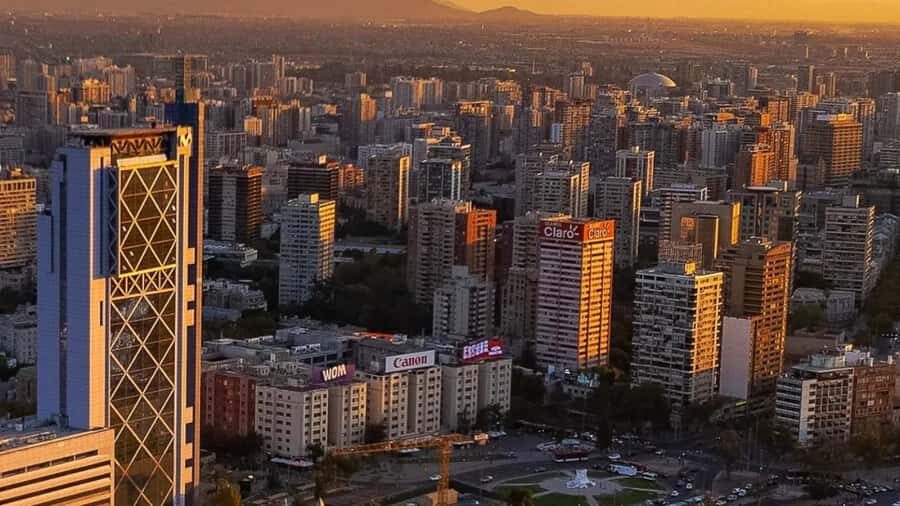
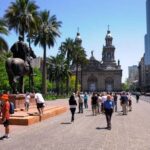
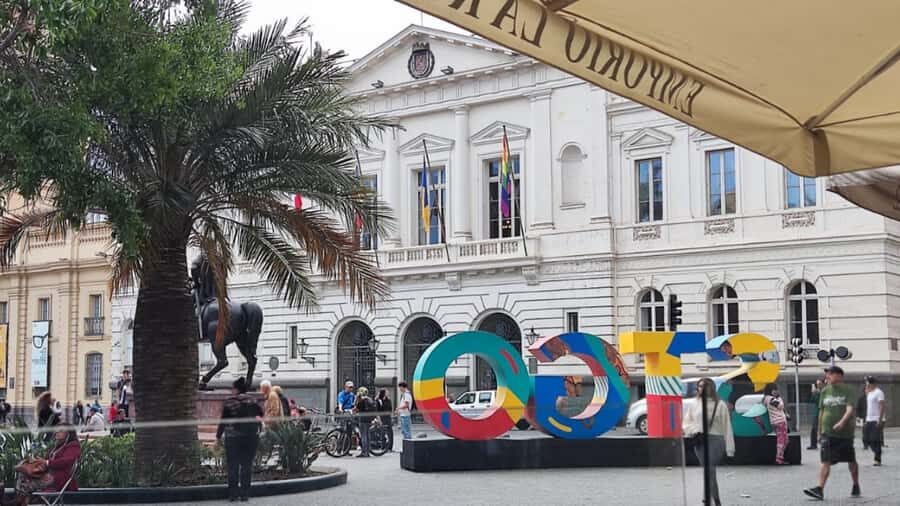
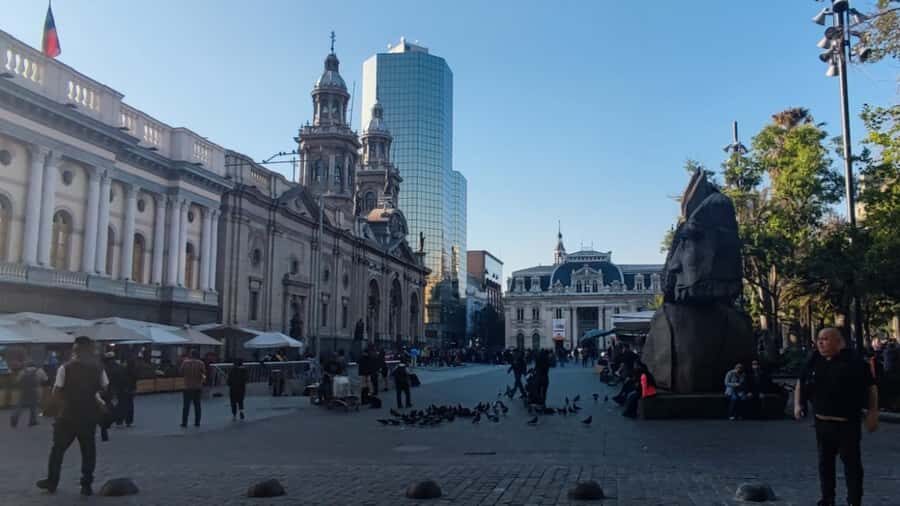
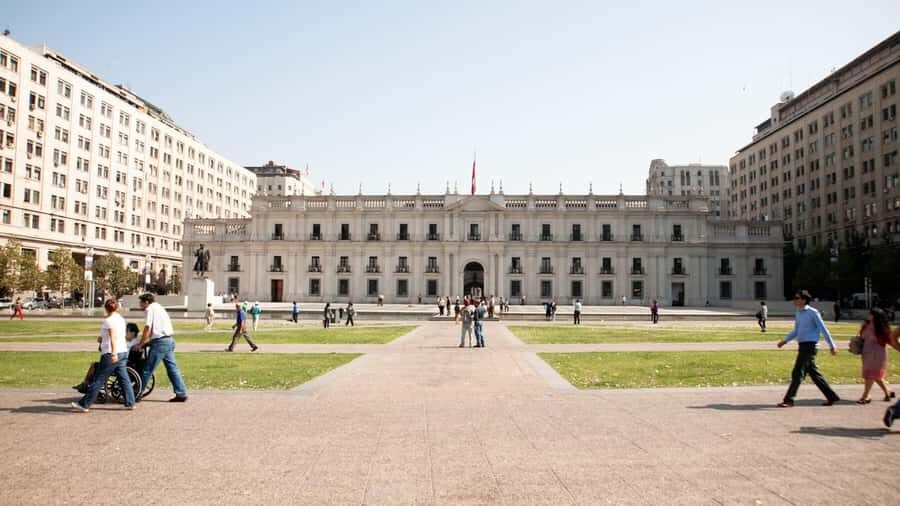
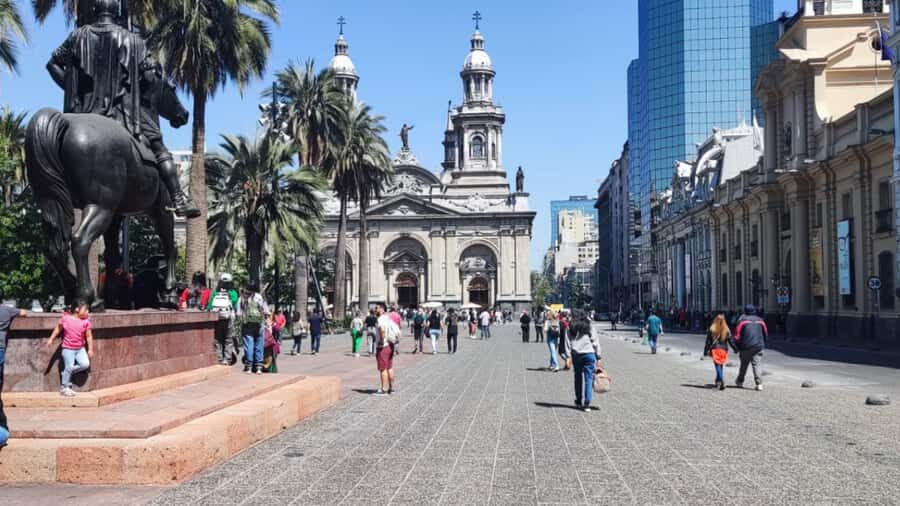
From neighborhoods, the tour shifts to Santiago’s civic heart. You’ll visit Plaza de Armas and then continue to Palacio de La Moneda, Chile’s Presidential Palace.
This part is powerful because it’s not a museum-style setting. It’s a working political space, and your guide will frame what it means in daily national life. The tour notes that La Moneda’s coup history is discussed from the outside—so you’re getting historical context without pretending the palace interior is a guaranteed stop.
If you enjoy the way politics and city design connect, this is the area that helps you understand Chile’s capital beyond postcards. It’s also a good reminder that Santiago isn’t just scenic. It’s an operating center where history plays out in real time.
Next is the Metropolitan Cathedral, described as a striking example of neoclassical architecture. This stop is worth it if you like scale and detail—church architecture tends to give you clues about a city’s values and influences. Even if you’re not religious, the building’s presence changes the way you read the plaza and the surrounding streets.
One thing to consider: the tour guide may have to adjust if certain landmarks are closed, since some sites might be closed on Mondays. If your trip lands on a Monday, it’s smart to keep your expectations flexible and ask your guide what’s possible that day.
The market hour: empanadas, mote con huesillos, and a local-food finish
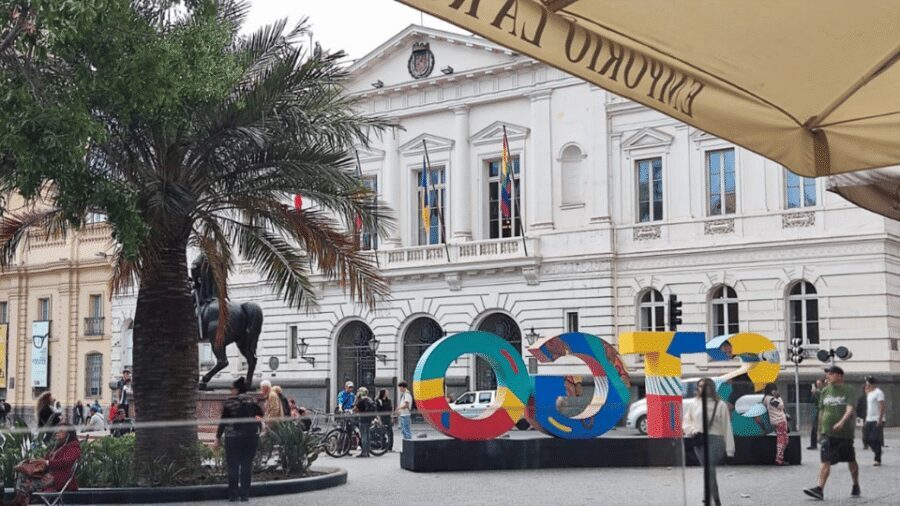
After the major landmarks, you end with food-focused time. This is where the tour stops being about views and starts being about daily life.
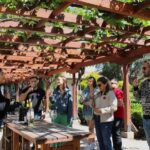
You’ll have a visit to local markets and the chance to try Chilean classics, including:
- Empanadas
- Mote con huesillos (a traditional drink/dessert-style pairing)
You might also see completos (Chile’s hot dog style) included in the menu suggestions. Food isn’t included in the tour price, so think of this as a “spend time eating” segment where you choose what you want rather than a set meal.
This is also where a private guide can make a difference. In one real-world scenario, a reservation mix-up got corrected, and the day still stayed positive and ticketed for San Cristobal—then the guide took the group to a local restaurant to try authentic empanadas. That’s the kind of practical, human problem-solving you want on a city day, because it means you’re not left scrambling.
Tip for you: if you have dietary needs, ask before you sit down. The tour doesn’t claim to include meals, so it’s on you to communicate preferences early.
How the pacing feels in 4 hours (and where you’ll spend your energy)
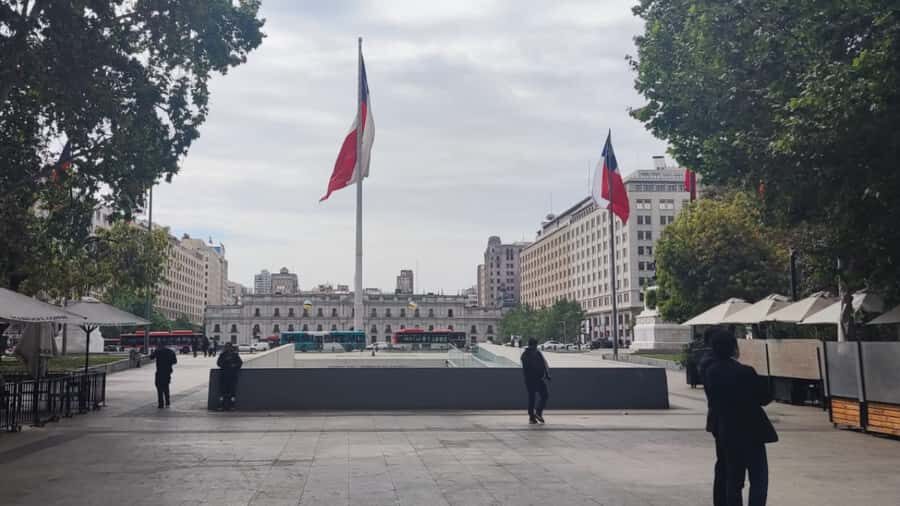
A four-hour private city tour sounds compact, and it is—but the structure makes it manageable. You’ll be in a van for transfers, then you’ll get guided walking time in multiple neighborhoods and around plazas.
Based on the flow of the day:
- You start with an up-and-over viewpoint on San Cristobal (cable car, photo stop, and scenic time).
- Then you switch to walkable neighborhoods (Bellavista and Lastarria).
- Finally you handle major civic landmarks in central Santiago, plus the cathedral.
- You wrap with a market stop to eat at your own pace.
The walking is not described as a full hike, but it is real. Wear comfortable shoes. If you’re someone who hates stairs or uneven sidewalks, say so at pickup—your guide may adjust the route slightly to keep the day comfortable.
Also, the tour is customizable according to personal interests. If you’re more “architecture and murals” than “politics,” you can request weighting. If you care about history storytelling more than facts and locations, ask for that tone change. Private format means the guide can respond.
You can also read our reviews of more private tours in Santiago Chile




Price and value: what $333 per private group buys you
The price is listed as $333 per group (the details shown also say up to 1 for the group size). Either way, the key is what’s included versus what you’re left to pay.
Included:
- Hotel pickup and drop-off in several Santiago zones (Santiago Centro, Providencia, Las Condes, Vitacura)
- Private transportation
- Guiding services
- Entry tickets to San Cristobal Hill
Not included:
- Food and drinks
- Souvenirs
So you’re paying for convenience and structure more than for a long list of attractions with separate admission fees. You’re also paying for a guide who can explain what you’re seeing—whether you want quick facts or more human context.
Is it “worth it”? For me, it usually comes down to two questions:
- Do you want a guide to connect the dots between street art, neighborhoods, and civic power?
- Do you value not dealing with transit, finding meeting points, and figuring out cable car timing on your own?
If your answer is yes to both, the price starts to feel reasonable, especially with private pickup and admissions handled.
Languages, guide style, and how to get the kind of history you want
The tour runs with a live guide in English, Spanish, Portuguese, French, or German. That’s a big practical point: you won’t lose context if your language comfort is tight.
About the guide approach: there’s room for you to shape it. One experience notes a guide who provided lots of facts but didn’t feel as story-engaging as other guides. That doesn’t mean the tour is dry—it just means you should be proactive. When you meet your guide, say what you want to hear more of:
- real people and how neighborhoods changed
- cause-and-effect history around La Moneda and the capital
- meanings behind street art (instead of only naming locations)
On the positive side, there are also real examples of guides being professional and warm, treating the group like family, and handling hiccups smoothly. If you want friendly clarity and a personal tone, this tour can deliver.
One more practical note: it’s recommended to provide a WhatsApp number, and you should wait in the hotel lobby 10 minutes before pickup.
Who this private Santiago tour is best for—and who should choose differently
This experience is a strong fit if you want:
- a high-ROI overview of Santiago in one morning/afternoon block
- Andes viewpoints plus central landmarks, not just one theme
- a guided walk through neighborhoods where street art is part of the story
- hotel pickup and a simple, low-stress plan
It may not be the best fit if:
- you want a super narrative, story-heavy history tour where every stop is built like a film
- you want a food tour that includes a full set menu (here, food is on you)
- you strongly prefer avoiding walking segments
If you’re traveling with mixed interests—someone who loves views, someone who cares about politics, and someone who wants local food—this format is made for that.
Should you book this Santiago Highlights Private City Tour?
Book it if you want an organized, private 4-hour overview that covers the Andes skyline, street-art neighborhoods, and central landmarks in a way that feels practical. The San Cristobal Hill start is a smart choice because it gives you immediate orientation. The guided neighborhood time in Bellavista and Lastarria is where you’ll get the feel of Santiago as a lived-in capital, not just a sightseeing list.
I’d only hesitate if you know you prefer a very story-driven guide style and you don’t want to ask questions. In that case, still book—but message your priorities before you start (or ask your guide early) so the tour matches your pace of interest.
If you go, plan for comfort: sunscreen, comfy shoes, and a little spending money for empanadas and other Chilean favorites at the market.
FAQ
How long is the Santiago highlights private city tour?
It lasts 4 hours.
What areas in Santiago do you pick up from?
Pickup is included from hotels around Santiago Centro, Providencia, Las Condes, and Vitacura. Pickup near the airport or cruise terminals can cost extra.
Is this tour private?
Yes, it’s a private group with private transportation.
What’s included in the price?
Included: hotel pickup and drop-off, private transportation, guiding services, and entry tickets to San Cristobal Hill. Food and drinks are not included.
Where do you go during the tour?
You’ll visit San Cristobal Hill (with cable car/funicular time), Barrio Bellavista, Plaza de Armas, Palacio de La Moneda (from outside), the Metropolitan Cathedral, and Barrio Lastarria, plus a local market area for food options.
Do I need to be able to walk?
Yes. Part of the tour is done on foot, especially in the neighborhoods and around central landmarks.
What languages are available for the guide?
Guides are available in English, Spanish, Portuguese, French, and German.
What should I bring?
Bring sunscreen and comfortable clothes.