REVIEW · CHILE
Stargazing Hiking Valle de Elqui
Book on Viator →Operated by Collasuyo Astronómico SPA · Bookable on Viator
A clear night makes the mountains come alive. This 4.5-hour stargazing hiking experience in Chile mixes a sunset viewpoint, guided astronomy, and a cultural lens—starting with safety guidance at Casa Pumagui, then shifting into meditation and sound-therapy bowls before you look through astronomical binoculars. The tone is calm, respectful, and outdoorsy, with a guide who leans hard into the cultural meaning of what you’re seeing.
Two things I really like: you get hands-on observing with Celestron 20×80 binoculars on a tripod, and you’re not just chasing stars—you’re also guided through an indigenous worldview that connects ancestral culture with astronomy. The included extras also help you settle in: portable chair, herbal tea/coffee, snacks, and trekking poles for the hiking portion.
One thing to plan for: the whole experience depends on good weather, and it’s timed late at night (often starting around 7:00–8:00 PM depending on the month). Add in the fact that it’s not for kids under 14, and you’ll want to be ready for a quieter, more adult pace.
In This Review
- Key Highlights You’ll Notice Right Away
- Sunset + Safety at Casa Pumagui: How the Evening Sets Its Pace
- Hiking Rhythm and Gear: Trekking Poles and a Comfortable Viewing Setup
- Sound Therapy Bowls and Meditation: Why They Start So Calmy
- Indigenous Worldview Meets Astronomy: The Cultural Side of Looking Up
- Andean Constellations Through Celestron 20×80: Getting Real Close to the Sky
- Astrophotography as a Memory: What the Included Photo Session Helps You Do
- Timing and Transfers: How the Evening Travel Actually Works
- Price and Value: Why $100 Can Make Sense Here
- Who This Fits Best (and Who Might Want Another Option)
- Should You Book This Stargazing Hike in Valle de Elqui?
- FAQ
- Where does the tour start and where does it end?
- What time does the experience run?
- How long is the tour?
- Is this tour suitable for children?
- What should I wear and how fit do I need to be?
- What’s included in the experience?
- Does the tour depend on weather?
Key Highlights You’ll Notice Right Away
- Safety start at Casa Pumagui: you begin with clear recommendations before moving on.
- Sunset viewpoint first: you watch the mountains change colors before the sky show begins.
- Meditation + sound-therapy bowls: a slower, focused mental reset before looking up.
- Indigenous worldview framing: the sky is explained through cultural connections, not just science facts.
- Andean constellations with binoculars: guided viewing using Celestron 20×80 gear.
- Astronomical photography included: you’ll capture the moment, not just admire it.
Sunset + Safety at Casa Pumagui: How the Evening Sets Its Pace
You start in the evening and the whole event is built to run smoothly once everyone arrives on time. The meeting point area is in the Vicuña / Coquimbo region (Navarino, Peralillo, Vicuña, Coquimbo, Chile), and the experience ends back at the meeting point. The timing shifts by month—so it’s worth double-checking your exact departure window when you book.
The first real step is the safety run-down at Casa Pumagui. That matters more than it sounds. You’re about to hike in the dark, then switch to a long period of standing and looking through equipment. Getting trekking poles and safe movement habits in place early keeps the pace relaxed instead of rushed.
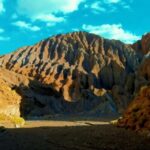
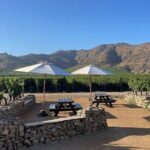
After that, you head to a majestic viewpoint for sunset. Even if you’re coming for astronomy, don’t skip this part in your head. It’s your warm-up: you get big mountain colors, you learn where you’ll be looking later, and your body wakes up from travel mode. Then—when sunset fades—you’re already settled into the rhythm of waiting for the next sky moment.
You can also read our reviews of more tours and experiences in Chile.
Hiking Rhythm and Gear: Trekking Poles and a Comfortable Viewing Setup
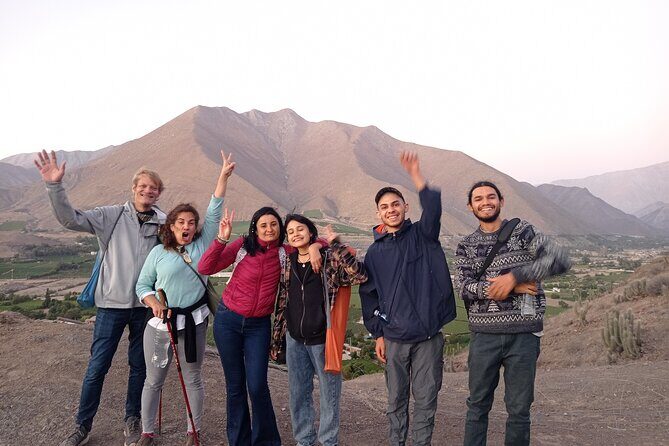
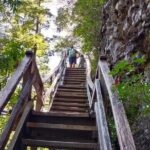
This tour is active, but it’s not described as extreme. You should have moderate physical fitness, and you must wear hiking shoes. They also provide trekking poles, which is a big deal on uneven ground, especially when it’s close to nightfall.
You’ll also get a portable chair. That tells you something important about the design: the stargazing portion isn’t meant to be a quick peek. It’s meant to be slow enough for you to focus, relax, and actually see what the guide is pointing out. Sitting reduces the shaking that comes from standing still for a long time—and it helps you stay patient.
Because it’s a private experience, it’s also easier for the guide to manage the pace for your group. Only your group participates, so you’re not competing with a crowd to ask a question or reposition. That makes a difference when the sky portion is the point of the night.
One practical note: punctuality is required. You’re expected to arrive 15 minutes before departure, and delays more than 10 minutes can mean exclusion. If you’re coming from Vicuña and you know dark roads can slow things down, build in extra time.
Sound Therapy Bowls and Meditation: Why They Start So Calmy
Before you scan the sky, you get guided meditation and sound-therapy bowls. This isn’t filler. It’s a setup for attention. Stargazing is easier when you’re calm, when you’re not craning your neck like you’re on a coaster, and when you’re ready to notice patterns instead of just chasing bright points.
The bowls and meditation also help you shift from “day brain” to “night brain.” You’ll likely find it easier to settle in and keep your eyes on the guide’s cues—especially once you’re using binoculars and standing around in the dark.
And then there’s the cultural layer: the experience moves from inner quiet to an explanation of the indigenous worldview. That blend—reflection first, then meaning—creates a more grounded astronomy moment. You’re not just learning what something is. You’re also learning how people have connected to the sky through culture over time.
Indigenous Worldview Meets Astronomy: The Cultural Side of Looking Up
One of the strongest themes here is how the guide links astronomy to indigenous worldview. The experience is described as exploring the ancestral links between cultures and fascinating astronomy. That means your sky lesson isn’t purely technical.
For me, that’s where the experience feels more valuable than a standard stargazing outing. Seeing constellations through a telescope or binoculars is fun, but it can also become a checklist. Here, the guide encourages you to see the sky as part of a larger human story—one carried by cultural traditions.
It also changes your role as the viewer. Instead of just saying, Oh look, a constellation, you’re invited to pay attention to the why behind the names, patterns, and stories. Even if you’re not familiar with Andean traditions, the pacing is designed to bring you along.
Andean Constellations Through Celestron 20×80: Getting Real Close to the Sky
When you’re ready, you’ll be guided to look at Andean constellations. The key tool is an astronomical binocular: a Celestron 20×80 set on a tripod. That tripod is not just a convenience—it makes focusing easier and reduces the wrist strain that can ruin your night.
The guide will direct where to look, so you’re not left alone with a sky full of random dots. That matters because the sky can feel confusing if you’re new to constellations. With binoculars, the difference between finding your target and missing it is often tiny—one wrong angle and you’re chasing.
Also, the binocular format helps you notice structure better than a quick eye-scan. You’ll likely appreciate the slow, step-by-step guidance more than fast-moving explanations. This part is built for attention and patience.
Astrophotography as a Memory: What the Included Photo Session Helps You Do
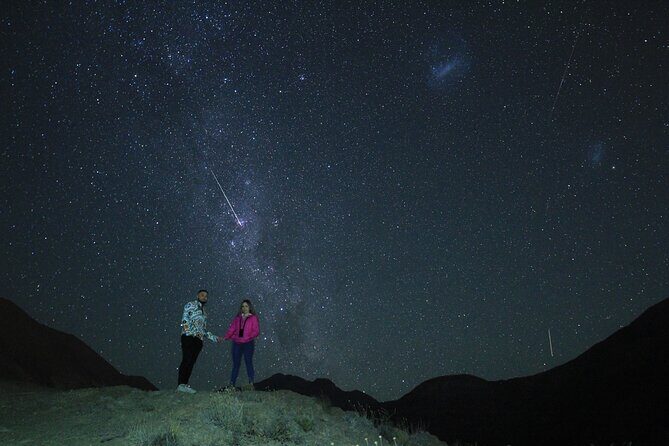
You get astronomical photography included. That means you’re not just handed gear and told good luck. The idea is to turn the sky you’re learning about into an actual memory you can keep.
I love this approach because it solves a common problem: many stargazing experiences are unforgettable in the moment, then vanish because no one captured them. Here, the tour plans for photography as part of the event, and it’s paired with the longer observing time.
You can expect photography to connect to what you’re already seeing through the binoculars—using the sky lesson as your subject. The exact method isn’t listed, so if photography style matters to you, I’d ask what they’ll cover during the session when you book. But the fact it’s explicitly included is a strong sign you’ll receive at least some guidance.
Between the portable chair, the tripod setup, and the time to observe, photography fits naturally into the rhythm of the night. You’re not trying to sprint from one spot to another; you’re letting the sky work.
Timing and Transfers: How the Evening Travel Actually Works
This is a private tour/activity, and it includes private transportation transfer from Vicuña to Villaseca (place of activity). It does not include air-conditioned vehicle transfers from places not mentioned in the listed transfer item.
So your planning should be simple: base yourself in or near Vicuña, or make sure you know how you’ll get to the meeting area on time. The tour starts late. In January it runs roughly 8:00 PM–9:00 PM, in February 7:30 PM–9:00 PM, and in March 7:00 PM–9:00 PM (Monday–Saturday for March). That shifting start time is exactly what you want for stargazing seasonally, but it also means you should avoid vague plans the day of.
The experience runs about 4 hours 30 minutes. With an evening start, that’s enough time to hike, watch sunset, slow down for bowls/meditation, observe constellations, and still fit in photography and snacks.
They provide coffee and/or herbal tea and snacks. That’s smart for a late-night plan. You don’t want to be running on empty just as you’re trying to focus on fine details in the sky.
Price and Value: Why $100 Can Make Sense Here
At $100 per person, you’re paying for more than a guide and a viewpoint. You’re also getting:
- trekking poles
- a portable chair
- astronomical binoculars (Celestron 20×80 on tripod)
- astronomical photography
- coffee/tea and snacks
- private transportation transfer from Vicuña to Villaseca
- a private group setting
When you add up the gear and the structured experience time, the price starts to look reasonable. The value isn’t only that you’ll see stars—it’s that you’ll be set up to actually use specialized observing equipment and take photos, while also getting a cultural framework and a calm pre-stargazing routine.
This tour also has a strong track record based on the rating summary you’ll see: 5/5, with 46 reviews, and 100% recommended. The reviews also highlight the guide’s passion and focus on cultural content with respect, which aligns with the way the program is described (safety first, then sunset, then cultural worldview and astronomy).
One small consideration: it’s not an all-inclusive transport plan from every town. The listed transfer is from Vicuña to Villaseca. If you’re staying outside that area, you’ll need to handle additional transport, which can affect your real total cost.
Who This Fits Best (and Who Might Want Another Option)
This experience is designed for travelers 14+, and participation is prohibited for anyone under the influence of alcohol. It also says it’s not suitable for children under 14, so this is more of an adult-leaning nature and astronomy night.
It fits you best if:
- you like walking outdoors in the evening
- you care about astronomy, not just a quick photo
- you enjoy cultural context and respect-focused storytelling
- you want help using serious observing tools, not just wandering at your own pace
- you prefer a calmer group setting (private group only)
You might reconsider if:
- you’re not comfortable hiking with moderate fitness expectations
- late start times are a dealbreaker
- you need fully air-conditioned comfort (the tour doesn’t include extra transfers beyond the listed one, and the vehicle is not included as air-conditioned)
- you’re traveling with very young kids
Should You Book This Stargazing Hike in Valle de Elqui?
If you want a stargazing night that feels organized, culturally grounded, and built around real observing tools, I think this is a smart choice. The combination of sunset viewpoint, meditation + sound-therapy bowls, and guided Andean constellations with Celestron 20×80 binoculars gives you multiple ways to connect with the night—not just one.
Book if you’re willing to be punctual, wear proper shoes, and roll with the idea that good weather matters. It’s also likely to be a good fit if you’re the type who likes taking home more than memories—you’ll also leave with astronomical photography included.
One last planning tip: this is an experience people book ahead (on average 16 days in advance). If you’re traveling during peak periods, don’t wait until the last minute.
FAQ
Where does the tour start and where does it end?
The activity starts in the Navarino, Peralillo, Vicuña, or Coquimbo area (Chile), and it ends back at the meeting point.
What time does the experience run?
It runs in the evening, with times changing by month: January 8:00 PM–9:00 PM, February 7:30 PM–9:00 PM, and March 7:00 PM–9:00 PM (Monday–Saturday in March).
How long is the tour?
The duration is about 4 hours 30 minutes.
Is this tour suitable for children?
It is designed for travelers age 14 and up, and it is not suitable for children under 14.
What should I wear and how fit do I need to be?
You should wear hiking shoes and have a moderate physical fitness level.
What’s included in the experience?
Included items are trekking poles, astronomical photography, a portable chair, astronomical binoculars, coffee and/or herbal tea, snacks, and private transportation transfer from Vicuña to Villaseca.
Does the tour depend on weather?
Yes. It requires good weather. If it’s canceled due to poor weather, you’ll be offered a different date or a full refund.