REVIEW · ORONGO
Easter Island: Full Day Ancestral Caves and Orongo Village
Book on GetYourGuide →Operated by Kapua Tours & Experience · Bookable on GetYourGuide
Birdman ruins and cave art in one day. This private, 6-hour outing is interesting because it links the Orongo ritual world to the ancestral caves and their rock art, with a guide who keeps it clear instead of mysterious. I especially like how the stops are spaced for real viewing time, not a rushed photo sprint. The other thing I like is the way the day connects the ceremonial sites with what you can actually see—petroglyphs, engravings, and the story behind them.
One consideration: this tour is not suitable for wheelchair users, and it’s also not recommended for people over 95 years old. You’ll be moving between sites in a jeep, and a lot of the value here comes from getting out, walking a bit, and listening closely.
In This Review
- Key Highlights You’ll Feel in Real Life
- How This Tour Connects Orongo Rituals to Cave Rock Art
- Rano Kau Stop: A Guided Start With a Volcano View
- Orongo: The Tangata Manu (Birdman) Competition Setting
- Ahu Vinapu: Photo Time for Serious Stone Detail
- Ahu Akivi: The Platform Linked to the First Seven Explorers
- Puna Pau: Another Key Stop With Guided Viewing Time
- Ana Te Pahu Caves: Petroglyphs and Engravings You Can Actually Read
- Private Route Timing: Why 6 Hours Works Better Than a Half-Day
- Price and Value: What $219 Per Person Covers
- Who Should Book This Caves and Orongo Day
- Should You Book This Tour?
- FAQ
- FAQ
- How long is the tour?
- Where does the pickup happen?
- Is this a private tour or a group tour?
- What languages is the live guide available in?
- Is hotel transportation included?
- Do I need to buy the park ticket in advance?
- Is park entrance included in the price?
- What sites will you visit during the day?
- Is alcohol allowed during the tour?
- Who is the tour not suitable for?
Key Highlights You’ll Feel in Real Life
- Orongo and Tangata Manu (Birdman) context you can understand without a museum degree
- Ancestral caves with petroglyphs and engravings you’ll see up close, not just from afar
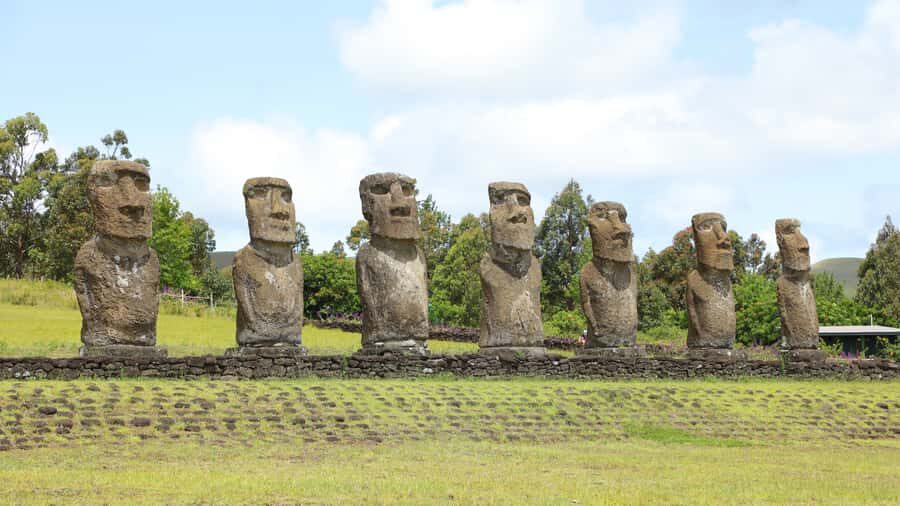
- Ahu Akivi and the first seven explorers represented by its platform and standing figures
- A professionally guided route led by a certified guide (Mauhenua and Sernatur)
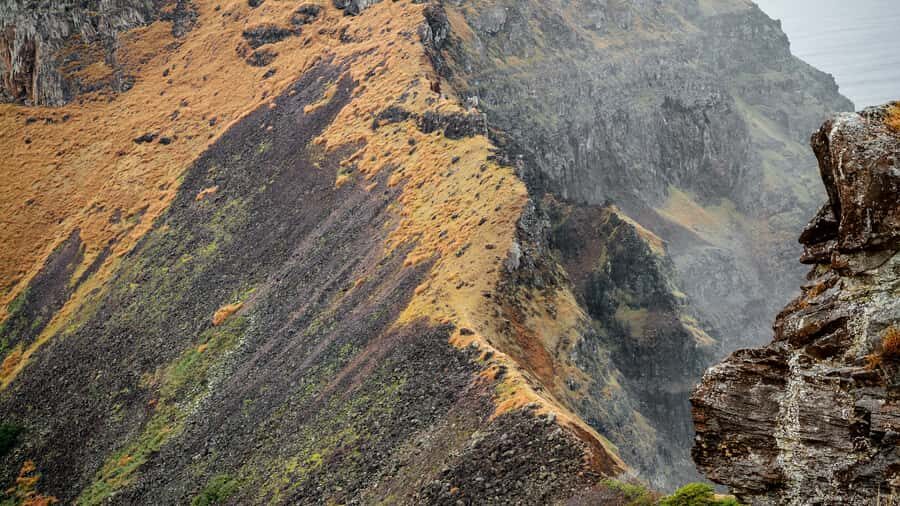
- Great volcano views at Rano Kau paired with a calm, guided pace
How This Tour Connects Orongo Rituals to Cave Rock Art
This is the kind of Easter Island day that makes the island feel less like a checklist and more like a story you can follow. You start with iconic ceremonial stops, then you move into the cave experience where people left marks—carvings and engravings that make the past feel physical.
The heart of it is the contrast. Orongo is about ritual competition and sacred gathering. The caves are about daily human presence—places where people lived and marked the walls. And between those two, you get several Ahu stops that help you read the stone like a language.
If you like history, you’ll have an easy time keeping up because the guide’s job is not just facts. Their job is interpretation: what the sites likely meant to the Rapa Nui world and how to look at what’s in front of you.
The tour also uses a private-group setup. That matters more than you’d think on Rapa Nui. You can ask questions, pause for a better angle, and spend time on the details that actually interest you.
You can also read our reviews of more tours and experiences in Orongo.
Rano Kau Stop: A Guided Start With a Volcano View
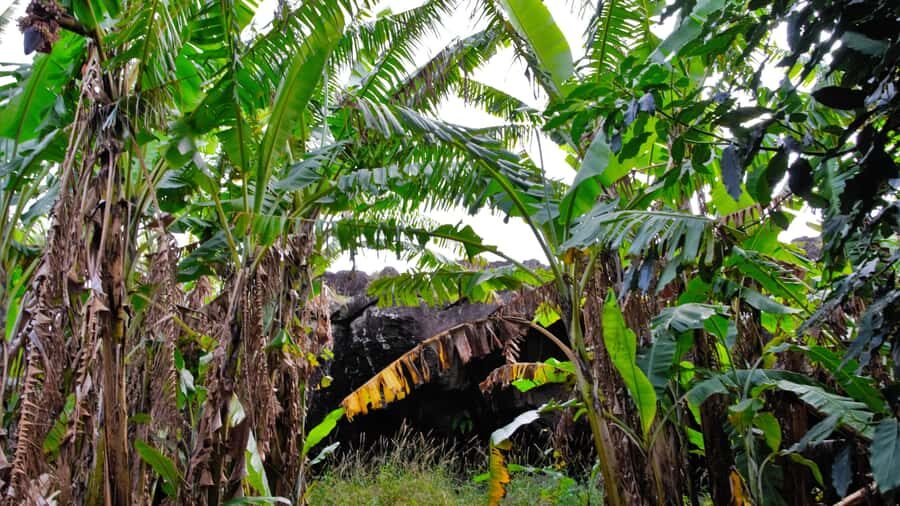
You begin in Hanga Roa with hotel pickup. Then you head out by jeep for a short ride, arriving at Rano Kau for a guided visit. This is one of your early chances to get your bearings: the day’s themes are about sacred sites and ancient landscapes of meaning, and Rano Kau helps set the tone.
You also get time to actually see the area, not just glance. The guide’s commentary here matters because it frames what you’re about to visit next—especially Orongo, where ritual competition played a big role.
A practical tip: if you’re the type who wants to take a lot of photos, I’d treat Rano Kau as your warm-up. It’s a good place to set up your camera and then carry that rhythm forward for the more stone-focused stops later.
Orongo: The Tangata Manu (Birdman) Competition Setting
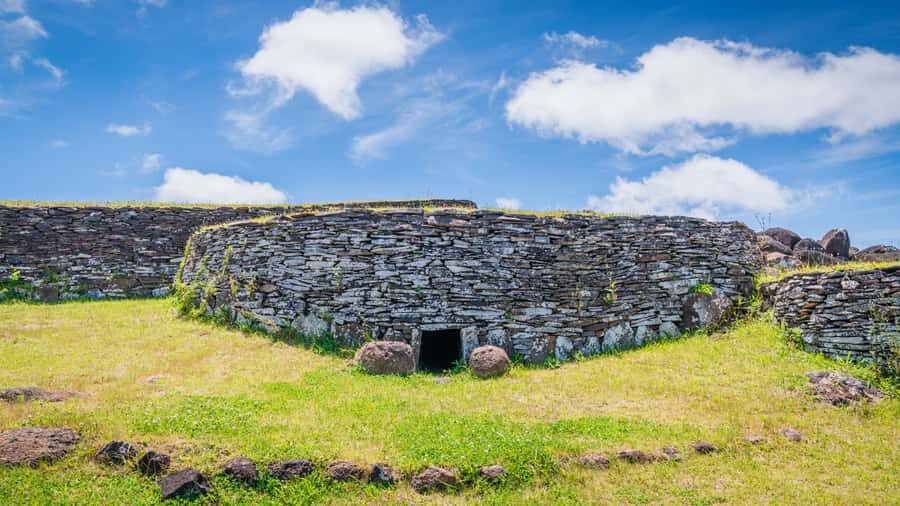
Next comes Orongo, and this is a big deal day-theme wise. Orongo is tied to the Birdman (Tangata Manu) competition, and the tour gives you the kind of guided context that makes it easier to visualize what happened there.
You’ll have a photo stop plus about an hour with a guide. That hour is your time to slow down and look at the space as a stage. Even if you’ve read about Birdman competition before, guided explanation helps you connect the geography and stone features to the idea of ritual contest and sacred gathering.
This is also one of the best times to ask the guide questions, because Orongo sits at the center of the day’s storyline. You can connect what you learn here to what you’ll see later in the caves—how belief systems and daily life overlapped.
From the past experience feedback on this tour style, the guide approach is what made Orongo land well. People liked the professionalism and the new info offered at each stop, and Orongo is usually where that approach pays off first.
Ahu Vinapu: Photo Time for Serious Stone Detail
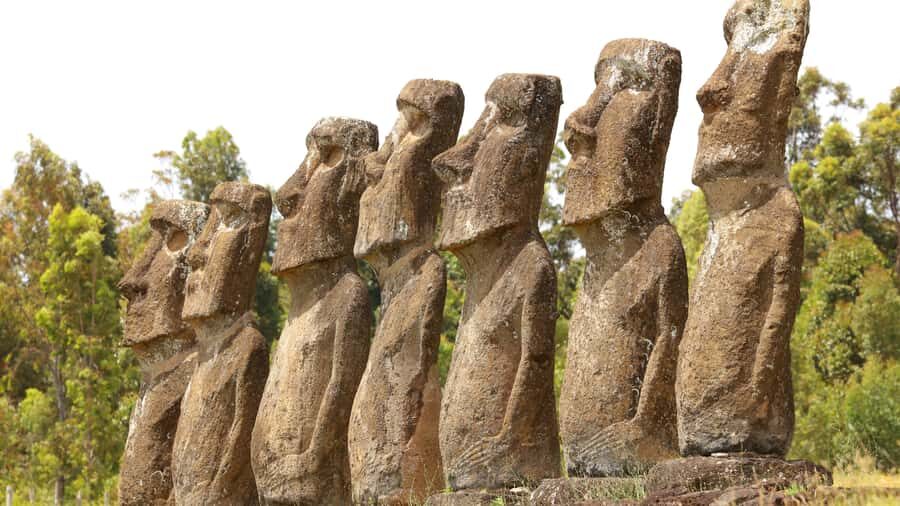
After Orongo, you continue to Ahu Vinapu. You get photo time plus guided attention (about 30 minutes here).
This is the kind of stop where the value is in the explanation. Ahu sites can look similar at a distance, but with a guide you can learn what to look for: how the platform is arranged, what patterns might mean, and how these monuments fit into the island’s older ceremonial world.
I like using these stops as “reset points” mentally. You’ve just spent time on Orongo’s ritual setting. Then Ahu Vinapu brings you back to stone, structure, and the physical footprint of belief. You walk away feeling like you understood the island’s public architecture, not just its scenery.
If you’re prone to rushing through ruins, this is where you’ll benefit most from staying engaged with the guide. Slow down. Look at edges and alignments. Let the guide point out the details that a quick glance misses.
Ahu Akivi: The Platform Linked to the First Seven Explorers
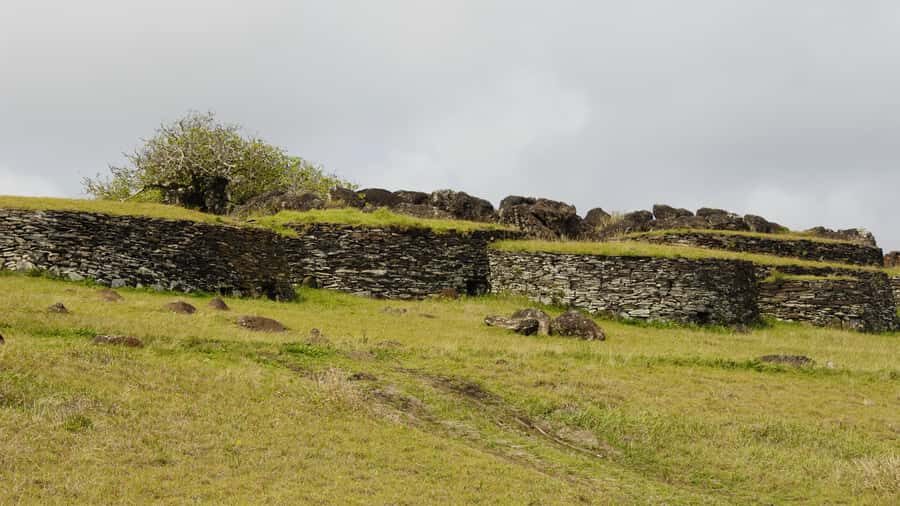
Then you arrive at Ahu Akivi, another major ceremonial site with both photo time and guided context (about 30 minutes).
Here’s a specific highlight worth keeping in mind: the Ahu platform represents the first seven explorers. That framing changes how you view what’s present. Instead of only seeing moai-related imagery, you’re seeing a story of early arrival, exploration, and memory—made visible in stone.
When a guide connects a site to a specific idea like this, it helps your brain store the experience. You remember the stop because you know what it’s meant to represent, not just because you took a picture.
Practical note: Ahu Akivi is one of those places where the lighting can matter. If you want your best photos, I’d take one set quickly during photo time, then use the guided portion to focus on understanding. You’ll return to the photos later with better context.
Puna Pau: Another Key Stop With Guided Viewing Time
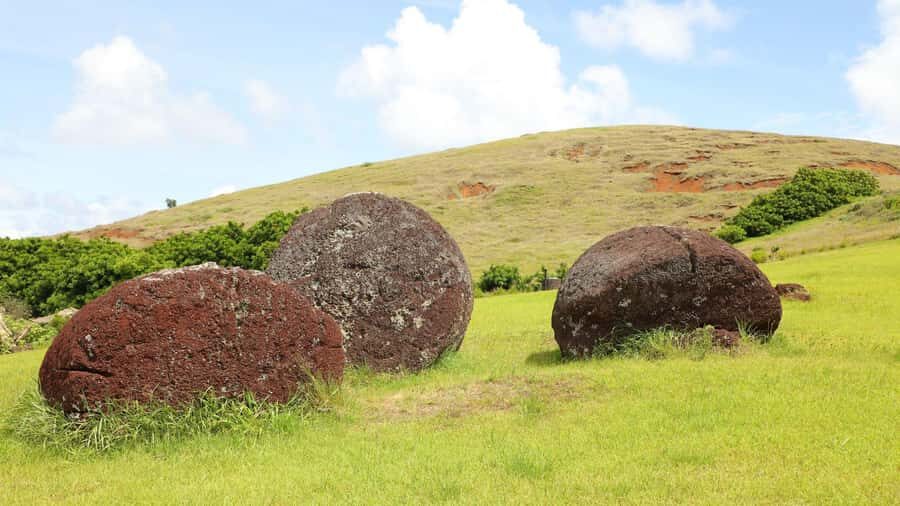
Next is Puna Pau, scheduled as a photo stop plus guided visit time (about 40 minutes). This makes it longer than a typical quick “pass-through,” which is good if you like learning rather than just moving.
The guided portion is where you benefit most. You’re not expected to guess what you’re looking at. Instead, the guide helps connect Puna Pau to the wider ceremonial and cultural themes of the day.
I also like the longer timing here because it gives you breathing room. You’ve already visited Orongo and at least two Ahu sites. A longer stop means you can absorb the ideas, take photos without panic, and ask questions without feeling rushed.
If you’re traveling with people who prefer photos over explanations (or the reverse), the structure helps. The guide can keep one group engaged while still giving enough photo time for everyone to get what they want.
Ana Te Pahu Caves: Petroglyphs and Engravings You Can Actually Read
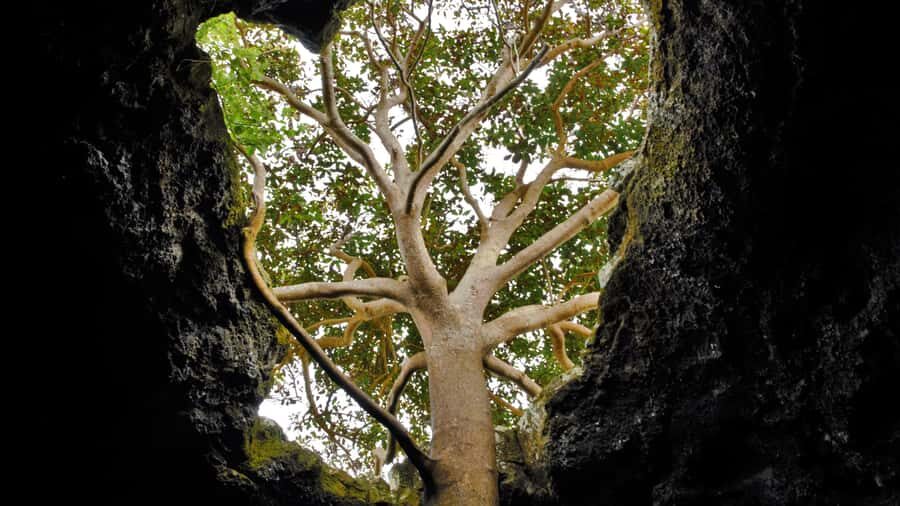
This is the main event if you came for caves. The tour ends with Ana Te Pahu, a guided visit of about 1 hour.
Ana Te Pahu is where the experience becomes tactile and personal. You’ll explore ancestral caves known for their rock art. The tour description focuses on petroglyphs and engravings from the ancient inhabitants of the island, and this part of the day is built around seeing them firsthand and understanding what you’re looking at.
This is also one of the most powerful shifts in tone. In open-air ceremonial sites, you read space and monuments. In caves, you read markings and atmosphere—why people chose these places and what they wanted to leave behind.
A practical mindset helps here: go in expecting detail work. Don’t just look for the biggest carving. Let the guide direct your attention to the lines, marks, and patterns. That’s how the carvings become more than decoration.
And yes, there are views and scenery involved as you move through the day and into cave areas. But here the value isn’t the scenery alone. It’s the combination of natural setting plus human messaging carved into stone.
If you want your best experience, slow your pace at Ana Te Pahu and keep your focus on the guide’s explanation. This is where you come away feeling you truly understood something.
Private Route Timing: Why 6 Hours Works Better Than a Half-Day
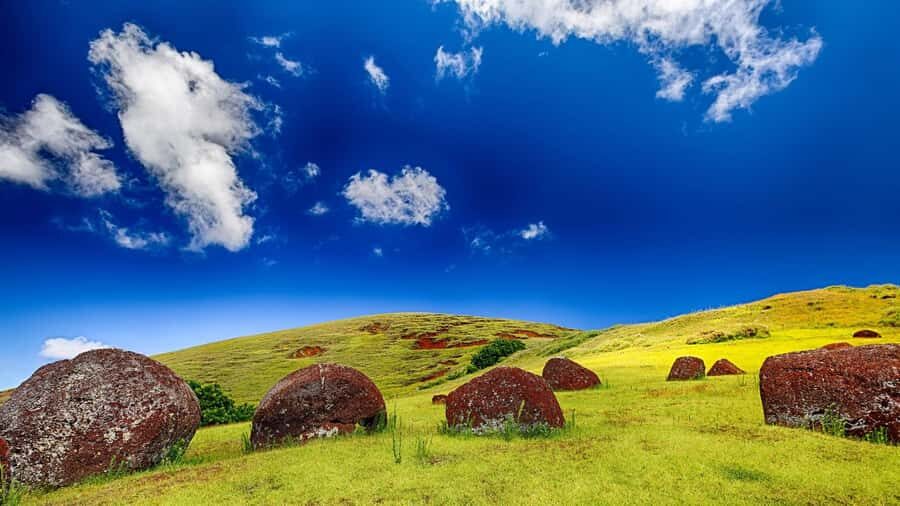
This tour runs about 6 hours in total, with multiple short jeep rides between stops. That timing hits a sweet spot on Easter Island.
A half-day often leaves you with “I saw the place” photos and not much else. A full day like this gives you enough time at key points—especially Orongo, the Ahu stops, and the cave session—to make the information stick.
The private-group setup also affects how the day feels. You’re not pushed into a one-size-fits-all schedule with constant shuffling. You can ask questions and linger at the moments that matter to you.
Also, the tour includes transportation from your pickup area in Hanga Roa and returns you there. That sounds basic, but it removes one of the biggest stress points on Rapa Nui: coordinating wheels, timing, and logistics in a remote place where distances are real.
Price and Value: What $219 Per Person Covers
At $219 per person for about 6 hours, the price isn’t cheap. But it’s not random either.
Here’s what’s included:
- Transportation
- A certified guide by Mauhenua and Sernatur
- Private tour format
That combination is what you’re paying for: expert interpretation plus the convenience of being taken from site to site. The one thing you need to plan for separately is the park ticket—entrance is not included.
In practice, the value is highest if you care about understanding what you’re seeing. If you’re the type who enjoys ruins as scenery only, a guided day may feel like too much structure. But if you want meaning, petroglyphs, and context that ties Orongo to the caves, this price starts to feel reasonable.
The cave portion alone is the kind of experience where a guide changes everything. It turns carvings into comprehension.
Who Should Book This Caves and Orongo Day
This tour is a strong fit if:
- You want guided explanations at every major stop, not just a quick walk-by
- You’re interested in petroglyphs and engravings
- You like tying ceremonial sites to a bigger story of island life
- You prefer a private pace, with time to ask questions
It may not be ideal if:
- You need wheelchair access (it’s not suitable)
- You’re over 95 years old (not suitable per tour info)
- You’re trying to keep the day ultra-low key. This is active, with multiple stops and a fair amount of guided time.
Should You Book This Tour?
I’d book this if your priority is to understand Easter Island from the inside out: ritual sites like Orongo, ceremonial platforms like Ahu Akivi, and the cave world of Ana Te Pahu with petroglyphs and engravings you can actually look at and interpret.
I would hesitate only if you want the day to be mostly free-roaming with minimal guidance, or if you need accessibility accommodations. For everyone else, this is a well-structured day that gives you time where it counts and a guide who can keep the story coherent.
FAQ
FAQ
How long is the tour?
The tour lasts about 6 hours.
Where does the pickup happen?
Pickup is in Hanga Roa.
Is this a private tour or a group tour?
It’s a private group tour.
What languages is the live guide available in?
The tour guide speaks English, French, and Spanish.
Is hotel transportation included?
Yes. Transportation is included.
Do I need to buy the park ticket in advance?
Yes. Before the tour you must buy the Rapa Nui National Ticket.
Is park entrance included in the price?
No, entrance to the park is not included.
What sites will you visit during the day?
You’ll visit Rano Kau, Orongo, Ahu Vinapu, Ahu Akivi, Puna Pau, and Ana Te Pahu.
Is alcohol allowed during the tour?
No. Alcohol is not allowed.
Who is the tour not suitable for?
It’s not suitable for wheelchair users, and it’s not suitable for people over 95 years old.