REVIEW · ANTOFAGASTA
Geysers del Tatio: Sunrise and breakfast in Atacama
Book on GetYourGuide →Operated by Layana Travel · Bookable on GetYourGuide
Cold morning, hot earth, huge views. That is the basic recipe for the El Tatio Geysers at sunrise, and it’s why this outing in northern Chile feels so different from daytime sightseeing: you’re watching steam, sound, and heat rise from the ground right as the Andes wake up. I love how the experience stays structured, with a guided walk that explains what you’re seeing. I also love the included breakfast, because it turns a chilly start into something you can actually enjoy for longer than ten minutes.
You should know one thing up front: you’re exploring at about 4,320 meters above sea level, so the cold and the altitude can hit harder than you expect, especially early in the morning. The good news is the tour is organized for that reality, with warm clothing recommended and time built in for breaks and coffee.
In This Review
- Key things I’d plan around before you go
- Why El Tatio sunrise feels like real science, not just scenery
- Pickup from San Pedro de Atacama: the long drive is part of the magic
- The geyser walk: 1.5 hours of steam, sounds, and controlled chaos
- Machuca views: a desert village framed by geothermal steam
- Putana River flora and fauna: how life survives in harsh air
- Bofedales wetlands: the Atacama’s oxygen in a sea of dry
- Breakfast included: practical comfort at high altitude
- Price and logistics: does CLP 15,000 feel fair?
- What to bring (and who should skip this tour)
- A quick service check: how to avoid an unpleasant surprise
- Should you book Geysers del Tatio Sunrise and Breakfast?
Key things I’d plan around before you go
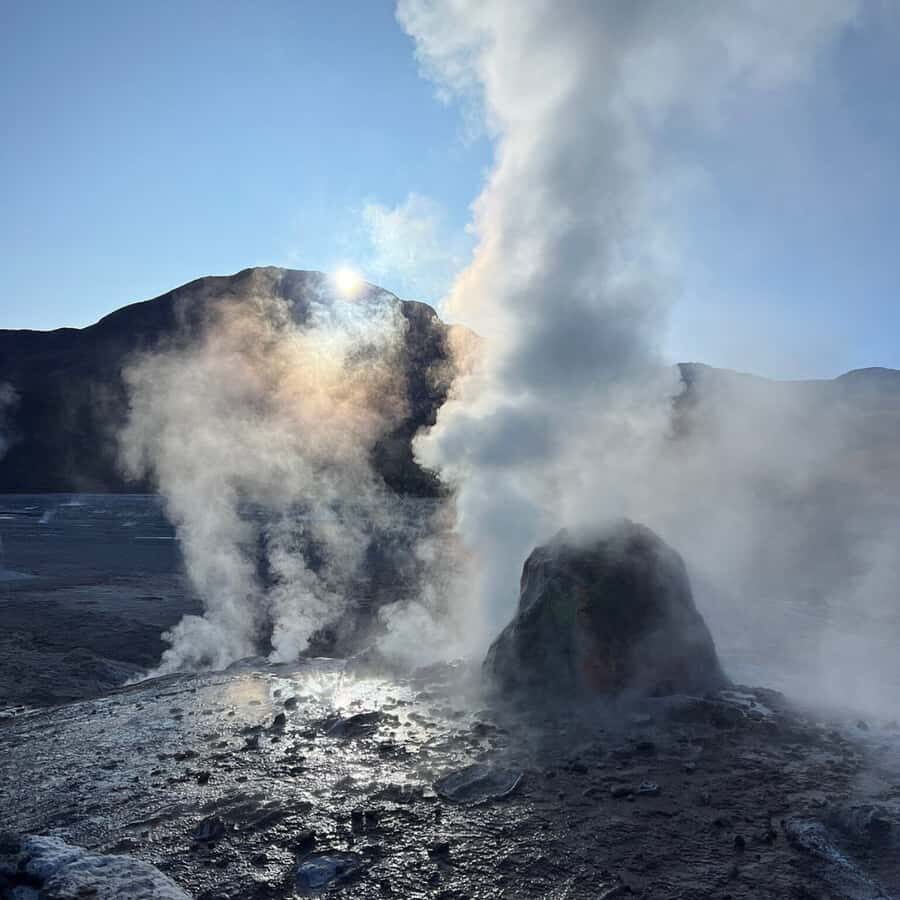
- Sunrise timing matters: you get a guided view while steam is at its most dramatic
- 80+ active geysers in the Southern Hemisphere: more variety than the few vents people picture
- Cold-altitude pacing: a morning walking segment plus a later rest/photo window
- Machuca and Putana River ecosystem stops: you get more than just geysers
- Bofedales wetlands: the Atacama’s wet pockets and biodiversity make sense in person
- Small group size (max 15): easier movement for photos and questions
Why El Tatio sunrise feels like real science, not just scenery
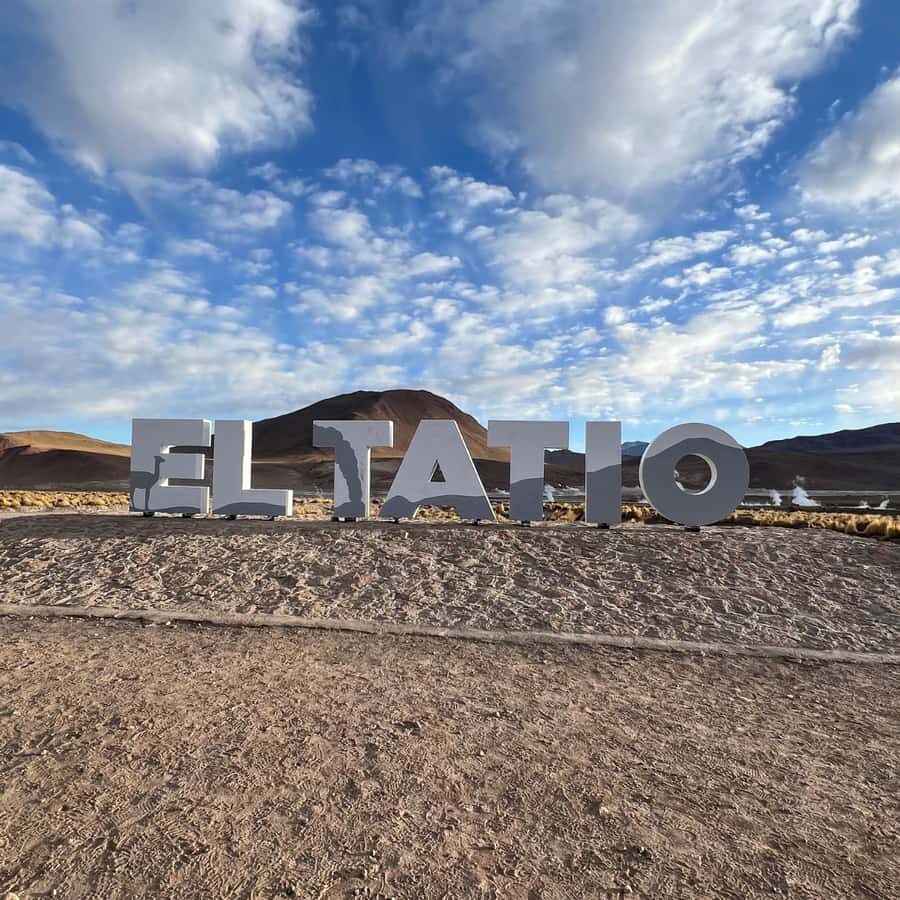
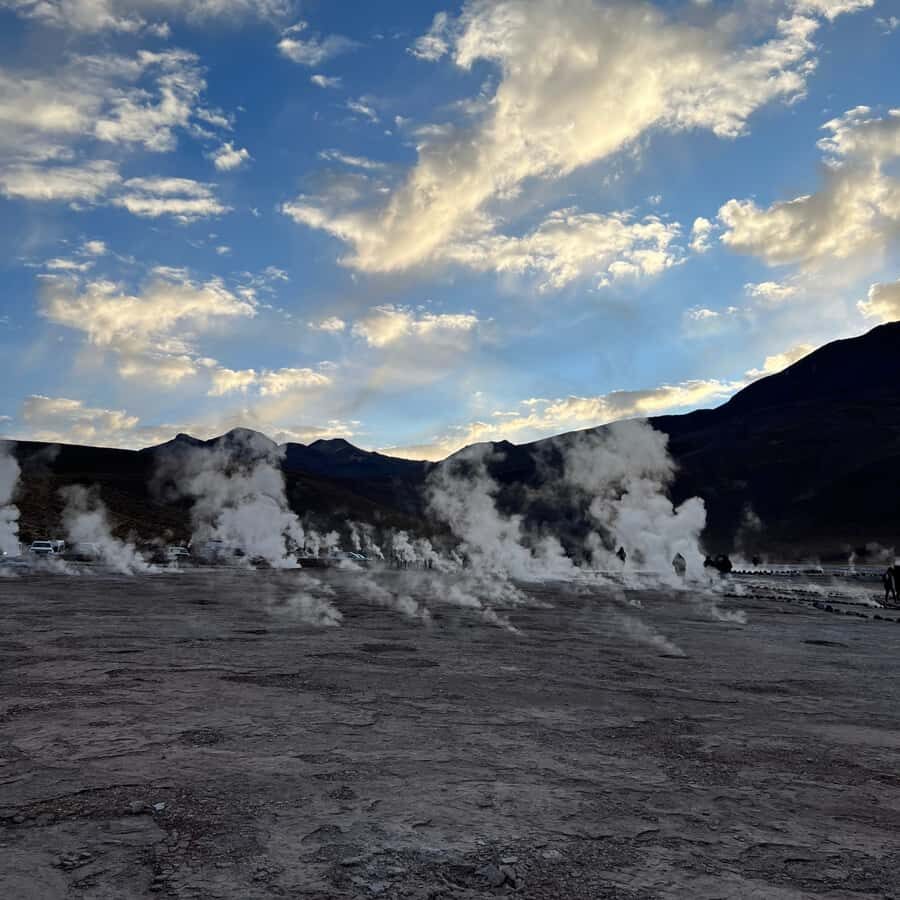
El Tatio is one of those places where the environment does the talking. When you arrive, you’re standing on high ground where the air is thin and cold, yet the geothermal field is pushing up hot water and steam. The tour gives you the context so you’re not just guessing why things look the way they do.
One useful detail: the hot water you’ll encounter can be close to 86°C (185°F). That contrast is the whole show—hot energy rising into cold air, at altitude. It’s also why the guides keep the pace manageable. You’re not just collecting photos; you’re learning how geothermal activity interacts with a desert climate.
And yes, you’ll see plenty of vents, but the most memorable moments tend to be the ones where you understand the pattern—where steam forms, where hot water surfaces, and why the field looks active even when it seems quiet. The guidance matters here, because El Tatio can look chaotic until someone frames it.
You can also read our reviews of more tours and experiences in Antofagasta.
Pickup from San Pedro de Atacama: the long drive is part of the magic
This tour starts in San Pedro de Atacama, with shared van transportation. Plan for about 100 minutes each way, so you’re committing to a full morning and early afternoon flow, roughly 7 hours total.
The shared-van setup is practical in the desert. You’re not paying for an empty private vehicle, and you’re not trying to navigate roads and timing on your own. With a small group capped at 15, you also avoid the most common problem with popular excursions: the group that feels like a moving crowd.
One thing to keep in mind: because it’s a sunrise experience, you’ll likely feel the early wake-up pressure. If you’re the type who hates mornings, this still might be worth it—just don’t plan anything stressful for the night before. You want a clear head for the guides’ explanations and for reading the light over the geothermal field.
The geyser walk: 1.5 hours of steam, sounds, and controlled chaos
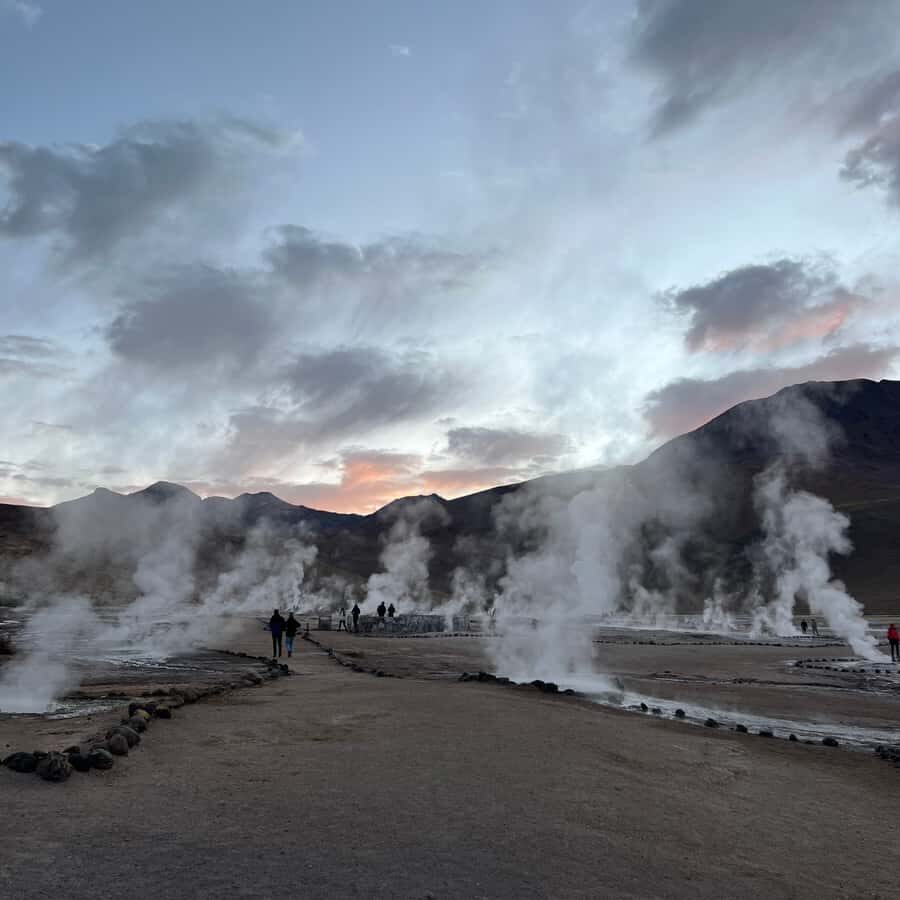
The heart of the day is the El Tatio Geyser guided tour, with time for walking and watching sunrise. The guided portion is about 1.5 hours, and that is a sweet spot. It’s long enough to settle in, understand what you’re seeing, and take photos without rushing every ten seconds.
What I like about the way the experience is structured is that you get both movement and pauses. Geysers are scattered, and the best views aren’t always directly in front of you. A guided route helps you avoid the common mistake of walking only toward the biggest steam plume and missing quieter features that look subtle until the angle hits right.
At some point you’ll hit a break section with a photo stop, plus an aperitif and coffee. There’s also a coffee tasting window of about 30 minutes. This matters more than it sounds. At 4,300+ meters, energy dips can be real, and warm drinks help you stay comfortable while you keep looking.
Also: this is a place where the air can feel sharp. If your hands aren’t protected, you’ll stop enjoying the moment and start thinking about your fingers. That’s why gloves and warm shoes are not optional in practical terms.
Machuca views: a desert village framed by geothermal steam
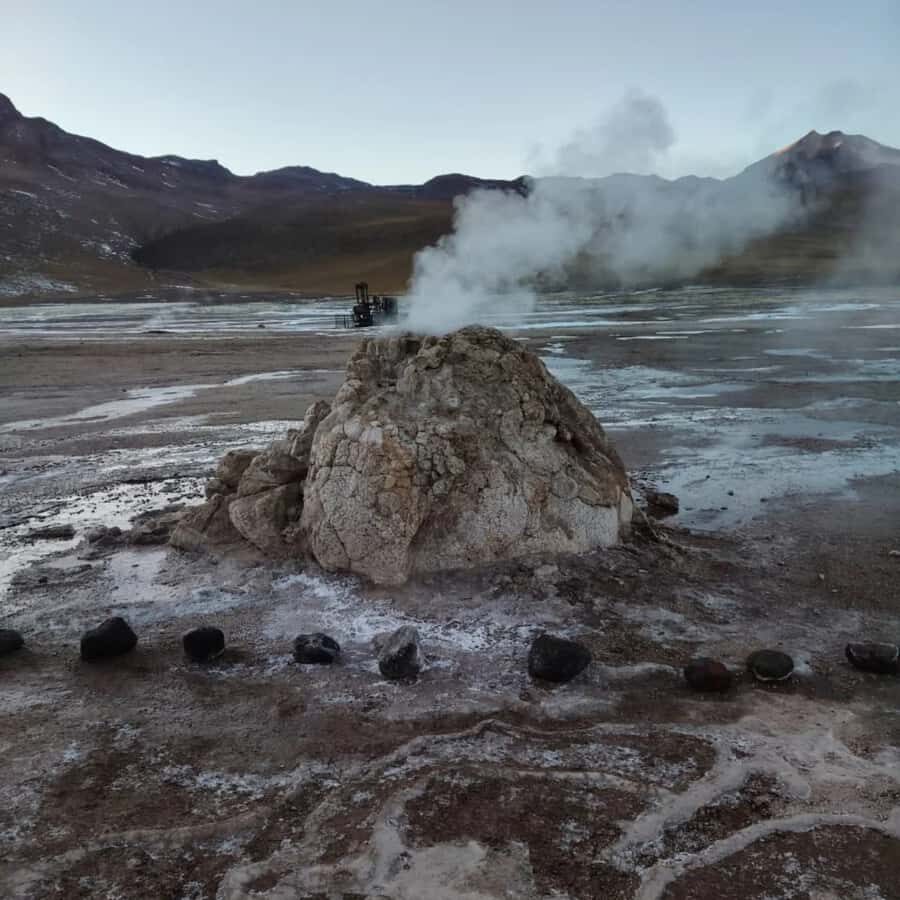
After the main geyser time, you get panoramic views of Machuca, a small village in the area. This stop is more than a quick postcard moment. Seeing Machuca from the right viewpoint helps you connect the dots: this isn’t a random geothermal field in the middle of nowhere. People live here, and the terrain shapes what life looks like.
The guides also tie the village and wider region into the meaning of El Tatio in local culture. Even without going deep into lore, the context helps your photos feel less like you collected a bunch of impressive images and more like you documented a place with human ties.
This part is also where you benefit from the pacing. After walking among active vents, your eyes need variety. Views over Machuca give your brain room to breathe while you regroup before the next nature-focused segments.
Putana River flora and fauna: how life survives in harsh air
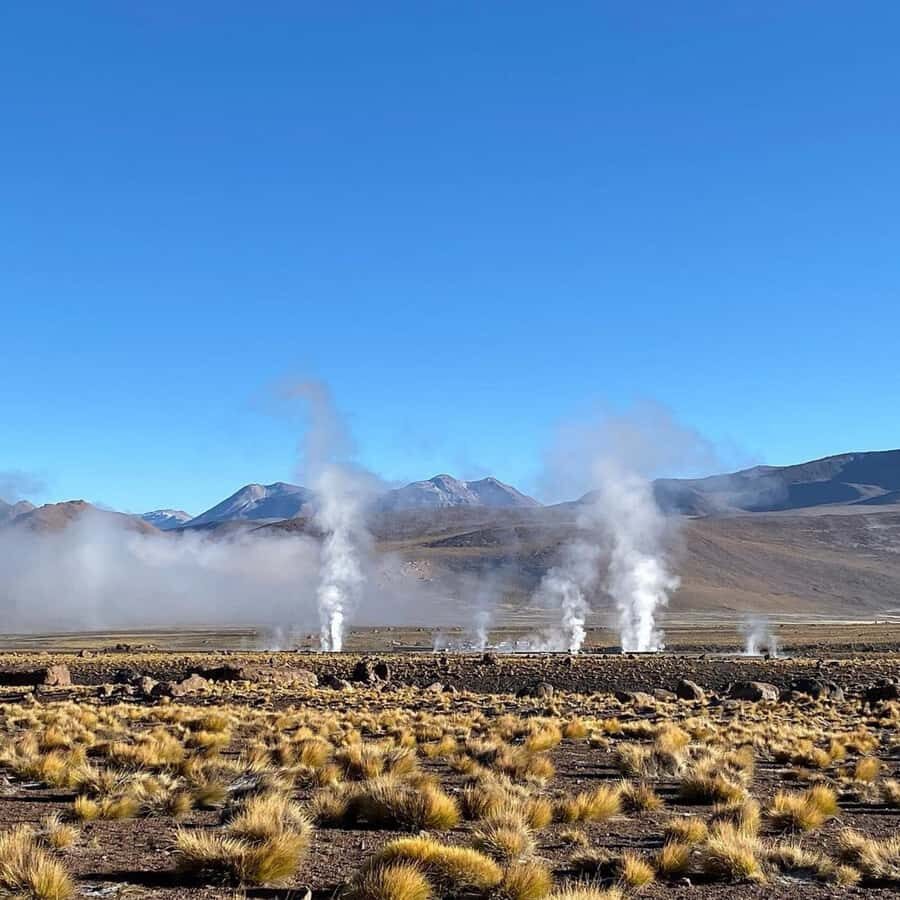
One of the tour’s strengths is that it doesn’t treat El Tatio like a one-note attraction. You also explore the Putana River area, where you can observe local flora and fauna typical of the Atacama desert environment.
Even if you’re not an expert in ecology, this stop is useful because it explains why the desert isn’t empty. Water-related areas create micro-habitats, and those pockets support different plant life and attract different animals than the surrounding dry zones.
This is where you’ll likely appreciate the fact that the guides cover more than just geology. They connect the geothermal features to what water means in this region, and then you see that concept visually. It’s a logical flow: hot water here, then life along the river, then wetlands later.
Bofedales wetlands: the Atacama’s oxygen in a sea of dry
Next comes the bofedales, which are ecologically important wetlands in this arid area. The contrast is immediate: you’re moving from a mostly dry, high desert environment into places where wet ground supports a surprising amount of biodiversity.
If you only cared about geysers, bofedales might feel like extra. But they actually add value because they show you the role of water across the region. You start the morning watching geothermal heat affect water, then you see river life, and finally you reach wetlands that act like lifeboats in a harsh landscape.
This is one of the tour’s best “mind shift” moments. It helps you understand why the Atacama’s beauty isn’t only about minerals and steam. It’s also about survival systems—how plants and animals use the limited water available.
Breakfast included: practical comfort at high altitude
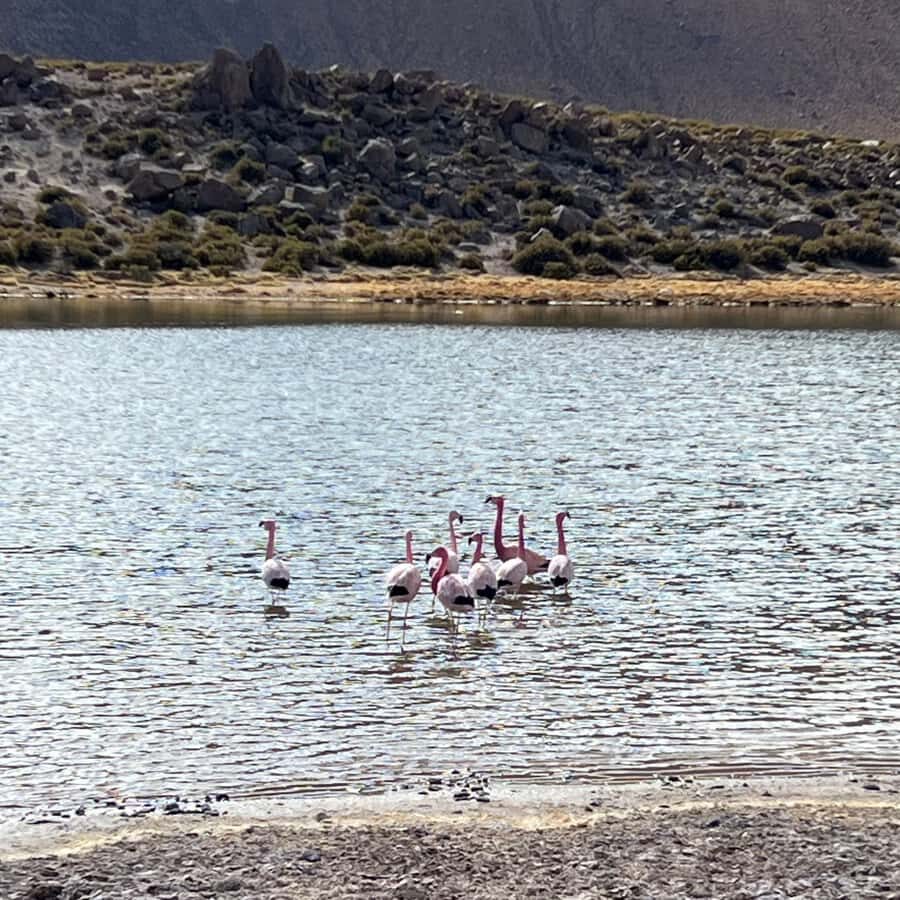
Breakfast is included, and it’s timed for a reality-check: sunrise mornings in the Andes can be rough. The meal gives you a chance to refuel while you take in the surroundings again without the pressure of walking continuously.
The specific breakfast menu details aren’t spelled out in what you provided, but the intent is clear: food plus a break so you don’t turn your adventure into a battle with cold fatigue. In high altitude conditions, eating and drinking can make a big difference in how steady you feel.
Pair that with coffee and the coffee tasting during the day, and you have enough warmth and energy to stay engaged while the guides explain geothermal formations, local flora, and cultural significance. This is one of those tours where comfort supports learning.
Price and logistics: does CLP 15,000 feel fair?
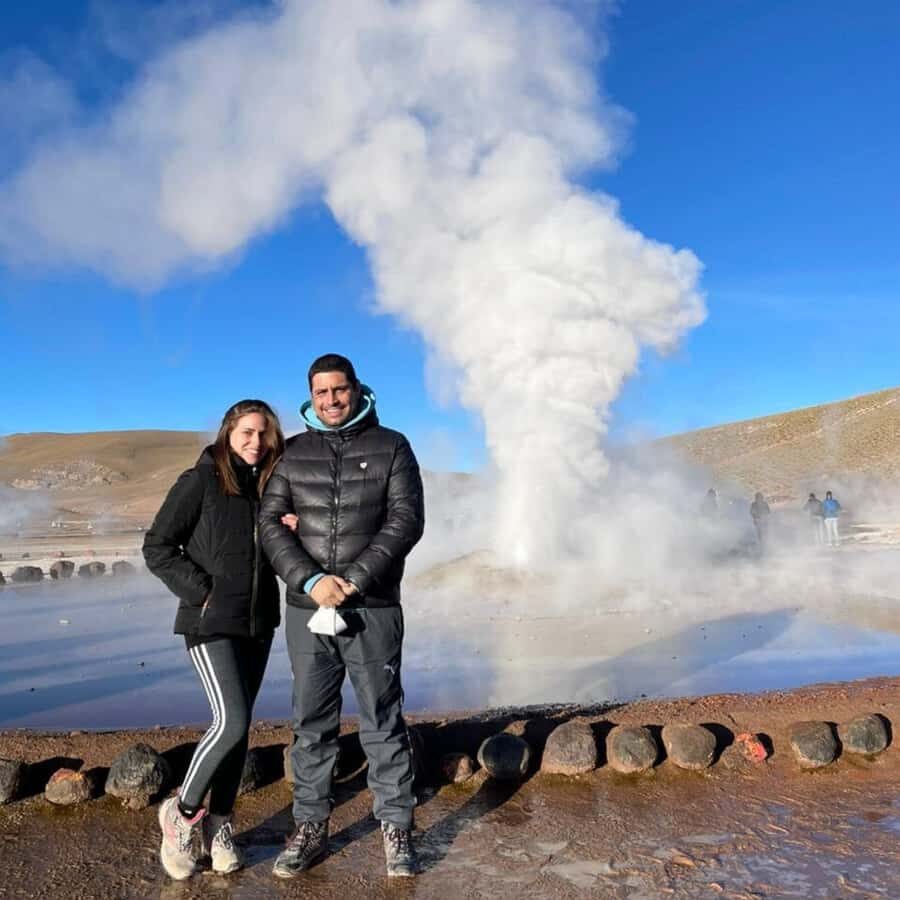
The price is CLP 15,000 per person (about $56). For that, you’re getting guided bilingual interpretation (Spanish and English), shared transportation from San Pedro de Atacama, breakfast, and a full geothermal-focused program with additional stops for Machuca views and bofedales.
The big value driver is the guide time. El Tatio isn’t just a parking-lot attraction. With an organized walking route and interpretation, you’re more likely to understand what you see, instead of just chasing steam clouds for pictures.
One caution on cost: park entrance fees are not included. So your total budget should include that extra line item. Also, payment needs to be made in advance, and if you’re using a payment link there may be a 4% fee due to taxes. If you’re counting dollars tightly, account for those details now rather than later.
Still, for most people, the combination of transport + guided walk + breakfast + multiple nature stops is solid value. It’s not a bare-bones transfer to the geysers; it’s a guided program with enough structure to justify a morning commitment.
What to bring (and who should skip this tour)
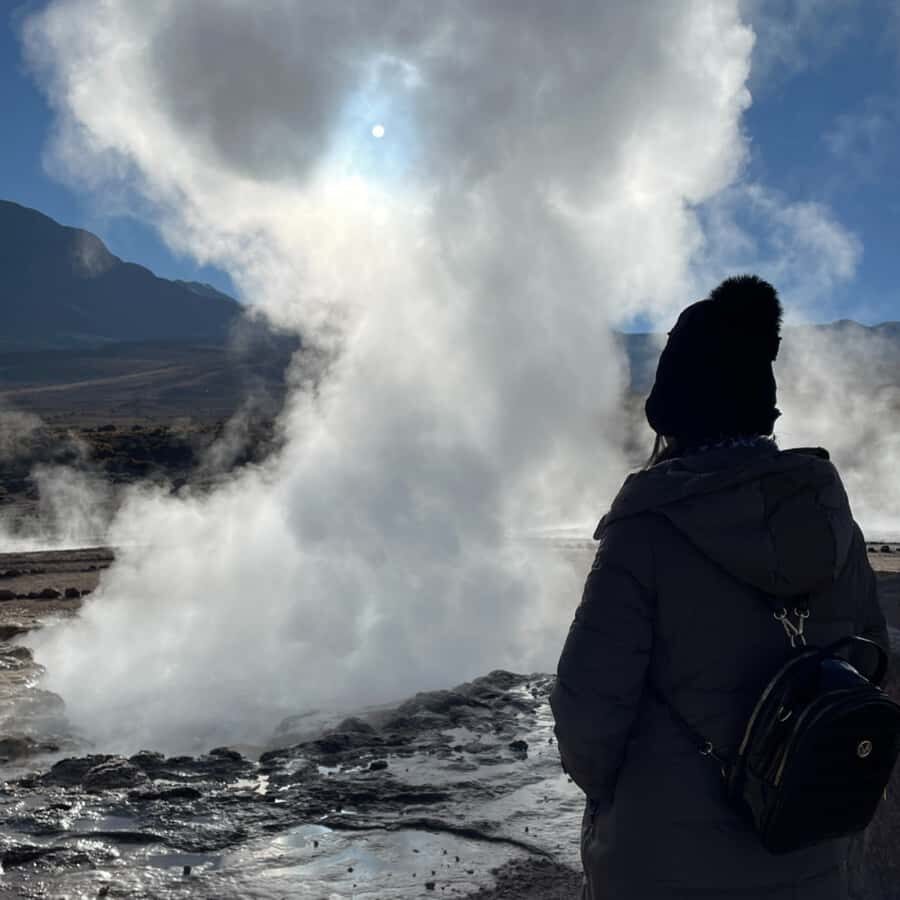
You’ll be outdoors in cold air at altitude. Bring:
- Warm clothing in layers
- Warm shoes with grip
- Gloves
- Sunglasses and sunscreen
- Water
- Cash
Those aren’t just “nice to have.” At 4,320 meters, you can feel chilled faster, and the sun can still be intense even when it looks wintry.
Who should skip this one:
- Children under 10
- Pregnant women
- People with heart problems
- People with high blood pressure
Altitude tours can be hard on bodies, even with breaks. If any of those apply, you’re better off choosing a lower-altitude alternative in the Atacama.
One more practical tip: go in with a flexible attitude about timing. Sunrise experiences depend on conditions, and the day’s flow has to protect the quality of viewing and the safety of the walk.
A quick service check: how to avoid an unpleasant surprise
The overall tone you’re going for here is organization and a guide-led flow. One verified booking praised the setup and the guiding. At the same time, there is at least one verified case where someone did not end up on the tour and described service as poor.
I can’t control what happens on a specific day, but you can reduce risk. Right after booking, confirm:
- your pickup details from San Pedro de Atacama
- the timing you should be ready
- that your name is on the list with the operator
A quick check can save a lot of stress when you’re counting on sunrise.
Should you book Geysers del Tatio Sunrise and Breakfast?
If you want El Tatio as more than a quick stop, this is a good fit. You’ll get a guided sunrise walk, a break with coffee, and extra nature context with Machuca views, the Putana River, and bofedales. The included breakfast is also a real comfort advantage on a high, cold morning.
Book it if:
- you enjoy guided explanations and want to understand geothermal and ecosystem basics
- you’re okay with early timing and altitude conditions
- you want value that includes transport and food, not just access to the geysers
Skip it if:
- altitude is a concern for your health, especially with heart or blood pressure issues
- you need stroller-friendly or very low-walking experiences (this is not described that way, and it’s not aimed at younger kids)
If you’re prepared with the right layers, keep your expectations grounded, and treat the whole morning as a learning experience, you’ll likely come away with images that make sense—and memories that last past the steam.