REVIEW · LA SERENA
Milky Way Sanctuary Stargazing Tour at Pangue Observatory
Book on GetYourGuide →Operated by TEMBETA Travel & Culture · Bookable on GetYourGuide
The stars feel close at Pangue Observatory. In Chile’s Elqui Valley, this Dark Sky Sanctuary experience pairs top-notch skies with 16-inch and 25-inch telescopes, so you can actually study the Milky Way and then zoom in on planets, nebulae, clusters, and even supernova remnants. I like how the tour stays hands-on and personal, with guides like Cristobal helping you make sense of what you’re seeing. One thing to plan for: it avoids nights near a full moon, so your experience depends on timing and sky conditions.
I also like the small-group format. With no more than 8 people, you’re not shouting questions into a crowd, and you get time at each target. Before the main observing session, you’ll do a scenic drive from La Serena and a short stop in Vicuña, plus you’ll have a small coffee area at the observatory so you’re not freezing completely on an empty stomach.
In This Review
- Key things I’d circle before you go
- Pangue Observatory’s dark skies are the real star of the show
- Telescopes and eyepieces: where “see it” becomes “study it”
- Your 6-hour rhythm: La Serena, Vicuña, then 2.5 hours under the scopes
- Stop 1: La Serena to the Elqui Valley
- Stop 2: Vicuña break and quick look around
- Stop 3: Pangue Observatory (the core of the night)
- Return ride and timing
- Moonlight, weather, and why the tour avoids nights near full moon
- What to expect at the scope: planets, nebulae, clusters, and supernova remnants
- Vibe check: small-group astronomy with time for questions
- Price and value: what you get for $225
- A practical packing list for Pangue nights
- Should you book the Milky Way Sanctuary stargazing at Pangue?
- FAQ
- FAQ
- Where is the tour pickup?
- How long is the tour?
- How big is the group?
- What telescopes are used at Pangue Observatory?
- What can you see during the night?
- Do you visit Pangue during sunset?
- Is the tour scheduled near the full moon?
- What languages are available for the live guide?
- What should I bring for comfort?
- Is alcohol allowed during the tour?
Key things I’d circle before you go
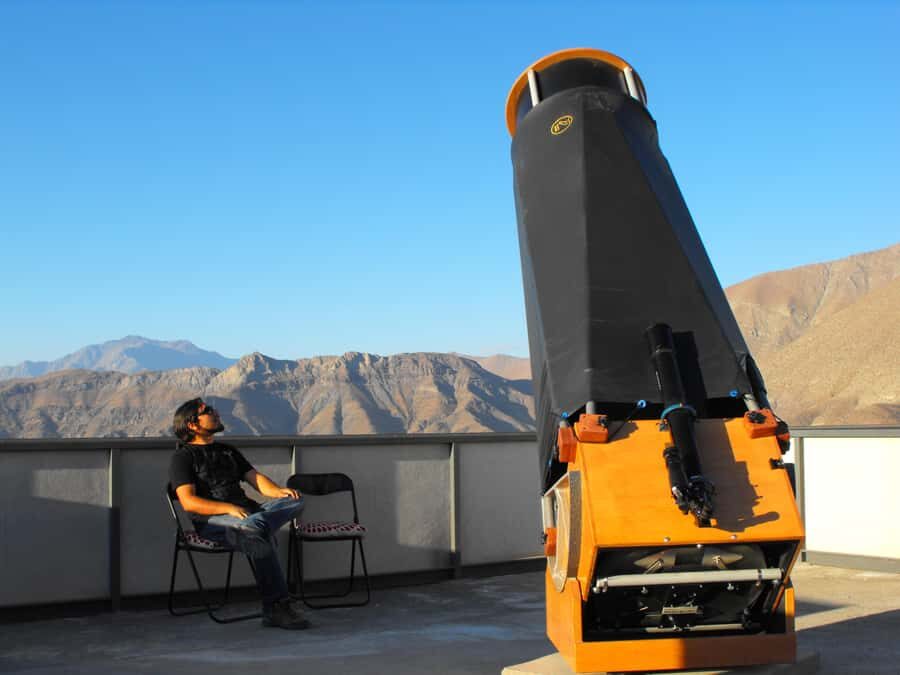
- Pangue Observatory at 1,500 meters in the Elqui Valley, under Gabriela Mistral dark skies
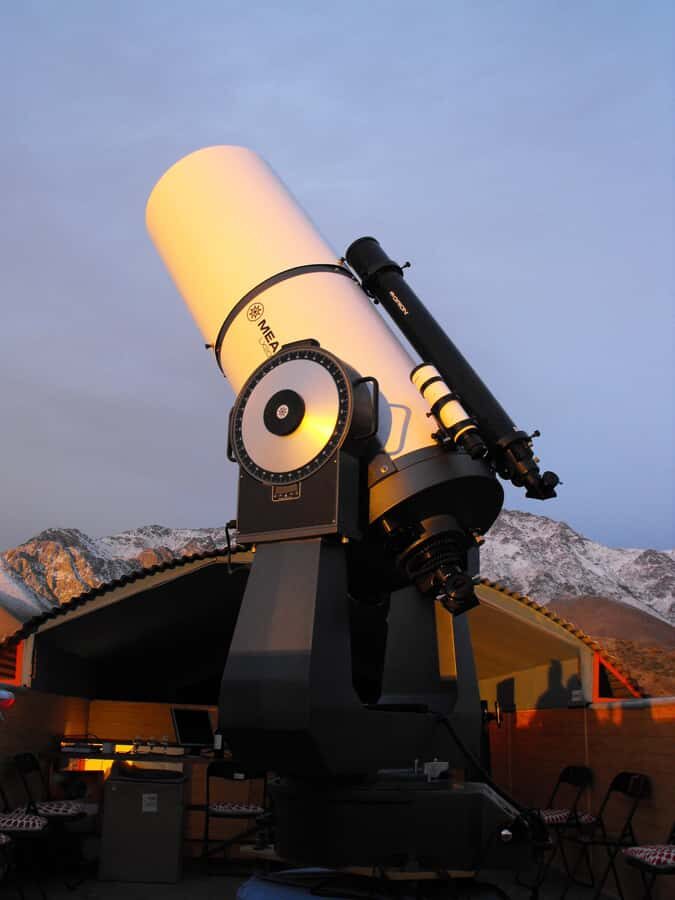
- Advanced 16” and 25” telescopes plus eyepieces designed for detailed viewing
- More than 10 stellar objects during the night, including planets, nebulae, clusters, and supernova remnants
- Small-group observing (max 8) so questions don’t get lost
- Moonlight planning: the tour isn’t scheduled near full moon for better contrast
- Comfort touches: coffee area with free coffee, water, or tea while you wait for your turn
Pangue Observatory’s dark skies are the real star of the show
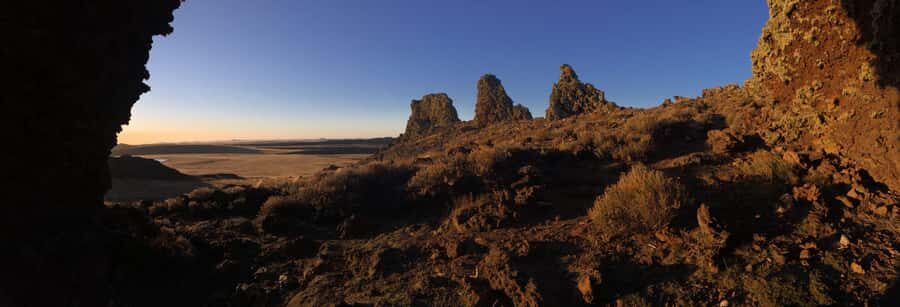
If you want Chile stargazing to feel like actual astronomy and not just a quick look through a scope, Pangue Observatory is a strong reason to come. It sits in the Elqui Valley at about 1,500 meters above sea level, under the Gabriela Mistral Dark Sky Sanctuary. That combination matters because stargazing rewards clear, dry air and real darkness. When conditions line up, the sky looks sharper and fainter objects are more noticeable.
Another big reason Pangue works: it’s right in the orbit of major observatories. You’re visiting in front of Tololo, SOAR, Gemini, and the Vera Rubin Observatory (the one famous for its huge digital camera). You don’t need to know the technical details to feel the advantage. The area has the right environment and the right observing culture, and the tour is built around that.
I also like the way this tour sets expectations: you’re not just watching the Milky Way as a photo-op. You’re learning how to spot and interpret what you’re seeing—planets, nebulae, star clusters, and supernova remnants. In practice, that turns a pretty night into a meaningful one because you understand why each object looks the way it does.
One caution: because the tour avoids nights close to a full moon, you can’t treat it like a guaranteed fireworks show any random evening. If your dates put you near that bright phase, you may need to shift your plans to get the best viewing. The good news is that this is exactly what serious astronomy tours do: they protect contrast first.
You can also read our reviews of more tours and experiences in La Serena.
Telescopes and eyepieces: where “see it” becomes “study it”
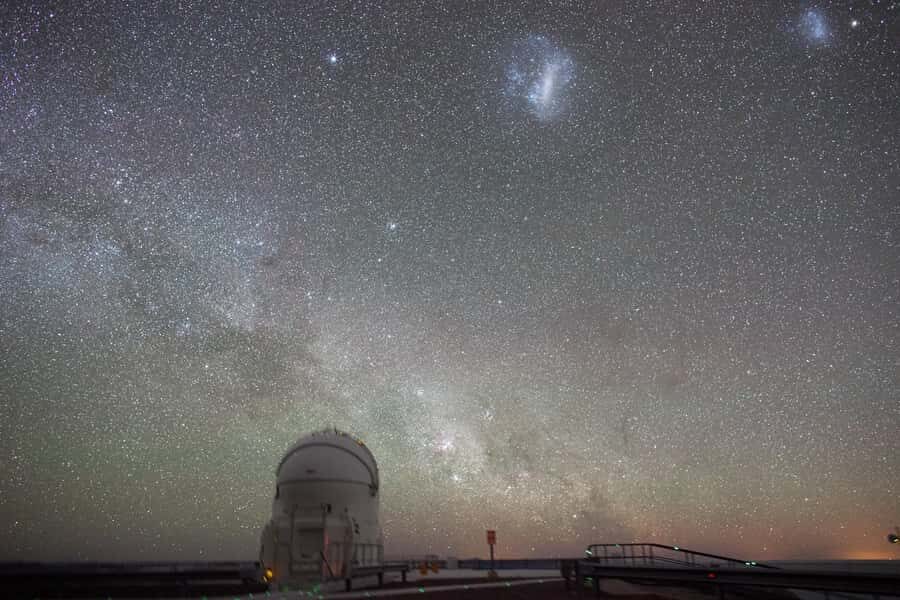
The headline feature here is straightforward: you’ll use advanced telescopes and eyepieces, including 16-inch and 25-inch instruments. Those sizes aren’t just for bragging rights. Bigger apertures gather more light, which helps you see fainter details—especially when you’re hunting for nebulae, clusters, and the remnants of exploded stars.
What you can expect to observe includes planets and a range of deep-sky objects: nebulas, clusters, galaxies, massive blue stars, red dwarfs, and supernova remnants. That’s a wide menu, and the tour is designed to move through it during the best part of the evening.
From what I’ve learned through past participant accounts, the viewing can be both clear and varied. People have reported being able to identify planets like Mars and Saturn, and also see targets including Jupiter. Others have mentioned dramatic moments like a supernova or a dying star-type object. Even if the exact targets shift with the night’s conditions, the format stays the same: you’re not waiting silently while someone points at one object and calls it a night.
Also, the guide component matters. With a small group, you’ll have enough time to ask what you’re looking at. One common theme is that the night is explained well at the scope—so you understand why an object is interesting, not just what direction it appears.
Finally, remember the astronomy rule that tourists sometimes forget: your eyes need time. Dark adaptation is real. If you’re checking your phone constantly, you’ll lose contrast. Bring your patience, follow the guide’s cues, and give your eyes a chance. That’s when the 25-inch magic becomes more than a number.
Your 6-hour rhythm: La Serena, Vicuña, then 2.5 hours under the scopes
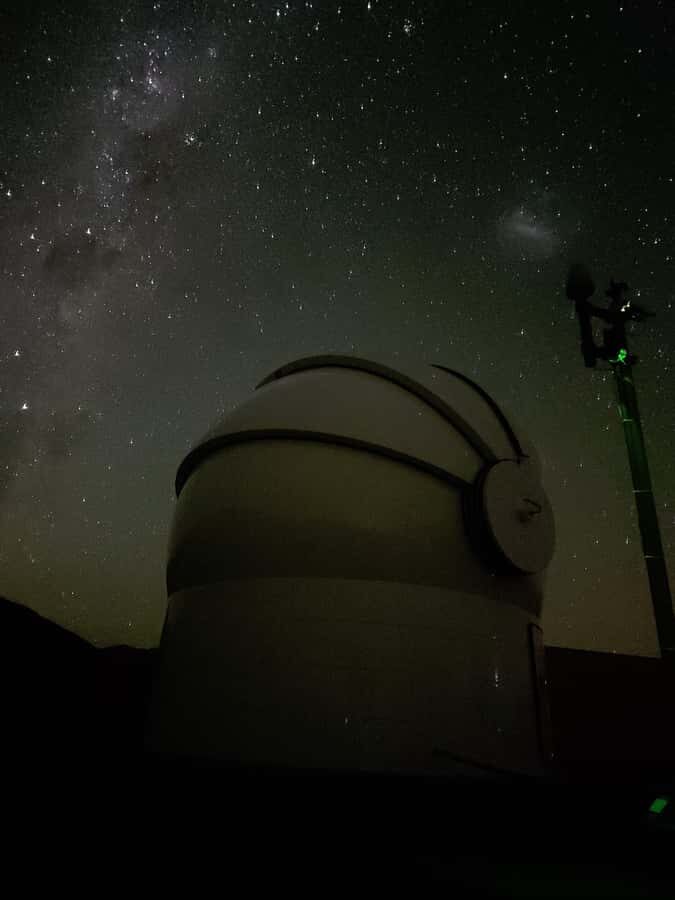
This is a half-day outing, built to get you into the dark-sky zone and still keep you comfortable. You start with pickup at your accommodation in La Serena or nearby. The tour’s total duration is about 6 hours, and the timing is designed around sunset and the observing window.
Stop 1: La Serena to the Elqui Valley
You’ll drive for roughly an hour from La Serena toward the Elqui Valley. That drive isn’t filler. It’s a chance to settle in, get warm layers on, and reset your expectations. By the time you reach Pangue, you’ll be ready to step from daylight into a darker, cooler world.
The driving experience has also been noted as excellent, which matters when you’re doing a night activity and want to arrive in one piece and in a calm mood.
Stop 2: Vicuña break and quick look around
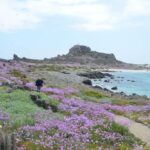
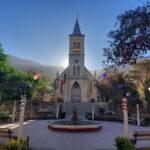
Vicuña is a short stop—about 15 minutes for a break, with a visit and free time. It’s enough time to stretch your legs and get a feel for the town, but it’s not meant to become a full detour. If you’re hoping for a long lunch or big shopping spree, you’ll need to plan that separately.
People have called Vicuña adorable, and that’s exactly how this stop should be used: a quick palate-cleanser before the main event. If you want to grab a snack, do it here, because the observatory experience is more about waiting for the best sky and then viewing.
Stop 3: Pangue Observatory (the core of the night)
At Pangue, you’ll have about 2.5 hours. That’s a healthy amount of time for a structured observing session. You’ll start with a visit and guided time, then enjoy sunset and the scenic views on the route. After that, the telescope viewing takes center stage.
The observatory also has a small coffee area with comfortable seats and free coffee, water, or tea. That small detail is worth its weight in gold if you’re sensitive to cold. You can warm up briefly without leaving the atmosphere of the night.
One small drawback to know: you’re not at the observatory for only 30 minutes and then done. This tour asks you to be present for a full observing stretch. If you hate waiting, you’ll need a strategy—use the coffee area when offered, then settle in at the scopes when the night begins to deliver.
Return ride and timing
After the main observatory time, you’ll head back via Vicuña and then return to La Serena, with around 30 minutes and then about 1 hour of bus time. Plan for an end-of-day that feels like a real outing, not a quick detour.
Moonlight, weather, and why the tour avoids nights near full moon
You’ll hear stargazing advice everywhere: get away from city lights, and don’t plan for bright moonlight. This tour follows that logic. It’s not scheduled for nights close to the full moon because the light the Moon reflects can wash out faint objects.
This is more than a rule—it’s what makes the telescope experience actually impressive. When the sky is darker, you can better separate a nebula from the background, see more delicate structure in clusters, and get better contrast on targets like supernova remnants. Even bright planets look better when you’re not fighting glare all night.
Weather is always a variable in any outdoor astronomy plan, but the tour’s approach is still smart: it chooses the right sky conditions when scheduling. That means if you’re flexible with dates, you’re more likely to land on a strong viewing night.
Also, bring layers. This is a preandean mountain setting at 1,500 meters, and evenings cool fast. The tour specifically asks for comfortable clothing and a long-sleeved shirt. Follow that, and you’ll enjoy the waiting periods much more.
What to expect at the scope: planets, nebulae, clusters, and supernova remnants
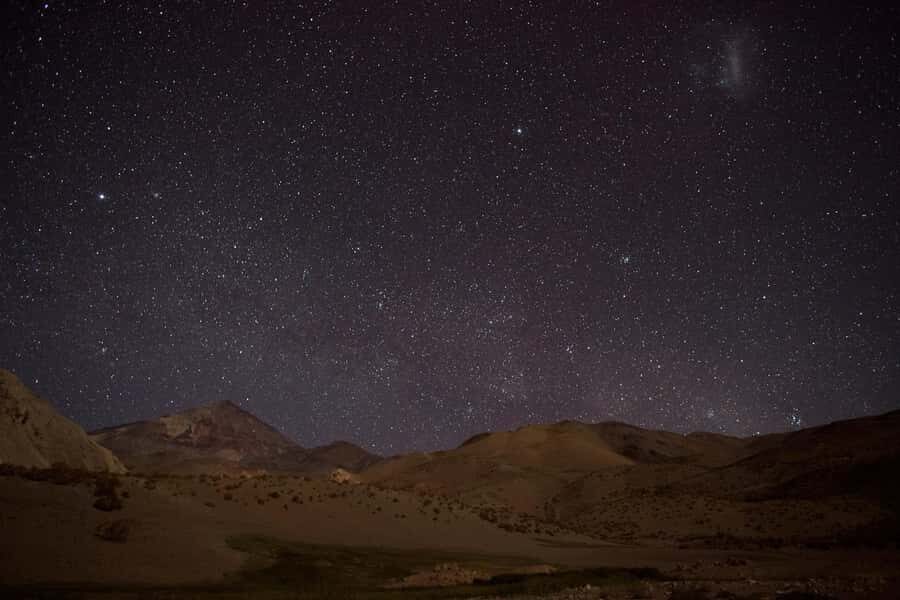
The tour’s promise isn’t vague. You’ll observe multiple stellar objects (more than 10) during your exclusive session. The list is broad enough that you won’t just circle the same few bright targets all night.
Here’s how that variety usually plays out in a viewing session like this:
- Planets: you typically see them clearly with the telescope, and the guide can help you spot features or at least interpret what you’re looking at. People have specifically mentioned seeing Mars and Saturn, which tells you the nights can produce good contrast for Solar System targets.
- Nebulae: these are the objects that benefit the most from darkness and careful viewing. With the right conditions, you’ll see more than just a faint smudge.
- Star clusters: these are great for understanding how telescopes separate points of light and reveal structure.
- Supernova remnants and dying-star type objects: this is where the experience can feel most dramatic because you’re seeing the leftovers of stellar explosions. One participant reported a supernova and a dying star-type view, which is exactly the kind of target that makes astronomy feel alive.
The biggest practical tip is simple: listen to the guide’s instructions on how to look through the eyepiece and what to expect. If the guide tells you an object might look different than your expectations, that’s your cue to stop comparing to photos taken with heavy processing. You’re seeing the sky directly through optics, and it can look different than social media images.
And since the group is limited to 8, you won’t be stuck waiting forever for your turn. The night feels more like guided observing than a mass spectacle.
Vibe check: small-group astronomy with time for questions
Astronomy tours can go two ways. Either it’s fast and crowded, or it’s slow enough to actually learn something. This tour leans hard toward the second option.
With a small group (no more than 8 participants), you get a more conversational experience. That’s why people have reported enough time to ask questions and get clear explanations. When you can ask follow-ups, you notice things you’d otherwise miss. Even if you don’t consider yourself an expert, you’ll walk away with a clearer mental map of what you saw and why it mattered.
I also like the tone from guides like Cristobal, described as accommodating and helpful. That matters because at a telescope, you can feel awkward if you don’t know what to ask. A guide who keeps things relaxed makes the whole night easier to enjoy.
One minor consideration: this isn’t ideal for wheelchair users, based on the tour’s suitability information. If you rely on a wheelchair, you’ll need to look for a different astronomy option that’s designed for access from start to finish.
Price and value: what you get for $225
At $225 per person for about 6 hours, you’re paying for two things that drive real value in stargazing: (1) high-quality equipment and (2) time and attention.
Let’s break that down. You’re not just joining a casual star walk. You’re using 16-inch and 25-inch telescopes and specialized eyepieces, and the tour targets more than 10 stellar objects. That’s equipment-heavy, which is usually where astronomy tours earn their cost.
Then there’s the small-group cap of 8. In a crowded tour, telescope time gets squeezed. Here, the limit supports the promise of personalized observation and guided explanation. People have specifically noted small group sizes (for example, groups of around 6) and that each person had time to ask questions, which is the real measure of value.
Also, the tour includes pickup from La Serena or nearby and provides free coffee, water, or tea at the observatory. Those may sound minor, but they help you stay comfortable through the long observing window.
So is it worth it? If your goal is hands-on astronomy with serious equipment under strong dark skies, the price feels aligned with the experience. If you only want a quick look at the Milky Way and you don’t care about seeing multiple object types, you might find cheaper options. But for people who want the night to feel like real observing, this one is built for that.
A practical packing list for Pangue nights
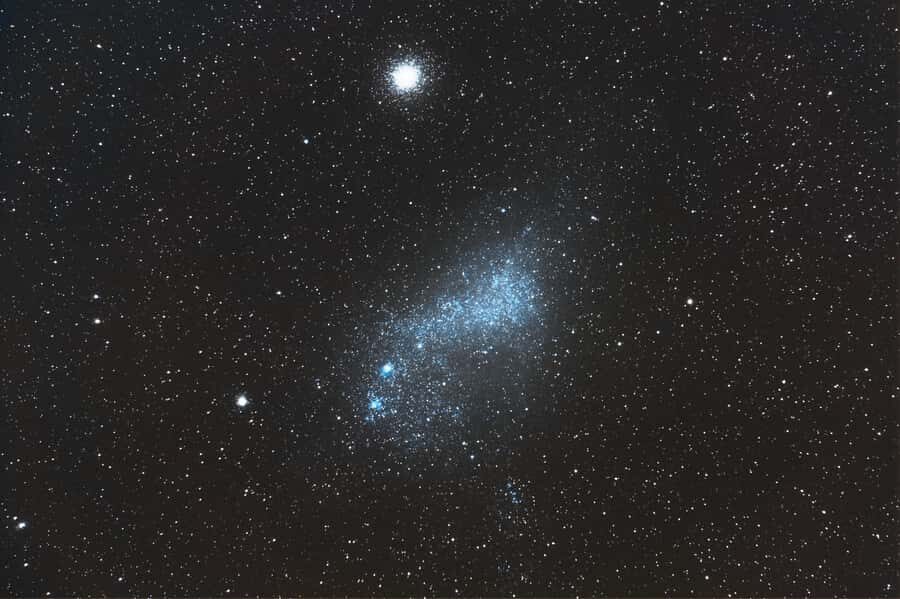
This is a “dress for the telescope” tour. It’s not about fashion; it’s about comfort while you wait for the best sky moments.
Bring:
- Comfortable clothes you can layer
- A long-sleeved shirt (recommended by the tour)
Consider also:
- A warm layer for when you stop moving during observing
- A way to keep your phone from taking over your night vision
Avoid:
- Alcoholic drinks in the vehicle
The coffee area with comfortable seating and free drinks can help, but it won’t replace warm clothing once you’re outside for a while. If you run cold easily, plan for it.
Should you book the Milky Way Sanctuary stargazing at Pangue?
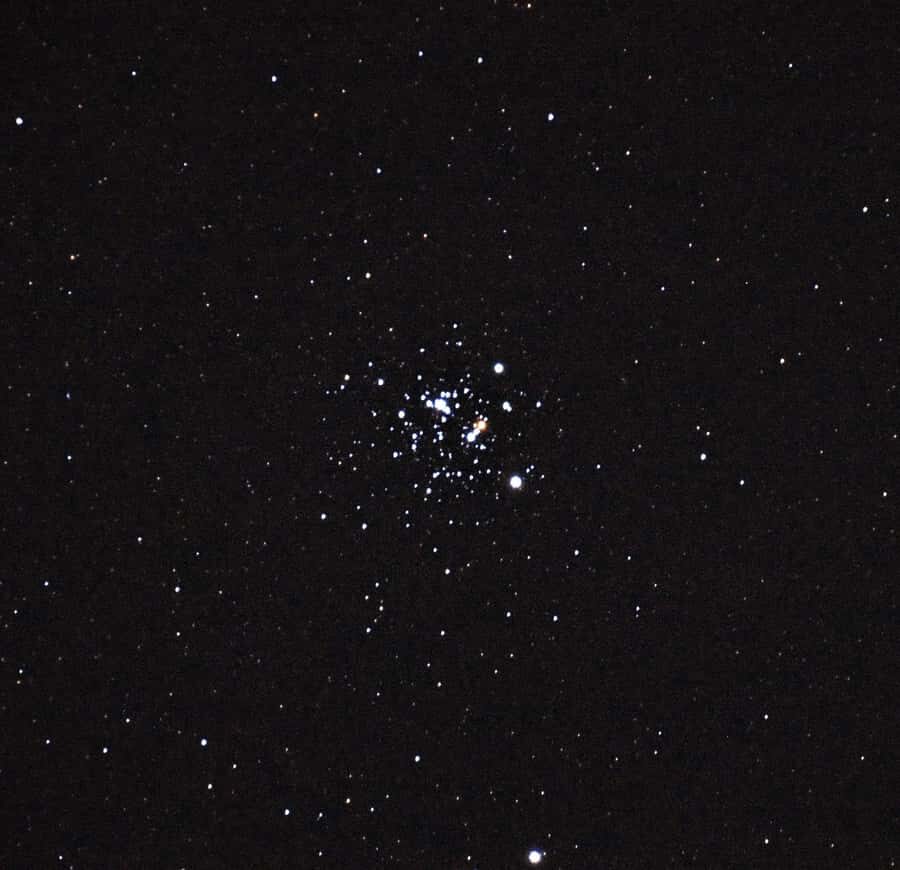
Book it if you want more than a quick photo. This tour is designed for multiple objects and guided observing through large telescopes under Chile’s dark skies. The small-group cap, plus the chance to ask questions at the eyepiece, makes it a strong pick for first-timers who want clarity and for repeat skywatchers who still value serious equipment time.
Skip it (or think twice) if you hate cold waits or if you’re traveling on a night when the schedule might land close to a bright full moon period. Also, if you use a wheelchair, it isn’t listed as suitable for wheelchair users.
If you can, book with at least a day’s lead time when possible, because same-day availability can be limited. You’ll enjoy the night more when you’re not scrambling.
FAQ
FAQ
Where is the tour pickup?
Pickup is included from your accommodation in La Serena or near the surrounding area.
How long is the tour?
The tour lasts about 6 hours.
How big is the group?
It’s limited to a small group of no more than 8 participants.
What telescopes are used at Pangue Observatory?
The tour uses advanced telescopes and eyepieces, including 16-inch and 25-inch telescopes.
What can you see during the night?
You’ll observe several stellar objects, including planets, nebulas, clusters, galaxies, and supernova remnants (10+ objects).
Do you visit Pangue during sunset?
Yes. The schedule includes sunset during the time at Pangue, along with guided time and scenic views.
Is the tour scheduled near the full moon?
No. It is not made on night close to full moon because moonlight can increase light pollution and reduce visibility.
What languages are available for the live guide?
The live guide is available in English, French, and Spanish.
What should I bring for comfort?
Bring comfortable clothes and a long-sleeved shirt.
Is alcohol allowed during the tour?
No alcoholic drinks are allowed in the vehicle.