REVIEW · LA SERENA
The Magnificient Elqui Valley Grand Tour
Book on GetYourGuide →Operated by TEMBETA Travel & Culture · Bookable on GetYourGuide
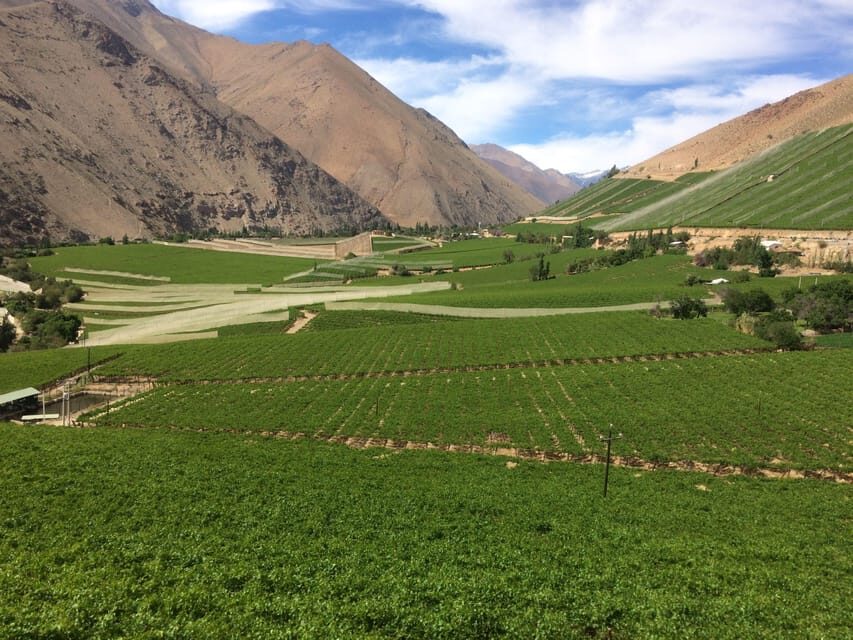
Elqui Valley has a way of making Chile feel personal. This 10-hour grand tour strings together pisco origins, old Spanish haciendas and churches, and Diaguitas-era culture, all under those famous pyramidal mountains. You’ll also stop at places tied to Nobel poet Gabriela Mistral, and you’ll learn how this semiarid region became a winemaking and distilling powerhouse.
Two things I’d strongly point you toward: first, the day is built around food and tastings that actually match the places you’re seeing (pisco and regional bites), not random snack breaks. Second, the guide quality matters here, and bilingual guides like Cristóbal are praised for stories and thorough explanations that connect the dots between villages, vineyards, and the people who lived here. One thing to consider: it’s not a slow stroll day. With many stops and lots of time moving between them, it’s a tougher fit if you need long stretches of rest or you have mobility limits.
In This Review
- Key highlights to look for before you book
- Why the Elqui Valley grand tour is worth a full day
- Getting picked up in La Serena (and what that means for your day)
- Paihuano to Vicuña: first views, then the Gabriela Mistral link
- Puclaro Dam and Capel: learning through practical stops
- El Molle and El Tambo: stepping into indigenous village life
- Entre Cordilleras: the solar-cooking lunch that makes the day feel local
- Diaguitas stop: culture and spirits in the same breath
- Avenida Francisco de Aguirre, Altovalsol, and Cerro Polla Alta: views plus a higher-energy food moment
- Pisco Elqui, crafts, and Rio Marquesa: where the story winds down
- The value question: what you’re really paying for at $195
- Who this tour suits best (and who should rethink it)
- Final decision: should you book the Magnificent Elqui Valley Grand Tour?
- FAQ
- How long is the Elqui Valley Grand Tour?
- Where does the tour start and end?
- What languages is the guide available in?
- What’s included besides the guided tour?
- Do I get to taste pisco and wine?
- Is lunch included, and is it special?
- What should I bring?
- Is the tour suitable for people with mobility impairments or pets?
Key highlights to look for before you book
- Bilingual guide storytelling (English or Spanish), including Cristóbal’s detailed explanations
- Pisco tastings and distillery visits, plus spirits and aperitif-style stops
- Indigenous village stops featuring El Molle, El Tambo, and Diaguitas
- Solar-cooking lunch at a restaurant called Entre Cordilleras
- Craft-market time in towns known for artisan shopping, especially around Pisco Elqui
Why the Elqui Valley grand tour is worth a full day
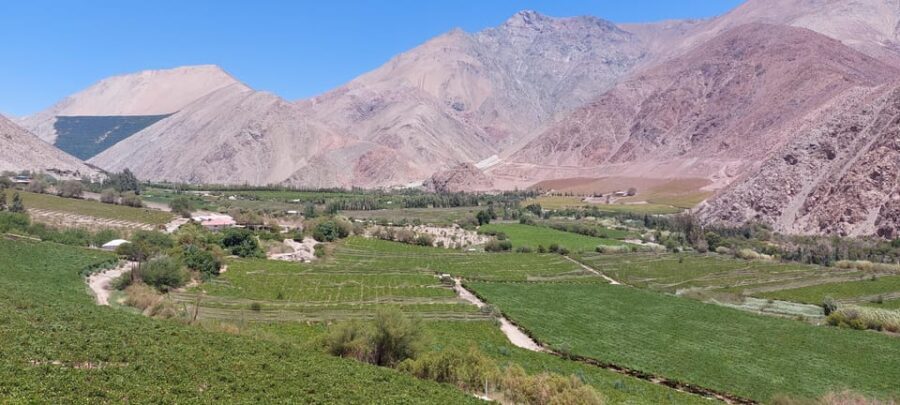
The Elqui Valley isn’t just famous for pisco. It’s famous because everything here feels connected: water scarcity shapes farming choices, farming choices shape wine and fruit cultivation, and the cultural mix shapes art, religion, and local identity.
On this tour, you don’t just ride through. You’re guided through layers of the region. You’ll see indigenous villages, early church and colonial-era sites, and the winemaking and distilling industry that grew up alongside them. Then you’ll watch those ideas land in real-world experiences: tastings, a solar-cooked lunch, and artisan shopping.
If you like days where history shows up in daily life (not only in museums), you’ll probably enjoy the pace and variety.
You can also read our reviews of more tours and experiences in La Serena.
Getting picked up in La Serena (and what that means for your day)
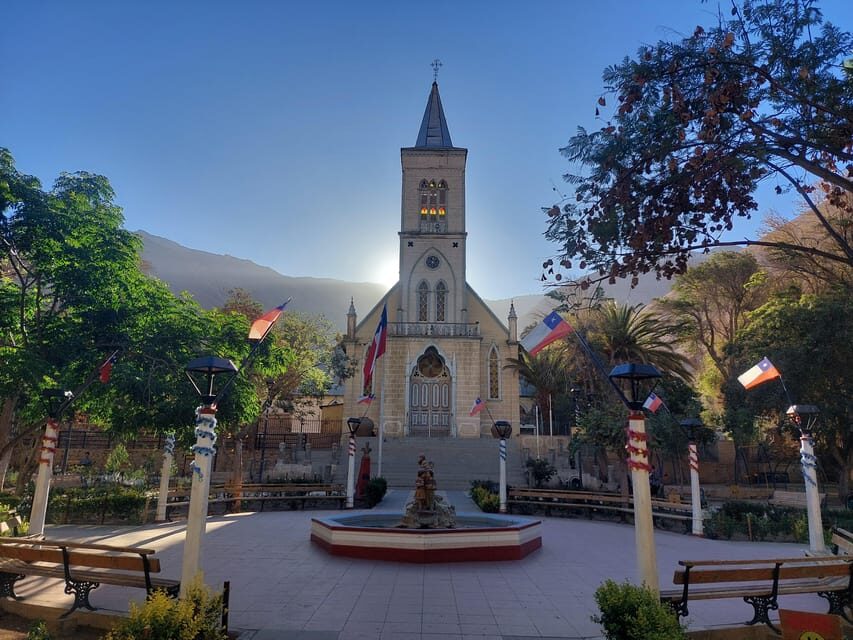
The tour starts and ends in La Serena, with pickup included for Avenue of the Sea and the historical town area. Your actual pickup time gets sent to you the day before, and you’re expected to coordinate the pickup and drop-off by sharing your accommodation address.
This matters because it keeps your schedule tight. You’re not aiming for a meeting point later; you’re getting picked up where you’re staying. That’s a real time-saver in a city, especially if you’re not comfortable navigating unfamiliar routes.
Also note: this isn’t listed as suitable for people with mobility impairments, and the format involves multiple stops and walking at several points. If you’re on the edge physically, it’s worth thinking about how you handle long travel days and uneven ground.
Paihuano to Vicuña: first views, then the Gabriela Mistral link
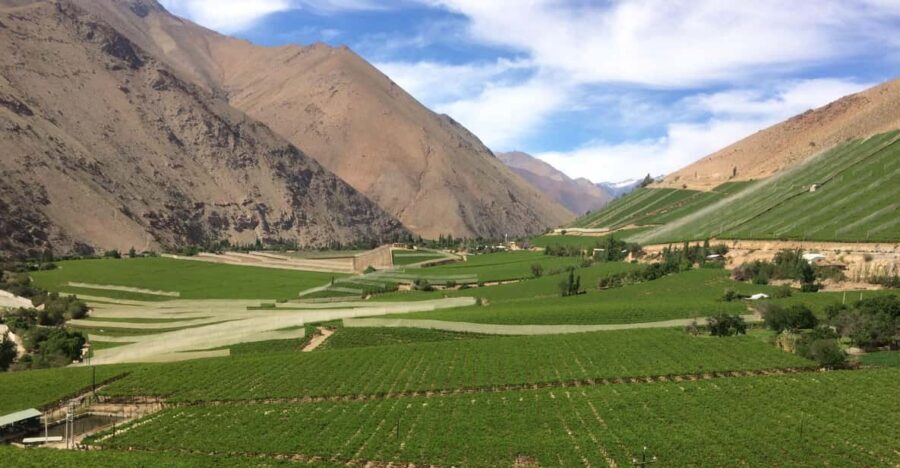
The day kicks off with a short scenic segment after pickup, then you head toward Paihuano with a guided overview and quick sightseeing from viewpoints along the way.
Soon after, you reach Vicuña, where you’ll get a visit and guided tour. Vicuña is one of those places where it’s easy to see how the valley culture formed: it sits close enough to the agricultural world to feel practical, but the mountains still dominate the horizon.
From there you visit the Casa Escuela Gabriela Mistral, a key stop if you care about how place influences art. Even if you only know Mistral from school, this kind of stop helps you understand why her work kept returning to these landscapes and people. Expect guided explanations with scenery breaks on the drive—useful, because you’re learning while you can still see what’s being described.
Puclaro Dam and Capel: learning through practical stops
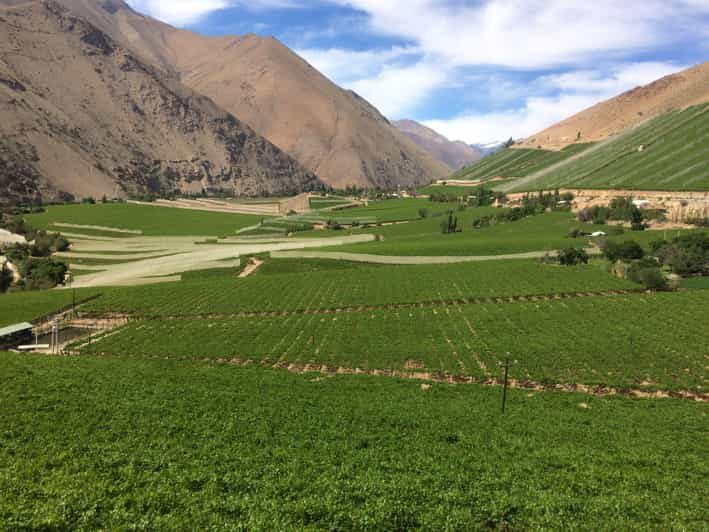
You’ll make a photo stop at Puclaro Dam, followed by another stop tied to Centro Turístico Capel. These are the kinds of stops that might look simple on paper, but they help you understand how the valley works.
Dams, reservoirs, and irrigation systems aren’t just infrastructure here—they’re part of the reason farming exists in a semiarid environment. When your guide connects that to crops and vineyards, it stops being abstract. You start seeing why the valley’s human story and water management story belong together.
Capel is part of the pisco-world network. Even if you’re not a superfan of spirits, it’s a good anchor stop because it places pisco in a real setting—tied to production and local craft, not only a souvenir bottle.
El Molle and El Tambo: stepping into indigenous village life
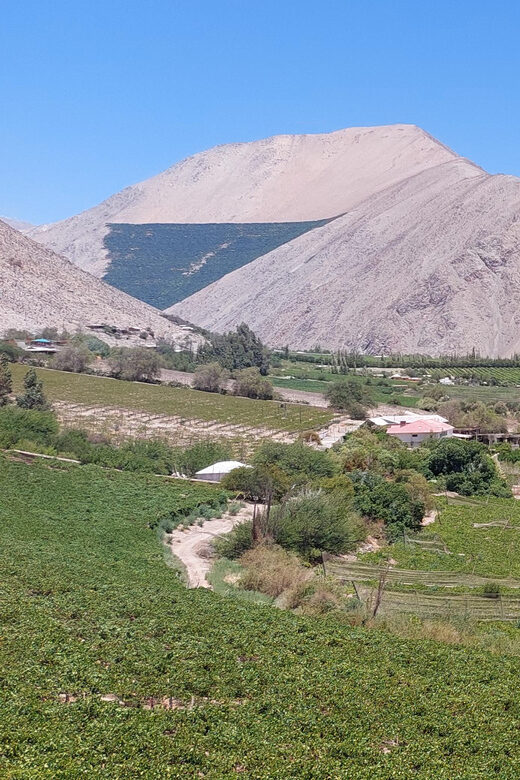
Next come the indigenous village experiences, with time for photos and guided visits at El Molle and El Tambo. These stops are shorter than the bigger towns, but that can work in your favor. You’re not stuck in a long explanation before you’ve actually seen the village feel. Instead, you’re guided to notice details, then given enough time to look around and take photos.
You’ll also have breaks built into the schedule. That’s helpful in a day like this because you can regroup, hydrate, and get ready for the next section.
One practical note: village stops can mean more walking than you expect, and surfaces may not be perfectly even. If you have sensitive knees or you tire quickly, go slow and use the guide for pacing tips.
Entre Cordilleras: the solar-cooking lunch that makes the day feel local
Here’s one reason I think this tour holds up well as a value: lunch isn’t treated like an afterthought.
At the restaurant Solar Entre Cordilleras, you get free time, shopping, and sightseeing plus time for the arts-and-crafts market visit. Most importantly, it’s a solar-cooking restaurant, which is a direct way to connect food culture with the valley’s climate realities.
Solar cooking in a sunny region isn’t a gimmick. It’s a practical response to how you live with weather and sun. When you pair that with a guided day focused on local agriculture and production, the meal feels like part of the story.
The tour also includes a lunch menu with starter, main, and dessert options, plus drinks. That kind of structure can save you the hassle of figuring out where to eat between stops—especially if you’re only in the area for one day.
Diaguitas stop: culture and spirits in the same breath
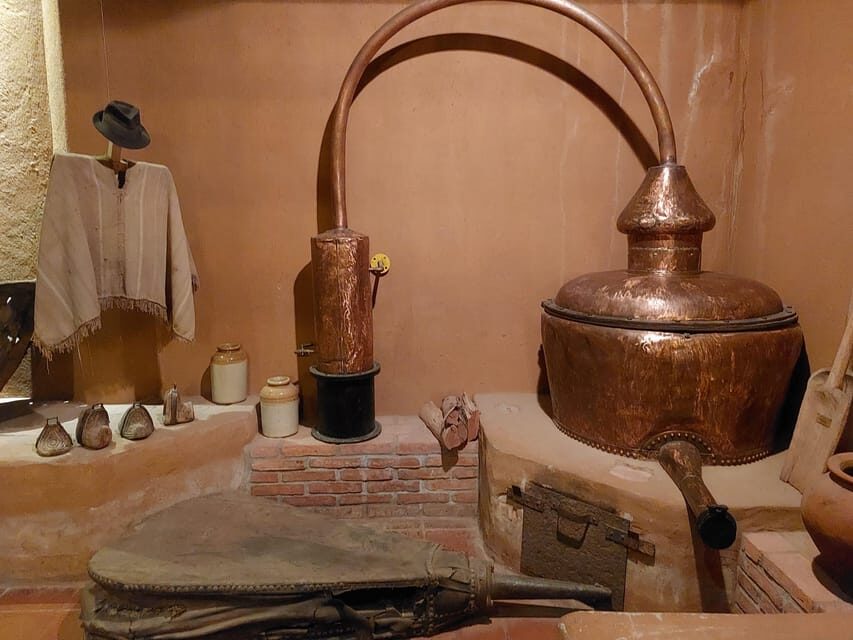
The day then moves into Diaguitas, with time for photos, a guided tour, spirits, and free time for shopping and sightseeing.
Diaguitas culture is part of the region’s identity, and this stop is designed to give you a sense of art and heritage, not only a quick photo. Since the tour is framed with indigenous villages earlier and pisco origins later, it helps you see the Diaguitas legacy as a bridge between past and the valley’s modern economy.
You’ll also encounter spirits here. That keeps the experience from becoming purely cultural. It becomes cultural with a strong flavor component—literal and social, because pisco and cocktails tend to be how locals share stories in many parts of Chile.
Avenida Francisco de Aguirre, Altovalsol, and Cerro Polla Alta: views plus a higher-energy food moment
After Diaguitas, you head to Avenida Francisco de Aguirre for an extended break moment with a guided experience that includes an aperitif, cocktail, wine, dessert, and lunch service elements. It’s a more energetic food-and-drink window than some of the other photo stops, so it’s a good time to sit down, reset, and get your energy back before the final stretches.
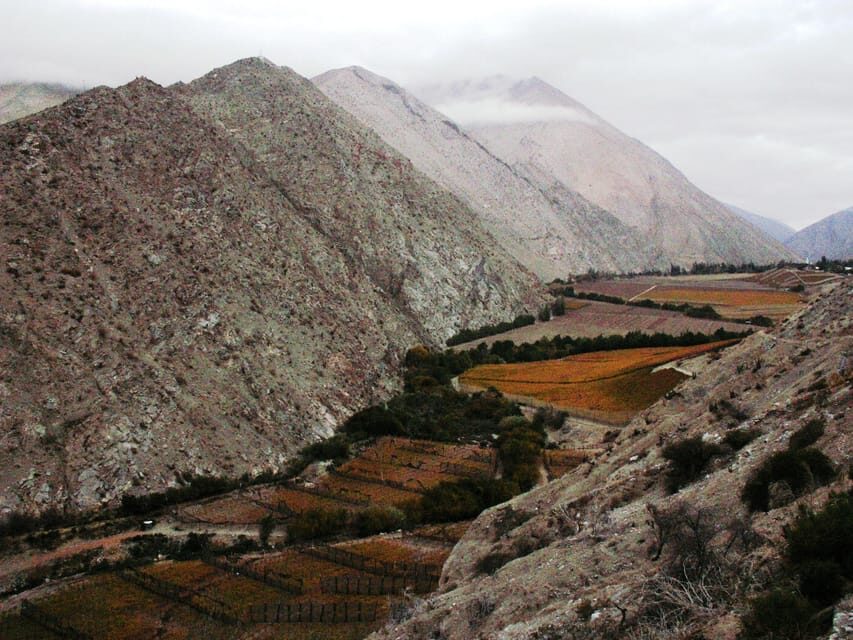
Then you move through viewpoints like Altovalsol and Mirador Cerro Polla Alta (Cerro Polla Alta). These sections are where the valley’s famous pyramidal mountains start to dominate your brain. You’re given time for photos, a guided visit, and walks where it fits the schedule.
Bring water. You’ll want it, especially because this day mixes sun time with movement. And if your camera battery drains fast in bright dry air, keep a power bank handy.
Pisco Elqui, crafts, and Rio Marquesa: where the story winds down
In the later half of the tour, you reach Pisco Elqui, a central stop for the pisco side of the valley story. You’ll have time for photos, guided visit, free time, shopping, sightseeing, and walking, plus a crafts market visit.
This is the part where shopping can feel meaningful. When you buy something in a place like Pisco Elqui, you’re not just grabbing a trinket—you’re buying from the same local networks that support the valley’s identity and economy.
The tour also includes Pisco Elqui area time that fits with tastings and spirits, while keeping you moving toward the end of the day. You’ll finish with Rio Marquesa, again with photos, guided tour, sightseeing, and walking time.
That closing sequence matters because it gives you a final set of scenic moments before you’re back on transport to La Serena.
The value question: what you’re really paying for at $195
At $195 per person, this tour is not a budget half-day. But it’s also not just transport plus a few viewpoints.
You’re getting:
- Air-conditioned transport plus pickup and drop-off in the La Serena areas that include Avenue of the Sea and the historic town
- A specialized bilingual guide in English and Spanish
- Tickets and multiple tastings (pisco, spirits, plus food tastings)
- A full lunch menu with starter, main, dessert options and drinks
- Several stops with guided time plus flexibility for photos and breaks
- Visits that cover multiple themes: indigenous villages, colonial/early church settings, pisco and wine origins, and Mistral-related sites
If you’ve ever tried to “DIY” the Elqui Valley for one day, you know the problem: it’s hard to fit distillery-related stops, village visits, and a solid lunch without spending hours planning routes. This tour removes that planning stress and replaces it with a structured day.
The only value-risk I see is if you dislike fixed schedules or prefer free time at one place rather than short, guided windows everywhere. With so many stops, you’ll spend less time lingering.
Who this tour suits best (and who should rethink it)
This tour is a strong fit if you want:
- A guided day with pisco and local food as major anchors
- Cultural stops beyond the usual city highlights
- Photos with context, not just scenic snapshots
- The kind of experience where your guide can connect water, agriculture, crafts, and distilling into one storyline
It may be less ideal if:
- You have mobility limitations (the tour is not suitable for people with mobility impairments)
- You want long, unhurried time in only one town
- You get tired by frequent moves between stops in a 10-hour structure
If you’re traveling with kids, this could work if they handle walking and enjoy tastings, but nothing here is specifically listed as family-focused. And there’s an age note: it’s not suitable for people over 95 years.
Final decision: should you book the Magnificent Elqui Valley Grand Tour?
I’d book this tour if you want one day to cover a lot of Elqui Valley identity: indigenous villages, Mistral’s hometown connection, pisco culture, crafts markets, and a solar-cooking lunch that’s actually tied to the region’s conditions.
I’d skip it (or choose something shorter) if you’re sensitive to pacing, limited walking, or you prefer free time over guided structure. The day is designed for variety, so it rewards curiosity and good energy.
If you do book, go in ready to take photos, drink water, and let the guide do the connecting. When someone like Cristóbal is explaining what you’re seeing, the valley clicks faster than you’d think.
FAQ
How long is the Elqui Valley Grand Tour?
The tour duration is listed as 10 hours. Starting times vary, so you’ll want to check availability.
Where does the tour start and end?
Pickup and drop-off are in La Serena. Pickup is included for Avenue of the Sea and La Serena historical town.
What languages is the guide available in?
The live tour guide is available in English and Spanish.
What’s included besides the guided tour?
It includes air-conditioned transport, pick up and drop off (for the specified La Serena areas), specialized bilingual guide, tickets, tastings, and lunch (starter, main course, dessert, with several options and drinks).
Do I get to taste pisco and wine?
Yes. The tour includes pisco distillery-related visits and tastings, plus aperitif-style stops with cocktails and wine and food tastings at different points in the day.
Is lunch included, and is it special?
Lunch is included with a menu that includes starter, main course, and dessert options, plus drinks. One of the lunch stops is at Solar Entre Cordilleras, a solar cooking restaurant.
What should I bring?
Bring water.
Is the tour suitable for people with mobility impairments or pets?
No. The tour is not suitable for people with mobility impairments, and pets are not allowed. Alcohol and drugs are also not allowed.