REVIEW · LA SERENA
Whales & Humboldt Penguins: Chañaral or Damas island hiking
Book on GetYourGuide →Operated by TEMBETA Travel & Culture · Bookable on GetYourGuide
Cactus, penguins, and whale-size luck on one day. I like how this trip sweeps from the Green North edge toward the Atacama, and I’m always drawn to the real payoff: whales and Humboldt penguins out on the water. One heads-up: the route depends on wind, sea tides, and waves, so the timing can shift.
I also love the pace of the day—first you’re learning the coast, then you’re out there scanning for marine life. My pickup on my run was handled by driver Christopher, and the guide Martin was the kind who actually answers questions instead of rushing past them. You’ll want to bundle your patience with your binoculars, because the day is packed.
If you hate boats or get seasick easily, this one can be a miss. And since you’ll walk and hike on Isla Damas, bring warm layers and expect uneven coastal terrain.
In This Review
- Key points that make this day work
- From La Serena to the Coasts of Choros and Damas
- Road Stops That Explain What You’ll See Later
- Punta de Choros and the Boat Day Setup
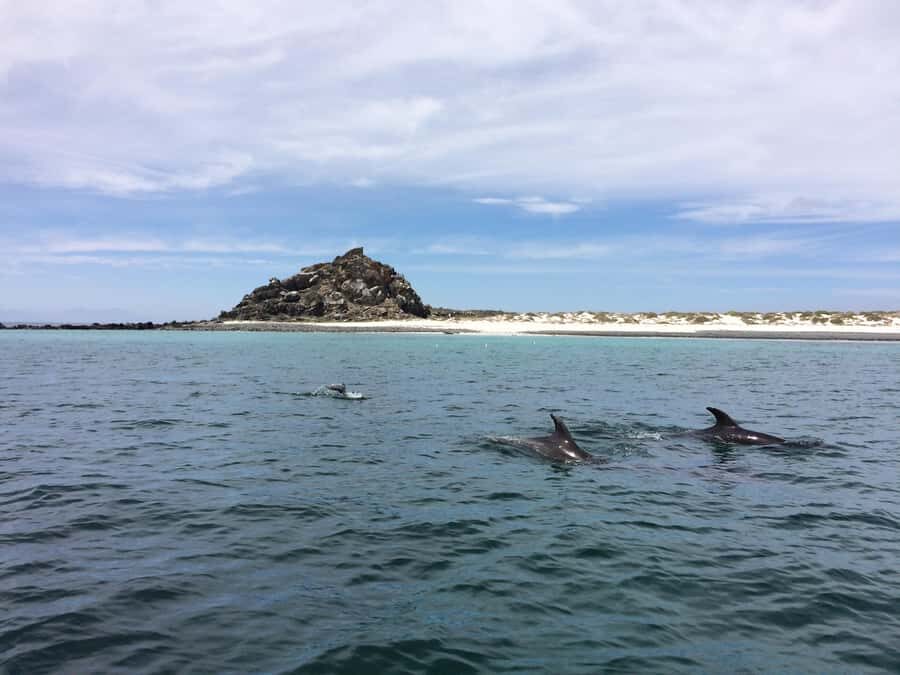
- Isla Choros: Where the Dolphin and Whale Odds Feel Real
- Isla Damas Hiking: Penguins, Cactus, and Stone-Myth Geology
- Los Choros Food Break: Seafood Culture With Drinks
- Price and Value: What $280 Buys in Real Terms
- Weather, Sea Conditions, and What to Pack
- Who This Tour Fits Best (and Who Should Skip It)
- Final Take: Should You Book This Whales and Humboldt Penguins Day?
- FAQ
- How long is the Chañaral or Damas island hiking excursion?
- Where is the pickup location?
- Are the guides available in English and Spanish?
- What’s included in the price?
- Do you skip the ticket line?
- Is this tour suitable if I get seasick easily?
- What should I bring for the hike on Isla Damas?
- What happens if the weather and sea conditions are not ideal?
Key points that make this day work
- Hike Isla Damas for penguins, cactus, and sea-bird drama without needing fancy gear
- Isla Choros boat cruise with dolphin, sea lion, sea otter, and whale watching chances
- Coastal history stops that connect Choros, Camanchacas, and Los Changos fishing culture to what you see
- Two-hour navigation from fishermen coves to island beaches, so you’re not just staring at shore
- Marine reserve ticket + guided wildlife focus meaning less guesswork and more context
- Lunch with real options plus drinks during the Los Choros break
From La Serena to the Coasts of Choros and Damas
This is a 10-hour excursion built like a story: start on land with geography, then switch to the sea when it’s time to find whales and seabirds.
Pickup happens in La Serena, with air-conditioned transport. Along the way, you stop often enough to stretch and take photos, but not so much that you feel stuck. The early stops—like Punta Teatinos and Antiguo Puente Juan Soldado—set your bearings and help you understand why this stretch of Chile is such a meeting point for different ecosystems.
One of the most interesting ideas behind this tour is the “border” concept. You’re traveling near the frontiers where the Coquimbo Green North coast meets the beginning of the Atacama desert. That shift isn’t just scenery. It’s the reason you can see a mix of plants, birds, and marine life that would feel unrelated anywhere else.
You can also read our reviews of more tours and experiences in La Serena.
Road Stops That Explain What You’ll See Later
The land portion isn’t filler. It’s the setup for your boat day, and it’s where the guide can connect myth, settlement history, and practical coastal knowledge.
You’ll pass and pause at places like Caleta Los Hornos and La Higuera. Expect short guided moments plus scenic viewing time. These stops matter because they teach you how people used these coves—where fishermen sheltered, where divers worked, and how the sea dictated daily life.
Then you get into the more specific Choros area setting, including Quebrada de los Choros. This is a great moment to look for birds and understand why the coast here draws so much attention. I like these pauses because they make you start reading the coastline instead of just photographing it.
Punta de Choros and the Boat Day Setup
The day transitions at Punta de Choros, where you get a break, photos, and a safety briefing before the cruise. This is your cue that the tour is about marine life viewing, not only coastal sightseeing.
The boat segment is described as a navigation time of about two hours, moving from fishermen coves out toward the islands and beaches where wildlife gathers. In practice, that means you’re spending real time offshore rather than just hugging the harbor.
Also, the guide’s role starts to feel sharper here. Once you’re on the water, it’s easier to spot what you’ve been primed to watch for: seabirds circling, sea mammals surfacing, and the telltale movement that often precedes a whale sighting.
Isla Choros: Where the Dolphin and Whale Odds Feel Real
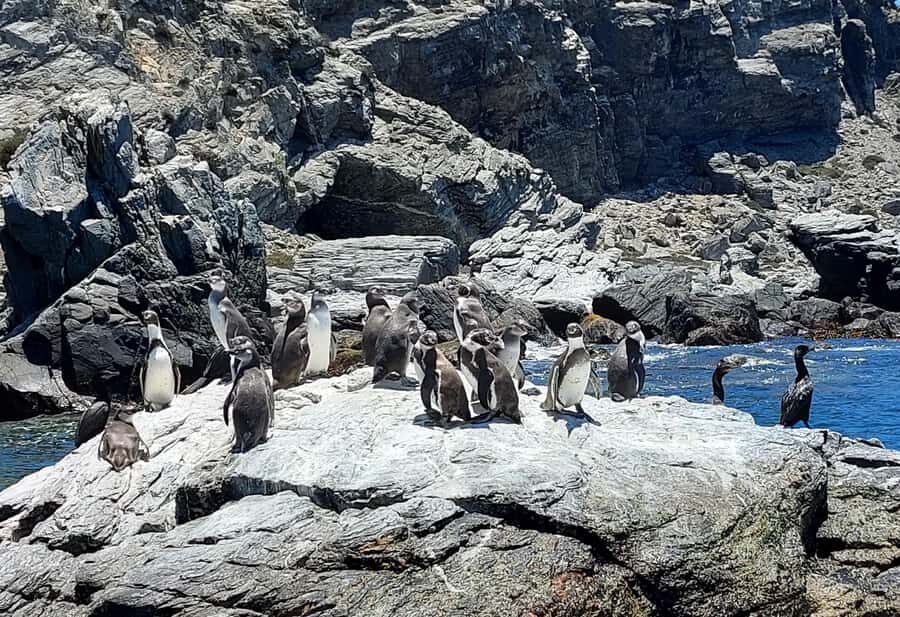
Isla Choros is the island anchor for the marine-life part of the day. Your time here includes a guided island approach plus boat cruise time, with dolphin watching and marine life viewing built into the schedule.
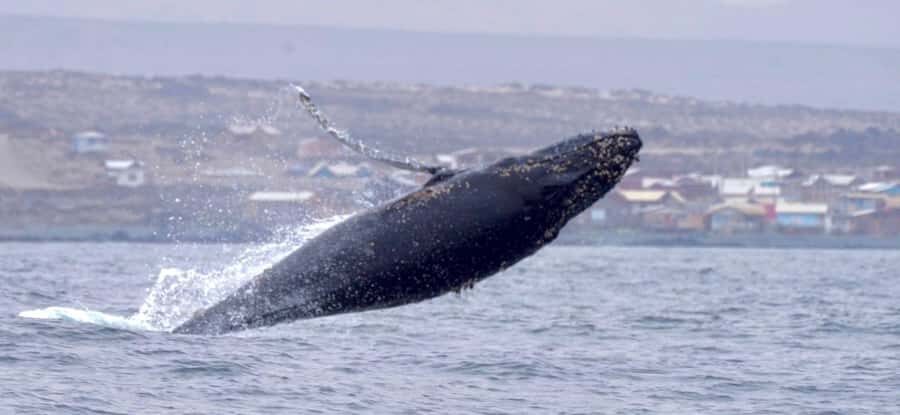
This is the portion you’ll remember if you care about whales seriously. The tour explicitly sets up whale watching, along with the chance to see sea otters and sea lions. You’re also looking for birds—raptors and seabirds that ride thermal winds and hover where food is likely to appear.
One of the smartest ways to enjoy this part is simple: commit to patience. Whales don’t happen on demand. The good news is that the cruise isn’t just waiting. The same stretch of water can offer dolphins, surfacing sea mammals, and constant bird activity, so even slow minutes stay interesting.
Practical note: this section is weather-dependent. If conditions aren’t ideal, you may feel the day tightens around what the sea allows. If you’re someone who gets disappointed easily, plan your expectations for a flexible wildlife day.
Isla Damas Hiking: Penguins, Cactus, and Stone-Myth Geology
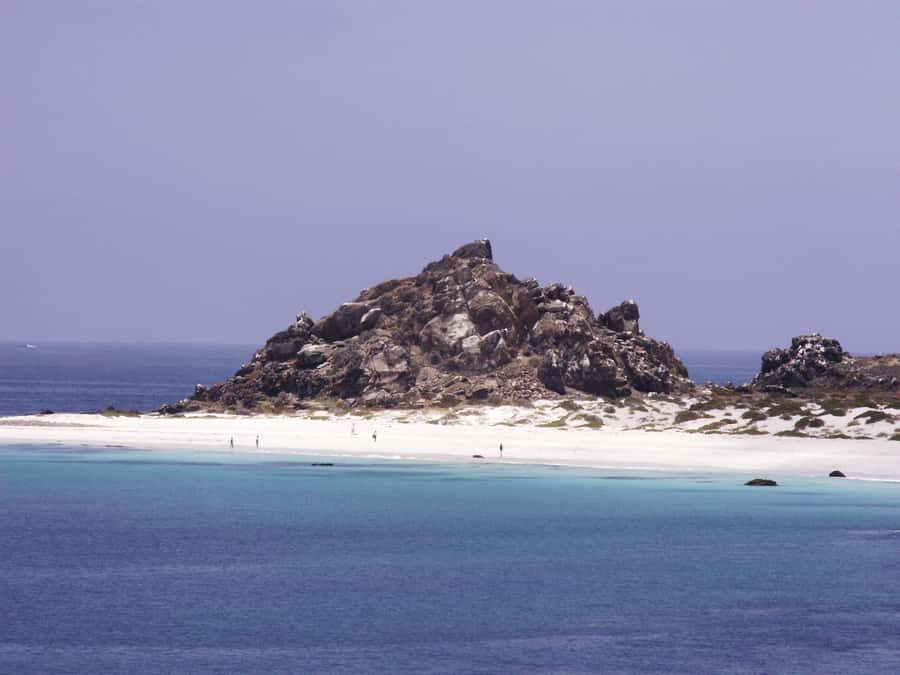
After the Choros marine focus, you shift to Isla Damas for the island walk and hiking time (about one hour).
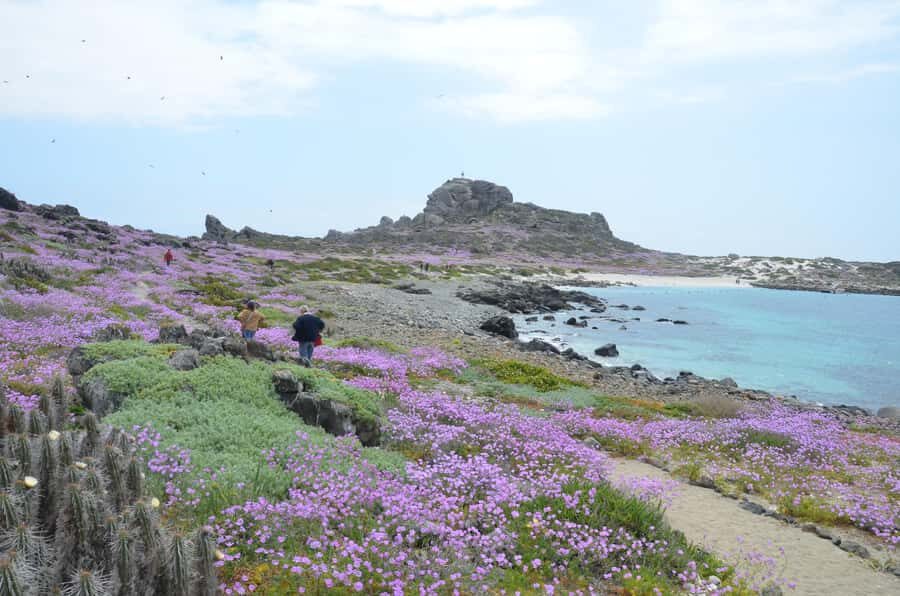
This is where the tour becomes more than a boat trip. You’ll have photo moments and guided time, plus time to walk and enjoy the island features. The tour description highlights cactus alongside the island’s plant variety, and it points to seabirds and marine mammals too.
The penguin focus here is the big hook. The experience is specifically tied to Humboldt penguins, and the island setting is designed to give you chances to spot them while you’re moving at a comfortable walking pace. You don’t need special equipment—just a willingness to look down, then look out.
I also like the cultural storytelling tied to this island. The tour mentions myth-like stone formations—stone geomorphology described as gods—plus the idea of Indigenous fishing rafts associated with sea lions. It’s the kind of information that changes how you see rocks and shorelines: you stop thinking of them as scenery and start seeing them as evidence.
Los Choros Food Break: Seafood Culture With Drinks
When you reach Los Choros, you’re not just grabbing lunch—you’re getting a cultural pause.
The schedule gives you a 70-minute break that includes lunch plus options like beer and wine, and dessert. Lunch is part of the included package, with a menu that includes different starter, main course, and dessert options, plus a drink such as wine, water, or soft drink.
This matters for value. You’re paying for a full-day outing that mixes transport, a marine reserve ticket, boat time, guidance, and meals. A lot of similar trips skimp on food quality or timing. Here, you have a proper sit-down break where you can fuel up before the ride back.
Also, the island-and-sea theme continues here. The area’s identity is tied to artisanal fishermen, divers, and seaweed collectors, and that context makes the meal feel less generic.
Price and Value: What $280 Buys in Real Terms
At $280 per person, you’re not buying a quick harbor cruise. You’re buying a full, organized day with multiple components that are usually sold separately:
- pickup and drop-off in La Serena
- air-conditioned transport
- bilingual, specialized guidance (English and Spanish)
- a national park / marine reserve ticket
- boat navigation, plus safety briefing
- lunch with starter, main, dessert options and a drink
For me, the value comes from how the pieces connect. The coastal storytelling makes the wildlife viewing smarter. The boat time makes the marine life feel like the main event. And the lunch isn’t an afterthought.
That said, it’s not a cheap day trip where you can treat the weather like a detail. Since sea conditions can affect what you can do, I’d only book if you’re okay with a day that follows nature’s mood.
Weather, Sea Conditions, and What to Pack
This is a key detail you should treat seriously. The tour needs optimal climatic conditions and depends on wind, sea tides, and waves. The plan includes checking conditions two days before and informing passengers about what to expect.
What that means for you: build in flexibility and dress for coastal swings. Even if the forecast looks friendly, bring layers.
Pack:
- warm clothing
- weather-appropriate outdoor gear
- comfortable layers for walking and hiking
Also, know the suitability limits. This tour is not suitable for people with back problems, mobility impairments, epilepsy, or those prone to seasickness. If you fall into any of those categories, choose a different itinerary with calmer land-based pacing.
Who This Tour Fits Best (and Who Should Skip It)
This works best for you if:
- you want a single full day mixing history, wildlife, and a short hike
- you care about marine fauna and want a guided focus
- you’re staying in or near La Serena and don’t want to figure out the logistics yourself
It’s not the right match if:
- you’re sensitive to boat travel or get seasick easily
- you need fully flat, easy walking due to the Isla Damas hike
- you want a relaxed, slow-sightseeing schedule; the day is active and structured
Final Take: Should You Book This Whales and Humboldt Penguins Day?
I’d book it if you’re chasing the real thing: whales and Humboldt penguins paired with a hike on an island that feels tied to both ecology and fishing culture. The day is built for that mix—boat time for wildlife, land stops for context, and food that doesn’t feel like an obligation.
Skip it if you’re hoping for a calm, predictable itinerary regardless of sea conditions. Also skip it if you know you don’t do well on boats or you can’t handle the walking and uneven island terrain.
If you’re the type who enjoys looking longer, asking questions, and dressing in layers for shifting coastal weather, this is the kind of tour that can turn into a standout day in Chile’s north coast story.
FAQ
How long is the Chañaral or Damas island hiking excursion?
The duration is 10 hours.
Where is the pickup location?
Pickup is included from La Serena, with pick up and drop-off to your accommodation.
Are the guides available in English and Spanish?
Yes. The live tour guide is available in English and Spanish.
What’s included in the price?
Included are air-conditioned transport, a bilingual specialized guide, a national park (marine reserve) ticket, boat navigation, and lunch with different starter, main course, dessert options, plus a drink (wine glass, water, or soft drink).
Do you skip the ticket line?
Yes, the tour includes skipping the ticket line.
Is this tour suitable if I get seasick easily?
No. It is not suitable for people prone to seasickness.
What should I bring for the hike on Isla Damas?
Bring warm clothing and outdoor clothing suitable for the weather, plus weather-appropriate layers for walking and hiking.
What happens if the weather and sea conditions are not ideal?
The tour needs optimal climatic conditions and depends on wind and sea conditions. Two days before the tour, the team checks conditions and informs passengers about expected conditions.