REVIEW · CHILE
Orongo: The mythical city of kings
Book on GetYourGuide →Operated by Kapua Tours & Experience · Bookable on GetYourGuide
Legends of kings live at Orongo. On Easter Island, this Orongo-focused outing links the sacred volcanic world of Rano Kau with the ceremonial village where Rapa Nui belief stories were acted out and remembered.
I love how fast the pacing is for a short visit: you get major scenery, plus a guide who puts the places into Rapa Nui culture context instead of just pointing and moving on. I also love the payoff at Orongo, where the petroglyphs and ocean-and-islands viewpoints make the mythology feel real, not like a lecture.
One thing to consider: your experience depends heavily on the guide’s energy and explanations. One low-rated booking described a guide who didn’t really talk through the sites, so you’ll want to bring good expectations and, if possible, ask your guide questions early.
In This Review
- Key things I’d plan around
- Why this Orongo route feels different from the moai areas
- Rano Kau: sacred volcano views with a guided cultural story
- Orongo’s ceremonial village: petroglyphs and Rapa Nui mythology in one place
- Ahu Vinapu: a final guided photo stop before you head back
- How the 3-hour private group format works for real questions
- Price and value: is $169 per person fair for this route?
- What to bring for a smooth, comfortable outing
- Who should book Orongo: The Mythical City of Kings?
- Should you book it?
- FAQ
- How long is the Orongo: The Mythical City of Kings tour?
- Where does pickup happen?
- Is the group private?
- What languages are offered for the live guide?
- What are the main stops during the tour?
- Is hotel pickup and return included in the price?
- Are meals included?
- Are entrance tickets included?
- What’s the cancellation policy?
- Is there a way to book without paying right away?
Key things I’d plan around
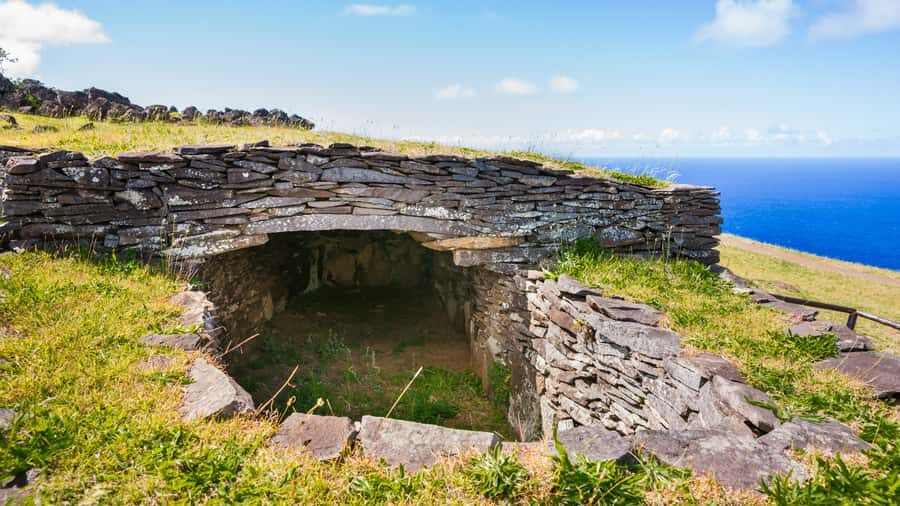
- Rano Kau first: a sacred crater stop that sets the tone for the whole day
- Orongo’s ceremonial village vibe: petroglyphs plus mythology and religion tied to what you see
- Short walks, guided stops: you’re moving on purpose, not stuck waiting around
- Private group format: better odds you’ll actually get your questions answered
- Western-side feel: it’s a different experience than the classic moai areas
- Ahu Vinapu included: a final guided stop and photo moment before returning
Why this Orongo route feels different from the moai areas
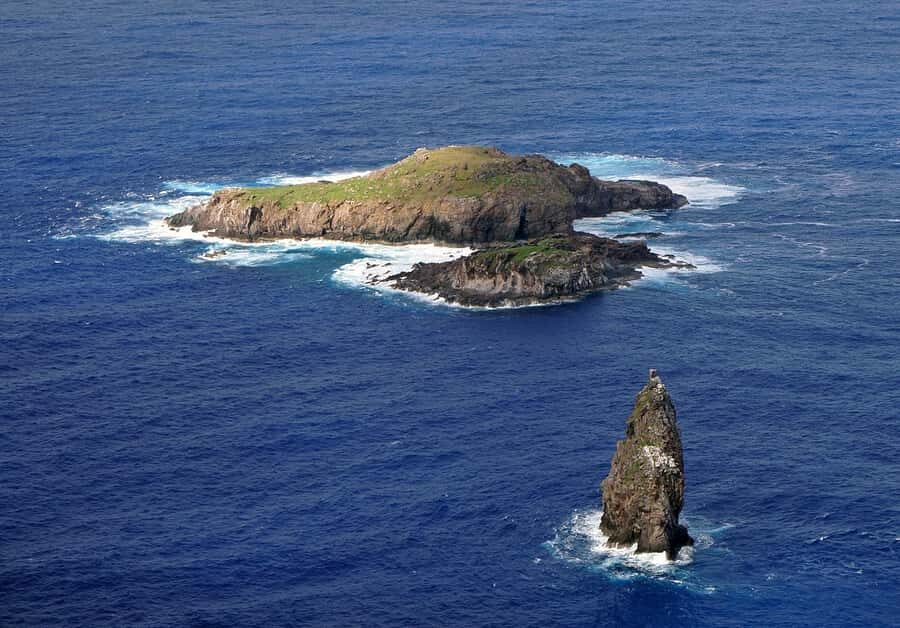
Most first-timers picture Easter Island as moai statues first, everything else second. This tour takes you the other direction—toward volcanic and ceremonial sites—so your brain gets a broader map of what Rapa Nui life and religion could look like.
You’ll start with Rano Kau, then move to Orongo’s ceremonial spaces, and finish at Ahu Vinapu for a guided visit and photos. That sequence matters. Volcano first gives you the sacred setting. Orongo next gives you the human stories—mythology, religion, and the meaning people assigned to these locations.
This is also a smart choice if you’re short on time or have an afternoon flight. One past booking even used it to explore the western part efficiently, with a guide who was happy to talk and answer questions.
You can also read our reviews of more tours and experiences in Chile.


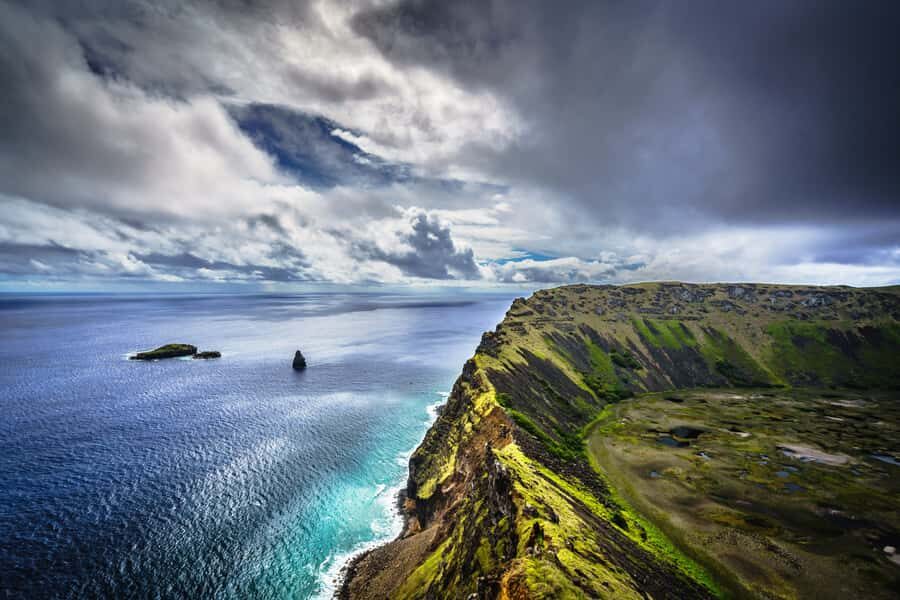
Rano Kau: sacred volcano views with a guided cultural story

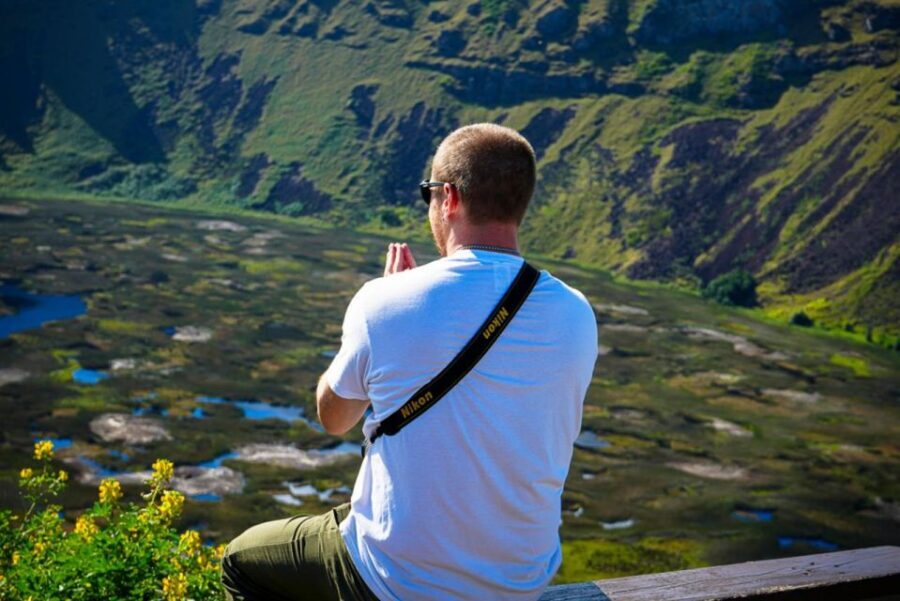
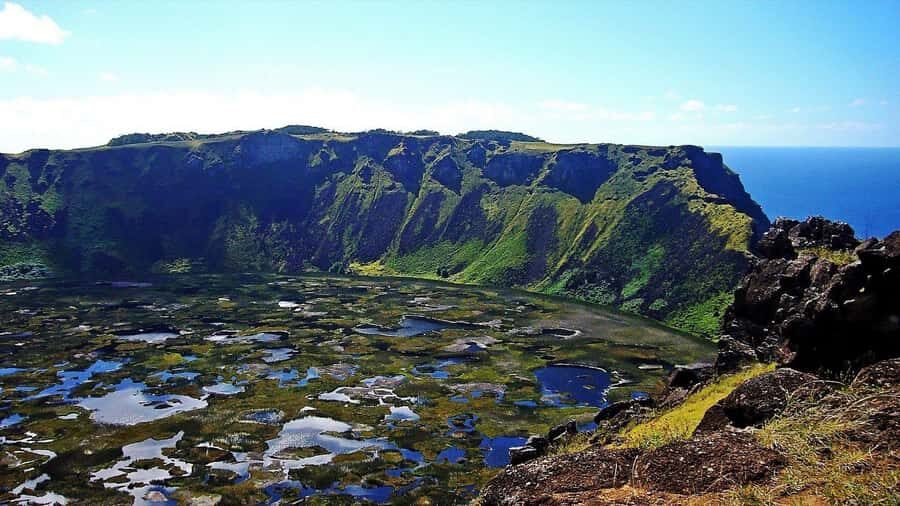
Your tour begins at your Easter Island hotel with pickup and return included, and the day starts at Rano Kau. Expect a guided visit with sightseeing and a short walk (about 30 minutes here).
What makes this stop worth your time is not just the view (though you should plan on good viewing), but the explanation of why the volcano mattered to the ancient inhabitants. The tour framing is clear: Rano Kau isn’t treated like scenery. It’s treated like a sacred place with cultural and religious importance.
Practical tip: since this is the first stop, use it to set your questions for the day. Ask how the volcano setting connects to what you’ll see at Orongo. If your guide is talkative (many are, based on strong ratings), this is when you’ll start getting the connections that make the rest of the tour click.
Time-wise, 30 minutes is brief. That’s a plus if you want a tight, efficient circuit, but it does mean you won’t linger. If you’re the type who loves long photo sessions, you may want to arrive with a camera ready and keep your eyes up for the “you’ll want that shot” moments quickly.
Orongo’s ceremonial village: petroglyphs and Rapa Nui mythology in one place
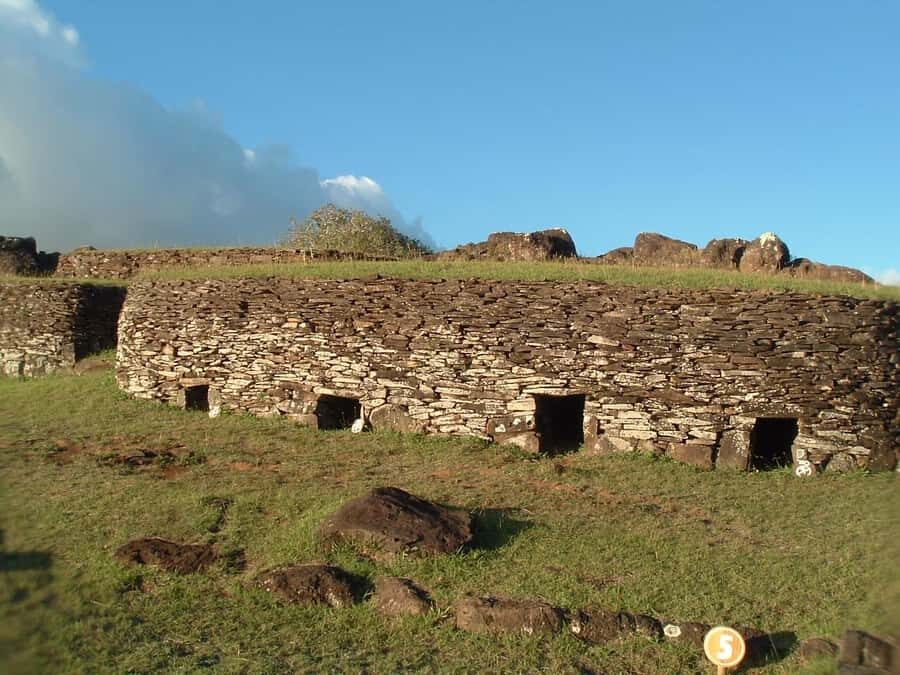
After Rano Kau, you head to Orongo, the ceremonial village section of the tour (about 50 minutes total). Here, you’ll get a guided walk, passes along the way, and scenic views.
This is the heart of the experience. The tour is built around mythology and religion of the island, and Orongo is where that story gets visual. You’ll see the famous petroglyphs, and the guide will connect what you’re looking at to how Rapa Nui belief was expressed through sacred spaces.
One past booking specifically called out how different the scenery feels compared to moai areas. That tracks: Orongo’s power comes from the mix of ritual space and the dramatic ocean-and-islands viewpoint. It’s easier to understand why myth would “stick” here when the setting looks like it belongs to a story.
Also, pay attention to pace. You’re walking and stopping, but it’s not a slow museum tour. It’s more like a guided route that keeps you moving to the key viewpoints and marks. If you’re traveling with someone who hates walking, this one might be okay if they’re fine with short stretches—just plan for the fact that there are multiple legs on foot.
Ahu Vinapu: a final guided photo stop before you head back
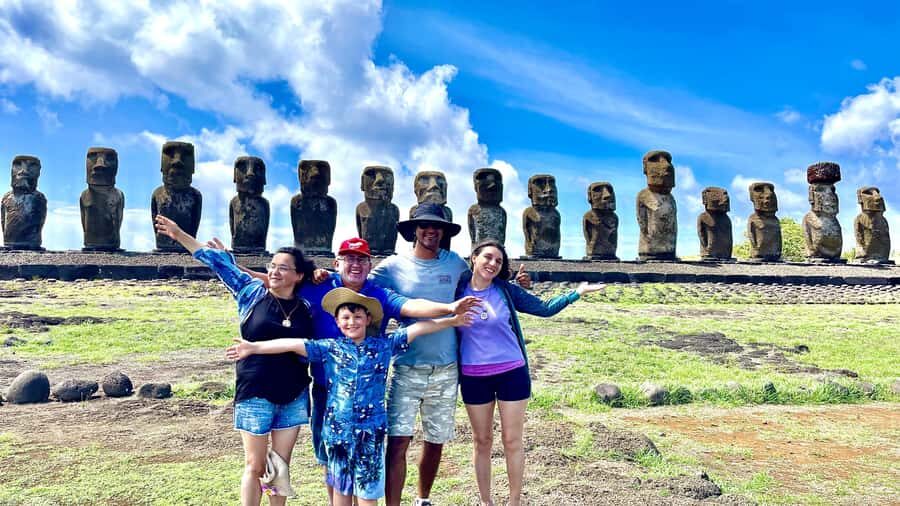
You’ll finish with Ahu Vinapu. Plan for about 40 minutes including a photo stop, a guided visit, and some walking.
The value here is the wrap-up: after volcano and ceremonial village, this last stop adds another layer to the island’s ancient sites. Since it’s a guided visit, it’s not just about grabbing a picture and leaving. You’ll get an explanation while you’re there, and you’ll be able to ask follow-up questions if something earlier didn’t fully make sense.
One small scheduling note: because your total tour duration is around 3 hours (with the company describing it as 3 to 4 hours), the final segment is important. If you want extra time for photos, this is usually where you’ll have the most need to be efficient. Don’t leave your best camera work for the last minute.
How the 3-hour private group format works for real questions
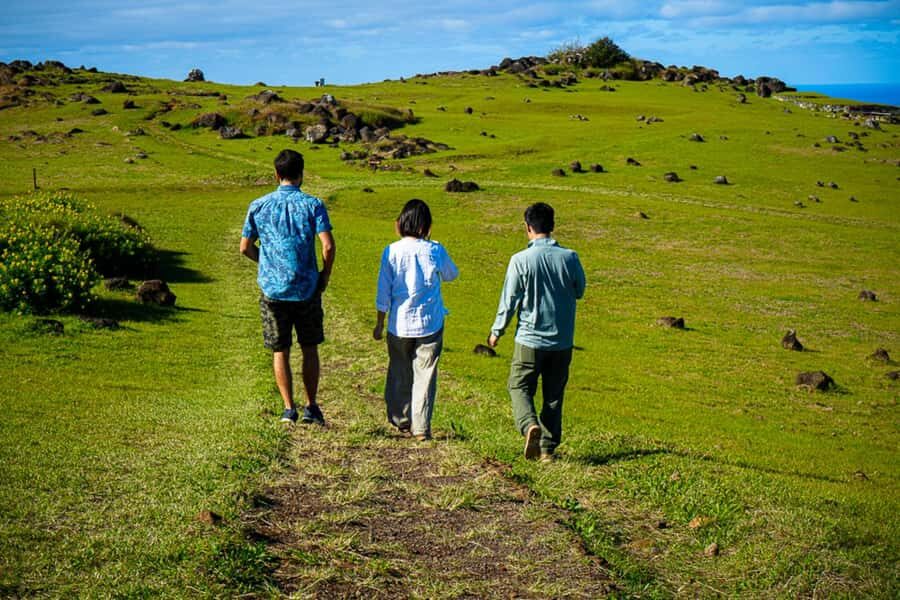
This is a private group tour. That matters more than it sounds. In a private setting, you’re less likely to get rushed into silence while the guide moves on to the next topic.
The tour runs for about 3 hours (often described as 3 to 4 hours). You also get live guiding in French, English, or Spanish, so you’re not stuck with a language barrier that turns cultural explanations into guesswork.
What I liked in the feedback I saw: good guides were described as efficient and responsive, with guides who answered questions and kept conversation going. One named guide, Hete, was praised for answering questions and even having casual conversation beyond the strict route.
That’s the thing to watch for: on a short tour, interpretation is everything. If your guide is engaging, you’ll leave with a coherent story. If the guide is quiet, it can feel like you’re just ticking off stops.
If you have something specific you want to see, ask. One past booking reported that the guide worked out a request for a site not on the standard route. You won’t know if that’s possible for every day, but it’s a smart way to use a private format to improve value.




Price and value: is $169 per person fair for this route?
At $169 per person, you’re paying for a guided circuit that includes hotel pickup and return, live interpretation, and a route covering multiple major sites in a short window.
Here’s what’s included:
- Recogida y regreso al hotel (pickup and return to your hotel)
- Live tour guide (French, English, Spanish)
- Private group
What costs extra:
- Ticket de entrada to the sites
- Food and drinks
- Tips
So is it good value? It’s a solid pick if you want the “why” behind the places—especially mythology and religion at Orongo—because that kind of interpretation is hard to DIY if you don’t already know the island’s belief system.
If you’re comfortable wandering independently and don’t care much about guided context, the price may feel high once you add entry tickets. But if you do care—about petroglyphs, sacred meaning, and the connection between volcanic and ceremonial sites—this is the sort of tour that can save you from leaving confused.
One practical way to judge value: treat this as a cultural guide service plus time-saving logistics. The guide turns short stops into understanding, and the pickup/return removes friction so you can focus on the sites.
What to bring for a smooth, comfortable outing
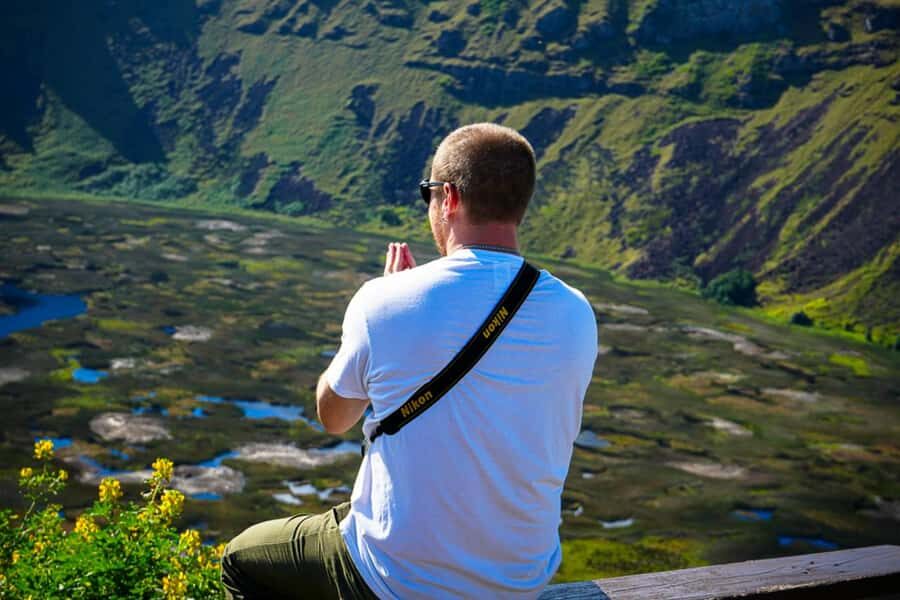
The tour involves guided walks at Rano Kau, Orongo, and Ahu Vinapu. The distances aren’t huge, but you’ll still want to show up ready for a few segments of walking.
Bring:
- Comfortable walking shoes (the kind you don’t mind on uneven ground)
- Sun protection (it’s an island, and you’ll be outside at viewpoints)
- A camera or phone with enough storage (you’ll have photo stops and scenic stops)
- Water, since food and drinks aren’t included
If you tend to get cold in wind, bring a light layer too. Coastal viewpoints can feel breezier than you expect.
And bring one “curiosity question” for your guide. With a short tour, you want at least one moment where you feel like you got a personal answer.
Who should book Orongo: The Mythical City of Kings?
Book this tour if you:
- Want Orongo-focused storytelling: mythology, religion, and petroglyphs
- Prefer the ceremonial and volcanic side of Easter Island, not just moai areas
- Like short, structured itineraries that still leave you time for the rest of your day
- Value a private group where you can ask questions without feeling rushed
Skip or reconsider if you:
- Mostly want moai statues and nothing else
- Expect a “relaxed, hang out at each site” experience—this is more efficient than slow
- Might be sensitive to guide quality, since one low-rated booking reported minimal explanation and more driving than talking
If you’re on the fence, I’d make your decision based on what you want to understand. If “what does this mean?” is your priority, this tour fits nicely. If “just show me the sights” is your priority, you may want to pair it with independent time elsewhere.
Should you book it?
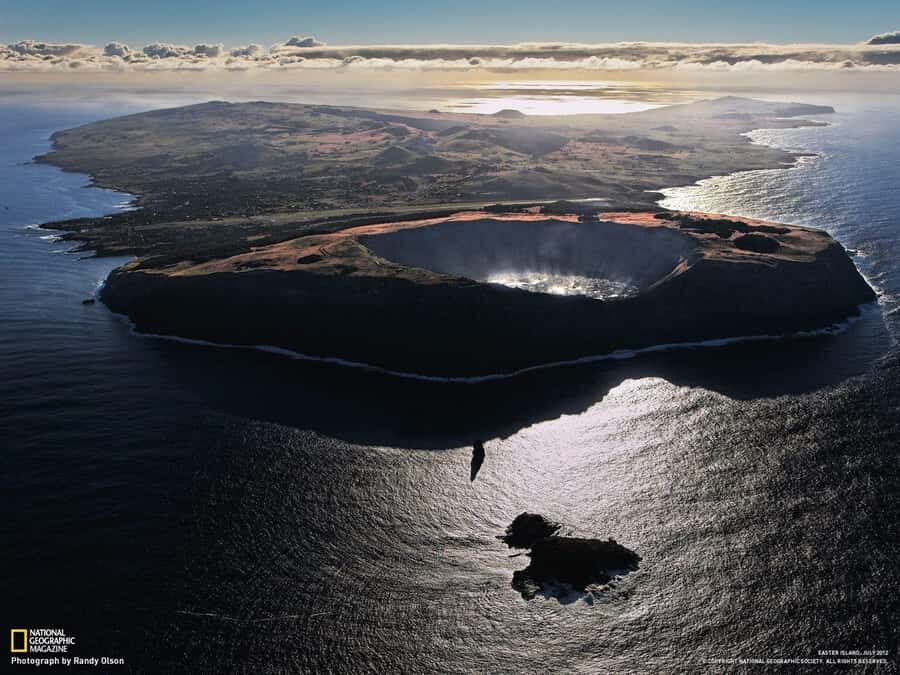
I’d book this tour if your goal is to connect Rano Kau and Orongo to the deeper Rapa Nui story—especially the mythology and religion angle tied to petroglyphs and ceremonial spaces. The private format, hotel pickup/return, and guided stops make it a practical way to cover multiple sites in a short time without losing context.
Just go in prepared for the tour to be interpretation-heavy but time-tight. And if you care about lively explanations, don’t be shy about asking questions right from the start—you’ll get the best version of this experience when the guide engages.
FAQ
How long is the Orongo: The Mythical City of Kings tour?
The tour is listed as about 3 hours. The description also says 3 to 4 hours, so it may vary slightly depending on the day and start time.
Where does pickup happen?
Pickup is from your Easter Island hotel. You’ll be asked to wait in the hotel lobby about 10 minutes before the scheduled pickup time.
Is the group private?
Yes, it’s a private group tour.
What languages are offered for the live guide?
The live guide is available in French, English, and Spanish.
What are the main stops during the tour?
The route includes Rano Kau, the ceremonial village of Orongo (with petroglyphs), and a visit/photo stop at Ahu Vinapu.
Is hotel pickup and return included in the price?
Yes. Hotel pickup and return are included.
Are meals included?
No. Food and drinks are not included.
Are entrance tickets included?
No. You should expect an additional ticket de entrada cost for the places visited.
What’s the cancellation policy?
Free cancellation is offered up to 24 hours in advance for a full refund.
Is there a way to book without paying right away?
Yes. The activity offers reserve now and pay later, meaning you can book your spot and pay nothing today.