REVIEW · CHILE
Pucón: Ascent to Villarrica Volcano
Book on GetYourGuide →Operated by Terravolcano · Bookable on GetYourGuide
Villarrica rewards you for showing up early. This Pucón volcano climb is interesting because you get certified guides and serious mountain gear before you even start walking, then you’re working your way toward crater views that can, in some conditions, reveal lava inside.
One thing I like a lot is the focus on doing it safely and practically, with equipment suited for ice and cold near the top. Another big win is the payoff: panoramic views over Pucón, the surrounding lakes, and the volcanoes—then the summit moment at 2,848 meters.
The possible drawback is effort and conditions. This is a tough, steep hike with a lot of elevation gain (often around 1,570 m), and it also isn’t a good fit if you have vertigo, breathing issues, or concerns about altitude. You’ll also need to come by the day before to test the gear, which takes a bit of planning.
If you’re ready for an organized early start, you’ll love the rhythm: meet at the Terra Volcano office around 6:00 am, get fitted, drive to the park, and later use crampons and an ice axe near the glacier zone. And depending on the season, the descent can include a snow-slide style finish that turns the hardest part of the day into the most fun.
In This Review
- Key highlights to know before you go
- Why this Villarrica climb from Pucón is worth your time
- The day’s flow: from Terra Volcano to the summit and back
- Safety and gear: crampons, ice axes, and practical instruction
- The approach hike: views of Pucón, lakes, and other volcanoes
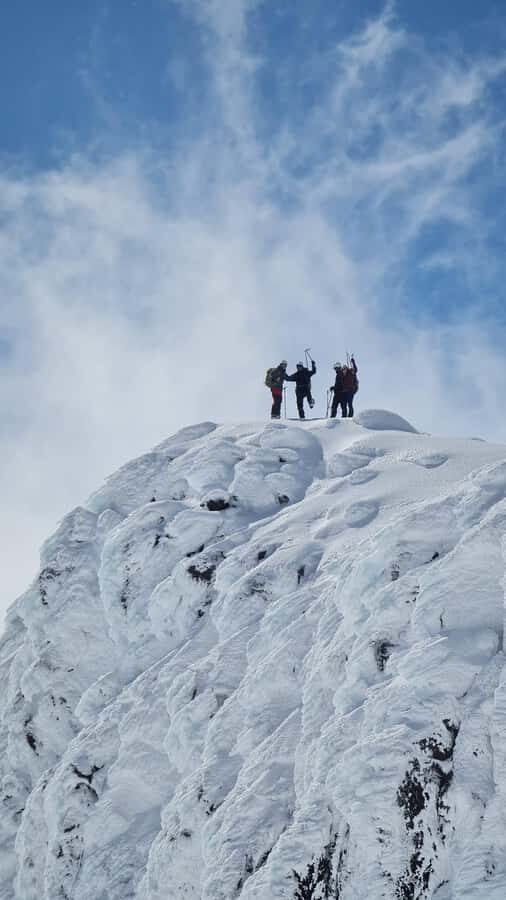
- Summit moment at 2,848 meters: the crater and possible lava
- Descent strategy: glacier slides in winter and foot in summer
- Price and value: what $185 covers (and what you still need)
- What to pack: layers that won’t fail you
- Who should go, and who should skip this one
- Booking realities: weather changes and the equipment test
- Should you book the Villarrica ascent with Terravolcano?
- FAQ
- Where is the meeting point for the Villarrica volcano climb?
- What time does the tour start?
- How long is the activity?
- What’s included in the price?
- What should I bring that is not included?
- Do I need to test equipment before the climb?
- Is the climb always the same in every season?
- Are there any language options for the guides?
- Is this tour suitable for kids?
- What’s the cancellation policy?
Key highlights to know before you go
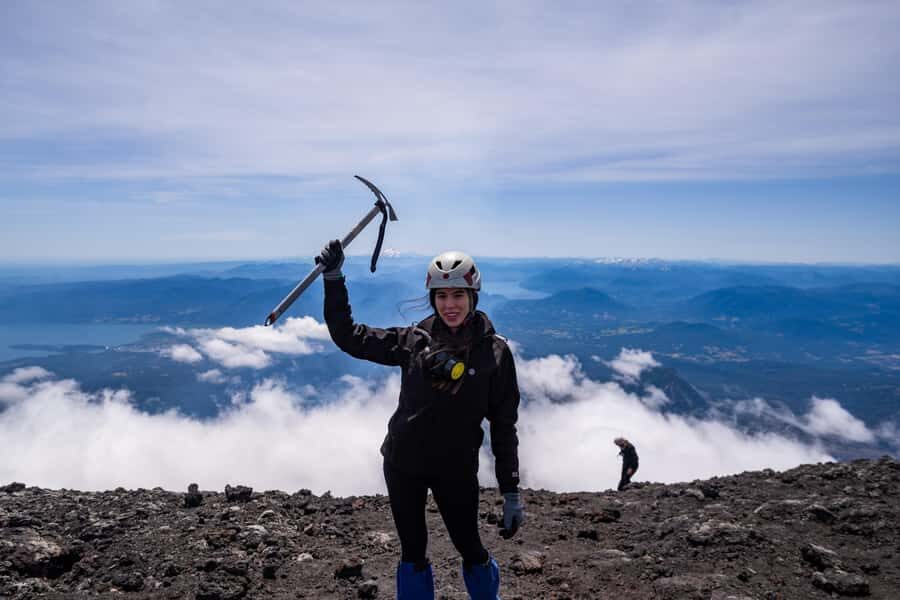
- Certified guides and real mountain gear: helmet, windproof jacket, gloves, crampons, and ice axe are all included.
- A serious summit target: reach 2,848 meters and get to look into the crater.
- Weather-driven climbing: the team checks conditions the day before and again at the start time.
- Seasonal descent fun: snow slides in colder months; walking down in summer.
- High-value all-in package: transport, park entrance, activity insurance, trekking poles, and guided support are included.
- Post-climb warmth: cold beers in summer or hot chocolate in winter, plus snacks in many cases.
Why this Villarrica climb from Pucón is worth your time
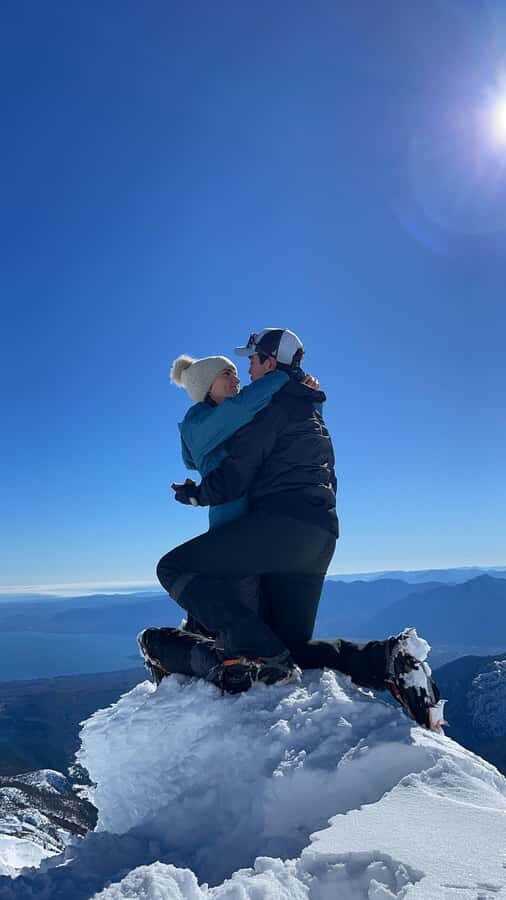
Volcán Villarrica isn’t just a name on a map. It’s the kind of volcano where you feel your legs working early, then you feel your brain go quiet once the views open up. This tour hits the right balance: it’s adventurous, but it’s run like a real operation.
What I like most is the combination of certified guidance and glacier-capable tools. Near the summit you’re not just strolling on a rocky trail—you’re getting crampons and using an ice axe with support from the guide team. That matters because it changes the whole experience from hike-only to mountaineering-style safety.
You’ll also notice the tour’s built-in “outcome focus.” You’re not spending your day wandering. You drive in, hike steadily, take a quick photo moment, and then come back with a clear sense of completion—summit and crater, then down again.
Finally, there’s a human touch at the end. After you return, you get cold beers in summer or hot chocolate in winter, and the vibe is celebratory without being cheesy.
You can also read our reviews of more tours and experiences in Chile.
The day’s flow: from Terra Volcano to the summit and back
This tour is built around an early start. You begin at the Terra Volcano office, then get outfitted before heading to the park.
Meeting and departure
- You start in the office at 6:00 am, where you receive and confirm your gear.
- Then you transfer by van for about 30 minutes to the base area of Villarrica.
In the park
Once you arrive, the first thing you do is take the safety briefing seriously—around 10 minutes. It sounds short, but on a volcano day, those minutes set your expectations for ice, wind, and pacing.
Then the main hike takes about 6 hours. The pace is designed to be steady, giving you time to look around—not just race uphill with everyone else’s breathing in your ear.
There’s also a 10-minute photo stop. It’s brief on purpose. The team keeps you moving while still giving you a chance to grab the good angles—especially when the crater views start to become realistic.
Back down
After the summit and crater time, you start the descent. The return to the base typically takes 2 to 4 hours, depending on conditions and the season.
At the end, you ride the van back to the Terra Volcano office. That’s when the post-hike drinks happen: cold beers in summer or hot chocolate in winter.
One note that affects your schedule: the tour time totals 510 minutes. That’s a full day, but it’s also short enough that you’ll still feel like you did something real without burning your entire vacation.
Safety and gear: crampons, ice axes, and practical instruction
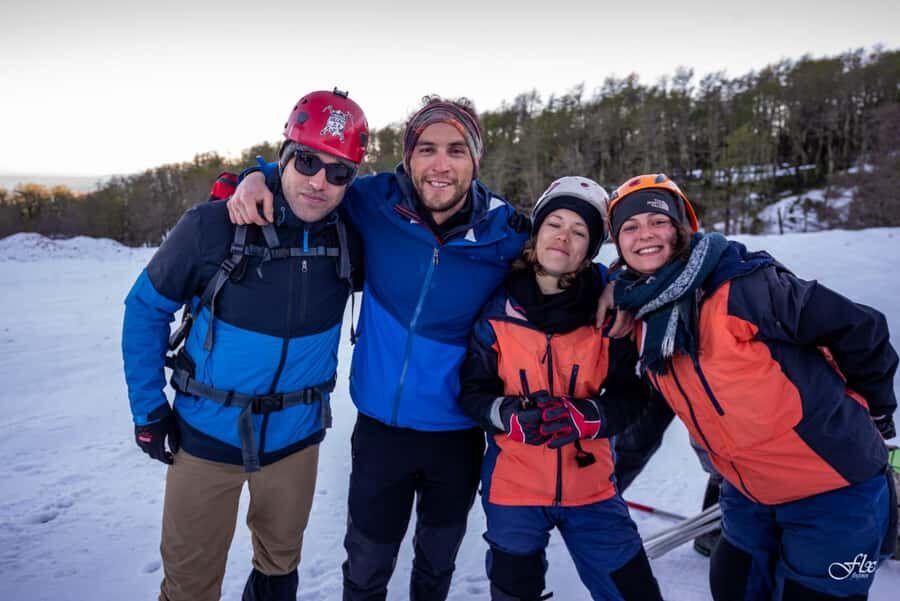
The best thing about this climb is that you’re not left to guess. The tour includes the key pieces that turn snow and ice from scary into manageable.
You’ll be provided with:
- Helmet
- Backpack
- Mountain footwear (and they help you use it correctly)
- Crampons and ice ax
- Trouser cover
- Windproof jacket
- Trekking sticks
- Gloves
That gear list matters because Villarrica climbing isn’t just about “being brave.” Cold, wind, and ice placement are the real challenges. And since you’re using crampons and an ice axe near the summit glacier area, you’ll want someone watching your technique and pacing.
The guides also help with how to handle the tools. In one real example, the guide team helped people practice self-arrest—the skill you want if your footing slips on icy sections.
Weather is another safety layer. The operator checks the weather the day before and again at the time of the activity. That means you should expect adjustments based on what the volcano and conditions are doing that day, not just a fixed “always climb no matter what” approach.
And here’s an important planning requirement: you need to come to the office the day before to test the equipment. This is one of those “annoying but smart” steps. You’ll want your crampons and layers feeling right before you’re standing on real glacier snow.
The approach hike: views of Pucón, lakes, and other volcanoes
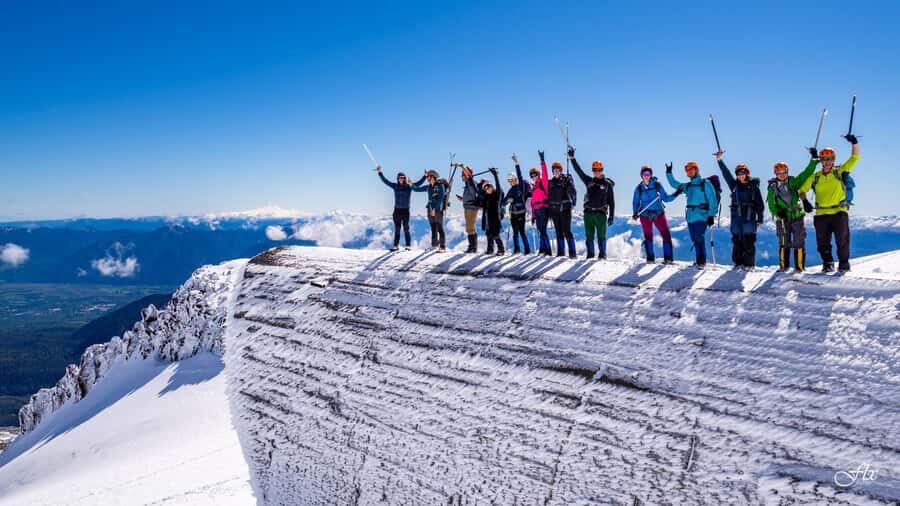
The ascent starts at a lower elevation and builds steadily. Early on, you’ll have time to look back toward Pucón, and you’ll start seeing how the lakes and surrounding peaks fit together.
As you climb, the terrain changes. The walk becomes more demanding, and the weather can shift fast. That’s why the tour includes a windproof jacket and gloves—because cold wind isn’t a minor detail here.
There’s also a psychological benefit to the “constant pace” approach. If you sprint at the beginning, you’ll pay for it before the summit zone. If you move steadily, you’ll have enough energy left to enjoy the crater moment without looking at the ground like it owes you money.
If you’re lucky with visibility, you’ll get panoramic views that make the effort feel worth it. And even if the weather tightens, the combination of guidance and gear helps you keep moving safely.
Summit moment at 2,848 meters: the crater and possible lava
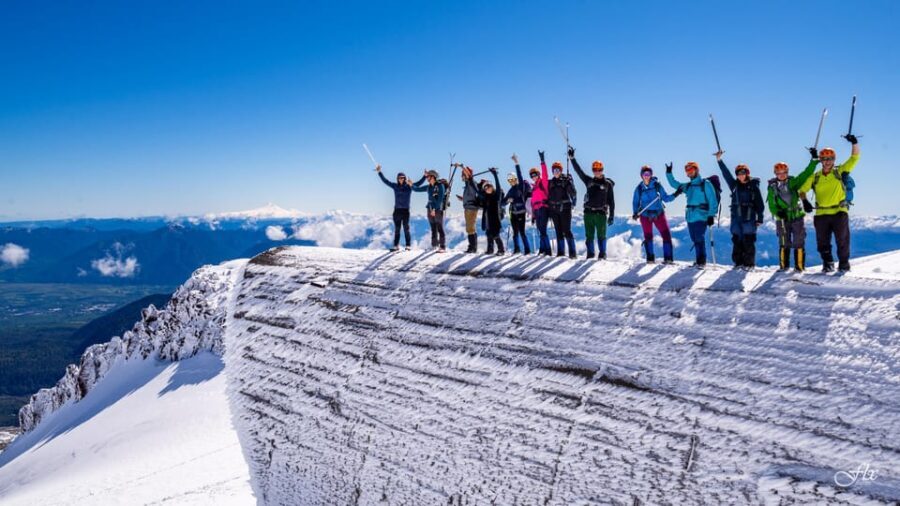
Reaching the summit means standing at 2,848 meters above sea level. That’s high enough that your body feels the altitude, especially once the air is cold and the wind kicks up.
Then comes the main event: staring into the crater. You’ll be able to contemplate the center of the crater and its geological formation. And depending on volcanic activity that day, it may be possible to see lava inside.
This is where a guide’s role matters beyond “get you there.” The crater zone can be distracting. People want to look and forget footing. Having someone keep you moving safely—and point out what you’re seeing—turns it from a random glance into an actual understanding of the place.
After summit time and photos, you move on quickly. You don’t want to linger too long in cold wind once you’ve taken what you came for. That’s also why the tour keeps a structured descent plan.
Descent strategy: glacier slides in winter and foot in summer
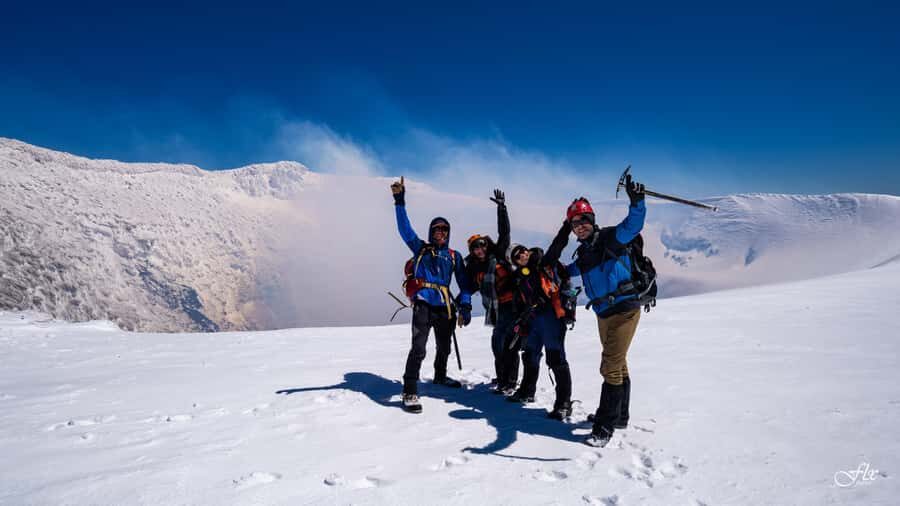
The descent is where this trip earns its fun reputation. It changes with the season.
- In winter, autumn, and spring: the tour uses snow slides for the descent.
- In summer: you descend on foot.
Either way, your goal is the same: get down safely and with good control. In colder months, the snow-slide style can make the descent feel like a release after the hard climb. In summer, the experience shifts to careful footing and staying balanced as you work your legs back downhill.
Expect the descent to take 2 to 4 hours. That timing is realistic, because going down isn’t automatically easy on a steep volcano. Your knees will know about it if you don’t move smart.
If you’ve never used crampons or an ice axe before, this is also where you’ll appreciate the earlier instruction. Good technique makes a huge difference when you’re coming back through icy sections.
Price and value: what $185 covers (and what you still need)
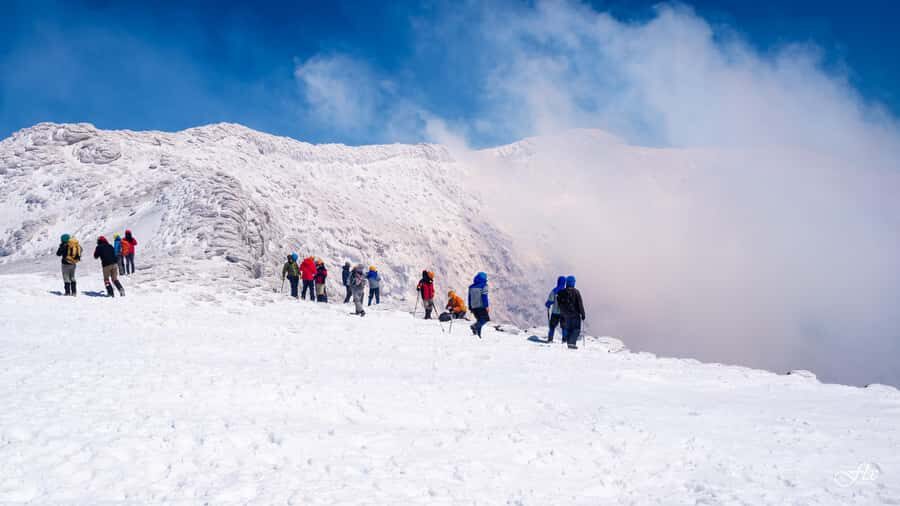
At $185 per person, the value here comes from the number of “big ticket” items included.
What’s included:
- Certified guide
- Transport to and from the park
- Entrance to Villarrica National Park
- Activity insurance
- Full safety gear: helmet, crampons, ice ax, trekking sticks, windproof jacket, gloves, and more
What’s not included:
- Sunglasses and sun hat
- Hat for the cold
- Sunscreen
- 2 liters of water
- Food for the day
So the math is mostly about this: you’re paying for guidance, transport, park access, and the gear that protects you from the mountain. That’s a lot to get in one package.
Your add-ons are simple, but don’t ignore them. Plan on bringing at least 2 liters of water, and bring food. The effort is long, and a snack stash can keep you steady.
Also, don’t underestimate sun exposure. Even on cold days, UV can sneak up on you, and snow glare is no joke—so bring sunglasses and sunscreen.
What to pack: layers that won’t fail you
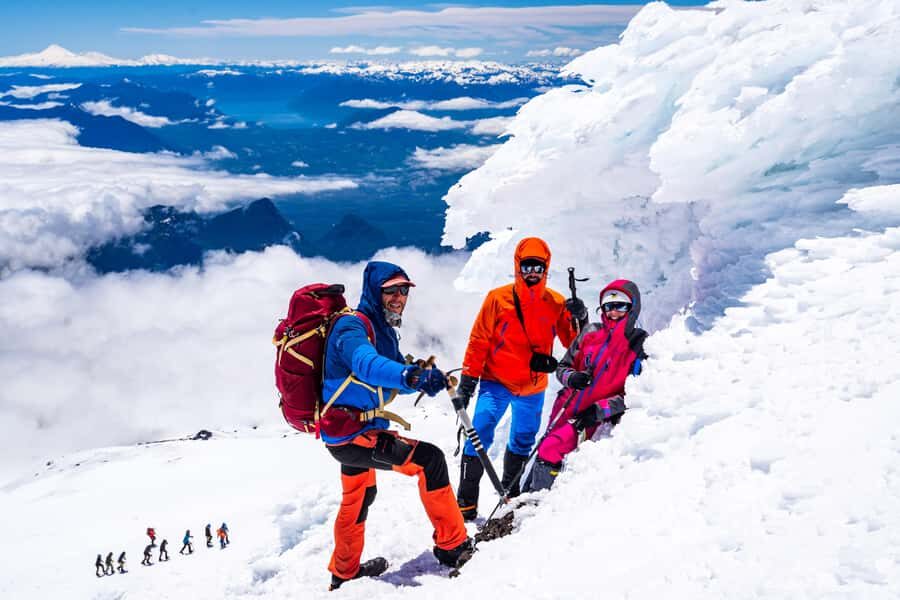
This is a cold-weather climb where you’ll be moving, sweating a bit, and then catching wind again. Your clothing needs to handle that rhythm.
Bring:
- Warm clothing and a long-sleeved shirt
- Hiking pants
- Socks you’re comfortable hiking in
- Sunglasses
- Sunscreen
- Food and drinks
- Water (you’ll want the full amount since it’s not included)
- A charged smartphone
A smart move is packing in layers so you can adjust. Start cooler than you think you should be, then warm up as you hike, then re-cover once you’re in colder wind zones.
Also bring a snack for the day. I like that the tour recommends that kind of on-the-go fuel, because a steep climb turns small hunger into a big distraction.
Who should go, and who should skip this one
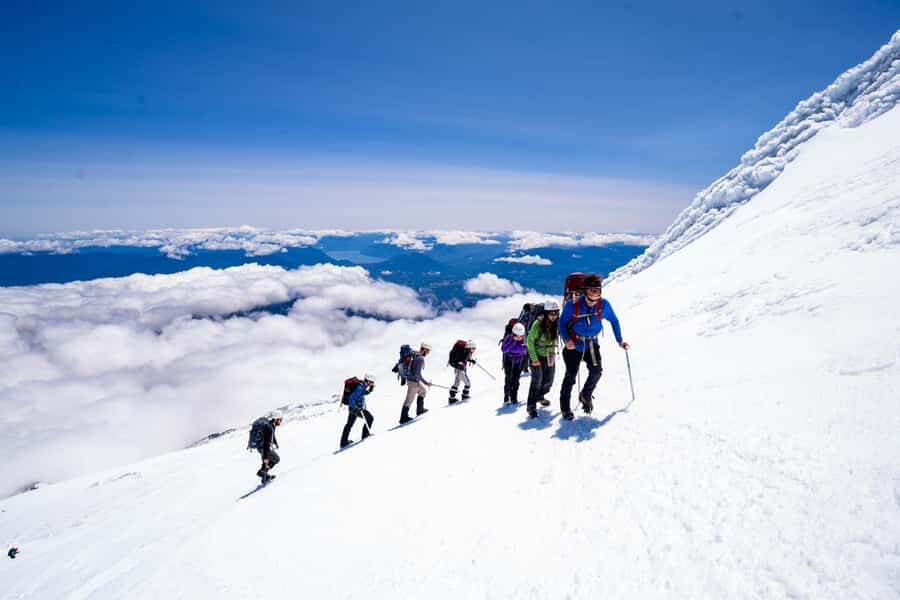
This tour is best for people who want a real summit hike with real equipment. If you’re comfortable doing a steep climb with long hours outdoors and you don’t mind cold, it can be a highlight of your time in Pucón.
It is not suitable for:
- Pregnant women
- People with vertigo
- Children under 18
- People with respiratory issues
- People with altitude sickness
- People with recent surgeries
- Anyone who is intoxicated or using alcohol/drugs during the activity
- Unaccompanied minors
That list is worth taking seriously. Villarrica punishes mistakes, and the crater and ice sections aren’t a “push through anyway” situation.
If you’re nervous about heights, or your stomach flips with exposure, this is the wrong day. Choose a different hiking option where you can enjoy the views without committing to the summit zone.
Booking realities: weather changes and the equipment test
A few practical facts can save you stress.
- The ascent depends on weather conditions. The team checks weather the day before and at the start time.
- You must test the equipment the day before your activity.
If you like flexibility, free cancellation up to 24 hours ahead and reserve-now/pay-later options can be helpful. But still treat weather and timing as part of the plan, not a footnote.
Also, the tour operates in English, French, and Portuguese. If you want English, plan to confirm when you book.
Should you book the Villarrica ascent with Terravolcano?
Book it if you want:
- A guided summit climb with crampons and ice axe support
- A structured day with transport, park entrance, and insurance handled
- A real volcano payoff at the crater, with views over Pucón and the surrounding lakes
- A descent that can include snow slides in colder seasons
Skip it if:
- You deal with vertigo or have any concern about breathing/altitude limits listed above
- You’re not willing to do a long, steep, cold-weather hike
- You don’t want the day-before requirement to test equipment
If you’re the type of traveler who likes your adventure organized and your safety taken seriously, this is a strong choice for Volcán Villarrica out of Pucón. The mix of gear, guidance, and the summit crater moment is exactly what makes the trip feel worth the early morning alarm.
FAQ
Where is the meeting point for the Villarrica volcano climb?
You meet at the Terravolcano Agency, located at Av. Bernardo O’higgins 717, local 4, Bulevar Patagonia.
What time does the tour start?
The tour starts at 6:00 am at the office for equipment.
How long is the activity?
The total duration is 510 minutes.
What’s included in the price?
It includes a certified guide, transport, entrance to Villarrica National Park, activity insurance, and mountain gear such as helmet, backpack, mountain footwear, crampons, ice ax, trouser cover, windproof jacket, trekking sticks, and gloves.
What should I bring that is not included?
Bring sunglasses, a sun hat, a hat for the cold, sunscreen, about 2 liters of water, and food for the day.
Do I need to test equipment before the climb?
Yes. You need to come to the office one day before the activity to test the equipment.
Is the climb always the same in every season?
No. The ascent depends on weather conditions. Also, descent changes by season: snow slides in winter/autumn/spring, and walking down in summer.
Are there any language options for the guides?
Yes. The live tour guide is available in English, French, and Portuguese.
Is this tour suitable for kids?
No. It is not suitable for children under 18.
What’s the cancellation policy?
You can cancel up to 24 hours in advance for a full refund. There are also reserve-now and pay-later options (you can book and pay later).