REVIEW · SANTIAGO CHILE
Santiago: Best Street Food Tour With A Local Guide
Book on GetYourGuide →Operated by Guydeez Tours · Bookable on GetYourGuide
Cerro Santa Lucía food-first, city-second. That mix is what makes this Santiago tour work so well: you get tastings while also learning how the neighborhoods shape what people eat. I like the balance between classic landmarks and real food stops, so your afternoon doesn’t feel like you’re bouncing from one photo spot to the next.
Two things I really like are the private, exclusive guide time (you’re not stuck sharing your route), and the way the tour brings you into neighborhoods like Barrio Lastarria for staples such as humitas and sopaipillas. One consideration: if you’re in town on a Sunday, some sights and food stops may run with limited hours, so your guide’s flexibility becomes extra important.
In This Review
- Key Highlights You’ll Feel Right Away
- Walking, Tasting, and Getting Your Bearings in Santiago
- Private 3 Hours That Doesn’t Rush the Food
- Meeting Point: Antonio Varas Hall and a Central Start
- Cerro Santa Lucía: Your First Santiago Photo Stop With a Food Twist
- Plaza de Armas de Santiago: Classic Square Energy, Short and Sweet Tastings
- National Museum of Fine Arts: Art Context for the Food Story
- Mercado Central: Where Santiago Food Looks Like Real Life
- Barrio Lastarria: Humitas and Sopaipillas in a Neighborhood With Personality
- What the Food Tastings Feel Like (and How Much to Expect)
- Guides: How David and Fernando Change the Route
- Transportation and Walking: How You’ll Get From Stop to Stop
- Value: Is $57 a Good Deal for This Kind of Tour?
- Who Should Book This Santiago Street Food Tour
- Should You Book This Street Food Tour in Santiago?
- FAQ
- What’s the duration of the Santiago street food tour?
- Where do I meet the guide?
- How much does it cost per person?
- Is this tour private?
- What languages are available for the guide?
- Do I get food and drinks tastings?
- Will I be walking the whole time?
- Which stops are included during the 3 hours?
- Is there a cancellation policy?
- Is the tour wheelchair accessible?
Key Highlights You’ll Feel Right Away
- Private, one-group-only experience with an English-speaking guide (plus French, Italian, Spanish options)
- 3 hours of walking plus public transport, so you cover multiple areas without exhausting yourself
- Food tastings paired with landmarks, from Cerro Santa Lucía to Plaza de Armas and Mercado Central
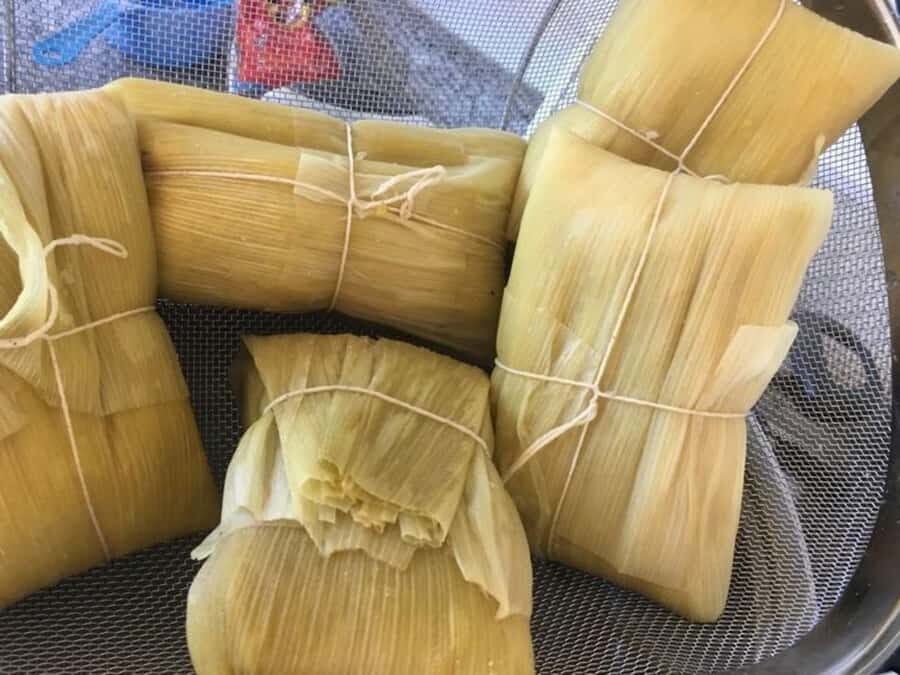
- Barrio Lastarria classics like humitas and sopaipillas, tied to the local street-food story
- Guides David or Fernando-style hosting, with a culture-and-food mix that stays flexible to your interests
- Help with ticket booking for any visits that need it
Walking, Tasting, and Getting Your Bearings in Santiago
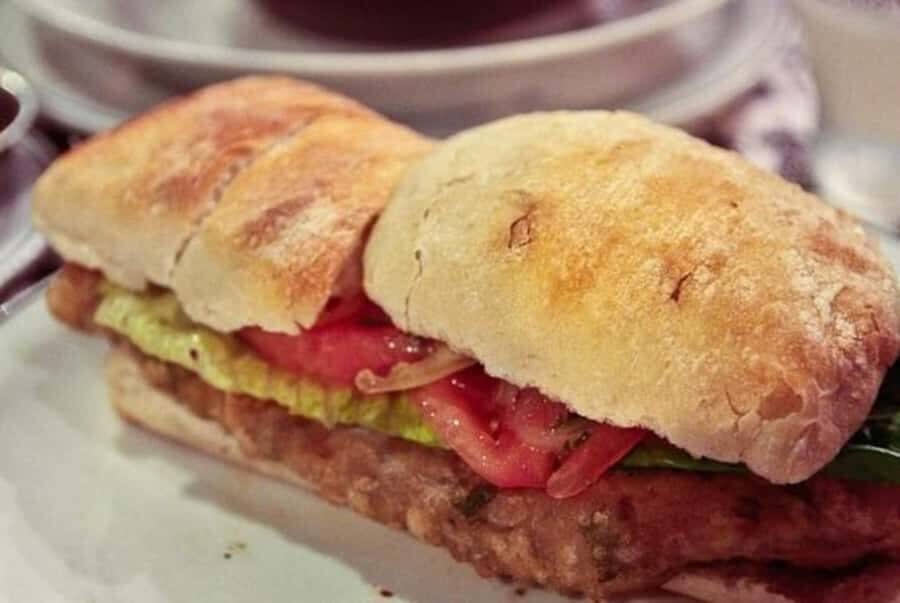
Santiago can feel big fast. This tour is designed to fix that problem by turning your afternoon into a guided route with clear stops and clear reasons to be there. You’re not just eating random bites; you’re moving through the city the way locals do—on foot for atmosphere, and then by public transport to connect neighborhoods efficiently.
The other smart part is the structure: each stop gets time for a photo moment, a guided look, and a food tasting window. That helps you pace yourself. You’ll also get practical context for what you’re seeing, not just a list of what’s famous.
If you’re the type who likes to understand a place while you’re in it—why a dish shows up where it does—this format gives you that at a comfortable speed.
You can also read our reviews of more food & drink experiences in Santiago Chile


Private 3 Hours That Doesn’t Rush the Food
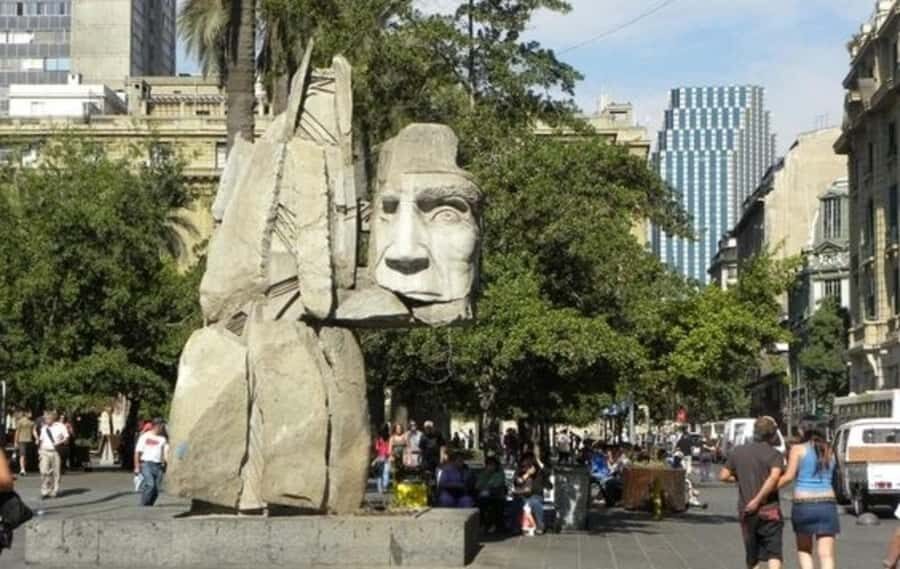
The biggest value here is the time with your guide. This is private and exclusive, meaning you won’t have other people in your group. That matters because street food needs questions. You might want to know what to order, what to eat first, or how spicy something is. With a private setup, the guide can steer you without worrying about keeping a larger group together.
Customization is also built in. If you’re more into street stalls than sit-down meals, or you prefer more culture stops versus more food, the guide can shape the route around you.
Duration is 3 hours, which is long enough to try several tastings but short enough that you won’t feel wiped out. And because it mixes walking with public transport, you avoid that start-stop fatigue that can happen on food tours that are all on foot.
Meeting Point: Antonio Varas Hall and a Central Start
You’ll meet your guide in front of the Chilean National Theater Antonio Varas Hall. The listed start location is Morandé 25, so expect to be in the central area where Santiago’s key walking streets begin. This is helpful if it’s your first day in town—you’re starting from somewhere easy to find and easy to keep returning to afterward.
From there, you’ll work your way through iconic sights and working food areas. The guided flow keeps you moving, but not at a sprint pace. You’ll have “walk” moments built into each segment, so you get street life as part of the experience instead of feeling like you’re only stopping to eat.
Cerro Santa Lucía: Your First Santiago Photo Stop With a Food Twist
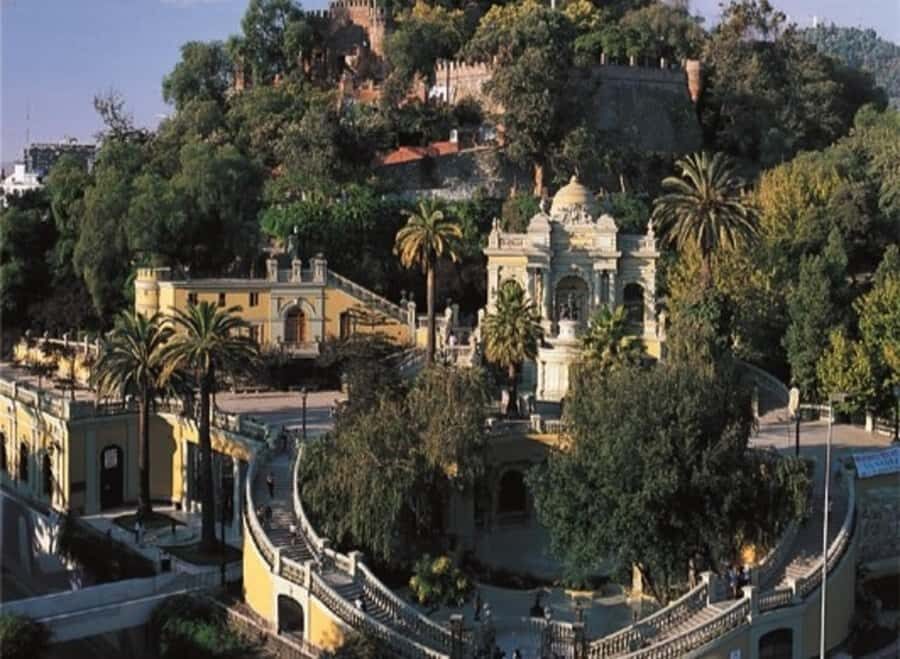
Cerro Santa Lucía is one of those places that helps you understand Santiago’s layout right away. On this tour, it’s not just a viewpoint. You get time for sightseeing and a guided walk, plus a food tasting window of about 45 minutes.
Why this stop works on a food tour: it gives you perspective. Once you’ve seen the hill and gotten your bearings, the rest of the afternoon feels more connected. It’s easier to picture where Plaza de Armas sits relative to the neighborhoods you’ll pass later, and that makes the city feel smaller in a good way.
If you want a practical tip, wear comfortable shoes. The tour includes guided walking segments throughout, and Cerro Santa Lucía is the kind of area where you’ll appreciate good footing.
Plaza de Armas de Santiago: Classic Square Energy, Short and Sweet Tastings
Next up is Plaza de Armas de Santiago, with around 30 minutes for photo stops, guided sightseeing, walking, and food tasting. This is a smart pacing move. After Cerro Santa Lucía’s longer segment, you get a tighter, more focused stop where you can take in the square’s atmosphere and then move on.
On a street food tour, plazas can sometimes feel like detours. Here, the timing keeps it practical: you’re not stuck watching scenery for too long before eating. Think of it as a reset point—enough time to orient yourself and taste something that fits the moment, then continue.
If you like people-watching and you don’t mind stopping for photos, you’ll probably enjoy this part. If you hate standing around, just keep your energy geared toward the tasting segment.




National Museum of Fine Arts: Art Context for the Food Story
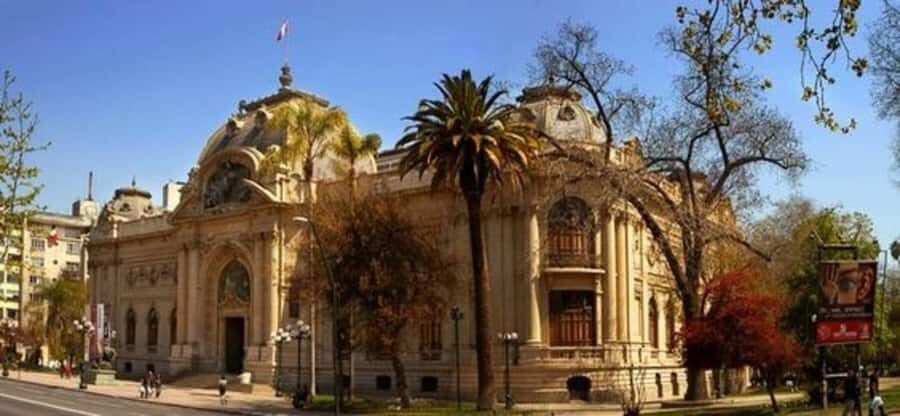
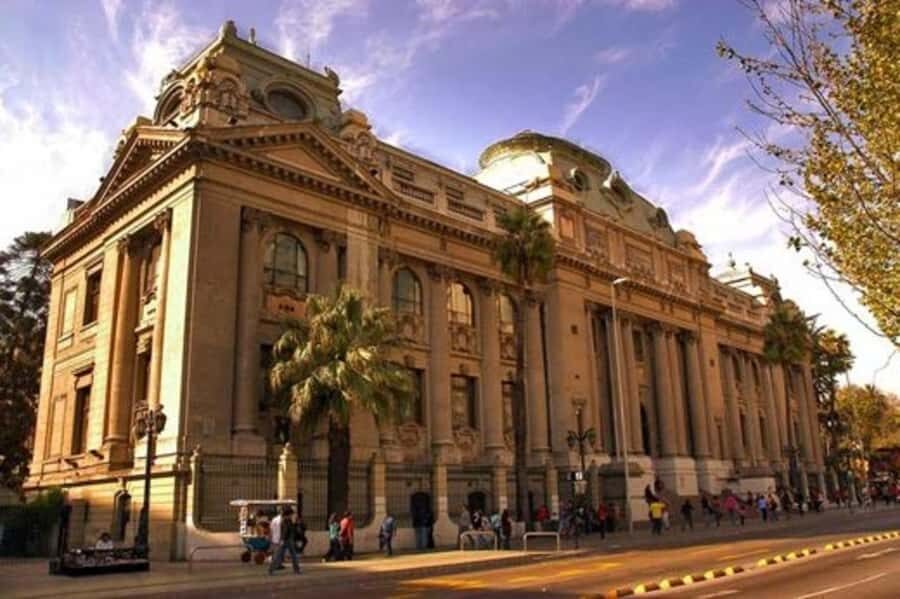
The National Museum of Fine Arts is included as a guided stop with about 30 minutes for photo stop, visit, sightseeing, walking, and food tasting. That sounds unusual for a street food tour, but it makes sense if you enjoy cultural context.
The way the tour is framed, the museum visit isn’t an “add-on.” It’s there to help you connect the dots between Chilean culture and the dishes you’re tasting later. Even if you’re not a museum person, this segment can add value by giving you a cultural lens. You’ll get insight into the artistic and cultural backdrop that influences what people eat and how they talk about it.
Practical note: museum timing can be affected by opening hours. If your day is Sunday, keep your expectations flexible and let your guide adjust.
Mercado Central: Where Santiago Food Looks Like Real Life
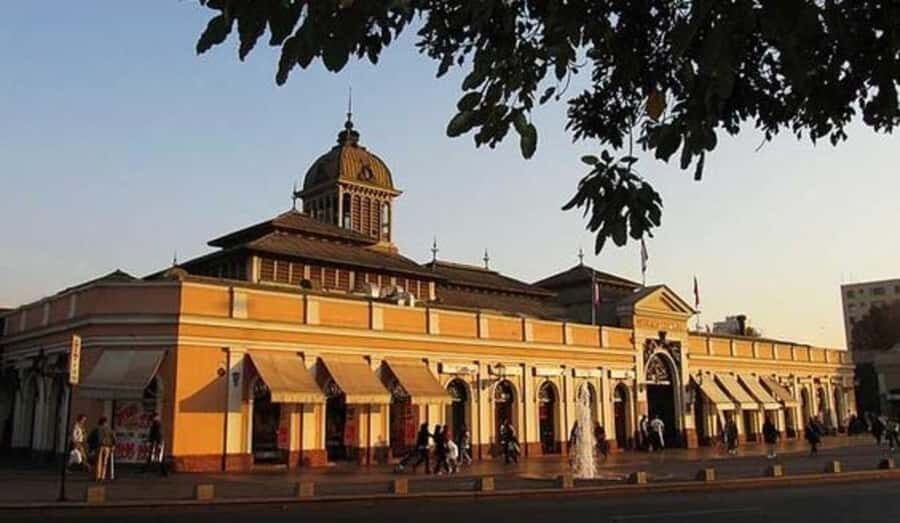
Mercado Central is one of those places that changes how you see food. Instead of tastings happening in a neat and controlled setting, you step into a real food environment where people are shopping, ordering, and moving with purpose. On this tour, you spend about 30 minutes here with a guided visit and food tasting time.
What I like about Mercado Central on a food tour is the contrast. By the time you reach it, you’ve already seen major sights and central squares, so the market feels grounded. You get to taste in a place that feels connected to daily routines.
You don’t need to be a food expert here. The guide helps you navigate what to try, and because tastings are part of every stop, you’re never left wondering if you chose the wrong thing. You just follow the route and let the guide translate the market atmosphere into what’s worth eating.
Barrio Lastarria: Humitas and Sopaipillas in a Neighborhood With Personality
Barrio Lastarria is your final big neighborhood segment, with about 45 minutes for photo stop, guided tour, sightseeing, walking, and food tasting. This is the part of the itinerary that’s specifically tied to Chilean street-food staples.
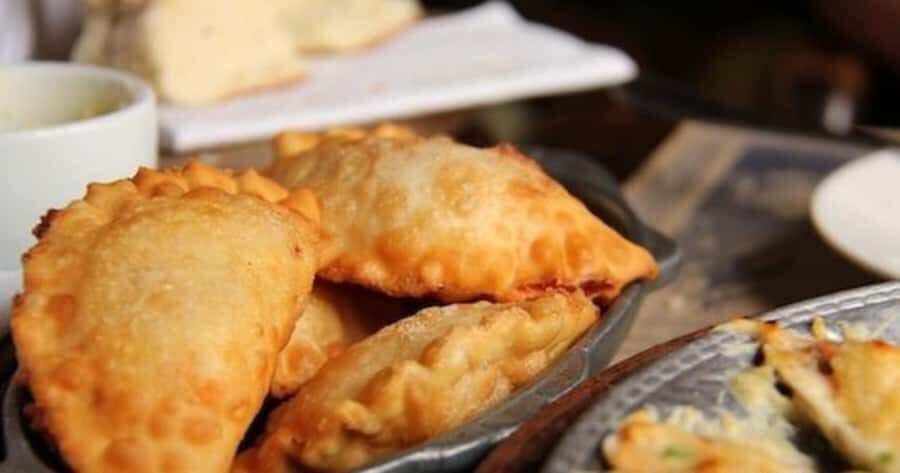
You’ll get tastings of humitas and sopaipillas, which are two dishes many people immediately associate with Chile. That’s the win: you’re tasting recognizable classics, but you’re also doing it with a guide who can connect them back to local habits and neighborhood culture.
Lastarria also tends to feel more like a “wander and watch” area than a strict tourist circuit. You’ll likely enjoy this if you like street life—shops, foot traffic, and everyday energy—plus the added comfort of knowing what you’re eating and why.
One more reason this stop lands well at the end: you finish with dishes that feel like true street-food souvenirs. When you head out afterward, you’ll have flavors you can remember, not just photos of buildings.
What the Food Tastings Feel Like (and How Much to Expect)
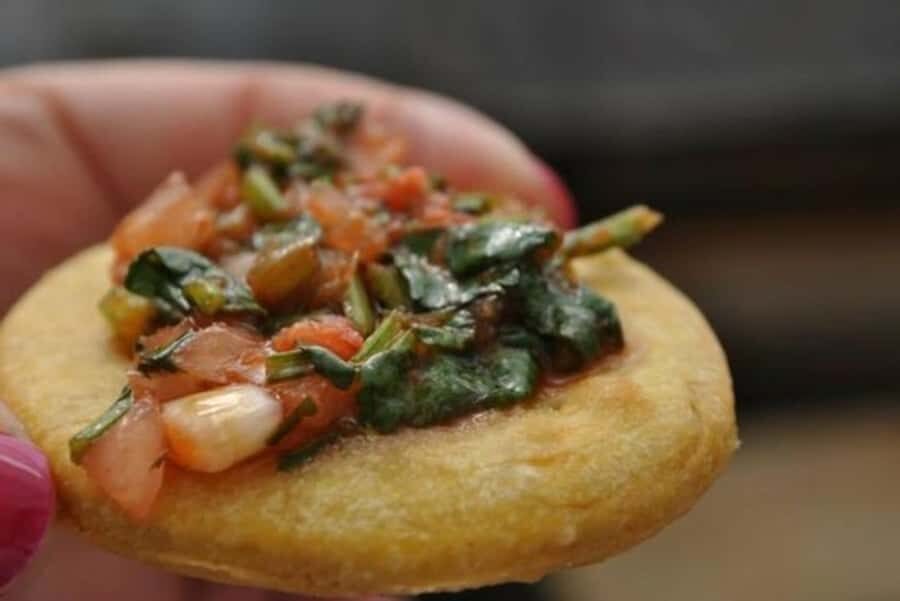
The tour includes food and drinks tastings at each stop. The exact menu isn’t listed here, but the pacing is consistent: photo and sightseeing time, then a tasting window. That structure usually means you’re trying multiple smaller samples rather than committing to one full meal.
Some guides may push you toward sampling a lot—one guide experience described the amount as maybe too much. If you’re a light eater, tell your guide at the start. Private tours are where small adjustments actually work, because the route isn’t constrained by a larger group’s pace.
If you’re concerned about getting too full, a simple strategy helps:
- Take a drink break between tastings.
- Start with the milder items if you’re unsure.
- Save your best appetite for the Lastarria segment, where the classics are highlighted.
Also, bring cash only if your guide suggests it. Since the tour includes tastings, you’re not expected to self-fund every bite—still, it’s smart to be ready for small extras if something catches your attention.
Guides: How David and Fernando Change the Route
A food tour rises or falls on the guide. Here, you’re getting an English-speaking guide, and the tour has versions in French, Italian, and Spanish too. That language support matters because street food needs real conversations: ingredients, order tips, and even simple clarifications like what a dish is made from.
The names David and Fernando come up in past experiences, and the pattern is consistent: the guide blends culture and food without turning it into a lecture. One experience also emphasized that the one-on-one, private feel made the afternoon relaxed and personal.
What that means for you: you can ask questions and get answers that match what you’re actually seeing. If you’re curious about what to do next in Santiago, the guide is also part of your planning system—offering advice about other activities after the tour.
Transportation and Walking: How You’ll Get From Stop to Stop
This is a walking tour with public transport. The idea is simple: you cover what you can on foot, then you take metro and bus when it saves time and keeps you from burning out.
Expect a mix. Even when you use public transport, the tour keeps a “walk-and-look” rhythm with guided segments. It’s one of the reasons the tour lasts 3 hours instead of turning into a long transit marathon.
Your best bet is to wear comfortable walking shoes and plan for some uneven street surfaces. You’re outside most of the time, and the tour is built around moving through multiple districts.
Value: Is $57 a Good Deal for This Kind of Tour?
At $57 per person for a 3-hour private street food experience, the value is in what you’re paying for, not the sticker price. You’re getting:
- Multiple tastings across several stops
- An English-speaking guide focused on both food and culture
- Private/exclusive time, so you don’t compete with other voices
- Walking plus public transport included in the experience format (with any transport option details handled by the tour)
If you were to do tastings on your own, you’d still need research time and decision-making. With this tour, the guide handles the ordering logic and the route planning, and you spend your energy on eating and learning.
The trade-off is that you’re on a set 3-hour arc. If you prefer total freedom—stop wherever you want, eat as much or as little as you please—then a guided tour may feel structured. But if you want a reliable afternoon with strong local direction, this price-to-time ratio makes sense.
Who Should Book This Santiago Street Food Tour
This tour fits best if:
- You’re new to Santiago and want a fast way to understand neighborhoods.
- You like street food but also want the cultural “why” behind dishes.
- You want a private guide so you can ask questions and steer the pace.
- You enjoy seeing landmarks like Cerro Santa Lucía, Plaza de Armas, and the National Museum of Fine Arts while also eating.
It may be less ideal if:
- You hate walking and want a mostly seated experience.
- You’re traveling on a day with limited opening hours and you’re set on a specific attraction time. In that case, you’ll want your guide’s flexibility working for you.
Should You Book This Street Food Tour in Santiago?
If you want an afternoon that combines real food tastings with clear Santiago orientation, I’d book it. The private, exclusive format is the difference-maker: you’re not being dragged along by a large group, and your guide can adapt to what you enjoy. Starting near Antonio Varas Hall and moving through Cerro Santa Lucía, Plaza de Armas, Mercado Central, and Barrio Lastarria gives you a well-balanced route.
The only real caution is timing. Plan for possible closures if you’re visiting on a Sunday, and expect that your guide will adjust.
If that sounds workable, $57 for 3 hours with guided tastings is a solid value—especially when your goal is both flavor and context.
FAQ
What’s the duration of the Santiago street food tour?
The tour lasts 3 hours.
Where do I meet the guide?
Meet your guide in front of the Chilean National Theater Antonio Varas Hall.
How much does it cost per person?
The price is $57 per person.
Is this tour private?
Yes, it’s private and exclusive, with no one else in your group.
What languages are available for the guide?
The tour is available in English, French, Italian, and Spanish.
Do I get food and drinks tastings?
Yes. Food & drinks tastings are included.
Will I be walking the whole time?
It’s a walking tour with public transport included (except if you select an option that changes transport).
Which stops are included during the 3 hours?
Key stops include Cerro Santa Lucía, Plaza de Armas de Santiago, the National Museum of Fine Arts, Mercado Central, and Barrio Lastarria.
Is there a cancellation policy?
There is free cancellation up to 24 hours in advance for a full refund.
Is the tour wheelchair accessible?
The tour is listed as wheelchair accessible.